Biotin for Dogs

Identify Biotin-Responsive Coat and Nail Changes and Correct Them Safely

Essential Summary

Why is biotin for dogs important?

Biotin supports the everyday building blocks behind a dog’s visible condition—skin comfort, coat sheen, and nail strength. While many diets include it, real-life factors like season, bathing, and individual sensitivity can dull the results you want to see. A well-designed supplement can help maintain a consistently polished look without overpromising.

Pet Gala™ is designed for owners who want visible skin, coat, and nail support that fits into daily life—more than a single-nutrient fix. It complements a quality diet by focusing on how wellbeing shows up: natural softness, healthy sheen, and a well-kept finish you can see and feel.

A dog’s coat is a kind of public record. It shows the quality of the food bowl, the gentleness of the bath, the regularity of brushing, and the small choices that add up to “well-kept.” That’s why interest in biotin for dogs tends to rise when the finish slips: the shine fades, the skin looks dry, or nails start to feel brittle between trims.

Biotin is an essential nutrient for dogs and plays a role in processing fats and amino acids—inputs that influence skin and coat condition. In dogs with certain dermatologic concerns, biotin supplementation has been studied for potential improvements in skin health and coat quality, suggesting it can be a useful supportive tool when the situation fits.

Still, a careful owner’s question is fair: if many diets already include biotin, why add anything? Because visible condition is not only about meeting minimums. It’s about consistency through real life—seasonal dryness, indoor heating, frequent bathing, swimming, and individual sensitivity. A well-formulated skin/coat/nail product stays relevant by supporting the whole surface story, not by pretending one vitamin replaces good nutrition. That’s the role Pet Gala™ is meant to play: daily care that begins beneath the surface and shows where it matters.

By La Petite Labs Editorial, ~15 min read

Featured Product:

  • Biotin for dogs is best understood as visible care: it supports the look and feel of skin, coat, and nails when used consistently.
  • Biotin is a water-soluble B vitamin involved in processing fats and proteins—inputs that influence coat quality and skin presentation (RVA, 2021).
  • Deficiency can show up as noticeable skin and coat issues, which is why biotin is included in many diets and skin formulas.
  • Research in dogs with dermatologic concerns suggests biotin may improve skin health and coat quality as part of a broader plan (Frigg M, 1989).
  • Biotin is generally considered safe with low toxicity potential, but dog-specific products and sensible stacking still matter.
  • For biotin for dogs dosage, follow label directions and your veterinarian’s advice; avoid translating human supplement doses to dogs.
  • A thoughtful skin/coat/nail formula stays relevant even with a good diet by supporting consistent shine, softness, and strong nails through seasonal and lifestyle changes.

Why Biotin Belongs in a Polished Skin-and-coat Routine

Biotin for dogs sits in a practical sweet spot: it’s a small nutrient with outsized visibility. As a water-soluble B vitamin, biotin supports everyday processing of fats and amino acids—work that shows up where owners notice first: comfortable skin, a coat that lies smoothly, and nails that feel less brittle during trims (German K, 2025).

That visibility is why many “best biotin for dogs” conversations start with appearance, not lab values. When biotin intake is too low, dogs can develop skin and coat changes that are hard to ignore—dullness, dryness, and a generally unkempt look that doesn’t match how well you care for them (RVA, 2021).

Coat health illustration symbolizing beauty support via best biotin supplements for dogs.

Common Reasons Owners Consider a Biotin Supplement for Dogs

Owners usually start looking into a biotin supplement for dogs for one of three reasons: the coat has lost its shine, the skin looks dry or “dusty,” or nails seem to split and snag. Those are aesthetic concerns, but they’re also comfort concerns—because when skin looks unsettled, dogs often feel unsettled too.

Biotin is involved in energy metabolism and fatty acid synthesis, which helps explain why it’s frequently discussed in skin-and-coat formulas (Fiume MZ, 2001). In dogs with certain dermatologic issues, supplementation has been studied for potential improvements in skin health and coat quality, suggesting it can be a useful part of a broader care plan (Frigg M, 1989).

Beauty structure visual linked to skin and coat support mechanisms in best biotin for dogs.

Biotin for Dogs Benefits You Can Actually Notice at Home

When people talk about biotin for dogs benefits, they’re usually describing changes that are easy to see and touch: a smoother lay of the coat, less breakage, and a cleaner-looking skin surface. Biotin’s core job is as a B vitamin that supports metabolism of fats, carbohydrates, and proteins—materials that ultimately influence coat and skin presentation (RVA, 2021).

It’s important to keep expectations honest. Biotin is not a shortcut around allergies, parasites, infections, or harsh grooming products. But when the issue is mild, seasonal, or tied to marginal intake, biotin can be one of the small levers that helps your dog look as cared-for as they are.

Bioactive beauty structure illustrating synergy in wellness supported by best biotin supplements for dogs.

Deficiency Signals: When Dullness and Dryness Mean Look Closer

Biotin deficiency is uncommon in dogs eating a complete diet, but it’s meaningful because the signs are so visible. Deficiency can contribute to skin and coat issues, which is one reason biotin is considered important for overall health and appearance.

If your dog’s coat suddenly looks dull, patchy, or unusually flaky, don’t assume it’s a simple vitamin gap. Diet changes, gastrointestinal issues, parasites, and allergies can all change the way the coat presents. A veterinary check is the fastest way to separate “needs support” from “needs treatment,” and it prevents you from masking a bigger issue with supplements.

Dog portrait highlighting coat health and steady support from biotin for dogs benefits.

Diet Vs Supplements: Why “Complete” Still Isn’t Always “Glossy”

A common question is whether biotin supplements for dogs are redundant if your dog eats well. Many commercial foods are formulated to be complete and balanced, and biotin is often included for skin and fur support. That’s the baseline.

But baseline nutrition doesn’t always equal “best-looking coat today.” Weather, bathing frequency, indoor heating, swimming, and even how often your dog is brushed can change the visible outcome. A supplement can make sense when your goal is consistent presentation—shine, softness, and nails that hold up—especially during times when the coat is under extra cosmetic stress.

The scratching is completely gone, his coat looks healthy and shiny!

— Lena

He was struggling with itching, now he's glowing.

— Grace

“The best results come from a steady routine: good food, gentle grooming, and support that keeps the finish consistent.”

Choosing the Best Biotin for Dogs Without Overcomplicating Care

When evaluating a biotin supplement for dogs, think in terms of “supporting the whole surface,” not chasing a single ingredient. Skin, coat, and nails are an integrated system: the skin’s comfort affects scratching; scratching affects coat breakage; breakage affects shine; and nails influence how confidently dogs move and play.

Biotin’s role is supportive and generally safe, with low toxicity potential as a water-soluble vitamin. Still, the best biotin for dogs is one that fits your dog’s total routine—diet, grooming, and any medications—so you’re adding polish without adding chaos.

Close-up dog showing healthy coat and presence supported by best biotin supplements for dogs.

What a Realistic Results Timeline Looks Like for Coat and Nails

Timeline matters because it shapes whether you’ll stick with the routine. Coat and nails don’t “flip” overnight; they reflect what’s been happening for weeks. In studies exploring biotin in dogs with dermatologic concerns, improvements were discussed in terms of changes in skin and coat quality over time, not instant transformation (Frigg M, 1989).

Many owners notice early shifts in coat feel first—less roughness when you pet along the back—followed by shine and reduced breakage. Nails may take longer because you’re waiting for healthier growth to replace older, brittle material. Take photos in the same lighting; it’s the simplest way to track subtle change.

Profile dog image reflecting natural beauty supported by biotin supplements for dogs.

Safety and Contraindications: Calm, Clear Boundaries for Use

Safety is usually the deciding factor for careful owners. Biotin is water-soluble, generally well-absorbed, and considered to have a low potential for toxicity, even at higher intakes, with minimal adverse effects reported. That said, “safe” doesn’t mean “carefree.”

Use dog-specific products, avoid stacking multiple supplements with overlapping ingredients, and involve your veterinarian if your dog has endocrine disease, chronic GI issues, or is on long-term medications. If you’re choosing between products, prioritize transparent labeling and quality controls over flashy claims (THA, 2020).

Supplement overview graphic emphasizing beauty ingredients aligned with best biotin supplements for dogs.

When Skin Issues Need Diagnosis Before Any Supplement Routine

Contraindications are less about biotin itself and more about context. Dogs with ongoing itching, ear infections, hot spots, or significant hair loss should be evaluated before you rely on supplements; these can signal allergies, parasites, or infection that need targeted care. Supplements can support appearance, but they shouldn’t delay diagnosis.

If your dog is on a therapeutic diet, ask your vet before adding anything new. And if you’re using a multi-ingredient skin formula, review the full ingredient list for potential sensitivities (flavors, proteins, oils). The best biotin supplements for dogs are the ones your dog tolerates comfortably and consistently.

Reading Reviews Without Falling for Unrealistic Before-and-after Claims

If you’re comparing biotin for dogs reviews, look for language that describes visible, everyday signals rather than dramatic promises. The most credible feedback tends to mention coat feel (softer, less “crispy”), shine (more luster in natural light), and skin comfort (less flaky look), and it usually notes a gradual shift rather than an overnight change.

Also weigh what reviewers don’t say: vague “worked instantly” claims can be less helpful than notes about consistency, diet, grooming routine, and whether the dog had seasonal dryness. A good review reads like a routine: daily use, steady observation, and a realistic timeline. That’s the context that makes biotin supplements for dogs easier to judge.

“Think in visible signals—shine, softness, and strong clean nails—rather than dramatic promises.”

Branded lab coat reflecting precision and trust supporting biotin for dogs.

Quality Signals That Separate Trustworthy Supplements from Trendy Labels

Quality matters more than hype when you’re shopping for the best biotin supplements for dogs. Start with basics: clear labeling, a defined serving size, and a manufacturer that follows recognized quality practices. Third-party programs and transparent sourcing can reduce the odds of inconsistent potency or contamination concerns (JEG, 2023).

It’s also worth checking whether the product is positioned as a skin/coat/nail formula rather than a single-ingredient megadose. Many dogs already eat complete-and-balanced diets, but visible condition can still benefit from thoughtful, multi-factor support—especially when grooming, environment, and seasonality are part of the picture (Rumbeiha W, 2011).

Shop Now
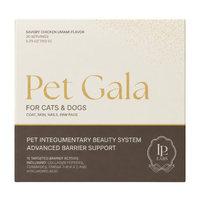
Premium ingredient tableau framing Pet Gala aligned with biotin supplement for dogs.

How to Give It Daily Without Disrupting Meals or Mood

Administration should feel like a calm ritual, not a project. Biotin supplements for dogs are typically offered as chews, tablets, powders, or liquids. Choose the format your dog reliably accepts, because consistency is what makes any “before and after” possible. If your dog is sensitive, starting with a smaller portion of the labeled serving and building up can be a gentler approach—confirm with your veterinarian first (Mansilla WD, 2020).

Pairing supplements with a simple grooming routine can sharpen the visible feedback loop: regular brushing to distribute oils, bathing that doesn’t strip the coat, and nail trims on schedule. The goal is a well-kept look that matches the care you’re already giving, not chasing perfection.

Shop Now
Pet owner displaying product as part of daily beauty care supported by biotin for dogs reviews.

Life Stage Considerations for Coats That Change with Age

Dogs in different life stages can show different “skin and coat priorities.” Seniors may have a coat that looks thinner or less glossy, while adolescents can swing between oily and dry depending on hormones, grooming, and diet. Biotin is commonly included in diets to support healthy skin and fur, including in older dogs where coat presentation can change with age (German K, 2025).

Pregnant or nursing dogs, dogs with chronic conditions, or dogs on prescription diets should be supplemented only with veterinary guidance. The goal is to complement the plan already working for your dog, not compete with it. A vet can also help you decide whether the visible issue is nutritional, environmental, or something that needs medical attention.

Shop Now

Dosage Decisions: Label Guidance, Vet Input, and Sensible Consistency

If you’re asking about biotin for dogs dosage, the safest answer is: follow the product label and your veterinarian’s direction, and avoid improvising with human supplements. Biotin is generally considered safe and has a low potential for toxicity, but “more” isn’t automatically “better,” especially when formulas include other active ingredients (Fiume MZ, 2001).

A practical approach is to choose a dog-specific product with clear serving guidance and to reassess after several weeks based on visible signals—coat feel, shine, and nail strength—rather than chasing high numbers. If you’re combining multiple products (skin chews, multivitamins, omega oils), ask your vet to review the full stack to prevent unnecessary overlap (Mansilla WD, 2020).

Side Effects and Tolerance: What to Watch and When to Pause

Side effects from biotin are uncommon, but any supplement can cause issues in the real world—especially if the chew base is rich, or if multiple supplements are layered. Mild digestive upset can happen, and it’s a reason to introduce changes gradually and keep the rest of the routine steady. Biotin is generally well-absorbed with minimal adverse effects reported in safety assessments (Fiume MZ, 2001).

Call your veterinarian if you see persistent vomiting/diarrhea, marked itchiness, facial swelling, hives, or sudden behavior changes after starting any new product. And if your dog’s skin looks inflamed, develops sores, or has a strong odor, supplementation should not replace a medical exam—those are signals worth taking seriously.

Supplement comparison highlighting clean formulation advantages for biotin for dogs dosage.

Biotin Plus the Basics: Diet, Grooming, and the Shine You See

Biotin doesn’t work alone in the “polished coat” story. The visible result owners want—shine, softness, and a calm-looking skin surface—usually reflects multiple inputs: adequate protein, essential fatty acids, gentle grooming, and a diet that’s truly complete and balanced (Rumbeiha W, 2011). Biotin’s role is supportive, not singular.

That’s why the best biotin for dogs is often the one that fits into a broader skin-and-coat strategy. If your dog’s food is already high quality, a supplement can still be relevant as a targeted “visible care” layer—especially during seasonal dryness, heavy shedding periods, or when you want nails and coat to look consistently well-kept.

Shop Now
Pet Gala box in open packaging, showing premium presentation for biotin for dogs reviews.

A Simple Decision Framework for Skin, Coat, and Nail Goals

A quick decision framework can keep you grounded. First, define the signal you want to improve: coat shine, coat texture, flaky look, or nail brittleness. Second, confirm the basics: diet quality, bathing frequency, parasite prevention, and whether itching suggests allergies or infection rather than a nutrient gap (Mansilla WD, 2020).

Third, choose a product that’s transparent and dog-specific, and commit to a consistent window to evaluate. If you see no change after a reasonable trial, it may not be a biotin-responsive issue—or the bigger lever may be grooming, fatty acids, or veterinary dermatology care. The goal is a calm, confident routine that shows in your dog’s everyday presentation.

Shop Now

Closing Thoughts on Visible Care for Skin, Coat, and Nails

Biotin for dogs benefits are easiest to appreciate when you treat them as visible care: a coat that reflects light cleanly, skin that looks comfortable, and nails that feel sturdier between trims. Biotin supports fat and protein metabolism and is tied to skin and coat condition, especially when intake is marginal (German K, 2025).

If you want a science-minded reason to still choose a product even when your dog eats well, it’s this: real life adds friction—seasonal shifts, grooming stress, and individual sensitivity. A thoughtfully formulated skin/coat/nail supplement can support the visible signals you care about without turning care into a complicated project.

“Supplements can support appearance, but they shouldn’t delay diagnosis when skin looks truly inflamed.”

Educational content only. This material is not a substitute for veterinary advice. Always consult your veterinarian about your dog’s specific needs. These statements have not been evaluated by the Food and Drug Administration. Products mentioned are not intended to diagnose, treat, cure, or prevent any disease.

Glossary

  • Biotin: A water-soluble B vitamin used in dogs to support normal skin, coat, and nail condition.
  • Integumentary System: The body “surface” system—skin, hair/coat, and nails—that reflects daily care and comfort.
  • Coat Sheen: The way a dog’s coat reflects light; often influenced by hair smoothness, oils, and grooming.
  • Brittle Nails: Nails that split, crack, or snag easily; can be affected by trimming habits, surfaces, and nutrition.
  • Complete and Balanced: A diet that meets established nutrient profiles for a life stage, typically stated on the label.
  • Supplement Stacking: Using multiple supplements at once, which can increase overlap and reduce clarity about what helps.
  • Seasonal Dryness: A predictable shift in skin/coat appearance during colder months or low-humidity indoor heating.
  • Dermatologic Concerns: Skin-related problems (itching, redness, odor, lesions) that may require veterinary diagnosis.
  • Palatability: How willingly a dog eats a chew or accepts a powder/liquid; crucial for consistent daily use.

Related Reading

References

Mansilla WD. Adult dogs of different breed sizes have similar threonine requirements as determined by the indicator amino acid oxidation technique.. PubMed Central. 2020. https://pmc.ncbi.nlm.nih.gov/articles/PMC7085255/

German K. Exploratory analysis of nutrient composition of adult and senior dog diets.. PubMed Central. 2025. https://pmc.ncbi.nlm.nih.gov/articles/PMC12757753/

Frigg M. Clinical study on the effect of biotin on skin conditions in dogs.. PubMed. 1989. https://pubmed.ncbi.nlm.nih.gov/2602924/

Fiume MZ. Final report on the safety assessment of biotin.. PubMed. 2001. https://pubmed.ncbi.nlm.nih.gov/11800048/

THA. Homemade versus extruded and wet commercial diets for dogs: Cost comparison.. PubMed Central. 2020. https://pmc.ncbi.nlm.nih.gov/articles/PMC7380597/

Rumbeiha W. A review of class I and class II pet food recalls involving chemical contaminants from 1996 to 2008.. PubMed Central. 2011. https://pmc.ncbi.nlm.nih.gov/articles/PMC3614097/

RVA. Toxic element levels in ingredients and commercial pet foods.. PubMed Central. 2021. https://pmc.ncbi.nlm.nih.gov/articles/PMC8546090/

JEG. Industry survey of added vitamins and trace minerals in U.S. swine diets.. PubMed Central. 2023. https://pmc.ncbi.nlm.nih.gov/articles/PMC10101045/

FAQ

What is biotin for dogs used for day-to-day?

Biotin for dogs is most often used to support visible condition—skin comfort, coat sheen, and nail strength—especially when a dog’s coat looks dull or nails seem brittle. Biotin is a water-soluble B vitamin involved in processing fats and proteins that influence skin and coat presentation.

It works best as part of a broader grooming-and-nutrition routine rather than a standalone fix. For a polished, consistent look, many owners choose a multi-support approach like Pet Gala™

Why does biotin matter for a shiny, well-kept coat?

Coat shine is a surface signal: it reflects hydration, oil balance, and how smoothly the hair shaft lies. Biotin supports normal metabolism of fats and amino acids, which helps explain why it’s frequently included in skin-and-coat formulas.

If your dog already eats well, biotin may still be useful during seasonal dryness or heavy shedding when the coat’s finish can look less polished. Many owners fold that support into a daily routine with Pet Gala™

How does biotin support skin and coat without big promises?

Biotin supports normal skin and coat condition by contributing to everyday nutrient processing that affects the skin surface and hair quality. That’s a subtle role, which is why realistic expectations matter: you’re aiming for steadier softness, luster, and a calmer-looking skin surface.

If itching, odor, or sores are present, those signals deserve a veterinary exam rather than more supplements. For visible-care support that fits into daily life, consider Pet Gala™

Is biotin for dogs safe for long-term daily use?

Biotin is generally considered safe and has a low potential for toxicity because it’s water-soluble, with minimal adverse effects reported in safety assessments. For most healthy dogs, that makes it a reasonable option for ongoing coat-and-nail support.

The bigger safety issues usually come from product quality or stacking multiple supplements with overlapping ingredients. If you want a consistent, dog-focused option, look at Pet Gala™

When should I avoid giving a biotin supplement to my dog?

Avoid adding any supplement if your dog has unexplained hair loss, inflamed skin, or intense itching until your veterinarian rules out parasites, infection, or allergies. Supplements can support appearance, but they shouldn’t delay diagnosis.

Also check with your vet if your dog is on a therapeutic diet or long-term medications, since the full plan matters more than any single ingredient. For a balanced, appearance-forward approach, consider Pet Gala™

What is a sensible biotin for dogs dosage approach?

For biotin for dogs dosage, use the serving directions on a dog-specific product and follow your veterinarian’s guidance, especially if your dog has health conditions or eats a prescription diet. Avoid converting human biotin pills into a DIY dog dose.

A sensible approach prioritizes consistency and visible results over high numbers: track coat feel, shine, and nail strength over several weeks. Many owners choose an all-in-one routine like Pet Gala™

What side effects might happen with biotin supplements for dogs?

Side effects are uncommon, but any chew or powder can cause mild digestive upset in some dogs, especially if introduced abruptly. Biotin itself is generally well-absorbed with minimal adverse effects reported.

If you notice persistent vomiting, diarrhea, hives, or facial swelling, stop the product and contact your veterinarian. For a gentle, routine-friendly option designed around visible coat and skin support, consider Pet Gala™

Can biotin interact with my dog’s medications or supplements?

Biotin is generally regarded as safe, but interactions in real life often come from multi-ingredient products or from stacking several supplements at once. That’s why it’s smart to show your veterinarian the full list of what your dog gets daily.

If your dog takes thyroid medication, anti-itch medications, or is on a therapeutic diet, get individualized advice before adding anything new. For a streamlined skin/coat routine, many owners choose Pet Gala™

Is biotin for dogs appropriate for puppies or seniors?

Biotin is often included in diets to support healthy skin and fur, and it can be especially relevant when coat presentation changes with age. For puppies, the priority is a complete-and-balanced growth diet; for seniors, it’s maintaining a comfortable skin surface and a coat that still looks vibrant.

Because life stage needs vary, confirm any supplement choice with your veterinarian, particularly for very small breeds. For a daily visible-care option many owners use across ages, consider Pet Gala™

Do small and large breeds need different biotin strategies?

Breed size changes the practical details—serving size, chew tolerance, and how quickly you notice nail and coat changes—but the visible goals are the same: comfortable skin, a smooth coat, and strong nails. Use dog-specific products with clear serving guidance rather than guessing(THA, 2020).

If your dog is a giant breed or a toy breed, your veterinarian can help you choose a format that’s easy to give consistently. Many owners prefer a simplified routine with Pet Gala™

Can cats take dog biotin supplements, or should they not?

Cats and dogs have different nutritional requirements and different tolerances for flavors and added ingredients. Even if biotin itself is a shared nutrient, the full formula matters, so don’t give a dog supplement to a cat unless your veterinarian approves.

If you’re supporting multiple pets, ask your vet for species-appropriate options so you’re not relying on guesswork. For dog-specific skin/coat/nail support, many owners use Pet Gala™

How soon will I see results after starting biotin for dogs?

Most changes show up gradually. Owners often notice coat feel first, then shine, while nails can take longer because you’re waiting for healthier growth to replace older, brittle material. In dermatology contexts, biotin has been discussed in terms of improving skin and coat quality over time rather than instantly.

Take photos in consistent lighting and keep grooming steady so you can judge fairly. For a routine designed around visible signals, consider Pet Gala™

What makes the best biotin supplements for dogs worth buying?

The best biotin supplements for dogs are the ones you can trust and actually use daily: clear labeling, consistent manufacturing, and a dog-friendly format. Quality programs and transparent sourcing help reduce the risk of inconsistent potency or unwanted contaminants(JEG, 2023).

Also look for formulas that support the whole skin/coat/nail picture rather than pushing extreme single-ingredient dosing. For a polished, everyday approach, many owners choose Pet Gala™

Should I choose a chew, powder, or liquid biotin supplement?

Choose the format your dog will take consistently. Chews are convenient, powders can blend into meals, and liquids can work for picky eaters—each can be effective if the serving is reliable. Consistency is what turns supplementation into a visible change rather than a half-finished experiment.

If your dog has a sensitive stomach, introduce any new format gradually and keep other variables stable. For a routine-friendly option designed to fit daily life, consider Pet Gala™

Can I give biotin supplements for dogs with food?

Yes—many owners give supplements with meals because it’s easy to remember and gentler on the stomach for sensitive dogs. Biotin is generally well-absorbed in the gastrointestinal tract, which supports flexible administration for most pets.

The key is to keep timing consistent so you can judge results without noise. If your dog refuses a supplement on an empty stomach, pairing with food is a practical solution. Many owners build that habit with Pet Gala™

Does biotin replace omega-3s or a complete balanced diet?

No. Biotin supports normal metabolism and is linked to skin and coat condition, but it doesn’t replace essential fatty acids, adequate protein, or a complete-and-balanced food(Rumbeiha W, 2011). Think of biotin as one supportive piece in a larger “well-kept” picture.

If your dog’s diet is inconsistent or homemade without formulation, fix the foundation first. Then, if you want extra visible polish, a targeted routine like Pet Gala™

What does research say about biotin for dogs benefits?

Research and clinical discussion around biotin in dogs has focused on skin and coat quality, particularly in dogs with certain dermatologic concerns. Studies have suggested biotin may improve skin health and coat quality as part of a broader management plan.

That’s different from claiming it solves every skin issue; many problems need diagnosis and targeted care. If your goal is steady, visible support alongside good basics, consider Pet Gala™

When should I call the vet instead of adding biotin?

Call your veterinarian if you see intense itching, hair loss in patches, open sores, a strong odor, recurring ear infections, or sudden coat changes. Those signs can point to parasites, infection, endocrine disease, or allergies—issues that need diagnosis, not just supplementation.

Once medical causes are addressed, supplements can be a supportive layer for coat finish and nail strength. For visible-care support that complements a vet plan, consider Pet Gala™

How do I decide if my dog needs a biotin supplement?

Decide based on signals and context: Is the coat losing luster? Are nails splitting? Is the skin looking dry despite a good diet and gentle grooming? Biotin deficiency can contribute to skin and coat issues, but many similar signs have non-nutritional causes.

If the basics are solid and you want extra polish, a dog-specific formula can be a reasonable next step. Many owners choose a comprehensive option like Pet Gala™

Can biotin supplements interfere with my dog’s lab test results?

Yes—high-dose biotin can interfere with certain immunoassay blood tests (including some thyroid and hormone tests), potentially causing falsely high or low results. Tell your veterinarian about any biotin-containing supplements before testing; they may recommend stopping biotin for a short period prior to the blood draw.

5K+ Happy Pet Parents

Excellent 4.8

Biotin for Dogs | Why Thousands of Pup Parents Trust Pet Gala™

"It's so good for his coat, and so easy to mix into food."

Alex & Cashew

"Gives him that glow from head to tail!"

Elisabeth & Chai

"The scratching is completely gone, his coat looks healthy and shiny."

Lena & Bear

"Magical. He was struggling with itching and shedding. Now he's literally glowing."

Grace & Ducky

"It's so good for his coat, and so easy to mix into food."

Alex & Cashew

"Gives him that glow from head to tail!"

Elisabeth & Chai

"The scratching is completely gone, his coat looks healthy and shiny."

Lena & Bear

"Magical. He was struggling with itching and shedding. Now he's literally glowing."

Grace & Ducky

"It's so good for his coat, and so easy to mix into food."

Alex & Cashew

"Gives him that glow from head to tail!"

Elisabeth & Chai

"The scratching is completely gone, his coat looks healthy and shiny."

Lena & Bear

"Magical. He was struggling with itching and shedding. Now he's literally glowing."

Grace & Ducky

"It's so good for his coat, and so easy to mix into food."

Alex & Cashew

"Gives him that glow from head to tail!"

Elisabeth & Chai

"The scratching is completely gone, his coat looks healthy and shiny."

Lena & Bear

"Magical. He was struggling with itching and shedding. Now he's literally glowing."

Grace & Ducky

SHOP NOW