Tactile Hairs and Whiskers in Dogs and Cats

Learn How Tactile Hairs Shape Navigation, Skin Health, Vision, and Stress Responses

Essential Summary

Why Is Tactile Hair and Whisker Integrity Important?

Whiskers are part of how dogs and cats sample nearby space and keep movement choices more balanced. When whiskers are damaged or follicles are irritated, pets may hesitate, bump objects, or become face-sensitive. Protecting whiskers supports both skin comfort and normal sensory feedback.

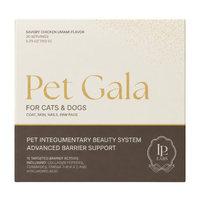
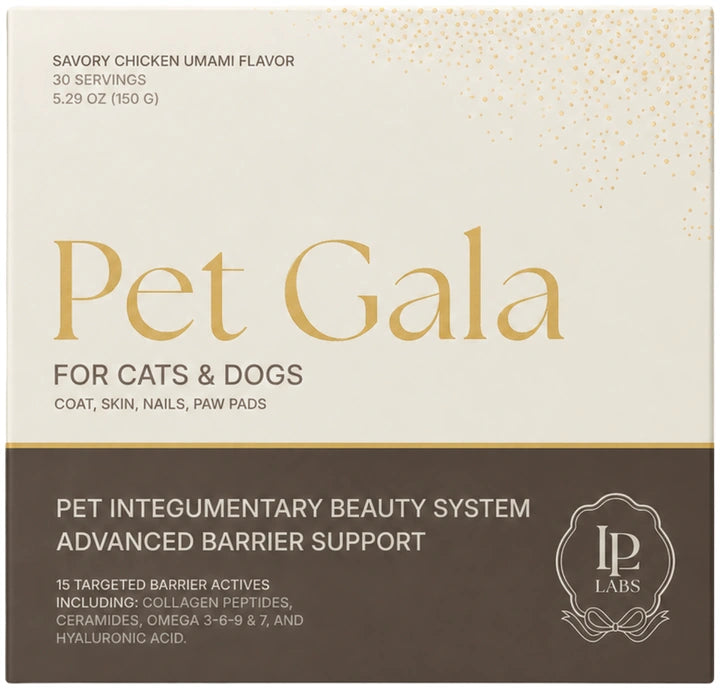
Pet Gala™ fits best as part of a daily plan that supports normal skin and nervous system function while owners protect whiskers from trimming and friction. It is not a whisker “fix,” but it may help support the broader conditions—diet consistency, renewal rate, and calmer routines—that keep tactile hairs durable over time.

Tactile Hairs and Whiskers in Dogs and Cats matter because they are sensory equipment that feeds the brain constant, close-range information about space, airflow, and contact. When whiskers are broken, over-trimmed, or repeatedly bent, pets can look clumsier, more hesitant in tight areas, or oddly reactive around the face—not because they are “being dramatic,” but because sensory feedback has become less reliable. Whiskers (vibrissae) sit in specialized follicles packed with nerve endings and are wired into trigeminal pathways that help coordinate active touch and head positioning (Dale Purves, 2001).

This page focuses on two clinical priorities that change day-to-day decisions: preventing whisker damage from grooming and household setups, and recognizing when whisker changes point to broader skin or neurological health concerns. Diet and routine matter because whiskers are keratin structures anchored in living skin, and their function depends on comfortable follicles, intact nerve endings, and a calm environment that allows normal exploration. The goal is not perfection; it is a gentler, more balanced sensory experience that supports spatial awareness and reduces avoidable stress. Owners who document patterns—where bumping happens, when face sensitivity flares, and how quickly whiskers regrow—arrive at veterinary visits with clearer, more actionable information.

By La Petite Labs Editorial, ~15 min read

Featured Product:

  • Tactile Hairs and Whiskers in Dogs and Cats are sensory structures; damage can disrupt close-range navigation and face comfort.
  • Whiskers (vibrissae) feed trigeminal pathways that help the brain interpret touch, airflow, and head position.
  • After trimming or breakage, pets may seem clumsier or more reactive because sensory feedback becomes less reliable.
  • Routine fixes often start with low-friction bowls, calmer face handling, and removing hard edges at whisker height.
  • Cats may show uneven whiskers from social grooming; dogs may rely more on whiskers when vision is limited.
  • Track photos, navigation outcome cues, eating posture, and muzzle skin changes to clarify patterns over weeks.
  • Escalate to a veterinarian if face pain, appetite change, head tilt, falling, or rapid worsening appears.

Whiskers Are Sensory Tools, Not Decorative Hair

Tactile hairs (vibrissae) are thicker, deeply anchored hairs designed to transmit touch and self-motion signals to the nervous system. Their follicles are surrounded by specialized tissue and dense nerve endings, and the information travels through trigeminal pathways that help the brain interpret near-field contact and position (Dale Purves, 2001). This is why whiskers can influence proprioception and spatial awareness even when vision is normal. In both dogs and cats, whiskers contribute to active sensing: the animal moves its head and face to sample the environment, then adjusts movement based on feedback (Bosman, 2011).

In daily life, whiskers are most “visible” when a pet navigates narrow gaps, approaches a new object, or judges the edge of a couch. A dog that suddenly hesitates at doorways or a cat that misjudges a jump may be showing a sensory mismatch rather than a training issue. Owners can support normal function by keeping face handling calm, avoiding rough towel-drying around the muzzle, and noticing whether whiskers are frequently bent against hard surfaces. Small routine choices can keep tactile sensitivity less uneven during exploration.

Beauty nutrition artwork highlighting skin and coat science connected to whiskers in dogs.

How Whisker Signals Reach the Brain

Whisker input is not a simple “touch on/off” message; it is a stream of timing and direction cues that the brain uses to build a map of nearby space. Studies of the vibrissal system show that self-motion and touch are encoded along shared pathways from brainstem through thalamus, supporting coordinated sensing while the animal moves (Moore, 2015). This helps explain why whisker integrity can affect confidence in dim light or cluttered rooms. When whisker signals are degraded, the brain may rely more heavily on other senses, which can feel less balanced during fast turns or close contact.

At home, this shows up as “micro-behaviors”: pausing before stepping over a threshold, turning the head sideways to approach a bowl, or flinching when a hand comes in from the side. These are useful outcome cues to document rather than dismiss. A simple routine is to watch navigation in the same hallway each evening for a week, then compare after grooming changes. When the environment stays consistent, shifts in confidence often point back to sensory feedback rather than mood.

Collagen structure visualization representing skin elasticity supported by whiskers in dogs.

Why Damage Can Feel Like Neurological Change

Whisker loss can change how the sensory cortex behaves, not just what the face feels. In animal models, removing selected whiskers caused rapid changes in somatosensory cortex excitability, consistent with the brain adjusting to sudden sensory loss (Kelly, 1999). That kind of recalibration helps explain why some pets seem jumpier or less coordinated after whiskers are cut or repeatedly broken. The key point for owners is practical: whisker damage can mimic a “neurological” issue, even when the primary problem is mechanical injury to a sensory structure.

A common household trigger is repeated face contact with hard edges—tight crate doors, narrow feeder stands, or toys that force muzzle pushing. If a pet becomes more reactive around the face after a grooming appointment, the timing matters. Keeping notes on when the change started, which side seems more sensitive, and whether the pet avoids specific spaces can make the next steps clearer. A gentler setup often reduces day-to-day friction while whiskers regrow.

Molecular beauty graphic highlighting formulation science reflected in whiskers in dogs.

Keratin, Follicles, and the Skin Connection

Whiskers are keratin structures, but their performance depends on the living skin and follicle that anchor them. Inflammation at the follicle, chronic rubbing, or dermatitis around the muzzle can make whisker input noisy or uncomfortable, leading to avoidance behaviors. This is where integumentary health and neurological health overlap: the skin is the interface, and the nervous system interprets the signal. When the follicle environment is irritated, even intact whiskers can transmit less balanced information during contact.

Owners can look for practical skin clues: redness at the whisker pads, crusting near the muzzle, or frequent pawing at the face after meals. Bowls and water fountains that keep the muzzle damp can also contribute to irritation in some pets. A routine that includes gentle drying after messy eating, regular bowl washing, and avoiding fragranced wipes around the face supports a calmer follicle environment. These steps also create cleaner observations if a veterinary exam becomes necessary.

Dog close-up emphasizing coat shine and connection supported by whiskers in dogs.

Case Vignette: the “Suddenly Clumsy” Pet After Grooming

A realistic pattern occurs when a dog returns from grooming with shortened muzzle whiskers and then starts bumping the food bowl, hesitating at stairs, and startling when approached from the side. The behavior can look like anxiety or a vision problem, yet the timing points to sensory feedback disruption from whisker trimming. Because whisker pathways are designed for active sensing, sudden loss can make close-range navigation feel less predictable (Bosman, 2011). The most useful response is to treat it as a sensory change first, while staying alert for other neurological signs.

In the household, the immediate routine should be stability: keep furniture placement consistent, add soft night lighting, and avoid surprise face touches. Meals can be served in a wider, low-sided dish to reduce muzzle contact. If the pet improves over days to weeks as whiskers regrow, that trend supports the whisker explanation. If clumsiness escalates or includes head tilt, falling, or persistent circling, the situation shifts toward urgent veterinary evaluation.

The scratching is completely gone, his coat looks healthy and shiny!

— Lena

He was struggling with itching, now he's glowing.

— Grace

“Whiskers are sensory equipment; trimming changes how space feels.”

Owner Checklist: Signs Whiskers Are Being Stressed

Owners can screen for whisker stress by focusing on observable, repeatable cues rather than guessing what a pet “feels.” Useful checks include: (1) broken or kinked whiskers concentrated on one side, (2) flinching or pulling away when the whisker pads are lightly approached, (3) increased bumping into bowl rims or crate doors, (4) reluctance to enter narrow spaces previously tolerated, and (5) new pawing at the muzzle after eating. These signs fit the idea that whiskers provide ongoing tactile input that supports normal sensory processing (Kelly, 1999).

The checklist works best when paired with a simple home audit. Look for hard edges at whisker height, feeder designs that force muzzle compression, and toys that encourage repetitive face-first pushing. Grooming tools matter too: tight slicker brushing over the muzzle can snap whiskers. If multiple checklist items appear after a single change—new bowl, new crate, recent trim—that cluster is more informative than any one sign alone.

Dog portrait reflecting beauty and wellness support tied to whiskers in dogs.

The Misconception: “Whiskers Are Just Hair, They Grow Back”

A common misunderstanding is that whiskers are equivalent to coat hair and therefore harmless to cut. While whiskers do regrow, the issue is the sensory gap during the regrowth period and the potential for follicle irritation if trimming is repeated or done too close. Whiskers are specialized tactile hairs with dedicated neural wiring, and their signals are integrated with movement planning rather than serving a cosmetic role (Moore, 2015). Treating them as ordinary hair can lead to avoidable disorientation, especially in older pets or those with limited vision.

In routine terms, the safest default is to ask groomers not to trim whiskers on dogs, and to avoid any “tidying” around a cat’s whisker pads. If whiskers are being singed by candles, grills, or space heaters, the fix is environmental, not grooming. Owners can also explain to children that whiskers are part of how pets “read” nearby space. That framing reduces accidental grabbing or bending during play.

Dog looking radiant, capturing beauty and presence supported by whiskers in dogs.

Cats: Social Whisker Trimming and What It Does Not Mean

Cats have a unique behavioral context: whisker trimming can occur as a social or maternal behavior in some situations, including reports of mother cats trimming kittens’ whiskers (Ehrenlechner, 1997). This does not mean whisker loss is “normal” or desirable in a household setting, and it should not be copied by humans. Instead, it highlights that whiskers are salient enough to be targeted in social interactions. When a cat’s whiskers look uneven, the cause may be grooming, play, conflict with another cat, or repeated rubbing on a favored surface.

Owners can watch for patterns that separate social trimming from medical issues: is the cat otherwise comfortable, eating normally, and showing no muzzle redness? Multi-cat homes benefit from observing who initiates grooming and whether tension is present around resting spots. If whisker loss coincides with hiding, reduced appetite, or face sensitivity, the situation deserves a closer look. The goal is to keep the cat’s tactile sensitivity less uneven by reducing conflict and environmental friction.

Product breakdown image highlighting beauty actives and benefits supported by whiskers in dogs.

Dogs: Whiskers as Backup Sensing When Vision Is Limited

In dogs, whiskers can become more important when vision is reduced by age, cataracts, or low light, because near-field touch helps guide safe movement. A preliminary study explored supplemental vibrissal extensions for blind dogs as an assistive strategy, reflecting the practical idea that whisker-like inputs may aid environmental sampling when other senses are compromised (MOB, 2024). This does not mean every visually impaired dog needs an add-on, but it reinforces a key routine principle: avoid trimming whiskers in dogs who already rely on tactile cues.

At home, dogs with limited vision often show “whisker-led” exploration—slower approaches, muzzle-first mapping, and careful edge testing. Owners can support this by keeping pathways clear, using consistent furniture placement, and choosing bowls that do not force the muzzle into narrow rims. If a visually limited dog becomes suddenly more hesitant after whisker breakage, documenting the change helps the veterinarian separate sensory compensation issues from new neurological disease.

Whisker Fatigue: When Constant Contact Becomes Overload

“Whisker fatigue” is often used to describe stress-like behavior when whiskers are repeatedly pressed against surfaces, especially during eating or drinking. The underlying concept is plausible: whiskers are designed to transmit touch and self-motion signals, and constant deflection can create persistent sensory input that some animals find aversive (Bosman, 2011). The term can be overused, but the practical takeaway is solid—chronic whisker contact is a modifiable routine factor. The goal is to reduce unnecessary face pressure so sensory perception stays more balanced.

A simple household experiment is to switch from a deep, narrow bowl to a wide, shallow dish for one to two weeks and document eating posture and pace. For cats, also consider plate-like dishes that keep whiskers from brushing the sides. For dogs, raised feeders can help some individuals but worsen contact for others depending on muzzle shape. The most useful measure is behavior: fewer pauses, less head shaking, and less food scattering suggest the setup is gentler.

“Behavior shifts often reflect feedback loss, not stubbornness.”

Branded lab coat reflecting precision and trust supporting whiskers in dogs.

Diet Foundations That Support Skin and Keratin Turnover

Whiskers are made of keratin, and their renewal rate depends on overall skin health, adequate protein intake, and micronutrients that support normal follicle function. Diet cannot “target” whiskers in isolation, but it can contribute to a healthier follicle environment and coat quality, which often parallels whisker integrity. When a pet’s coat is dull, brittle, or slow to regrow after clipping, whiskers may show similar fragility. This is a useful internal-linking moment: keratin biology and integumentary health are not separate topics from sensory function—they are the foundation that keeps tactile hairs durable.

In routine terms, consistency matters more than constant changes. Sudden diet switches can complicate skin observations, especially if a pet also has seasonal allergies. Owners can track whether whisker breakage clusters around periods of itching, ear debris, or paw licking, which may indicate a broader skin pattern. If diet changes are being considered, it helps to change one variable at a time and keep notes on coat feel, muzzle comfort, and scratching frequency.

Shop Now
Ingredient spread with supplement box highlighting formulation depth behind whiskers in dogs.

Supplementation Context Without Overpromising

Supplementation is best framed as part of a daily plan that supports normal skin and nervous system function, rather than a quick fix for broken whiskers. Because whisker performance depends on both follicle comfort and neural processing, a balanced approach considers diet quality, hydration, and routines that reduce mechanical stress. When owners add multiple supplements at once, it becomes hard to tell what is working, and it can muddy what to document for the vet. The most responsible goal is to support a gentler baseline for renewal and sensory comfort.

A practical routine is to introduce any new supplement during a stable period—no grooming changes, no new bowls, no major travel—then observe outcome cues for several weeks. If a pet has a history of food sensitivities, the ingredient list matters as much as the label claims. Owners should also keep expectations realistic: whiskers regrow on their own timeline, and the first sign of progress is often behavior (less hesitation, calmer eating) rather than visible length.

Shop Now
Lifestyle image showing supplement use in real homes supported by whiskers in dogs.

What Not to Do When Whiskers Look Wrong

When whiskers are uneven or broken, common well-intended mistakes can prolong the problem. Do not “even them out” by trimming the remaining whiskers; that widens the sensory gap and can increase face sensitivity. Do not repeatedly wipe the whisker pads with fragranced products, which can irritate skin and make tactile input feel sharper. Do not force a pet to keep using a bowl or crate that clearly causes muzzle rubbing. And do not assume clumsiness is purely behavioral if it began right after whisker damage.

Instead, choose the least disruptive path: protect the face from repeated contact, keep routines predictable, and let regrowth happen. If a pet is pawing at the muzzle, scratching, or showing redness, avoid home “treatments” that add moisture and residue. A clean, dry, low-friction environment is often the gentlest option while waiting for a veterinary plan. This approach also preserves clearer signals about whether the issue is mechanical, dermatologic, or neurological.

Shop Now

What to Track over Time for Clearer Decisions

Tracking turns worry into usable information. A simple “what to track” rubric for whisker and tactile-hair concerns includes: (1) date and location of any grooming or trimming, (2) photos of whisker pads weekly from the same angle, (3) navigation outcome cues (doorways, stairs, jumping accuracy), (4) eating posture and pace with the current bowl, (5) face-touch tolerance during calm moments, and (6) any skin changes such as redness or crusting. Because whisker input can influence brain processing beyond primary touch areas, behavior shifts can be meaningful even without obvious skin lesions (Ibarra-Castañeda, 2022).

Owners should also track context: time of day, lighting, and whether other pets were present. Many “clumsy” moments happen in dim hallways or during high arousal, when sensory integration is already working harder. Keeping the tracking window to two to four weeks prevents over-interpretation while still capturing trends. This documentation becomes especially valuable if a veterinarian needs to distinguish whisker-related hesitation from pain, vestibular disease, or vision decline.

Preparing for the Vet Visit: Questions That Move Faster

A veterinary visit is more productive when the owner arrives with focused observations rather than a broad fear of “neurological problems.” Useful questions include: Could muzzle dermatitis, allergy, or infection be irritating the whisker follicles? Are there signs of facial pain or trigeminal sensitivity on exam? Does the pattern fit vestibular disease, vision change, or a primarily tactile issue? And what is the expected timeline for whisker regrowth given the pet’s age and skin condition? These questions align the exam with the mechanisms that actually change daily management.

Bring the tracking notes and a short video of the concerning behavior—approaching the bowl, stepping through a doorway, or reacting to gentle face approach. Also report any grooming details: clipper use near the muzzle, scissoring around whisker pads, or recent mat removal. If another pet may be chewing whiskers, mention household dynamics. This level of specificity helps the veterinarian decide whether skin cytology, allergy workup, pain assessment, or neurologic screening is the next best step.

Chart contrasting minimal formulas with full-spectrum beauty support in whiskers in dogs.

Creating a Gentler Home Environment for Active Touch

Because whiskers are part of an active sensing network, the environment can either cooperate with that system or constantly challenge it. Smooth, predictable pathways reduce the need for repeated face contact, especially for seniors and pets recovering from whisker damage. Soft lighting in key areas, non-slip runners, and avoiding tight gaps behind furniture can make navigation feel less uneven. These changes support neurological health indirectly by reducing surprise collisions and startle responses.

Food and water stations are the easiest wins. Choose dishes that match the pet’s muzzle shape and keep whiskers from pressing against rigid sides. For cats, place dishes away from walls so the face does not feel boxed in. For dogs, ensure crate doors and baby gates do not scrape the whisker pads during entry. The goal is not to eliminate challenge, but to remove unnecessary friction so tactile sensitivity can do its job without constant overload.

Shop Now
Open package showing attention to detail consistent with whiskers in dogs standards.

When Whisker Changes Suggest More Than Routine Wear

Most whisker breakage is mechanical, but some patterns deserve faster escalation. Sudden, widespread whisker loss with muzzle redness can point to dermatitis or infection. Marked face pain, yelping when eating, or persistent pawing may indicate oral discomfort or neuropathic pain rather than simple sensory adjustment. If whisker changes occur alongside head tilt, falling, or rapid eye movements, the concern shifts toward vestibular or neurologic disease and should be treated as urgent. The decision point is whether the change is localized and improving, or expanding and destabilizing daily function.

Owners can use a practical threshold: if the pet’s navigation confidence worsens over 48–72 hours, or if appetite drops because the face feels uncomfortable, veterinary assessment should not wait for regrowth. For cats, also take note of hiding and reduced grooming, which can signal discomfort. For dogs, note reluctance to go outdoors or climb stairs. These are not “whisker symptoms” alone; they are quality-of-life signals that help prioritize care.

Shop Now

Putting It Together as a Daily Plan

A practical plan for Tactile Hairs and Whiskers in Dogs and Cats starts with protecting the sensory hardware: no trimming, no singeing, and fewer hard edges at muzzle height. Next comes skin support—clean bowls, dry whisker pads after messy meals, and attention to itching or redness that can make follicles uncomfortable. Finally, support the nervous system’s need for predictable input by keeping the environment consistent while whiskers regrow. This approach respects that whiskers are part of neurological health, not a cosmetic detail.

Owners get the best results by stacking changes thoughtfully, not all at once. Start with the bowl and grooming rules, then add environmental adjustments, then consider diet or supplements if the broader skin picture suggests it. Document outcome cues weekly and bring that record to the veterinarian if progress stalls. Over time, the goal is a calmer face, fewer collisions, and a more balanced confidence in close spaces—signs that sensory perception and skin comfort are cooperating again.

“Track patterns first, then change one variable at a time.”

Educational content only. This material is not a substitute for veterinary advice. Always consult your veterinarian about your dog’s specific needs. These statements have not been evaluated by the Food and Drug Administration. Products mentioned are not intended to diagnose, treat, cure, or prevent any disease.

Glossary

  • Vibrissae - Specialized tactile hairs (whiskers) with dense nerve supply.
  • Whisker Pad - The muzzle region where many whisker follicles are anchored.
  • Follicle-Sinus Complex - Specialized whisker follicle structure that amplifies mechanical signals.
  • Trigeminal Nerve - Major facial sensory nerve carrying whisker input to the brain.
  • Active Sensing - Sampling the environment by moving the head/whiskers to gather feedback.
  • Proprioception - The sense of body position and movement used for coordinated motion.
  • Whisker Fatigue - Behavior linked to repeated whisker deflection against bowl or surfaces.
  • Mechanical Breakage - Whisker damage from bending, snapping, singeing, or friction.
  • Outcome Cues - Observable behaviors (navigation, eating posture) used to track change over time.

Related Reading

References

Ehrenlechner. Whisker trimming by mother cats. 1997. https://www.sciencedirect.com/science/article/pii/S0168159196011379

MOB. Supplemental vibrissal extensions as an alternative to improve the tactile sensitivity of blind dogs - a preliminary approach investigation.. PubMed. 2024. https://pubmed.ncbi.nlm.nih.gov/38427268/

Kelly. Sensory loss by selected whisker removal produces immediate disinhibition in the somatosensory cortex of behaving rats.. PubMed Central. 1999. https://pmc.ncbi.nlm.nih.gov/articles/PMC6782760/

Ibarra-Castañeda. Tactile information from the vibrissal system modulates hippocampal functioning.. PubMed. 2022. https://pubmed.ncbi.nlm.nih.gov/35647562/

Bosman. Anatomical pathways involved in generating and sensing rhythmic whisker movements.. PubMed Central. 2011. https://pmc.ncbi.nlm.nih.gov/articles/PMC3207327/

Dale Purves. The Trigeminal Portion of the Mechanosensory System. 2001. https://www.ncbi.nlm.nih.gov/books/NBK10853

Moore. Vibrissa Self-Motion and Touch Are Reliably Encoded along the Same Somatosensory Pathway from Brainstem through Thalamus.. PubMed Central. 2015. https://pmc.ncbi.nlm.nih.gov/articles/PMC4579082/

FAQ

What are tactile hairs and whiskers in pets?

Tactile hairs, often called whiskers or vibrissae, are specialized hairs embedded in follicles with dense nerve endings. They are designed to transmit fine touch and motion cues from the face to the nervous system, helping pets interpret nearby space.

Unlike coat hair, whiskers are part of active sensing—pets use head and facial movements to gather feedback and adjust movement choices. That is why whisker integrity can affect confidence in tight spaces.

Why do whiskers matter for daily navigation?

Tactile Hairs and Whiskers in Dogs and Cats help with close-range mapping: doorway edges, bowl rims, furniture corners, and the “feel” of a narrow gap. When whiskers are intact, pets can make quicker, calmer movement decisions in cluttered or dim areas.

When whiskers are broken or repeatedly bent, the brain receives less reliable input, and pets may hesitate, bump objects, or startle more easily. These changes often look behavioral but are frequently sensory.

Is it painful when a whisker is cut?

Cutting the hair shaft itself is not typically painful because the shaft is not living tissue. The concern is the sensory disruption that follows and the risk of irritating the skin and follicle if trimming is repeated, too close, or paired with rough handling.

If a pet shows face sensitivity after trimming, the discomfort may be from skin irritation, inflammation, or heightened reactivity to altered sensory feedback. Persistent pain signs warrant veterinary assessment.

Should groomers trim a dog’s whiskers?

Most dogs do best when whiskers are left alone. Trimming can create a temporary sensory gap that affects close-range navigation, especially in older dogs or dogs with limited vision.

A practical step is to request “no whisker trimming” on grooming instructions and to avoid muzzle scissoring that snaps whiskers. If whiskers are being singed by heat sources, the safer fix is environmental rather than cosmetic.

Do cats experience whisker fatigue from bowls?

Some cats show stress-like behaviors when whiskers repeatedly press against bowl sides, such as pawing food out, eating slowly, or walking away and returning. The practical issue is constant whisker deflection during meals.

Switching to a wide, shallow dish for one to two weeks can be a clean test. If eating becomes calmer and less messy, the new setup is likely gentler for tactile sensitivity.

Can whisker loss make a pet seem anxious?

Yes. When tactile input becomes less reliable, pets may pause more, startle more, or avoid narrow spaces. That can resemble anxiety, but it often reflects uncertainty about nearby contact and edges.

The most useful approach is to stabilize the environment—consistent furniture placement, soft lighting, and gentler face handling—while whiskers regrow. If fear escalates or appetite drops, veterinary guidance is appropriate.

How long does it take whiskers to grow back?

Regrowth timing varies by individual, age, and skin condition, so a single timeline does not fit every pet. Many owners notice behavioral adjustment before whiskers visibly look “normal,” especially if the home setup becomes lower-friction.

Weekly photos from the same angle help show progress without guesswork. If whiskers repeatedly break at the same length, the cause is often ongoing friction or grooming rather than slow growth.

What home signs suggest whisker irritation or damage?

Useful signs include kinked or snapped whiskers, muzzle rubbing on furniture, pawing at the face after meals, and flinching when the whisker pads are approached. Some pets also bump bowl rims or hesitate at thresholds.

Skin clues matter too: redness, crusting, or dampness around the muzzle can make follicles uncomfortable. Documenting when signs started and what changed at home helps narrow the cause.

Can another cat chew or trim whiskers socially?

Yes, uneven whiskers in cats can occur from social grooming dynamics. Reports also describe mother cats trimming kittens’ whiskers in some contexts, showing whiskers can be targeted in social behavior(Ehrenlechner, 1997).

In multi-cat homes, watch who initiates grooming and whether tension appears around resting spots or food. If whisker loss occurs with hiding, appetite change, or muzzle redness, a medical cause should also be considered.

Are whiskers more important for blind dogs?

Often, yes. Dogs with limited vision may rely more on near-field touch cues to navigate safely. A preliminary investigation into supplemental vibrissal extensions for blind dogs reflects how whisker-like input may aid environmental sampling(MOB, 2024).

For these dogs, avoiding whisker trimming and reducing hard edges at muzzle height can be especially meaningful. Any assistive device should be discussed with a veterinarian to ensure safety and fit.

When should whisker changes prompt a vet visit?

Seek veterinary care sooner if whisker changes come with face pain, reduced appetite, significant muzzle redness, or rapid worsening of coordination. Head tilt, falling, circling, or abnormal eye movements should be treated as urgent.

If the issue is mild and clearly linked to grooming or friction, a short period of environmental stabilization and tracking may be reasonable. Bring photos and videos to help the veterinarian evaluate patterns.

What questions help the vet evaluate whisker-related issues?

Helpful questions include whether dermatitis or allergy could be irritating follicles, whether facial pain is present, and whether the pattern fits vestibular, vision, or primarily tactile change. Ask what regrowth expectations are for the pet’s age and skin status.

Bring grooming details (clippers, scissoring, muzzle brushing), bowl type, and a short navigation video. This supports a faster, more targeted exam and clearer next steps.

What should not be done when whiskers are uneven?

Do not trim the remaining whiskers to “match,” and do not repeatedly scrub the whisker pads with fragranced wipes. Avoid forcing continued use of bowls or crates that cause obvious muzzle rubbing.

Also avoid stacking many new supplements and routine changes at once, which makes outcomes harder to interpret. A gentler plan is to change one variable, track outcome cues, and escalate to a veterinarian if comfort worsens.

How can diet relate to whisker and skin integrity?

Whiskers are keratin structures anchored in living skin, so overall nutrition that supports normal skin and coat quality can also support whisker durability. Diet does not “target” whiskers, but brittle coat patterns often travel with brittle whiskers.

Consistency is important for interpretation. When diet changes happen alongside grooming or bowl changes, it becomes difficult to identify the true driver of face sensitivity or breakage.

Can supplements support whisker-related comfort and routines?

Supplements can be considered as part of a daily plan that supports normal skin and nervous system function, especially when the broader coat and skin picture suggests a need for foundational support. They should not be treated as a direct fix for broken whiskers.

If a product is being explored, {type:"link", url:"https://lapetitelabs.com/products/pet-gala", children:[{type:"text", value:"Pet Gala™"}]} is positioned for whole-pet support and fits best alongside routine changes like no trimming and lower-friction bowls, with veterinary input for sensitive pets.

Are there side effects to adding a new supplement?

Any new supplement can cause digestive upset or reveal an ingredient sensitivity in some pets. That risk is higher when multiple new items are introduced at once or when a pet has a history of food reactions.

Introduce one change at a time, keep the rest of the routine stable, and document stool quality, appetite, and skin comfort. If vomiting, diarrhea, or marked itching occurs, stop the new item and contact a veterinarian.

Can Pet Gala™ be used daily with other products?

Daily use decisions should be individualized, especially for pets already taking medications or multiple supplements. The safest approach is to review the full list with a veterinarian so interactions and overlapping ingredients can be avoided.

When used, {type:"link", url:"https://lapetitelabs.com/products/pet-gala", children:[{type:"text", value:"Pet Gala™"}]} fits as part of a plan that supports normal skin and nervous system function, while owners keep whisker stress low through grooming and bowl choices.

Does age change how pets rely on whiskers?

Often, yes. Seniors may have reduced vision, arthritis, or slower reaction times, so close-range sensory feedback can matter more for safe movement choices. Whisker damage may therefore show up as more noticeable hesitation or bumping.

Older pets also benefit from predictable home layouts and soft lighting. If new clumsiness appears, document timing relative to grooming and ask a veterinarian to rule out pain, vestibular disease, or vision change.

How many times should changes be tracked before adjusting?

A two- to four-week tracking window is often enough to see whether a change is helping, especially for bowl adjustments and reduced muzzle friction. Weekly photos and short videos provide clearer comparisons than memory.

If outcome cues worsen quickly, do not wait for the full window—seek veterinary guidance. If cues slowly trend in a better direction, keep the routine stable so the signal stays interpretable.

How does this relate to neurological and skin health together?

Tactile Hairs and Whiskers in Dogs and Cats sit at the intersection of skin and nervous system function. The follicle and surrounding skin determine comfort and signal quality, while the brain uses that input to plan movement and interpret contact.

That is why whisker damage can look like a behavior change, and why dermatitis can look like sensory defensiveness. A daily plan that supports skin comfort and reduces mechanical stress often makes sensory behavior more balanced.

What is a simple decision framework for worried owners?

First, identify a trigger: recent grooming, a new bowl, a new crate, or a heat source that could singe whiskers. Second, remove friction and stabilize the environment for one to two weeks while documenting outcome cues.

Third, escalate quickly if pain, appetite change, or rapid coordination decline appears. For owners adding foundational support, {type:"link", url:"https://lapetitelabs.com/products/pet-gala", children:[{type:"text", value:"Pet Gala™"}]} can be considered as part of a plan that supports normal skin and nervous system function, alongside veterinary guidance.

5K+ Happy Pet Parents

Excellent 4.8

Tactile Hairs and Whiskers in Dogs and Cats | Why Thousands of Pup Parents Trust Pet Gala™

"It's so good for his coat, and so easy to mix into food."

Alex & Cashew

"Gives him that glow from head to tail!"

Elisabeth & Chai

"The scratching is completely gone, his coat looks healthy and shiny."

Lena & Bear

"Magical. He was struggling with itching and shedding. Now he's literally glowing."

Grace & Ducky

"It's so good for his coat, and so easy to mix into food."

Alex & Cashew

"Gives him that glow from head to tail!"

Elisabeth & Chai

"The scratching is completely gone, his coat looks healthy and shiny."

Lena & Bear

"Magical. He was struggling with itching and shedding. Now he's literally glowing."

Grace & Ducky

"It's so good for his coat, and so easy to mix into food."

Alex & Cashew

"Gives him that glow from head to tail!"

Elisabeth & Chai

"The scratching is completely gone, his coat looks healthy and shiny."

Lena & Bear

"Magical. He was struggling with itching and shedding. Now he's literally glowing."

Grace & Ducky

"It's so good for his coat, and so easy to mix into food."

Alex & Cashew

"Gives him that glow from head to tail!"

Elisabeth & Chai

"The scratching is completely gone, his coat looks healthy and shiny."

Lena & Bear

"Magical. He was struggling with itching and shedding. Now he's literally glowing."

Grace & Ducky

SHOP NOW