Collagen Synthesis for Dogs

How dogs build collagen, and how to support aging joints and skin

By La Petite Labs Editorial 15 min read

The most reliable way to support collagen in dogs is not one “magic” source but steady building blocks: high-quality protein and the essential amino acids dogs need to make and renew collagen as part of normal tissue upkeep. That is why the best collagen support for dogs is the one you can give daily and your dog tolerates — hydrolyzed collagen peptides are popular precisely because they are made for absorption and easy mixing, and the dose should follow the product’s weight-based directions and your vet’s input.

Collagen is a structural protein your dog continually rebuilds, mostly in skin and connective tissue that show wear first. Even a “complete and balanced” diet can leave visible condition fluctuating through seasonal dryness, frequent bathing, active play, and normal aging. This page explains what actually drives collagen synthesis, which nutrients matter most, and how to use them safely — so a calm, repeatable routine keeps the coat, skin, and nails looking their best.

  • Collagen support is about visible results: coat shine, comfortable-looking skin, and strong, clean nails.
  • Collagen synthesis depends on consistent protein and essential amino acids — daily building blocks, not hype.
  • Hydrolyzed collagen peptides are popular because they are designed for absorption and easy daily use.
  • Even on a great diet, seasonal shifts, grooming, and activity change what you see in skin and coat.
  • Dose by your dog’s weight and the product’s directions; consistency matters more than a perfect amount.
  • Judge progress by simple signals: softer feel, more even shine, and fewer brittle nail edges.

Collagen Care That Shows: Skin, Coat, and Nails You Can Notice

When owners search for collagen for dogs, they want visible results: calm-looking skin, a coat that catches the light, nails that feel strong, and easy movement on everyday walks. Collagen is one of the body’s main structural proteins, and your dog rebuilds it constantly — especially in skin and connective tissue that show wear first.

That rebuilding depends on having the right building blocks available. Protein quality matters, and certain amino acids are essential for overall protein synthesis in dogs, which supports collagen production as part of normal tissue upkeep (Templeman JR, 2019). So the best collagen support for dogs is less about a single ingredient and more about consistent, well-rounded support that fits real life. A careful owner still adds it because a solid diet can leave room for visible care: seasonal dryness, frequent bathing, active play, and normal aging all show up in the coat and skin first.

What Collagen Is and Why It Matters for a Well-kept Look

Collagen is often described as “scaffolding,” but for owners it’s more tangible than that: it’s the difference between a coat that looks plush versus one that looks tired. Collagen fibers contribute to skin structure and elasticity, which influences how smoothly the coat sits and how comfortable the skin appears. When collagen turnover is supported, the surface story tends to look more even.

Because collagen is a protein, your dog’s ability to build it depends on overall protein nutrition and essential amino acids that support normal protein synthesis (Templeman JR, 2019). That’s one reason “collagen synthesis” is a more useful concept than “collagen content.” You’re supporting an ongoing process that shows up in daily presentation—especially in skin, coat, and nails.

When Owners Choose Collagen Support for Dogs and Why

Owners usually reach for collagen support for one of three visible reasons: coat shine that feels inconsistent, skin that looks easily irritated by weather or grooming, or nails that seem to split or feel brittle. None are emergencies, but they shape how well your dog looks and feels day to day.

Collagen hydrolysates are the common pick because they are processed into smaller peptides. In dogs, collagen hydrolysates have been studied for bioavailability and the potential to support collagen synthesis, with research interest in joint-related outcomes (Blees NR, 2025). For beauty goals, that same practicality — absorption and easy mixing — keeps the routine steady and the visible feedback clearer.

What “Best” Means: Defining Results by Visible Signals

If you’re trying to identify the best collagen synthesis supplements for dogs, start by defining your “success picture.” For many owners, it’s a coat that looks glossy without feeling greasy, skin that looks calm after bathing, and nails that feel strong when you trim them. Those are practical, checkable outcomes.

Next, look at formulation logic. A good product supports collagen building as a process, not a slogan: it should be easy to give daily, gentle on the stomach, and made with consistent quality controls. If the product is so complicated you skip days, you lose the very thing that makes visible care work—repeatability.

Beyond Basics: Why Consistent Support Can Elevate Everyday Condition

Owners sometimes worry that collagen support is “extra” if their dog eats well. But visible condition is not only about meeting minimum requirements; it’s about how reliably your dog’s skin and coat present under real-world stressors. Even with a strong diet, changes in seasons, indoor heating, grooming frequency, and activity can shift what you see.

That’s where collagen synthesis products for dogs can feel worth it: they’re a consistent layer of care that doesn’t depend on the day’s variables. The goal isn’t to “replace” nutrition; it’s to support a polished baseline so the coat looks vibrant more often than not, and skin looks comfortable in close-up moments.

“The goal isn’t a dramatic transformation—it’s a steadier, more polished baseline you can see.”

Types and Forms: Understanding Labels Without the Overwhelm

Collagen comes in different types, and you’ll see that reflected in product labels. For joint-focused conversations, undenatured type II collagen is sometimes discussed; it has been evaluated for safety and toxicological profile in research (Marone PA, 2010). For beauty-forward routines, hydrolyzed collagen peptides are more commonly positioned for broad structural support and ease of mixing.

Rather than getting lost in types, focus on what you can verify: ingredient identity, manufacturing standards, and whether the product is designed for dogs (not repurposed from human trends). A supplement should feel like a quiet upgrade to daily care—something you can keep doing without second-guessing.

From Bowl to Shine: How Collagen Support Fits Daily Life

When people say “collagen synthesis,” they’re really talking about a chain of events: digestion, absorption, and the body’s ability to assemble new structural proteins. Collagen hydrolysates are designed to support that chain by providing peptides that can be absorbed and utilized; canine research suggests they may enhance collagen synthesis and have been explored for osteoarthritis symptoms.

For owners, the practical takeaway is simple: choose a form your dog tolerates, give it consistently, and evaluate with your eyes and hands. The coat should feel softer, look more even, and hold a cleaner shine. That’s the kind of feedback loop that makes supplementation feel grounded and worth repeating.

Sensitive Dogs: Keeping Collagen Support Simple and Predictable

If your dog has food sensitivities, the “best” collagen synthesis supplement for dogs is often the simplest one. Fewer ingredients can make it easier to spot what agrees with your dog. Introduce any new supplement one at a time, and keep other variables stable so you can judge changes in coat feel, stool quality, and overall comfort.

Also remember that collagen building relies on overall protein nutrition. Essential amino acids support normal protein synthesis in dogs, which includes collagen production as part of routine tissue maintenance. If your dog’s base diet is inconsistent, start there; supplements work best as a refinement, not a rescue.

Joints and Beauty: Where Comfort and Presentation Overlap

Joint comfort and beauty goals can overlap because they both depend on connective tissues. While this page centers on visible condition, it’s fair to acknowledge that collagen hydrolysates have been studied in dogs with interest in joint health and osteoarthritis-related outcomes. The key is to keep expectations appropriate: supplements support normal function and comfort; they are not a substitute for veterinary diagnosis or treatment.

If your dog is stiff, limping, or suddenly reluctant to jump, treat that as a vet conversation first. Once you have a plan, collagen support can be part of a broader routine that keeps your dog looking vibrant and moving with ease—two signals that often travel together in daily life.

Why Great Diets Still Leave Room for Visible Finishing Care

If your dog is already on a high-quality food, adding collagen-focused support can still make sense because appearance is a high-frequency signal. A complete diet may meet minimum needs, yet coat luster, comfortable skin, and tidy nails often respond to consistency and ingredient form—especially when life is busy and routines vary. Think of it as finishing care: the difference between “fine” and “fresh.”

Collagen hydrolysates are often discussed because they’re designed to be absorbed and used efficiently, with research suggesting bioavailability and potential support for collagen synthesis and joint comfort in dogs (Blees NR, 2025). That doesn’t mean you need to chase extremes; it means choosing a product built for daily use, palatability, and reliable sourcing so you can keep the ritual steady.

“Consistency is the luxury: the routine you can keep is the routine that shows.”

La Petite Labs

DVM Voice: Clinical Vignette of When Skin Changes Point Deeper Than the Surface

Case contributed by Sarah Calvin, DVM

Rosey, a 10-year-old Shih Tzu, was brought in after two weeks of paw redness and head shaking. Her owner had also noticed lower energy, thinning abdominal hair, and mild generalized itchiness over the previous few months.

Examination showed inflammation in the ears, skin folds, and paws. Testing confirmed mixed yeast and bacterial infections, while parasites and fungal disease were ruled out. Because Rosey’s skin changes appeared alongside reduced energy and coat thinning, her veterinarian performed a broader workup, which revealed hypothyroidism as a likely underlying contributor.

Her care required a staged approach: treating the infections, addressing the thyroid imbalance, and then restoring the skin barrier through diet, bathing support, paw care, and omega-3 supplementation.

Six months later, Rosey’s owner reported a thicker coat, fewer tangles, less breakage, no itch, and restored energy.

Clinical takeaway: Rosey’s case shows why skin and coat changes should not be treated as cosmetic alone. Healthy skin depends on immune balance, endocrine health, nutrition, barrier integrity, and daily support for resilient coat growth.

Single-case vignette. Not generalizable. Veterinary diagnosis and oversight are essential for itching, redness, ear irritation, hair thinning, recurrent infections, or suspected endocrine disease.

Explore Pet Gala Research →
collagen synthesis for dogs - 9

Powders, Chews, and Toppers: Choosing a Format Your Dog Accepts

A collagen synthesis powder for dogs can be a practical format when you want flexibility. Powders mix into wet food, bone broth, or a topper, and they let you keep the rest of the meal unchanged. For picky eaters, the best approach is often “invisible support”: a small addition that doesn’t change the smell or texture enough to trigger suspicion.

If you’re comparing collagen synthesis supplements for dogs, look for clear labeling, consistent batch standards, and a brand that treats skin and coat as the headline—not an afterthought. When you can keep the routine calm and repeatable, you’re more likely to notice the signals you care about: softer feel, improved sheen, and less “crispy” dryness along the coat line.

collagen synthesis for dogs - 10

Collagen’s Broader Role: Structure That Influences Everyday Presentation

Owners often ask whether collagen support is only about joints. In reality, collagen is a structural workhorse across the body, including skin and connective tissues that influence how your dog looks and moves. Research in dogs has explored collagen in different contexts, including how collagen content can change in cardiac remodeling states (Bonnin, 1981). That’s not a reason to self-diagnose—it’s a reminder that collagen is broadly relevant.

For everyday care, the goal is simple: support normal tissue upkeep so your dog’s outward presentation stays polished. When skin looks settled and the coat reflects light evenly, it reads as comfort. When nails feel sturdy, it reads as readiness for play. The best collagen synthesis supplements for dogs fit into that quiet, visible confidence.

collagen synthesis for dogs - 11

Safety First: Sensitivities, Medical Histories, and Smart Vet Check-ins

Safety is part of “premium” care. If your dog has a complex medical history, is pregnant, nursing, or on multiple medications, your veterinarian should be the decision partner. Some collagen ingredients have been evaluated for safety in research settings; for example, undenatured type II collagen has published toxicological and safety assessments (Marone PA, 2010). Still, product quality and your dog’s individual context matter more than any single study.

Practical safety signals to look for include transparent sourcing, clear directions, and a formula that avoids unnecessary extras. If you notice digestive upset, itching that worsens, or appetite changes after starting a new supplement, pause and check in with your vet. Good supplementation should feel uneventful—just a smoother-looking coat and a more comfortable baseline.

What to Expect: Subtle, Reassuring Changes You Can Actually See

A common frustration is expecting a dramatic overnight shift. Collagen-related visible changes tend to show up as small, reassuring improvements: less dullness, a softer hand-feel, and a coat that lies flatter and looks more even. Because skin and hair cycles take time, many owners judge progress best by weekly “same lighting” check-ins rather than day-to-day guessing.

Consistency matters more than intensity. If you’re using collagen synthesis products for dogs, keep the routine stable, avoid stacking too many new items at once, and pair supplementation with simple grooming rituals. Brushing becomes bonding, and the shine becomes proof of care. That’s the beauty logic: visible confirmation that your dog feels as good as they look.

Comparing Collagen Types Without Getting Lost in the Details

Not all “collagen” is the same in how it’s used. Hydrolyzed collagen (collagen peptides) is commonly chosen for its absorption profile, and canine research suggests collagen hydrolysates may support collagen synthesis and have been explored for osteoarthritis-related comfort (Blees NR, 2025). That’s useful context, but for a beauty-forward goal, you’re mainly watching for coat quality, skin comfort, and nail integrity.

If you’re selecting the best collagen synthesis supplement for dogs, prioritize a formula that’s easy to give daily and designed around visible outcomes. The “best” choice is the one your dog will take consistently, that you can afford to keep steady, and that aligns with your dog’s sensitivities. A polished routine beats a perfect plan you can’t maintain.

Active Lifestyles and Weather: When the Coat Needs Extra Support

Some dogs have higher demands simply because of lifestyle: frequent swimming, hiking, agility, or lots of time in sun and wind. Those are joyful things, but they can leave the coat looking rougher and the skin feeling less settled. Supporting collagen synthesis for dogs in these cases is about keeping the “well-kept” look aligned with the life you share.

Also consider the basics that make collagen support feel more effective: adequate dietary protein, hydration, and a grooming routine that doesn’t strip oils too aggressively. Protein building blocks are foundational for normal protein synthesis in dogs (Templeman JR, 2019), and supplementation works best when it’s layered onto a stable baseline rather than used to compensate for chaos.

Quality Signals: Labels, Sourcing, and Standards Worth Trusting

If you’re comparing collagen synthesis supplements for dogs, quality signals matter: clear ingredient identity, sensible serving guidance, and manufacturing standards you can verify. Avoid products that lean on dramatic promises. The most trustworthy brands talk about supporting normal structure and visible condition, not “fixing” a diagnosis.

It’s also reasonable to choose a product that supports more than one visible goal at once—skin comfort, coat shine, and nail strength—because that’s how owners actually evaluate results. You don’t experience collagen in isolation; you experience a dog who looks cared-for. That’s why a well-designed daily formula can feel more satisfying than chasing single-ingredient extremes.

A Polished Routine: Turning Daily Care into Visible Confidence

Collagen support should fit the life you already live with your dog: meals, walks, brushing, and the small moments where you notice the details. When the coat looks glossy in natural light and the skin looks calm after a bath, that is feedback — your routine is working.

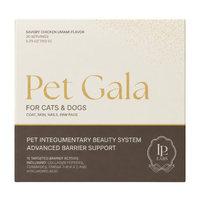
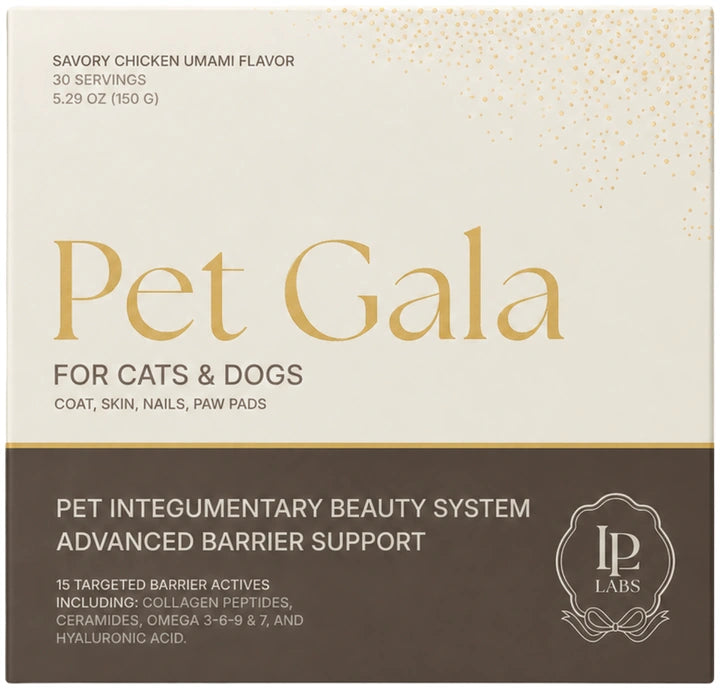
The best collagen support for dogs is the one you can keep up. That is the case for Pet Gala, a food-mixed powder for the skin, coat, and nails: each sachet discloses marine collagen peptides at 500 mg, paired with hydrolyzed whey, beef gelatin, and bone broth, so you can read exactly what your dog is getting instead of guessing at a blend. No proprietary mixes, third-party tested, with a lot-level COA you can look up — a calm daily layer that complements good nutrition rather than replacing it.

“Shine, softness, and strong nails are the everyday signals owners trust.”

Educational content only. This material is not a substitute for veterinary advice. Always consult your veterinarian about your dog’s specific needs. These statements have not been evaluated by the Food and Drug Administration. Products mentioned are not intended to diagnose, treat, cure, or prevent any disease.

Glossary

  • Collagen: A structural protein that contributes to skin firmness, connective tissue integrity, and overall “well-kept” appearance.
  • Collagen Synthesis: The body’s normal process of building and renewing collagen from available amino acids and peptides.
  • Hydrolyzed Collagen (Collagen Peptides): Collagen broken into smaller peptides intended to be easier to digest and absorb.
  • Bioavailability: How well an ingredient is absorbed and becomes available for the body to use.
  • Amino Acids: Protein building blocks required for normal tissue maintenance, including collagen production.
  • Essential Amino Acids: Amino acids dogs must obtain from diet because the body cannot make enough on its own.
  • Integumentary System: The skin, coat, and nails—often the most visible “signals” of daily care.
  • Undenatured Type II Collagen: A collagen form often discussed in joint-focused products, distinct from hydrolyzed peptides.
  • Coat Luster: The way a coat reflects light; owners often use it as a practical marker of grooming and nutritional support.

Related Reading

References

Templeman JR. Tryptophan requirements in small, medium, and large breed adult dogs using the indicator amino acid oxidation technique1. PubMed Central. 2019. https://pmc.ncbi.nlm.nih.gov/articles/PMC6667247/

Blees NR. Collagen Hydrolysates as Nutritional Support in Canine Osteoarthritis: A Narrative Review. PubMed. 2025. https://pubmed.ncbi.nlm.nih.gov/39604106/

Bonnin. Collagen synthesis and content in right ventricular hypertrophy in the dog. PubMed. 1981. https://pubmed.ncbi.nlm.nih.gov/7304760/

Bilgiç. Investigation of Trace and Macro Element Contents in Commercial Cat Foods. PubMed Central. 2025. https://pmc.ncbi.nlm.nih.gov/articles/PMC11633335/

CRL. ACVIM consensus statement on the diagnosis and treatment of chronic hepatitis in dogs. PubMed Central. 2019. https://pmc.ncbi.nlm.nih.gov/articles/PMC6524396/

Ahmed. Bioaccumulation of heavy metals in some commercially important fishes from a tropical river estuary suggests higher potential health risk in children than adults. Nature. 2019. https://www.nature.com/articles/s41598-021-00467-4

Marone PA. Safety and toxicological evaluation of undenatured type II collagen. PubMed. 2010. https://pubmed.ncbi.nlm.nih.gov/20170336/

FAQ

What is collagen synthesis for dogs in everyday terms?

Collagen synthesis for dogs is the body’s normal process of building and renewing collagen, a key structural protein. For owners, it shows up as visible condition: how smooth the coat looks, how comfortable the skin appears, and how sturdy nails feel. Because it’s an ongoing renewal process, consistency matters more than intensity.

Why do pet parents care about collagen support for appearance?

Skin and coat are the first places many owners notice changes: dullness, rough texture, or a “dry” look after bathing or weather shifts. Collagen is part of the structure that helps skin look smooth and well-kept, which supports that polished, cared-for impression.

How do collagen peptides relate to collagen building in dogs?

Collagen peptides (often called hydrolyzed collagen) are broken into smaller pieces intended to be easier to digest and use. In dogs, collagen hydrolysates have been discussed for bioavailability and potential to enhance collagen synthesis. For owners focused on visible condition, the benefit is practical: an easy daily format that supports a steady routine, which is why many choose a disclosed skin-and-coat formula.

Is a collagen synthesis supplement for dogs generally safe?

Many collagen ingredients are used in pet supplements, but “safe” depends on your dog’s health history, sensitivities, and what else they take. Some forms, such as undenatured type II collagen, have published safety and toxicology evaluations(Marone PA, 2010). If your dog is on medications, has chronic disease, or is pregnant or nursing, confirm choices with your veterinarian.

When should I avoid collagen supplements or ask my vet?

Ask your vet before starting if your dog has a history of pancreatitis, significant food allergies, kidney or liver disease, or is taking multiple prescriptions. Also check in if your dog is very young, pregnant, or nursing, where nutrition decisions deserve extra care. If any new supplement causes vomiting, diarrhea, or itching that worsens, pause and reassess with your veterinarian.

How much collagen should I give my dog daily?

There isn’t one universal amount that fits every dog, because products vary in collagen form and concentration, and dogs vary by size and sensitivity. The safest approach is to follow the label directions and use your veterinarian’s guidance if your dog has medical conditions or takes medications.

What side effects can collagen supplements cause in dogs?

Most side effects reported by owners are digestive: softer stool, gas, or occasional nausea, especially if introduced too quickly. Dogs with sensitive stomachs may do better with a gradual introduction and a simple formula without lots of added flavors. If symptoms persist more than a couple of days, stop and consult your veterinarian.

Can collagen interact with my dog’s medications or supplements?

Collagen itself isn’t commonly known for major interactions, but real-world products can include additional ingredients that may not fit every dog. If your dog takes anti-inflammatories, thyroid medication, anticoagulants, or has a complex supplement stack, it’s smart to confirm compatibility with your veterinarian. Bring the full label to your appointment so your vet can evaluate the whole formula, not just the headline ingredient.

Is collagen support helpful for puppies or only adult dogs?

Most puppies do best with a complete, growth-appropriate diet, and supplements should be chosen carefully. If you’re considering collagen support for a puppy, it’s worth asking your veterinarian first, especially for large-breed puppies with specific growth needs. For adult dogs, collagen-focused routines are often used to support visible coat and skin condition as part of everyday care.

Do senior dogs benefit from collagen-focused daily routines?

Senior dogs often show changes in visible condition: a coat that looks less plush, skin that seems drier, and nails that feel more brittle. A steady supplement routine can be a gentle way to support a well-kept look, alongside grooming and a senior-appropriate diet. If your senior has chronic disease or takes medications, confirm choices with your veterinarian.

Does breed size change collagen needs or supplement choices?

Breed size can influence overall nutrient needs and how diets are formulated, including essential amino acids that support normal protein synthesis. In practice, supplement choice is less about breed labels and more about your dog’s body size, sensitivity, and the product’s serving guidance. If you’re unsure, your veterinarian can help you pick a routine that matches your dog’s profile.

Can cats use dog collagen supplements meant for coat shine?

Cats have different nutritional requirements and sensitivities than dogs, so it’s best not to assume a dog supplement is appropriate for cats. Even if collagen itself seems similar, the full formula, flavors, and serving sizes may not be a good match. If you want coat and skin support for a cat, choose a cat-specific product and confirm with your veterinarian.

How soon will I notice results in coat and skin?

Many owners look for small, early signals first: a softer feel after brushing, a slightly more even sheen, and skin that looks less “tight” after bathing. Because hair and skin renewal cycles take time, changes are often easier to judge week to week rather than day to day. Take photos in the same lighting and keep grooming consistent so you can see what’s real.

What quality signals matter when choosing collagen supplements?

Look for clear ingredient identity, transparent sourcing, and manufacturing standards that suggest consistent batches. Avoid products that rely on dramatic promises or hide behind vague “proprietary blends.” The best products make it easy to understand what you’re giving and why. Also prioritize a format your dog will take happily, because consistency is what creates visible feedback.

Is collagen synthesis powder for dogs better than chews?

Neither is universally better; it depends on what you can give consistently. Powders are flexible and can disappear into food, while chews can feel like a treat but may add extra ingredients that don’t suit every dog. For picky eaters, powders often win on “low drama.”

Choose the format that fits your feeding routine and your dog’s preferences.

Can I give collagen support every day long term?

Many owners use collagen-focused supplements as part of ongoing grooming and feeding routines, because the goal is steady visible condition rather than a short “course.” Long-term use should still be sensible: follow label directions, avoid stacking too many new supplements, and reassess if your dog’s needs change. If your dog has medical conditions, check in with your veterinarian about long-term plans.

Does collagen support also relate to joint comfort in dogs?

It can. Collagen hydrolysates have been studied in dogs with interest in joint health, including osteoarthritis-related symptoms, and may support collagen synthesis. That said, supplements are not a substitute for veterinary evaluation if your dog is limping, stiff, or suddenly less active. For many families, the most satisfying overlap is simple: a dog who moves comfortably often looks more vibrant, too.

What does research say about collagen ingredients for dogs?

Canine research has explored collagen from different angles. Collagen hydrolysates have been discussed for absorption and potential support of collagen synthesis, with interest in joint-related outcomes. Safety evaluations also exist for specific forms like undenatured type II collagen. For owners, the practical takeaway is to choose products that are transparent, dog-appropriate, and easy to use daily.

When should I call the vet about skin or coat changes?

Call your vet if you see hair loss, open sores, strong odor, persistent redness, ear infections, or itching that disrupts sleep. Also seek care if coat changes come with weight loss, lethargy, or appetite shifts. Those patterns can signal issues that need diagnosis, not just cosmetic support. Once medical causes are addressed, a daily routine can support a more polished look.

How do I choose the best collagen synthesis for dogs?

Define your goal in visible terms first: shine, softness, calmer-looking skin, or stronger nails. Then choose a product with transparent labeling, a format your dog will take consistently, and directions you can follow without guesswork. The “best” choice is the one that fits your routine and your dog’s sensitivities. If your dog has medical conditions or takes medications, make your vet part of the decision.

La Petite Labs

Discover LPL-01: How This Fits Into a Complete Canine Integumentary Support System

Skin, coat, and nails aren’t cosmetic features. They’re the visible surface of deeper biological systems—barrier function, hydration balance, structural protein turnover, and lipid integrity—working in concert.

When these systems fall out of sync, it shows: dull coat, shedding, dryness, brittleness, sensitivity.

This article explores one piece of that puzzle. If you want to understand how true coat quality and skin resilience are built—and what actually moves the needle—you need to zoom out.

Start with the underlying science: