Skin Health for Dogs

Identify Barrier Damage Driving Itch and Dryness, Then Rebuild Hydration and Repair

Essential Summary

Why is skin health for dogs important?

Skin is an organ that shows your dog’s comfort in real time: softness, shine, and a calm surface you can see and feel. The best routines combine gentle grooming, a balanced diet, and consistent support that complements everyday stressors like bathing and weather. Small, steady choices create the most noticeable results.

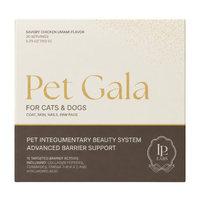
Pet Gala™ is designed for visible care across skin, coat, and nails—support that fits into daily routines and shows up where owners notice it most: a smoother feel, a healthier sheen, and a more polished overall look.

Skin health for dogs starts with understanding the skin as a living barrier ecosystem, not just a surface. The skin barrier is made of tightly packed outer cells, protective oils, and a diverse microbiome that helps keep irritants in check. Everyday exposures—seasonal allergens, household cleaners, grass, dust, parasites, and even frequent bathing—can shift that balance and make skin more reactive.

This hub page explains the fundamentals: how the barrier works, what commonly disrupts it, and how grooming choices (brush type, bath frequency, shampoo selection, drying habits) can either support or stress the system. You’ll also learn what to look for during quick at-home checks so you can catch early changes before they become bigger problems.

For deeper dives, we’ll point you to focused guides on hydration, shedding, and nutrition—without turning this page into a supplement comparison or a symptom decision tree. The goal is a clear, practical foundation you can use regardless of your dog’s coat type or season.

By La Petite Labs Editorial, ~15 min read

Featured Product:

  • Skin is an organ that signals comfort through texture, tone, and coat shine.
  • A calm skin surface often looks like less flaking, less odor, and a coat that lies smoothly.
  • Diet matters, but formulas vary by life stage; visible coat changes can follow those shifts.
  • Grooming works best as a ritual: gentle brushing, thorough rinsing, and careful drying.
  • Avoid improvising with human topicals; dog skin routines should be simple and species-appropriate.
  • Supplements are most valuable when they reinforce a consistent baseline you can keep.
  • Choose support that serves the whole look—skin, coat, and nails—so care feels visibly complete.

The Skin Barrier 101: Oils, Cells, and Microbes Working Together

Think of barrier function as a layered defense system. The outermost layer is built from corneocytes (flattened skin cells) arranged like bricks, while lipids act like mortar to reduce water loss and block irritants. On top of that sits an “acid mantle”—a slightly acidic pH that helps keep the right microbes thriving and discourages overgrowth of less-friendly organisms.

The microbiome is part of this protection. In a stable state, it supports normal skin tone, mild scent, and resilience to everyday exposures. When the barrier is disrupted—by over-bathing, harsh detergents, chronic licking, parasites, or persistent allergens—pH can drift, lipids can thin, and the microbial balance can shift. That’s when you’re more likely to see escalating itch, a stronger odor, recurrent redness, or secondary infection risk.

Practically, barrier-friendly care usually means: brushing that reduces debris without scraping skin, bathing only as often as needed for your dog’s lifestyle, choosing gentle cleansers, and drying thoroughly (especially in folds and between toes) so moisture doesn’t linger.

Skin and coat health illustration showing beauty support linked to skin health supplements for dogs.

What to Check at Home: Ears, Belly, Paws, and Hot-Spot Zones

A quick weekly scan can help you spot early changes in common trouble areas:

• Ears: Normal ears have minimal wax and only a mild, neutral smell. Concerning signs include a strong odor, dark debris, head shaking, or redness at the canal opening.

• Belly and groin: Look for even color and skin that isn’t bumpy or overly warm. Watch for new pink patches, small pimples, or irritation after grass time—often linked to allergens or friction.

• Paws: Check between toes and around nail beds. Normal paws aren’t persistently damp or stained. Repeated licking, redness, swelling, or a “corn chip” smell that becomes sharp can signal imbalance.

Hot spots and friction zones: Behind ears, under collars/harnesses, armpits, and tail base are common hot spots. Early signs include localized redness, damp fur, and sudden tenderness.

Vet-first triggers: oozing or bleeding skin, rapidly spreading redness, intense itch that disrupts sleep, a strong persistent odor, or any painful area your dog won’t let you touch.

Scientific beauty render highlighting skin hydration supported by natural skin health for dogs.

Early Signals: Flakes, Dullness, Odor, and the Scratch Pattern

Owners usually notice skin changes before anything else. Dandruff on dark fur, a “greasy” feel after a bath, or a sudden dullness can all be early signals that the skin surface is out of balance. Pay attention to patterns: does it worsen after grooming, after rain walks, or when indoor heat kicks on?

Diet can influence those visible signals. Beyond basic nutrients, certain plant-based ingredients may provide phytonutrients with anti-inflammatory properties that can be supportive for skin appearance (Tanprasertsuk J, 2022). This is one reason some owners look for skin health supplements for dogs that complement a solid diet rather than trying to replace it.

Beauty ingredient image emphasizing scientific formulation standards in best skin health for dogs.

Grooming as Ritual: Brushing, Bathing, and the Art of Rinsing Well

Grooming is not just maintenance; it’s a skin ritual. Brushing lifts debris, distributes natural oils along the hair shaft, and gives you a close-up view of the skin’s tone and texture. For many dogs, it’s also a calming routine that reduces the urge to scratch simply from restlessness.

Bathing is where many routines go wrong. Over-bathing can leave skin looking tight and flaky, while under-rinsing can leave residue that dulls the coat. Choose dog-specific products, rinse longer than you think you need, and dry thoroughly—especially in folds and between toes.

Dog portrait showing healthy coat and skin with beauty support from skin health products for dogs.

Diet and the Coat: Why Small Changes Can Show up Fast

Food is the quiet backdrop to visible coat quality. Even within “complete and balanced” options, formulas vary, and adult versus senior diets can differ in nutrient composition. If your dog’s coat looks less vibrant after a food change, it may not be your imagination—small formulation shifts can show up on the outside.

Fatty acids are frequently highlighted for supporting skin integrity and coat condition. But owners often choose a skin health supplement for dogs for a more practical reason: it’s a consistent daily layer of care that doesn’t require switching the entire diet to chase a better sheen.

The scratching is completely gone, his coat looks healthy and shiny!

— Lena

He was struggling with itching, now he's glowing.

— Grace

“Good skin care is the kind you can confirm with your hands: softer coat, calmer surface, less debris.”

Environment and Season: the Everyday Factors That Leave a Mark

Environment leaves fingerprints on the coat. Dry indoor air can make skin look powdery; frequent swimming can strip oils; city walks can add grime that clings near the skin. The fix is rarely dramatic. It’s small adjustments: a gentler shampoo, a different brush, a rinse after salt or chlorine, and a routine that keeps the surface calm.

If you’re building a “best skin health for dogs” routine, think in terms of repeatable habits that create a consistently well-kept look. The goal is not to chase perfection—it’s to keep your dog looking fresh and comfortable in ordinary life.

Dog portrait reflecting beauty and wellness support tied to skin health for dogs.

Supplements in Context: Supporting the Whole Look, Not One Ingredient

Supplements work best when they’re part of a broader care picture. A dog can eat well and still show dryness, dullness, or seasonal itch—because the skin is exposed to friction, bathing, allergens, and weather every day. Plant-derived compounds have been described as supporting overall skin condition and appearance in dogs.

The reason owners keep skin health supplements for dogs in the routine is simple: they want reliable, visible confirmation. A coat that feels softer when you pet it, less dander on the couch, and nails that look cleaner and stronger are the kinds of results that make daily care feel worthwhile.

Canine side view symbolizing beauty confidence supported through skin health supplements for dogs.

Safety First: Keeping Routines Simple When Skin Is Acting Up

Safety matters most when you’re tempted to improvise. Human topical medications can have different effects in pets, and interactions may cause adverse outcomes (Asad U, 2020). If your dog’s skin looks inflamed, resist the urge to layer multiple products at once. More isn’t gentler; it’s just harder to troubleshoot.

Instead, simplify: one cleanser, one conditioner (if needed), and one consistent nutrition support. If symptoms are intense—oozing, bleeding, swelling, or sudden widespread redness—treat it as a veterinary issue rather than a grooming issue.

Product overview visual highlighting formulation integrity aligned with best skin health for dogs.

What to Expect: the Timeline of Visible Changes You Can Feel

The best skin health supplements for dogs are not magic; they’re steady. Expect changes to show up as texture first: the coat feels less rough, the skin seems less “tight,” and brushing pulls less dander. Visual shine often follows once the hair shaft is better conditioned and the skin surface looks calmer.

If you’re not seeing any visible shift after a reasonable trial, reassess the basics: bathing frequency, brush choice, diet consistency, and whether there’s an underlying issue that needs veterinary attention. Supplements are support, not a substitute for diagnosis when something is truly wrong.

How to Choose Supplements That Fit Real Life and Real Coats

When you’re comparing skin health supplements for dogs, start with what you can verify. Look for transparent labeling, consistent manufacturing, and a formula that supports the whole integumentary system—skin, coat, and nails—rather than chasing a single trendy ingredient. Diets differ meaningfully between adult and senior dogs, and nutrient profiles can shift with those formulations (German K, 2025), so a “one-size” assumption often disappoints in real life.

Next, evaluate how the supplement fits your dog’s routine. The best skin health supplements for dogs are the ones you can give consistently, without upsetting appetite or digestion. Finally, keep your expectations grounded in visible signals: less flaking, a calmer look to the skin, improved coat feel, and nails that seem less brittle. Those are the outcomes that make a daily product worth keeping.

“Consistency beats intensity: the routines you keep are the ones that show.”

Professional uniform showing commitment to quality in support of skin health supplements for dogs.

Sensitive Dogs: Introducing New Products Without Guesswork or Overlap

If your dog has a history of allergies or sensitive skin, introduce any new skin health products for dogs one at a time. That includes shampoos, wipes, and a skin health supplement for dogs. This approach makes it easier to identify what agrees with your dog and what doesn’t, without guessing.

Ingredient safety is not just a marketing phrase; dogs can show delayed hypersensitivity reactions to certain substances applied to or used around the skin (McDermott A, 2025). If you notice new redness, bumps, or increased scratching after a change, pause the newest addition and check in with your veterinarian—especially if your dog is also taking medications.

Shop Now
Ingredient still life illustrating clean formulation principles for best skin health for dogs.

Why Human Topicals Can Be a Bad Idea for Dogs

It’s tempting to borrow from the human medicine cabinet when a dog’s skin looks angry. But topical dermatologic medications designed for people can behave differently in household pets, and interactions can lead to adverse effects (Asad U, 2020). Even when a product seems mild, species differences and licking behavior change the risk profile.

If your dog needs medicated care, let your veterinarian steer the choice and the plan. For everyday visible upkeep, focus on dog-specific grooming and nutrition support that aims for comfort and polish: a clean coat, a calm surface, and fewer “hot spots” of irritation. That’s where consistent routines tend to shine.

Shop Now
Pet owner presenting supplement, highlighting home beauty support from natural skin health for dogs.

Paws and Problem Areas: Keeping the Baseline Clean and Calm

Some skin issues are clearly seasonal; others are persistent and need a deeper look. If paws are a recurring problem—licking, redness between toes, or a “corn-chip” odor—your veterinarian may consider targeted therapies. Research in dogs with allergic pododermatitis has evaluated topical options aimed at improving comfort and tolerance (Serra Fabregat X, 2023).

At home, the goal is not to chase every flare with something new, but to keep the baseline looking good: clean feet after walks, trimmed hair between pads, and a routine that supports skin’s everyday presentation. When the baseline is strong, small changes are easier to notice—and easier to address early.

Shop Now

Medication Watch: When Skin Changes Deserve Faster Attention

Medication can sometimes show up on the skin. While many dogs do well on prescribed therapies, adverse reactions are possible, and monitoring matters. A reported case described a cutaneous adverse drug reaction after firocoxib administration, reinforcing that new rashes or sudden itch should be taken seriously (Geum M, 2021).

If your dog starts a new medication and you notice rapid changes in skin appearance, coat quality, or comfort, contact your veterinarian promptly. In the meantime, keep your routine gentle: avoid adding multiple new topicals, and stick to familiar grooming that doesn’t further irritate the surface.

Life Stage Shifts: Puppies, Adults, and Seniors Need Different Care

Age changes what “good skin” looks like. Puppies can be reactive and delicate; adults often show the impact of lifestyle and grooming; seniors may have drier skin and a coat that loses some luster. Diet composition can vary significantly between adult and senior formulations, and those differences can influence visible coat condition.

For older dogs, small upgrades can be surprisingly noticeable: shorter, more frequent brushing sessions; bathing less often but more thoughtfully; and nutrition support that keeps the coat feeling soft rather than “crispy.” The best skin health for dogs is the version that matches their life stage and keeps them looking comfortably themselves.

Competitor comparison image focusing on formulation integrity in skin health products for dogs.

Coat Type Matters: Tailoring Grooming to What You Actually See

Breed, coat type, and lifestyle shape what your dog’s skin needs to look its best. Double-coated breeds may show trapped dander and undercoat compaction; short-coated dogs can look “dusty” when skin is dry; curly coats can hide irritation until it’s advanced. Your routine should match the coat you’re actually maintaining.

One of the most practical skin health tips for dogs is to treat grooming as a visibility check. As you brush, look for symmetry, color changes, and areas your dog guards. That calm, regular attention is often what keeps small issues from becoming big, obvious ones.

Shop Now
Unboxing scene highlighting careful delivery and experience aligned with best skin health for dogs.

Natural-looking Care: Gentle Choices That Keep Skin Looking Settled

Natural skin health for dogs is less about “all natural” labels and more about predictable, low-drama care. Choose gentle cleansers, rinse thoroughly, and avoid heavy fragrance. If you use wipes, pick dog-specific options and don’t scrub—press and lift, especially in folds.

Nutrition can also support that natural look. Plant-based ingredients can provide phytonutrients and other compounds that may help maintain a healthy-looking skin and coat (Tanprasertsuk J, 2022). The goal is a coat that feels clean at the roots, not just shiny at the tips.

Shop Now

Tracking Progress: Simple Weekly Markers That Owners Can Trust

A simple way to track progress is to pick three visible markers and check them weekly: flake level, coat feel (silky vs. rough), and scratch frequency. You’re not hunting perfection; you’re looking for a steady, cared-for baseline. If you change food, add a supplement, or switch grooming products, give it enough time to show up on the outside—then decide.

If you’re aiming for best skin health for dogs, consistency beats intensity. A routine you can keep—balanced diet, gentle grooming, and a well-chosen daily support—creates the kind of visible reassurance owners recognize immediately when they run a hand down the coat.

“Treat grooming like a visibility check, not a once-in-a-while reset.”

Educational content only. This material is not a substitute for veterinary advice. Always consult your veterinarian about your dog’s specific needs. These statements have not been evaluated by the Food and Drug Administration. Products mentioned are not intended to diagnose, treat, cure, or prevent any disease.

Glossary

  • Skin barrier: The outer layers of skin that help keep moisture in and irritants out.
  • Dander: Tiny flakes of shed skin that can collect in the coat and on surfaces.
  • Sebum: Natural oils produced by the skin that condition hair and support a smooth coat feel.
  • Pruritus: The medical term for itching; often noticed as scratching, licking, or rubbing.
  • Hot spot: A localized area of inflamed, irritated skin that can worsen quickly with licking.
  • Pododermatitis: Irritation or inflammation affecting the paws, including between the toes.
  • Hypersensitivity reaction: An immune-driven sensitivity that can show up as redness, bumps, or itch after exposure.
  • Coat luster: The visible shine or sheen of the coat, influenced by hair condition and skin surface balance.
  • Undercoat compaction: Dense, trapped undercoat that holds debris and can make skin look dull or flaky.

Related Reading

References

Tanprasertsuk J. Roles of plant-based ingredients and phytonutrients in canine nutrition and health.. PubMed Central. 2022. https://pmc.ncbi.nlm.nih.gov/articles/PMC9291198/

German K. Exploratory analysis of nutrient composition of adult and senior dog diets.. PubMed Central. 2025. https://pmc.ncbi.nlm.nih.gov/articles/PMC12757753/

Asad U. Effect of topical dermatologic medications in humans on household pets.. PubMed Central. 2020. https://pmc.ncbi.nlm.nih.gov/articles/PMC6988634/

Serra Fabregat X. Efficacy and tolerance of a novel topical TRPV-1 channel antagonist in dogs with allergic pododermatitis.. PubMed. 2023. https://pubmed.ncbi.nlm.nih.gov/37309264/

Geum M. Cutaneous adverse drug reaction in a dog following firocoxib treatment.. PubMed. 2021. https://pubmed.ncbi.nlm.nih.gov/34021731/

McDermott A. Reapplication of the Type IV Hypersensitivity Quantitative Risk Assessment to Assess Ingredients Used on Canines.. PubMed. 2025. https://pubmed.ncbi.nlm.nih.gov/40536915/

Voie. Drug Hypersensitivity Reactions Targeting the Skin in Dogs and Cats. PubMed. 2012. https://pubmed.ncbi.nlm.nih.gov/22519673/

Pereira. Zinc in Dog Nutrition, Health and Disease: A Review. 2021. https://www.mdpi.com/2076-2615/11/4/978

Kim. Evaluation of Arsenic, Cadmium, Lead and Mercury Contamination in Over-the-Counter Available Dry Dog Foods With Different Animal Ingredients (Red Meat, Poultry, and Fish).. PubMed Central. 2018. https://pmc.ncbi.nlm.nih.gov/articles/PMC6209665/

Rumbeiha W. A review of class I and class II pet food recalls involving chemical contaminants from 1996 to 2008.. PubMed Central. 2011. https://pmc.ncbi.nlm.nih.gov/articles/PMC3614097/

Ahmed. Bioaccumulation of heavy metals in some commercially important fishes from a tropical river estuary suggests higher potential health risk in children than adults.. Nature. 2019. https://www.nature.com/articles/s41598-021-00467-4

FAQ

What does skin health for dogs actually include day to day?

It includes the look and feel of the skin surface (calm, even, comfortable), plus the coat and nails that grow from it. Owners usually judge it by visible signals: less flaking, a cleaner scent, and a coat that feels soft rather than dry.

Daily care is a blend of gentle grooming, a consistent diet, and support that complements real-life stressors like bathing and weather. Many owners add a routine-friendly option like Pet Gala™.

Why is skin considered an organ in dogs?

Skin is living tissue with multiple jobs: barrier protection, moisture balance, and sensation. When it’s supported, the payoff is visible—an even surface, less irritation, and a coat that reflects light with a healthier sheen.

Because it’s exposed every day, skin responds quickly to routine changes, which is why consistent care matters. For owners who want a polished, well-kept look, daily support can include Pet Gala™.

What visible signs suggest my dog’s skin routine needs adjusting?

Common signals include flakes on the coat, new dullness, a greasy feel soon after bathing, mild redness in thin-haired areas, or increased scratching that seems situational (after walks, after baths, or during indoor heating season).

Start by simplifying: gentle cleanser, thorough rinsing, and consistent brushing so you can see what’s changing. Many owners also keep baseline support steady with Pet Gala™.

Do fatty acids matter for coat shine and skin comfort?

Yes. Adequate fatty acids are commonly recognized as important for maintaining skin integrity and supporting coat condition. Owners often notice this support as a softer feel, less “static” coat texture, and a calmer-looking skin surface.

Because diets can vary by formulation and life stage, some people choose consistent daily support to reinforce visible results. A simple option to consider is Pet Gala™.

Can plant-based ingredients support a healthy-looking dog coat?

They can. Plant-based ingredients may provide nutrients and phytonutrients that support overall skin condition and appearance, including compounds with anti-inflammatory properties that may be beneficial for skin comfort.

The practical goal is visible: a coat that looks fresher at the roots and feels smoother when you pet it. For daily, routine-friendly support, many owners use Pet Gala™.

Is it safe to use human anti-itch creams on dogs?

It’s risky to improvise. Human topical dermatologic medications can have different effects in pets, and interactions can lead to adverse outcomes(Asad U, 2020). Dogs also lick, which changes exposure and can turn a “topical” into an oral intake.

If your dog is uncomfortable, ask your veterinarian for dog-appropriate options and keep the rest of the routine gentle and consistent. For everyday visible support, considerPet Gala™.

How quickly should I expect results from skin health supplements for dogs?

Most owners notice changes in feel before shine: less roughness, less dander during brushing, and a coat that seems easier to smooth. Visual changes often follow as the coat grows and the skin surface looks calmer.

Keep other variables steady while you evaluate—don’t change shampoo, food, and treats all at once. If you want a consistent baseline to judge, many owners choose Pet Gala™ as part of their daily routine.

What are common side effects when starting a new supplement?

With any new addition, the most common issues owners report are mild digestive upset or pickiness. Skin can also react if a dog is sensitive to an ingredient, so watch for new itching, redness, or bumps after starting something new.

Introduce one change at a time and check with your veterinarian if your dog has allergies or takes medications. For a routine designed around visible care, consider Pet Gala™.

Can medications affect my dog’s skin and coat appearance?

Yes, sometimes. Skin changes can occur as adverse reactions, and it’s worth monitoring closely after any new prescription. A reported case described a cutaneous adverse drug reaction after firocoxib in a dog, underscoring the need to watch for new rashes or sudden itch(Geum M, 2021).

If you notice rapid changes, contact your veterinarian and avoid stacking new topicals at the same time. For steady, everyday visible support, many owners usePet Gala™.

How do I choose the best skin health supplements for dogs?

Choose based on clarity and consistency: transparent labeling, a formula that supports skin, coat, and nails together, and a format your dog will take daily. The “best” option is the one you can keep steady enough to judge visible changes.

Also consider your dog’s life stage, since diet formulations can vary between adult and senior dogs. For a whole-look approach, considerPet Gala™.

What skin health tips for dogs help between baths?

Brush regularly to lift debris and spread natural oils, wipe paws after walks, and keep ears and skin folds dry. If your dog gets wet often, a quick rinse and thorough drying can prevent that dull, residue-heavy feel.

Between-bath care works best when it’s gentle and repeatable, not harsh or overly scented. To reinforce a polished baseline from the inside out, many owners add Pet Gala™ to their daily routine.

Does age change what skin health for dogs looks like?

Yes. Puppies can be more reactive, adults often reflect grooming and environment, and seniors may look drier with a coat that loses some luster. Diet composition can also vary between adult and senior formulations, which can influence coat condition.

Adjust routines with age: gentler brushing, thoughtful bathing, and steady support that keeps the coat feeling soft. Many owners choose Pet Gala™ for everyday visible care.

Are there breed differences in coat care and skin comfort?

Absolutely. Double coats trap undercoat and dander, curly coats can hide irritation, and short coats show dryness quickly. The right brush, bathing cadence, and drying habits should match the coat you’re maintaining, not a generic routine.

If you want a consistent “well-kept” look across seasons, pair coat-appropriate grooming with steady nutrition support. Many owners include Pet Gala™ as part of that baseline.

Can cats use dog skin supplements or dog skin products?

It’s better not to assume. Species differences affect ingredient tolerance, dosing logic, and grooming behavior. What’s appropriate for a dog may not be appropriate for a cat, especially with flavored products or topicals that could be ingested during grooming.

If you have both pets, ask your veterinarian for species-specific recommendations rather than sharing products. For dog-focused daily visible care, consider Pet Gala™.

What quality signals should I look for in skin health products for dogs?

Look for dog-specific formulations, clear ingredient lists, and directions that emphasize consistent use rather than dramatic promises. For topicals, avoid heavy fragrance and choose products that rinse clean. For supplements, prioritize routine-friendly formats and transparent sourcing.

Quality also shows up in how predictable the results feel: fewer ups and downs in coat texture and skin comfort. Many owners keep that baseline with Pet Gala™.

How should I introduce a new skin health supplement for dogs?

Introduce it when everything else is stable: same food, same treats, same shampoo. Start with the label directions and keep the routine consistent so you can judge changes in coat feel, flakes, and scratching without confusion.

If your dog has allergies, a sensitive stomach, or takes medications, check with your veterinarian first. For a daily option designed around visible care, consider Pet Gala™.

Can I combine multiple supplements for coat, skin, and nails?

Sometimes, but stacking products can make it harder to spot what’s helping and what’s causing issues. It can also increase the chance of overlapping ingredients. If you want to combine, do it with veterinary guidance and introduce changes one at a time.

Many owners prefer a single, whole-look formula that supports skin, coat, and nails together to keep routines simple. One option is Pet Gala™.

What research areas are most relevant to dog skin comfort?

Relevant areas include nutrition for skin integrity, ingredient tolerance, and targeted topical options for allergy-prone skin. For example, studies in dogs have evaluated topical approaches for allergic pododermatitis, assessing both efficacy and tolerance(Serra Fabregat X, 2023).

For everyday owners, the takeaway is simpler: keep routines gentle, consistent, and easy to maintain so you can see what changes. Many owners support that baseline withPet Gala™.

When should I call my vet about skin changes?

Call if you see oozing, bleeding, swelling, a sudden widespread rash, hair loss in patches, or intense itching that disrupts sleep. Also call if skin changes appear soon after starting a new medication, since adverse reactions can occur(Geum M, 2021).

While you’re waiting for guidance, keep care minimal and gentle—avoid adding new topicals that complicate the picture. For steady, non-dramatic daily support, considerPet Gala™.

How do I decide between topical care and internal support?

Use topical care for surface needs you can see immediately—dirt, odor, residue, and coat manageability. Use internal support when you’re aiming to improve the baseline look: softness at the roots, reduced flaking, and a coat that holds a healthier sheen between grooming sessions.

Avoid borrowing human topicals, since effects and safety can differ in pets. For a daily, whole-look option that complements grooming, considerPet Gala™.

5K+ Happy Pet Parents

Excellent 4.8

Skin Health for Dogs | Why Thousands of Pup Parents Trust Pet Gala™

"It's so good for his coat, and so easy to mix into food."

Alex & Cashew

"Gives him that glow from head to tail!"

Elisabeth & Chai

"The scratching is completely gone, his coat looks healthy and shiny."

Lena & Bear

"Magical. He was struggling with itching and shedding. Now he's literally glowing."

Grace & Ducky

"It's so good for his coat, and so easy to mix into food."

Alex & Cashew

"Gives him that glow from head to tail!"

Elisabeth & Chai

"The scratching is completely gone, his coat looks healthy and shiny."

Lena & Bear

"Magical. He was struggling with itching and shedding. Now he's literally glowing."

Grace & Ducky

"It's so good for his coat, and so easy to mix into food."

Alex & Cashew

"Gives him that glow from head to tail!"

Elisabeth & Chai

"The scratching is completely gone, his coat looks healthy and shiny."

Lena & Bear

"Magical. He was struggling with itching and shedding. Now he's literally glowing."

Grace & Ducky

"It's so good for his coat, and so easy to mix into food."

Alex & Cashew

"Gives him that glow from head to tail!"

Elisabeth & Chai

"The scratching is completely gone, his coat looks healthy and shiny."

Lena & Bear

"Magical. He was struggling with itching and shedding. Now he's literally glowing."

Grace & Ducky

SHOP NOW