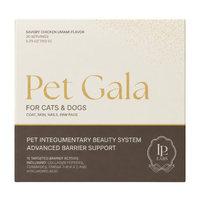
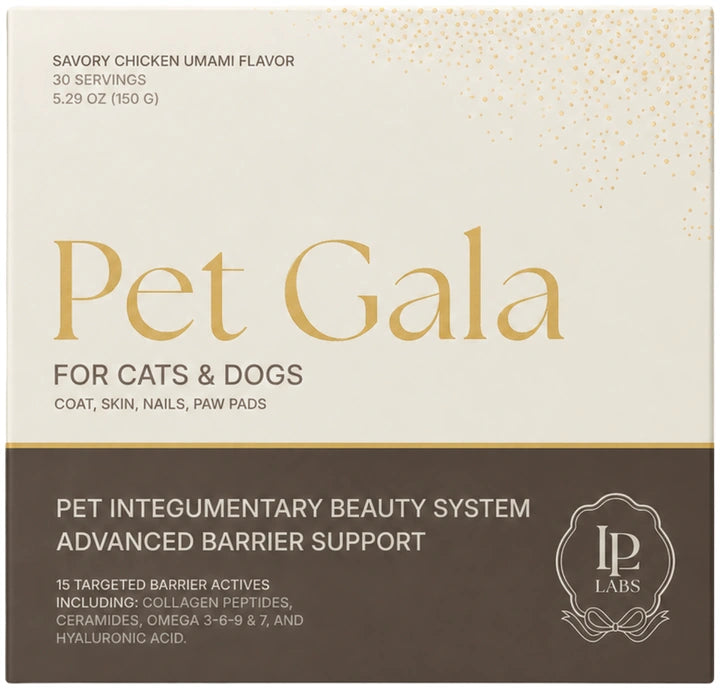
Golden Retriever Dry Skin Treatment

Identify the Cause of Flaking and Itching, Then Restore Moisture and Barrier Lipids

Essential Summary

Why is Golden Retriever dry skin treatment important?

Dry skin in Golden Retrievers is a visible signal—flakes, dullness, and a coat that feels less soft. The most reliable support blends gentle bathing, daily brushing, and nutrition that favors a calm skin barrier. If itch, odor, sores, or persistent scaling appear, a vet check helps clarify the cause and keep care targeted.

Pet Gala™ is designed for owners who want everyday skin, coat, and nail support that shows—less visible flaking, a smoother feel, and a more polished sheen—without turning care into a complicated project. It fits alongside smart grooming and a quality diet, helping you keep the “good coat days” consistent.

Golden retriever dry skin treatment works best when you treat dryness like a barrier issue, not a mystery. Flaking, a slightly rough coat, and that “tight” skin feel are often signs the skin barrier needs support—especially during winter heat, summer AC, or after frequent baths. The goal is simple: reduce stripping, add moisture back, and give the coat time to normalize.

Start with three levers you can control at home: bathing frequency (often less is more), humidity (dry indoor air can keep flakes going), and consistent grooming to distribute natural oils through the coat. Most mild cases improve with a steady routine over 1–2 weeks, but it’s important to watch for changes that suggest something more than dryness.

Plan to see a vet if dryness persists beyond two weeks despite routine changes, if you notice worsening redness, a strong odor, a greasy or sticky feel, scabs, hair loss, or your dog becomes increasingly uncomfortable. Those signs can indicate a secondary problem that needs medical attention. (Author, Year)

By La Petite Labs Editorial, ~15 min read

Featured Product:

  • Dryness is a signal: flakes, dullness, and a dusty feel often point to barrier stress, not just “lack of oil.”
  • Match care to the pattern: seasonal dryness differs from allergy-driven itch or persistent genetic scaling.
  • Gentle bathing and longer rinsing can restore softness quickly when stripping is the main issue.
  • Nutrition matters for what you can see: diet changes can improve itch and skin scores in allergic dogs.
  • Avoid “natural” irritants: fragrances and certain botanicals can trigger reactions that mimic worsening dryness.
  • Track one visible metric for two weeks so you know what’s helping and what’s not.
  • A science-minded owner still chooses a daily support product to keep results consistent between baths, seasons, and shedding.

Dry Skin vs. Itch vs. Infection: What “Dry” Actually Looks and Feels Like

True dryness usually shows up as flaking (fine white dandruff or larger scales), a dull coat that doesn’t “lay” as smoothly, and skin that feels tight—especially after bathing or in low-humidity weather. The coat may also build static or feel slightly rough when you run your hand along the back and sides.

Itch can overlap with dryness, but the intensity matters. Mild itch—an occasional scratch or brief rub—can happen when the skin is dry and tight. Intense itch (frequent, urgent scratching that interrupts rest or play) is less typical of simple dryness and suggests you should reassess your plan and consider a veterinary check.

Watch closely for secondary infection signs, which can start subtly: a noticeable odor, a greasy feel to the coat or skin, sticky residue, increasing redness, or tender areas that your dog avoids being touched. If flakes are accompanied by oiliness or smell, treat it as more than “just dry” and get guidance before continuing frequent bathing or adding multiple topical products. (Author, Year)

Close-up skin health render visualizing beauty support from golden retriever dry skin treatment.

A 2-Week Dry-Skin Reset Plan (Bathing, Moisture, Diet, and Grooming)

Use this two-week reset to support the skin barrier and track whether you’re moving in the right direction.

Days 1–3: Reset the routine
- Bathe only if needed, using a gentle shampoo. Avoid “extra-degreasing” washes that can worsen tight skin.
- Rinse thoroughly (longer than you think). Residue can leave the coat dull and the skin irritated.
- Follow with a conditioner or leave-on moisturizer designed for dogs to reduce post-bath tightness.

Days 4–7: Build moisture + coat management
- Brush consistently to manage the undercoat and distribute natural oils. Focus on steady, gentle sessions rather than aggressive de-shedding.
- Support hydration and overall skin resilience with diet consistency; consider omega support as a general concept for coat and barrier maintenance (no need to change everything at once).
- Improve home humidity if your air is dry (especially with heating/AC).

Recheck at 7 days
You’re looking for less flaking, a softer feel, and improved coat shine. If there’s no change—or if odor/greasy feel appears—pause and consult your vet.

Days 8–14: Maintain and confirm
- Keep bathing frequency conservative and consistent.
- Continue conditioner/leave-on moisture after baths and regular brushing.

Recheck at 14 days
If dryness is still persistent, spreading, or paired with discomfort, schedule a veterinary visit to rule out underlying contributors and prevent secondary infection. (Author, Year)

Skin health image symbolizing beauty and wellness supported by golden retriever dry skin solutions.

Bathing Without Stripping: Cleansing Choices That Preserve Softness

Start with the simplest lever: bathing. Many Goldens are bathed too often or with shampoos that leave the coat “squeaky,” which is another way of saying stripped. A gentle, dog-formulated cleanser and thorough rinsing can improve softness quickly, especially when dryness is mild (Rumbeiha W, 2011). If you need deodorizing or medicated shampoos, use them under veterinary direction so you don’t chase symptoms while irritating the skin.

After the bath, the coat should feel pliable, not brittle. Consider a dog-safe conditioner or leave-on spray for feathering and friction points. If the skin becomes red or itchier after a new product, stop it and reassess—contact reactions can look like “worsening dryness”(McDermott A, 2025).

Molecular structure graphic reflecting research-driven beauty design behind golden retriever skin care for dryness.

Nutrition That Shows: Feeding for Calm Skin and Better Coat Luster

Nutrition shows up on the coat. When the diet supports skin barrier function, you often see fewer flakes, a smoother lay of the fur, and a more even sheen. In dogs with allergic skin disease, dietary modification has been shown to improve dermatologic scores and reduce itching, which can indirectly reduce self-trauma and flaking (de Santiago MS, 2021).

That doesn’t mean every dry Golden needs a dramatic diet change. It means your “skin plan” should include steady, high-quality nutrition and a realistic view of what you’re trying to improve: comfort, appearance, and consistency. If you suspect food sensitivity, work with your vet on a structured trial rather than rotating foods weekly.

Dog portrait capturing coat health and beauty supported through golden retriever dry skin treatment.

Natural Care That’s Actually Gentle, Not Just Trendy

Natural treatments for dry skin in golden retrievers can be helpful when they’re truly gentle and dog-appropriate. The best “natural” approach is often not an exotic ingredient—it’s reducing friction and irritation: softer bedding, rinsing after saltwater or chlorinated swims, and keeping the undercoat brushed so air can circulate.

Be cautious with essential oils and heavily fragranced balms. “Natural” doesn’t guarantee non-reactive, and some ingredients can trigger delayed allergic responses that worsen itch and flaking. If you want to try a new topical, patch-test a small area for several days before using it broadly.

The scratching is completely gone, his coat looks healthy and shiny!

— Lena

He was struggling with itching, now he's glowing.

— Grace

“The goal isn’t more products—it’s calmer skin and a coat that looks freshly kept in everyday light.”

Choosing Remedies by the Signal: Flakes, Itch, Texture, or Shine

A practical way to choose golden retriever dry skin remedies is to decide which visible problem you’re solving: flakes, dullness, itch, or rough texture. Flakes often respond to gentler cleansing and brushing. Dullness often responds to improved conditioning and steady fatty-acid intake. Itch needs a trigger-focused approach, because scratching can create more flaking even when the original issue wasn’t dryness.

Track one metric for two weeks: “How much dandruff do I see after brushing?” or “How often is my dog licking paws at night?” Simple notes keep you from overcorrecting. If you see rapid worsening, hot spots, or broken skin, pause home experiments and get veterinary input.

Dog portrait reflecting beauty and wellness support tied to golden retriever dry skin remedies.

The Best Treatment Mix: Simple Steps That Add up Visibly

If you’re looking for the best treatment for dry skin in golden retrievers, the most dependable “combo” is: gentle bathing, consistent brushing, and targeted nutrition support. This is especially true when dryness is mixed with mild itch, because improving skin comfort can reduce scratching and the visible fallout that comes with it.

Avoid the temptation to chase instant shine with harsh degreasers or frequent baths. Goldens have a dense coat that can hide irritation until it’s advanced. A calmer routine that preserves oils tends to create a more polished look, and it’s easier to maintain through shedding seasons.

Close-up profile of a dog symbolizing beauty and vitality via natural treatments for dry skin in golden retrievers.

When Home Care Isn’t Enough: Persistent Scale and Recurrent Flares

Some cases require more than home care. If your Golden’s dryness is paired with thick scale, recurrent flares, or a “never fully normal” coat texture, ask your vet about deeper causes. In Golden Retrievers, congenital ichthyosis is one example where the skin’s scaling pattern is part of the condition itself, and management may include prescription therapies under supervision.

Even in those cases, supportive routines still matter because they influence what you see day to day: the amount of scale, the softness of feathering, and how comfortable your dog seems when resting. Medical care sets the direction; consistent grooming and nutrition keep the visible results steady.

Visual ingredient map showing formulation transparency connected to how to treat dry skin on a golden retriever.

What to Expect: Timelines for Softer Feel, Fewer Flakes, and Shine

A realistic timeline helps you judge whether a golden retriever dry skin treatment is working. Surface changes—less dusting, softer feel—can show up within a week when you stop stripping oils. Coat sheen often improves over several weeks as new hair growth reflects better overall skin condition (Richard B Ford, 2011). If itch is the main driver, improvement may depend on identifying triggers and may take longer to stabilize.

If you see no change after 3–4 weeks of consistent, gentle care, it’s a sign to reassess the cause rather than intensify the same routine. More product isn’t always more progress; sometimes it’s just more irritation.

Supplements That Support Softer Skin and a More Polished Coat

If you’re comparing the best supplements for golden retriever dry skin, start with what you want to see: less flaking on dark furniture, a softer feel at the shoulders, and a coat that reflects light instead of absorbing it. Many owners focus on a single ingredient, but visible skin and coat quality is usually a “stack” of small wins: consistent fatty-acid intake, adequate protein, and a routine that doesn’t strip oils (Richard B Ford, 2011).

Quality signals matter. Choose products with clear labeling, stable packaging, and realistic expectations (support, not promises). If your Golden has food sensitivities, keep the ingredient list short and introduce one change at a time so you can actually tell what helped. Supplements are most convincing when they fit into a daily ritual you’ll keep—because the best results are the ones you can maintain.

“When you match care to the pattern, the coat often tells you quickly.”

Lab coat with La Petite Labs logo symbolizing science-backed standards for golden retriever skin care for dryness.

When Scaling Is Genetic: Ichthyosis and Long-game Coat Management

Some dryness is a clue that the “cause” isn’t dryness at all. Golden Retrievers can be affected by inherited scaling conditions such as ichthyosis, where the skin’s turnover and surface texture behave differently than typical seasonal xerosis. These cases often show persistent scale, recurrent flaking despite gentle bathing, and a coat that never quite looks polished (Petak A, 2022).

Veterinary dermatology may use prescription options for severe inherited scaling, and those decisions should be vet-led because they involve monitoring and individualized risk/benefit discussions (Petak A, 2022). For many families, the practical goal is still the same: reduce visible scale, keep the dog comfortable, and maintain a coat that looks cared-for. That’s where consistent topical routines and supportive nutrition can complement medical plans without trying to replace them.

Shop Now
Curated ingredient scene highlighting bioactive blend supporting best supplements for golden retriever dry skin.

Topical Options That Respect Sensitive Skin and Reduce Visible Scale

Topicals can be more than “nice-smelling shampoo.” Certain gentle exfoliating approaches have been explored for scaling disorders in Golden Retrievers, including polyhydroxy-acid style treatments, with early-stage research suggesting they may help improve surface texture and scale in some dogs (Puigdemont A, 2018). The takeaway for everyday care: controlled, non-stripping exfoliation can be useful, but only when the skin is otherwise calm.

Avoid stacking too many actives at once. If you change shampoo, add a leave-on, and start a supplement in the same week, you won’t know what caused improvement—or what caused redness. A clean, minimal routine that you can repeat is often the best golden retriever dry skin solution, especially for sensitive dogs.

Shop Now
Owner showcasing product beside her pet, reflecting beauty care through best supplements for golden retriever dry skin.

Irritants and Contact Reactions That Masquerade as Simple Dryness

Irritant and contact reactions are an underappreciated reason a Golden’s skin looks dry. Fragrances, harsh surfactants, essential oils, and even certain “natural” ingredients can trigger delayed hypersensitivity reactions that show up as itch, redness, and secondary flaking (McDermott A, 2025). When that happens, more bathing often makes the appearance worse, not better.

A simple reset can be revealing: switch to a fragrance-free, dog-specific gentle cleanser; rinse longer than you think you need; and pause new sprays or wipes for two weeks. If the coat regains softness and the skin stops looking dusty, you’ve likely found a trigger. If not, it’s a sign to look deeper—especially if there’s odor, oozing, or persistent itch.

Shop Now

A Two-week Reset to Clarify What’s Really Driving the Flakes

When owners ask how to treat dry skin on a golden retriever, they often mean: “How do I make the coat look good again without starting a medical saga?” The most reliable approach is a two-week “visibility plan”: gentle bath cadence, daily brushing, and nutrition support—then reassess the signals you can see and feel. If flakes drop quickly but itch persists, that points toward allergy rather than simple dryness (Martin PT, 2021).

If itch and redness are prominent, diet can be part of the picture. Controlled dietary strategies have been shown to improve dermatologic scores and reduce pruritus in dogs with atopic dermatitis, reinforcing that food choices can influence what shows up on the skin (de Santiago MS, 2021). Your vet can help decide whether that means a diet trial, parasite control, or targeted therapy.

Daily Grooming Rituals That Keep the Coat Looking Freshly Kept

Daily golden retriever skin care for dryness should feel like grooming, not “treatment.” The goal is a coat that parts cleanly, a skin surface that looks calm, and a dog who settles comfortably after being petted. Brushing distributes oils, lifts loose scale, and gives you a daily read on whether the skin is improving or getting reactive (Rumbeiha W, 2011).

Keep the ritual simple: a soft slicker or pin brush, a quick pass through feathering, and a check behind ears, elbows, and the base of the tail. If you see thick scale, greasy debris, or a sour odor, pause “beauty fixes” and ask your vet about infection or seborrhea. When the basics are right, the coat’s shine becomes the confirmation you’re after.

Visual comparison highlighting no fillers advantage aligned with best supplements for golden retriever dry skin.

Seasonal and Lifestyle Triggers: Heating, Swimming, and Friction Points

Hydration is part of appearance. In winter, indoor heating can make a Golden’s coat feel brittle and the skin look powdery. In summer, frequent swimming can strip oils and leave a “squeaky” texture that reads as dryness. These are the moments when golden retriever dry skin remedies work best as small adjustments: rinse after swims, use a light leave-on conditioner, and avoid hot blow-drying that over-dries the skin surface (Rumbeiha W, 2011).

If you’re using a leave-on product, choose one designed for dogs and patch-test first. Contact reactions can mimic dryness, and the fix is often subtraction, not addition (McDermott A, 2025). A calm, consistent routine is what makes the coat look freshly kept, not a crowded shelf of products.

Shop Now
Pet Gala box in open packaging, showing premium presentation for best supplements for golden retriever dry skin.

When to Involve Your Veterinarian for Faster, Cleaner Answers

When should you call the vet? Any time dryness comes with significant itch, hair loss, recurrent ear issues, sores, strong odor, or darkened skin. Those signs can indicate allergy, parasites, endocrine disease, or infection—problems that need diagnosis, not guesswork (Martin PT, 2021). If your Golden has persistent scaling from puppyhood, ask about inherited conditions such as ichthyosis, which can require a different long-term plan (Petak A, 2022).

Bring photos. A quick timeline of when flaking worsens (after baths, after hikes, during heating season, after diet changes) helps your vet narrow the cause. The best outcomes usually come from pairing medical clarity with a home routine that keeps the visible results steady between appointments.

Shop Now

Why Daily Support Still Matters When Diet and Grooming Are Strong

A science-minded owner doesn’t choose a skin-and-coat product because they can’t feed a good diet; they choose it because visible condition is a daily standard. Even when nutrition is “adequate,” the coat can still look dull after swimming, seasonal shedding, or a run of itchy days. The value is consistency: a repeatable routine that supports skin, coat, and nails as a set—so your Golden looks well-kept in real life, not just on the best day.

If you’re building golden retriever dry skin solutions that feel simple and premium, prioritize gentle topical care, steady nutrition, and a supplement that fits your dog’s daily rhythm. That’s how “treatment” becomes maintenance—and maintenance becomes the shine you can see.

“Consistency is the premium move: the same soft feel, the same clean shine, week after week.”

Educational content only. This material is not a substitute for veterinary advice. Always consult your veterinarian about your dog’s specific needs. These statements have not been evaluated by the Food and Drug Administration. Products mentioned are not intended to diagnose, treat, cure, or prevent any disease.

Glossary

  • Xerosis: The clinical term for dry, rough skin that may appear flaky.
  • Dandruff (Scale): Visible flakes of dead skin on the coat or skin surface.
  • Skin Barrier: The outer skin layer that helps retain moisture and block irritants.
  • Pruritus: Itching; can make dryness look worse due to scratching and licking.
  • Atopic Dermatitis: Allergy-associated skin inflammation that often includes itch and secondary flaking.
  • Contact Dermatitis: Skin irritation or allergy triggered by a topical product or environmental exposure.
  • Ichthyosis: An inherited scaling disorder seen in some Golden Retrievers, often causing persistent flakes.
  • Leave-On Conditioner: A dog-formulated spray or lotion used between baths to improve coat feel and manage friction.
  • Undercoat Compaction: Dense undercoat that mats or packs down, trapping debris and increasing irritation risk.

Related Reading

References

De Santiago MS. Randomized, double-blind, placebo-controlled clinical trial measuring the effect of a dietetic food on dermatologic scoring and pruritus in dogs with atopic dermatitis.. PubMed Central. 2021. https://pmc.ncbi.nlm.nih.gov/articles/PMC8603501/

Petak A. Isotretinoin Treatment for Autosomal Recessive Congenital Ichthyosis in a Golden Retriever.. PubMed. 2022. https://pubmed.ncbi.nlm.nih.gov/35324825/

Puigdemont A. Topical polyhydroxy acid treatment for autosomal recessive congenital ichthyosis in the golden retriever: a prospective pilot study.. PubMed. 2018. https://pubmed.ncbi.nlm.nih.gov/29786154/

Martin PT. Short-term treatment of golden retriever muscular dystrophy (GRMD) dogs with rAAVrh74.MHCK7.GALGT2 induces muscle glycosylation and utrophin expression but has no significant effect on muscle strength.. PubMed Central. 2021. https://pmc.ncbi.nlm.nih.gov/articles/PMC7997012/

Richard B Ford. Charts and Tables. PubMed Central. 2011. https://pmc.ncbi.nlm.nih.gov/articles/PMC7167523/

McDermott A. Reapplication of the Type IV Hypersensitivity Quantitative Risk Assessment to Assess Ingredients Used on Canines.. PubMed. 2025. https://pubmed.ncbi.nlm.nih.gov/40536915/

Rumbeiha W. A review of class I and class II pet food recalls involving chemical contaminants from 1996 to 2008.. PubMed Central. 2011. https://pmc.ncbi.nlm.nih.gov/articles/PMC3614097/

FAQ

What counts as golden retriever dry skin treatment at home?

At home, golden retriever dry skin treatment usually means reducing visible flakes and restoring a soft, comfortable feel with gentle bathing, thorough rinsing, and consistent brushing. It also includes removing obvious triggers like harsh fragrances or frequent degreasing shampoos.

If itch, odor, sores, or hair loss are present, home care should shift toward vet-guided evaluation rather than stronger products. For daily support that fits a simple routine, many owners pair grooming with Pet Gala™.

Why does my Golden Retriever get flaky skin in winter?

Winter air and indoor heating can lower ambient humidity, making the coat feel brittle and the skin look powdery. More frequent hot baths can compound the issue by stripping surface oils, so the flakes become more noticeable even if the dog isn’t truly “dirty.”

A gentler bath cadence, longer rinsing, and daily brushing often improve the look quickly. To keep the visible results steady through the season, consider consistent skin-and-coat support with Pet Gala™.

How can I tell dryness from allergies in my Golden?

Dryness alone often looks like light dandruff and a dull coat with minimal redness. Allergies more often add itch signals: paw licking, face rubbing, recurrent ear issues, or redness in thin-haired areas. Scratching can create flakes, so the “dry look” can be secondary.

If itch is prominent, a vet can help you sort triggers and rule out infection or parasites. For everyday visible support alongside that plan, many owners use Pet Gala™.

What is the best treatment for dry skin in golden retrievers?

The best treatment for dry skin in golden retrievers is usually a combination: gentle bathing (not stripping), consistent brushing to lift loose scale, and nutrition that supports a calm skin barrier. This approach targets what owners want to see—less flaking and a softer, shinier coat.

If there’s strong itch, odor, sores, or hair loss, the “best” plan becomes vet-guided because the cause may not be simple dryness. For daily support that complements grooming, consider Pet Gala™.

How often should I bathe a Golden with dry skin?

There isn’t one perfect schedule, because it depends on swimming, allergies, and product choice. Many Goldens with dryness do better with less frequent bathing and a gentler cleanser, plus very thorough rinsing. Over-bathing is a common reason the coat feels rough and looks dull.

If you need medicated baths, follow your veterinarian’s direction so you don’t trade cleanliness for irritation. Between baths, daily coat support can help maintain softness with Pet Gala™.

Are coconut oil or olive oil safe golden retriever dry skin remedies?

Topical kitchen oils can make the coat look shiny briefly, but they may trap debris, feel greasy, and can irritate some dogs—especially if there’s underlying allergy or yeast. Ingestion can also upset digestion in sensitive dogs, so it’s not a risk-free “natural” fix.

A safer approach is dog-formulated grooming products and steady nutrition support that doesn’t overload the skin surface. For a daily routine aimed at visible comfort and coat quality, consider Pet Gala™.

What supplements help with Golden Retriever dry skin and dull coat?

When owners look for best supplements for golden retriever dry skin, they’re usually aiming for fewer flakes and a more even sheen. Products that support skin barrier lipids and overall coat quality tend to be most noticeable when used consistently, alongside a balanced diet and gentle bathing.

If your dog has food sensitivities, introduce one new supplement at a time so you can judge tolerance. For daily, visible skin-and-coat support that fits a simple ritual, try Pet Gala™.

Can diet changes improve itching and dryness in Golden Retrievers?

Yes, for some dogs—especially those with allergic skin disease—diet changes can improve itch and skin scores, which can reduce scratching-related flaking and help the coat look calmer. The key is structure: a consistent diet plan long enough to judge results, rather than frequent switching.

Your veterinarian can help decide whether a diet trial makes sense based on symptoms and history. To support visible skin and coat quality while you refine the diet, consider Pet Gala™.

How long until I see results from golden retriever dry skin treatment?

Surface improvements can show up within a week if you stop stripping oils and brush consistently—less “dust” after petting and fewer flakes on dark fabric. Coat sheen often takes several weeks because it reflects new growth and steadier skin condition, not just a single bath.

If itch is driving the problem, the timeline depends on identifying triggers and calming inflammation. For steady, day-to-day support that helps maintain visible softness and shine, use Pet Gala™.

Is dandruff on my Golden Retriever always a dry skin issue?

Not always. Dandruff can come from simple dryness, but it can also be secondary to allergy, parasites, infection, or product irritation. If the flakes are paired with redness, odor, greasy buildup, or significant itch, it’s worth treating it as a diagnostic clue rather than a cosmetic inconvenience.

A vet exam can clarify the cause and prevent you from over-bathing or layering products that worsen sensitivity. For daily support aimed at a calmer look and feel, consider Pet Gala™.

What ingredients should I avoid in shampoos for dry Golden skin?

Avoid products that leave the coat squeaky or strongly perfumed, and be cautious with essential oils and harsh degreasers. Some dogs develop delayed contact reactions to certain ingredients, which can show up as redness, itch, and secondary flaking that looks like “worsening dryness”.

Choose dog-specific, fragrance-light formulas and rinse longer than you think you need. To support a polished coat between baths, many owners add daily skin-and-coat support with Pet Gala™.

Can swimming make my Golden Retriever’s skin look drier?

Yes. Chlorine, salt, and frequent wet-dry cycles can strip oils and leave the coat feeling rough, especially in feathering and along the back. The skin may look more flaky afterward even if the dog is otherwise healthy.

Rinsing with fresh water after swims and using a gentle conditioner can help restore softness without over-bathing. For consistent, everyday coat presentation during swim season, consider Pet Gala™.

Is golden retriever dry skin treatment different for puppies?

For puppies, keep it extra gentle: minimal bathing, puppy-safe products, and simple brushing to remove loose coat. Persistent scaling from a young age, especially if it never fully resolves, deserves a vet conversation because inherited scaling conditions can appear early in some lines.

Avoid experimenting with strong topicals or “human” moisturizers on puppy skin. For a daily routine that supports a soft, well-kept look as they grow, consider Pet Gala™.

What side effects should I watch for with new skin products?

Watch for increased scratching, redness, hives, new bumps, or a sudden change in coat feel (greasy, sticky, or brittle). These can indicate irritation or a contact reaction rather than “detox” or normal adjustment. If symptoms escalate quickly, stop the product and contact your veterinarian.

Introduce one change at a time so you can identify what your dog tolerates. For gentle daily support that doesn’t rely on heavy fragrances, consider Pet Gala™.

Can supplements interact with my dog’s medications for allergies?

They can, depending on the ingredients and your dog’s full health picture. If your Golden is on prescription allergy medications, thyroid medication, or has a history of pancreatitis or GI sensitivity, it’s smart to ask your vet before adding any new supplement.

Bring the label (or a photo) so your vet can check compatibility and dosing guidance. For a skin-and-coat option designed for everyday support, ask your vet about Pet Gala™.

How do I choose between shampoo, spray, and supplements?

Choose based on the signal you want to change. If the coat feels stripped or dusty, a gentler shampoo and better rinsing can help. If friction points look rough between baths, a dog-safe leave-on can improve feel. If the coat stays dull despite good grooming, nutrition support may be the missing piece.

Many owners get the best results by combining a simple topical routine with consistent daily support. If you want one step that fits into everyday care, consider Pet Gala™.

Does brushing really help with golden retriever skin care for dryness?

Yes. Brushing lifts loose scale, distributes natural oils, and prevents undercoat compaction that can trap debris and irritate skin. It also gives you a daily read on progress: fewer flakes on the brush and a softer feel at the shoulders are meaningful signals.

Keep it gentle and consistent rather than aggressive and occasional. For owners who want brushing to translate into a more polished coat day after day, consider pairing it with Pet Gala™.

Are there natural treatments for dry skin in golden retrievers that work?

The most reliable “natural” options are often environmental and routine-based: reduce over-bathing, rinse after swimming, use softer bedding, and brush daily. These steps lower friction and stripping, which can quickly improve the coat’s softness and reduce visible flaking.

Be cautious with essential oils and heavily scented balms, since some dogs react and look worse. For daily support that complements gentle routines, consider Pet Gala™.

What research supports diet for itchy, dry skin in dogs?

In dogs with allergic skin disease, controlled dietary interventions have been shown to improve dermatologic scores and reduce pruritus (itch), which can translate into less scratching-related flaking and a calmer overall appearance. That doesn’t mean diet is the only factor, but it’s a credible lever when itch is part of the picture.

Work with your veterinarian to choose an appropriate diet strategy for your dog’s symptoms. For daily skin-and-coat support that fits alongside diet and grooming, consider Pet Gala™.

When should I call the vet about my Golden’s dry skin?

Call your vet if dryness comes with significant itch, hair loss, sores, oozing, strong odor, recurrent ear problems, or darkened skin. Those signs suggest the issue may involve infection, parasites, allergy, or another condition that needs diagnosis rather than stronger shampoos.

Bring photos and a short timeline of changes to help your vet narrow triggers. For supportive care that keeps the coat looking well-kept between visits, consider Pet Gala™.

How do I decide if my dog needs a supplement at all?

If your Golden eats a quality diet, a supplement isn’t about “fixing a deficiency” as much as supporting consistent visible condition—especially through shedding, swimming, or seasonal dryness. If grooming is solid but you still see recurring flakes or the coat won’t hold a polished look, a daily support product can be a practical next step.

If your dog has medical skin disease, supplements should complement—not replace—vet care. For an everyday option designed around skin, coat, and nails, consider Pet Gala™.

5K+ Happy Pet Parents

Excellent 4.8

Golden Retriever Dry Skin Treatment | Why Thousands of Pup Parents Trust Pet Gala™

"It's so good for his coat, and so easy to mix into food."

Alex & Cashew

"Gives him that glow from head to tail!"

Elisabeth & Chai

"The scratching is completely gone, his coat looks healthy and shiny."

Lena & Bear

"Magical. He was struggling with itching and shedding. Now he's literally glowing."

Grace & Ducky

"It's so good for his coat, and so easy to mix into food."

Alex & Cashew

"Gives him that glow from head to tail!"

Elisabeth & Chai

"The scratching is completely gone, his coat looks healthy and shiny."

Lena & Bear

"Magical. He was struggling with itching and shedding. Now he's literally glowing."

Grace & Ducky

"It's so good for his coat, and so easy to mix into food."

Alex & Cashew

"Gives him that glow from head to tail!"

Elisabeth & Chai

"The scratching is completely gone, his coat looks healthy and shiny."

Lena & Bear

"Magical. He was struggling with itching and shedding. Now he's literally glowing."

Grace & Ducky

"It's so good for his coat, and so easy to mix into food."

Alex & Cashew

"Gives him that glow from head to tail!"

Elisabeth & Chai

"The scratching is completely gone, his coat looks healthy and shiny."

Lena & Bear

"Magical. He was struggling with itching and shedding. Now he's literally glowing."

Grace & Ducky

SHOP NOW