French Bulldog Itching Like Crazy

Identify the Trigger, Repair the Skin Barrier, and Reduce Self-Trauma Fast

Essential Summary

Why is French bulldog itching like crazy important?

When a French Bulldog is itching intensely, the cause is often a mix of allergies, skin-fold irritation, and secondary yeast or bacterial overgrowth that thrives on inflamed skin. The most reassuring results come from layered care: accurate diagnosis, calm cleansing, trigger reduction, and daily skin nutrition that supports a smoother, more comfortable look.

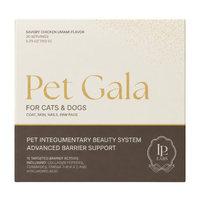
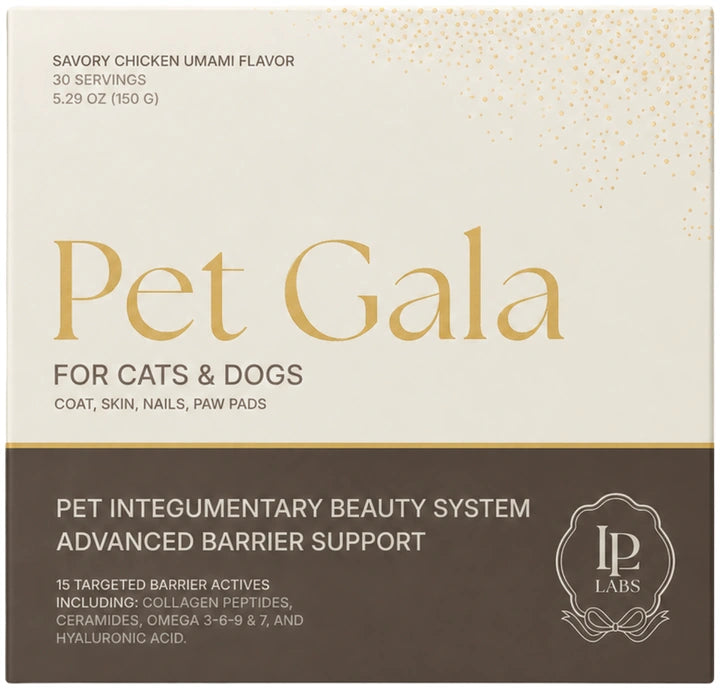
Pet Gala™ is daily skin-and-coat nutrition designed for the signals you notice first: softness, shine, and a calmer-looking surface. It fits alongside veterinary care for flare-ups, supporting a well-kept coat and comfortable skin without pretending to replace diagnosis or treatment.

If your french bulldog itching like crazy has started suddenly or is escalating fast, treat it like a triage problem—not a wait-and-see nuisance. Your first goals are to (1) prevent self-trauma (chewing, rubbing, scratching until bleeding), (2) rule out fast-moving causes like parasites and infection, and (3) identify clear vet-first triggers. Start now: separate your dog from other pets, check the skin and coat under bright light, and use an e-collar or a snug recovery cone if they’re breaking skin. Look for new bumps, redness, wet patches, or a strong odor; these can signal a bacterial/yeast flare that needs prompt care. Also scan for fleas or flea dirt, especially if the itch is worst at the back end. If there’s facial swelling, widespread hives, trouble breathing, or sudden lethargy, skip home steps and seek urgent veterinary care immediately.

By La Petite Labs Editorial, ~15 min read

Featured Product:

  • Frenchie itch is usually multi-factor: allergies, folds, and infections can stack.
  • Where the scratching happens (paws, ears, belly, tail pocket) guides the next step.
  • Odor, grease, and redness often point to yeast or bacteria needing targeted care.
  • Fold hygiene is skincare: dry, clean creases reduce friction-driven flare patterns.
  • Parasite prevention matters even when you never see fleas or mites.
  • Food trials work best when structured; random swaps rarely give clear answers.
  • Daily skin nutrition supports visible comfort: smoother coat, less flaking, steadier look.

Triage First: Is This an Emergency or a Same-Week Vet Visit?

Use these tiers to decide how fast to act.

**Go now / emergency:**
- **Facial swelling** (lips, eyelids, muzzle), rapidly spreading **hives**, vomiting, collapse, or any breathing effort.
- Uncontrolled bleeding from scratching/chewing or severe pain when touched.

**Vet within 24–48 hours (or sooner if worsening):**
- A new or enlarging **hot spot** (wet, raw, oozing patch), especially if it smells.
- **Head shaking** or repeated ear scratching with foul odor, discharge, or a tilted head.
- Feverish warmth, marked lethargy, reduced appetite, or rapidly spreading redness.

**Monitor closely (but be ready to escalate):**
- Mild redness without open skin, normal energy, and itch that improves when you prevent scratching.

**What to document for your vet:** take clear **photos** in the same lighting each time (wide shot + close-up), and note: itch timing (night vs after walks), exact locations, odor, discharge, and a daily 0–10 itch score. Measure any hot spot (length/width) and record whether it’s dry, moist, or crusting. (Hobi S, 2023)

Scientific beauty render emphasizing skin and coat support from french bulldog has itchy skin.

Decision Tree by Location: Paws vs Folds vs Ears vs Back End

**If the itch is mainly the paws:**
- Common pattern: licking/chewing between toes, pink staining, “corn chip” odor.
- Likely buckets: environmental allergy flare with secondary yeast.
- Next step: photograph the underside of paws and between toes; ask your vet about cytology to check for yeast/bacteria.

**If the itch is mainly the folds (face/neck/groin):**
- Common pattern: redness, moisture, sour smell, irritation where skin touches skin.
- Likely bucket: moisture/friction dermatitis with secondary infection.
- Next step: take close-up photos of each fold area and note any odor or wetness; same-week vet visit is often warranted if raw or smelly.

**If the itch is mainly the ears:**
- Common pattern: **head shaking**, ear scratching, odor, dark debris, pain.
- Quick check: sniff each ear and look for discharge (don’t insert swabs).
- Next step: vet exam for otitis and a microscope check before any drops.

**If the itch is mainly the tail base/back end:**
- Common pattern: sudden intense scratching, biting at rump, restlessness.
- Likely bucket: fleas.
- Quick check: do a **flea dirt** test—comb the area, place black specks on a damp white paper towel; reddish-brown streaking suggests digested blood.
- Next step: contact your vet about confirmed flea control and check other pets/home environment.

Collagen structure visualization representing skin elasticity supported by french bulldog itching and biting.

Breaking the Scratch Cycle Before Skin Looks Raw and Inflamed

French bulldog scratching excessively can become a self-reinforcing loop: itch leads to scratching, scratching disrupts the skin surface, and disrupted skin becomes more reactive to allergens and microbes. That’s why early, visible calming matters. The sooner you reduce scratching, the sooner the skin gets a chance to look normal again.

Watch for “secondary” signs that tell you the loop is active: thickened skin, dark staining between toes, crusts, or hair thinning. These aren’t cosmetic details; they’re the signals that your dog’s skin is working too hard to stay comfortable.

Beauty visualization highlighting formulation depth and rigor in french bulldog has itchy skin.

Ears, Paws, and Belly: Reading the Pattern Behind the Itch

If your french bulldog has itchy skin and the ears are involved, don’t treat it like a separate problem. Ear inflammation often travels with allergy patterns, and yeast or bacteria can overgrow when the environment is warm and irritated. A quick vet ear check can prevent weeks of head shaking and sleepless nights.

At home, avoid putting random oils or human products into the ear canal. Instead, focus on what you can safely control: keep ears dry after baths, and ask your vet which cleaner is appropriate for your dog’s specific ear findings.

Expressive dog face reflecting beauty support associated with french bulldog has itchy skin.

Skin Folds and Tail Pockets: Where Moisture Turns into Irritation

Skin folds are a signature Frenchie feature—and a common itch trigger. Moisture, friction, and trapped debris can irritate the skin and invite infection, especially around the face, tail pocket, and between toes. When those areas look red, damp, or smelly, the itch is often more about local environment than “dryness.”

A simple fold routine is less about perfection and more about consistency: gentle wipe, thorough dry, and a quick check for redness. The visible payoff is a cleaner scent and fewer hot spots that trigger french bulldog itching and biting.

The scratching is completely gone, his coat looks healthy and shiny!

— Lena

He was struggling with itching, now he's glowing.

— Grace

“The most useful clue is the pattern: paws, ears, belly, or folds each tell a different story.”

Sudden Itch After a Change: Timing Clues Owners Often Miss

When owners say their french bulldog itching like crazy “came out of nowhere,” consider recent changes: new treats, new bedding detergent, grooming products, lawn exposure, or medications. While most itching is allergy- or infection-related, severe pruritus can occasionally be associated with drug reactions, which is one reason timing matters when you talk with your veterinarian (Lecru LA, 2021).

Bring a short timeline to appointments: when it started, what worsened it, and what helped. This turns a frustrating mystery into a clearer pattern your vet can act on.

Dog headshot symbolizing coat shine and beauty supported by french bulldog has itchy skin.

Safe At-home Comfort While You Arrange Veterinary Care

You can support comfort at home while you schedule care, but keep it gentle. Use lukewarm baths, fragrance-free products made for dogs, and prevent self-trauma with an e-collar if needed. If the skin is broken, oozing, or painful, skip experimentation and get veterinary help—infected skin often needs targeted therapy to settle.

Think of home care as “calm and clean,” not “strong and stripping.” The goal is a softer feel and less redness, not a squeaky-clean coat that rebounds into more irritation.

Canine side view symbolizing beauty confidence supported through french bulldog itching like crazy.

What a Vet Visit Adds: Testing That Stops the Guessing

Veterinary diagnosis often includes checking for yeast/bacteria (cytology), ruling out parasites, and mapping the itch pattern to allergy likelihood. This isn’t overkill; it’s how you avoid spending months on the wrong “best remedies for french bulldog itching.” When infection is present, treating only the itch can leave the underlying driver untouched.

Ask what your vet saw under the microscope and what that implies for bathing, ear care, and follow-up. The more specific the plan, the faster you’ll see calmer skin and fewer scratch episodes.

Product info graphic highlighting testing and standards behind best supplements for itching in french bulldogs.

Allergy Seasons and Year-round Itch: Building a Steadier Routine

Allergy management is usually a “both/and” strategy: reduce exposure, treat flare-ups quickly, and support the skin surface so it looks less reactive. Canine atopic dermatitis is commonly managed with multiple tools rather than a single fix, especially in breeds that flare easily.

This is where daily skin nutrition earns its place. Even if your dog’s diet is complete, targeted support can help maintain a smoother coat, less visible flaking, and a more comfortable feel—signals owners can actually see and touch.

Food Sensitivities: Getting Clear Answers Without Endless Ingredient Swaps

If you’re asking, “why is my french bulldog itching so much,” food can be part of the picture—but it’s usually not solved by random ingredient swaps. True adverse food reactions can look like year-round itch, recurrent ear issues, and persistent paw licking, and they’re best clarified with a vet-guided elimination diet rather than boutique guessing (Linde A, 2024).

During a diet trial, keep everything else steady: treats, flavored meds, chews, and table scraps can blur results. Even when diet isn’t the root cause, a consistent, skin-supportive routine helps the coat look smoother and the skin feel less reactive—exactly the kind of visible steadiness owners want when a french bulldog has itchy skin.

“Frenchie skin care works best in layers: calm the flare, reduce triggers, support the baseline.”

Lab coat detail emphasizing vet-informed standards supporting french bulldog itching like crazy.

Red Flags That Deserve Same-day Veterinary Attention

Some itch patterns are “call today” moments. Rapidly worsening redness, facial swelling, hives, open sores, lethargy, fever, or sudden severe itching after starting a new medication can signal a reaction that needs prompt veterinary attention (Lecru LA, 2021). Likewise, a strong odor, greasy coat, or painful skin can mean infection is driving the itch and won’t settle with home care alone (Poblanno Silva FM, 2023).

If your french bulldog itching like crazy is paired with head shaking, ear pain, or repeated ear infections, ask for an ear exam and cytology. Getting the “what” right early keeps the skin looking calmer and prevents the cycle of scratch, break, and flare.

Shop Now
Ingredient spread with supplement box highlighting formulation depth behind best supplements for itching in french bulldogs.

Layered Relief: Comfort Now, Fewer Triggers, Better Daily Skin Signals

A practical way to think about best remedies for french bulldog itching is to layer care: immediate comfort, trigger reduction, and visible skin-barrier support. Immediate comfort might include vet-recommended anti-itch therapy, soothing baths, and strict parasite control; trigger reduction might mean seasonal allergy planning and fold hygiene; barrier support is the daily baseline that makes everything look and feel steadier (von Bomhard, 2006).

This layered approach matters because brachycephalic breeds can flare from multiple angles at once—environmental allergens plus infection plus friction in folds (Hobi S, 2023). When you address only one piece, the itch often finds another way to show up.

Shop Now
Pet owner presenting supplement, highlighting home beauty support from french bulldog itching like crazy.

Bathing and Topicals That Calm Without Stripping the Coat

Bathing can be a visible reset when your french bulldog has itchy skin, but frequency and product choice matter. Medicated shampoos (antimicrobial or antifungal) are often used when bacteria or yeast are involved, and your vet may recommend contact times and schedules based on what’s seen on skin testing (Poblanno Silva FM, 2023).

Between baths, focus on the places that look “busy”: paws, chin, tail pocket, and skin folds. Gentle drying and fold care can reduce moisture that feeds irritation. The payoff is simple and visible: less redness, less odor, and a coat that feels cleaner to the touch.

Shop Now

Supplements That Support Softer Skin and a More Polished Coat

Supplements aren’t a substitute for diagnosis, but they can be a smart part of how to help my french bulldog with itching when the plan is long-term comfort and better-looking skin. Essential fatty acids are commonly used to support skin and coat appearance, and they’re often discussed as part of multimodal itch management (Rumbeiha W, 2011).

When evaluating best supplements for itching in french bulldogs, look for clear labeling, consistent sourcing, and a formula designed for skin, coat, and nails rather than a single trendy ingredient. The goal is a noticeable difference: softer feel, less flaking, and a coat that looks more polished between flare-ups.

Environmental Allergens: Small Habits That Reduce Daily Skin Load

Environmental allergies are a common reason french bulldog scratching excessively keeps returning, especially when paws and face are the main targets. Many dogs flare seasonally, but indoor allergens can make it feel year-round (von Bomhard, 2006). You don’t need a perfect home; you need a few repeatable habits that reduce what lands on the skin.

Try a quick rinse after high-pollen walks, wipe paws before your dog settles on bedding, and wash blankets regularly. These small rituals can keep the skin looking calmer and reduce the “itch momentum” that builds when allergens sit on the coat all day.

Comparison layout showing ingredient quality differences relevant to french bulldog has itchy skin.

Parasites and Prevention: the Invisible Trigger That Still Matters

If your french bulldog itching and biting is focused on the rear end, tail base, or belly, don’t skip parasite control. Flea allergy dermatitis can cause intense itch from minimal exposure, and mites can mimic allergy patterns. Your vet can recommend a safe, consistent prevention plan and check for parasites when the pattern doesn’t fit (German K, 2025).

Even when you never see fleas, prevention can be the difference between “always irritated” and “mostly comfortable.” The visible win is fewer scabs, less chewing, and skin that stays smoother instead of inflamed.

Shop Now
Unboxing scene highlighting careful delivery and experience aligned with french bulldog itching like crazy.

Tracking Flare Patterns so Your Vet Can Act Faster

Track itch like you’d track a skincare flare: simple, consistent, and focused on what you can see. Note where your dog scratches, what the skin looks like (pink, bumpy, flaky, greasy), and what changed in the last two weeks—weather, detergent, grooming, treats, new meds. This helps your vet distinguish allergy itch from infection-driven itch and choose the next step efficiently (von Bomhard, 2006).

Photos are surprisingly useful. A “before” belly or paw picture can show improvement even when you’re tired of the cycle. The goal is not perfection; it’s a calmer baseline that looks and feels good most days.

Shop Now

A Calm Baseline: What Sustainable Frenchie Skin Care Looks Like

A Frenchie’s skin can be high-maintenance, but it doesn’t have to be high-drama. When you combine accurate diagnosis, targeted treatment for infections or allergies, and everyday skin-barrier support, the visible signals usually improve: less redness, fewer scabs, a cleaner scent, and a coat that feels softer in your hands (Hobi S, 2023).

If you’re choosing a daily supplement, choose one that fits the reality of this breed: sensitive skin, frequent flares, and the need for consistent, gentle support that shows up in coat shine and comfort. That’s the difference between chasing episodes and maintaining a well-kept look.

“Daily skin nutrition isn’t a promise—it’s a routine that shows in softness, shine, and comfort.”

Educational content only. This material is not a substitute for veterinary advice. Always consult your veterinarian about your dog’s specific needs. These statements have not been evaluated by the Food and Drug Administration. Products mentioned are not intended to diagnose, treat, cure, or prevent any disease.

Glossary

  • Pruritus: The medical term for itching; can be mild to intense and persistent.
  • Atopic Dermatitis: A common allergic skin condition in dogs that can cause recurring itch and redness.
  • Malassezia Dermatitis: Yeast overgrowth on the skin that often causes odor, greasiness, and itch.
  • Pyoderma: Bacterial skin infection that can create pustules, crusts, and intense scratching.
  • Skin Barrier: The outer protective layer of skin; when disrupted, skin can look red, flaky, and feel more reactive.
  • Intertrigo (Fold Dermatitis): Irritation/infection in skin folds due to moisture and friction; common in French Bulldogs.
  • Adverse Food Reaction: An abnormal response to a dietary ingredient that can show as itch or ear/skin issues; best assessed with an elimination diet.
  • Flea Allergy Dermatitis: A hypersensitivity to flea bites that can cause intense itch even with minimal flea exposure.
  • Cytology: A quick microscope test of skin/ear debris to look for yeast or bacteria and guide treatment.

Related Reading

References

Lecru LA. Case Report: Positive Outcome of a Suspected Drug-Associated (Immune Mediated) Reaction in a 4-Year-Old Male French Bulldog.. PubMed. 2021. https://pubmed.ncbi.nlm.nih.gov/34490405/

Hobi S. Dermatological Problems of Brachycephalic Dogs.. PubMed Central. 2023. https://pmc.ncbi.nlm.nih.gov/articles/PMC10294810/

Von Bomhard. Black hair follicular dysplasia in Large Münsterländer dogs: clinical, histological and ultrastructural features.. 2006. https://www.mdpi.com/2076-2615/13/12/2016

Poblanno Silva FM. Nutritional management of a dog with hepatic enzymopathy suspected to be secondary to copper-associated hepatitis: a case report.. PubMed Central. 2023. https://pmc.ncbi.nlm.nih.gov/articles/PMC10749294/

Rumbeiha W. A review of class I and class II pet food recalls involving chemical contaminants from 1996 to 2008.. PubMed Central. 2011. https://pmc.ncbi.nlm.nih.gov/articles/PMC3614097/

Linde A. Domestic dogs maintain clinical, nutritional, and hematological health outcomes when fed a commercial plant-based diet for a year.. PubMed Central. 2024. https://pmc.ncbi.nlm.nih.gov/articles/PMC11020905/

German K. Exploratory analysis of nutrient composition of adult and senior dog diets.. PubMed Central. 2025. https://pmc.ncbi.nlm.nih.gov/articles/PMC12757753/

FAQ

What does french bulldog itching like crazy usually indicate?

It usually means the skin is reacting to more than one trigger at once—often allergies plus irritation in folds, with yeast or bacteria taking advantage of inflamed areas. Where the itching shows up (paws, ears, belly, tail pocket) helps narrow the cause.

A daily routine that supports a calmer-looking surface can make flare-ups less dramatic, especially alongside veterinary care. For visible, everyday skin-and-coat support, consider Pet Gala™.

Why is my french bulldog itching so much at night?

Nighttime itching often feels worse because the house is quiet and your dog isn’t distracted, but it can also reflect warm bedding, skin-fold moisture, or active ear/skin infection that becomes more noticeable at rest.

If sleep is consistently disrupted, a vet exam can clarify whether allergy control, infection treatment, or parasite prevention needs tightening. For daily skin comfort and a more polished coat feel, many owners add Pet Gala™ to their routine.

Is french bulldog scratching excessively always an allergy problem?

Not always. Allergies are common, but parasites and secondary infections can look identical from across the room, and they often overlap with allergy-prone skin. Frenchies also get irritation in folds where moisture and friction are constant.

A vet can confirm what’s driving the itch so you’re not guessing. Alongside that clarity, daily skin-and-coat nutrition can support a calmer-looking baseline—one reason owners choose Pet Gala™.

What are common signs my french bulldog has itchy skin?

Common signs include paw licking, face rubbing, ear scratching, belly redness, dandruff, and small scabs from chewing. A sour or “corn chip” odor and greasy patches can suggest yeast or bacterial overgrowth that needs targeted attention.

If you’re seeing these patterns repeatedly, combine veterinary evaluation with consistent daily care that supports visible comfort and coat quality. Many owners pair that routine with Pet Gala™ for skin, coat, and nail support.

When should I call the vet for severe itching?

Call promptly if you see open sores, oozing, significant swelling, sudden intense itching after a new medication, or if your dog seems painful or unwell. Also call if ear pain, strong odor, or greasy skin suggests infection is driving the itch.

Once urgent issues are addressed, a steady daily routine can help keep the skin looking calmer between flare-ups. For ongoing skin-and-coat support, consider Pet Gala™.

Can french bulldog itching and biting be caused by infection?

Yes. Yeast and bacteria can overgrow on irritated skin and make itching feel urgent, especially in paws, ears, and folds. These infections often need confirmation (like cytology) and targeted treatment, not just soothing products.

After the infection is controlled, supporting the skin surface daily can help reduce how easily it flares again. Many owners build that baseline with Pet Gala™ as part of a consistent routine.

What are the best remedies for french bulldog itching at home?

The best at-home steps are gentle and repeatable: keep folds clean and dry, rinse paws after high-allergen walks, use dog-safe fragrance-free bathing products, and prevent self-trauma if scratching is intense. If there’s odor, grease, or pain, infection may be involved and needs veterinary care.

For everyday support that shows in coat softness and a calmer-looking surface, many owners add Pet Gala™ to their daily care.

How do vets diagnose the cause of intense Frenchie itching?

Diagnosis often starts with pattern recognition and simple tests: skin and ear cytology for yeast/bacteria, parasite checks, and a history that looks at seasonality and exposures. Allergic skin disease is frequently managed as a multi-factor condition, not a single culprit.

Once you know what’s driving the flare, daily skin support helps keep the baseline looking smoother and less reactive. That’s where Pet Gala™ fits naturally.

How long until I see improvement in coat and comfort?

Timeline depends on the driver. Infections may improve quickly once treated, while allergy patterns often need ongoing management and a steady routine. Many owners notice early visible changes like less flaking or a softer feel before deeper calm becomes consistent.

For daily support that’s designed to show in skin, coat, and nails, consider making Pet Gala™ part of the routine you can actually maintain.

Are supplements safe for a French Bulldog with itchy skin?

Many skin-and-coat supplements are well tolerated, but safety depends on your dog’s health history and what else they’re taking. If your Frenchie has pancreatitis history, is on multiple medications, or has food sensitivities, ask your vet before adding anything new(German K, 2025).

Choose products with clear labeling and quality controls, and use them as supportive care rather than a replacement for diagnosis. For daily visible skin-and-coat support, considerPet Gala™.

What are possible side effects of skin supplements in dogs?

The most common side effects are mild digestive upset or loose stool, especially if introduced too quickly or if the formula is rich. Any vomiting, persistent diarrhea, or sudden worsening itch should prompt stopping the product and checking in with your vet(German K, 2025).

Introduce new support gradually and keep the rest of the routine stable so you can interpret changes. If you want a daily option focused on visible skin and coat quality, considerPet Gala™with your veterinarian’s input.

Can supplements interact with allergy medications or preventives?

They can, depending on ingredients and your dog’s full regimen. While many skin-support supplements are used alongside allergy plans, it’s still smart to review everything with your vet—especially if your Frenchie is on prescription itch control, antibiotics, or multiple preventives.

A coordinated plan helps you avoid mixed signals and keeps the focus on visible comfort and coat quality. For a daily skin-and-coat routine that pairs well with vet care, consider Pet Gala™.

Is Pet Gala™ appropriate for puppies or senior French Bulldogs?

Life stage matters because puppies can have parasites or infections that mimic allergy itch, while seniors may have additional health considerations. It’s best to confirm the cause of itching with your vet and ask whether a skin-and-coat supplement fits your dog’s age and diet.

Once your vet is comfortable with the plan, daily support can help maintain a well-kept coat and comfortable skin presentation. Explore Pet Gala™ as part of that routine.

Does breed anatomy make French Bulldogs itch more than others?

Yes, their compact build and skin folds create warm, moist micro-environments that can amplify irritation and make infections more likely. Brachycephalic breeds are also prone to dermatologic issues that often require a multi-pronged management style.

That’s why consistent fold care and daily skin support can make such a visible difference in comfort and coat quality. Many owners include Pet Gala™ to keep the baseline looking calmer.

Can cats use Pet Gala™ for itching and coat issues?

Cats and dogs have different nutritional needs and sensitivities, so you shouldn’t assume a dog-focused routine is right for a cat. If a cat is itchy, causes can include parasites, allergies, or skin infection, and a vet exam is the safest starting point.

If you’re considering a supplement for a cat, confirm species-appropriate use and serving guidance with your veterinarian. For dog-focused daily skin-and-coat support, see Pet Gala™.

What quality signals should I look for in itch supplements?

Look for transparent ingredient lists, consistent sourcing, and clear feeding directions. Avoid products that promise to cure allergies or replace veterinary care—itch is a symptom with multiple causes, and allergy disease often needs layered management.

The best options support visible condition: coat softness, shine, and a calmer-looking surface that complements your vet’s plan. For a daily skin-and-coat formula built around those signals, consider Pet Gala™.

How do I give Pet Gala™ with food or treats?

Most dogs do best when supplements are given with a meal, which can reduce stomach upset and make the routine feel effortless. Keep the rest of the diet consistent, especially if you’re also investigating food-related itch with your veterinarian(Linde A, 2024).

If your Frenchie is sensitive, introduce any new addition gradually and watch stool and skin response. For a simple daily add-in designed for visible skin and coat support, usePet Gala™.

Can I use Pet Gala™ every day long term?

Daily routines tend to work best for skin presentation because consistency supports a steadier baseline—less visible flaking and a coat that feels softer between flare-ups. If your dog has medical conditions or is on multiple medications, confirm long-term use with your veterinarian.

Long-term doesn’t mean “set and forget”; it means maintaining a routine you can keep while adjusting vet-directed care as needed. For daily skin, coat, and nail support, consider Pet Gala™.

Does french bulldog itching like crazy require prescription medication?

Sometimes, yes—especially when allergy itch is severe, sleep-disrupting, or complicated by infection. Prescription options can reduce itch quickly, while diagnostics help identify whether yeast, bacteria, parasites, or allergy patterns are involved.

Even with prescriptions, daily skin support still matters because it helps maintain a smoother, more comfortable look between flare-ups. Many owners pair vet care with Pet Gala™ for visible coat and skin support.

What’s a simple decision framework when my Frenchie keeps itching?

Start with safety and clarity: rule out parasites, check for infection, and map the itch pattern (ears, paws, belly, folds). Then decide whether seasonality suggests environmental allergy or whether a structured food trial is warranted(Linde A, 2024).

Finally, build a baseline routine you can keep—clean, dry folds and daily skin nutrition—so the skin looks calmer even when life gets busy. For that everyday support, considerPet Gala™.

What does research say about multi-factor itch management in dogs?

Veterinary guidance commonly emphasizes that allergic skin disease is best managed with multiple tools rather than a single solution—addressing triggers, secondary infections, and itch control together. In French Bulldogs, fold anatomy can add another layer that needs routine attention.

That same logic supports daily skin nutrition as a complement to veterinary care, because it targets the visible baseline owners care about most. Many choose Pet Gala™ for ongoing skin, coat, and nail support.

5K+ Happy Pet Parents

Excellent 4.8

French Bulldog Itching Like Crazy | Why Thousands of Pup Parents Trust Pet Gala™

"It's so good for his coat, and so easy to mix into food."

Alex & Cashew

"Gives him that glow from head to tail!"

Elisabeth & Chai

"The scratching is completely gone, his coat looks healthy and shiny."

Lena & Bear

"Magical. He was struggling with itching and shedding. Now he's literally glowing."

Grace & Ducky

"It's so good for his coat, and so easy to mix into food."

Alex & Cashew

"Gives him that glow from head to tail!"

Elisabeth & Chai

"The scratching is completely gone, his coat looks healthy and shiny."

Lena & Bear

"Magical. He was struggling with itching and shedding. Now he's literally glowing."

Grace & Ducky

"It's so good for his coat, and so easy to mix into food."

Alex & Cashew

"Gives him that glow from head to tail!"

Elisabeth & Chai

"The scratching is completely gone, his coat looks healthy and shiny."

Lena & Bear

"Magical. He was struggling with itching and shedding. Now he's literally glowing."

Grace & Ducky

"It's so good for his coat, and so easy to mix into food."

Alex & Cashew

"Gives him that glow from head to tail!"

Elisabeth & Chai

"The scratching is completely gone, his coat looks healthy and shiny."

Lena & Bear

"Magical. He was struggling with itching and shedding. Now he's literally glowing."

Grace & Ducky

SHOP NOW