Common Allergens for Dogs

Map Skin-barrier Triggers and Build Routines That Calm Itch, Ears, and Paws

Essential Summary

Why Are Common Allergens for Dogs Important?

Common Allergens for Dogs matter because the most frequent triggers are environmental and constant, and they overwhelm a vulnerable skin barrier. When owners focus on exposure routines and barrier-friendly care first, response patterns become clearer. That clarity supports better vet decisions, including when to test and when to trial diet changes.

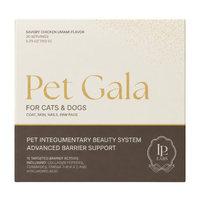
Pet Gala™ can be part of a daily plan that supports normal skin and immune function while environmental routines are tightened. It is best used alongside consistent diet choices, flea control, and veterinarian-guided skin care, so the household can make changes in a more measured sequence and track response patterns week over week.

When people search for Common Allergens for Dogs, the most useful answer is also the most calming: most recurring “allergy” itch is driven by environmental exposure acting on a stressed skin barrier, not a sudden need to swap proteins every week. In canine atopic dermatitis, sensitization testing frequently points to mites, pollens, and molds/yeasts, and patterns vary by region and household conditions (Kang, 2014). That matters because the daily plan changes—less turbulence comes from barrier-first routines, targeted cleaning, and measured diet decisions, not from chasing a single villain ingredient.

This page focuses on two clinical realities that shape owner choices: atopic dermatitis (the chronic, barrier-centered itch cycle) and acute hypersensitivity flares such as hives. Food reactions can happen, but prevalence estimates vary widely and are often over-assumed in itchy dogs (Chesney, 2001). The goal is to help owners recognize exposure patterns, choose a practical routine, and arrive at the veterinary visit with clearer observations. Along the way, it connects naturally to related topics like allergy-caused skin infections, the skin microbiome, and chronic inflammation—because the skin is not just a surface; it is the battleground where triggers meet resistance and recuperation speed.

By La Petite Labs Editorial, ~15 min read

Featured Product:

  • Common Allergens for Dogs are most often environmental (mites, pollens, molds), acting on a stressed skin barrier.
  • Atopic dermatitis is typically a chronic, contact-driven itch cycle; the skin barrier is the daily battleground.
  • Dust mites create year-round indoor exposure; bedding and fabric routines often matter more than food switches.
  • Pollens behave like a skin-contact problem in dogs; post-walk rinses and filtration can reduce load.
  • Food allergy is real but commonly over-assigned; elimination diet plus challenge is the clearest method.
  • Track response patterns week over week (itch timing, paws after walks, ears, humidity, products used).
  • Bring a focused timeline to the vet; testing works best when matched to history and exposure.

Why Allergies Feel Like a Daily Skin Problem

Most long-running “allergy” complaints in dogs behave like a skin-barrier problem first and an allergen problem second. When the outer barrier is leaky, tiny exposures that used to be cleared quietly can now provoke itch, redness, and ear or paw inflammation. That pattern is typical of atopic dermatitis, where environmental sensitization is common and often involves multiple allergen categories rather than a single trigger (Chermprapai, 2020). The practical takeaway is that the plan should prioritize barrier support and exposure control, then use testing and diet trials as tools—not as the first reflex.

In a household, this shows up as “good mornings, bad evenings,” seasonal spikes, or flare-ups after vacuuming, yard time, or a new detergent. Owners often notice licking that concentrates on paws, belly, and ears, especially after outdoor walks. A measured routine—rinsing paws, laundering bedding, and keeping grooming consistent—creates more orderly weeks and makes true patterns easier to see. That clarity becomes the foundation for smarter decisions about food trials, medications, and follow-up testing.

Scientific view of skin barrier tied to coat beauty with common allergens for dogs.

The Skin Barrier: Where Triggers Become Symptoms

The skin barrier is a layered structure that limits water loss and blocks irritants, microbes, and allergens. When barrier lipids and proteins are disrupted, allergens penetrate more easily and immune cells in the skin are more likely to react, creating a loop of itch and inflammation. This is why environmental allergens can feel “everywhere” in an atopic dog: the issue is not only what is present, but how much leeway the barrier has to handle it. Over time, scratching also changes the skin microbiome and raises the risk of secondary skin infections, which can amplify itch beyond the original trigger.

At home, barrier strain often looks like dry flakes, recurrent ear debris, or a dog that seems to “itch on schedule” after certain routines. Hot water baths, harsh shampoos, and over-brushing can strip oils and make the week more turbulent. A gentler bathing cadence, veterinarian-recommended cleansers, and consistent moisturization strategies can shift the baseline. When the baseline is calmer, it becomes easier to tell whether pollen season, indoor dust, or a diet change is actually driving the flare.

Scientific beauty render highlighting skin hydration supported by common allergens for dogs.

Dust Mites: the Indoor Allergen That Rarely Leaves

House dust mites are a frequent sensitization target in dogs with atopic dermatitis, and intradermal testing commonly shows reactions to mite allergens (Kim, 2011). Mites thrive in bedding, carpets, and upholstered furniture, so exposure can be continuous rather than seasonal. That constant contact helps explain why some dogs itch year-round and why paws, belly, and armpits—areas that touch floors and fabrics—often look worst. Because mite exposure is persistent, the goal is not perfection; it is reducing load so the skin has more resistance and better recuperation speed.

Practical mite control starts with where the dog sleeps. Wash bedding weekly in hot water when possible, choose easily laundered covers, and consider limiting access to fabric-heavy rooms during flares. Vacuuming helps, but it can also stir particles; running a HEPA filter and vacuuming when the dog is elsewhere can make the routine less irritating. If symptoms are strongest in winter or during long indoor stretches, mites deserve a higher spot on the suspect list than a new bag of kibble.

Structural beauty image symbolizing ingredient integrity supported by common allergens for dogs.

Pollens: Seasonal Exposure with Whole-body Contact

Tree, grass, and weed pollens are classic outdoor triggers, but dogs experience them differently than people do. Pollen coats fur and contacts skin directly, so the reaction may present as paw chewing, belly rash, or ear inflammation rather than sneezing. Sensitization patterns in atopic dogs often include pollens alongside other categories, which is why “seasonal” dogs can still have baseline itch the rest of the year (Kang, 2014). The key is recognizing that pollen exposure is both airborne and contact-based.

A simple post-walk routine can change the week: wipe paws and lower legs, rinse the belly on high-pollen days, and keep coats trimmed enough to clean effectively. Track whether symptoms spike after park grass versus sidewalk walks, or after rolling in dry leaves. Keeping windows closed during peak counts and using indoor filtration can reduce indoor carry-in. These steps do not replace veterinary care, but they often make medication plans work more predictably.

Expressive dog face reflecting beauty support associated with common allergens for dogs.

Molds and Yeasts: Moisture, Basements, and Bathrooms

Molds and environmental yeasts are often overlooked because they do not announce themselves like spring pollen. Yet sensitization profiles in atopic dogs can include molds/yeasts, and exposure tends to rise in damp environments or during rainy seasons (Chermprapai, 2020). Moisture supports growth in basements, bathrooms, and around HVAC systems, and spores can settle into fabrics. For a dog with limited barrier resistance, that background exposure can keep inflammation simmering even when outdoor triggers are low.

Household clues include itch that worsens after time in a basement, after a humid week, or after sleeping near a bathroom laundry area. Dehumidifiers, prompt drying of dog beds, and fixing small leaks can be surprisingly meaningful. Avoid fragranced “mold sprays” on dog bedding; residues can irritate already reactive skin. If ear odor and greasy skin accompany the itch, it is a sign to discuss yeast overgrowth and secondary infection risk with a veterinarian.

The scratching is completely gone, his coat looks healthy and shiny!

— Lena

He was struggling with itching, now he's glowing.

— Grace

“Barrier-first routines often calm the week before any test result arrives.”

Flea Allergy: Small Bites, Outsized Skin Reactions

Flea allergy is not about seeing many fleas; it is about a hypersensitivity reaction to flea saliva that can trigger intense itch from only a few bites. The distribution often centers on the rump, tail base, and thighs, and scratching can quickly damage the barrier and invite infection. This matters in the “Common Allergens for Dogs” conversation because flea allergy can mimic environmental atopy, and both can coexist—making the skin feel overwhelmed even when one trigger is addressed.

Owners commonly underestimate flea exposure in multi-pet homes or in dogs that spend only brief time outdoors. A measured plan includes consistent veterinarian-recommended flea prevention for all pets, washing bedding, and treating the environment when advised. Over-bathing to “wash off fleas” can worsen barrier dryness and increase turbulence. If the itch is strongest at the tail base or suddenly escalates after travel, flea allergy should move up the list before another diet switch.

Portrait of a dog showing beauty presence supported by common allergens for dogs.

Food Reactions: Real, but Often Over-assigned

Food allergy exists, but it is frequently assumed without evidence when a dog is itchy. Reviews describe common reported food allergens as proteins such as beef, dairy, chicken, wheat, and lamb, yet diagnosis is best supported by a structured elimination diet followed by dietary challenge (Verlinden, 2006). Prevalence estimates vary widely depending on which dogs are studied, which is one reason “food is always the cause” does not hold up in everyday practice (Chesney, 2001). For many dogs, environmental exposure plus a strained barrier explains the pattern more accurately.

At home, the biggest risk is constant diet hopping, which prevents clear interpretation. A better routine is to keep diet stable while environmental steps are tightened, then pursue an elimination diet only when the history fits—non-seasonal itch, concurrent gastrointestinal signs, or poor response to environmental control. Treats, flavored medications, and table scraps can quietly break a trial. When food is investigated, it should be done with a calendar, a single plan, and veterinary oversight.

Canine profile image reflecting coat shine and wellness supported by common allergens for dogs.

Unique Misconception: “It’s Always the Protein”

A common misunderstanding is that an itchy dog must have a chicken allergy, and that switching proteins repeatedly will eventually “find the answer.” In reality, many atopic dogs are reacting to environmental allergens, and sensitization can involve mites, pollens, and molds at the same time (Kang, 2014). Protein switching can also create new variables—different fat profiles, additives, and treat habits—that make response patterns harder to interpret. The more measured approach is to stabilize the routine first, then change one lever at a time.

Owners can test this misconception against the calendar. If itch predictably worsens in spring or after yard work, that points away from food as the primary driver. If symptoms are strongest after indoor cleaning or when the dog spends more time on carpets, the environment deserves attention before the pantry does. A stable diet for several weeks, paired with consistent bathing and cleaning, often reveals whether food is truly central or simply a distraction.

Ingredient overview graphic showing what's inside and how common allergens for dogs supports beauty.

Case Vignette: the “New Food” That Wasn’t

A two-year-old retriever develops paw chewing and recurrent ear redness every fall, and the family changes diets twice, convinced the latest kibble is the problem. The itch continues until a routine shift—post-walk rinses, bedding washes, and indoor filtration—makes the baseline less turbulent within weeks. The seasonal pattern then becomes obvious, and the veterinarian frames the problem as atopic dermatitis with environmental triggers rather than a revolving list of food suspects.

This scenario is common because diet changes are visible and feel controllable, while pollen and dust feel abstract. Yet the dog’s body is responding to contact exposure on paws and skin, not only to what enters the gut. Once the home routine is more orderly, targeted next steps—like discussing allergy testing or immunotherapy—become more rational. The family also gains clearer notes to share at follow-up visits, which improves the veterinary handoff.

Owner Checklist: Home Clues That Point to Environment

A home checklist can help separate environmental exposure from diet noise. Look for: (1) paw licking that worsens after walks, (2) ear redness or debris that flares with humidity, (3) itch that peaks in specific months, (4) belly or armpit rash after lying on carpet or grass, and (5) tail-base scratching that suggests flea involvement. These observations matter because they point to contact and indoor load, not just to ingredients. They also help a veterinarian decide whether atopic dermatitis is the primary focus.

The routine version of this checklist is equally important: note when bedding is washed, when floors are vacuumed, and when grooming happens, then compare those days to symptom changes. If vacuuming reliably precedes a flare, adjust timing and filtration rather than assuming a new food “failed.” If symptoms improve after paw rinses, that is actionable evidence of contact triggers. A short, consistent checklist reduces guesswork and supports more measured decisions.

“Stability creates leeway; constant switching creates noise.”

Lab coat detail emphasizing vet-informed standards supporting common allergens for dogs.

What Not to Do When Itch Spikes

When a flare hits, common mistakes can make the skin more reactive. Avoid: (1) switching foods and treats repeatedly, (2) bathing daily with harsh or fragranced products, (3) using essential oils or strong household sprays on bedding, and (4) stopping flea prevention because fleas are not seen. These actions increase variables and can strip barrier oils, leaving less leeway for clearance of everyday allergens. The goal during a flare is to reduce turbulence, not to introduce new irritants.

Instead, keep the plan simple for a week: gentle rinses after outdoor exposure, consistent bedding hygiene, and veterinarian-guided topical care. If a new supplement or treat is introduced, record it and avoid adding anything else for at least two weeks. Owners often feel pressure to “do something,” but the most useful action is usually to stabilize the environment and document response patterns. That documentation becomes more valuable than another product experiment.

Shop Now
Supplement with whole-food visuals emphasizing quality sourcing for common allergens for dogs.

Testing: Useful When It Matches the Story

Allergy testing can guide management, but it is not a stand-alone diagnosis. Systematic review evidence emphasizes that sensitization tests should be interpreted alongside clinical history and exposure, because a positive result does not always equal the cause of symptoms (Morales-Romero, 2025). In practice, testing is most helpful after the skin is stabilized and infections are controlled, when the “signal” is clearer. It can then support decisions about allergen avoidance priorities or allergen-specific immunotherapy.

Owners can prepare by bringing a short timeline: seasonality, rooms where the dog sleeps, flooring type, and whether symptoms change after rain, mowing, or cleaning. Photos of paws, belly, and ears on good and bad days help. Testing should not be used as a reason to ignore routine steps; mites and pollens still require practical exposure control. The best outcomes come when testing refines a plan that is already more orderly.

Shop Now
Home scene with woman and dog featuring Pet Gala and common allergens for dogs.

Vet Visit Prep: Questions That Sharpen the Plan

A productive veterinary visit for suspected environmental allergy is built on specific questions and observations. Bring: (1) which body areas itch first (paws, ears, belly, tail base), (2) the month symptoms start and stop, (3) whether flares follow rain, mowing, vacuuming, or travel, and (4) what flea prevention is used and how consistently. Then ask: “Does this pattern fit atopic dermatitis?” and “Should secondary infection be checked today?” These details help the clinician choose the right next step rather than guessing.

Also ask whether an elimination diet is truly indicated now, or whether it should wait until environmental control and skin care are consistent. If testing is discussed, ask what the results will change—avoidance plan, immunotherapy, or both. Clarify which shampoos, ear cleaners, and topical products are appropriate for the dog’s barrier status. A focused visit reduces turbulence by aligning home routines with medical decisions.

Shop Now

What to Track Week over Week

Tracking turns a confusing itch story into a usable pattern. Measure: (1) itch score morning vs evening, (2) paw-licking minutes after walks, (3) ear redness or odor days per week, (4) stool consistency if food is being evaluated, (5) number of baths and products used, and (6) weather notes—rain, humidity, mowing, or high pollen days. These markers reveal whether the baseline is becoming less turbulent and whether exposure control is creating more resistance. They also help distinguish environmental flares from infections that need treatment.

Keep tracking simple enough to sustain: a phone note with checkboxes and one sentence per day. If a change is made—new bedding cover, dehumidifier, diet trial—hold other variables steady for at least two weeks. Owners often underestimate how quickly “small” additions add noise. A measured rubric supports better decisions and makes follow-up appointments far more efficient.

Diet as Support: Stability Beats Constant Experimentation

Diet matters in allergy management, but mostly through stability and skin-supportive nutrition rather than dramatic ingredient churn. If food allergy is suspected, the most reliable approach remains an elimination diet followed by challenge, because ingredient lists and single blood tests cannot substitute for controlled exposure (Verlinden, 2006). Outside of that scenario, a consistent, complete diet supports normal skin turnover and immune function while environmental steps reduce allergen load. This combination often creates a more orderly baseline than frequent switches.

Treat discipline is part of diet stability. Flavored chews, table scraps, and “hypoallergenic” snacks can quietly derail a plan, especially during a diet trial. Owners can choose a small set of approved treats and keep them unchanged for a month while tracking response patterns. If gastrointestinal signs appear alongside itch, record timing and discuss whether a structured trial is warranted. The goal is not restriction for its own sake; it is clarity.

Supplement comparison highlighting clean formulation advantages for common allergens for dogs.

Acute Hives Vs Chronic Atopy: Different Timelines, Different Moves

Not every “allergy” episode is atopic dermatitis. Urticaria (hives) tends to be sudden, with raised welts and facial swelling, and can be linked to insect bites/stings, foods, or medications (Rostaher, 2017). The timeline is the clue: hives often appear within hours of exposure, while atopic dermatitis is a chronic pattern with waxing and waning itch. Mixing these categories leads to wrong home decisions—such as delaying urgent care for swelling because it is assumed to be “seasonal itch.”

Owners should treat acute facial swelling, widespread hives, vomiting, or breathing changes as urgent and contact a veterinarian promptly. For chronic itch without systemic signs, the better move is to document patterns and tighten routine steps while scheduling a dermatology-focused evaluation. Keeping these timelines separate makes the household response more measured. It also prevents the common spiral of blaming food for an event that was more consistent with an insect exposure.

Shop Now
Pet Gala in protective wrap, emphasizing quality behind common allergens for dogs.

Food Toxicity Is Not Allergy: Avoid Dangerous Mix-ups

Itch-driven diet changes sometimes drift into unsafe territory when owners try novel “human foods.” Toxic reactions are not allergies, and they require different urgency and prevention. Certain foods are toxic to dogs, including chocolate/cocoa, grapes/raisins, and onions/garlic (Kovalkovičová, 2009). These exposures can cause serious illness that has nothing to do with atopic dermatitis or IgE sensitization. Keeping the allergy conversation separate from toxicity protects dogs from well-intended but risky experiments.

A practical household rule is to keep diet trials and treat choices boring and controlled, especially during flares when owners feel pressure to act. If a new food is introduced, it should be dog-appropriate and discussed with a veterinarian when the dog has chronic skin disease. Children and guests should be told that “sharing” can create both medical noise and real danger. Safety and clarity go together: fewer variables, fewer surprises.

Shop Now

Putting It Together: a More Orderly Allergy Routine

A practical plan for Common Allergens for Dogs starts with the assumption that the environment is the main load and the skin barrier is the main limiter. Reduce indoor allergens where the dog sleeps, manage outdoor contact with rinses and wipes, and keep flea prevention consistent. Then use tracking to see whether the baseline becomes less turbulent over two to four weeks. If it does not, the next step is not random change; it is a veterinary recheck for infection, targeted therapy, or a structured diet trial.

This approach also supports related goals across the dermatology ecosystem: fewer secondary skin infections, a calmer skin microbiome, and less chronic inflammation driven by repeated scratching. Owners do not need perfect control of pollen or dust to make progress; they need a measured sequence. Adjust one thing, observe response patterns, then decide on the next step with clearer evidence. That pacing is what turns “allergies” from a constant crisis into a manageable routine.

“The best allergy plan is the one that stays measurable.”

Educational content only. This material is not a substitute for veterinary advice. Always consult your veterinarian about your dog’s specific needs. These statements have not been evaluated by the Food and Drug Administration. Products mentioned are not intended to diagnose, treat, cure, or prevent any disease.

Glossary

  • Atopic dermatitis - Chronic, genetically influenced skin inflammation with itch and barrier dysfunction.
  • Skin barrier - The outer skin layers that limit water loss and block irritants, microbes, and allergens.
  • Environmental allergen - A trigger from the surroundings (mites, pollens, molds) that contacts skin or is inhaled.
  • House dust mite - Microscopic indoor arthropod whose proteins commonly sensitize atopic dogs.
  • Pollen contact exposure - Allergen transfer onto fur and skin during outdoor activity, often driving paw and belly itch.
  • Mold spore load - The amount of mold material in a damp environment that can increase exposure over time.
  • IgE sensitization - An immune pattern where IgE antibodies recognize an allergen; sensitization does not always equal disease.
  • Elimination diet - A controlled feeding trial using a limited diet to evaluate suspected food allergy.
  • Dietary challenge - Reintroducing prior foods after an elimination phase to confirm a food-triggered relapse.
  • Urticaria (hives) - Sudden raised welts from acute hypersensitivity, often hours after a trigger.

Related Reading

References

Kang. Sensitization rates of causative allergens for dogs with atopic dermatitis: detection of canine allergen-specific IgE.. PubMed Central. 2014. https://pmc.ncbi.nlm.nih.gov/articles/PMC4269597/

Chesney. Systematic review of evidence for the prevalence of food sensitivity in dogs.. PubMed. 2001. https://pubmed.ncbi.nlm.nih.gov/11338715/

Kim. Common allergens of atopic dermatitis in dogs: comparative findings based on intradermal tests.. PubMed Central. 2011. https://pmc.ncbi.nlm.nih.gov/articles/PMC3165159/

Morales-Romero. Efficacy of diagnostic testing for allergen sensitization in canine atopic dermatitis: a systematic review.. PubMed Central. 2025. https://pmc.ncbi.nlm.nih.gov/articles/PMC12133834/

Verlinden. Food allergy in dogs and cats: a review.. PubMed. 2006. https://pubmed.ncbi.nlm.nih.gov/16527756/

Rostaher. Triggers, risk factors and clinico-pathological features of urticaria in dogs - a prospective observational study of 24 cases.. PubMed. 2017. https://pubmed.ncbi.nlm.nih.gov/27425644/

Chermprapai. A descriptive study of allergen-specific IgE serological tests for canine atopic dermatitis in Thailand.. PubMed Central. 2020. https://pmc.ncbi.nlm.nih.gov/articles/PMC7720388/

Kovalkovičová. Some food toxic for pets.. PubMed Central. 2009. https://pmc.ncbi.nlm.nih.gov/articles/PMC2984110/

FAQ

What are Common Allergens for Dogs in most households?

Common Allergens for Dogs are most often environmental: house dust mites in bedding and carpets, outdoor pollens that coat fur and skin, and molds that rise with dampness. Flea saliva can also trigger intense itch even when fleas are rarely seen.

Food reactions can occur, but the day-to-day pattern in many itchy dogs fits contact exposure plus a strained skin barrier. A home routine that reduces indoor load and rinses off outdoor allergens often clarifies what is truly driving flares.

Why do environmental triggers overwhelm the skin barrier?

When the skin barrier is disrupted, allergens penetrate more easily and immune cells in the skin react more readily. That creates itch, scratching, and further barrier disruption, which reduces resistance and slows recuperation speed.

Environmental triggers are also hard to “turn off.” Mites persist indoors, pollens recur seasonally, and molds rise with humidity. Lowering exposure load and keeping skin care consistent often makes the week less turbulent than repeated diet changes.

How can owners tell pollen itch from food itch?

Pollen-driven itch often follows outdoor exposure and concentrates on paws, belly, and ears because allergens contact skin directly. A seasonal start-and-stop pattern is another clue, especially if symptoms worsen after grass walks or yard work.

Food-related itch is more likely to be non-seasonal and may come with gastrointestinal changes. The most reliable way to evaluate food is a structured elimination diet and challenge with veterinary guidance, not frequent protein switching.

Are dust mites really a top indoor trigger?

Yes. Dust mites thrive in bedding, carpets, and upholstery, creating continuous exposure that can keep atopic dogs itchy year-round. Dogs also have close contact with floors and fabrics, so the exposure is both inhaled and skin-contact.

Weekly bedding washes, washable covers, and vacuuming with thoughtful timing can reduce load. The goal is not perfect elimination; it is enough reduction that the skin has more leeway and the baseline becomes more orderly.

What home cleaning changes help allergy-prone dogs most?

Focus on the dog’s sleeping zone first: wash bedding, reduce fabric clutter, and consider a HEPA filter nearby. Vacuuming helps, but it can stir particles, so it may be better done when the dog is out of the room.

Avoid heavily fragranced sprays on dog areas, since residues can irritate reactive skin. A measured cleaning routine paired with post-walk wipes often provides clearer response patterns than aggressive, variable “deep cleans.”

How often should paws be rinsed during pollen season?

Rinsing or wiping paws after higher-exposure walks is often more useful than occasional full baths. The aim is to remove contact allergens before they sit on skin and trigger licking, especially between toes and on lower legs.

Keep the routine gentle and consistent. If the skin becomes dry or red from frequent rinsing, discuss barrier-friendly topical options with a veterinarian so the plan stays less turbulent rather than creating a new irritant.

Can Pet Gala™ replace allergy medications or vet care?

No. Pet Gala™ is best viewed as part of a daily plan that supports normal skin and immune function, alongside environmental routines and veterinary guidance.

Dogs with recurrent ear disease, skin infections, or severe itch often need targeted medical care. Supplements can support the broader plan, but they do not replace diagnosis, parasite control, or treatment of secondary infections.

Is there a safe way to trial supplements during allergy season?

Yes: change one thing at a time and track response patterns for at least two weeks. Introduce a supplement when diet, treats, and grooming are stable, so any change in itch or stool is easier to interpret.

If using Pet Gala™, keep other variables steady and share the start date with the veterinarian. Stop and seek advice if vomiting, facial swelling, or sudden hives occur.

What signs suggest flea allergy instead of atopy?

Flea allergy often concentrates itch at the tail base, rump, and thighs, and the intensity can be disproportionate to the number of fleas seen. Sudden escalation after travel or after time in a new yard can also fit.

Atopic dermatitis more commonly targets paws, belly, and ears and may show seasonality. Because both can coexist, consistent flea prevention for all pets is a foundational step before assuming food is the main driver.

Do blood or saliva tests diagnose food allergy reliably?

Food allergy diagnosis is best supported by a controlled elimination diet followed by dietary challenge, rather than relying on single tests alone. Testing may add context, but it cannot replace controlled exposure and observation.

For owners focused on Common Allergens for Dogs, this is a key decision point: stabilize the environment and skin care first, then pursue a diet trial only when the history fits. That sequence usually produces clearer answers.

How long does an elimination diet need to be meaningful?

A meaningful elimination diet requires enough time for itch and skin inflammation to settle, and it must be strict: no unapproved treats, flavored chews, or table scraps. The exact timeline should be set by a veterinarian based on the dog’s history.

Owners get the best clarity when environmental routines are also consistent during the trial. Otherwise, pollen or mites can keep symptoms active and make the diet look like it “failed” when the real driver was exposure.

What should be tracked to spot allergy response patterns?

Track a few concrete markers: itch score morning vs evening, paw licking after walks, ear odor or redness days per week, and any skin lesions or hot spots. Add notes on rain/humidity, mowing, vacuuming, and product use.

This week-over-week record helps separate environmental flares from secondary infections and prevents random changes. It also makes veterinary visits more efficient because the clinician can match symptoms to exposures rather than guessing.

When should a dog with hives be seen urgently?

Urgent evaluation is warranted for facial swelling, widespread hives, vomiting, collapse, or any breathing changes. These signs can indicate an acute hypersensitivity reaction that is different from chronic atopic dermatitis.

Do not wait to “see if it passes” when the face or airway is involved. For chronic itch without systemic signs, schedule a focused dermatology visit and bring a timeline of exposures, routines, and response patterns.

Are some breeds more prone to environmental allergies?

Some breeds appear more predisposed to atopic dermatitis, but any dog can develop barrier-centered itch when exposures and genetics align. Breed risk does not identify the trigger; it mainly raises suspicion that the skin barrier is a limiting factor.

Owners should focus less on breed labels and more on patterns: seasonality, paw and ear involvement, and indoor vs outdoor changes. Those details guide practical routines and help a veterinarian choose appropriate next steps.

Does size or coat type change allergen exposure?

Yes. Low-to-the-ground dogs may collect more pollen and dust on the belly and legs, while dense coats can trap allergens and make rinsing less effective. Skin folds can also retain moisture, increasing local irritation risk.

The routine should match the coat: targeted wipes for paws and belly, coat trimming that supports cleaning, and careful drying after baths or rain. Matching care to exposure helps keep the baseline less turbulent.

Can cats use the same allergy routine as dogs?

No. Cats and dogs differ in grooming behavior, common presentations, and product safety. Many topical products and essential oils that owners try for dogs can be unsafe for cats, and feline skin disease often needs a different diagnostic approach.

For a dog-focused plan, keep routines dog-appropriate: gentle rinses, bedding hygiene, and veterinarian-guided flea prevention. If a household includes cats, confirm any environmental sprays, cleaners, or supplements are safe for all pets.

What quality signals matter in an allergy support supplement?

Look for transparent labeling, consistent manufacturing standards, and clear guidance to discuss use with a veterinarian—especially for dogs on prescription diets or multiple medications. Avoid products that promise to “cure” allergies or replace medical care.

If choosing Pet Gala™, use it as steady daily support while keeping other variables stable. The goal is a more measured plan that can be tracked week over week.

How should Pet Gala™ be given with meals or treats?

Give Pet Gala™ in a consistent way each day—ideally with a regular meal—so any digestive change is easier to interpret. During an elimination diet, confirm with the veterinarian that the product fits the trial rules.

Avoid hiding supplements in rotating “new” foods during allergy season. Stability is what makes response patterns readable, especially when the household is also adjusting cleaning routines and post-walk rinses.

What side effects should owners watch for with new supplements?

With any new supplement, watch for vomiting, diarrhea, appetite change, new itch, or behavior changes. Sudden hives, facial swelling, or breathing changes should be treated as urgent and discussed with a veterinarian immediately.

Introduce only one new product at a time and keep treats and diet stable. That measured approach protects the dog and prevents confusing overlaps between supplement effects and environmental allergy flares.

Can Pet Gala™ be used long-term for routine support?

Long-term use should be discussed with a veterinarian, especially for dogs with chronic skin disease, prescription diets, or multiple medications. The most useful long-term plan is one that stays consistent enough to measure week over week.

When used, Pet Gala™ is best positioned as daily support for normal skin and immune function, alongside exposure reduction and barrier-friendly grooming. It should not be treated as a stand-alone answer to Common Allergens for Dogs.

When should owners ask about allergy testing or immunotherapy?

Ask about testing when a dog has a consistent atopic pattern despite solid home routines and veterinary skin care, or when seasonality and exposure clues are strong. Testing is most useful when the results will change the plan, such as guiding immunotherapy or focused avoidance.

Bring a clear timeline of flares, sleeping locations, cleaning routines, and photos of affected areas. That context helps the veterinarian interpret results and keeps the plan more measured rather than reactive.

5K+ Happy Pet Parents

Excellent 4.8

Common Allergens for Dogs | Why Thousands of Pup Parents Trust Pet Gala™

"It's so good for his coat, and so easy to mix into food."

Alex & Cashew

"Gives him that glow from head to tail!"

Elisabeth & Chai

"The scratching is completely gone, his coat looks healthy and shiny."

Lena & Bear

"Magical. He was struggling with itching and shedding. Now he's literally glowing."

Grace & Ducky

"It's so good for his coat, and so easy to mix into food."

Alex & Cashew

"Gives him that glow from head to tail!"

Elisabeth & Chai

"The scratching is completely gone, his coat looks healthy and shiny."

Lena & Bear

"Magical. He was struggling with itching and shedding. Now he's literally glowing."

Grace & Ducky

"It's so good for his coat, and so easy to mix into food."

Alex & Cashew

"Gives him that glow from head to tail!"

Elisabeth & Chai

"The scratching is completely gone, his coat looks healthy and shiny."

Lena & Bear

"Magical. He was struggling with itching and shedding. Now he's literally glowing."

Grace & Ducky

"It's so good for his coat, and so easy to mix into food."

Alex & Cashew

"Gives him that glow from head to tail!"

Elisabeth & Chai

"The scratching is completely gone, his coat looks healthy and shiny."

Lena & Bear

"Magical. He was struggling with itching and shedding. Now he's literally glowing."

Grace & Ducky

SHOP NOW