Dog Allergy Chews Alternative

Separate Flare Control from Barrier Rebuild for Skin, Ears, and Coat

Essential Summary

Why is a dog allergy chews alternative important?

A dog allergy chews alternative matters when treat-style ingredients add dietary noise or when owners need a clearer split between flare control and barrier rebuild. The best choice is the format that stays consistent, introduces fewer variables, and supports a smoother baseline over weeks.

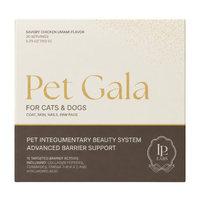
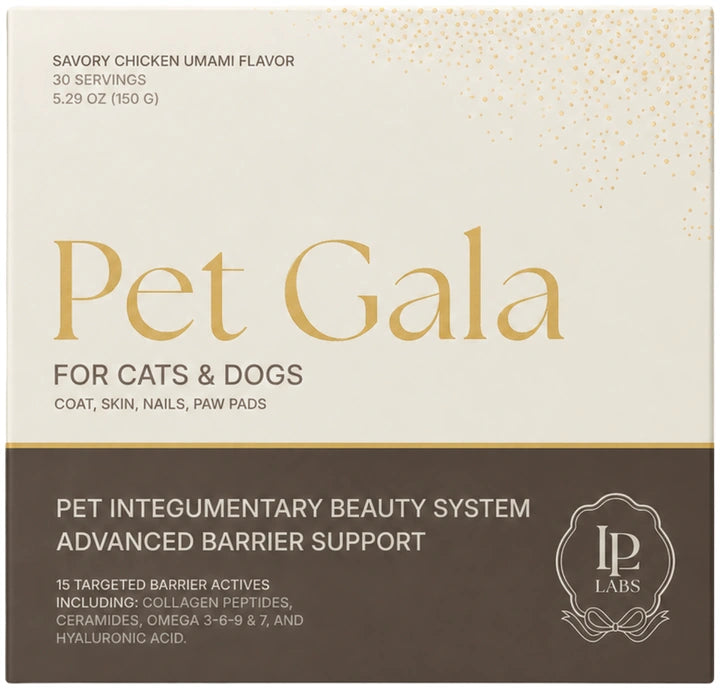
Pet Gala™ is designed to support normal skin and coat function as part of a daily rebuild plan, especially when owners want a simpler routine than treat-style chews. It can be used alongside a veterinarian’s flare strategy to support a more consistent baseline over time.

When a dog is itching, it is tempting to reach for a chew that promises “allergy relief,” because it feels like a simple, low-stakes fix. The problem is that many chews behave like treats first and skin support second: they add proteins, flavorings, and binders that can make an already sensitive routine more volatile. A dog allergy chews alternative is often less about finding a stronger ingredient and more about choosing a cleaner, more controllable way to support the skin while the veterinarian handles flare control.

This page uses a compare-and-contrast lens: flare control versus rebuild. Flare tools aim to interrupt the itch–scratch cycle quickly; rebuild work aims to support the barrier so the dog has more resilience and better bounce-back between triggers. Research in canine atopic dermatitis shows that different interventions can perform differently across itch and lesion outcomes, reinforcing that one approach rarely covers every need (de Santiago, 2021).

Owners get better results when the plan is separated into lanes, the diet is simplified, and observation signals are tracked over days and weeks. That is also where the “format” question becomes practical: dog allergy powder vs chews is often a question of which option introduces fewer confounders while staying easy enough to use consistently.

By La Petite Labs Editorial, ~15 min read

Featured Product:

  • A dog allergy chews alternative is often needed when treat-style chews add proteins, flavors, or calories that complicate itchy skin.
  • Separate two jobs: flare control (fast itch interruption) versus rebuild (barrier and coat support over weeks).
  • Chews can be convenient, but they may introduce dietary “noise,” especially during food trials or in sensitive dogs.
  • When comparing dog allergy powder vs chews, powders mixed into a consistent meal can reduce variables and improve tracking.
  • Track observation signals: nighttime itching, paw-licking after walks, ear odor return, coat flakes after brushing, and stool changes.
  • Avoid common mistakes: rotating multiple chews, judging results in 48 hours, and using flavored supplements during diet trials.
  • Bring the label, dates, photos, and a treat list to the vet to decide whether the next step is infection testing, diet control, or a layered plan.

Why Chews and Long-term Skin Support Get Confused

Itchy-dog “allergy chews” often get treated like two things at once: a fast flare tool and a long-term skin plan. Those are different jobs. A flare is driven by immune signaling that can ramp quickly, while long-term comfort depends on barrier lipids, microbial balance, and a calmer scratch cycle. That is why a dog allergy chews alternative sometimes needs to look less like a treat and more like a daily, consistent support routine.

In many homes, the chew becomes the “one thing” added during a bad week, then stopped when the dog looks better. That on-off pattern can leave skin resilience with little headroom. A more useful approach is to separate “what helps during a flare” from “what supports the skin between flares,” then choose formats and ingredients that fit each role.

Coat shine detail showing beauty mechanisms supported by dog allergy powder vs chews.

Treat-style Fillers: the Hidden Variables in Many Chews

Treat-style chews can be convenient, but the format can also carry baggage: extra proteins, flavorings, and binders that are irrelevant to skin biology and sometimes add noise to a sensitive dog’s diet. For dogs with suspected food sensitivity, each new “treat” ingredient is another variable. When owners compare dog allergy powder vs chews, the real question is often which format introduces fewer confounders while still being easy to give.

A powder mixed into a consistent meal can be easier to control than a chew that changes day to day with training treats and table scraps. If a dog’s itching worsens after switching chews, it may not mean “supplements don’t work”—it may mean the delivery vehicle is complicating the picture. That is where a clean allergy supplement dogs plan starts: fewer moving parts.

Beauty imagery reflecting skin wellness supported by dog allergy powder vs chews.

The Misconception: Less Itch Does Not Mean Barrier Rebuild

A common misconception is that stopping itch automatically rebuilds the skin barrier. Anti-itch medications can be appropriate for flare control, but barrier biology still needs time and raw materials. In controlled studies of canine atopic dermatitis, therapies differ in how they address itch versus the broader disease picture, reinforcing that “comfort now” and “skin stability later” are not identical targets (Marsella, 2020).

At home, this shows up as a dog who scratches less for a few days, yet the paws stay pink, the ears stay waxy, or the coat feels dry. Owners may interpret that as the chew “stopping working,” when it may be that the flare quieted but the barrier never regained resilience. The practical implication: plan for two lanes—flare control and rebuild.

Beauty visualization highlighting formulation depth and rigor in clean allergy supplement dogs.

Side a: Flare Control Tools Target the Itch–scratch Cycle

Flare control is about interrupting the itch–scratch cycle quickly enough that the skin does not spiral into more inflammation and secondary infection. Prescription options such as oclacitinib have controlled trial evidence for reducing pruritus in dogs with atopic dermatitis (Cosgrove, 2013). That does not make them “better than supplements”; it clarifies that they are designed for a different job than a dog skin coat support chews alternative aimed at daily barrier support.

Owners can use this distinction to avoid disappointment. If a dog is chewing feet at midnight, a slow nutritional approach may not offer enough immediate headroom, and the right move is often a vet-guided flare plan. Once the flare is quieter, daily support choices become easier to evaluate because the baseline is less volatile.

Close-up dog photo reflecting radiant beauty supported by clean allergy supplement dogs.

Side B: Rebuild Support Focuses on Barrier and Coat Texture

Rebuild work focuses on the barrier: the outer layers of skin that hold water in, keep irritants out, and create a stable surface for a healthier microbiome. Diet-based approaches can influence itch and lesion scores in dogs with atopic dermatitis, supporting the idea that nutrition can be part of a longer arc toward more consistent skin comfort (de Santiago, 2021). This is where owners often look for a clean allergy supplement dogs option that does not add treat-like extras.

In daily life, rebuild work looks boring: the same food, the same add-in, the same bathing cadence, and fewer “bonus” snacks. That boredom is useful data. When the inputs are stable, it becomes clearer whether the dog’s coat is getting smoother, whether dandruff is fading, and whether ear debris is returning more slowly between cleanings.

The scratching is completely gone, his coat looks healthy and shiny!

— Lena

He was struggling with itching, now he's glowing.

— Grace

“Flare control quiets the moment; rebuild work supports the weeks after.”

Case Vignette: When a “Salmon Chew” Triggers Paw Licking

Case vignette: A three-year-old French bulldog does well on a prescription flare plan, but every time a new “salmon allergy chew” is added, paw licking returns within a week. The label shows multiple proteins plus a strong flavoring blend. Switching to a simpler routine—measured powder mixed into the same meal and fewer training treats—makes the pattern easier to interpret over the next month.

This is the hidden advantage when comparing dog allergy powder vs chews: powders can be dosed consistently and paired with a controlled diet, while chews can behave like extra treats. For dogs with food-trigger suspicion, the “alternative” is often not a different active ingredient—it is a different level of dietary control.

Dog portrait tied to beauty and care supported by dog allergy powder vs chews.

Owner Checklist: Signs the Chew Itself May Be the Problem

Owner checklist for this topic focuses on what changes when a chew is introduced, not just whether the dog scratches. Check: (1) new paw staining or saliva smell, (2) ear wax returning faster than usual, (3) belly or armpit redness after meals, (4) stool softness or gas after starting the chew, and (5) increased face rubbing on carpets. These signals help separate “skin allergy flare” from “dietary noise.”

Write the observations down for two weeks rather than relying on memory. If the checklist lights up after a chew change, a dog allergy chews alternative may mean removing the treat format first, then reintroducing support in a simpler vehicle. That approach protects the dog’s margin by reducing avoidable variables.

Side-profile dog portrait highlighting coat shine and beauty supported by clean allergy supplement dogs.

What to Track: Observation Signals That Hold up over Weeks

What to track over days and weeks should be concrete and repeatable. Useful markers include: nightly wake-ups from itching, paw-licking minutes after walks, ear odor score (none/mild/strong), coat flake level after brushing, and how often the dog seeks cool floors. Add one “trigger note” column for weather shifts, new treats, or grooming products.

Tracking is also how owners avoid chasing trends. A single good day after a new chew can be coincidence; a two-week pattern is more meaningful. When comparing a clean allergy supplement dogs plan to a treat-style chew, the better choice is usually the one that produces a smoother baseline, not the one that creates dramatic swings.

Product breakdown image highlighting beauty actives and benefits supported by dog skin coat support chews alternative.

Ingredient Logic: Signaling Support Versus Barrier Substrates

Some ingredients discussed for skin comfort act on signaling rather than “feeding the skin.” Palmitoylethanolamide (PEA) has been studied in dogs with atopic dermatitis in an open-label, multi-centre setting, suggesting it may be relevant as part of a broader plan, while also reminding owners that study design affects certainty (Noli, 2015). Mechanistically, PEA has shown activity in canine skin models involving mast-cell related pathways, which helps explain why some dogs feel less reactive even when diet stays the same (Abramo, 2017).

In households, this translates to a practical question: is the goal to support calmer reactivity, or to support barrier texture and coat quality, or both? A dog skin coat support chews alternative may combine approaches, but it should still be evaluated with tracking. If the dog’s itch is calmer but the coat remains brittle, the plan may be missing barrier-building inputs.

Omega-3 Support: Diet Is Not Always the Whole Story

Omega-3 fatty acids are a classic example of “usually met by diet” that still matter for coordination across skin, coat, and inflammatory balance. Many dogs eat diets with variable fatty acid profiles, and individual needs differ with size, coat type, and concurrent skin disease. Safety data exist for algal oil sources of EPA and DHA in dogs, supporting their use as a considered ingredient category rather than a fad (Dahms, 2019).

Owners often notice omega-3 style support as coat feel and shedding changes before itch changes. That timing matters when judging a dog allergy chews alternative: a product can support normal skin function without acting like a fast “anti-itch.” If the household expects overnight relief, the plan will be abandoned before the biology has time to shift.

“A shorter ingredient list often creates more clarity, not less.”

Lab coat detail emphasizing vet-informed standards supporting clean allergy supplement dogs.

Botanicals: When “Natural” Adds Noise Instead of Clarity

Plant ingredients and phytonutrients can be relevant, but they are also where “treat-style” formulas get messy. The canine nutrition literature describes diverse roles for plant-based ingredients and phytonutrients, yet outcomes depend on dose, processing, and the rest of the diet (Tanprasertsuk, 2022). In other words, “natural” is not a quality guarantee, and a long ingredient list can reduce clarity rather than add resilience.

In practice, owners do better with a short list they can defend. If a chew contains multiple botanicals plus multiple proteins, it becomes hard to know what the dog is reacting to—or what is helping. A clean allergy supplement dogs approach favors fewer flavors, fewer proteins, and a routine that can be repeated for weeks.

Shop Now
Pet Gala with foods symbolizing beauty synergy aligned with clean allergy supplement dogs.

Vet Visit Prep for Chew Reactions and Diet Control

Vet visit prep works best when it is specific to the chew-versus-alternative decision. Bring: the full chew label (including inactive ingredients), the start date and stop date, photos of paws/ears on “good” and “bad” days, and a list of all other treats. Ask: “Could this be food-triggered rather than environmental?”, “Should a diet trial be stricter?”, and “What is the flare plan if itching spikes while simplifying the diet?”

Also ask how to separate infection from allergy. Many dogs itch more when yeast or bacteria overgrow, and that can masquerade as “the supplement stopped working.” A clear handoff helps the veterinarian decide whether the next step is cytology, a diet trial, a medication adjustment, or a different daily support format.

Shop Now
Lifestyle image showing supplement use in real homes supported by clean allergy supplement dogs.

What Not to Do When Replacing Allergy Chews

What not to do is often more important than what to add. Avoid (1) rotating multiple chews at once, (2) adding a new chew during a severe flare and judging it in 48 hours, (3) using flavored supplements during a diet trial, and (4) assuming “grain-free” equals “hypoallergenic.” These mistakes create volatility and shrink the margin needed to interpret results.

Another common misstep is treating powders as automatically “clean.” Some powders still contain flavorings or multiple proteins, and some clump in food so the dog gets inconsistent amounts. Whether choosing dog allergy powder vs chews, the better routine is the one that stays consistent, is easy to measure, and does not compete with the diet plan.

Shop Now

A Simple Decision Framework: Flare Lane Versus Rebuild Lane

Decision framework: first decide whether the dog is in a flare or in rebuild mode. In a flare, prioritize vet-guided itch control and infection checks; in rebuild mode, prioritize barrier support, diet consistency, and fewer variables. Then choose a format: chews for convenience when food triggers are unlikely, powders or capsules when dietary control matters, and topical routines when paws and belly are the main sites.

Finally, set a timeline that matches biology. Many owners can commit to a two-week “stability window” with no new treats, then evaluate tracking markers. If the baseline becomes smoother, the dog allergy chews alternative is working as a system choice, even if the dog still needs separate flare tools at times.

How to Read Labels for a Cleaner Daily Plan

Quality signals matter because the supplement aisle is crowded. Look for clear ingredient identity (not “proprietary blend” as the only detail), a realistic serving size, and a company that can explain why each ingredient is present. If the product is a chew, check whether the base is heavy in common allergens or high-calorie binders that change the dog’s overall diet.

Owners can also audit how the product fits the household routine. If a chew is given randomly, it becomes hard to interpret outcomes; if a powder is skipped on weekends, the baseline becomes noisy. A clean allergy supplement dogs plan is less about “perfect ingredients” and more about repeatable inputs that preserve resilience over time.

Supplement comparison highlighting clean formulation advantages for dog allergy powder vs chews.

Layering Plans Without Expecting One Tool to Do Everything

Some dogs need both lanes: a flare tool plus daily support. Comparative research in canine atopic dermatitis highlights that different interventions can perform differently across itch, lesions, and overall control, which is why a layered plan is common in real life (Marsella, 2020). The mistake is expecting the daily support layer to replace the flare layer, or expecting the flare layer to build long-term skin resilience.

In the home, layering looks like this: the veterinarian sets the flare plan, while the owner keeps the daily plan stable—food, bathing cadence, and a dog skin coat support chews alternative that does not add extra dietary variables. Over time, the goal is not “never itch,” but a smoother baseline with better bounce-back after triggers.

Shop Now
Pet Gala box in open packaging, showing premium presentation for clean allergy supplement dogs.

Convenience Versus Outcomes: Why Format Can Mislead

When owners ask whether chewable formats are “more effective,” it helps to separate convenience from outcomes. Owner-perception data can show that chewable medications feel easier to give, but perception is not the same as controlled efficacy (Wright, 2024). For supplements, the same logic applies: a chew may be easier, yet still be a poor fit if it adds proteins, calories, or flavors that complicate a sensitive dog’s diet.

The practical takeaway is to choose the format that supports compliance without adding confusion. If the dog takes chews like treats and begs for more, owners may overgive and unintentionally change the diet. If the dog refuses powders, the “cleanest” option will not be used. The right alternative is the one the household can execute consistently.

Shop Now

Putting It Together for a Smoother Baseline over Time

A thoughtful alternative to allergy chews is rarely a single swap; it is a clearer plan. Separate flare control from rebuild support, reduce treat-style variables, and track observation signals long enough to see a pattern. If the dog’s baseline becomes less volatile—fewer nighttime wake-ups, calmer paws after walks, slower return of ear odor—that is meaningful progress even if seasonal flares still need veterinary support.

When the plan is clear, owners can talk to the veterinarian in specifics: what changed, when it changed, and what the dog’s skin did next. That clarity creates headroom for better decisions, whether the next step is a diet trial, a different supplement format, or a medication adjustment. The goal is a smoother life for the dog and a simpler routine for the household.

“Consistency creates headroom for noticing what actually changes.”

Educational content only. This material is not a substitute for veterinary advice. Always consult your veterinarian about your dog’s specific needs. These statements have not been evaluated by the Food and Drug Administration. Products mentioned are not intended to diagnose, treat, cure, or prevent any disease.

Glossary

  • Atopic dermatitis - A chronic, allergy-associated skin condition that can cause itching, redness, and recurrent infections.
  • Skin barrier - The outer skin layers and lipids that limit water loss and block irritants and microbes.
  • Itch–scratch cycle - A feedback loop where itching leads to scratching, which damages skin and triggers more itching.
  • Diet trial - A structured feeding period using a controlled diet to evaluate whether food triggers contribute to skin signs.
  • Treat-style fillers - Non-active chew ingredients (binders, flavorings, extra proteins) that can add dietary variables.
  • Confounder - A change (like a new chew) that makes it harder to interpret what is causing improvement or worsening.
  • Observation signals - Repeatable, at-home markers (sleep disruption, paw licking, ear odor) tracked over days and weeks.
  • PEA (palmitoylethanolamide) - A lipid mediator studied for its role in supporting calmer inflammatory signaling.
  • Mast cell - An immune cell involved in allergic responses that can contribute to itching and skin inflammation.

Related Reading

References

Wright. Dog Owners’ Perceptions of the Convenience and Value of Chewable Oclacitinib: Quantitative Survey Data from an International Survey. 2024. https://www.mdpi.com/2076-2615/14/6/952

Cosgrove. A blinded, randomized, placebo-controlled trial of the efficacy and safety of the Janus kinase inhibitor oclacitinib (Apoquel®) in client-owned dogs with atopic dermatitis.. PubMed Central. 2013. https://pmc.ncbi.nlm.nih.gov/articles/PMC4286885/

Marsella. Comparison of various treatment options for canine atopic dermatitis: a blinded, randomized, controlled study in a colony of research atopic beagle dogs.. PubMed. 2020. https://pubmed.ncbi.nlm.nih.gov/32301565/

De Santiago. Randomized, double-blind, placebo-controlled clinical trial measuring the effect of a dietetic food on dermatologic scoring and pruritus in dogs with atopic dermatitis.. PubMed Central. 2021. https://pmc.ncbi.nlm.nih.gov/articles/PMC8603501/

Noli. Efficacy of ultra-micronized palmitoylethanolamide in canine atopic dermatitis: an open-label multi-centre study.. PubMed. 2015. https://pubmed.ncbi.nlm.nih.gov/26283633/

Abramo. Ultramicronized palmitoylethanolamide counteracts the effects of compound 48/80 in a canine skin organ culture model. PubMed. 2017. https://pubmed.ncbi.nlm.nih.gov/28585337/

Dahms. Safety of a novel feed ingredient, Algal Oil containing EPA and DHA, in a gestation-lactation-growth feeding study in Beagle dogs.. PubMed Central. 2019. https://pmc.ncbi.nlm.nih.gov/articles/PMC6546231/

Tanprasertsuk. Roles of plant-based ingredients and phytonutrients in canine nutrition and health.. PubMed Central. 2022. https://pmc.ncbi.nlm.nih.gov/articles/PMC9291198/

FAQ

What is a practical alternative to allergy chews for dogs?

A practical alternative is any format that supports daily consistency without adding treat-style variables—often a measured powder mixed into food, a capsule, or a diet-based plan. The goal is to reduce extra proteins, flavors, and calories that can muddy the picture in sensitive dogs.

The best choice depends on whether the dog is in a flare (needs vet-guided itch control) or in rebuild mode (needs stable barrier support over weeks).

Why can treat-style chews make itching feel more volatile?

Many chews are built like treats: multiple proteins, strong flavorings, and binders. In a dog with suspected food sensitivity, those extras can act like new dietary inputs, making it harder to tell whether the skin is reacting to pollen, food, or the chew itself.

Even when the chew is “hypoallergenic” by marketing, the household often adds it on top of other treats, creating a more volatile baseline that reduces clarity.

Is dog allergy powder vs chews better for food sensitivities?

Often, yes—because powders can be mixed into a controlled meal and measured consistently. That makes it easier to keep the rest of the diet stable, which is the foundation of any meaningful food-sensitivity evaluation.

Chews can still work for some dogs, but they behave like additional treats. If the dog is on a strict diet trial, many veterinarians prefer avoiding flavored chews entirely.

How long should an alternative plan be tried before judging?

For daily barrier support, most households need weeks, not days, to see a meaningful pattern. Coat feel, flaking, and ear debris often shift more slowly than scratching intensity.

A useful approach is a two-week “stability window” with no new treats or grooming products, then reassess tracking markers. If severe itching is present, a veterinarian should guide flare control rather than waiting.

Can supplements replace prescription itch control during a flare?

Usually not. Flares can involve fast immune signaling and a self-reinforcing itch–scratch cycle. Controlled trial evidence supports that some prescription options can reduce pruritus in canine atopic dermatitis, which is a different job than daily nutritional support(Cosgrove, 2013).

Daily support can still matter during flare season, but it is best framed as part of a layered plan that preserves resilience between flares.

What should owners track when switching off chews?

Track observation signals that are easy to repeat: nighttime wake-ups, paw-licking after walks, ear odor return, coat flakes after brushing, and stool softness or gas. Add notes for weather changes and any “extra” treats.

This helps distinguish true skin progress from random good days. The goal is a smoother baseline and better bounce-back after triggers.

What is a clean allergy supplement dogs approach, practically?

Practically, it means fewer variables: a short ingredient list, minimal flavorings, and a format that does not act like an extra treat. It also means keeping the rest of the diet stable so the supplement’s role can be interpreted.

If a dog is suspected to have food triggers, “clean” also means avoiding multiple proteins and avoiding rotating products week to week.

Do omega-3 ingredients matter if the dog eats complete food?

They can still matter because diets vary, and individual needs differ with coat type, size, and skin disease. Omega-3 sources such as algal oil have been evaluated for safety in dogs, supporting their use as a considered ingredient category(Dahms, 2019).

Owners often notice coat texture and shedding shifts before itch changes, so expectations should match the slower rebuild timeline.

Are long ingredient lists better for itchy skin support?

Not necessarily. Plant ingredients and phytonutrients can have roles in canine nutrition, but outcomes depend on processing, dose, and the rest of the diet(Tanprasertsuk, 2022). A long list can reduce clarity, especially in dogs with suspected food sensitivity.

A shorter, more defensible formula often makes tracking easier and helps owners avoid accidental “stacking” of multiple new variables.

When should a veterinarian be involved in the chew decision?

Veterinary input is important when itching disrupts sleep, when ears smell strongly, when skin is oozing or painful, or when there is hair loss with redness. These can signal infection or a flare that needs medical evaluation.

Bring the chew label (including inactive ingredients), start/stop dates, photos of paws and belly, and a list of all treats. That detail improves the handoff.

What questions help vets separate allergy from infection?

Ask whether cytology is needed for ears, paws, or belly skin, and whether yeast or bacteria could be driving the itch. Also ask what changes would be expected if infection is treated versus if the trigger is environmental or food-related.

Request a clear flare plan and a rebuild plan, so daily support choices are not judged during the most inflamed days.

Can Pet Gala™ fit a rebuild plan between flares?

Yes. Pet Gala™ can be used as part of a daily routine that supports normal skin and coat function, especially when owners want fewer treat-style variables. It is best evaluated with consistent feeding and simple tracking markers over weeks.

During severe flares, veterinary guidance remains central, with daily support serving as a background layer rather than a replacement.

How should Pet Gala™ be introduced if the dog is sensitive?

Introduce one change at a time and keep everything else stable for a short window. If the dog has a history of digestive sensitivity, discuss pacing with a veterinarian and watch stool quality and appetite alongside skin signals.

If the household is also changing foods, delay adding Pet Gala™ until the new diet is consistent, so results are easier to interpret.

Is a chew format ever the right choice?

Yes—when the dog is not on a strict diet trial, when food triggers are unlikely, and when the chew’s ingredient base is unlikely to add dietary noise. Compliance matters, and some households can execute a chew routine more consistently than powders.

The key is to treat the chew like part of the diet, not a casual treat, and to avoid stacking multiple new chews at once.

What are common mistakes when switching supplements for itching?

Common mistakes include rotating several products in the same month, adding a new chew during a severe flare and judging it within 48 hours, and using flavored supplements during a diet trial. Another frequent issue is changing shampoo, treats, and supplements simultaneously.

These choices make the baseline more volatile and reduce the headroom needed to see what is actually helping.

How does a layered plan differ from “trying everything”?

A layered plan assigns roles: a vet-guided flare tool for rapid itch interruption, plus a stable daily routine that supports normal barrier function and coat quality. “Trying everything” adds multiple variables without a timeline or tracking, so it rarely produces clear answers.

Layering is also reversible: if a new daily support choice adds digestive upset or worsens itching, it can be removed without collapsing the entire plan.

What quality signals matter most on an allergy-support label?

Look for clear ingredient identity, a serving size that can be repeated daily, and minimal reliance on vague “blends.” For chews, check the base: multiple proteins, heavy flavorings, and high-calorie binders can change the overall diet more than owners expect.

A product that supports a smoother routine is often more valuable than one that promises a long list of trendy ingredients.

Does size or breed change the best alternative format?

It can. Small dogs may gain unwanted calories quickly from chew bases, while large dogs may require multiple chews that become expensive and harder to keep consistent. Brachycephalic breeds with skin folds may also need more topical hygiene support alongside any oral routine.

The best format is the one the household can execute daily without adding extra dietary variables or inconsistent dosing.

Are these strategies the same for cats and dogs?

No. Cats and dogs differ in common triggers, grooming behaviors, and what “itching” looks like day to day. This page focuses on dogs, where treat-style chews can be a major confounder because they are commonly used alongside training treats and table scraps.

For cats, supplement format and palatability issues are different, and veterinary guidance is especially important before changing diets or adding flavored products.

When is Pet Gala™ a better fit than a chew?

It may be a better fit when the household is trying to reduce treat-style fillers, when a dog is on a controlled diet routine, or when owners want a daily plan that supports normal skin and coat function without adding extra “snack” calories.

Discuss timing and expectations with a veterinarian, and evaluate Pet Gala™ using tracking markers over weeks rather than day-to-day swings.

What is the simplest decision framework for owners to follow?

Step 1: decide whether the dog is in a flare (needs vet-guided itch control and infection checks) or in rebuild mode (needs stable barrier support). Step 2: reduce variables—especially treats—before changing multiple products. Step 3: choose a format that is easy to measure and repeat.

Step 4: track a few observation signals for two weeks, then adjust one thing at a time based on the pattern.

5K+ Happy Pet Parents

Excellent 4.8

Dog Allergy Chews Alternative | Why Thousands of Pup Parents Trust Pet Gala™

"It's so good for his coat, and so easy to mix into food."

Alex & Cashew

"Gives him that glow from head to tail!"

Elisabeth & Chai

"The scratching is completely gone, his coat looks healthy and shiny."

Lena & Bear

"Magical. He was struggling with itching and shedding. Now he's literally glowing."

Grace & Ducky

"It's so good for his coat, and so easy to mix into food."

Alex & Cashew

"Gives him that glow from head to tail!"

Elisabeth & Chai

"The scratching is completely gone, his coat looks healthy and shiny."

Lena & Bear

"Magical. He was struggling with itching and shedding. Now he's literally glowing."

Grace & Ducky

"It's so good for his coat, and so easy to mix into food."

Alex & Cashew

"Gives him that glow from head to tail!"

Elisabeth & Chai

"The scratching is completely gone, his coat looks healthy and shiny."

Lena & Bear

"Magical. He was struggling with itching and shedding. Now he's literally glowing."

Grace & Ducky

"It's so good for his coat, and so easy to mix into food."

Alex & Cashew

"Gives him that glow from head to tail!"

Elisabeth & Chai

"The scratching is completely gone, his coat looks healthy and shiny."

Lena & Bear

"Magical. He was struggling with itching and shedding. Now he's literally glowing."

Grace & Ducky

SHOP NOW