Omega 3-6-9 for Dogs

Identify Fatty-Acid Imbalance Signs and Correct the Omega Ratio Safely

Essential Summary

Why is omega 3-6-9 for dogs important?

Omega 3-6-9 for dogs refers to a blend of unsaturated fats that can support the visible signals owners care about most: comfortable-looking skin, a glossy coat, and well-conditioned nails. The most important detail is balance—especially between omega-6 and omega-3—plus freshness, sourcing, and a routine your dog tolerates.

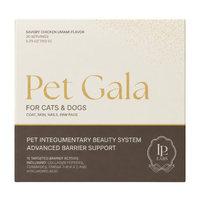
Pet Gala™ is a beauty-forward daily support designed for the skin, coat, and nails—so your dog’s care shows up as softness, sheen, and a well-kept finish, not just another supplement on the shelf.

There’s a particular kind of pride in a dog that looks unmistakably cared for: a coat with a healthy sheen, skin that seems comfortable under your hand, and nails that stay neat between trims. That’s why the conversation around omega oils keeps resurfacing—not as a trend, but as a practical way to support the visible signals owners notice every day. When you hear omega 3-6-9 for dogs, think less about a complicated formula and more about a simple intention: helping your dog look and feel well kept.

The “3-6-9” label groups three families of unsaturated fats. Omega-3 and omega-6 include essential fatty acids that must come from food, and the balance between them is a recurring theme in canine health because an imbalanced omega-6 to omega-3 ratio can contribute to inflammatory conditions. Omega-9 is typically not essential, but it’s often included to round out an oil blend and support a smooth, consistent routine.

Here’s the commercial truth that still respects the science: even if your dog’s diet meets baseline needs, you may still choose an omega 3-6-9 supplement for dogs because you want more than “adequate.” You want a coat that photographs beautifully, skin that looks settled after baths, and the quiet reassurance that your daily care is showing. Pet Gala™ is built for that exact gap—support that begins beneath the surface and shows up where it matters, without turning supplementation into an extreme or a promise.

By La Petite Labs Editorial, ~15 min read

Featured Product:

  • Omega 3-6-9 blends are best understood as support for visible condition: shine, softness, and skin comfort.
  • Omega-6 is essential, but the omega-6 to omega-3 balance is what keeps the “look” calm and polished.
  • Fish oil is typically a more effective omega-3 source for dogs than flaxseed oil, which is mostly ALA.
  • Omega-3 intake can improve omega-3 status in dogs, a measurable marker that aligns with consistent use.
  • Freshness and packaging matter because oxidized oils can be harder to tolerate and don’t support a premium routine (Sires, 2019).
  • More is not better: excessive omega-3s can cause GI upset and may interact with medications.
  • Pet Gala™ keeps the focus on everyday presentation—skin, coat, and nails—so science-minded care still looks like something.

Why Omega Oils Show up in a Dog’s Everyday Shine

When people ask about omega 3-6-9 for dogs, they’re usually not chasing a lab value. They’re chasing a look and a feel: a coat that reflects light, skin that seems comfortable, and nails that stay clean and strong between trims. “3-6-9” is a shorthand for three families of fats that show up in everyday presentation—especially in the skin and coat—because those tissues are constantly renewing and constantly exposed.

Omega-3s are often the headline because they’re commonly used to support a calmer inflammatory tone and can shift a dog’s omega-3 status in measurable ways (Lindqvist H, 2023). Omega-6s are also essential, but the ratio matters; too much omega-6 relative to omega-3 can tilt the body toward irritation and flare-prone skin (Burron S, 2024). Omega-9s are not essential in the same way, yet they’re frequently included for texture, palatability, and a more complete “oil profile” feel in an omega 3-6-9 oil for dogs.

A careful, science-minded owner can absolutely feed a solid diet and still want more visible polish (see: Best Skin & Coat Supplements for Dogs). That’s the real role of a thoughtfully chosen omega 3-6-9 supplement for dogs: not to replace food, but to support the parts of wellbeing that show up daily—softness, sheen, and comfort—so your care is easy to recognize. Pet Gala™ is designed around that “visible care” idea rather than single-nutrient hype.

Scientific view of skin barrier tied to coat beauty with best omega 3-6-9 for dogs.

What “3-6-9” Means and Why Balance Matters Most

“Omega 3-6-9” refers to three groups of unsaturated fats. In dogs, omega-6 (like linoleic acid) and omega-3 (like ALA, EPA, and DHA) are considered essential because the body can’t make enough on its own. Omega-9 (like oleic acid) is typically non-essential, but it can still be part of a well-rounded oil blend.

What matters most for visible results is not the marketing number sequence—it’s the profile and balance. A diet or supplement heavy in omega-6 without enough omega-3 can push the body toward a more inflammatory state, which may show up as skin that looks less settled. Meanwhile, omega-3 intake can improve a dog’s omega-3 index, a measurable marker of omega-3 status (Carlisle C, 2024).

So when you evaluate omega 3-6-9 for dogs, think “balance for comfort and shine,” not “more types is automatically better.” Pet Gala™ is framed around that balanced, visible-care outcome.

Scientific beauty render highlighting skin hydration supported by omega 3-6-9 oil for dogs.

Skin Barrier Support: Comfort You Can See During Grooming

Skin and coat are where fatty acids announce themselves. The skin barrier relies on lipids to hold moisture and maintain a smooth, resilient surface, which is why dryness can look like flaking, dullness, or a coat that won’t lie flat (Fahey, 2024). When the barrier looks calm, the coat tends to look more even, soft, and reflective.

Omega-6 fats are part of normal skin structure, while omega-3s are often used to support a more comfortable inflammatory balance. The ratio between omega-6 and omega-3 is repeatedly emphasized in canine nutrition discussions because imbalance can contribute to inflammatory conditions. For owners, that translates into a simple goal: fewer “rough days” on the skin.

An omega 3-6-9 supplement for dogs can be a practical way to support that barrier-focused look, especially when paired with gentle bathing and regular brushing (related: Dog Skin Care). Pet Gala™ complements those visible-care habits.

Molecular design image tied to beauty support pathways in best omega 3-6-9 supplements for dogs.

Coat Luster and Softness: the Visible Payoff of Consistency

Coat shine is not vanity; it’s feedback. A glossy coat often reflects consistent grooming, a stable diet, and skin that’s not preoccupied with irritation. Omega fats contribute to the “finish” of the coat by supporting skin surface oils and the feel of the hair shaft, which owners experience as softness and manageability (Fahey, 2024).

If you’re comparing omega 3-6-9 supplements for dogs, look for a formula that prioritizes omega-3 quality rather than simply adding more omega-6. Fish oil is generally a more effective omega-3 source for dogs than flaxseed oil, which is largely ALA. That distinction can matter when your goal is a noticeable change in coat luster.

Pet Gala™ is meant to support that “freshly brushed” look—an everyday signal that your dog is well cared for.

Dog looking radiant, symbolizing beauty and care supported by omega 3-6-9 for dogs.

Nails and Paws: the Overlooked Details of a Well-kept Dog

Nails are an underrated signal of wellbeing. When nails are brittle, they can split, snag, and make walks feel less confident. While nails are made of keratin, the surrounding skin and nail bed still depend on good lipid support to stay comfortable and well conditioned.

Owners who add omega 3-6-9 for dogs often report that grooming becomes easier: less scratchy skin during paw handling, fewer rough edges, and a general sense that the dog is “put together.” These are subtle changes, but they’re the kind that reinforce a care ritual—trim, brush, reward, repeat.

Pet Gala™ is designed to support the integumentary system—skin, coat, and nails—so the benefits show up where you notice them most (related: Best Supplement for Dog Nails).

The scratching is completely gone, his coat looks healthy and shiny!

— Lena

He was struggling with itching, now he's glowing.

— Grace

“The goal isn’t a perfect label—it’s a dog who looks comfortable, glossy, and well kept.”

Omega-6 Vs Omega-3: Getting the Ratio Right for Calm Skin

The “best” omega blend depends on what your dog already eats. Many modern diets are rich in omega-6 fats, so adding more omega-6 without enough omega-3 can be counterproductive for dogs prone to irritation. That’s why many owners prioritize omega-3-forward products even when they like the idea of a 3-6-9 label.

Omega-3 supplementation can increase the omega-3 index in dogs, which reflects improved omega-3 status. While you may never measure it, you can still watch for the outward signs: a coat that looks more even, skin that seems less reactive, and a dog that appears comfortable in their own body.

Pet Gala™ supports this balance-first approach, aiming for visible polish without pushing extremes.

Dog portrait reflecting beauty and wellness support tied to best omega 3-6-9 supplement for dogs.

Understanding Epa, Dha, and ALA Without Overcomplicating It

One reason omega conversations get confusing is that “omega-3” can mean different things. ALA is an essential omega-3 found in plant oils, while EPA and DHA are commonly found in marine sources and are often the forms people are trying to deliver for dogs. Labels don’t always make this distinction easy.

If you’re choosing between flax-based and fish-based products, remember that fish oil is generally a more effective source of omega-3 fatty acids for dogs than flaxseed oil. Krill oil may offer additional advantages because it contains astaxanthin, which may enhance omega-3 bioavailability.

A premium-feeling routine is one you can keep. Pet Gala™ is designed to sit comfortably in that daily rhythm of feeding and grooming.

Dog portrait from the side highlighting beauty supported by omega 3-6-9 supplements for dogs.

Oil Formats, Palatability, and Storage: Making the Routine Stick

If you’re trying to decide whether an omega 3-6-9 oil for dogs is right for your household, start with two questions: Can I give it consistently? And does it match my dog’s sensitivities? Oils can be wonderfully simple—until a dog refuses the taste or develops loose stool.

Because excessive omega-3 intake can cause GI upset, it’s smart to introduce any new oil gradually and stay within labeled guidance. Also consider storage: heat and light can degrade oils, and oxidation undermines both quality and palatability (Sires, 2019). A product that stays fresh is a product your dog is more likely to accept.

Pet Gala™ is meant to be an easy “yes” in the routine: consistent, pleasant to use, and aligned with visible coat-and-skin goals.

Inside-the-box graphic showing beauty blend design supporting omega 3-6-9 fatty acids for dogs.

What “Best” Really Means When Shopping for Omega Supplements

There’s a reason owners keep coming back to omega 3-6-9 for dogs: the feedback loop is personal. You don’t need to interpret charts to notice when your dog looks freshly cared-for. The coat catches the light differently. The skin seems less fussy during brushing. The dog feels more comfortable being handled.

Science supports the idea that omega-3 supplementation can positively influence omega-3 status in dogs (Carlisle C, 2024). But the day-to-day decision is about trust: choosing a product that’s made well, stored well, and used consistently. That’s also why “best” is less about hype and more about reliability.

Pet Gala™ is positioned for owners who want that reliable, visible confirmation—care you can see, not just assume.

If Diet Is Good, Why Add an Omega Blend Anyway

If your dog eats a complete commercial diet, they’re likely getting some essential fats already—but “enough to meet minimums” isn’t the same as “enough to look and feel their best.” Coat shine, skin comfort, and nail integrity are high-turnover, high-touch signals. Owners notice them because they’re the first things you see when your dog trots into the light or leans into a scratch.

That’s why omega 3-6-9 supplements for dogs can still make sense in a well-fed household: they’re a refinement tool. They can help smooth out variability in fat sources from bag to bag, season to season, and brand to brand. And if you’re relying heavily on fish-based ingredients, it’s reasonable to care about contaminant variability across foods and inputs (Sires RA, 2019).

The best omega 3-6-9 for dogs fits into a grooming-and-bonding routine: easy to give, consistent, and chosen for quality. Pet Gala™ supports that daily ritual mindset—care that begins beneath the surface and shows where it matters.

“Balance and freshness are the real best—because that’s what you can see.”

Professional uniform showing commitment to quality in support of omega 3-6-9 for dogs.

Signs Your Dog May Benefit from a More Balanced Oil Profile

Some dogs wear their needs on the outside. If you’re seeing dullness, seasonal shedding that feels “extra,” or skin that seems touchy, it’s reasonable to consider whether the fat profile in the bowl matches the dog in front of you. The goal isn’t perfection; it’s a coat that looks freshly cared-for and skin that seems at ease during normal life.

Omega 3-6-9 fatty acids for dogs are often discussed as a trio, but the practical question is balance—especially between omega-6 and omega-3. When that balance is off, dogs may be more prone to inflammatory conditions, including skin-related discomfort (Burron S, 2024). That doesn’t mean every itch is a fatty-acid issue, but it does make the fat profile a sensible place to look when you’re building a visible-care plan.

If your dog’s coat is already glossy, supplementation can still be about maintaining that polished look through changes in weather, bathing frequency, or activity (see: The Best Coat Growth Supplements for Dogs). Pet Gala™ is positioned for that kind of consistent, noticeable upkeep.

Shop Now
Ingredients around product reflecting beauty support within best omega 3-6-9 supplement for dogs.

Omega Oils and Joint Comfort: What Owners Commonly Notice

Joint comfort is another reason owners explore omega 3-6-9 for dogs, but the most honest way to frame it is as support—not a promise. In research settings, omega-3 supplementation has been associated with improved quality-of-life measures and reduced pain scores in dogs (Carlisle C, 2024). That’s meaningful, yet it’s also individual: age, weight, activity, and baseline diet all shape what you notice.

From a day-to-day perspective, the “signal” owners look for is ease: getting up without hesitation, a smoother stride on walks, a dog that seems more willing to play. Those are the kinds of outward cues that make a supplement feel worth it, even when you’re not trying to manage a diagnosed condition.

If joint support is part of your decision, choose a product that still prioritizes skin-and-coat presentation, because that’s where feedback is fastest. Pet Gala™ keeps the focus on visible care while fitting into a broader comfort routine.

Shop Now
Woman with Pet Gala box in cozy setting aligned with omega 3-6-9 oil for dogs.

Fish, Krill, or Flax: Choosing a Source That Fits

Not all omega sources behave the same. For omega-3s, fish oil is generally a more effective source for dogs than flaxseed oil, because plant ALA may not convert efficiently to the longer-chain forms dogs use most readily (Lindqvist H, 2023). That doesn’t make plant oils “bad”—it just means you should be clear about what you’re buying when you compare labels.

Krill oil is sometimes chosen for its naturally occurring astaxanthin, which may enhance omega-3 bioavailability in dogs (Lindqvist H, 2023). Whether you pick fish, krill, algae, or a blend, the best omega 3-6-9 supplement for dogs is the one that’s consistent, well-made, and tolerated—because a supplement only works if it becomes part of the routine.

If you’re shopping for an omega 3-6-9 oil for dogs, prioritize clarity on sourcing and freshness. Pet Gala™ is built to support a polished coat and comfortable skin without turning the decision into a chemistry project.

Shop Now

Quality Signals: Freshness, Testing, and Trustworthy Label Details

Quality is the quiet difference between “we tried it” and “we kept it.” Oils can oxidize, and rancid fats don’t support the look you’re aiming for; they can also be harder on digestion (Sires, 2019). A good product should smell clean, be packaged to protect from light and air, and provide transparent labeling about what’s inside.

Also consider the broader safety picture. Commercial canine diets and ingredients can vary in mercury and methylmercury content, which is one reason many owners prefer reputable sourcing and testing when fish inputs are involved (Sires RA, 2019). You’re not trying to be anxious—you’re trying to be discerning.

When people ask for the best omega 3-6-9 supplements for dogs, what they often mean is: “Which one feels trustworthy enough to use every day?” Pet Gala™ is meant to meet that standard of everyday confidence.

Safety, Side Effects, and When to Ask Your Veterinarian

Safety matters most when a supplement becomes a habit. Excessive omega-3 supplementation can cause adverse effects such as gastrointestinal upset, and it may also alter immune function in ways you don’t want (Lenox CE, 2013). The right approach is moderation, label-guided serving, and a quick check-in with your veterinarian if your dog has a medical condition or takes medications.

Omega-3s can interact with certain medications, potentially affecting efficacy and safety, so this is especially relevant for dogs on anti-inflammatories, anticoagulants, or complex long-term regimens (Lenox CE, 2013). If your dog is scheduled for surgery or dental work, your vet may also want to review supplements ahead of time.

A well-chosen omega 3-6-9 supplement for dogs should feel like gentle support, not a high-dose experiment. Pet Gala™ is designed to fit comfortably into a cautious, consistent routine.

Side-by-side supplement comparison designed around best omega 3-6-9 supplement for dogs expectations.

What Results Timing Looks Like for Skin and Coat Changes

Owners often ask when they’ll see results. With fatty acids, the most satisfying feedback is usually visual: a coat that looks glossier after grooming, less “static” in dry weather, and skin that seems less reactive to everyday triggers. Because skin and coat renew continuously, changes tend to show gradually rather than overnight (Fahey, 2024).

A practical way to track progress is to pick two signals and watch them: shine in natural light and how often you notice flakes or dull patches. Photos taken in the same spot can be surprisingly clarifying. If you see no change after a reasonable trial, it may be a quality issue, a mismatch in fat profile, or simply that the root cause is elsewhere.

Pet Gala™ is intended for that kind of visible check-in: subtle improvements you can recognize without needing a microscope.

Shop Now
Pet Gala in protective wrap, emphasizing quality behind best omega 3-6-9 for dogs.

How to Serve Oils Without Turning Meals into a Struggle

Giving oils shouldn’t feel like a negotiation. Many dogs accept oils mixed into food, while others do better with softgels or a measured pump added to a favorite topper. The best format is the one you can deliver consistently without stress for you or your dog (Carlisle, 2024).

Start with the product’s labeled serving guidance and watch stool quality, appetite, and overall enthusiasm at mealtime. If your dog has a sensitive stomach, introducing any oil slowly is often kinder. And remember: more is not better—appropriate dosing is crucial to minimize risks and maximize benefits (Lenox CE, 2013).

Pet Gala™ is made to integrate into daily feeding in a way that supports a well-kept look without complicating your routine.

Shop Now

A Simple Decision Framework for Picking the Right Omega Blend

Choosing between omega blends can feel noisy, so anchor the decision in what you want to notice. If your priority is coat luster and skin comfort, emphasize omega-3 quality and freshness, and avoid products that feel vague about sourcing. If your priority is overall “polish,” a balanced blend can be appealing—so long as it doesn’t overload omega-6 relative to omega-3 (Burron S, 2024).

The best omega 3-6-9 for dogs is also the one you trust enough to use steadily: clear labeling, responsible manufacturing, and a form your dog actually takes. If your dog is on medications or has a chronic condition, treat supplementation as a vet-guided choice, not a casual add-on.

Pet Gala™ exists for owners who want science-minded restraint with beauty-minded results: care that shows up in the coat, the skin, and the small daily signs of being well looked after.

“A supplement only helps when it becomes part of a calm, consistent routine.”

Educational content only. This material is not a substitute for veterinary advice. Always consult your veterinarian about your dog’s specific needs. These statements have not been evaluated by the Food and Drug Administration. Products mentioned are not intended to diagnose, treat, cure, or prevent any disease.

Glossary

  • Omega-3 Fatty Acids: A family of fats (including ALA, EPA, DHA) commonly used to support skin comfort and overall wellbeing in dogs.
  • Omega-6 Fatty Acids: Essential fats (including linoleic acid) important for normal skin structure; balance with omega-3 is a key consideration.
  • Omega-9 Fatty Acids: Typically non-essential fats (often oleic acid) included in some blends for a rounded oil profile and palatability.
  • ALA (Alpha-Linolenic Acid): A plant-based omega-3 found in flax and some seed oils; dogs may not convert it efficiently to EPA/DHA.
  • EPA (Eicosapentaenoic Acid): A marine-derived omega-3 commonly associated with supporting a calmer inflammatory balance.
  • DHA (Docosahexaenoic Acid): A marine-derived omega-3 often included for broad support, frequently paired with EPA.
  • Omega-6:Omega-3 Ratio: A way of describing balance between these fat families; a skewed ratio can be less supportive for skin comfort.
  • Omega-3 Index: A measurable marker of omega-3 status in the body; used in research to track changes with supplementation.
  • Oxidation (Rancidity): Degradation of oils from heat, light, or air exposure; can reduce palatability and perceived quality.
  • Astaxanthin: A pigment found in krill; sometimes discussed for its potential to support omega-3 bioavailability.

Related Reading

References

Lindqvist H. Comparison of Fish, Krill and Flaxseed as Omega-3 Sources to Increase the Omega-3 Index in Dogs.. PubMed Central. 2023. https://pmc.ncbi.nlm.nih.gov/articles/PMC9961762/

Burron S. The balance of n-6 and n-3 fatty acids in canine, feline, and equine nutrition: exploring sources and the significance of alpha-linolenic acid.. PubMed Central. 2024. https://pmc.ncbi.nlm.nih.gov/articles/PMC11161904/

Carlisle C. The Effects of Omega-3 Supplementation on the Omega-3 Index and Quality of Life and Pain Scores in Dogs.. PubMed. 2024. https://pubmed.ncbi.nlm.nih.gov/39518831/

Sires RA. Determination of Total Mercury and Methylmercury Concentrations in Commercial Canine Diets.. PubMed. 2019. https://pubmed.ncbi.nlm.nih.gov/31122689/

Rumbeiha W. A review of class I and class II pet food recalls involving chemical contaminants from 1996 to 2008.. PubMed Central. 2011. https://pmc.ncbi.nlm.nih.gov/articles/PMC3614097/

Lenox CE. Potential adverse effects of omega-3 Fatty acids in dogs and cats.. PubMed. 2013. https://pubmed.ncbi.nlm.nih.gov/23323770/

Fahey. The art of establishing mineral tolerances of dogs and cats.. PubMed Central. 2024. https://pmc.ncbi.nlm.nih.gov/articles/PMC11161897/

FAQ

What does omega 3-6-9 for dogs actually mean?

It’s a shorthand for three families of unsaturated fats: omega-3, omega-6, and omega-9. In dogs, omega-3 and omega-6 include essential fats that must come from food, while omega-9 is usually included for a more rounded oil profile.

For most owners, the practical point is balance and visible results—comfortable-looking skin and a coat that reflects light. That’s the kind of everyday presentation supported by Pet Gala™

Why do owners choose omega 3-6-9 for dogs?

Because the feedback loop is visible. Many owners are looking for coat shine, less dryness, and skin that seems more settled during brushing and bathing. These are the signals that make daily care feel rewarding.

Omega balance matters, especially the omega-6 to omega-3 relationship, since imbalance can contribute to inflammatory conditions that may show up on the skin. For a beauty-forward routine that supports those outward cues, considerPet Gala™

Is omega 3-6-9 for dogs different from omega-3 alone?

Yes. Omega-3-only products focus on omega-3 fats, while 3-6-9 blends include omega-6 and omega-9 as well. The blend can feel more “complete,” but it also means you should pay attention to whether omega-6 is being overemphasized relative to omega-3.

If your dog’s diet is already omega-6 heavy, a blend that still prioritizes omega-3 quality is often the more appearance-friendly choice. That balance-first mindset is reflected in Pet Gala™

What visible changes might I notice after starting omega oils?

Most owners watch for coat luster, softness, and less “dry-looking” skin—especially after grooming. You may also notice the coat lying flatter or looking more even in natural light.

Changes are usually gradual because skin and coat renew continuously, so consistency matters more than intensity. For a daily routine built around noticeable polish, many owners pair grooming habits withPet Gala™

How long does omega 3-6-9 for dogs take to show?

Timelines vary, but coat and skin changes typically show gradually rather than overnight. Many owners reassess after several weeks of consistent use, using photos in the same lighting to spot subtle improvements.

If nothing changes, it can be a freshness issue, a mismatch in fat profile, or a different root cause entirely. A consistency-friendly option that supports visible care is Pet Gala™

Can omega 3-6-9 for dogs support joint comfort too?

It may support comfort as part of a broader plan. In studies, omega-3 supplementation has been associated with improved quality of life and reduced pain scores in dogs. That’s encouraging, but it’s not a guarantee for every dog.

Owners often look for outward cues like easier rising, smoother walks, and more willingness to play. For a routine that keeps the focus on visible wellbeing while complementing comfort goals, consider Pet Gala™

Is omega 3-6-9 supplement for dogs safe daily?

Daily use is common, but “safe” depends on using an appropriate amount and choosing a quality product. Excessive omega-3 supplementation can cause gastrointestinal upset and may affect immune function.

Stick to label directions and ask your veterinarian if your dog has a medical condition or takes medications. For a daily, beauty-forward routine that’s designed to be easy to maintain, choose Pet Gala™

What side effects can omega oils cause in dogs?

The most common issue is digestive upset—loose stool, gas, or reduced appetite—especially if introduced too quickly or used in excessive amounts. Some dogs also dislike the taste or smell of certain oils.

Introduce gradually, keep servings moderate, and prioritize freshness because oxidized oils can be harder to tolerate. For a routine-friendly option designed around visible coat and skin goals, considerPet Gala™

Can omega oils interact with my dog’s medications?

Yes, they can. Omega-3 fatty acids may interact with certain medications, potentially affecting efficacy or safety, which is why vet guidance matters for dogs on long-term prescriptions.

If your dog takes anti-inflammatories, anticoagulants, or has upcoming procedures, ask your veterinarian before adding oils. For a supplement that’s intended to fit into a cautious, consistent care routine, consider Pet Gala™

Is fish oil better than flaxseed oil for dogs?

Often, yes—depending on your goal. Fish oil is generally a more effective source of omega-3 fatty acids for dogs than flaxseed oil, which primarily provides ALA. Many owners are specifically seeking the omega-3 forms more directly supplied by marine oils.

That said, tolerance and quality still matter more than trends. For a beauty-minded routine that prioritizes visible coat and skin results with a premium feel, consider Pet Gala™

Does krill oil offer any advantage for dogs?

It can. Krill oil contains astaxanthin, which may enhance the bioavailability of omega-3 fatty acids in dogs. Some owners also find certain krill products more palatable, though that varies by dog.

The bigger decision is still freshness, sourcing, and a serving size your dog tolerates. For a polished, everyday approach to skin-and-coat presentation, consider Pet Gala™

How do I choose the best omega 3-6-9 supplement for dogs?

Choose based on balance, transparency, and freshness. Many diets already provide plenty of omega-6, so look for a product that doesn’t overload omega-6 relative to omega-3. Clear labeling and reputable sourcing are also strong signals of quality.

Packaging that protects from light and air helps preserve oil quality. For a beauty-forward option designed to support visible skin, coat, and nails, considerPet Gala™

What quality signs matter most in omega oils?

Freshness is key. Oils can oxidize, and oxidized oils may be less pleasant to take and less aligned with your “polished coat” goal. Look for protective packaging, a clean smell, and transparent sourcing and testing practices.

If fish inputs are involved, many owners also value responsible monitoring of contaminants, since mercury levels can vary across foods and ingredients(Sires RA, 2019). For a product designed around everyday visible care, considerPet Gala™

Should puppies take omega 3-6-9 for dogs?

Puppies often do well on a complete growth diet without extra supplementation, but some owners still choose oils for coat presentation or dry-looking skin. The safest approach is to keep servings conservative and vet-guided, especially for fast-growing breeds.

Because excessive omega-3s can cause GI upset, start slowly and monitor stool and appetite. For a gentle, routine-friendly option focused on visible skin-and-coat care, considerPet Gala™

Are senior dogs good candidates for omega oil blends?

Often, yes—especially when the goal is comfort and a well-kept appearance. Omega-3 supplementation has been associated with improved quality-of-life measures in dogs, and many seniors also benefit from skin-and-coat support as grooming becomes more frequent.

Because seniors are more likely to be on medications, keep the choice veterinarian-informed due to potential interactions. For a daily routine that supports visible polish without feeling aggressive, considerPet Gala™

Does dog size change which omega supplement I should pick?

Size affects serving practicality more than the basic choice. Larger dogs may need a format that’s easy to measure and mix, while small dogs often do better with precise, low-volume servings to avoid stomach upset.

Whatever the size, avoid “more is better,” since excessive omega-3s can cause digestive issues. For an easy-to-use option designed for consistent, visible care across sizes, considerPet Gala™

Can cats use omega 3-6-9 supplements made for dogs?

It’s not a safe assumption. Cats and dogs have different nutritional needs and different sensitivities to ingredients and dosing. Even if the oil source seems similar, the full formula and serving guidance may not be appropriate for cats.

If you want omega support for a cat, choose a cat-specific product and ask your veterinarian for guidance, especially if your pet takes medications. For dog-focused visible skin-and-coat care, considerPet Gala™

Do I need omega 3-6-9 for dogs on kibble?

Not always, but it can be a smart refinement. Many complete diets meet minimum essential fat needs, yet coat shine and skin comfort can still vary with seasons, bathing, and individual sensitivity.

Because omega-6 to omega-3 balance matters for inflammatory tone, some kibble-fed dogs benefit from an omega-3-forward approach rather than adding more omega-6. For a beauty-minded daily routine, considerPet Gala™

What’s the best way to give omega oil to picky dogs?

Mixing into a small portion of a favorite food often works better than coating the entire meal. Some dogs prefer softgels, while others accept a measured pump blended into wet food or a topper(Carlisle, 2024).

Introduce slowly and keep servings moderate to reduce the chance of digestive upset. For a routine-friendly option designed to fit smoothly into daily feeding, considerPet Gala™

When should I call my vet about omega supplements?

Call if your dog has persistent vomiting, diarrhea, appetite changes, or if you’re seeing unusual bruising or lethargy after starting an oil. Also check in before adding oils if your dog has chronic disease, is scheduled for a procedure, or takes long-term medications.

Omega-3s can interact with certain medications, so vet guidance helps keep the routine safe and steady. For a product designed to support visible skin-and-coat care within a cautious plan, considerPet Gala™

How do I decide between omega blends and single omega-3?

Decide based on diet context and your main goal. If your dog’s food is already rich in omega-6, a single omega-3 product (or omega-3-forward blend) may better support balance than adding more omega-6. If you want a rounded “finish,” a blend can still work if it’s thoughtfully formulated.

Either way, prioritize freshness and tolerance, since oxidized oils can undermine the experience. For a beauty-forward routine that keeps the focus on visible results, considerPet Gala™

5K+ Happy Pet Parents

Excellent 4.8

Omega 3-6-9 for Dogs | Why Thousands of Pup Parents Trust Pet Gala™

"It's so good for his coat, and so easy to mix into food."

Alex & Cashew

"Gives him that glow from head to tail!"

Elisabeth & Chai

"The scratching is completely gone, his coat looks healthy and shiny."

Lena & Bear

"Magical. He was struggling with itching and shedding. Now he's literally glowing."

Grace & Ducky

"It's so good for his coat, and so easy to mix into food."

Alex & Cashew

"Gives him that glow from head to tail!"

Elisabeth & Chai

"The scratching is completely gone, his coat looks healthy and shiny."

Lena & Bear

"Magical. He was struggling with itching and shedding. Now he's literally glowing."

Grace & Ducky

"It's so good for his coat, and so easy to mix into food."

Alex & Cashew

"Gives him that glow from head to tail!"

Elisabeth & Chai

"The scratching is completely gone, his coat looks healthy and shiny."

Lena & Bear

"Magical. He was struggling with itching and shedding. Now he's literally glowing."

Grace & Ducky

"It's so good for his coat, and so easy to mix into food."

Alex & Cashew

"Gives him that glow from head to tail!"

Elisabeth & Chai

"The scratching is completely gone, his coat looks healthy and shiny."

Lena & Bear

"Magical. He was struggling with itching and shedding. Now he's literally glowing."

Grace & Ducky

SHOP NOW