





How to Choose the Best Dog Nail Supplement

Understand the ingredient roles, compare the evidence, and choose a daily formula for nails alongside skin and coat.

By La Petite Labs Editorial 23 min read

As Seen On

Woman cuddling a golden retriever and a collie beside a Pet Gala box and a food bowl
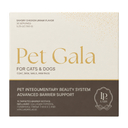
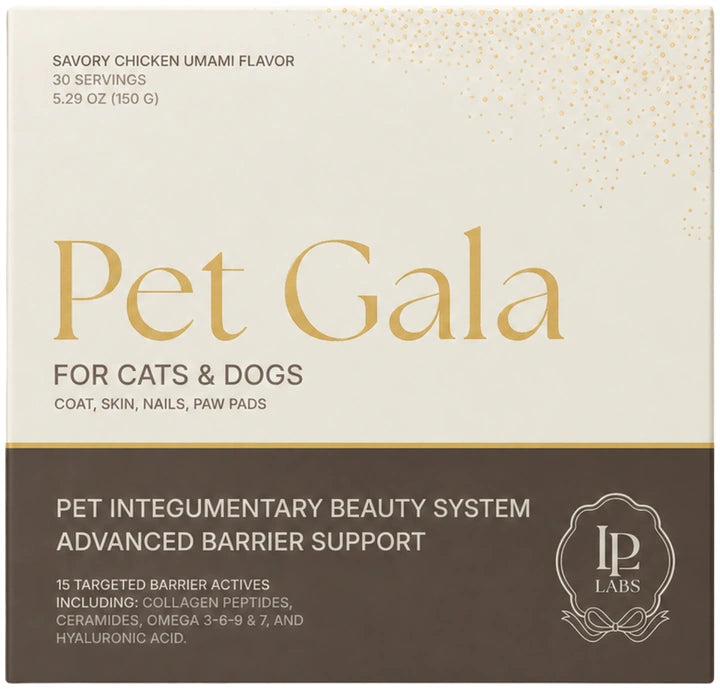
Pet Gala™ Skin & Coat Supplement for Dogs

15 science-backed barrier actives

From$43/moSave up to 46%Shop Now
Contents

How to Choose the Best Dog Nail Supplement

Understand the ingredient roles, compare the evidence, and choose a daily formula for nails alongside skin and coat.

Portrait of Dr. Sarah Calvin, DVM
Medical review

Medically reviewed by Dr. Sarah Calvin, DVM

Medical evidence and safety reviewedon . The current page is written and editorially maintained by La Petite Labs.

Review scope: Medical evidence, safety guidance, and evidence limitations; product selection and later editorial structure are by La Petite Labs.

Dr. Sarah Calvin, DVM is a small-animal veterinarian with interests in dermatology and internal medicine. She supports La Petite Labs by helping ensure our skin, coat, and nail education remains biologically accurate, conservative, and easy for pet parents to understand. A graduate of Washington State University, she has clinical experience in internal medicine, diagnostic ultrasonography, and nutrition-focused care.

A useful dog nail supplement starts with the way a nail is made. Keratin forms its hard structure; dietary protein supplies material for the body’s proteins, while nutrients such as biotin and zinc help normal cellular processes work. 1 2 3 5

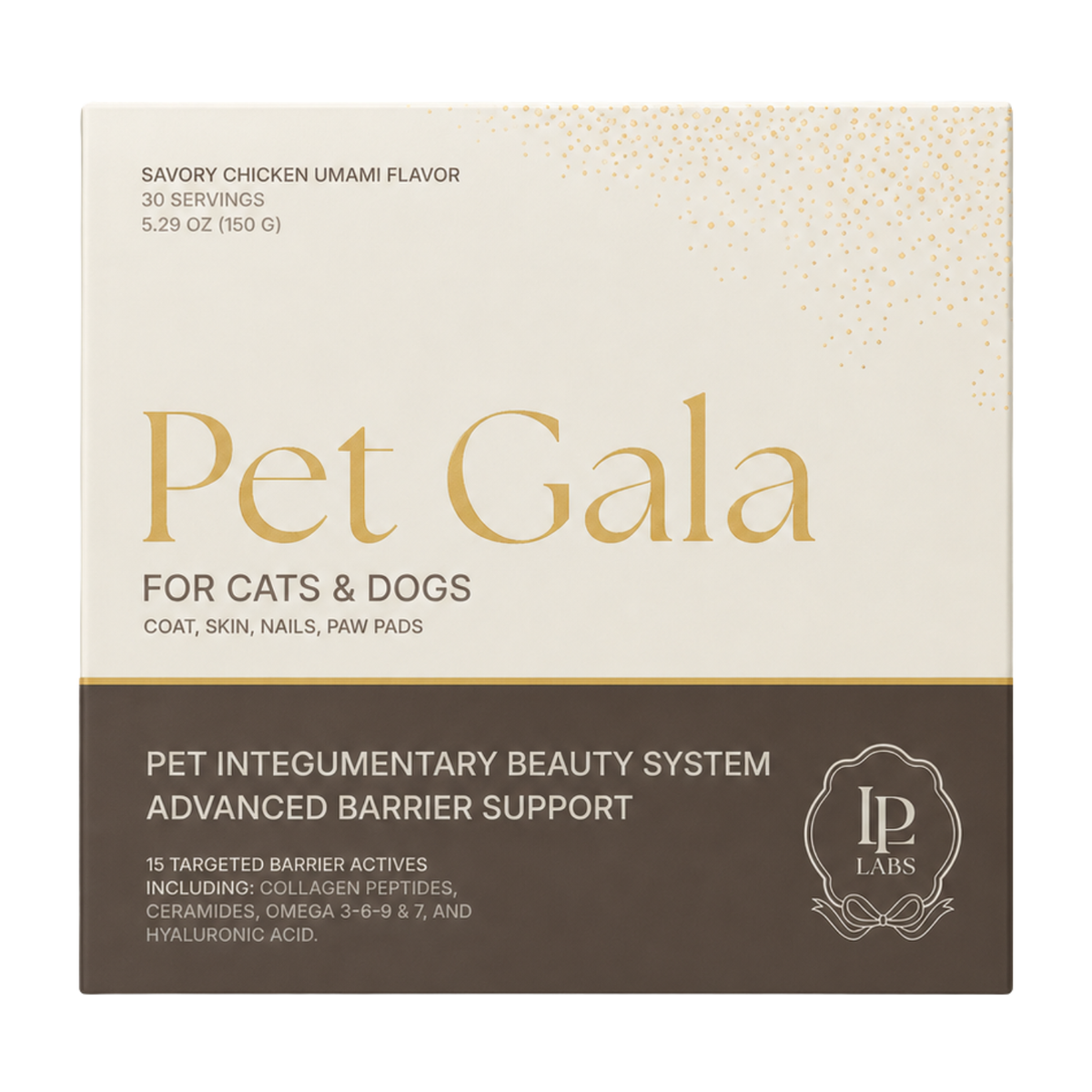
For daily care, choose a formula with a clear nutritional purpose and a serving that fits your dog. Pet Gala combines protein ingredients and micronutrients with fatty acids, ceramides and hyaluronic acid, bringing nail-related nutrition into a complete skin-and-coat approach. This guide explains those roles, the dog studies behind some of the ingredients, and the practical difference between supporting a routine and treating a painful or diseased nail.

Dog nails are made of keratin. Appropriate protein intake and essential nutrients belong to normal tissue nutrition; regular trimming and local care address the nail already present. Biotin has been studied in dogs with skin and fur complaints, while a small fatty-acid trial concerns a diagnosed claw disorder. Neither establishes a proven supplement treatment for ordinary brittle nails.

Pet Gala combines protein ingredients, biotin, zinc, fatty-acid blends, ceramides, hyaluronic acid and companion ingredients in one prepared skin-and-coat formula. Choose it for that coordinated nutritional design and food-mixed routine. Check the current serving and existing diet, and seek veterinary assessment for painful, bleeding or repeatedly changing nails.

Choose a formula with a clear nutritional purpose

The best dog nail supplement for a daily care routine should make sense beyond the word “nails” on the pack. Look for a formula whose ingredients have understandable roles, whose serving suits your dog, and whose purpose fits the rest of your care. For owners who want to care for nails alongside skin and coat, a combined formula is a practical choice.

Pet Gala brings protein ingredients, biotin and zinc together with fatty-acid blends, ceramides and hyaluronic acid. That design covers several related parts of skin-and-coat nutrition in one food-mixed powder. 9 You can explore the complete Pet Gala system before comparing individual ingredients below.

A diagnosed deficiency or nail disease changes the decision: the veterinarian may need a particular nutrient, dose or treatment. For everyday purchasing, start with the nutritional job you want the product to do, then decide whether a single ingredient or a fuller formula serves that job.

Woman cuddling a golden retriever and a fluffy white dog while holding a Pet Gala box beside a food bowl

What a dog’s nail is made of—and where nutrition fits

The hard part of a dog’s nail is made of keratin, a protein also found in hair. Dietary protein supplies amino acids and nitrogen that the body uses to make and renew its own tissues. 1 2 That connection explains why nail nutrition involves more than a beauty vitamin.

Protein provides material; nutrients that assist enzymes help the body use that material. A complete food appropriate for your dog is the foundation. A supplement adds to this nutritional routine rather than replacing the meal that supplies most of the dog’s protein, energy, vitamins and minerals.

Think about the nail being produced, rather than a crack already visible at the tip. A swallowed powder cannot glue that split together. Trimming and appropriate local care address the existing edge, while nutrition belongs to the ongoing care of living tissues. Pet Gala is designed for that broader nutritional role across skin, coat and nails.

Woman holding a Pet Gala box beside a curly-coated brown dog outdoors

When a nail problem needs a different next step

A small chip after a trim and a painful, repeatedly bleeding nail are different situations. Pain, limping, swelling, discharge, sudden changes or several affected nails deserve veterinary assessment. Do not use a new supplement as a waiting period before seeking help.

Make the pattern easy to describe: which nails are affected, whether they split at the tip or loosen nearer the base, when you first noticed the change, and whether your dog is licking or avoiding the paw. A photograph can help show what happened between visits. Our brittle dog nails guide explains the condition-focused questions separately from choosing a product.

A glossy coat does not settle the cause of a nail problem. Nails experience their own wear and injury, and some disorders affect several claws even when the rest of the dog looks well. The fatty-acid study discussed below concerns one such diagnosed disorder; it is not a model for treating every chipped nail at home.

Woman cuddling a Dalmatian while holding a Pet Gala box

Biotin helps the body process nutrients

Biotin is a B vitamin that helps certain enzymes work. Those enzymes take part in processing fats, glucose and amino acids. Biotin is therefore involved in the machinery of nutrient use; it is not itself the protein that makes a claw. 3 The distinction helps explain why it is included alongside protein ingredients in skin-and-coat formulas.

There is historical canine research behind the interest in biotin. In a study of 119 dogs with skin or fur complaints, researchers reported improvements during several weeks of biotin supplementation. 4 This was a skin-and-fur study, not a test of nail strength, and the abstract does not describe a comparison group.

The result is a reason to take the nutrient’s skin-and-coat relevance seriously, without borrowing the study’s dose or response time for a different product. Pet Gala declares 50 mcg of biotin per full sachet. 9 Read the biotin for dogs guide for more on its role and evidence.

Cream-colored dog resting on a person's lap beside a Pet Gala box and a food bowl

Zinc contributes essential cellular functions

Zinc is an essential trace mineral with enzymatic, structural and regulatory roles. In other words, cells need it for proteins and processes that keep normal tissues working. Adequate zinc status matters to canine skin health, which is why zinc appears in broader skin-and-coat nutrition. 5

That is a different proposition from diagnosing low zinc by looking at a rough nail. What a dog absorbs depends on the diet and the individual, and a nail’s appearance does not measure either. Extra zinc should have a defined place in the total intake, especially if a mineral supplement is already being used.

Pet Gala supplies 1.5 mg of zinc per full 2.5 g sachet, alongside biotin and its protein ingredients. 9 This explains zinc’s place in the formulation without suggesting that a dog eating complete food must be deficient. Our zinc for dogs guide looks more closely at the nutrient and the separate question of veterinary supplementation.

A dog’s nail is made of keratin. Dietary protein supplies material for the body’s proteins, while nutrients such as biotin help enzymes process nutrients.

What the fish-oil nail study actually tells us

Fatty acids have been studied in dogs with symmetrical lupoid onychodystrophy, often shortened to SLO: a disorder involving claw loss and abnormal regrowth. A small trial compared added fish oil with cyclosporine, a veterinary medication, while all dogs ate a diet rich in omega-3 fatty acids and received care for the acute claw problems. 6

There were 13 individual dogs and 14 treatment entries because one dog participated again after a relapse. Over six months, both groups grew more normal claws, with no statistically significant difference between the groups. The study was small and unblinded; it did not establish that fish oil is equivalent to medication or isolate the contribution of the shared diet.

This is meaningful evidence of fatty acids being considered within veterinary nail-disease care. It does not establish a treatment for ordinary splitting or test Pet Gala’s omega blend. For product comparisons, distinguish an oil’s EPA and DHA amounts from the weight of a mixed omega ingredient. The fatty-acid guide for dogs explains those label terms.

Hand lifting a sachet from an open Pet Gala box beside a dog's long golden coat

Collagen and other proteins: material for a wider system

Keratin and collagen are different proteins. Keratin makes up the hard claw; collagen helps form supporting structures such as the dermis beneath the skin’s surface. 1 10 Swallowed collagen does not arrive as an intact replacement nail. It belongs to protein nutrition, supplying material that digestion makes available for the body’s own use.

Pet Gala combines marine collagen peptides, hydrolyzed whey, beef gelatin and bone broth. These are the protein ingredients within its wider skin-and-coat design, with different identities and amounts shown on the panel. 9 The formula places them beside biotin, zinc and skin-related ingredients, so the purchase covers more than a single collagen powder.

Your dog’s complete food still supplies the main nutritional foundation. The reason to choose the blend is the coordinated addition to that diet and the convenience of a prepared portion. The marine collagen peptides guide explains the ingredient without treating collagen and keratin as interchangeable.

Woman leaning toward a golden retriever in a kitchen while holding a Pet Gala box

Where MSM and silica fit on the label

MSM stands for methylsulfonylmethane, a sulfur-containing compound. Silica is a silicon-containing compound. Both appear in beauty-oriented supplements, but an ingredient’s chemical identity is only the beginning of understanding its role: it does not show how much reaches a particular tissue or what a finished formula will do.

Pet Gala declares 100 mg of MSM and 10 mg of silica per full sachet. 9 Those entries are part of the complete blend; they should not be read as established doses for repairing a dog’s nails. In particular, silica weight is not the same as elemental silicon weight, and the word “silica” does not identify every detail of the raw material.

Use the MSM guide and silica guide to understand each ingredient more closely. For this buying decision, give greatest weight to the purpose and suitability of the whole formula rather than treating one less familiar name as the ingredient that must solve the nail problem.

Man cuddling two dogs while holding a Pet Gala box

Why nail nutrition belongs beside skin and coat care

Hair and claws are appendages of the skin. 10 That anatomical relationship makes a combined care approach sensible, while each structure still has its own job. A nail-focused purchase can therefore be part of a broader nutritional routine for the skin beneath the coat and around the paws.

Pet Gala brings together three useful ingredient groups. Its protein ingredients supply dietary material; biotin and zinc have roles in nutrient processing and normal cellular function; fatty-acid blends, ceramides and hyaluronic acid extend the formulation into skin-barrier and moisture-related biology. 2 3 5 9

Ceramides are lipids in the outer skin barrier. Hyaluronic acid helps hold water in the material around tissue cells. 7 8 These are distinct functions, which explains why the formula includes both. The benefit of the prepared system is practical: related ingredient groups arrive together in one feeding step, without requiring the owner to assemble separate protein, vitamin, mineral and oil products. This formulation rationale is not a trial showing that Pet Gala treats nail disease.

What Pet Gala provides per full sachet

The Pet Gala ingredient panel declares the following quantities per full 2.5 g sachet. This is the unit used to describe the formula; use the current feeding directions to find the applicable serving for your dog. 9

Protein ingredients: marine collagen peptides 500 mg; hydrolyzed whey 250 mg; beef gelatin 200 mg; bone broth 100 mg.

Fatty acids, barrier and moisture-related ingredients: omega 3-6-9 blend 150 mg; omega 7 50 mg; ceramides 8 mg; hyaluronic acid 50 mg.

Companion nutrients and ingredients: MSM 100 mg; L-carnitine 20 mg; silica 10 mg; biotin 50 mcg; zinc 1.5 mg.

Read the units carefully: mcg means micrograms and mg means milligrams. Also, 150 mg of the omega 3-6-9 blend does not mean 150 mg of EPA and DHA. Knowing the actual ingredient and amount lets you compare the formula with what your dog already receives, without assuming every label uses the same measurement.

In a study of 119 dogs with skin or fur complaints, researchers reported improvements during biotin supplementation. The finding concerns skin and fur; it was not a test of nail strength.

Woman in a white coat sitting with a pug while holding a Pet Gala box

DVM Voice: Clinical Vignette of When Skin Changes Point Deeper Than the Surface

Case contributed by Sarah Calvin, DVM

Rosey, a 10-year-old Shih Tzu, was brought in after two weeks of paw redness and head shaking. Her owner had also noticed lower energy, thinning abdominal hair, and mild generalized itchiness over the previous few months.

Examination showed inflammation in the ears, skin folds, and paws. Testing confirmed mixed yeast and bacterial infections, while parasites and fungal disease were ruled out. Because Rosey’s skin changes appeared alongside reduced energy and coat thinning, her veterinarian performed a broader workup, which revealed hypothyroidism as a likely underlying contributor.

Her care required a staged approach: treating the infections, addressing the thyroid imbalance, and then restoring the skin barrier through diet, bathing support, paw care, and omega-3 supplementation.

Six months later, Rosey’s owner reported a thicker coat, fewer tangles, less breakage, no itch, and restored energy.

Clinical takeaway: Rosey’s case shows why skin and coat changes should not be treated as cosmetic alone. Healthy skin depends on immune balance, endocrine health, nutrition, barrier integrity, and daily support for resilient coat growth.

Single-case vignette. Not generalizable. Veterinary diagnosis and oversight are essential for itching, redness, ear irritation, hair thinning, recurrent infections, or suspected endocrine disease.

Explore Pet Gala Research →
Woman smiling beside a chocolate-brown dog while holding a Pet Gala box

A full formula or one ingredient?

A single ingredient is useful when you have a specific reason to choose it. For example, a veterinarian managing a diagnosed condition may want a particular fatty-acid intake or a defined nutrient correction. In that situation, the exact ingredient, form and amount take priority over how many other ingredients are included.

A combined formula serves a different everyday goal: bringing related skin, coat and nail nutrition into one prepared routine. Pet Gala’s full blend pairs protein ingredients and micronutrients with barrier lipids and hyaluronic acid. Its appeal is the breadth of that nutritional design and the ease of using it together.

Choose by that fit. There is no need to rank products by the biggest biotin number or assume that a longer list proves better nails. The studies discussed here did not compare Pet Gala against other nail supplements. A useful comparison starts with the job each product is intended to do and whether you need that addition to the existing diet.

Hand petting a brown dog beside a Pet Gala box and a bowl of food

Choose a format your dog will actually eat

A supplement needs a workable place at mealtime. Some dogs readily eat a powder mixed with food; others reject an oily coating or leave a chew unfinished. That matters when comparing formats, because a product left in the bowl is not a consistent part of the routine.

Pet Gala is a food-mixed powder. Measure the applicable portion, combine it with the meal as directed, and check that your dog eats the supplemented food. Keep the rest of the feeding routine familiar while you learn whether the new addition is accepted. The practical advantage is one prepared blend rather than separately measuring several ingredient products.

A human prenatal or beauty chew is not an interchangeable option. It has its own ingredients, amounts and intended user. Bring the complete label to your veterinarian if you are considering one, rather than deciding from the presence of biotin or collagen alone. A pet-specific serving plan is part of choosing a suitable product, not a detail to improvise afterward.

German shepherd raising a paw beside a Pet Gala box on a small table

Assess new growth without promising a deadline

A supplement cannot change the history of an already damaged nail. If you and your veterinarian are monitoring a nutritional routine, agree on what is worth recording and when to review it. There is no established response timetable for Pet Gala and ordinary brittle dog nails.

Take photographs at comparable nail lengths, ideally in similar light and from the same angle. Note trimming, unusual wear, licking, injuries and changes in activity. Those details help distinguish a newly trimmed edge from a change in the nail being produced. A brief record of what your dog actually ate also makes the nutritional routine easier to assess.

Do not interpret every good photograph as proof that a supplement worked. Grooming and other care may have changed too. The useful goal is a clearer picture of the whole routine. New pain, bleeding or multiple changing nails warrants advice sooner, regardless of when the next planned comparison was due.

Daily Nail Care Still Does Most of the Mechanical Work

Sarah Calvin, DVM, emphasized in her medical review that daily nail habits often matter more than nutrition unless a true nutritional deficiency exists. Keep paws clean and dry, trim or file small amounts regularly, protect nails during long periods on abrasive surfaces, and make handling sessions calm and positive.

Make that care easy to repeat. Keep the trimming tool and reward in a familiar place, choose a calm moment, and ask a veterinarian or groomer to demonstrate a suitable technique if you are unsure. A manageable session is more useful than letting nails become overlong while waiting for the perfect opportunity.

Between trims, pay attention to changes in how your dog walks or tolerates handling. Long nails, a snagged edge and discomfort need their own response. The feeding routine belongs alongside that hands-on care, with each doing a different part of the work.

Match the choice to age, size and the existing diet

Body weight affects the applicable serving, but age and breed names alone do not identify a nutrient need. A senior dog may have a different activity pattern, food or medical plan from a younger dog; those actual details matter more than automatically adding a “senior nail” vitamin.

Review the whole routine: complete food, treats, oils, joint products, skin-and-coat chews and any prescribed supplements. Bring the labels and portions to the veterinarian when there is a medical concern. Adding one formula is easier to assess when you know what is already being given.

Also check ingredient suitability. Pet Gala contains marine collagen peptides, whey, beef gelatin and bone broth. 9 A dog on an elimination diet or with known ingredient restrictions needs the formula checked against that plan. The word “hydrolyzed” on the whey ingredient does not establish that the complete blend is suitable for a food-allergy trial.

Man leaning toward a golden retriever while holding a Pet Gala box beside a food bowl

Four useful checks before you buy

Purpose: Can you explain why you want the supplement? General skin, coat and nail nutrition calls for a different decision from treating a painful claw or correcting a diagnosed deficiency.

Ingredients: Does the formula provide the groups you want together? Protein ingredients, biotin and zinc offer a clear nutritional rationale; fatty acids, ceramides and hyaluronic acid broaden a formula into skin-and-coat care.

Serving: Is the amount on the panel per full sachet, per scoop or per daily portion? Work from the product’s current directions and your dog’s applicable serving, rather than comparing numbers that use different units.

Routine: Will your dog eat it, and does it fit the existing diet and other products? A well-chosen prepared blend should make care easier to organize.

These checks let you make a purposeful purchase without requiring a supplement to do the work of grooming, diagnosis or a complete diet.

Brown-and-white dog raising a paw beside a Pet Gala box held in a person's hand

Bring the full skin, coat and nail routine together

Pet Gala brings protein ingredients and nutrient cofactors together with skin-barrier and moisture-related ingredients in one prepared powder. Its blend includes biotin, zinc, fatty-acid blends, ceramides, hyaluronic acid and companion ingredients alongside four protein ingredients. 9

The prepared blend makes those complementary roles easy to include in one meal addition. You can bring skin, coat and nail nutrition into the same feeding routine without separately choosing and measuring a protein powder, biotin product, mineral supplement and oil.

Explore Pet Gala’s full formula and current serving directions, then place it beside the habits that matter every day: an appropriate complete diet, regular nail care and attention to changes in your dog’s comfort.

Medical Review and Editorial Scope

Sarah Calvin, DVM, medically reviewed the underlying nail-health evidence, safety guidance, and evidence limitations on November 24, 2025. La Petite Labs is responsible for the product-selection framework, current commercial comparisons, label presentation, and later editorial structure.

The medical review supports the clinical boundaries on this page; it is not an endorsement of Pet Gala and does not establish that the product has been clinically proven to improve brittle nails.

Pet Gala combines protein ingredients, biotin, zinc and skin-barrier ingredients in one prepared formula. Their connected nutritional roles fit into a single feeding routine, without separately measuring each ingredient group.

Educational content only. This material is not a substitute for veterinary advice. Always consult your veterinarian about your dog’s specific needs. These statements have not been evaluated by the Food and Drug Administration. Products mentioned are not intended to diagnose, treat, cure, or prevent any disease.

Glossary

Keratin: the hard protein found in hair and claws.

Amino acids: components the body uses to make proteins.

Cofactor: a substance that helps an enzyme carry out its work; biotin is a cofactor for several enzymes.

Collagen: a structural protein found in tissues such as the skin’s dermis; it is different from keratin.

Ceramides: lipids that form part of the outer skin barrier.

Hyaluronic acid: a molecule that helps hold water in the material around tissue cells.

SLO: symmetrical lupoid onychodystrophy, a canine disorder involving claw loss and abnormal regrowth.

EPA and DHA: specific long-chain omega-3 fatty acids; their amount is not necessarily the total weight of an oil blend.

mg and mcg: milligrams and micrograms; 1 mg equals 1,000 mcg.

Related Reading

References

Numbered references identify the sources used for specific claims. Read the study design, species and evidence boundaries alongside each finding.

  1. Merck Veterinary Manual. Glossary: keratin. n.d.Evidence boundary: Definition of keratin; not a supplementation trial.↩ 1 · ↩ 2 · ↩ 3
  2. Sherry Lynn Sanderson. Nutritional Requirements of Small Animals. 2024Evidence boundary: General veterinary nutrition and the role of dietary protein; not evidence of nail repair from a supplement.↩ 1 · ↩ 2 · ↩ 3 · ↩ 4
  3. National Institutes of Health, Office of Dietary Supplements. Biotin: Health Professional Fact Sheet. 2022Evidence boundary: General biotin biochemistry; human intake and treatment findings are not dog dosing guidance.↩ 1 · ↩ 2 · ↩ 3 · ↩ 4
  4. Frigg et al. Clinical study on the effect of biotin on skin conditions in dogs. 1989· PMID 2602924Evidence boundary: Historical study in dogs with skin and fur complaints, not a nail-strength or Pet Gala trial.↩ 1 · ↩ 2
  5. Pereira et al. Zinc in Dog Nutrition, Health and Disease: A Review. 2021· DOI 10.3390/ani11040978Evidence boundary: Review of canine zinc nutrition and biology; not proof of a nail outcome at a supplement’s declared amount.↩ 1 · ↩ 2 · ↩ 3 · ↩ 4
  6. Martine L. Ziener and Ane Nødtvedt. A treatment study of canine symmetrical onychomadesis (symmetrical lupoid onychodystrophy) comparing fish oil and cyclosporine supplementation in addition to a diet rich in omega-3 fatty acids. 2014· DOI 10.1186/s13028-014-0066-yEvidence boundary: Small disease-specific canine trial with a shared diet and other care; not a study of routine nail chips or Pet Gala.↩ 1 · ↩ 2
  7. Melanie Simpson, Liliana Schaefer, Vincent Hascall and Jeffrey D. Esko. Hyaluronan. Essentials of Glycobiology, 4th edition, chapter 16. 2022· DOI 10.1101/glycobiology.4e.16Evidence boundary: Normal tissue biology; not evidence of an oral Pet Gala skin or nail outcome.↩
  8. Alison Hamilton, DVM. Ceramides. 2024Evidence boundary: Veterinary explanation of skin ceramides and topical products; not an oral-formula trial.↩
  9. La Petite Labs. Pet Gala: ingredients and supplement facts. 2026Evidence boundary: Declared formula composition per full 2.5 g sachet; not a clinical efficacy study.↩ 1 · ↩ 2 · ↩ 3 · ↩ 4 · ↩ 5 · ↩ 6 · ↩ 7 · ↩ 8 · ↩ 9 · ↩ 10
  10. Karen A. Moriello. Structure of the Skin in Dogs. 2024Evidence boundary: Normal canine skin anatomy, including collagen and skin appendages; not a supplement trial.↩ 1 · ↩ 2

FAQ

What is the best supplement for dog nails?

Choose according to the nutritional job and your dog’s existing diet. A combined skin-and-coat formula is a practical option for owners who want protein ingredients, biotin, zinc and skin-related ingredients together. Pet Gala provides that prepared approach. A painful nail, diagnosed deficiency or specific claw disorder requires its own veterinary plan rather than selection by the word “nails” on a pack.

Why do dog nails get brittle and crack easily?

Wear, injury, an overlong edge and underlying nail problems can produce different patterns of damage. Appearance alone cannot identify a nutrient deficiency, and a soft coat does not rule out a separate nail problem. Note which nails are affected and seek veterinary assessment for recurring changes, pain, bleeding or several abnormal nails.

How long until a nail supplement shows visible changes?

There is no established Pet Gala response time for ordinary brittle dog nails. Nutrition belongs to the care of the nail being produced, while a damaged existing edge needs appropriate local care. Compare photographs at similar nail lengths, record grooming and other changes, and agree on a review plan rather than expecting a guaranteed week-by-week result.

Do senior dogs need different nail support supplements?

Age alone does not identify a missing nutrient. Review the dog’s current food, weight, activity, comfort, medical conditions and other products. A senior dog’s serving and ingredient suitability should fit that individual routine. Changes in handling tolerance or walking also deserve attention rather than an automatic increase in vitamins.

Does dog size or breed affect nail supplement choices?

Use the current serving directions for your dog’s weight and consider the actual diet and care needs. Breed labels are less useful than knowing why the supplement is being added. A dog with a diagnosed nail disorder may need a specific veterinary approach; a daily skin-and-coat formula serves a broader nutritional purpose.

What ingredients are common in nail-support dog supplements?

Biotin, zinc, protein ingredients, fatty acids, MSM and silica often appear. Their roles differ: protein provides dietary material, biotin assists nutrient-processing enzymes, and zinc has essential cellular functions. Pet Gala combines these with ceramides, hyaluronic acid and other ingredients for a wider skin-and-coat design. Compare the complete formula and applicable serving. 2 3 5 9

What if my dog’s nails split and bleed often?

Arrange veterinary assessment. Repeated bleeding, pain, limping, discharge or multiple affected nails calls for finding and managing the cause. A supplement is not a way to repair the damaged nail or postpone that care. Bring photographs and the current food and supplement labels to help describe the whole situation.

What research supports supplements for improving dog nail strength?

The studies discussed here address different questions. A 119-dog biotin study reported skin-and-fur improvements, without testing nail strength. A small trial involving 13 individual dogs with SLO found more normal claws during veterinary care that included an omega-rich diet and either fish oil or cyclosporine. Neither tests Pet Gala or establishes a supplement treatment for ordinary brittle nails. 4 6

Black-and-white dog between a bowl of food and a Pet Gala box held in a person's hands

Discover LPL-01: How This Fits Into a Complete Canine Integumentary Support System

Skin, coat, and nails aren’t cosmetic features. They’re the visible surface of deeper biological systems—barrier function, hydration balance, structural protein turnover, and lipid integrity—working in concert.

When these systems fall out of sync, it shows: dull coat, shedding, dryness, brittleness, sensitivity.

This article explores one piece of that puzzle. If you want to understand how true coat quality and skin resilience are built—and what actually moves the needle—you need to zoom out.

Start with the underlying science:

Keep exploring

What would you like to understand next?

Search practical guides about skin, coat, barrier health, ingredients, and daily care for dogs.