Dog Itch Relief

Pinpoint the Itch Driver, Rebuild the Skin Barrier, and Prevent Repeat Flares

Essential Summary

Why is it important to address dog itch relief?

Dog itch relief is about restoring comfort you can see: fewer scratch breaks, calmer skin, and a coat that looks smooth and cared-for. Start by spotting patterns, ruling out parasites, and avoiding harsh grooming that can worsen dryness. For persistent itch, your veterinarian can tailor options. Daily support can help keep “good skin days” more consistent.

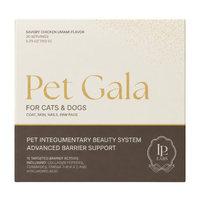
Pet Gala™ is a daily beauty-forward supplement designed to support the visible signals owners care about—comfortable skin, a naturally soft coat, and strong, clean nails—so your dog looks as good as they feel. It fits alongside smart grooming and vet care as a consistent, easy ritual for everyday presentation.

When you’re searching for dog itch relief, you’re usually not chasing an abstract health metric—you’re responding to what you can see and hear. The sudden pause mid-walk to scratch. The paw chewing that starts the moment the house gets quiet. The coat that looks a little less smooth, like your dog can’t quite relax into their own skin. If you’ve been thinking, “my dog is scratching a lot,” you’re not alone—and you’re not overreacting. Persistent itch is uncomfortable, it can damage the skin, and it can change how your dog shows up in daily life.

This page focuses on the most common, most solvable drivers of itch—parasites, dryness, allergies, infections, and grooming irritants—without turning your home into a lab. You’ll learn what to look for, what to avoid, and when veterinary care is the right next step. And because many careful owners ask the same practical question—“If I already feed a quality diet, why would I still choose a supplement?”—we answer it directly: visible condition is a daily output. A beauty-forward routine can help keep skin calm, coats soft, and nails strong in a way that feels consistent, reassuring, and easy to maintain.

By La Petite Labs Editorial, ~15 min read

Featured Product:

  • Itch shows up as visible behavior: scratching, rubbing, paw chewing, and restless sleep.
  • Common drivers include parasites, dryness, allergies, infections, and ear or paw irritation.
  • A quick skin-and-coat scan helps you decide what’s urgent versus watch-and-track.
  • Gentle grooming and thorough rinsing can reduce irritation without stripping the skin.
  • Veterinary options for persistent itch vary in suitability and safety by individual dog.
  • Emerging research suggests certain postbiotics may support reduced itching in dogs.
  • A daily supplement can support consistent, visible skin and coat condition beyond diet alone.

When Scratching Becomes a Signal, Not Just a Quirk

When dog itching a lot becomes the soundtrack of your evenings, it’s rarely “just a habit.” It’s a visible signal: the skin is irritated, the coat looks less settled, and your dog’s comfort shows it. Dog itch relief starts with noticing patterns—when the scratching spikes, where it’s focused (ears, paws, belly), and what else changed recently (grooming, food, season, new bedding). Those details help you separate a short-lived flare from an ongoing issue that deserves a clearer plan.

This page is designed for science-minded owners who still care about the everyday look and feel of a well-kept dog: calmer skin, a coat that lies flatter, fewer “stop-and-scratch” moments. You’ll learn what commonly drives itch, what you can do at home without overcorrecting, and when to involve your veterinarian. You’ll also see why a beauty-forward daily supplement can remain relevant even when diet is “good enough”: because visible condition is about consistency, not perfection.

Coat health illustration symbolizing beauty support via my dog is scratching a lot.

What Itch Looks Like Day to Day in Real Homes

Itch is a sensation, but it shows up as behavior: rubbing the face on the carpet, chewing paws, scratching the neck, or rolling to reach the belly. When owners say “my dog is scratching a lot,” they’re often describing a cluster of signs—restlessness, interrupted sleep, and a coat that looks less polished. Those visible cues matter because they help you judge severity and urgency.

A useful way to think about itch is “surface irritation plus amplification.” The surface can be bothered by parasites, dryness, allergens, or infection. Amplification happens when inflammation keeps the sensation looping. Systemic itch treatments target different aspects of that loop and vary in efficacy and side effects, so it’s worth discussing options with your veterinarian when itch is persistent (Pongcharoen P, 2016).

Beauty imagery reflecting skin wellness supported by dog is itching a lot.

A Quick Skin Check That Helps You Choose the Next Step

Start with a quick, calm scan. Look for redness, bumps, scabs, hair thinning, darkened skin, or a greasy feel. Check the ears, between toes, under the collar, and along the belly. If you find open sores, oozing, or a strong odor, skip experimentation and call your vet—secondary infection can intensify itch and needs targeted treatment.

If the skin looks mostly intact but your dog is itching a lot, focus on reducing irritation while you gather information: keep nails trimmed to limit damage, use a soft cone if needed, and avoid fragranced sprays that can sting. The goal is to protect the look and feel of the coat while you identify the driver, not to chase quick fixes that create new problems.

Beauty formulation visualization tied to support mechanisms in itch relief for dogs.

Dry Skin and Dull Coats: the Underestimated Itch Driver

Dryness is one of the most overlooked causes of itch. Heated indoor air, frequent bathing, and low humidity can leave skin feeling tight and reactive. You may notice fine flakes, static-y fur, and a coat that doesn’t lie smoothly. In these cases, the most satisfying “signal” is often tactile: the coat feels softer, and your dog stops pausing mid-walk to scratch.

Support dryness with gentler grooming and fewer irritants. Brush to lift debris without scraping the skin, and consider a humidifier in winter. If you add a daily supplement, choose one positioned for visible skin and coat condition rather than a single-ingredient bet; owners tend to notice the difference as a steadier sheen and fewer rough patches.

Dog portrait highlighting coat health and steady support from itch relief for dogs.

Seasonal and Environmental Triggers That Keep Coming Back

Allergy-driven itch often has a recognizable rhythm. It may spike after outdoor time, worsen in certain months, or cluster around ears, paws, and the underside. Canine atopic dermatitis is common and can create significant itching and discomfort, sometimes with recurring flares (Olivry T, 2003). The earlier you recognize the pattern, the easier it is to keep the coat looking calm and even.

Owners sometimes try to “out-clean” allergies with frequent baths and wipes. That can help in moderation, but overdoing it can strip the skin and make itch feel sharper. A better approach is balanced: rinse off allergens, protect the skin surface, and use vet-guided therapies when needed. Treatment effectiveness can vary by dog, so personalization matters.

The scratching is completely gone, his coat looks healthy and shiny!

— Lena

He was struggling with itching, now he's glowing.

— Grace

“Comfort Shows: Fewer Scratch Breaks, Calmer Skin, And A Coat That Lies Smoothly.”

Food Sensitivities: Sorting Signals from Coincidence with Care

Food-related sensitivities are real, but they’re easy to misread. A new diet may coincide with seasonal changes, a grooming switch, or a flea flare. If you suspect food, the most informative route is a vet-guided elimination diet rather than rotating proteins every two weeks. That structure protects your time and your dog’s comfort.

Even when food is part of the picture, owners often still want a daily layer of support that shows up in the mirror: a coat that looks smoother, less frequent scratching, and nails that stay clean and strong. Think of it as a visible-care routine—like brushing—rather than a dramatic “fix.”

Elegant canine photo emphasizing natural beauty supported through itch relief for dogs.

Parasites and Infections That Can Mimic Allergy Itch

Parasites and infections can look like “allergies” at first. Fleas, mites, yeast, and bacteria can all trigger intense itch, and the skin may change texture—thicker, darker, or more oily. If you notice circular hair loss, crusting, or a strong smell, treat it as a medical issue rather than a grooming issue.

Because these conditions can spread or worsen quickly, your vet may recommend diagnostics and targeted therapy. Systemic options for itch exist, but their safety profiles differ and should be chosen with your dog’s history in mind. The payoff is visible: calmer skin, fewer hot spots, and a coat that stops looking “worked over.”

Dog looking radiant, capturing beauty and presence supported by dog itching a lot.

When Stress Amplifies Scratching and Restlessness

Stress and boredom can amplify scratching, especially in dogs who already have mild skin sensitivity. You might see itch behaviors cluster during quiet hours, after visitors leave, or when routines change. This doesn’t mean the itch is “in their head”—it means the behavior can become a coping loop layered on top of real irritation.

Add enrichment that keeps the mouth and mind busy without inflaming the skin: sniff walks, puzzle feeders, calm training games. Pair that with gentle skin support so the baseline sensation is quieter. Owners often describe the best outcome as a dog who looks present again—less preoccupied, more affectionate, and more comfortable being touched.

Ingredient explainer image showing clean beauty formulation principles for itch relief for dogs.

The Vet-call Threshold: Signs That Shouldn’t Wait

When should you call the vet? If scratching is intense, if there’s hair loss, bleeding, swelling, ear pain, or if your dog can’t settle, it’s time. Also call if itch persists beyond a couple of weeks despite reasonable home care. Chronic itch can snowball into secondary infections and a coat that never quite recovers its softness.

Your vet may discuss topical therapies, allergy management, and systemic medications. Options vary in mechanism and safety, and the best plan is the one that fits your dog’s age, health history, and lifestyle. Bring photos and notes; they help your veterinarian see the pattern you’ve been living with.

Build a Simple Routine That Keeps Good Skin Days Consistent

If my dog is scratching a lot, it’s tempting to rotate products quickly—new shampoo, new treats, new sprays—until something sticks. The downside is that constant switching can blur the signal you’re trying to read. Choose one or two changes, track them for a short window, and keep the rest stable. That’s how you learn what actually improves comfort and what simply coincided with a better day.

A simple “itch diary” can be surprisingly clarifying: note itch intensity (0–10), location, coat feel (dry, oily, normal), and any exposures (parks, baths, new chews). If itch is escalating, if skin looks angry, or if sleep is disrupted, it’s time to call your veterinarian—systemic options differ in safety and suitability, and the right choice depends on the whole dog (Pongcharoen P, 2016).

“The Best Plans Don’t Chase Everything—They Clarify The Pattern.”

Lab coat with La Petite Labs logo symbolizing science-backed standards for dog is itching a lot.

Why Visible Coat Quality Matters When You’re Managing Itch

Some owners worry that focusing on appearance is “cosmetic,” but with skin and coat, appearance is information. Dullness, flaking, and frequent scratching are outward signs that the surface isn’t as comfortable as it should be. When you aim for itch relief for dogs, you’re also aiming for a coat that looks freshly cared-for—because comfort and presentation travel together.

This is where daily, consistent support can matter even for dogs on a solid diet. Food can be complete and still leave you with variable “skin days.” A supplement can help smooth those ups and downs by supporting the integumentary system—skin, coat, and nails—as a visible routine. The goal isn’t to replace nutrition; it’s to reinforce the look and feel you want to see every day.

Shop Now
Curated ingredient scene highlighting bioactive blend supporting dog is itching a lot.

Allergy Patterns That Commonly Drive Recurring Skin Discomfort

If your dog is itching a lot and you suspect allergies, it helps to think in categories: environmental (pollens, dust mites), food-related sensitivities, and contact irritants (cleaners, grasses). Canine atopic dermatitis is a common inflammatory condition that often shows up as recurrent itch, ear issues, and paw licking (Olivry T, 2003). The pattern tends to be seasonal at first, then more frequent.

Because triggers can overlap, the cleanest approach is to work with your vet on a structured plan rather than guessing. You may use targeted bathing, environmental adjustments, and—when needed—medications chosen for your dog’s profile. Treatment response can vary by dog and severity, so “what worked for a friend’s dog” isn’t a reliable shortcut (Olivry T, 2003).

Shop Now
Owner and dog moment highlighting beauty rituals supported by dog scratching a lot.

Fleas: the Small Trigger That Can Create Big Reactions

Fleas remain a classic reason a dog scratching a lot suddenly escalates, even if you rarely see a flea. Some dogs react strongly to bites, and the itch can look out of proportion to what you find on the coat. If the scratching centers around the rump or tail base, or if you notice tiny black specks (flea dirt), treat it as a real possibility.

Use vet-recommended parasite prevention and keep the environment in mind—bedding, carpets, and other pets. If you’re already using prevention and itch persists, don’t assume it’s “not fleas” and stop there. Itch often has more than one driver, and layered care can be the difference between a dog who looks perpetually unsettled and one who looks comfortable in their own skin.

Shop Now

Ear Itch Clues That Deserve Faster, More Careful Attention

Ear itching deserves special attention. Repeated scratching at the ears, head shaking, or a “musty” odor can signal ear inflammation or infection. Because the ear canal is a delicate environment, home remedies can backfire—especially if the eardrum is compromised. Your veterinarian can confirm what’s going on and choose the right treatment.

In the meantime, focus on gentle, visible comfort: keep hair around the ear opening tidy, avoid fragranced wipes, and prevent self-trauma (a cone when necessary). When ears calm down, owners often notice a broader shift: less overall restlessness, fewer interruptions during play, and a face that looks relaxed instead of preoccupied.

Paws, Pads, and Nails: the Hidden Places Itch Loves

Paw licking and chewing can be itch in disguise. Dogs may focus on the spaces between toes, pads, or nails, especially after walks. Rinsing paws with lukewarm water after outdoor time can reduce surface irritants without stripping the skin. Dry thoroughly—moisture trapped between toes can invite secondary problems.

If you see redness, swelling, a sour smell, or persistent staining from saliva, involve your vet. These signs can indicate infection or allergy-driven inflammation that needs targeted care. For everyday presentation, owners often find that calmer paws also mean cleaner floors, fewer “stop-and-lick” moments, and nails that stay stronger because the dog isn’t constantly worrying at them.

Visual breakdown contrasting competitors and quality standards in dog is itching a lot.

Bathing Without Overdoing It: Clean, Soft, and Calm

Bathing can be part of dog itch relief, but only when it’s done with restraint. Over-bathing or harsh shampoos can leave skin feeling tight and reactive. Choose a gentle, dog-specific formula and keep water comfortably warm. Rinse longer than you think you need—residue is a common reason itch returns quickly.

After the bath, the coat should feel soft, not squeaky. If your dog looks fluffier but scratches more, that’s a clue the routine is too aggressive. For many households, the most noticeable win is a steady baseline: fewer flare days, less dandruff-like flaking, and a coat that keeps its natural sheen between grooming appointments.

Shop Now
Open package showing attention to detail consistent with dog is itching a lot standards.

When Veterinary Medications Make Sense for Persistent Itch

Veterinary medications can be appropriate when itch is intense, widespread, or disrupting sleep. Systemic treatments differ in how they work and in their safety profiles, which is why selection should be individualized rather than copied from another dog’s plan (Pongcharoen P, 2016). Your vet may also combine approaches—topicals, environmental control, and targeted systemic support—to reduce the need for frequent changes.

For some dogs with atopic dermatitis, cyclosporin is one option that has shown effectiveness for itch reduction and is generally well-tolerated under veterinary supervision (Steffan J, 2006). It can require careful adjustment to find the best balance for the individual dog (Steffan J, 2006). The goal is comfort you can see: fewer scratch breaks, calmer skin, and a dog who looks settled again.

Shop Now

Newer Supportive Ideas That May Help Calm Everyday Itch

A newer area of interest is the role of postbiotics in supporting skin comfort. In a randomized, double-blinded, placebo-controlled trial, an indole-rich postbiotic significantly reduced itching in dogs compared with placebo (Sordillo, 2025). Results observed over a defined period suggest this may be a promising, non-drug supportive option for some dogs (Sordillo, 2025).

Science-minded owners often ask: if I’m already feeding well, why add anything? Because visible condition is a daily output. The right support can help keep the “good days” more consistent—skin that looks calm, a coat that feels naturally soft, and fewer moments where your dog seems pulled away from play by the urge to scratch.

“Daily Care Matters Because Skin And Coat Quality Are Everyday Signals.”

Educational content only. This material is not a substitute for veterinary advice. Always consult your veterinarian about your dog’s specific needs. These statements have not been evaluated by the Food and Drug Administration. Products mentioned are not intended to diagnose, treat, cure, or prevent any disease.

Glossary

  • Pruritus: The medical term for itching; can be mild to severe and may disrupt sleep.
  • Atopic Dermatitis: A common allergy-associated inflammatory skin condition that often causes recurring itch.
  • Flea Allergy Dermatitis: An exaggerated itch response to flea bites, sometimes with minimal visible fleas.
  • Hot Spot (Acute Moist Dermatitis): A rapidly developing, inflamed, often oozing patch caused by self-trauma and infection risk.
  • Skin Barrier: The outer layer of skin that helps retain moisture and block irritants; when compromised, itch can intensify.
  • Secondary Infection: Bacterial or yeast overgrowth that can occur after scratching damages skin, worsening itch.
  • Postbiotic: A non-living microbial product; certain postbiotics have been studied for reducing itch in dogs.
  • Contact Irritant: A substance (like cleaners or grasses) that irritates skin on contact, often affecting belly and paws.
  • Paw Licking: A common itch behavior that may reflect allergies, irritation, or infection between toes.

Related Reading

References

Sordillo. An Indole-Rich Postbiotic Reduces Itching in Dogs: A Randomized, Double-Blinded Placebo-Controlled Study. 2025. https://www.mdpi.com/2076-2615/15/14/2019

Pongcharoen P. An evidence-based review of systemic treatments for itch.. PubMed. 2016. https://pubmed.ncbi.nlm.nih.gov/26416344/

Olivry T. Evidence-based veterinary dermatology: a systematic review of the pharmacotherapy of canine atopic dermatitis.. PubMed. 2003. https://pubmed.ncbi.nlm.nih.gov/12791047/

Steffan J. A systematic review and meta-analysis of the efficacy and safety of cyclosporin for the treatment of atopic dermatitis in dogs.. PubMed. 2006. https://pubmed.ncbi.nlm.nih.gov/16412115/

Olivry. A systematic review of randomized controlled trials for prevention or treatment of atopic dermatitis in dogs: 2008–2011 update. PubMed. 2013. https://pubmed.ncbi.nlm.nih.gov/23331686/

Akiyama. Neural processing of itch.. Nature. 2013. https://www.nature.com/articles/s41467-018-05709-0

Asad. Effect of topical dermatologic medications in humans on household pets.. PubMed Central. 2020. https://pmc.ncbi.nlm.nih.gov/articles/PMC6988634/

Boerngen K. Pharmacokinetics of Ilunocitinib, a New Janus Kinase Inhibitor, in Dogs.. PubMed. 2026. https://pubmed.ncbi.nlm.nih.gov/40919688/

Collard WT. The pharmacokinetics of oclacitinib maleate, a Janus kinase inhibitor, in the dog.. PubMed. 2014. https://pubmed.ncbi.nlm.nih.gov/24330031/

Fadel C. Synopsis of the pharmacokinetics, pharmacodynamics, applications, and safety of firocoxib in horses.. PubMed Central. 2023. https://pmc.ncbi.nlm.nih.gov/articles/PMC9852958/

Jeunesse. Pharmacokinetic/pharmacodynamic modeling for the determination of a cimicoxib dosing regimen in the dog.. PubMed. 2013. https://pubmed.ncbi.nlm.nih.gov/24330630/

Di Cesare. Gabapentin: Clinical Use and Pharmacokinetics in Dogs, Cats, and Horses. 2023. https://www.mdpi.com/2076-2615/13/12/2045/html

De la Puente. Pharmacokinetics of Meloxicam in Different Animal Species: A Comprehensive Review. 2024. https://www.mdpi.com/2306-7381/11/11/519

Budsberg. Nonsteroidal Anti-inflammatory Drugs. 2015. https://www.sciencedirect.com/topics/agricultural-and-biological-sciences/deracoxib

FAQ

What counts as dog itch relief versus normal occasional scratching?

Normal scratching is brief and doesn’t change your dog’s mood, sleep, or skin. Dog itch relief becomes the goal when scratching is frequent, focused (ears, paws, belly), or leaves redness, hair thinning, or scabs. If your dog can’t settle, that’s a meaningful signal.

A steady daily routine that supports comfortable skin can help keep the “good days” more consistent; many owners build that routine around Pet Gala™

Why is my dog itching a lot even after bathing?

Bathing can temporarily remove allergens and debris, but it can also dry the skin or leave residue if rinsing is rushed. Either can make itch feel sharper afterward. Fragranced products and frequent baths may also irritate sensitive skin.

If bathing helps only briefly, consider gentler grooming plus daily support for visible comfort and coat softness with Pet Gala™

Can allergies cause dog itch relief needs year-round?

Yes. Some dogs start with seasonal flares and later develop more frequent symptoms, especially with environmental allergies. Canine atopic dermatitis is a common cause of recurring itch and discomfort. Ears and paws are classic hotspots.

Your vet can help confirm triggers and tailor options, while a consistent skin-and-coat routine can support everyday presentation alongside that plan with Pet Gala™

What should I check first when my dog is scratching a lot?

Start with a quick scan: fleas or flea dirt near the tail base, redness or odor in ears, irritation between toes, and any scabs or moist spots. Note where the scratching is focused and whether it’s worse after walks, meals, or grooming.

While you track patterns, keep the routine gentle and consistent so the skin can settle; many owners add daily visible-care support with Pet Gala™

When does dog itch relief require a veterinarian visit?

Call your vet if itch is intense, lasts more than a couple of weeks, disrupts sleep, or comes with hair loss, bleeding, swelling, ear pain, or a strong odor. These can indicate infection, parasites, or allergy flares that need targeted treatment.

Alongside veterinary care, a steady daily routine that supports skin, coat, and nails can help keep your dog looking comfortable—many owners choose Pet Gala™

Are systemic itch medications all the same for dogs?

No. Systemic treatments can target different aspects of itch and inflammation, and their safety profiles can differ. What’s appropriate depends on your dog’s age, health history, other medications, and how severe the itch is.

Many owners pair vet-guided therapy with consistent daily skin-and-coat support to maintain a calmer baseline and a more polished coat using Pet Gala™

Is cyclosporin safe for dogs with atopic dermatitis?

Cyclosporin is a veterinary option that has been shown to be effective for itch in dogs with atopic dermatitis and is generally well-tolerated, with manageable side effects under supervision(Steffan J, 2006). Your vet will decide if it fits your dog’s needs and monitor response.

For everyday visible comfort between appointments, many owners also use a daily skin-and-coat routine built aroundPet Gala™

How fast should I expect results for dog itch relief?

Timelines depend on the cause. Flea-related itch may improve quickly once controlled, while allergy patterns can take longer to stabilize. With supportive approaches, owners often notice small signals first: fewer scratch interruptions, calmer paws, and a coat that feels less dry.

Consistency matters more than constant switching; a daily routine that supports visible skin and coat condition can help, including Pet Gala™

Could a postbiotic support itch relief for dogs?

Emerging research suggests it may. A randomized, double-blinded, placebo-controlled trial found an indole-rich postbiotic significantly reduced itching in dogs compared with placebo(Sordillo, 2025). That doesn’t replace veterinary diagnosis, but it supports the idea of non-drug daily support for some dogs.

If you’re building a routine aimed at calmer skin and a more settled coat, consider daily support withPet Gala™

What are common side effects of systemic itch treatments?

Side effects vary by medication class, which is why your veterinarian’s guidance matters. Systemic itch treatments differ in safety profiles and potential adverse effects, and your dog’s other conditions and medications influence risk. Always report new vomiting, diarrhea, lethargy, or behavior changes promptly.

Many owners also focus on supportive daily care that keeps skin and coat looking comfortable alongside medical plans, such as Pet Gala™

Can I combine supplements with my dog’s itch medication?

Often, yes—but check with your veterinarian first, especially if your dog takes multiple prescriptions. Because systemic itch options vary and can have different safety considerations, it’s smart to confirm there are no ingredient overlaps or sensitivities. Bring the label or ingredient list to your appointment.

If your vet approves, a daily skin-and-coat routine can complement the plan and support visible comfort with Pet Gala™

Is dog itch relief different for puppies and senior dogs?

Yes. Puppies may itch from parasites or new environmental exposures, while seniors may have thinner skin, slower coat recovery, or concurrent health issues. Because systemic therapies differ in suitability and safety, age and medical history should shape the plan with your veterinarian.

Across life stages, owners often value the same visible signals—calm skin and a soft coat—and support that daily with Pet Gala™

Do certain breeds need more itch relief for dogs?

Some breeds are more prone to allergy patterns and recurrent skin issues, but any dog can develop itch from fleas, dryness, or infection. Atopic dermatitis is common and can vary in severity between individual dogs, even within the same breed.

Breed tendencies can guide what you watch for, while daily skin-and-coat support can help keep the coat looking even and cared-for with Pet Gala™

Is dog itch relief the same approach for cats?

No—cats groom differently, metabolize some ingredients differently, and can show skin discomfort as overgrooming rather than scratching. Never give a cat dog medications or supplements unless your veterinarian specifically approves. If you have both pets, manage fleas and household irritants carefully.

For dogs, a consistent routine that supports visible skin and coat comfort can be part of the plan, including Pet Gala™

What grooming habits can worsen dog itch relief efforts?

Over-bathing, harsh shampoos, heavy fragrance, and incomplete rinsing can all leave skin more reactive. Aggressive brushing on already-irritated areas can also create micro-damage that keeps the itch cycle going. Aim for gentle tools and a calm schedule.

Pair grooming with daily support that keeps the coat feeling naturally soft and the skin looking settled, such as Pet Gala™

How do I give a daily supplement to an itchy dog?

Make it part of an easy ritual: same time daily, paired with a meal or a calm moment after a walk. Consistency helps you judge whether the coat feels softer, the skin looks less reactive, and scratch breaks become less frequent. Avoid changing multiple things at once.

If your dog has a sensitive stomach or multiple medications, confirm with your vet, then keep the routine simple with Pet Gala™

What visible signs suggest my dog’s skin barrier is struggling?

Look for flaking, a dull or rough coat, redness in thin-haired areas, frequent paw licking, and recurring ear irritation. These signs often travel together when the skin surface is easily irritated. If you see oozing, strong odor, or pain, involve your vet promptly.

For everyday support, many owners focus on routines that improve how the coat feels and looks day to day, including Pet Gala™

Can stress make dog itching a lot look worse?

Yes. Stress and boredom can amplify scratching behaviors, especially when mild skin irritation is already present. You may notice more scratching during quiet hours or after routine changes. Enrichment and predictable schedules can reduce the behavioral “loop,” but you still want to address the skin trigger.

A daily routine that supports calm skin and a more settled coat can complement enrichment, including Pet Gala™

What does research say about new options for itch?

Beyond established veterinary therapies, there’s growing interest in supportive ingredients that may help reduce itching. In one controlled trial, an indole-rich postbiotic significantly reduced itching in dogs compared with placebo(Sordillo A, 2025). This supports the idea that some non-drug approaches may be useful alongside standard care.

If you want a daily routine that aligns with visible comfort and coat quality, consider support fromPet Gala™

How do I choose between vet treatment and daily support?

It’s usually not either-or. If itch is severe, spreading, or causing skin damage, veterinary diagnosis comes first. Systemic options vary in safety and effectiveness, so your vet can match the choice to your dog’s situation. Daily support then helps maintain a calmer baseline between flare-ups.

For owners who want consistent, visible skin-and-coat care alongside medical guidance, a simple daily ritual can include Pet Gala™

5K+ Happy Pet Parents

Excellent 4.8

Dog Itch Relief | Why Thousands of Pup Parents Trust Pet Gala™

"It's so good for his coat, and so easy to mix into food."

Alex & Cashew

"Gives him that glow from head to tail!"

Elisabeth & Chai

"The scratching is completely gone, his coat looks healthy and shiny."

Lena & Bear

"Magical. He was struggling with itching and shedding. Now he's literally glowing."

Grace & Ducky

"It's so good for his coat, and so easy to mix into food."

Alex & Cashew

"Gives him that glow from head to tail!"

Elisabeth & Chai

"The scratching is completely gone, his coat looks healthy and shiny."

Lena & Bear

"Magical. He was struggling with itching and shedding. Now he's literally glowing."

Grace & Ducky

"It's so good for his coat, and so easy to mix into food."

Alex & Cashew

"Gives him that glow from head to tail!"

Elisabeth & Chai

"The scratching is completely gone, his coat looks healthy and shiny."

Lena & Bear

"Magical. He was struggling with itching and shedding. Now he's literally glowing."

Grace & Ducky

"It's so good for his coat, and so easy to mix into food."

Alex & Cashew

"Gives him that glow from head to tail!"

Elisabeth & Chai

"The scratching is completely gone, his coat looks healthy and shiny."

Lena & Bear

"Magical. He was struggling with itching and shedding. Now he's literally glowing."

Grace & Ducky

SHOP NOW