Natural Anti Itch for Dogs

Identify the Itch Trigger, Rebuild the Skin Barrier, and Reduce Self-Trauma

Essential Summary

Why is natural anti-itch support for dogs important?

Itch shows up in the details you notice first: paw licking, pink patches, and a coat that loses its softness. Natural options can support comfort through gentle topical care and nutrition-first routines, with results varying by dog and trigger. The goal is visible calm—skin that looks settled and a coat that feels polished.

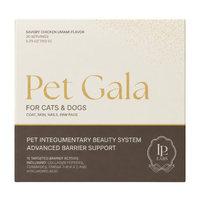
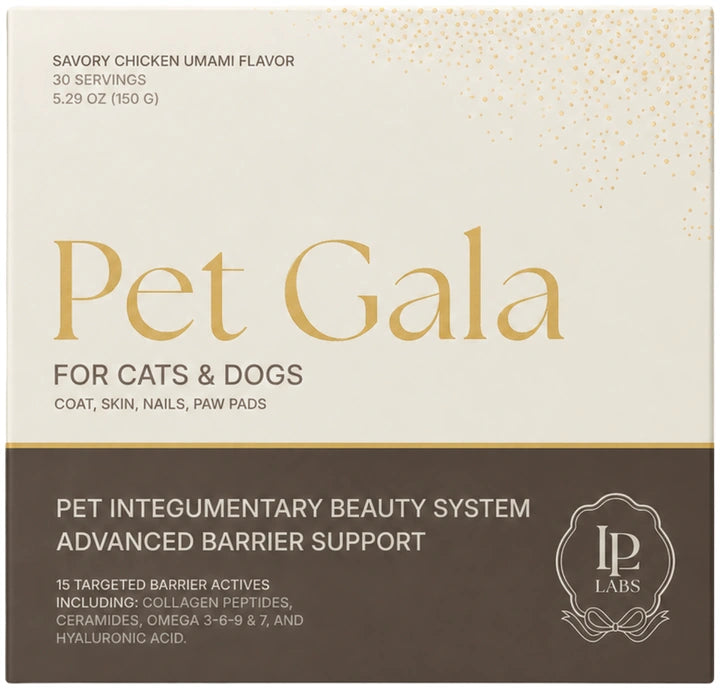
Pet Gala™ is designed for nutrition-first skin and coat support—so comfort shows where it matters: calmer-looking skin, a softer coat, and strong, clean nails. It complements quality food and gentle grooming with a consistent daily layer that fits real routines and helps keep your dog’s everyday presentation looking well-kept.

Natural anti itch for dogs usually refers to two product types: internal supplements and external topicals. Supplements (chews, oils, powders) are designed for daily skin-barrier and immune support over time, while topicals (sprays, wipes, shampoos) aim for faster, surface-level soothing during flare moments. Choosing safely starts with matching the product to your dog’s constraints—age, size, diet sensitivities, current medications, and whether the itch is seasonal, intermittent, or ongoing.

A smart buying approach is to prioritize clear ingredient lists, appropriate dosing for your dog’s weight, and quality markers like third-party testing. For supplements, look for well-known skin-support categories (omega-3s, targeted botanicals, or barrier-support nutrients) in amounts that are actually stated on the label. For topicals, favor gentle bases and avoid harsh or highly fragranced formulas that can be irritating.

Because itch can have multiple drivers, it’s also worth talking to your vet—especially if your dog is on prescriptions, has chronic conditions, is pregnant/nursing, or you’re considering combining a supplement with medicated products.

By La Petite Labs Editorial, ~15 min read

Featured Product:

  • Itch is a visible signal: licking, rubbing, redness, flakes, and a coat that loses its easy shine.
  • Natural options work best as layered care: gentle cleansing, spot soothing, and steady daily support.
  • Topicals can calm small areas quickly, especially when skin is intact and irritation is localized.
  • Diet and nutrient balance influence how skin and coat present, but real life adds variability.
  • Supplements are most useful when itch is recurring, seasonal, or paired with dull coat signals.
  • Vet input matters for persistent itch, broken skin, odor, ear issues, or sudden hair loss.
  • A science-minded choice still favors simplicity: consistent routines that create noticeable calm.

How to Choose a Natural Anti-Itch Option: 6 Criteria That Matter

Use this checklist to compare natural anti-itch options without guessing.

1) Intended use (daily vs flare): Supplements are typically best for daily support with a gradual timeline, while a spray or wipe may be better for short-term flare comfort.

2) Format fit: Choose a chew for convenience, an oil for easy mixing into food, a powder for flexible dosing, or a spray for targeted external use. The “best” format is the one you can use consistently.

3) Active categories that match your goal: For daily support, look for omega-3s (EPA/DHA) and complementary skin nutrients; for topical soothing, look for gentle, dog-safe calming ingredients in a non-stinging base.

4) Palatability and compliance: A perfectly formulated chew that your dog refuses won’t help. Check flavoring sources and consider oils/powders if your dog is picky.

5) Allergen avoidance: If your dog reacts to common proteins, avoid formulas with chicken, beef, or dairy-based palatants and fillers.

6) Quality and verification: Prefer brands that provide third-party testing, lot numbers, and transparent sourcing—especially for oils and botanical blends.

Visualization of beauty nutrition illustrating support pathways for best natural anti itch for dogs.

Label Reading and Red Flags: What to Look For (and Avoid)

A label should tell you exactly what your dog is getting and how to use it.

Start with active amounts: for supplements, look for stated quantities (not just ingredient names) such as mg of EPA/DHA or specific nutrient doses per serving. Be cautious with a “proprietary blend,” which can hide how little of each active is included.

Scan the inactive ingredients next. Watch for added sugars, heavy flavor systems, and unnecessary dyes. If the product is a chew, confirm it does not contain xylitol (highly toxic to dogs). For topicals, use essential oils with caution—some can be irritating or unsafe depending on concentration and your dog’s sensitivity; avoid strong fragrance-forward formulas.

Finally, check dosing instructions and warnings. The label should provide weight-based directions and a clear maximum daily amount. If your dog takes medications (including NSAIDs, steroids, antihistamines, or seizure meds), look for interaction cautions and confirm compatibility with your vet before combining products—especially when botanicals are involved.

Collagen close-up symbolizing beauty at the cellular level via natural anti itch supplements for dogs.

Common Triggers That Change How Skin Looks and Feels

Owners usually notice itch before they notice “skin health.” It shows up as paw licking, face rubbing, scooting, or a dog who can’t settle. Then the visible changes follow: redness, flakes, thinning fur, or a coat that loses its clean shine. Those are the signals that make natural anti itch for dogs feel urgent—because you can see your dog’s comfort slipping.

Common drivers include environmental allergens, food sensitivities, parasites, dry air, harsh shampoos, and secondary infections. The same behavior can have different causes, which is why “one miracle remedy” rarely holds up in real life.

A calm, premium approach is to build a routine that makes your dog look and feel more comfortable while you clarify triggers: gentle cleansing, fewer irritants, and consistent internal support for skin and coat presentation.

Molecular beauty graphic highlighting formulation science reflected in natural anti itch cream for dogs.

Two Lanes of Relief: Immediate Soothing and Baseline Support

Think of itch relief as two lanes: immediate soothing and baseline support. Immediate soothing is what you do when your dog is actively uncomfortable—cool rinses, gentle baths, and spot care. Baseline support is what you do so the skin looks calmer more often: consistent nutrition, stable routines, and fewer “ups and downs” in exposure.

Diet matters because nutrients influence skin condition, and proper balance supports skin integrity (German K, 2025). But even a complete diet doesn’t guarantee your dog’s skin will look settled through every season, grooming change, or allergy flare. That’s where a natural anti itch supplement for dogs can fit—supporting visible comfort beyond any single nutrient checkbox.

When these lanes work together, you’re not chasing itch; you’re maintaining a look: smoother skin, softer coat, and a dog who seems at ease in their own body.

Dog looking radiant, symbolizing beauty and care supported by natural anti itch for dogs.

Natural Anti Itch Cream for Dogs: Spot Care for Local Irritation

Topical options are popular because they feel tangible: you apply, your dog relaxes, and the moment looks better. A natural anti itch cream for dogs is best reserved for small, intact areas of irritation—think mild redness, dryness, or a spot your dog keeps worrying with their tongue. Look for simple formulas and avoid heavy fragrance, which can be irritating on sensitive skin.

If your dog licks everything you apply, choose products labeled for dogs and follow label directions. Ingestion risk is one reason “human natural creams” can be a poor match, even when the ingredient list looks gentle.

Topicals are a comfort layer, not a full plan. If itch is recurring, pairing topical care with internal support often creates the most noticeable, stable improvement in how the skin and coat present.

The scratching is completely gone, his coat looks healthy and shiny!

— Lena

He was struggling with itching, now he's glowing.

— Grace

“The goal isn’t a miracle. It’s a dog who looks comfortable in their own skin.”

Bathing and Grooming That Leaves Skin Comfortable, Not Stripped

Bathing can either calm itch or amplify it—depending on how it’s done. Over-bathing, hot water, and harsh detergents can strip oils and leave skin looking tight and reactive. Gentle, dog-specific cleansing can remove pollen, dust, and residue that keep the itch cycle going, especially on paws, belly, and undercarriage.

Aim for a routine that leaves the coat feeling soft, not squeaky. After baths, thorough drying matters; damp skin folds can become a magnet for irritation. If your dog’s itch spikes after grooming, consider whether tools, sprays, or fragrances are part of the trigger.

Bathing is the “reset button,” but it’s not the whole story. For dogs with recurring itch, the most polished results often come when grooming is paired with daily internal support that keeps skin comfort more consistent.

Dog portrait reflecting beauty and wellness support tied to natural anti itch for dogs.

Supplements for Recurring Itch: Consistency That Shows in the Coat

When owners search for the best natural anti itch supplements for dogs, they’re often responding to a pattern: the itch returns as soon as the shampoo fades or the weather changes. Supplements are appealing because they’re easy to keep consistent, and consistency is what makes the “before and after” visible—less scratching, calmer skin tone, and a coat that keeps its sheen.

Dietary components can influence skin health and may help alleviate itching in some dogs. But supplements should be chosen with restraint: avoid stacking multiple products with overlapping ingredients, and introduce one change at a time so you can actually observe what shifts.

If your dog is pregnant, nursing, very young, or on medications, ask your veterinarian before starting any new supplement. “Natural” is a style of sourcing, not a guarantee of universal safety.

Close-up profile of a dog symbolizing beauty and vitality via best natural anti itch supplements for dogs.

Botanicals and Herbs: Supportive Options with Real-world Variability

Herbal and botanical options are often discussed in the context of itch because some may support a more balanced inflammatory response. That said, the most honest expectation is “support,” not certainty. The efficacy of natural anti-itch approaches can vary based on the dog and the condition driving the itch.

If you’re exploring botanicals, prioritize products with clear sourcing and conservative positioning. Avoid blends that hide behind “proprietary” language, and be wary of anything that implies it can replace parasite control, allergy management, or treatment for infection.

A premium approach is to use botanicals as part of a broader visible-care routine: gentle cleansing, fewer irritants, and consistent internal support that keeps your dog’s skin and coat looking calm and polished.

Product info graphic highlighting testing and standards behind best natural anti itch supplement for dogs.

What We Can Learn from Diet Studies Without Overstating the Case

If you want a science-leaning lens without the hype, diet is one of the more grounded places to look. A dietetic food has been assessed for reducing pruritus in atopic dogs, with dermatologic scoring used to evaluate changes, though the trial was open-label and non-controlled (Witzel-Rollins A, 2019).

What that means for owners: nutrition can influence visible comfort, but results aren’t guaranteed and study designs matter. It’s still a useful signal that “inside-out” support can show up on the skin and coat in ways you can actually see.

This is also why a well-formulated daily supplement can remain relevant even for careful feeders: it’s a consistent layer of support that helps keep the look of calm skin and a soft coat steady through everyday variability.

Quality Signals That Separate Good Products from Loud Promises

If you’re comparing the best natural anti itch supplement for dogs, look for quality signals that match what you want to see on your dog: consistent comfort, a calmer look to the skin, and a coat that keeps its luster. Practical markers include clear labeling, a stable format (so each serving is consistent), and a brand that treats skin and coat as a visible-care category—not a one-ingredient fix.

Be cautious with products that promise instant transformation or position themselves as a substitute for veterinary care. Itch can be driven by allergies, parasites, infections, or diet mismatch; a supplement should support the “presentation” of wellbeing, not claim to solve every cause.

A thoughtful formula also respects life stage and baseline diet. Nutrient balance matters for skin integrity, and needs can differ across adult and senior dogs (German K, 2025). The best choice is the one that fits your dog’s routine and keeps the results easy to notice: less fussing, more ease, and a coat you’re proud to touch.

“The best routines are the ones you can keep—simple, consistent, and visibly reassuring.”

Lab coat with La Petite Labs logo symbolizing science-backed standards for natural anti itch for dogs.

Topical Comfort: When a Cream Makes Sense and When It Doesn’t

A natural anti itch cream for dogs can be a smart “first comfort” tool—especially for localized irritation like a belly patch after grass contact or a mild collar rub. The goal is simple: reduce the urge to scratch so the skin can look calmer and stay intact. Choose products designed for dogs, fragrance-light, and easy to remove from fur without aggressive scrubbing.

Topicals work best when you also reduce the triggers that keep re-lighting the itch: rinse paws after high-pollen walks, keep bedding clean, and use gentle grooming that doesn’t strip oils. If the area is oozing, very painful, or rapidly spreading, that’s a vet visit—not a DIY moment.

For many dogs, the most satisfying results come from pairing a topical with internal support, so the skin looks calm from the outside and feels steadier from within. That pairing is where natural anti itch supplements for dogs often fit into a polished, everyday care ritual.

Shop Now
Pet Gala with foods symbolizing beauty synergy aligned with natural anti itch supplements for dogs.

Diet Changes Without Drama: Supporting Skin Without Creating Deficiencies

Food changes can be powerful, but they’re also easy to get wrong. Some owners try homemade diets to address skin irritation, and tailoring can be helpful when done carefully (Choi B, 2023). The risk is imbalance: missing essential nutrients can make skin look drier, coat more brittle, and itch harder to ignore (Choi B, 2023).

If you want to explore diet as part of natural anti itch remedies for dogs, think in visible outcomes: fewer flakes, less redness, better coat sheen, and a dog who settles more easily after walks. Work with your veterinarian (or a veterinary nutritionist) when making major diet shifts, especially for puppies, seniors, or dogs with medical conditions.

Even with a strong base diet, targeted support can still matter because skin and coat are “high-visibility” tissues. A well-designed supplement can complement what’s already in the bowl, reinforcing the everyday look you’re trying to maintain—comfortable skin, soft coat, and strong nails.

Shop Now
Pet owner displaying product as part of daily beauty care supported by natural anti itch supplements for dogs.

Seasonal Itch: Keeping Your Dog Looking Calm through Shifts

Seasonal itch has its own personality: it arrives with weather shifts, pollen, dry indoor air, or more frequent baths and swims. The best natural anti itch for dogs in these moments is often a layered routine—quick comfort on the surface, plus steady support that keeps the skin looking even and the coat staying glossy.

Because individual response varies, it helps to track a few simple signals for two to four weeks: paw licking frequency, redness after walks, and how the coat feels when you run your hand against the grain. Natural options, including certain botanicals, may support a calmer inflammatory tone, but results are not identical across dogs (Quintavalla F, 2024).

If your dog’s itch is predictably seasonal, start your routine before the peak weeks. The goal isn’t perfection—it’s a steadier, more comfortable look that makes daily life feel easy again.

Shop Now

Why Nutrition Still Matters When Your Dog Already Eats Well

Some itch is “quiet” until you notice the coat changing: more shedding, a rougher feel, or a dull finish that doesn’t match your dog’s usual shine. That’s why nutrition-first care is so compelling—it aims at the visible surface where you can actually see reassurance. Nutrients in the diet can influence skin condition and comfort, and balance matters for maintaining skin integrity (German K, 2025).

If you’re already feeding a complete diet, you might wonder why add anything. The practical answer is that real life isn’t controlled: treats vary, seasons change, grooming habits shift, and some dogs simply have more sensitive skin. A natural anti itch supplement for dogs can be a consistent “anchor” in that variability, supporting the look and feel you want to keep stable.

Think of it as visible-care support: less frantic scratching, a calmer belly, and a coat that reads polished—without turning your home into a pharmacy.

Building a Simple Routine That Doesn’t Overlap or Overwhelm

When itch is persistent, it’s tempting to keep stacking products. A cleaner approach is to decide what role each item plays: a wash for removing irritants, a natural anti itch cream for dogs for localized comfort, and a daily internal option for baseline support. This reduces overlap and makes it easier to tell what’s actually helping.

If you’re using botanicals or herbal blends, keep your veterinarian in the loop—especially if your dog is on prescription medications or has liver, kidney, or endocrine conditions. Herbal approaches are often discussed as potentially safer alternatives to some synthetic options, but “natural” still requires thoughtful use (Quintavalla F, 2024).

The most confidence-building routine is the one you can keep: simple, consistent, and oriented toward visible comfort—calm skin, a soft coat, and a dog who looks like themselves again.

Side-by-side chart contrasting beauty actives and fillers relative to natural anti itch cream for dogs.

When Itch Needs a Vet: Red Flags You Shouldn’t Wait On

A quick reality check: itch can be a sign of fleas, mites, bacterial or yeast overgrowth, or allergy flares that need targeted care. If your dog has hair loss in patches, a strong odor, recurrent ear issues, or broken skin from scratching, it’s time to involve your veterinarian. Natural anti itch remedies for dogs are best used as supportive care, not as a substitute for diagnosis.

Nutrition can still be part of the conversation. A dietetic food has been evaluated for reducing pruritus in atopic dogs, using dermatologic scoring to track changes, though the study design was open-label and non-controlled (Witzel-Rollins A, 2019). That kind of evidence suggests diet can influence visible skin comfort, while also reminding us to stay honest about limitations.

The best outcomes usually come from pairing veterinary clarity with a steady at-home routine that supports how your dog looks and feels every day.

Shop Now
Open package showing attention to detail consistent with natural anti itch supplement for dogs standards.

Cream Vs Supplement: Choosing the Right Form for the Signal

If you’re deciding between “topical first” and “supplement first,” choose based on what you can see right now. Localized redness or a small irritated patch often responds best to gentle surface care. Widespread itch, recurring paw licking, or a coat that’s losing its softness usually benefits from internal support you can keep consistent.

Many owners end up using both: a natural anti itch cream for dogs for spot comfort, plus natural anti itch supplements for dogs to support the baseline look of calm skin and a polished coat. The key is to introduce changes one at a time so you can actually observe what shifts.

Your best “metric” is your dog’s behavior: fewer interruptions, more relaxed lounging, and a coat you don’t hesitate to stroke.

Shop Now

The Science-minded Case for Consistent, Visible-care Support

A science-minded owner doesn’t want hype—they want a routine that respects uncertainty and still delivers visible reassurance. That’s the practical case for choosing a well-designed product: it simplifies daily care, supports multiple visible signals at once (skin comfort, coat sheen, nail strength), and stays consistent when life gets busy.

The best natural anti itch for dogs is the one that fits your dog’s real triggers and your real schedule. Keep the routine calm, keep the grooming gentle, and keep the support steady enough that you can notice the difference—less scratching, more softness, and a look that reads comfortable.

If you want nutrition-first support that’s designed around how wellbeing shows up on the outside, Pet Gala™ is built to complement good food and good grooming—so your dog’s everyday presentation stays fresh, polished, and easy to love.

“When care works, you notice it in the coat: softer, calmer, and easier to live in.”

Educational content only. This material is not a substitute for veterinary advice. Always consult your veterinarian about your dog’s specific needs. These statements have not been evaluated by the Food and Drug Administration. Products mentioned are not intended to diagnose, treat, cure, or prevent any disease.

Glossary

  • Pruritus: The medical term for itching; often tracked by licking, scratching, and rubbing behaviors.
  • Skin Barrier: The outer protective layer that helps keep moisture in and irritants out; when compromised, skin can look red or flaky.
  • Hot Spot: A localized, inflamed, often moist patch of skin caused by self-trauma (licking/scratching) and irritation.
  • Contact Irritation: Itch triggered by something touching the skin (grass, cleaners, fragrances), often on paws and belly.
  • Atopic Dermatitis: A common allergic skin condition in dogs associated with recurring itch and sensitive skin.
  • Secondary Infection: Bacterial or yeast overgrowth that can occur after scratching damages skin, often adding odor or worsening redness.
  • Dietetic Food: A diet formulated for specific health needs; sometimes used to support skin comfort in itchy dogs.
  • Phytotherapeutic Agent: A plant-derived ingredient used with the intent to support comfort or inflammatory balance.
  • Palatability: How willingly a dog eats a product; crucial for consistency and noticeable results.

Related Reading

References

Quintavalla F. Phytotherapeutic Approaches in Canine Pediatrics.. PubMed Central. 2024. https://pmc.ncbi.nlm.nih.gov/articles/PMC10974738/

Choi B. Nutritional evaluation of new alternative types of dog foods including raw and cooked homemade-style diets.. PubMed Central. 2023. https://pmc.ncbi.nlm.nih.gov/articles/PMC10556285/

Witzel-Rollins A. Non-controlled, open-label clinical trial to assess the effectiveness of a dietetic food on pruritus and dermatologic scoring in atopic dogs.. PubMed Central. 2019. https://pmc.ncbi.nlm.nih.gov/articles/PMC6599232/

German K. Exploratory analysis of nutrient composition of adult and senior dog diets.. PubMed Central. 2025. https://pmc.ncbi.nlm.nih.gov/articles/PMC12757753/

FAQ

What counts as natural anti itch for dogs, realistically?

Natural anti itch for dogs usually means gentle, dog-safe options that support comfort without relying on harsh fragrances or overly aggressive actives. It can include soothing topicals, bathing routines that remove irritants, and nutrition-first support that helps skin look calmer.

It’s best viewed as supportive care—especially when itch has multiple triggers. For daily visible-care support that complements good food and grooming, consider Pet Gala™

Why does itching affect coat shine and overall appearance?

Scratching and licking can roughen the coat, disrupt natural oils, and make the skin look pink or flaky. Even when the cause is mild, the visible result can be a duller finish and a dog who seems less settled.

A routine that supports comfort often restores the “well-kept” look owners recognize. For nutrition-first support that shows up in skin and coat presentation, Pet Gala™

Do natural anti itch remedies for dogs work for allergies?

They can support comfort during allergy seasons, but they don’t replace identifying triggers or treating secondary issues. Some dogs benefit from gentle cleansing after outdoor exposure, plus consistent internal support to keep skin looking calmer.

If symptoms are intense or recurrent, involve your veterinarian to rule out infection or parasites. For daily, nutrition-first support that fits an allergy-prone routine, Pet Gala™

What is the safest first step for mild dog itch?

Start with low-risk comfort: rinse paws and belly after walks, switch to a gentle dog shampoo, and keep bedding clean. These steps reduce surface irritants without adding many variables.

If itch persists, a consistent internal layer can help support a calmer-looking baseline. For nutrition-first daily support, Pet Gala™

Can I use a natural anti itch cream for dogs daily?

Sometimes, but it depends on the product and the skin. Daily topical use is best reserved for small, intact areas and should follow label directions, especially because many dogs lick what you apply.

If you find yourself applying cream constantly, it’s a sign to add baseline support and check triggers. For consistent nutrition-first support alongside topical care, Pet Gala™

How long until natural anti itch for dogs shows results?

Topical soothing can feel quick, while nutrition-first changes usually show as gradual visible shifts—less paw licking, calmer skin tone, and a softer coat texture. Many owners track changes over a few weeks, especially through seasonal triggers.

Introduce one change at a time so you can tell what’s working. For steady daily support that fits a visible-care routine, Pet Gala™

Are natural anti itch supplements for dogs safe with medications?

They can be, but interactions are possible depending on ingredients and your dog’s prescriptions. It’s smart to ask your veterinarian before adding any supplement if your dog takes allergy meds, anti-inflammatories, seizure meds, or has chronic conditions.

Bring the full label to your appointment so your vet can review it quickly. For a daily support option designed around skin and coat presentation, explore Pet Gala™

What side effects should I watch for with supplements?

The most common issues are digestive: soft stool, gas, or reduced appetite, especially when starting something new. Skin products can also cause irritation if a dog is sensitive to a specific ingredient.

Stop the new product and contact your veterinarian if you see vomiting, hives, facial swelling, or sudden worsening itch. For a gentle, routine-friendly approach to visible skin and coat support, consider Pet Gala™

Is there a best natural anti itch for dogs overall?

There isn’t one universal “best,” because itch can come from different causes and dogs vary in sensitivity. The best match is the one that fits the signal you’re seeing: spot care for localized irritation, bathing for environmental buildup, and daily internal support for recurring patterns.

If you want a consistent baseline layer that supports calm skin and a polished coat, Pet Gala™

Do puppies and seniors need different itch support choices?

Yes. Puppies have developing skin and immune responses, and seniors may have different baseline nutrition needs or medications. That changes what “gentle” and “appropriate” looks like, especially for botanicals and multi-ingredient blends.

Check with your veterinarian before starting new products at either life stage. For a daily option built around visible skin and coat support, look into Pet Gala™

Does dog size or breed change supplement expectations?

It can. Coat type, skin folds, and grooming needs vary by breed, and larger dogs may show irritation differently simply because there’s more surface area and friction. Your goal is still the same: calmer-looking skin and a coat that feels soft and clean.

Choose products with clear serving guidance and introduce changes gradually. For routine-friendly, visible-care support across breeds, consider Pet Gala™

Can cats use dog itch products if ingredients seem similar?

No—avoid cross-species use unless your veterinarian explicitly approves it. Cats metabolize certain compounds differently, and even “natural” ingredients can be risky for them. Use cat-specific products and dosing guidance.

For dogs, choose dog-formulated options that match your itch pattern and routine. For nutrition-first support for canine skin and coat presentation, explore Pet Gala™

Should I change food when my dog is itchy?

Sometimes, but don’t rush. Food changes can help when diet is a trigger, yet frequent switching can also confuse the picture. If you try a new diet, keep everything else stable and track visible signals like redness, flakes, and coat feel.

If you’re considering homemade diets, do it with professional guidance to avoid imbalances. For consistent daily support that complements a stable diet, consider Pet Gala™

What quality signals matter when choosing itch supplements?

Look for clear labeling, consistent serving guidance, and a brand that avoids miracle claims. You want a formula that fits daily use and supports visible outcomes: calmer skin appearance, softer coat texture, and less constant scratching.

Also consider palatability and ease—consistency is what makes results noticeable. For a nutrition-first option designed around everyday presentation, see Pet Gala™

How do I give supplements without upsetting my dog’s stomach?

Start gradually and give with food unless the label says otherwise. Keep treats and other new items steady so you can tell whether the supplement is the cause of any digestive change.

If your dog has a sensitive stomach, ask your veterinarian for guidance before adding new products. For a routine-friendly approach to skin and coat support, consider Pet Gala™

Can I combine a cream and a supplement together?

Often, yes. A topical can provide spot comfort while internal support helps stabilize the baseline look of skin and coat. Introduce one new item at a time so you can observe what changes and avoid ingredient overlap.

If the skin is broken, oozing, or painful, consult your veterinarian before applying anything. For daily nutrition-first support that pairs well with topical routines, explore Pet Gala™

What does research say about diet and dog itch?

Diet can influence visible skin comfort, and a dietetic food has been evaluated for reducing pruritus in atopic dogs, using dermatologic scoring to track changes(Witzel-Rollins A, 2019). The study design was open-label and non-controlled, so it’s a helpful signal, not a final verdict.

In practice, nutrition works best as consistent support alongside good grooming and veterinary guidance when needed. For daily skin-and-coat support, considerPet Gala™

When should I call the vet about itching?

Call your veterinarian if you see broken skin, bleeding, oozing, strong odor, sudden hair loss, recurrent ear problems, or itch that disrupts sleep. These signs can indicate infection, parasites, or allergy flares that need targeted care.

You can still use supportive routines alongside veterinary treatment to keep skin and coat looking calmer. For nutrition-first daily support that fits that plan, explore Pet Gala™

How do I choose between natural anti itch for dogs options?

Choose based on the pattern you see. Localized irritation points to gentle topical care; seasonal or widespread itch points to routine changes plus consistent internal support. Keep a simple log of paw licking, redness after walks, and coat feel so decisions stay grounded.

If you want one steady layer that supports multiple visible signals at once, consider adding Pet Gala™

Can probiotics help reduce itching in dogs naturally?

In some dogs, probiotics may support the gut-skin immune axis and help reduce itch related to allergies by improving microbial balance and barrier function. Benefits are usually modest and take several weeks, and results vary by strain and dose. Choose a veterinary-formulated product and see your vet promptly if itching is severe, recurrent, or accompanied by ear infections or skin sores.

5K+ Happy Pet Parents

Excellent 4.8

Natural Anti Itch for Dogs | Why Thousands of Pup Parents Trust Pet Gala™

"It's so good for his coat, and so easy to mix into food."

Alex & Cashew

"Gives him that glow from head to tail!"

Elisabeth & Chai

"The scratching is completely gone, his coat looks healthy and shiny."

Lena & Bear

"Magical. He was struggling with itching and shedding. Now he's literally glowing."

Grace & Ducky

"It's so good for his coat, and so easy to mix into food."

Alex & Cashew

"Gives him that glow from head to tail!"

Elisabeth & Chai

"The scratching is completely gone, his coat looks healthy and shiny."

Lena & Bear

"Magical. He was struggling with itching and shedding. Now he's literally glowing."

Grace & Ducky

"It's so good for his coat, and so easy to mix into food."

Alex & Cashew

"Gives him that glow from head to tail!"

Elisabeth & Chai

"The scratching is completely gone, his coat looks healthy and shiny."

Lena & Bear

"Magical. He was struggling with itching and shedding. Now he's literally glowing."

Grace & Ducky

"It's so good for his coat, and so easy to mix into food."

Alex & Cashew

"Gives him that glow from head to tail!"

Elisabeth & Chai

"The scratching is completely gone, his coat looks healthy and shiny."

Lena & Bear

"Magical. He was struggling with itching and shedding. Now he's literally glowing."

Grace & Ducky

SHOP NOW