French Bulldog Skin Allergy Relief

Find the barrier failure driving itch and use nutrition to cut flares

By La Petite Labs Editorial 15 min read

If you're looking for French Bulldog allergy relief you can start at home, the honest answer is that most itching persists because the skin barrier is weak and the immune system overreacts — so allergens, moisture, and microbes keep re-triggering inflammation in the same spots. You can't “cure” that overnight, but you can reduce how often flares happen.

Start by reading the body zone: Frenchies itch most in paws, facial folds, ears, and the belly, and each zone wants a slightly different routine. Keep it gentle — fragrance-free cleansers, careful drying of folds, no stinging essential oils — because brachycephalic, fold-prone skin reacts fast. Layer in steady skin-and-coat nutrition for whole-body barrier support, and treat secondary infections with your vet rather than masking them. Relief should look like calmer skin and fewer flare-ups, not a promise that the allergy is gone.

  • French bulldog allergy treatment at home starts with barrier care: rinse off allergens, keep folds dry, and avoid fragranced irritants between vet visits.
  • The best thing for an itchy Frenchie is usually a routine, not one product — gentle bathing, fold hygiene, and steady skin-coat nutrition stacked over time.
  • Itching persists because a weak skin barrier and overactive immune signaling let everyday triggers reignite inflammation.
  • Choose products by body zone — paws, folds, ears, belly — and screen labels for fragrance and essential oils that sting sensitive skin.
  • Diet consistency matters; some dietetic approaches have improved itch and skin scores in atopic dogs, though results vary.
  • Call the vet for odor, greasy discharge, sores, or sudden swelling — those signal infection or a reaction, not cosmetic dryness.

What “Allergy Relief” Products Actually Do (and What They Don’t)

Most “allergy relief” products fall into a few functional categories. Knowing which category you’re buying helps you match claims vs outcomes and avoid disappointment.

1) Barrier support: These products aim to reduce dryness and sensitivity by supporting the skin’s protective layer. In practice, that often means less visible irritation over time and better tolerance to everyday triggers. Barrier support shows up in both topical options (gentle cleansers, leave-on sprays) and supplements designed for consistent use.

2) Anti-itch soothing: These are designed for comfort—calming the urge to scratch or rub. The best labels explain how and where to apply (leave-on vs rinse-off) and what to expect (short-term soothing vs ongoing maintenance).

3) Antimicrobial (when appropriate): Some formulas include ingredients intended to support a cleaner skin surface in high-risk areas like folds or paws. These can be useful for routine hygiene, but they are not a substitute for veterinary care when there’s a recurring or worsening skin problem.

4) Environmental management: Wipes, rinses, and bathing routines can reduce what’s sitting on the coat after walks. The outcome you’re buying is “less residue on skin,” not a permanent fix.

A good rule: the more dramatic the claim (“stops allergies fast”), the more carefully you should verify the ingredient list, directions, and safety notes.

Choose by Body Zone: Paws vs Folds vs Ears vs Belly (Best Formats + Red Flags)

Use location to pick format—then use label reading to screen for irritants.

Paws: Best formats are wipes or a quick rinse after walks, followed by thorough drying. Look for fragrance-free, gentle formulas meant for frequent use. Red flags: heavy fragrance, strong essential oils, or harsh surfactants that can over-dry.

Folds: Choose a gentle cleanser (wipe or wash) plus a routine that leaves the area dry. Products should be clearly labeled for skin folds and frequent use. Red flags: oily leave-on products that can trap moisture, strong perfumes, and essential oils (caution—these can be irritating in occluded areas).

Ears: Only use products specifically labeled for ears. Avoid using general wipes, shampoos, or sprays inside the ear canal. Red flags: anything not ear-specific, strong fragrance, or essential oils.

Belly: A leave-on spray can be convenient for localized support, while shampoo is better for full-body reset days. Look for simple, fragrance-free formulas with clear directions. Red flags: “deodorizing” scents, harsh detergents, and essential oils—especially if your dog licks the area.

If you’re comparing two products, choose the one with clearer usage instructions, fewer potential irritants, and a format that matches your dog’s problem zone.

How to Spot Patterns Without Changing Everything at Once

If you’re wondering how to relieve skin allergies in french bulldogs without chasing every new trend, start with pattern recognition. Note when symptoms spike: after mowing days, after a new treat, after a grooming appointment, or during humid weeks. This helps you focus on the most likely triggers instead of changing five things at once.

Then build a “low-drama” baseline routine: consistent food, consistent bathing schedule, and consistent fold care. From there, add one support at a time—like a skin-and-coat supplement—so you can actually see what moves the needle. Dietetic interventions have been reported to reduce pruritus and improve dermatologic scores in dogs with atopic dermatitis, though results can vary by individual and study design.

Skin Barrier Support: the Difference Between Dull and Polished

A strong skin barrier is what keeps a Frenchie comfortable; when it's compromised, skin looks redder, feels drier, and reacts faster to everyday exposures. That's why barrier support is the core theme across French Bulldog skin-allergy care — it changes what you actually see: smoother texture, less flaking, and fewer irritated patches.

Barrier support is both topical and nutritional. Nutrition shapes coat quality and skin condition, and plant-derived ingredients can supply supportive nutrients and phytonutrients that benefit skin appearance (Tanprasertsuk J, 2022). Aim for a calmer, cleaner, more even finish rather than a quick fix.

Seasonal Triggers and Everyday Habits That Keep Skin Looking Calm

Seasonal allergies are a common reason owners search for best relief for french bulldog skin allergies. The pattern can be subtle: a few weeks of extra paw licking, then a sudden flare in the folds or ears. During high-pollen periods, small habits can change the visible outcome—like wiping paws and belly after walks and keeping bedding clean.

Humidity also matters. Moisture trapped in facial folds or between toes can make skin look inflamed and feel uncomfortable. If your Frenchie’s skin changes with weather, you’re not imagining it. Supportive nutrition may help maintain a healthier-looking coat and skin condition during environmental stressors (Tanprasertsuk J, 2022), while topical routines help remove irritants that sit on the surface.

“Relief is often visible first: calmer folds, quieter paws, and a coat that feels soft again.”

Secondary Infections: When It’s More Than Just an Allergy Look

French bulldog skin allergy treatment options often include a conversation about secondary infections. Allergic skin can become a welcoming environment for yeast or bacteria, especially in folds and paws. The visible signs are usually unmistakable: odor, greasy feel, dark discoloration, or small pustules. When those show up, home “remedies” can delay the right care.

Your veterinarian may recommend medicated shampoos, ear treatments, or prescription therapies depending on what they find. Once infections are controlled, supportive routines become more effective and more predictable. Recognizing and addressing allergic skin complications is a key part of management, including in breed-specific contexts (Linde A, 2024).

French Bulldog Skin Allergy Remedies That Fit Real Schedules

The most reliable French Bulldog skin-allergy remedy is consistency, not a miracle product. A bathing cadence that fits your dog, careful drying, and a regular grooming ritual keep the coat polished and the folds dry. Brushing isn't just cosmetic — it distributes oils and helps you catch small changes before they become flares.

If your Frenchie hates baths, shorten the loop: quick rinse, towel dry, fold check. You want a dog that looks comfortable, not one enduring a spa day. Steady skin-coat nutrition complements this, and some dietary approaches have improved dermatologic scores in dogs with atopic dermatitis.

Best Supplements for French Bulldog Skin Allergies: What to Look For

When owners ask about the best supplements for French Bulldog skin allergies, the goal is usually to calm the “reactive” look: lingering redness, a rough coat, and brittle nail strength. A well-built skin-and-coat supplement supports those visible structures together rather than chasing one nutrient.

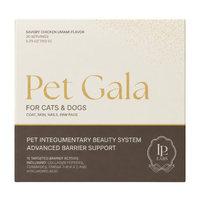
Because most Frenchies already eat a complete diet, the value is coverage and consistency — supporting the whole integument every day. Pet Gala is designed for exactly this job, with disclosed barrier and structure actives per sachet: omega 3-6-9 at 150 mg and omega 7 at 50 mg for skin lipids, ceramides at 8 mg, and marine collagen at 500 mg — so you can read what your dog is getting. Choose products with clear quality controls, and check with your veterinarian if your dog takes itch medication or has complex needs.

Timeline Expectations: When Changes Show up in Coat and Skin

A realistic timeline helps you stay confident. With topical changes, you may notice a cleaner smell and less surface irritation within days. With diet and supplements, visible coat changes often show up over several weeks as new hair growth reflects the new routine. The point isn’t to wait forever; it’s to look for steady improvements in the signals you can see.

If nothing improves—or if things worsen—bring your notes to your vet. That record is powerful. It can help differentiate environmental patterns from food-related patterns and can flag possible reactions to medications or products. Breed-specific reporting reminds us that drug-associated allergic skin reactions can occur and should be evaluated promptly.

Comparing Veterinary Care and Daily Support Without Overcomplicating It

If you’re comparing french bulldog skin allergy treatment options, it helps to separate “medical control” from “daily support.” Medical options can include prescription itch control, targeted allergy therapies, and treatment for secondary infections when present. Those decisions belong with your veterinarian, especially because Frenchies can look mildly irritated while actually dealing with significant inflammation, or the opposite.

Daily support is where owners often regain a sense of calm: consistent bathing with a vet-recommended cleanser, careful fold drying, a diet that agrees with your dog, and supplements chosen for skin and coat presentation. Nutrition isn’t a replacement for medical care, but it can be the difference between “always on edge” skin and skin that looks more even and comfortable. Diet-focused interventions have been associated with improved dermatologic scores in dogs with atopic dermatitis, though study designs can vary (Witzel-Rollins A, 2019).

“The most convincing routine is the one you can repeat—clean, gentle, and consistent.”

La Petite Labs

Clinical Vignette of When Skin Changes Point Deeper Than the Surface

Rosey, a 10-year-old Shih Tzu, was brought in after two weeks of paw redness and head shaking. Her owner had also noticed lower energy, thinning abdominal hair, and mild generalized itchiness over the previous few months.

Examination showed inflammation in the ears, skin folds, and paws. Testing confirmed mixed yeast and bacterial infections, while parasites and fungal disease were ruled out. Because Rosey’s skin changes appeared alongside reduced energy and coat thinning, her veterinarian performed a broader workup, which revealed hypothyroidism as a likely underlying contributor.

Her care required a staged approach: treating the infections, addressing the thyroid imbalance, and then restoring the skin barrier through diet, bathing support, paw care, and omega-3 supplementation.

Six months later, Rosey’s owner reported a thicker coat, fewer tangles, less breakage, no itch, and restored energy.

Clinical takeaway: Rosey’s case shows why skin and coat changes should not be treated as cosmetic alone. Healthy skin depends on immune balance, endocrine health, nutrition, barrier integrity, and daily support for resilient coat growth.

Single-case vignette. Not generalizable. Veterinary diagnosis and oversight are essential for itching, redness, ear irritation, hair thinning, recurrent infections, or suspected endocrine disease.

Explore Pet Gala Research →
french bulldog skin allergy relief - 9

What “Best Relief” Looks Like in Real Homes and Real Photos

The best relief for french bulldog skin allergies often looks like fewer visible flare signals: less redness between toes, fewer crusty edges around folds, and a coat that feels softer instead of brittle. Owners sometimes expect a single “fix,” but Frenchie skin usually responds to stacking small wins that you can see: cleaner folds, fewer hot spots, and a calmer overall look.

A practical way to measure progress is to pick three visible checkpoints: (1) coat sheen after brushing, (2) frequency of paw attention, and (3) how quickly redness settles after outdoor time. If any checkpoint worsens suddenly, consider triggers like seasonal pollen, a new treat, a fragranced shampoo, or a medication reaction. Case reporting in French Bulldogs highlights that drug-associated skin reactions can occur and should be recognized early (Lecru LA, 2021).

french bulldog skin allergy relief - 10

Food Sensitivity Questions: When Diet Changes Are Worth Testing

Food sensitivity questions come up constantly with french bulldog skin allergy solutions. While not every itchy Frenchie has a food issue, diet can influence how the skin looks and how the coat behaves. If your veterinarian recommends a food trial, the “strictness” is the whole point: even small extras can blur the result. Keep the trial simple, track stool quality, and note whether the coat becomes easier to brush and less flaky.

If you’re not doing a formal trial, you can still support visible comfort by choosing a consistent, high-quality diet and avoiding frequent switches. Some dietetic approaches have shown reductions in pruritus and improved skin scoring in dogs with atopic dermatitis, although open-label designs limit certainty (Witzel-Rollins A, 2019). The takeaway for owners is still useful: consistency plus skin-focused nutrition often shows up in the mirror.

french bulldog skin allergy relief - 11

Topical Routines That Keep Folds and Paws Looking Clean

Topical care is one of the fastest ways to change what you see day to day. For Frenchies, that usually means gentle bathing, careful drying, and fold hygiene that doesn’t over-strip the skin. Over-washing with harsh products can leave the coat looking dull and the skin feeling tight, which can amplify scratching. Under-washing can allow allergens, debris, and yeast-friendly moisture to linger in folds.

Ask your veterinarian which cleanser type fits your dog’s pattern (for example, if there’s recurrent yeast or bacterial overgrowth). If your Frenchie has open sores, oozing, or a strong odor, skip home experimentation and get an exam. Allergic skin can be complicated by secondary issues that need targeted treatment, and prompt recognition is part of good management (Linde A, 2024).

Gentle, Natural-feeling Care That Avoids Common Irritants

When owners ask about natural relief for french bulldog skin allergies, they often mean “gentler, fewer surprises.” Natural can be a good direction, but it still needs to be thoughtful. Essential oils, heavily fragranced balms, and DIY mixes can irritate sensitive skin or be unsafe if licked. A safer “natural” approach is usually about simple routines: rinsing paws after high-pollen walks, keeping folds dry, and choosing nutrition that supports a smoother-looking coat.

Plant-based ingredients can contribute nutrients and phytonutrients that support skin condition and may offer anti-inflammatory support, which can be relevant for allergy-prone dogs (Tanprasertsuk J, 2022). The visible goal is straightforward: less flaky texture, more softness, and a coat that looks cared-for even during seasonal changes.

Choosing Supplements That Support Skin, Coat, and Nail Presentation

Supplements are most useful when they’re chosen for a clear, visible purpose: coat luster, comfortable-looking skin, and strong, clean nails. The best supplements for french bulldog skin allergies are rarely about one “hero” ingredient; they’re about a blend that supports the skin barrier and the way the coat presents. If your dog eats a complete diet, they may already meet many baseline needs—yet targeted support can still matter because allergy-prone skin often has higher demands for looking and feeling its best.

Look for products with transparent sourcing, clear feeding directions, and a formulation designed for the integumentary system (skin, coat, nails) rather than a random assortment. If your Frenchie is on prescription itch medication or has a history of reactions, confirm supplement compatibility with your veterinarian; drug-associated skin reactions have been reported in the breed and should be taken seriously (Lecru LA, 2021).

A Simple Weekly Checklist for Visible Progress You Can Trust

A simple “signals” checklist can keep you grounded when you’re trying to decide what’s working. Notice: the color of the belly and armpits, the feel of the coat at the shoulders, the smell of the paws, and whether your Frenchie can relax after walks without immediately chewing. These are the everyday cues that tell you whether your routine is supporting comfort and presentation.

Track changes weekly, not hourly. Many supportive changes show up as a gradual shift toward fewer bad-skin days rather than a dramatic overnight flip. Diet-focused interventions have been associated with improvements in itch and skin scoring in some dogs with atopic dermatitis, but individual response varies—especially in a breed with sensitive skin and folds.

When to Call the Vet: Red Flags That Shouldn’t Wait

Knowing when to call the vet is part of responsible french bulldog skin allergy relief. Seek veterinary care promptly if you see facial swelling, hives, sudden widespread redness, open sores, bleeding from scratching, or a strong odor with greasy discharge. Those signs can indicate infection, a significant flare, or a reaction that needs medical attention rather than cosmetic support.

Also call if your Frenchie’s behavior changes—restlessness, reduced appetite, or hiding—because itch can be exhausting. A case report in a French Bulldog underscores the importance of recognizing and addressing suspected drug-associated allergic skin reactions early (Lecru LA, 2021). Once urgent issues are ruled out, you can return to the steady work of barrier support, grooming rituals, and nutrition for a calmer-looking coat.

A Calm, Repeatable Plan for Ongoing Skin and Coat Confidence

Putting it all together: the most believable french bulldog skin allergy solutions are the ones you can repeat. A consistent diet, a fold-and-paw routine that keeps moisture from lingering, and a supplement that supports visible coat quality can make your Frenchie look more comfortable in daily life. This is also why a dedicated skin, coat, and nail formula can stay relevant even for owners who already feed a careful diet: it’s not about replacing food, it’s about elevating the visible finish—softness, sheen, and that “well-kept” look that reassures you.

If you want a single, simple anchor for your routine, choose one product you’ll use consistently, then judge it by what you can see: less dullness, fewer rough patches, and a coat that photographs better. Pet Gala is designed to support the skin-coat-nail presentation that owners notice first, especially during seasonal or environmental stressors.

“Think in signals, not promises: softness, sheen, and fewer flare-looking days.”

Educational content only. This material is not a substitute for veterinary advice. Always consult your veterinarian about your dog’s specific needs. These statements have not been evaluated by the Food and Drug Administration. Products mentioned are not intended to diagnose, treat, cure, or prevent any disease.

Glossary

  • Atopic Dermatitis: A chronic, allergy-associated skin condition that can cause itch, redness, and recurring flare-ups.
  • Skin Barrier: The protective outer layer of skin that helps retain moisture and reduce irritation from allergens and friction.
  • Pruritus: The medical term for itching; often tracked to judge whether support is working.
  • Skin Folds: Wrinkled areas (common in French Bulldogs) that can trap moisture and debris, making irritation more visible.
  • Contact Irritation: Skin reactivity caused by direct exposure to something on the surface, such as fragranced products or grass.
  • Secondary Infection: Yeast or bacterial overgrowth that can occur after scratching or inflammation disrupts the skin surface.
  • Elimination Diet Trial: A veterinarian-guided feeding plan using limited ingredients or a prescription diet to assess food sensitivity.
  • Hot Spot: A localized, inflamed, often moist patch of skin that can appear quickly after licking or scratching.
  • Coat Sheen: The visible luster of the coat; often used by owners as a practical sign of skin-and-coat support.

Related Reading

References

Lecru LA. Case Report: Positive Outcome of a Suspected Drug-Associated (Immune Mediated) Reaction in a 4-Year-Old Male French Bulldog. PubMed. 2021. https://pubmed.ncbi.nlm.nih.gov/34490405/

Witzel-Rollins A. Non-controlled, open-label clinical trial to assess the effectiveness of a dietetic food on pruritus and dermatologic scoring in atopic dogs. PubMed Central. 2019. https://pmc.ncbi.nlm.nih.gov/articles/PMC6599232/

Tanprasertsuk J. Roles of plant-based ingredients and phytonutrients in canine nutrition and health. PubMed Central. 2022. https://pmc.ncbi.nlm.nih.gov/articles/PMC9291198/

Linde A. Domestic dogs maintain clinical, nutritional, and hematological health outcomes when fed a commercial plant-based diet for a year. PubMed Central. 2024. https://pmc.ncbi.nlm.nih.gov/articles/PMC11020905/

FAQ

What does french bulldog skin allergy relief usually look like?

Most owners notice relief as a calmer look: less redness in folds, fewer paw-licking episodes, and a coat that feels softer instead of dry. You may also see fewer “hot” spots that flare after walks or grooming. Because allergies can overlap with infections or irritation, visible improvement is best judged alongside your vet’s input.

Why are French Bulldogs so prone to skin flare-ups?

Frenchies have skin folds, sensitive paws, and a tendency to show irritation quickly when allergens, moisture, or friction build up. That combination can make small triggers look dramatic on the surface. A steady routine—fold drying, gentle bathing, and skin-focused nutrition—often improves how comfortable and “even” the skin appears.

How do I choose among french bulldog skin allergy treatment options?

Start by separating medical needs from daily support. Your veterinarian can check for infection, mites, or other causes and recommend prescription options when appropriate. That step prevents you from masking a problem that needs targeted care. Then build a repeatable home routine: bathing cadence, fold hygiene, and nutrition that supports a smoother-looking coat.

How to relieve skin allergies in french bulldogs at home safely?

Focus on low-risk, high-impact habits: rinse or wipe paws after outdoor time, keep folds dry, use a vet-recommended cleanser, and avoid fragranced products that can irritate. Track what changes symptoms so you don’t rotate products endlessly. If you see odor, oozing, or open sores, pause home care and book a vet visit.

What is the best relief for french bulldog skin allergies seasonally?

Seasonal relief usually comes from reducing what sits on the skin: wipe downs after walks, more frequent bedding washes, and a bathing schedule that removes pollen without over-drying. Many owners also notice paws need extra attention during peak pollen weeks. Because seasonal triggers return, consistency matters more than intensity.

Are supplements safe for French Bulldogs with itchy skin?

Many supplements are well tolerated, but “safe” depends on your dog’s full picture: current medications, history of reactions, and any underlying disease. Introduce one new product at a time so you can spot changes in stool, skin, or behavior. If your Frenchie has had suspected medication-related skin reactions, ask your vet before adding anything new.

Can I combine allergy medications with skin support supplements?

Often, yes—but it should be intentional. Allergy medications address itch and inflammation control, while supplements are typically used to support coat quality and skin barrier appearance. Your veterinarian can confirm compatibility based on your dog’s prescriptions and health history. To keep things clear, add one new support at a time and track visible checkpoints like redness, paw attention, and coat softness.

What side effects should I watch for with new supplements?

The most common issues are digestive: softer stool, gas, or reduced appetite. Less commonly, you might see increased scratching or redness if an ingredient doesn’t agree with your dog. Stop the new product and contact your veterinarian if signs are significant or persistent. For sensitive Frenchies, choose products with clear labeling and introduce gradually per label directions.

Is there a dosage rule for french bulldog skin allergy relief supplements?

Use the product’s label directions and your veterinarian’s guidance rather than trying to calculate your own dose. French Bulldogs can be sensitive, and “more” isn’t a shortcut to better-looking skin. Consistency is usually what creates the visible difference. If your dog is a puppy, senior, pregnant, or has medical conditions, confirm the plan with your vet first.

How fast should I expect visible improvement in my Frenchie?

Topical changes can show quickly—cleaner smell, less surface grime, and calmer-looking folds within days. Diet and supplement changes usually show more gradually as the coat grows and the skin’s surface balance improves, often over several weeks. Pick two or three checkpoints (coat softness, paw licking frequency, redness after walks) and track weekly.

Do puppies need different skin allergy support than adult dogs?

Puppies can have sensitive skin for different reasons, and their needs depend on growth, diet, and developing immune responses. Because they’re smaller and changing quickly, it’s especially important to involve your veterinarian before adding supplements or frequent topical products. If your vet approves daily support, choose gentle, clearly labeled products and keep routines simple.

Can senior French Bulldogs still benefit from coat-focused support?

Yes. Seniors often show changes in coat texture, skin dryness, and nail strength that affect how “well-kept” they look and feel. Supportive grooming and nutrition can help maintain softness and sheen, which many owners find reassuring. Because seniors may take medications or have chronic conditions, confirm any new supplement with your veterinarian first.

Is french bulldog skin allergy relief different for dogs versus cats?

Yes. Cats groom differently, metabolize some ingredients differently, and can show allergy signs in different patterns. A plan that’s appropriate for a French Bulldog should not be copied to a cat without veterinary approval, especially for topical products and supplements. If you have both species at home, keep products separated and ask your vet what’s safe for each.

What quality signals matter when choosing a skin supplement?

Look for clear ingredient labeling, consistent manufacturing standards, and feeding directions that are easy to follow. Avoid products that rely on vague blends or dramatic promises. For sensitive Frenchies, simplicity and transparency tend to reduce surprises. Also consider whether the formula is designed for the whole skin-coat-nail presentation, since owners judge results visually.

How do I give supplements to picky French Bulldogs?

Make it part of an existing ritual: with the first meal, after a short walk, or during a calm training moment. Avoid hiding supplements in lots of new foods if you’re also trying to identify triggers—extra treats can muddy the picture. If your dog refuses, ask your vet about acceptable mixing options that won’t disrupt any diet trial.

Can I use natural relief for french bulldog skin allergies daily?

Daily “natural” support can be excellent when it’s gentle and consistent: rinsing allergens off, keeping folds dry, and choosing non-irritating grooming products. Be cautious with essential oils or heavily scented balms, since licking and sensitivity can turn “natural” into a problem.

What research exists on diet changes for itchy dog skin?

Some studies evaluating dietetic foods in dogs with atopic dermatitis report reductions in pruritus and improvements in dermatologic scoring, suggesting diet can influence visible comfort and skin appearance. Study design matters, so your veterinarian’s interpretation is important. Even with a strong diet, many owners still want a consistent “finish” layer for coat softness and sheen.

When should I call the vet about sudden skin changes?

Call promptly for facial swelling, hives, open sores, bleeding from scratching, strong odor with discharge, or sudden widespread redness. These can signal infection, a significant flare, or a reaction that needs medical attention rather than home experimentation. Once urgent issues are addressed, you can return to steady daily support for coat and skin presentation.

How do I decide if my Frenchie needs a supplement?

Decide based on visible goals and repeatability. If your dog’s coat looks dull, skin seems easily irritated, or nails are brittle—and your vet has ruled out infection or other causes—a supplement can be a practical way to support the skin-coat-nail “finish” consistently. Choose one product, use it consistently, and track a few checkpoints weekly.

What are french bulldog skin allergy remedies that avoid overdoing it?

Avoid the cycle of constant product switching. Instead, keep a simple baseline: gentle cleansing, thorough drying (especially folds), and a consistent diet. Add only one new element at a time so you can tell what improves the look and comfort. This approach reduces irritation from over-treatment and makes results easier to see.

Can grooming habits change french bulldog skin allergy relief outcomes?

Yes—often dramatically. Regular, gentle bathing removes allergens and debris that sit on the skin, while careful drying prevents moisture from lingering in folds and between toes. Brushing helps the coat look smoother and lets you spot early irritation before it escalates. Think of grooming as a calm ritual that supports a well-kept appearance, not a punishment.

La Petite Labs

Discover LPL-01: How This Fits Into a Complete Canine Integumentary Support System

Skin, coat, and nails aren’t cosmetic features. They’re the visible surface of deeper biological systems—barrier function, hydration balance, structural protein turnover, and lipid integrity—working in concert.

When these systems fall out of sync, it shows: dull coat, shedding, dryness, brittleness, sensitivity.

This article explores one piece of that puzzle. If you want to understand how true coat quality and skin resilience are built—and what actually moves the needle—you need to zoom out.

Start with the underlying science: