Natural Allergy Relief for Dogs

Identify the Itch Drivers, Then Strengthen the Barrier to Reduce Flare-Ups

Essential Summary

Why is natural allergy relief for dogs important?

Natural allergy relief for dogs is most satisfying when it improves the signs you notice: calmer skin, a smoother coat, and less constant paw attention. Pair simple environmental habits with a consistent supplement routine, and track visible changes week to week. The right approach supports comfort and appearance without overpromising.

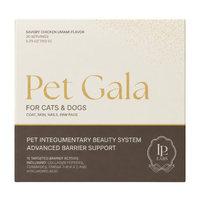
Pet Gala™ is designed for daily skin-and-coat support that shows: a more polished finish, comfortable-looking skin, and nails that feel strong and clean. It fits naturally alongside grooming and diet choices, helping you keep your dog’s everyday presentation consistent—especially when seasonal triggers make the coat and skin feel less predictable.

Natural allergy relief for dogs works best when you treat it like a stepwise plan, not a one-time fix. For many families, the goal is simple: help a dog stay comfortable through seasonal allergies and everyday environmental triggers like pollen, dust, and grass—while you and your veterinarian keep an eye out for infections or parasites that can mimic “allergies.”

Start with a few reliable, non-prescription routines and build from there. A consistent bathing routine can remove allergens from the coat and soothe the skin surface, while quick wipe-downs and paw care after outdoor time help reduce re-exposure. Just as important: tracking symptoms. Note when itching, paw licking, ear irritation, or belly redness flares (time of day, after walks, after grooming, after diet changes). These notes make it easier to spot patterns, evaluate what’s helping, and share clear updates during vet check-ins.

Below is a practical home-care framework you can adjust to your dog’s sensitivity level and the season.

By La Petite Labs Editorial, ~15 min read

Featured Product:

  • Natural allergy relief options for dogs work best when you focus on visible comfort: calmer skin, smoother brushing, and a coat that holds its shine.
  • Start with fundamentals—parasite control, gentle bathing, and clean bedding—so supplements support healthy skin instead of masking a bigger issue.
  • Nutrition matters because diet can influence immune responses and how allergy seasons present in everyday life.
  • Plant-forward ingredients may provide phytonutrients that support overall health and can be part of a gentle routine for reactive dogs.
  • Choose products for consistency: clear labels, sensible serving guidance, and a format your dog will take without stress.
  • Track “presentation” changes first—less paw attention, fewer rough days, and a coat texture that feels more even.
  • A dedicated skin-and-coat supplement stays relevant even with a good diet by supporting the full look: skin, coat, and nails together.

Start With the Basics: Reduce Exposure and Calm the Skin Surface

Begin with environmental management and gentle topical care—these steps often make the biggest day-to-day difference during high-pollen months.

• Paw rinse: After walks, rinse paws with lukewarm water (especially between toes) and pat dry to reduce pollen and lawn residues.
• Wipes after walks: Use fragrance-free pet wipes on paws, legs, and belly to remove allergens without over-bathing. Avoid heavily scented products that can add irritation.
• Hypoallergenic shampoo: Bathe on a steady cadence (often every 1–2 weeks during seasonal flares, less often when stable) using a fragrance-free, hypoallergenic shampoo. Rinse thoroughly; leftover product can worsen itch.
• Bedding wash: Wash bedding weekly in a fragrance-free detergent, and vacuum favorite resting spots to reduce dust and dander buildup.

Keep routines consistent for at least a couple of weeks before judging results, and adjust frequency based on how your dog’s skin responds.

Beauty nutrition artwork highlighting skin and coat science connected to natural allergy relief options for dogs.

Add Support Carefully: Diet Consistency, Supplements, and When to Call the Vet

Once the basics are in place, add “natural” supports cautiously so you can tell what’s actually helping. Keep diet consistency as your foundation: avoid frequent food swaps and extra treats during a flare, since changing multiple variables at once can blur the picture.

If you trial a supplement or dietary support, use one change at a time and give it a fair window—typically 2–6 weeks—while continuing your bathing and wipe routines. Track the same symptoms daily (itch level, paw licking, ear comfort, sleep disruption). Stop the new addition if you see vomiting, diarrhea, new rash, or a clear increase in itching.

Plan a vet visit promptly if you notice ear odor, head shaking, oozing skin, a hot spot, bleeding from scratching, or intense licking that doesn’t ease with surface care. These signs can indicate infection or inflammation that needs medical treatment alongside home routines.

Beauty structure illustration representing support pathways in natural allergy relief supplements for dogs.

Visible Signals: Itching, Shedding, and a Coat That Loses Polish

Owners usually notice allergy season first in the mirror: more shedding, a rougher texture along the back, and a dog who seems distracted by their own skin. This is why the best natural allergy relief for dogs is often framed as skin-barrier support plus lifestyle consistency. You’re not chasing a single “magic” ingredient—you’re building a routine that keeps your dog looking and feeling comfortable.

Plant-based ingredients can provide phytonutrients that support overall canine health, and some may help modulate inflammatory responses that can accompany allergic irritation (Tanprasertsuk J, 2022). In practical terms, that can translate into fewer flare-looking days and a coat that keeps its softness when triggers are high.

Molecular structure graphic reflecting research-driven beauty design behind natural allergy relief remedies for dogs.

Daily Routines That Feel Gentle, Not Complicated

When people search for natural allergy relief remedies for dogs, they’re often looking for something gentle enough to use daily. The best routines are simple: consistent meals, predictable grooming, and a supplement you don’t have to negotiate over. If your dog resists powders or strong smells, the “best” product is the one they’ll actually take.

Because nutrient composition varies across foods and life stages, a dog’s baseline can shift over time—even if you haven’t changed brands. A dedicated skin-and-coat supplement can help keep visible condition steady, especially when seasonal triggers or aging make the coat less forgiving.

Close-up of a dog highlighting coat shine and wellness supported by natural allergy relief remedies for dogs.

Rule out Lookalikes Before You Change Your Whole Routine

Not all itch is “allergy itch.” Fleas, mites, dry indoor air, and skin infections can mimic allergic discomfort. If you’re evaluating natural allergy relief products for dogs, it’s worth confirming basics first: up-to-date parasite prevention, clean ears, and no broken skin that needs medical attention. Natural support works best when it’s supporting healthy skin—not trying to cover up a problem that needs treatment.

Once the fundamentals are handled, natural allergy relief supplements for dogs can be a steady layer of care that helps the coat look smoother and the skin feel less reactive. Think of it as maintenance that shows—like brushing that actually pays off.

The scratching is completely gone, his coat looks healthy and shiny!

— Lena

He was struggling with itching, now he's glowing.

— Grace

“The goal isn’t a dramatic promise—it’s a dog who looks comfortable in their own skin.”

Quality Signals in Natural Allergy Relief Products for Dogs

A “natural” label isn’t enough. Quality signals matter: clear ingredient lists, sensible serving guidance, and a brand that treats palatability and consistency as part of the product—not an afterthought. If you’re looking for the best natural allergy relief supplements for dogs, prioritize formulas designed for skin, coat, and nails together, since those visible features tend to rise and fall as a set.

Also watch for products that overpromise. A responsible natural allergy relief supplement for dogs should support comfort and appearance without claiming to cure allergies. The most trustworthy brands talk about daily support, not dramatic transformation.

Close-up dog showing healthy coat and presence supported by natural allergy relief for dogs.

Making Supplements Easy for Picky Eaters and Busy Days

If your dog is picky, administration is part of the science. Mix-ins that change texture too much can backfire, and “hiding” supplements in high-value foods can introduce new triggers. A small, consistent routine—same time, same bowl, same calm tone—often works better than rotating methods.

For many households, the most sustainable natural allergy relief for dogs is the one that fits the day: easy to serve, easy to remember, and easy on the stomach. When the routine is smooth, you’re more likely to stick with it long enough to notice the coat’s finish and the skin’s comfort settle into place.

Dog portrait from the side highlighting beauty supported by best natural allergy relief supplements for dogs.

Puppies, Adults, Seniors: Different Needs, Same Visible Goals

Life stage changes the “look” of allergies. Puppies may show irritation quickly because their routines change often—new parks, new shampoos, new treats. Seniors may show it as a coat that thins or loses shine, plus more frequent licking. Adjusting grooming frequency, bedding cleanliness, and supplement consistency can keep the presentation steady without making care feel complicated.

Because dietary needs can vary between adult and senior formulations, it’s reasonable to reassess nutrition when a dog’s coat starts looking less vibrant. A skin-and-coat supplement can add a reliable layer of support so the visible condition doesn’t depend on perfect circumstances.

Product breakdown image highlighting beauty actives and benefits supported by natural allergy relief supplements for dogs.

Breed and Coat Type: Matching Care to What You Can See

Breed and coat type shape what “relief” looks like. Double-coated breeds may show allergies as heavy shedding and a cottony undercoat. Short-haired dogs may show redness and a rough feel along the belly. Curly coats can trap allergens and moisture, making the skin feel touchy. Matching grooming tools and bathing frequency to coat type is a quiet but powerful form of natural allergy relief options for dogs.

Supplements can complement that by supporting the skin barrier and coat quality from the inside, so brushing feels easier and the coat looks more uniform. The goal is a dog who looks comfortable in their own skin—because you can see it.

How to Compare Supplements Without Falling for Overpromises

If you’re comparing the best natural allergy relief supplements for dogs, think in “signals,” not slogans. A good choice supports the skin barrier, helps maintain a glossy coat, and fits your dog’s routine without drama. That means palatability, clear labeling, and a formula that’s built for daily use—because the visible wins come from repetition, not intensity.

Also consider what the product is not: it shouldn’t rely on mystery blends, extreme dosing language, or miracle timelines. The best natural allergy relief for dogs is usually the one you can keep consistent—especially during seasonal shifts when itching and dullness tend to show up. Choose a supplement that supports skin, coat, and nails together so the results feel cohesive, not piecemeal.

“The best routines are the ones you can keep: simple, steady, and easy to notice.”

Lab coat with La Petite Labs logo symbolizing science-backed standards for natural allergy relief for dogs.

Seasonal Patterns, Sensitive Dogs, and Keeping a Calm Baseline

Some dogs are simply more reactive: they pick up pollen seasons, new detergents, or diet changes quickly. In those cases, natural allergy relief remedies for dogs work best as a “calm baseline” rather than a last-minute fix. You’re aiming for fewer rough days and more predictable comfort—skin that feels less sensitive to the touch, and a coat that keeps its softness even when the environment changes.

Because diet can influence immune responses, even small shifts—like switching proteins or tightening treat ingredients—can change how a dog presents day to day (German K, 2025). Pairing a steady diet with a consistent supplement routine is often the simplest way to keep the “look and feel” of wellbeing from slipping during high-trigger months.

Shop Now
Premium ingredient tableau framing Pet Gala aligned with natural allergy relief remedies for dogs.

Bathing, Wipes, and Topicals That Respect the Skin

Bathing and topical care can be part of natural allergy relief for dogs, but they’re most effective when they support—not strip—the skin. Over-bathing can leave the coat looking flat and the skin feeling tight. A gentle schedule, a dog-appropriate shampoo, and thorough rinsing can help keep the coat fresh without creating a rebound cycle of dryness.

Topicals are also about the ritual: a warm towel dry, a calm brush-out, and checking ears and paws. Those moments are where you notice early changes—new redness, more licking, or a coat that’s losing shine—so you can adjust care before discomfort becomes the main story.

Shop Now
Owner and dog moment highlighting beauty rituals supported by natural allergy relief for dogs.

Home Habits That Reduce Irritants Without Changing Your Life

Environmental tweaks can be surprisingly “visible.” If your dog comes in from outside and immediately rubs their face or chews paws, a simple rinse of feet and belly can reduce what lingers on the coat. Washing bedding, using fragrance-free laundry products, and keeping floors clean can also reduce day-to-day irritation without making your home feel like a lab.

These steps don’t replace natural allergy relief supplements for dogs, but they make supplements more meaningful—because you’re reducing the load on the skin while supporting it from the inside. The payoff is often a calmer dog and a coat that looks more even in texture and sheen.

Shop Now

Diet, Treats, and the Subtle Triggers Owners Overlook

Food sensitivities and seasonal allergies can look similar: itching, ear fussing, and a coat that loses its “freshly groomed” feel. If you’re exploring natural allergy relief options for dogs, consider whether symptoms track with seasons, new treats, or a recent diet change. A steady, simple ingredient approach often makes patterns easier to see.

Certain nutrients in the diet can influence immune responses, which is one reason vets often discuss nutrition alongside allergy support (German K, 2025). Even when a diet is well-formulated, a targeted supplement can support visible condition—skin comfort, coat luster, and nail strength—so your dog’s everyday presentation stays polished.

Plant Ingredients, Gentle Support, and What “Natural” Can Mean

Plant-forward ingredients show up in many natural allergy relief products for dogs because they can provide phytonutrients alongside essential nutrients (Tanprasertsuk J, 2022). For owners, the practical question is simpler: does your dog look and feel better—less scratchy, more settled, more comfortable during grooming? That’s the signal that matters.

One nuance: bioavailability can vary, meaning not every ingredient delivers the same way in every dog (Tanprasertsuk J, 2022). That’s why consistency and quality control matter more than chasing a long ingredient list. Choose formulas that are designed for routine use and that fit your dog’s appetite and lifestyle.

Chart contrasting minimal formulas with full-spectrum beauty support in natural allergy relief remedies for dogs.

Safety, Sensitivities, and When to Ask Your Veterinarian

Safety is part of “natural.” Even gentle natural allergy relief remedies for dogs should be introduced thoughtfully, especially if your dog is on prescription medications or has a history of digestive sensitivity. Start one new product at a time so you can tell what’s helping—and what isn’t.

Avoid essential oils given orally unless specifically directed by your veterinarian, and be cautious with human supplements that aren’t formulated for dogs. If your dog has persistent ear infections, open sores, facial swelling, or sudden intense itching, that’s a vet call. Natural support can be part of the plan, but comfort and safety come first.

Shop Now
Supplement box revealed in soft light, reflecting premium natural allergy relief supplements for dogs positioning.

What to Expect over Time and What to Track

A realistic timeline keeps expectations calm. With natural allergy relief supplements for dogs, many owners look for early “presentation” changes first: less constant paw attention, a coat that brushes smoother, and skin that seems less reactive after walks. Those are meaningful because they show up in everyday moments.

If nothing changes after a reasonable trial, it doesn’t mean natural options are pointless—it may mean the trigger is still active (diet, fleas, pollen, cleaning products), or the formula isn’t a fit. The best approach is a simple, trackable routine: one change at a time, and notes on what you see.

Shop Now

Why a Skin-and-coat Product Still Makes Sense with Good Food

If you’re a careful, science-minded owner, you might wonder why a dedicated skin-and-coat product matters when diet already “covers nutrients.” The answer is visible coherence. A well-designed supplement supports the integumentary system as a whole—skin comfort, coat shine, and nail strength—so your dog’s wellbeing shows up in the places you touch and see every day.

That’s the role of a natural allergy relief supplement for dogs in a modern routine: not a replacement for good food, but a consistent layer of care that helps your dog look well-kept and feel comfortable. When the coat looks smoother and the skin seems less bothered, the routine feels worth it—because the signal is right there.

“Coat shine, skin comfort, and strong nails tend to rise and fall together.”

Educational content only. This material is not a substitute for veterinary advice. Always consult your veterinarian about your dog’s specific needs. These statements have not been evaluated by the Food and Drug Administration. Products mentioned are not intended to diagnose, treat, cure, or prevent any disease.

Glossary

  • Atopy: A tendency toward environmental allergies that often shows as itching, paw licking, or ear irritation.
  • Skin Barrier: The outer protective layer of skin that helps retain moisture and reduce irritation from the environment.
  • Flare: A period when itching, redness, or licking becomes noticeably worse than usual.
  • Hot Spot: A localized area of inflamed, irritated skin that can worsen quickly with licking or scratching.
  • Paw Licking: A common sign of discomfort that may relate to allergens, irritation, or habit.
  • Elimination Diet: A veterinarian-guided feeding approach used to identify food-related sensitivities.
  • Phytonutrients: Naturally occurring compounds in plants that may support overall health and daily wellness.
  • Bioavailability: How well an ingredient is absorbed and used by the body; it can vary by dog and formulation.
  • Integumentary System: The skin, coat, and nails considered together as a visible “whole” of daily condition.

Related Reading

References

Tanprasertsuk J. Roles of plant-based ingredients and phytonutrients in canine nutrition and health.. PubMed Central. 2022. https://pmc.ncbi.nlm.nih.gov/articles/PMC9291198/

German K. Exploratory analysis of nutrient composition of adult and senior dog diets.. PubMed Central. 2025. https://pmc.ncbi.nlm.nih.gov/articles/PMC12757753/

FAQ

What counts as natural allergy relief for dogs day-to-day?

In practice, natural allergy relief for dogs means gentle, repeatable support that keeps skin comfortable and the coat looking well-kept. It often includes simple grooming, cleaner bedding, and nutrition choices that reduce avoidable irritants.

A daily supplement can help maintain a steady “baseline” so seasonal shifts don’t show up as quickly in the coat’s texture or your dog’s scratching habits. For skin-and-coat support that fits a consistent routine, consider Pet Gala™.

Why do allergies show up in coat shine and texture?

Skin and coat are “signal surfaces.” When a dog is irritated, you may see dullness, uneven shedding, or a rough feel even before you see obvious redness. That’s why owners often seek natural allergy relief options for dogs that support the skin barrier and grooming comfort.

Pairing consistent grooming with a daily skin-and-coat supplement can help keep the visible condition more even during high-trigger months. A simple way to support that routine is Pet Gala™.

How do supplements fit into natural allergy relief options?

Supplements are most useful when they support the routine you already trust: steady meals, gentle bathing, and predictable grooming. Diet can influence immune responses and how allergy seasons present, so nutrition-focused support is a common part of an overall plan.

Rather than trying to “fix” allergies, a good supplement supports comfortable skin and a coat that looks cared-for. For daily integumentary support that complements diet and grooming, choose Pet Gala™.

Is natural allergy relief for dogs safe for daily use?

Many natural approaches are appropriate for daily use, but “natural” still requires judgment. Introduce one new item at a time, watch stool quality and appetite, and avoid stacking multiple new products in the same week.

If your dog is on medications, pregnant, or has chronic conditions, confirm choices with your veterinarian. For a daily skin-and-coat routine designed to be gentle and consistent, consider Pet Gala™.

When should I avoid new supplements for my dog?

Pause new supplements if your dog has vomiting, diarrhea, facial swelling, hives, or sudden intense itching—those warrant veterinary guidance first. Also avoid introducing new products right before travel, boarding, or a diet change, when it’s harder to interpret reactions.

Once your dog is stable, a simple, single-product routine is easier to evaluate and maintain. For a focused skin-and-coat option that fits a measured approach, look at Pet Gala™.

How much should I give for allergy-support supplements?

Follow the label directions for your dog’s weight and life stage, and ask your veterinarian if your dog is very small, very large, or medically complex. Avoid “more is better” thinking; consistent, appropriate serving is typically the most comfortable path.

If you’re switching from another product, transition gradually so digestion stays steady. For clear serving guidance and daily skin-and-coat support, see Pet Gala™.

What side effects can natural allergy relief supplements cause?

The most common issues are digestive: softer stool, gas, or a brief appetite dip when starting something new. That’s why it helps to introduce one product at a time and keep treats and table scraps steady during the first week.

If symptoms persist or worsen, stop and consult your veterinarian. For a routine-friendly option designed around skin, coat, and nails, consider Pet Gala™.

Can supplements interact with my dog’s medications?

They can. Even gentle products may affect digestion or absorption, and some ingredients aren’t appropriate for every medical plan. If your dog takes allergy medications, thyroid meds, seizure meds, or long-term anti-inflammatories, check with your veterinarian before adding anything new.

Bring the full label to your appointment so your vet can review it quickly. For a skin-and-coat supplement you can discuss with your clinic, consider Pet Gala™.

Are these options different for puppies and senior dogs?

Yes—mostly in sensitivity and expectations. Puppies experience frequent changes (new foods, parks, shampoos), while seniors may show irritation as coat thinning or reduced shine. Because nutrient profiles can vary by life stage, it’s reasonable to reassess diet and routines when the coat’s appearance shifts.

Choose a supplement with clear serving guidance and introduce it slowly. For daily skin-and-coat support that fits different life stages, consider Pet Gala™.

Do small dogs need different allergy-support routines than large dogs?

The principles are the same, but the details change. Small dogs can be more sensitive to sudden diet changes, and large dogs may have more surface area affected by environmental triggers. In both cases, consistency matters more than intensity: steady grooming, stable diet, and a supplement that’s easy to serve.

Pick products with straightforward serving directions so you can stay precise without guesswork. For a routine-friendly skin-and-coat option, consider Pet Gala™.

Can cats use dog allergy supplements or natural remedies?

Don’t assume cross-species safety. Cats metabolize certain ingredients differently, and some “natural” components (especially essential oils) can be risky. If you have both pets, keep products species-specific and store them securely to prevent accidental sharing.

For dogs, choose a formula made for canine skin-and-coat needs and discuss any household-wide allergy plan with your veterinarian. For canine support, consider Pet Gala™.

How fast should natural allergy relief for dogs show results?

Timelines vary, but many owners watch for early “presentation” shifts first: less constant paw attention, a coat that brushes smoother, and fewer rough-looking days. Skin and coat are slow to change, so consistency is usually more important than the exact start date.

If you’re not seeing any change, reassess triggers (diet, fleas, detergents) and consider a vet check to rule out infection. For steady daily support, consider Pet Gala™.

What quality signals matter in natural allergy relief products?

Look for clear ingredient disclosure, consistent serving directions, and a brand that avoids miracle language. Palatability matters too—if your dog refuses it, the formula can’t become a routine. Also be cautious with vague “proprietary blends” that make it hard to compare products.

The best choices support skin, coat, and nails together so the visible results feel cohesive. For a routine-oriented option, consider Pet Gala™.

How do I give supplements to picky dogs consistently?

Keep the method boring and predictable: same time, same bowl, same small amount of food. Avoid rotating “hiding foods” that introduce new ingredients and confuse your ability to track what’s working. If your dog dislikes powders, choose a format that blends easily without changing texture.

Consistency is what turns support into visible change—especially for coat finish and grooming comfort. For a daily skin-and-coat routine designed to be easy to keep, consider Pet Gala™.

Can I combine multiple natural allergy relief remedies together?

You can, but it often makes results harder to interpret. If you change diet, add a supplement, and switch shampoo in the same week, you won’t know what helped—or what caused a setback. Add one change at a time, keep notes, and give each change a fair trial.

A focused routine is usually more sustainable and easier on digestion. For a single, daily skin-and-coat layer you can build around, consider Pet Gala™.

What else supports itchy skin besides supplements and diet?

Simple environmental habits can reduce what clings to the coat: rinsing paws after walks, wiping the belly, washing bedding weekly, and using fragrance-free laundry products. These steps can make your dog’s skin look calmer and help grooming feel less reactive.

When you pair those habits with a consistent skin-and-coat supplement, the routine becomes easier to maintain through seasonal changes. For daily support that complements home care, consider Pet Gala™.

What does research suggest about diet and allergy symptoms?

Nutrition is commonly discussed in allergy management because certain nutrients can influence immune responses, and dietary changes may affect how symptoms present. That doesn’t mean food is the only factor, but it helps explain why consistent feeding and careful treat choices can matter.

A supplement can add a steady layer of skin-and-coat support so visible condition stays more even when triggers rise. For daily integumentary support, consider Pet Gala™.

When should I call the vet about itching or redness?

Call your vet if you see open sores, a strong odor, head shaking, ear discharge, facial swelling, sudden severe itching, or lethargy. These can indicate infection, parasites, or an acute reaction that needs medical attention before you adjust home routines.

Once urgent issues are ruled out, you can build a calmer daily plan with grooming, diet consistency, and supportive supplementation. For skin-and-coat support to discuss with your clinic, consider Pet Gala™.

How do I choose the best natural allergy relief for dogs?

Choose the option you can keep consistent. Look for clear labeling, routine-friendly serving directions, and a formula that supports skin, coat, and nails together. Avoid products that promise cures or rely on vague blends that are hard to compare.

Then judge by visible signals: smoother brushing, a more even coat texture, and a dog who seems less preoccupied with their skin. For a daily support option built around those signals, consider Pet Gala™.

What is a natural allergy relief supplement for dogs exactly?

A natural allergy relief supplement for dogs is a daily product designed to support skin comfort and coat quality using ingredients commonly associated with gentle, routine wellness. It’s not a medication, and it shouldn’t claim to cure allergies; instead, it supports how your dog looks and feels while you manage triggers.

The best fit is one you can serve consistently and evaluate by visible changes over time. For a skin-and-coat focused option, consider Pet Gala™.

How do I decide between diet changes and supplements?

Start with the simplest variable you can control. If symptoms began after a new food or treats, tighten ingredients first. If symptoms track with seasons or environment, focus on grooming, cleaning routines, and a consistent supplement. Because diet can influence immune responses, nutrition is often part of the conversation either way.

Many owners do best with a stable diet plus a single daily skin-and-coat product they can keep steady. For that kind of routine support, consider Pet Gala™.

5K+ Happy Pet Parents

Excellent 4.8

Natural Allergy Relief for Dogs | Why Thousands of Pup Parents Trust Pet Gala™

"It's so good for his coat, and so easy to mix into food."

Alex & Cashew

"Gives him that glow from head to tail!"

Elisabeth & Chai

"The scratching is completely gone, his coat looks healthy and shiny."

Lena & Bear

"Magical. He was struggling with itching and shedding. Now he's literally glowing."

Grace & Ducky

"It's so good for his coat, and so easy to mix into food."

Alex & Cashew

"Gives him that glow from head to tail!"

Elisabeth & Chai

"The scratching is completely gone, his coat looks healthy and shiny."

Lena & Bear

"Magical. He was struggling with itching and shedding. Now he's literally glowing."

Grace & Ducky

"It's so good for his coat, and so easy to mix into food."

Alex & Cashew

"Gives him that glow from head to tail!"

Elisabeth & Chai

"The scratching is completely gone, his coat looks healthy and shiny."

Lena & Bear

"Magical. He was struggling with itching and shedding. Now he's literally glowing."

Grace & Ducky

"It's so good for his coat, and so easy to mix into food."

Alex & Cashew

"Gives him that glow from head to tail!"

Elisabeth & Chai

"The scratching is completely gone, his coat looks healthy and shiny."

Lena & Bear

"Magical. He was struggling with itching and shedding. Now he's literally glowing."

Grace & Ducky

SHOP NOW