Hyaluronic Acid for Dogs

See How Water-Binding Biology Affects Stiffness, Dryness, and Daily Comfort

Essential Summary

Why is hyaluronic acid for dogs important?

Hyaluronic acid for dogs is best understood through the signals you can see: softer-looking skin, a coat with more natural sheen, and movement that appears less stiff after everyday activity. Because hyaluronic acid is associated with tissue hydration, many owners use it as part of a polished, consistent care routine.

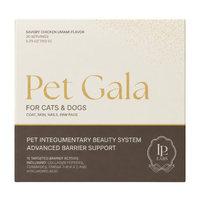
Pet Gala™ is designed for owners who want wellbeing to show up visibly—comfortable skin, a glossy coat, and strong, clean nails—without treating supplements like a medical shortcut. It fits naturally alongside grooming and nutrition, supporting the everyday look of a well-kept dog.

Some ingredients earn their reputation quietly. Hyaluronic acid for dogs is one of them: not flashy, not loud, but often associated with the kind of hydration that shows up in the mirror moments of pet ownership—when you run your hand down the coat and it feels smoother than usual, when the skin looks calm after a bath, when nails seem less prone to splitting, and when your dog rises from a nap with less hesitation.

Scientifically, hyaluronic acid is a naturally occurring substance tied to tissue hydration and repair. In dogs, it’s also discussed in veterinary research as a measurable marker in certain disease contexts. That dual identity can confuse owners: is it a beauty ingredient, a joint ingredient, or a medical thing? In everyday life, it’s best treated as supportive care—one part of a routine that helps your dog look and feel well-kept.

And here’s the commercial coherence: even if your dog eats a high-quality diet, visible condition still shifts with seasons, grooming frequency, activity, and age. A product like Pet Gala™ stays relevant because it’s not positioned as a single-nutrient fix; it supports the full “presentation” of wellbeing—skin, coat, and nails—so the care you invest in shows up where you can actually see it.

By La Petite Labs Editorial, ~15 min read

Featured Product:

  • Hyaluronic acid is naturally present in the body and associated with hydration.
  • Owners tend to notice “hydration” as softer skin feel and a smoother, shinier coat.
  • Joint comfort is also a visible signal; synovial hyaluronic acid varies with osteoarthritis stage.
  • Oral hyaluronate has been studied in dogs in combination supplement research (Martí-Angulo, 2014).
  • For medically complex dogs, vet guidance matters; hyaluronic acid can be a biomarker in serious illness contexts (Shaw KE, 2021).
  • The best hyaluronic acid supplements for dogs prioritize quality, clarity, and supportive formulas beyond a single ingredient.
  • A science-minded owner still chooses a beauty-forward product when it reliably improves everyday presentation—skin, coat, and nails.

Why This Ingredient Shows up in Polished, Well-kept Dogs

Hyaluronic acid for dogs is easy to overlook because it sounds like a “human skincare” ingredient. But the reason it shows up in premium grooming and wellness conversations is simple: it’s associated with hydration and tissue comfort, the two things owners notice first—soft skin, a coat that lies smoothly, and movement that looks less stiff. Hyaluronic acid is naturally present in the body and is tied to tissue hydration and repair (Seki M, 2010).

For discerning pet parents, the real question isn’t whether hyaluronic acid exists in the body—it’s whether a dog’s everyday “presentation” looks cared-for: fewer dry patches, less dullness, and a more relaxed stride after normal activity. That’s why a hyaluronic acid supplement for dogs is often considered alongside skin-and-coat staples, especially when seasonal dryness, frequent bathing, or aging joints start to show (see: Best Skin & Coat Supplements for Dogs).

Coat shine detail showing beauty mechanisms supported by hyaluronic acid dosage for dogs.

Hydration You Can See: the Skin-and-coat Connection

Think of hyaluronic acid as the ingredient that makes “hydrated” look like something: skin that appears less tight, a coat that reflects light more evenly, and a dog who seems more at ease in normal motion. In the body, hyaluronic acid is involved in physiological processes including tissue hydration and repair (Kanemoto H, 2009). That connection is why it’s discussed in both beauty-forward care and comfort-forward care.

Owners often notice the difference after routine moments—post-bath brushing, paw handling, or the first walk of the morning. Those are the moments where dryness and stiffness show themselves. Hyaluronic acid for dogs isn’t a replacement for grooming or veterinary care; it’s a supportive piece that can make the visible results of good care easier to maintain (related: Dog Skin Care).

Molecular artwork representing beauty foundations supported by hyaluronic acid dosage for dogs.

Dryness Signals: What Changes When Skin Feels More Comfortable

Skin and coat are where “well-kept” becomes obvious. When hydration is off, you may see dullness, static, dandruff-like flakes, or a coat that separates instead of lying smoothly. Because hyaluronic acid is tied to tissue hydration, it’s often discussed as part of a routine aimed at keeping skin looking calm and coat texture feeling naturally soft (see: Collagen for Dogs).

This matters even for dogs on excellent diets. Diet can be complete and still leave room for targeted support when the environment is harsh (winter heat, summer sun, frequent swimming) or when grooming is frequent. The point isn’t “more ingredients”; it’s better visible outcomes—less brittle feel, more sheen, and a dog who seems comfortable being touched.

Beauty ingredient image emphasizing scientific formulation standards in hyaluronic acid dosage for dogs.

Movement as a Beauty Signal: Why Ease Matters in Daily Life

Movement is a visual signal too. You don’t need a diagnosis to notice when your dog takes longer to warm up, hesitates before stairs, or shifts weight when standing. In dogs, hyaluronic acid concentrations in synovial fluid vary with osteoarthritis stage (Plickert, 2013). That observation helps explain why joint comfort can look different across dogs of the same age—and why supportive routines are often individualized.

A hyaluronic acid supplement for dogs is sometimes used as part of a broader comfort-and-care plan that may also include weight management, appropriate exercise, and vet-recommended therapies. The “beauty logic” here is simple: when a dog moves comfortably, they carry themselves differently—and that ease reads as vitality.

Close-up dog photo reflecting radiant beauty supported by best hyaluronic acid for dogs.

What Research Context Tells Us About Hyaluronic Acid in Dogs

You’ll see hyaluronic acid discussed in lab contexts as well. In veterinary research, blood hyaluronic acid has been evaluated as a biomarker in liver disease, including canine cirrhosis. That doesn’t mean supplementation targets liver conditions; it means hyaluronic acid is a meaningful molecule in the body, and its levels can reflect health states.

For owners, the practical takeaway is caution with medical complexity. If your dog has diagnosed liver issues or unexplained symptoms, don’t rely on “best hyaluronic acid for dogs” lists. Ask your veterinarian whether a supplement fits, and what monitoring makes sense. For healthy dogs, focus on visible goals and choose products with clear quality standards.

The scratching is completely gone, his coat looks healthy and shiny!

— Lena

He was struggling with itching, now he's glowing.

— Grace

“The best routines don’t chase miracles; they maintain a look you’re proud of.”

Oral Supplementation: What Has Been Studied in Dogs so Far

Oral supplementation has been studied in dogs in a joint-health context. One study evaluated oral hyaluronate and collagen supplementation and reported effects related to elbow dysplasia incidence (Martí-Angulo, 2014). While that doesn’t guarantee the same outcome for every dog, it supports the idea that oral hyaluronate is a legitimate topic in canine supplementation—not just a trend borrowed from human beauty.

For beauty-forward care, the relevance is that comfort and appearance travel together. Dogs who feel better tend to groom normally, play more naturally, and carry their posture with ease. When you’re evaluating hyaluronic acid supplements for dogs, look for formulas designed for everyday use, not extreme promises.

Dog portrait symbolizing beauty and wellness support from hyaluronic acid for dogs.

Best Hyaluronic Acid for Dogs: a Smarter Way to Compare Products

Quality signals matter more than buzzwords. The best hyaluronic acid supplements for dogs typically share a few traits: clear hyaluronate form disclosure, consistent serving guidance by weight range, and a formula that respects sensitive digestion. If the label is vague or the brand leans on dramatic claims, it’s not premium—it’s noisy.

Also consider what the product is trying to help you see. If your goal is a coat that looks freshly brushed for longer, you’ll want supportive ingredients that align with skin barrier comfort and coat texture—not only a single molecule. Hyaluronic acid is involved in hydration and repair processes, but visible results usually come from thoughtful combinations and consistent routines.

Dog in profile against soft background, showing coat health with hyaluronic acid for dogs benefits.

How to Give It: Making Supplements Feel Like Part of Care

Administration should feel like a ritual, not a struggle. Mix-ins that disappear into food, soft chews that feel like a treat, or capsules that can be hidden in a small bite tend to work best. The goal is consistency—because the “before and after” you care about is subtle: less dryness after baths, a smoother coat through the week, and calmer paw handling.

If you’re adding a new hyaluronic acid supplement for dogs, change one variable at a time. That makes it easier to spot whether the coat’s sheen improved or whether your dog’s stool changed. If digestive upset appears, pause and consult your veterinarian—especially for dogs with a history of GI sensitivity or chronic disease.

Ingredient overview graphic showing what's inside and how hyaluronic acid supplement for dogs supports beauty.

When Results Show: Setting Realistic, Visible Timelines

Timeline expectations should be realistic and grounded in what you can actually observe. Skin and coat “feel” can shift sooner than deep structural changes: you may notice brushing is easier, the coat looks less staticky, or your dog seems less preoccupied with itch tied to dryness. Movement signals can take longer and are more variable, especially in older dogs.

Because hyaluronate levels can vary with age and osteoarthritis status (Leipold, 1989), two dogs can show different timelines even with the same product. Track a few simple markers weekly—coat shine in daylight, flake level after brushing, and ease of rising—so your decision is based on visible reality, not wishful thinking.

How to Read Hyaluronic Acid for Dogs Reviews Without Hype

If you’re scanning hyaluronic acid for dogs reviews, read them like you’d read a grooming note: look for specific, visible observations. The most useful reviews mention coat feel (silkier, less brittle), skin comfort (less scratching tied to dryness), and movement cues (easier rising, smoother stairs). Avoid reviews that promise disease outcomes, because hyaluronic acid supplements for dogs aren’t a substitute for diagnosis or treatment.

Also watch for context. A dog who is bathed weekly, swims often, or lives in a dry climate may show faster “skin signal” changes than a dog with minimal exposure. For joint-related impressions, remember that synovial hyaluronic acid levels vary with osteoarthritis stage in dogs (Plickert, 2013), so baseline comfort can differ widely—making thoughtful, consistent observation more valuable than hype.

“Hydration is a visible signal: softer skin, smoother coat, calmer touch.”

Scientific attire image highlighting formulation rigor associated with best hyaluronic acid supplements for dogs.

Safety First: When to Pause and Ask Your Veterinarian

A common concern is whether adding hyaluronic acid is “too much” for a healthy dog. Hyaluronic acid is a naturally occurring substance in the body and is involved in hydration and repair processes (Kanemoto H, 2009). That said, supplements are still supplements: quality, dose form, and the rest of the formula matter, and dogs with complex medical histories deserve vet-guided choices.

If your dog has known liver disease, unexplained weight loss, persistent vomiting/diarrhea, or is on multiple medications, don’t self-prescribe. Hyaluronic acid levels can be elevated in dogs with liver disease and may reflect severity (Kanemoto H, 2009). That doesn’t mean a supplement causes liver issues; it means your vet should be the one to decide what fits your dog’s full picture.

Shop Now
Supplement with whole-food visuals emphasizing quality sourcing for best hyaluronic acid for dogs.

Dosage Expectations: Why Label Guidance Beats Guesswork

Owners often ask about hyaluronic acid dosage for dogs in a precise, numbers-first way. The safer, smarter approach is product-directed dosing and vet confirmation—especially because different products use different forms, concentrations, and combinations. Research in dogs has explored oral hyaluronate in combination formulas for joint-focused outcomes (Martí-Angulo, 2014), but that doesn’t translate into a universal, one-size dose.

Use the label for your dog’s weight range, introduce gradually if your dog has a sensitive stomach, and keep the rest of the routine stable so you can actually see what changed. If your dog is pregnant, nursing, very young, or medically fragile, ask your veterinarian to confirm whether a hyaluronic acid supplement for dogs is appropriate and how to monitor it.

Shop Now
Woman with Pet Gala box in cozy setting aligned with hyaluronic acid for dogs.

Visible Benefits Owners Notice: Skin Comfort, Coat Luster, Easy Motion

Hyaluronic acid for dogs benefits are easiest to appreciate when you track “signals” rather than chase dramatic transformations. For skin and coat, that can mean less flaky debris after brushing, a smoother lay of the fur, and fewer moments where your dog seems distracted by dryness. For movement, it can look like a cleaner sit-to-stand and more willingness to jump into the car.

These signals matter because hyaluronic acid is associated with hydration in tissues (Seki M, 2010). And in joints, hyaluronic acid in synovial fluid is part of what supports comfortable motion; dogs with more advanced osteoarthritis have been observed to show lower synovial hyaluronic acid levels (Plickert, 2013). Supplements can’t replace veterinary care, but they can support the everyday look and feel owners value.

Shop Now

Choosing the Best Option: Quality Signals That Actually Matter

Not all “best hyaluronic acid for dogs” lists are built for real-life households. A better filter is: does the product support visible care beyond a single ingredient? Dogs don’t experience skin, coat, and nails as separate categories; they show up together. If a formula is only hyaluronic acid, it may miss the broader support that helps a coat look polished and skin feel comfortable day to day.

Look for transparent labeling, sensible serving sizes, and complementary ingredients that fit your dog’s needs and sensitivities. If your dog already eats a complete diet, supplementation isn’t about “fixing a deficiency”; it’s about enhancing visible condition—especially during dry seasons, heavy shedding cycles, or when aging starts to show in the way your dog moves and rests.

Red Flags That Need Medical Attention, Not Another Supplement

When should you call your veterinarian before starting hyaluronic acid supplements for dogs? Start with any dog who has chronic disease, is on long-term medications, or has new symptoms you can’t explain. Hyaluronic acid can be measured as a biomarker in serious conditions; for example, serum hyaluronic acid has been studied in dogs with septic peritonitis as a marker of severity (Shaw KE, 2021). That’s not a reason to fear the ingredient—it’s a reason to avoid guessing when health is uncertain.

Also call if your dog’s scratching is intense, the skin is red or oozing, there’s hair loss in patches, or lameness appears suddenly. Supplements are best used as supportive care alongside proper diagnosis, grooming adjustments, and environmental changes that keep the “visible signals” moving in the right direction.

Competitor comparison image focusing on formulation integrity in best hyaluronic acid supplements for dogs.

Consistency in Real Homes: Tracking Changes You Can Trust

For multi-dog households, consistency is the secret to seeing what’s real. If you add a hyaluronic acid supplement for dogs, keep food, treats, shampoo, and brushing frequency steady for a few weeks. That way, if the coat looks glossier or the skin seems less reactive after baths, you can credit the change with more confidence.

It can also help to separate “skin signals” from “movement signals.” Skin and coat often show changes through touch and appearance first; movement shows up in daily micro-moments—how your dog turns, settles, or climbs. Because hyaluronate levels can vary with age and osteoarthritis status (Leipold, 1989), two dogs in the same home may respond differently even with the same routine.

Shop Now
Supplement box revealed in soft light, reflecting premium best hyaluronic acid supplements for dogs positioning.

Single Ingredient or Full Formula: Matching the Product to Your Goal

If you’re trying to decide between “best hyaluronic acid supplements for dogs” and a broader skin-and-coat formula, ask a simple question: what do you want to see? If your priority is a visibly softer coat, calmer-looking skin, and nails that feel stronger between trims, a multi-ingredient approach often matches the goal better than a single-focus product (related: Best Supplement for Dog Nails).

That’s the commercial reality science-minded owners appreciate: even if hyaluronic acid is naturally present in the body (Seki M, 2010), visible condition is influenced by grooming, environment, diet quality, and supportive nutrients working together. The best choice is the one that fits your dog’s sensitivities, your routine, and the specific signals you want to keep polished.

Shop Now

A Calm Finish: Building a Routine That Looks Good Every Day

A thoughtful hyaluronic acid routine is less about chasing a miracle and more about maintaining a look you’re proud of: a coat with natural luster, skin that seems comfortable in its own “fit,” and movement that looks easy rather than negotiated. If you’re comparing options, prioritize quality, clarity, and a formula that supports the whole integumentary picture—skin, coat, and nails—so the results show up where you can actually see them.

And keep your standards high: if a brand can’t explain sourcing, serving guidance, and what to watch for, it’s not the best hyaluronic acid for dogs—no matter how pretty the label looks. Your dog’s everyday presentation is the metric that matters.

“Choose clarity over claims: quality labels beat dramatic promises.”

Educational content only. This material is not a substitute for veterinary advice. Always consult your veterinarian about your dog’s specific needs. These statements have not been evaluated by the Food and Drug Administration. Products mentioned are not intended to diagnose, treat, cure, or prevent any disease.

Glossary

  • Hyaluronic Acid (HA): A naturally occurring substance associated with tissue hydration and lubrication.
  • Hyaluronate: A salt form of hyaluronic acid commonly used in supplements and formulations.
  • Synovial Fluid: The fluid within joints that supports smooth movement; HA is a key component discussed in joint comfort contexts.
  • Osteoarthritis (OA): A joint condition where comfort and mobility can change; synovial HA levels vary by OA stage in dogs.
  • Biomarker: A measurable substance in the body that can reflect a health state; serum HA has been studied as a biomarker in dogs.
  • Endothelial Glycocalyx: A protective layer lining blood vessels; serum HA has been studied as an indicator of glycocalyx degradation in septic dogs (Shaw KE, 2021).
  • Integumentary System: The skin, coat, and nails considered together as the “visible condition” system.
  • Coat Sheen: The way fur reflects light; often used as an owner-observed signal of grooming, hydration, and overall condition.
  • Label-Directed Dosing: Following a product’s serving guidance by weight range rather than guessing a custom dose.

Related Reading

References

Seki M. Serum hyaluronic acid in dogs with congenital portosystemic shunts.. PubMed. 2010. https://pubmed.ncbi.nlm.nih.gov/20402843/

Kanemoto H. Blood hyaluronic acid as a marker for canine cirrhosis.. PubMed. 2009. https://pubmed.ncbi.nlm.nih.gov/19801910/

Shaw KE. Use of serum hyaluronic acid as a biomarker of endothelial glycocalyx degradation in dogs with septic peritonitis.. PubMed. 2021. https://pubmed.ncbi.nlm.nih.gov/34166092/

Plickert. Hyaluronic acid concentrations in synovial fluid of dogs with different stages of osteoarthritis. PubMed. 2013. https://pubmed.ncbi.nlm.nih.gov/23261156/

Leipold. Canine serum keratan sulfate and hyaluronate concentrations. Relationship to age and osteoarthritis. PubMed. 1989. https://pubmed.ncbi.nlm.nih.gov/2522784/

Martí-Angulo. Efficacy of an oral hyaluronate and collagen supplement as a preventive treatment of elbow dysplasia.. PubMed Central. 2014. https://pmc.ncbi.nlm.nih.gov/articles/PMC4269601/

Rachel L. Murray. Hyaluronidase. 2023. https://www.ncbi.nlm.nih.gov/sites/books/NBK545163

Kendra Walker. Hyaluronic Acid. 2023. https://www.ncbi.nlm.nih.gov/sites/books/NBK482440

Serra Aguado CI. Effects of Oral Hyaluronic Acid Administration in Dogs Following Tibial Tuberosity Advancement Surgery for Cranial Cruciate Ligament Injury.. PubMed. 2021. https://pubmed.ncbi.nlm.nih.gov/33925642/

Gronkiewicz KM. Effects of topical hyaluronic acid on corneal wound healing in dogs: a pilot study.. PubMed. 2017. https://pubmed.ncbi.nlm.nih.gov/27061134/

Man. Osteoarthritis pathogenesis - a complex process that involves the entire joint.. 2014. https://www.frontiersin.org/articles/10.3389/fvets.2019.00192/full

Ahmed. Bioaccumulation of heavy metals in some commercially important fishes from a tropical river estuary suggests higher potential health risk in children than adults.. Nature. 2019. https://www.nature.com/articles/s41598-021-00467-4

Thomazini VC. Impact of concerning excipients on animal safety: insights for veterinary pharmacotherapy and regulatory considerations.. PubMed Central. 2024. https://pmc.ncbi.nlm.nih.gov/articles/PMC11087455/

FAQ

What is hyaluronic acid and why is it used for dogs?

Hyaluronic acid (HA) is a naturally occurring molecule found in joints, skin, and eyes that helps retain water and lubricate tissues. In dogs, it’s commonly used to support joint comfort and mobility and to aid skin or eye hydration.

Does hyaluronic acid help dogs with arthritis or joint pain?

HA can improve joint lubrication and may reduce friction and inflammation within the joint, which can support comfort in osteoarthritis. It’s often used as part of a broader arthritis plan alongside weight management, exercise modification, and veterinarian-recommended medications.

Is hyaluronic acid safe for dogs?

For most dogs, HA is well tolerated when used at appropriate doses and under veterinary guidance. Side effects are uncommon but can include mild gastrointestinal upset with oral products or local reactions with injections.

What forms of hyaluronic acid are available for dogs?

HA may be given as oral supplements (chews, capsules, liquids), injected into a joint (intra-articular), or used topically in eye drops or skin products. The best form depends on the condition being treated and your veterinarian’s recommendation.

How does hyaluronic acid work in a dog’s joints?

HA is a key component of synovial fluid, helping it stay viscous and shock-absorbing. This can improve joint lubrication and may help modulate inflammatory processes in arthritic joints.

How long does it take for hyaluronic acid to work in dogs?

With oral supplements, some dogs show changes in comfort or mobility in a few weeks, though responses vary. Intra-articular injections may provide faster relief, sometimes within days to a couple of weeks, depending on the joint and severity.

What is the typical dosage of hyaluronic acid for dogs?

There is no single universally accepted dose because products differ in molecular weight, formulation, and bioavailability. Follow the label and your veterinarian’s guidance, especially for dogs with multiple conditions or on other medications.

Can I give my dog human hyaluronic acid supplements?

Some human products may be similar, but dosing, added ingredients (like xylitol or certain herbs), and quality controls may not be appropriate for dogs. It’s safest to use a veterinary-formulated product or confirm suitability with your veterinarian.

Are there side effects of hyaluronic acid supplements in dogs?

Most side effects are mild and uncommon, such as soft stool, gas, or vomiting, especially when starting a new supplement. Stop the product and contact your veterinarian if signs persist or if you notice hives, facial swelling, or breathing difficulty.

Can hyaluronic acid interact with my dog’s medications?

HA is not known for many significant drug interactions, but supplements can still complicate treatment plans. Tell your veterinarian about all medications and supplements, particularly NSAIDs, steroids, anticoagulants, or immunosuppressive drugs.

Is hyaluronic acid the same as glucosamine or chondroitin?

No—HA primarily supports joint fluid viscosity and tissue hydration, while glucosamine and chondroitin are building blocks associated with cartilage support. Many joint products combine them because they target different aspects of joint health.

Can hyaluronic acid be used with omega-3s, glucosamine, or other joint supplements?

Yes, HA is often combined with omega-3 fatty acids, glucosamine, chondroitin, MSM, or green-lipped mussel in multimodal joint support. Combining products can increase cost and ingredient overlap, so review the full regimen with your veterinarian.

Does hyaluronic acid help with hip dysplasia in dogs?

HA won’t correct the underlying joint structure, but it may help reduce discomfort and improve function by supporting joint lubrication. It’s best used alongside weight control, physical therapy, appropriate exercise, and veterinary pain management.

Can hyaluronic acid help dogs with skin dryness or itching?

Because HA binds water, it can support skin hydration and barrier function when used in topical products or as part of a skin-care plan. It won’t treat all causes of itching, so persistent itch should be evaluated for allergies, parasites, or infection.

Is hyaluronic acid useful for dogs’ eyes (dry eye or irritation)?

HA is commonly used in veterinary eye lubricants to improve tear film stability and comfort. Dry eye (KCS) often requires prescription therapy, so use HA drops as directed by your veterinarian rather than as a substitute for treatment.

What’s the difference between oral hyaluronic acid and joint injections for dogs?

Oral HA is convenient and may provide gradual support, but absorption and response can vary by product. Intra-articular injections deliver HA directly into the joint and may provide more targeted, faster relief, but require veterinary administration and carry procedural risks.

Are hyaluronic acid injections painful or risky for dogs?

Dogs may need sedation or anesthesia for accurate joint injection, and mild soreness afterward can occur. Risks include infection, bleeding, or flare reactions, though these are uncommon when performed with proper sterile technique.

How do I choose a high-quality hyaluronic acid supplement for my dog?

Look for clear labeling of HA amount per serving, reputable manufacturing, and ideally third-party testing or veterinary endorsement. Avoid products with unnecessary fillers or sweeteners and choose formulations appropriate for your dog’s size and health status.

Can puppies or senior dogs take hyaluronic acid?

Senior dogs commonly use HA for joint support, while puppies typically only need it if a veterinarian recommends it for a specific condition. Always confirm dosing and necessity for young dogs, pregnant/nursing dogs, or dogs with complex medical issues.

When should I call the vet before giving hyaluronic acid to my dog?

Consult your veterinarian if your dog has significant lameness, sudden pain, swelling, fever, or a history of bleeding disorders or immune-mediated disease. Also call if your dog is on long-term medications, has kidney/liver disease, or develops vomiting, diarrhea, or allergic signs after starting HA.

5K+ Happy Pet Parents

Excellent 4.8

Hyaluronic Acid for Dogs | Why Thousands of Pup Parents Trust Pet Gala™

"It's so good for his coat, and so easy to mix into food."

Alex & Cashew

"Gives him that glow from head to tail!"

Elisabeth & Chai

"The scratching is completely gone, his coat looks healthy and shiny."

Lena & Bear

"Magical. He was struggling with itching and shedding. Now he's literally glowing."

Grace & Ducky

"It's so good for his coat, and so easy to mix into food."

Alex & Cashew

"Gives him that glow from head to tail!"

Elisabeth & Chai

"The scratching is completely gone, his coat looks healthy and shiny."

Lena & Bear

"Magical. He was struggling with itching and shedding. Now he's literally glowing."

Grace & Ducky

"It's so good for his coat, and so easy to mix into food."

Alex & Cashew

"Gives him that glow from head to tail!"

Elisabeth & Chai

"The scratching is completely gone, his coat looks healthy and shiny."

Lena & Bear

"Magical. He was struggling with itching and shedding. Now he's literally glowing."

Grace & Ducky

"It's so good for his coat, and so easy to mix into food."

Alex & Cashew

"Gives him that glow from head to tail!"

Elisabeth & Chai

"The scratching is completely gone, his coat looks healthy and shiny."

Lena & Bear

"Magical. He was struggling with itching and shedding. Now he's literally glowing."

Grace & Ducky

SHOP NOW