Dog Dry Skin Patches

Identify the Trigger Behind Flaky Patches and Rebuild Barrier Function Safely

Essential Summary

Why is it important to address dog dry skin patches?

Dry-looking patches are a visible clue, not a final answer. They can reflect grooming irritation, parasites, allergies, or secondary infection, and the most useful next step is noticing patterns: itch, location, seasonality, and ear or paw involvement. With a clear plan and consistent daily care, many dogs regain a calmer surface and a more polished coat.

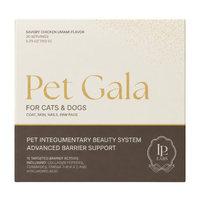
Pet Gala™ is designed for owners who want skin, coat, and nails to look as cared-for as their dog feels—supporting everyday softness, shine, and a smoother-looking surface as part of a consistent routine.

A dog’s skin tells the truth quickly. When you notice dog dry skin patches—those pale, flaky, rough areas that catch the light differently—you’re seeing a change in the surface that can come from many directions: seasonal dryness, grooming residue, parasites, allergies, or a secondary infection. The frustrating part is that the patch itself rarely announces the cause. The reassuring part is that the pattern usually does: where it appears, whether it itches, and what else is happening (ear scratching, paw licking, rubbing the face on the rug).

This page is built around the signals owners actually notice: flakes on dark furniture, a coat that looks dull after a bath, a recurring spot that never fully smooths out, or dry patches on dogs ears that seem to come and go. We’ll cover the most common reasons these patches show up, when you can support the skin gently at home, and when it’s time to involve your veterinarian—especially when itch or rapid change suggests something more than simple dryness.

And if you’re a careful, science-minded owner wondering why a skin-and-coat product still matters when you already feed a quality diet: because “complete” nutrition doesn’t always translate into the exact visible finish you want. A dedicated formula can support the everyday presentation that reassures you—natural softness, a healthier sheen, and a calmer-looking surface—while medical issues (like allergies or parasites) are addressed appropriately.

By La Petite Labs Editorial, ~15 min read

Featured Product:

  • Dry-looking patches are a description of texture, not a diagnosis; pattern and itch level guide next steps.
  • Allergic skin disease can present with flaking, thickened areas, and recurring discomfort that changes how the coat sits.
  • Parasites can mimic “dryness,” especially when crusting and intense itch are part of the picture.
  • Ear-edge and ear-area dryness deserves caution; odor, pain, or discharge should be checked promptly.
  • Bathing can help or harm; choose dog-appropriate formulas, rinse thoroughly, and avoid harsh stripping routines.
  • Prescription options may be appropriate for allergic disease; supportive routines still matter for visible comfort.
  • Science-minded owners choose supplements for refined presentation—softness, sheen, and calmer-looking skin—alongside veterinary care.

Why Dry Patches Show up on Otherwise Healthy-looking Dogs

Dryness can look deceptively simple: a pale, rough patch on the flank, a scaly spot near the tail base, or a few crusty areas that reappear after baths. But “dry” is a description, not a diagnosis. In practice, dry patches on dogs can reflect irritation from grooming habits, seasonal shifts, parasites, allergies, or secondary infection that changes the skin’s surface texture. When the skin’s outer layer is disrupted, it sheds unevenly and can feel tight, dull, or sandpapery to the touch.

A useful first step is to notice the pattern: Are the patches symmetrical? Do they itch? Are they spreading? Do they coincide with ear debris, paw licking, or belly redness? Those “visible signals” help your veterinarian narrow causes like atopic dermatitis, which commonly presents with itch and inflammation alongside dry-looking areas (Olivry T, 2003).

Scientific view of skin barrier tied to coat beauty with dry patches on dogs ears.

How to Read the Pattern: Location, Itch, and Recurrence

Owners often describe the same problem in different ways: “dandruff,” “ashiness,” “little scabs,” or “a patch that feels thicker.” Dryness can be focal (one or two spots) or widespread. Focal patches may follow friction points (harness lines, elbows), while widespread flaking can show up with low humidity, over-bathing, or underlying skin disease.

If the patch is also itchy, red, or recurrent, allergic skin disease becomes more likely. Atopic dermatitis is a common cause of chronic itch and can present with dry-looking patches as part of the inflammatory picture (Olivry T, 2010). The key is to treat the “look” and the “feel” as separate clues: appearance tells you where; behavior tells you how uncomfortable it is.

Beauty structure illustration representing support pathways in dry patches on dogs.

Most Common Causes of Dry Patches on Dogs Skin

Common causes of dry patches on dogs include allergic skin disease, parasites, contact irritation, and secondary infection. Allergies often come with licking, rubbing, and recurring ear or paw issues, while parasites can create intense itch and crusting that looks like dryness from a distance (Arlian, 2017). Contact irritation may be localized to where the skin meets a new shampoo, detergent, grass, or a poorly fitting collar.

Because several causes can overlap, it’s normal for the “dry patch” to be the last thing to resolve. When the driver is ongoing—like environmental allergy exposure—skin can keep cycling through flare and recovery phases.

Molecular structure graphic reflecting research-driven beauty design behind dry patches on dogs.

What Patch Location Can Suggest About the Underlying Trigger

Location matters. Dryness on elbows and hocks can be simple pressure-related thickening, especially in large breeds on hard floors. Dryness along the back can be linked to grooming residue, seborrhea-like scaling, or flea-related irritation. Dryness on the belly may track with contact exposure (grass, cleaners) or allergic patterns.

If you notice dry patches on dogs ears along with paw licking or face rubbing, that cluster can fit an allergy profile. Atopic dermatitis is often associated with environmental triggers and can involve ears as part of the overall pattern.

Close-up of a dog highlighting coat shine and wellness supported by dry patches on dogs skin.

Itch Versus No Itch: the Signal That Changes Everything

Itch is the deciding signal. A patch that looks dry but doesn’t bother your dog may be managed with gentle grooming changes and observation. A patch that drives scratching, chewing, or restlessness needs a faster, more diagnostic approach. Persistent itch can damage the skin surface, making it look drier and more scaly over time.

Allergic skin disease is a frequent reason for itch plus dry-looking areas, and interventions studied for atopic dermatitis focus on reducing inflammation and itch intensity (Olivry T, 2010). If itch is prominent, avoid guessing with multiple new products at once—clarity is part of good care.

The scratching is completely gone, his coat looks healthy and shiny!

— Lena

He was struggling with itching, now he's glowing.

— Grace

“Dry is a look. The pattern—itch, location, and recurrence—is the clue.”

Parasites That Masquerade as Dryness and Flaking

Parasites can masquerade as “dry skin.” Sarcoptic mange (scabies) can cause intense itching and crusting that owners may first label as dry patches (Arlian, 2017). Fleas can also trigger localized irritation and scaling, especially near the tail base. Because parasite problems can spread to other pets, it’s worth taking seriously even if you don’t see bugs.

Use veterinarian-recommended parasite prevention consistently, and ask your clinic whether skin scrapings or other tests are appropriate. If multiple pets are itchy, or if your dog’s discomfort is sudden and severe, move “parasites” higher on the list rather than lower.

Dog portrait symbolizing beauty and wellness support from dry patches on dogs ears.

Allergies and Atopic Dermatitis: the Recurring Patch Story

Allergies are one of the most common reasons dry patches keep returning. In canine atopic dermatitis, immune-driven inflammation can disrupt the skin surface, leading to areas that look dry, flaky, or thickened alongside itch (RCF, 2025). Environmental allergens are frequently implicated, and the pattern can be seasonal or year-round depending on triggers.

Because atopic dermatitis is a long-running tendency rather than a one-time event, the most satisfying results often come from layered care: veterinary treatment when needed, plus daily routines that keep the coat looking polished and the skin feeling comfortable. That’s where supportive products can fit without pretending to be medication.

Dog looking radiant, capturing beauty and presence supported by dry patches on dogs ears.

When Infection Changes Texture and Makes Patches Look Worse

Secondary infection can change the texture of a “dry” patch. Yeast or bacteria may create scaling, odor, redness, or a greasy feel that owners sometimes misread as simple dryness. Your veterinarian may recommend skin cytology to check what’s happening on the surface before choosing a shampoo, topical, or prescription therapy.

This matters because treating the wrong problem can prolong the visible issue. If the patch smells, weeps, looks shiny, or your dog is increasingly uncomfortable, skip home experimentation and get it examined. Interventions for atopic dermatitis and related skin inflammation vary in effectiveness by individual and severity.

Ingredient overview graphic showing what's inside and how dry patches on dogs supports beauty.

Gentle Home Care That Supports a Smoother-looking Surface

Home care can be supportive when it’s gentle and consistent. Brush to lift flakes without scraping the skin, wipe paws after outdoor time during high-allergen seasons, and keep collars and harnesses clean. If you use a moisturizing shampoo, choose one formulated for dogs and rinse thoroughly to avoid residue that can irritate.

Avoid essential oils, heavy occlusive creams, and human dandruff products unless your veterinarian specifically recommends them. The goal is a calm surface and a coat that looks fresh—not a cycle of stripping and over-correcting that keeps dry patches on dogs skin in the spotlight.

Prescription Options Your Vet May Discuss for Allergic Skin Disease

If your dog’s dry skin patches are tied to allergic skin disease, your veterinarian may discuss prescription options designed to reduce itch and inflammation. Cyclosporin is one medication with evidence for effectiveness in canine atopic dermatitis, and it’s generally considered well-tolerated under veterinary supervision (Steffan J, 2006). Because response and tolerability vary, dosing and monitoring decisions should be individualized rather than copied from online anecdotes (Steffan J, 2006).

The goal, from a pet-parent perspective, is not just “less scratching,” but a return to a coat that looks even, comfortable, and well-kept. When medical therapy is needed, supportive daily care still matters: gentle cleansing, consistent parasite prevention, and nutrition that supports a polished skin-and-coat presentation.

“The goal isn’t just fewer flakes; it’s a coat that looks even, fresh, and comfortably lived-in.”

Research-style uniform highlighting scientific integrity aligned with dry patches on dogs skin.

Supplemental Support: Where Probiotics May Fit into Skin Routines

Some dogs with recurring dry patches on dogs skin benefit from broader “supportive” strategies that complement a veterinarian’s plan. For example, probiotics have been studied as a supplementary approach for dogs with atopic dermatitis, with reviews suggesting potential improvements in skin-related outcomes for some individuals (RCF, 2025). That doesn’t mean probiotics replace medical care; it means they may help some dogs look and feel more even-skinned when used thoughtfully.

Supportive care is most valuable when it’s consistent and visible: fewer flare-looking areas, less dullness, and a coat that lies flatter and cleaner. If you’re trialing any supplement, keep one variable at a time, track changes weekly, and share notes with your veterinarian—especially if your dog is also on prescription therapy.

Shop Now
Ingredient still life illustrating clean formulation principles for dry patches on dogs ears.

Dry Patches on Dogs Ears: When to Watch Closely

Dry patches on dogs ears deserve special attention because ear skin is thin, warm, and easily irritated. A “dry” ear margin can be simple scaling, but dryness inside the ear canal can also coexist with wax changes or infection. If you notice odor, head shaking, pain, or dark discharge, treat it as a veterinary issue rather than a moisturizing project (Asad U, 2020).

For mild, external dryness, focus on gentle handling: avoid harsh wipes, don’t use human creams, and prevent scratching trauma by keeping nails smooth. If ear-edge scaling is persistent or accompanied by generalized itch, your vet may consider allergic skin disease as part of the picture (Olivry T, 2003).

Shop Now
Owner showcasing product beside her pet, reflecting beauty care through dry patches on dogs ears.

Bathing, Shampoo Choices, and the Difference Between Clean and Stripped

Bathing can either calm or create dry-looking patches, depending on product choice and frequency. Shampoos that strip oils aggressively can leave the coat squeaky but the skin tight, especially in winter or low-humidity homes. On the other hand, medicated shampoos can be part of a veterinarian-guided plan when inflammation, yeast, or bacterial overgrowth is suspected.

Aim for “clean and comfortable,” not “ultra-degreased.” Use lukewarm water, rinse longer than you think you need, and avoid fragranced sprays that build up on the coat. If dryness worsens after grooming, bring the exact products and schedule to your vet appointment—those details can be diagnostic.

Shop Now

Season, Home Air, and Outdoor Exposure That Changes Skin Texture

Environment shows up on skin quickly. Indoor heating, frequent swimming, and repeated towel-drying can all change how the coat reflects light and how the skin flakes. If you’re seeing dog dry skin patches that appear seasonally, note the timing: first cold snap, pollen peaks, or a move to a new home. Environmental allergens are commonly associated with atopic dermatitis presentations in dogs (Olivry T, 2003).

Small adjustments can improve visible comfort: add humidity, rinse after chlorinated water, and keep bedding clean. These aren’t “cures,” but they can reduce the everyday friction that keeps a patch looking rough and persistent.

Nutrition and Visible Coat Finish: Why Routine Still Matters

Nutrition matters because skin is a high-turnover tissue, and the coat is one of the first places owners notice when something is off. Even when a diet is complete, some dogs benefit from targeted support that’s designed around visible outcomes: softness, shine, and fewer rough-looking areas. That’s the practical reason supplements remain relevant for careful, science-minded owners—they’re not replacing food; they’re refining presentation.

If your dog has recurring dry patches on dogs, consider whether the overall pattern suggests allergy, parasites, or grooming irritation first. Once the basics are addressed, a consistent skin-and-coat routine can help the surface look calmer and more even, which is often the reassurance owners are seeking.

Chart contrasting minimal formulas with full-spectrum beauty support in dry patches on dogs.

A Simple Tracking Method That Makes Vet Visits More Productive

A simple tracking approach can make vet visits more productive. Take weekly photos in the same lighting, and jot down: itch level, new foods or treats, bathing dates, parasite prevention dates, and where patches appear. Many skin conditions wax and wane, and memory tends to smooth over the details that matter.

Also note “secondary signals”: paw chewing, face rubbing, ear scratching, or scooting. These clusters can point toward allergic skin disease, where inflammation and itch often accompany dry-looking areas (Olivry T, 2010). Your notes help your veterinarian decide whether to pursue skin cytology, parasite checks, diet trials, or allergy management.

Shop Now
Unboxing scene highlighting careful delivery and experience aligned with dry patches on dogs skin.

Red Flags That Deserve Prompt Veterinary Attention and Testing

Call your veterinarian promptly if you see any of the following: intense itch that disrupts sleep, rapidly spreading patches, oozing or odor, hair loss with broken skin, lethargy, fever, or a household outbreak of itch (which can suggest contagious parasites). Sarcoptes scabiei infestations, for example, can cause intense itching and inflammatory skin changes that may look like dry, crusty patches (Arlian, 2017).

If your dog is already on prescription therapy for skin disease, don’t add topical products or supplements without checking in—some combinations can complicate interpretation of what’s working. The fastest route to a better-looking coat is often a clear plan and fewer moving parts.

Shop Now

Putting It Together: Calm Skin, Polished Coat, Confident Care

When owners search for dog dry skin patches, they’re usually looking for two things at once: reassurance and a path back to “normal.” The most reliable path is to treat dryness as a visible clue. Rule out parasites, identify allergy patterns, and adjust grooming so the skin isn’t constantly reset into irritation. From there, choose supportive care that’s consistent enough to show up in the mirror: a coat that lies smoothly, fewer flakes on dark furniture, and skin that looks calm rather than reactive.

That’s also why a dedicated skin-coat-nail formula can still make sense for meticulous owners: it supports the everyday presentation you can see, while your veterinarian addresses the underlying driver when one is present.

“When care is working, you see it: smoother texture, calmer skin, and shine that returns.”

Educational content only. This material is not a substitute for veterinary advice. Always consult your veterinarian about your dog’s specific needs. These statements have not been evaluated by the Food and Drug Administration. Products mentioned are not intended to diagnose, treat, cure, or prevent any disease.

Glossary

  • Atopic Dermatitis: A common allergic skin condition in dogs marked by itch and inflammation that can make skin look dry or flaky.
  • Skin Barrier: The outermost layers of skin that help retain moisture and keep irritants out; when disrupted, patches can look rough.
  • Pruritus: The medical term for itching; a key clue that dryness may be driven by inflammation or parasites.
  • Scaling: Visible flakes of skin (like dandruff) that can collect on the coat or appear as dry patches.
  • Crusting: Dried material on the skin surface (often from inflammation or scratching) that can resemble “dry scabs.”
  • Hot Spot (Acute Moist Dermatitis): A sudden, inflamed, wet lesion often triggered by licking or scratching; not truly “dry,” but can start from itch.
  • Sarcoptic Mange (Scabies): A mite infestation that can cause intense itch and crusty, patchy skin changes.
  • Otitis Externa: Inflammation of the outer ear canal; may coexist with ear-area dryness, odor, or discharge.
  • Contact Dermatitis: Skin irritation from direct exposure to an irritant (cleaners, plants, grooming products), often localized.

Related Reading

References

RCF. Probiotics as an adjunct in the treatment of canine atopic dermatitis: a systematic review and meta-analysis of in vivo studies in dogs.. PubMed. 2025. https://pubmed.ncbi.nlm.nih.gov/40603066/

Steffan J. A systematic review and meta-analysis of the efficacy and safety of cyclosporin for the treatment of atopic dermatitis in dogs.. PubMed. 2006. https://pubmed.ncbi.nlm.nih.gov/16412115/

Olivry T. Evidence-based veterinary dermatology: a systematic review of the pharmacotherapy of canine atopic dermatitis.. PubMed. 2003. https://pubmed.ncbi.nlm.nih.gov/12791047/

Olivry T. Interventions for atopic dermatitis in dogs: a systematic review of randomized controlled trials.. PubMed. 2010. https://pubmed.ncbi.nlm.nih.gov/20187910/

Arlian. A review of Sarcoptes scabiei: past, present and future.. Springer. 2017. https://link.springer.com/article/10.1186/s12917-023-03759-1

Bergera-Virassamynaïk. Evaluation of the Efficacy of an Ecobiological Dermo-Cosmetic Product to Help Manage and Prevent Relapses of Eyelid Atopic Dermatitis.. Nature. 2023. https://www.nature.com/articles/s41598-024-69612-z

Asad U. Effect of topical dermatologic medications in humans on household pets.. PubMed Central. 2020. https://pmc.ncbi.nlm.nih.gov/articles/PMC6988634/

Collard WT. The pharmacokinetics of oclacitinib maleate, a Janus kinase inhibitor, in the dog.. PubMed. 2014. https://pubmed.ncbi.nlm.nih.gov/24330031/

Gimmler JR. Determining canine skin concentrations of terbinafine to guide the treatment of Malassezia dermatitis.. PubMed. 2015. https://pubmed.ncbi.nlm.nih.gov/26286855/

Steffan J. Cyclosporin A pharmacokinetics and efficacy in the treatment of atopic dermatitis in dogs.. PubMed. 2004. https://pubmed.ncbi.nlm.nih.gov/15305852/

Riviere JE. Prediction of formulation effects on dermal absorption of topically applied ectoparasiticides dosed in vitro on canine and porcine skin using a mixture-adjusted quantitative structure permeability relationship.. PubMed. 2014. https://pubmed.ncbi.nlm.nih.gov/24649911/

Bakhrushina. Transdermal Drug Delivery Systems: Methods for Enhancing Skin Permeability and Their Evaluation. 2025. https://www.mdpi.com/1999-4923/17/7/936

Miah. Clinical Pharmacokinetics. 2019. https://www.sciencedirect.com/topics/pharmacology-toxicology-and-pharmaceutical-science/clinical-pharmacokinetics

FAQ

What are dog dry skin patches, in plain everyday terms?

Dog dry skin patches are areas where the skin surface looks rough, flaky, or scaly compared with surrounding coat. They can be small and localized or more widespread, and they may or may not itch.

Because “dry” can reflect allergies, parasites, grooming irritation, or infection, it helps to track location and behavior changes before you add new products. For everyday visible support alongside your vet’s plan, consider Pet Gala™.

Why do dry patches on dogs keep coming back?

Recurring patches often mean the trigger is still present—seasonal allergens, inconsistent parasite control, or a grooming routine that keeps stripping and irritating the surface. Allergic skin disease can wax and wane, so the coat may look better for a week and then turn flaky again.

A steady routine aimed at comfort and a smoother-looking coat can make the “in-between” weeks look noticeably calmer. Many owners pair veterinary care with daily presentation support from Pet Gala™.

Are dry patches on dogs skin always caused by allergies?

No. Allergies are common, but not the only explanation. Dry-looking areas can also come from parasites, contact irritation, over-bathing, or secondary infection that changes the skin’s texture.

If there’s itch, ear trouble, or paw licking, allergies move higher on the list; if there’s sudden intense itch, parasites should be considered quickly. For visible, everyday coat and skin support while you sort out the cause, look to Pet Gala™.

What does it mean if my dog’s patches are itchy?

Itch suggests inflammation, parasites, or allergic skin disease rather than simple cosmetic dryness. In atopic dermatitis, itch and inflammation can accompany dry-looking, flaky areas and recurring flare patterns.

Because scratching can create more scaling and broken skin, it’s worth getting itchy patches assessed sooner. Alongside your veterinarian’s plan, many owners support a calmer-looking surface with Pet Gala™.

Can parasites look like dog dry skin patches at first?

Yes. Some parasite problems start as flaky, crusty areas that owners label as dryness. Sarcoptes scabiei, for example, can cause intense itch and inflammatory crusting that resembles dry patches.

If itch is severe, if multiple pets are scratching, or if patches spread quickly, contact your veterinarian promptly and keep parasite prevention consistent. For day-to-day skin and coat presentation support after the cause is addressed, consider Pet Gala™.

Do dry patches on dogs ears require a vet visit?

They can. Mild external flaking may be simple irritation, but ear-area dryness plus odor, discharge, head shaking, or pain should be checked. Ear skin issues can overlap with infection or inflammation, and treating the wrong thing can prolong discomfort(Asad U, 2020).

While you’re waiting for guidance, avoid human creams and harsh wipes. For gentle, routine support that keeps skin and coat looking well-kept, many owners choosePet Gala™.

How quickly should dog dry skin patches improve with care?

Timeline depends on the cause. If the issue is grooming-related, you may see less flaking within a couple of weeks. If allergies or infection are involved, improvement often tracks with the right diagnosis and consistent follow-through.

Take weekly photos in the same light so you can notice subtle changes in texture and coat lay. For ongoing visible support while you monitor progress, consider Pet Gala™.

Is bathing making my dog’s dry patches worse?

It can. Frequent baths, hot water, or harsh shampoos can strip oils and leave the skin feeling tight and flaky. Residue from poorly rinsed products can also irritate and make patches look more obvious.

If bathing seems linked to flare-ups, bring the product and schedule to your vet so you can adjust without guessing. To support a softer, more polished look between baths, many owners use Pet Gala™.

Should I put coconut oil on dry patches on dogs?

It’s usually not the best first choice. Oils can trap debris, encourage licking, and make it harder for your veterinarian to assess what’s happening on the skin. Some dogs also react to topical products, which can worsen irritation.

If you want to try a topical approach, ask your vet for a dog-appropriate option and use it consistently rather than layering multiple remedies. For daily, inside-out presentation support, consider Pet Gala™.

What ingredients should I avoid when my dog has dry patches?

Avoid harsh, heavily fragranced grooming products, essential oils, and human anti-dandruff shampoos unless your veterinarian directs you. These can irritate, increase licking, or mask infection signs that need treatment.

Also be cautious about rotating multiple new products quickly; it becomes hard to tell what helped versus what triggered a flare. For a steady routine that supports visible skin and coat quality, consider Pet Gala™.

Can food changes help with dog dry skin patches?

Sometimes, but it depends on the cause. If a food sensitivity is suspected, your veterinarian may recommend a structured diet trial. Randomly switching foods can add noise and make it harder to interpret whether the skin is improving.

Even with a complete diet, many owners still want a more noticeable coat finish—softness, sheen, and a calmer-looking surface. For that kind of visible support, consider Pet Gala™.

Are probiotics useful for dry patches on dogs with allergies?

They may be, as an adjunct. Reviews suggest probiotics could improve skin-related outcomes in some dogs with atopic dermatitis, which can include dry-looking patches and itch(RCF, 2025). Results vary, and they’re not a replacement for veterinary diagnosis or prescription therapy when needed.

If you trial probiotics, change one thing at a time and track weekly photos and itch level. For a broader, beauty-forward skin and coat routine, considerPet Gala™.

Is cyclosporin safe for dogs with allergic skin disease?

Cyclosporin is a prescription option your veterinarian may consider for canine atopic dermatitis, and it has been reported as generally well-tolerated in dogs under veterinary supervision(Steffan J, 2006). Like any medication, it can have side effects, and suitability depends on your dog’s health history.

If your dog is on prescription therapy, keep grooming and supplements consistent so you can clearly see what’s helping. For everyday coat and skin presentation support alongside vet care, considerPet Gala™.

Can I combine supplements with prescription allergy medications safely?

Often yes, but it should be vet-guided. The main concern is not just safety, but clarity: adding multiple new items at once makes it hard to tell what improved the skin or what triggered a setback.

Bring your full list of supplements, treats, and topicals to appointments, especially if your dog has chronic itch. For a consistent, skin-coat-nail routine designed around visible results, consider Pet Gala™.

Do puppies get dog dry skin patches, or mostly adults?

Both can. Puppies may show dryness from frequent bathing, parasites, or early allergy tendencies, while adults may have more established seasonal patterns. Age helps your veterinarian prioritize possibilities, but it doesn’t rule anything out.

Because young dogs also lick and chew more when irritated, it’s worth addressing itch early so the skin doesn’t stay in a rough cycle. For gentle, everyday skin and coat support, consider Pet Gala™.

Are certain breeds more prone to dog dry skin patches?

Some breeds are more prone to allergic skin disease or recurrent ear and paw issues, which can make dry-looking patches more common. Coat type also matters: short coats can show scaling more clearly, while thick coats can hide early irritation until it’s advanced.

Regardless of breed, the best approach is consistent basics—parasite prevention, gentle grooming, and prompt attention to itch. For visible coat finish and skin comfort support, consider Pet Gala™.

How do I know if a patch is infection, not dryness?

Clues include odor, redness, oozing, a greasy feel, or a sudden increase in itch. Infection can change the skin surface so it flakes or crusts, which can be mistaken for simple dryness.

A veterinarian can confirm with quick in-clinic tests and recommend the right topical or prescription approach. For supportive care that keeps the coat looking smooth while you address the cause, consider Pet Gala™.

Can cats use the same approach for dog dry skin patches?

Cats can get flaky or patchy skin too, but causes, grooming behavior, and safe product choices differ. Some ingredients and topicals that are tolerated by dogs can be unsafe for cats, so don’t mirror a dog plan without veterinary input.

If you have both species at home, ask your veterinarian for species-specific recommendations and keep parasite control consistent for everyone. For dog-focused skin and coat presentation support, consider Pet Gala™.

What are quality signals of a good skin-and-coat supplement?

Look for clear labeling, consistent daily serving guidance, and a formula designed for skin, coat, and nails rather than a single “hero” ingredient. Practical quality also includes palatability and a routine you can actually keep.

The best signal is what you can see: a coat that looks smoother, less dull, and easier to keep presentable between grooms. For a beauty-forward option built around visible care, consider Pet Gala™.

How should I give Pet Gala™ for best daily consistency?

Choose a time that’s already part of your dog’s rhythm—breakfast, dinner, or a calm evening routine—so it becomes automatic. Consistency matters more than perfection because skin and coat changes show up as gradual improvements in texture and shine.

If your dog has a sensitive stomach or is on medications, confirm timing with your veterinarian and avoid starting multiple new items in the same week. For daily skin-and-coat presentation support, use Pet Gala™.

When should I call the vet about dog dry skin patches?

Call if patches spread quickly, become raw or oozing, smell bad, or your dog can’t settle due to itch. Also call if multiple pets are itchy, which can suggest a contagious parasite issue. Scabies mites can cause intense itching and crusting that may resemble dryness.

Bring photos and a list of products used so your veterinarian can move faster. For supportive daily care that keeps skin and coat looking well-kept during the process, consider Pet Gala™.

5K+ Happy Pet Parents

Excellent 4.8

Dog Dry Skin Patches | Why Thousands of Pup Parents Trust Pet Gala™

"It's so good for his coat, and so easy to mix into food."

Alex & Cashew

"Gives him that glow from head to tail!"

Elisabeth & Chai

"The scratching is completely gone, his coat looks healthy and shiny."

Lena & Bear

"Magical. He was struggling with itching and shedding. Now he's literally glowing."

Grace & Ducky

"It's so good for his coat, and so easy to mix into food."

Alex & Cashew

"Gives him that glow from head to tail!"

Elisabeth & Chai

"The scratching is completely gone, his coat looks healthy and shiny."

Lena & Bear

"Magical. He was struggling with itching and shedding. Now he's literally glowing."

Grace & Ducky

"It's so good for his coat, and so easy to mix into food."

Alex & Cashew

"Gives him that glow from head to tail!"

Elisabeth & Chai

"The scratching is completely gone, his coat looks healthy and shiny."

Lena & Bear

"Magical. He was struggling with itching and shedding. Now he's literally glowing."

Grace & Ducky

"It's so good for his coat, and so easy to mix into food."

Alex & Cashew

"Gives him that glow from head to tail!"

Elisabeth & Chai

"The scratching is completely gone, his coat looks healthy and shiny."

Lena & Bear

"Magical. He was struggling with itching and shedding. Now he's literally glowing."

Grace & Ducky

SHOP NOW