French Bulldog Dry Skin Treatment

Spot Barrier Damage Early and Rebuild Hydration with Targeted Daily Habits

Essential Summary

Why is French bulldog dry skin treatment important?

A reliable french bulldog dry skin treatment focuses on visible comfort: fewer flakes, calmer folds, and a coat with natural sheen. Choose gentle cleansing, simple moisture support, and consistent grooming, then watch for triggers like harsh products or seasonal air. If redness, odor, or sores appear, involve your veterinarian promptly.

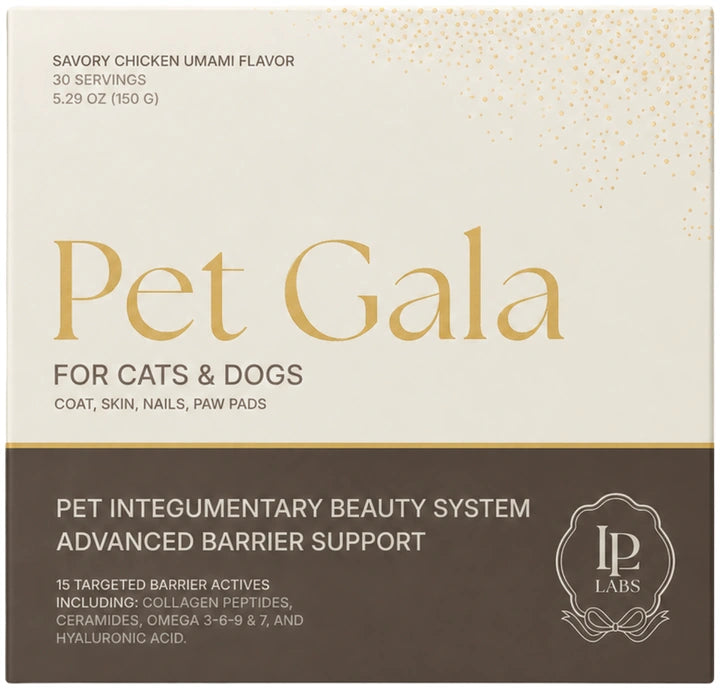
Pet Gala™ fits into French Bulldog skin care for dryness as a daily, beauty-forward layer of support for skin, coat, and nails—ideal when you’re feeding well but still want more visible softness, shine, and a well-kept look that holds up between baths.

French bulldog dry skin treatment works best when you treat it like a routine, not a one-time fix. For many Frenchies, non-infected dryness is a skin barrier problem: the surface feels tight, flakes appear, and the coat starts to feel “static-y,” especially after bathing or during dry indoor months. The goal is to restore moisture balance while reducing everyday irritants—without accidentally masking dermatitis or infection.

Use this as a 14-day plan with checkpoints. Days 1–3: simplify care (pause new scented products, reduce wiping, and keep grooming gentle). Days 4–10: support the barrier consistently (consistent bathing frequency, mild cleansing, stable home humidity, and steady nutrition). Days 11–14: reassess with notes and photos to confirm you’re trending better, not just different.

Separate “dry” from “inflamed.” Dry skin typically looks like light flaking and feels rough, but it shouldn’t smell bad, ooze, or look angry-red. When to call the vet: if there’s a strong odor, moist or weeping areas, spreading redness, significant itch that disrupts sleep, ear debris, or no improvement after two weeks of consistent care.

By La Petite Labs Editorial, ~15 min read

Featured Product:

  • Dryness in French Bulldogs often shows up as flakes, dull coat, and tight-feeling skin.
  • The best results come from a calm routine: gentle bathing, thorough rinsing, and light moisture support.
  • Fold care matters because creases can look “dry” while actually being irritated by friction or residue.
  • Home factors—heated air, detergents, and gear rubbing—can quietly worsen the look of skin and coat.
  • Diet quality and fatty-acid balance influence visible coat luster and skin comfort over time.
  • Avoid experimenting with human medicated topicals; safety and dosing for pets may be unclear.
  • A daily skin-coat-nail supplement can support the visible “well-kept” finish owners want between baths.

Dry Skin vs. Dermatitis: What Counts as “Dry” in a Frenchie

True dryness is usually a surface-level change: the skin feels tight or papery, and you’ll see fine white flakes that dust off when you rub or brush. That’s different from greasy scale, which tends to clump, stick to the coat, and feel waxy or oily to the touch—often a sign you’re dealing with more than simple dryness.

Quick at-home checks can keep you from mislabeling dermatitis as “just dry skin”:

- Brush test: use a soft brush over a dark towel. Fine white flakes that fall like powder point toward dryness; greasy scale that smears or clings suggests a different process.
- Fold moisture check: gently separate a fold and look for dampness. Dry folds should feel clean and dry; persistent moisture increases the chance of irritation.
- Smell test: odor as a red flag matters—musty, sour, or “yeasty” smell warrants a vet call rather than more home experimenting.
- Photo tracking: take clear photos in the same lighting every 3–4 days (back, elbows, and any flaky patches). Improvement should look like fewer flakes and calmer texture, not just a temporarily shinier coat.

Coat shine detail showing beauty mechanisms supported by french bulldog dry skin treatment.

Most Common Dry-Skin Triggers in French Bulldogs (and What to Change First)

Dryness often improves fastest when you adjust the most modifiable triggers—one at a time—so you can tell what actually helped. Start with these high-impact levers:

- Bathing frequency: bathing too often can strip oils; bathing too rarely can let debris build up. Pick a consistent schedule and stick with it for the full 14 days before judging results.
- Cleanser choice: switch to a fragrance-free cleanser and avoid heavily scented sprays or wipes that can leave residue.
- Humidity: indoor air that’s too dry can worsen flaking. Aim for a home humidity target range of about 40–50% and monitor with a simple hygrometer.
- Water quality: hard water can leave the coat feeling rough after rinsing. If you suspect this, try a thorough rinse routine and keep other variables stable.
- Over-wiping: frequent wiping (especially with fragranced wipes) can dry the surface. Reduce to only what’s necessary and pat dry.
- Diet fat profile: some dogs do better when their overall fat balance is steady and appropriate. Avoid rapid food changes; if you adjust nutrition, do it gradually and track skin response.

Most important: change one variable at a time. Give each change 7–14 days while photo tracking, so you don’t end up guessing which step moved the needle.

Molecular beauty graphic tied to skin and coat support from french bulldog dry skin treatment.

The Three-layer Routine: Cleanse, Moisturize, and Support from Within

The best treatment for dry skin in french bulldogs usually begins with removing common “dryness amplifiers.” Over-bathing, hot water, harsh degreasers, and heavily fragranced wipes can strip oils that make the coat look sleek. If your Frenchie is bathed frequently, switch to a gentler schedule and focus on rinse quality. Leftover shampoo is a quiet cause of recurring flakes.

Next, look at friction and contact: collars, harness straps, and sweaters can rub and mimic dryness. Finally, consider seasonality. Winter air and indoor heating can make a good coat look dusty fast. These aren’t dramatic medical issues—they’re daily presentation issues, and they respond well to consistent, low-irritation care.

Beauty ingredient model representing bioactive synergy found in best products for french bulldog dry skin.

A Practical Framework for How to Treat Dry Skin in French Bulldogs

If you want a clear framework for how to treat dry skin in french bulldogs, think in three layers: cleanse, moisturize, and support from within. Cleansing should remove debris without squeaking the coat. Moisturizing should restore softness without leaving a greasy film that traps dirt. Internal support should reinforce the look of the coat and the feel of the skin through consistent nutrition.

Dietary fat and fatty-acid balance influence skin moisture and coat condition, including the way the coat reflects light and the skin tolerates everyday stressors (German K, 2025). That doesn’t mean you need to chase a single nutrient; it means your routine should respect the whole “skin-coat-nails” picture that owners actually notice.

Close-up dog photo reflecting radiant beauty supported by how to treat dry skin in french bulldogs.

Fold Care That Looks Fresh: Clean Creases Without Overdoing It

Daily fold care is one of the most underrated french bulldog dry skin remedies. A fold can look flaky because it’s dry, but it can also look flaky because it’s irritated from trapped moisture and friction. The goal is a clean, dry, comfortable fold that doesn’t smell and doesn’t look pink. Use a soft, dog-safe wipe or damp cloth, then gently dry.

Avoid experimenting with human acne acids or medicated ointments in folds unless your veterinarian recommends them; human topicals can be risky in pets and dosing guidance is often unclear. When folds look calm, the whole face looks brighter—one of the quickest visible wins in French Bulldog skin care for dryness.

The scratching is completely gone, his coat looks healthy and shiny!

— Lena

He was struggling with itching, now he's glowing.

— Grace

“The most convincing skin care is the kind you can see: calmer folds, fewer flakes, and a coat that catches the light.”

Elbows and Pressure Points: Smoothing the Spots Owners Notice Most

Elbows, hocks, and the chest are classic “dry spots” on Frenchies. These areas take pressure from lounging and can look ashy even when the rest of the coat is fine. A dog-safe balm used sparingly can improve the look and feel, especially when paired with softer bedding. If the skin is cracked, bleeding, or very red, skip home care and get veterinary guidance.

For best products for french bulldog dry skin in these zones, choose simple formulas and introduce them slowly. The goal is a smooth, comfortable surface that doesn’t invite licking. When elbows look better, your Frenchie looks more polished overall—small detail, big visual payoff.

Dog portrait reflecting beauty and wellness support tied to top treatments for dry skin in french bulldogs.

Brushing as Bonding: a Daily Ritual That Improves Visible Coat Finish

Brushing is a beauty ritual that doubles as a skin check. A soft brush or grooming glove lifts flakes, spreads natural oils, and helps you notice early irritation before it becomes a full flare. Keep sessions short and pleasant; Frenchies often prefer quick, frequent attention over long grooming marathons.

If brushing reveals lots of dandruff, reassess bathing products and indoor humidity. If it reveals red bumps or a strong odor, treat that as a different category than dryness. The best treatment for dry skin in french bulldogs is the one that keeps the skin looking calm while keeping your dog comfortable in motion and at rest.

Profile dog image reflecting natural beauty supported by french bulldog dry skin remedies.

Diet Add-ons and Oils: When They Help, and When They Don’t

Owners often ask about oils added to food as dry skin solutions for french bulldogs. Dietary fats can support skin moisture and coat condition, but more isn’t always better, and the omega-3 to omega-6 balance matters for how the skin looks and feels (German K, 2025). If you add anything, do it consistently and discuss it with your veterinarian—especially if your dog has pancreatitis history or needs a therapeutic diet.

A well-designed supplement can be easier than DIY mixing because it’s built for daily use and visible outcomes across skin, coat, and nails. That matters for careful owners: you want a routine you can trust, and a look you can recognize as “healthy” in your own home lighting.

Supplement breakdown graphic emphasizing no fillers approach within top treatments for dry skin in french bulldogs.

When Dryness Travels with Other Signs: Ears, Paws, and Seasonality

If your Frenchie’s dryness is paired with frequent ear issues, paw licking, or seasonal flare-ups, allergies may be part of the picture. Dryness can be the surface signal of a bigger sensitivity. The goal isn’t to label everything as an allergy—it’s to notice clusters of signs and bring them to your veterinarian so you can avoid trial-and-error overload.

When owners chase “top treatments for dry skin in french bulldogs” without addressing triggers, they often end up with a crowded bathroom shelf and the same flaky coat. A calmer plan—reduce irritants, support the barrier, and keep nutrition steady—usually produces the visible steadiness people want.

Choosing Products That Keep Skin Calm and Coats Looking Polished

If you’re comparing dry skin solutions for french bulldogs, look for products that respect two realities: Frenchies are prone to irritation, and owners want visible improvement without harshness. “Strong” isn’t the same as “effective.” A gentle cleanser, a simple leave-on moisturizer made for dogs, and a barrier-friendly paw/nose balm often outperform complicated stacks—especially when used consistently.

When evaluating best products for french bulldog dry skin, prioritize: fragrance-free or lightly scented, clear ingredient lists, and directions written for dogs. Avoid mixing multiple medicated items at once unless your veterinarian directs it; layering can increase irritation and make it hard to tell what helped. If you need medicated therapy, treat it like a focused chapter, not a permanent lifestyle.

“Strong products aren’t always better—Frenchie skin often rewards simplicity and consistency.”

Lab coat with La Petite Labs logo symbolizing science-backed standards for french bulldog skin care for dryness.

When Dryness Is Really a Reaction: Triggers Worth Noticing

Some skin changes are less about “dryness” and more about an overreaction to something—food, environment, or a product. In French Bulldogs, immune-related skin flare patterns can look dramatic and confusing, and improvement often comes from identifying and removing the trigger rather than endlessly moisturizing (Lecru LA, 2021). If your dog’s skin suddenly worsens after a new topical, shampoo, or medication, treat that timing as meaningful.

For owners asking how to treat dry skin in french bulldogs when it seems to come and go, keep a simple log: new treats, laundry detergent, grooming products, and seasonal changes. This isn’t about perfection—it’s about spotting patterns. Once you reduce triggers, your everyday skin care for dryness can finally “stick” and show up as softness and a smoother coat.

Shop Now
Supplement with whole-food visuals emphasizing quality sourcing for best treatment for dry skin in french bulldogs.

Bathing Without Stripping: Clean, Soft, and Comfortable Aftercare

Bathing can either solve dryness or create it. The difference is frequency, water temperature, and what you do after. Use lukewarm water, a dog-specific gentle shampoo, and rinse longer than you think you need. Residue is a common reason Frenchies look flaky again two days later. Pat dry—don’t rub—and consider a dog-safe leave-on conditioner if your veterinarian agrees.

If you’re searching for top treatments for dry skin in french bulldogs, don’t overlook the “after-bath window.” Skin is most receptive to moisture support when it’s clean and slightly damp. Keep the routine quiet and consistent, and you’ll often see a faster shift in visible comfort than from switching shampoos every week.

Shop Now
Home scene with woman and dog featuring Pet Gala and best treatment for dry skin in french bulldogs.

Home Comfort Factors That Quietly Change Skin and Coat Appearance

French bulldog skin care for dryness is also about the home environment. Heated indoor air can make skin feel tight, especially in winter. A humidifier in the main sleeping area, frequent washing of bedding with fragrance-free detergent, and wiping paws after outdoor walks can reduce the daily “drying load.” These changes don’t feel dramatic, but they show up as fewer flakes on blankets and less scratching at night.

If your Frenchie wears sweaters or harnesses, check friction points. Repeated rubbing can look like dryness but behave like irritation. Adjust fit, rotate gear, and keep the coat brushed so the skin isn’t fighting tangles and pressure at the same time.

Shop Now

Food, Fats, and Coat Luster: Supporting Visible Skin Comfort

Nutrition matters because skin and coat are built from what your dog eats. Diets with appropriate fat levels support coat luster and skin moisture, and the balance of omega-3 and omega-6 fatty acids can influence how “calm” the skin looks and feels (German K, 2025). If your Frenchie is on a very low-fat diet for a medical reason, ask your veterinarian whether the plan still supports coat quality.

Even when a diet is well-formulated, owners often want more visible confirmation: less dandruff, a softer feel, and a shinier topcoat. That’s where a beauty-forward routine helps—consistent grooming, targeted topical comfort, and a daily supplement designed for skin, coat, and nails to support how wellbeing shows up every day.

Matching Remedies to What You See: Flakes, Rough Spots, or Redness

A practical way to choose french bulldog dry skin remedies is to match the remedy to the look. Fine, dry flakes with a dull coat often respond to gentler bathing and better moisture support. Greasy flakes with odor can point to yeast or bacterial overgrowth, which needs veterinary direction. Redness, bumps, or oozing should never be treated as “just dry skin.”

If you’re unsure, take clear photos in the same lighting for a week. Visible comparison keeps you from over-treating on anxious days and under-treating when things quietly worsen. The goal is a calm, comfortable surface that looks well-kept—no drama, no constant product switching.

Chart contrasting minimal formulas with full-spectrum beauty support in french bulldog dry skin remedies.

Avoiding Human Topicals: Keeping Sensitive Frenchie Skin out of Trouble

Be careful with “DIY” human skincare. Some human topical dermatologic medications and actives can have unpredictable effects in pets, and the safety of using human treatments on dogs isn’t always established (Asad U, 2020). Frenchies also lick—so anything applied to skin can become something they ingest. If you want to try a new topical, choose dog-labeled products and introduce one change at a time.

Also avoid stacking multiple fragranced products. A French Bulldog’s skin often prefers fewer ingredients, not more. When you simplify, you can actually see what’s working: less flaking on the back, smoother elbows, and a coat that reflects light again.

Shop Now
Product reveal shot showing premium feel consistent with best treatment for dry skin in french bulldogs.

Vet-check Signals: Itch, Odor, Sores, and Sudden Worsening

When should you call the vet? If dryness comes with intense itch, hair loss, sores, ear debris, strong odor, or rapid spreading redness, it’s time. Those signs can indicate infection, parasites, allergy flares, or a reaction that needs targeted care. In at least one French Bulldog case report, addressing a suspected immune-mediated drug reaction was part of improving the dog’s condition (Lecru LA, 2021).

A good appointment is easier when you bring specifics: what you used, when it started, photos, and any diet changes. You’re not “overreacting”—you’re protecting your dog’s comfort and keeping the skin looking clean, smooth, and cared-for.

Shop Now

A Simple Routine That Stays: the Most Sustainable Path to Shine

The most reliable french bulldog dry skin treatment is the one you can keep doing. Think in rituals: a quick fold check, a soft brush session, a wipe-down after walks, and a steady approach to diet and supplementation. The payoff is visible—less “snow” on the coat, fewer scratch breaks during play, and a Frenchie who looks polished in everyday light.

If you want a single, science-minded addition that supports how skin, coat, and nails present day to day, choose a formula built for that full picture rather than a one-ingredient fix. That’s the gap many careful owners feel: they’re feeding well, but they still want the coat and skin to look as good as their care.

“When dryness comes with odor, sores, or sudden worsening, it’s time for a vet-led plan.”

Educational content only. This material is not a substitute for veterinary advice. Always consult your veterinarian about your dog’s specific needs. These statements have not been evaluated by the Food and Drug Administration. Products mentioned are not intended to diagnose, treat, cure, or prevent any disease.

Glossary

  • Skin Barrier: The outer layer of skin that helps retain moisture and keep irritants out.
  • Dander/Flakes: Small bits of shed skin that can look like “snow” on the coat or bedding.
  • Sebum: Natural skin oils that contribute to coat sheen and softness.
  • Over-Bathing: Bathing too frequently or with harsh products, which can strip oils and worsen dryness.
  • Residue: Leftover shampoo or product on the coat that can cause dullness, flakes, or irritation.
  • Skin Folds: Creases on the face and body that can trap moisture, debris, and product buildup.
  • Contact Irritation: Redness or dryness caused by friction or exposure to soaps, detergents, or gear.
  • Omega-3/Omega-6 Balance: The relationship between fatty acids in the diet that can influence skin comfort and coat condition.
  • Leave-On Conditioner: A dog-safe product applied after bathing to support softness without rinsing.

Related Reading

References

Asad U. Effect of topical dermatologic medications in humans on household pets.. PubMed Central. 2020. https://pmc.ncbi.nlm.nih.gov/articles/PMC6988634/

Lecru LA. Case Report: Positive Outcome of a Suspected Drug-Associated (Immune Mediated) Reaction in a 4-Year-Old Male French Bulldog.. PubMed. 2021. https://pubmed.ncbi.nlm.nih.gov/34490405/

German K. Exploratory analysis of nutrient composition of adult and senior dog diets.. PubMed Central. 2025. https://pmc.ncbi.nlm.nih.gov/articles/PMC12757753/

Linde A. Domestic dogs maintain clinical, nutritional, and hematological health outcomes when fed a commercial plant-based diet for a year.. PubMed Central. 2024. https://pmc.ncbi.nlm.nih.gov/articles/PMC11020905/

FAQ

What counts as french bulldog dry skin treatment day to day?

Day-to-day french bulldog dry skin treatment is a comfort-and-appearance routine: gentle cleansing when needed, light moisture support, and quick checks of folds, elbows, and paws. The goal is less flaking and a softer feel, not a constantly “medicated” dog.

If you want a simple daily layer that supports skin, coat, and nails as visible signals of care, consider Pet Gala™.

Why do French Bulldogs get dry, flaky skin so easily?

Frenchies can look flaky from over-bathing, harsh shampoos, indoor heating, friction from gear, or sensitivities that make skin less tolerant. Their folds can also trap residue that later shows up as “dryness.”

When you reduce irritants and keep a consistent routine, the coat often looks smoother and more polished. For daily support that complements grooming and diet, many owners add Pet Gala™.

How can I tell dry skin from infection or allergy?

Dry skin often looks like fine flakes and feels tight, with minimal odor. Infection or allergy is more likely when you see strong redness, moist areas, bumps, hair loss, ear debris, or a noticeable smell. Those patterns deserve veterinary input rather than home-only care.

Once the underlying issue is addressed, a steady skin-and-coat routine can help your Frenchie look comfortable again, including daily support from Pet Gala™.

Is coconut oil a safe french bulldog dry skin treatment?

Coconut oil is popular, but it can feel greasy, attract dirt, and encourage licking. Some dogs also react to it with more irritation. If you try it, use a tiny amount on a small area first and stop if redness or itch increases.

For a more consistent, beauty-forward approach that supports skin, coat, and nails without messy application, consider Pet Gala™ as part of your routine.

Can I use human lotion on my French Bulldog?

It’s best to avoid human lotions unless your veterinarian specifically approves one. Human topical products can have ingredients that irritate dogs, and safety and dosing guidance for pets may be unclear. Licking also turns a “skin product” into something your dog may ingest.

Choose dog-labeled options and keep routines simple; for daily inside-out support that shows in coat and skin quality, consider Pet Gala™.

What is the best bathing schedule for dry Frenchie skin?

Many Frenchies do best with less frequent baths and gentler products, because over-bathing can strip oils that keep the coat sleek. Focus on lukewarm water, a mild dog shampoo, and a very thorough rinse to prevent residue-related flaking.

Between baths, brushing and targeted wipe-downs can keep the look fresh. For daily support that complements bathing choices, consider Pet Gala™.

Which ingredients are red flags in dry skin products?

For sensitive Frenchie skin, be cautious with heavy fragrance, harsh degreasers, and complex “active” blends that sting or dry. Also avoid casually using human medicated topicals; pet safety and dosing can be uncertain. When you simplify, it’s easier to see what actually improves flakes and comfort.

If you want a straightforward daily addition that supports visible skin and coat quality, consider Pet Gala™.

How long until I see results from dry skin care?

With gentle bathing changes and better rinsing, some owners notice fewer flakes within a week. Coat softness and sheen often improve more gradually as routines stay consistent. If signs worsen quickly or include odor, sores, or hair loss, don’t wait—get veterinary guidance.

To support a steadier “well-kept” look between grooming sessions, many owners use Pet Gala™ daily.

Do omega oils help with French Bulldog dry skin appearance?

Dietary fat and the omega-3/omega-6 balance can influence skin moisture and coat condition, including luster and comfort. That said, adding oils isn’t always appropriate for every dog, and consistency matters more than “big doses.” Ask your veterinarian if your Frenchie has diet restrictions.

If you prefer a daily supplement designed around visible skin, coat, and nail signals, consider Pet Gala™ as a simple routine anchor.

What is the best treatment for dry skin in french bulldogs?

The best treatment for dry skin in french bulldogs is usually a low-irritation routine you can maintain: gentle bathing with thorough rinsing, fold hygiene, and light moisturizing where needed. It should reduce flakes and improve coat sheen without making the skin greasy or reactive.

For owners who want daily inside-out support that shows up as a more polished coat and comfortable skin, consider Pet Gala™.

Are there side effects from overusing topical skin products?

Yes. Overuse can cause irritation, greasiness that traps debris, and more licking. It can also make it hard to identify what’s actually helping. Be especially cautious with human topical medications; their effects and safe use in pets may not be well established.

A simpler routine plus daily support for skin and coat quality can be easier to maintain, including Pet Gala™.

Can medications or new products trigger sudden skin dryness?

They can. A sudden change after starting a new shampoo, topical, or medication can signal irritation or a reaction that needs attention. In a French Bulldog case report, managing a suspected immune-mediated drug reaction was part of improving the dog’s condition(Lecru LA, 2021). Don’t keep layering products to “fix” a reaction.

Once triggers are clarified with your veterinarian, a steady beauty routine can support visible recovery, including daily use ofPet Gala™.

Is french bulldog dry skin treatment different for puppies?

For puppies, keep everything gentler and simpler: fewer baths, mild dog-specific products, and careful fold drying. Puppy skin can be more reactive, and heavy topical experimentation can backfire. If you see redness, bumps, or persistent itch, involve your veterinarian early.

For daily support that fits a “less is more” routine and focuses on visible coat and skin quality, consider Pet Gala™ with your vet’s approval.

Does french bulldog dry skin treatment change for senior dogs?

Senior Frenchies may have drier-looking coats and more pressure points on elbows and hocks from resting. Prioritize soft bedding, gentle grooming, and spot moisture support where skin looks rough. Any new lumps, sores, or sudden coat changes should be checked by your veterinarian.

To support a comfortable, well-kept presentation across skin, coat, and nails in daily life, consider Pet Gala™.

Can cats use the same dry skin supplements as dogs?

Not automatically. Cats and dogs have different nutritional needs, and products are often formulated and dosed differently. If you’re managing dryness in a multi-pet home, keep products species-specific and ask your veterinarian before sharing anything across pets.

For dog-focused daily support that aligns with coat shine and comfortable skin goals, consider Pet Gala™ for your Frenchie.

What are quality signals in the best products for french bulldog dry skin?

Quality signals include dog-specific labeling, clear directions, minimal fragrance, and a short ingredient list that’s easy to understand. Products should feel comfortable on application and not leave the coat sticky. Introduce one new item at a time so you can see what changes the skin’s look.

For a daily supplement designed around visible skin, coat, and nail presentation, consider Pet Gala™ as part of a streamlined routine.

How should I introduce a new supplement for skin and coat?

Introduce one change at a time and keep everything else stable for a couple of weeks—food, shampoo, and treats. This makes it easier to judge coat softness, flake level, and overall comfort. If your dog has a medical diet or history of GI sensitivity, check with your veterinarian first.

If you want a daily option built for visible skin, coat, and nail support, consider Pet Gala™.

Do dry skin solutions for french bulldogs include humidifiers?

Yes, especially in winter. Indoor heating can make skin look dull and flaky, and a humidifier near your dog’s sleeping area can reduce that “tight skin” feeling. Pair it with fragrance-free laundry detergent and consistent brushing for a cleaner-looking coat.

To support the visible finish you’re aiming for—softness, sheen, and comfortable skin—consider daily use of Pet Gala™ alongside environmental tweaks.

What does research say about diet and canine skin dryness?

Research and nutrition reviews note that dietary nutrients, fat content, and the omega-3/omega-6 balance can influence skin health and coat condition in dogs. In real life, that often translates to a coat that looks shinier and skin that appears less reactive when the overall diet is well matched.

For owners who want a daily layer of support focused on visible skin, coat, and nail signals, consider Pet Gala™.

When should I stop home care and call my veterinarian?

Call your veterinarian if you see sores, oozing, strong odor, rapid spreading redness, significant hair loss, or intense itch that disrupts sleep. Also call if symptoms start right after a new medication or topical; reactions can require targeted management.

Once you have a clear plan, daily support for skin, coat, and nails can help maintain a comfortable, well-kept look, including Pet Gala™.

How do I choose between top treatments for dry skin in french bulldogs?

Choose based on what you see: fine flakes and dullness usually call for gentler bathing and moisture support; greasy flakes with odor suggest a different problem that needs veterinary direction. Avoid stacking multiple new products at once—simplicity makes results clearer and reduces irritation risk.

If you want one consistent daily element that supports visible skin and coat quality while you refine the rest of the routine, consider Pet Gala™.

5K+ Happy Pet Parents

Excellent 4.8

French Bulldog Dry Skin Treatment | Why Thousands of Pup Parents Trust Pet Gala™

"It's so good for his coat, and so easy to mix into food."

Alex & Cashew

"Gives him that glow from head to tail!"

Elisabeth & Chai

"The scratching is completely gone, his coat looks healthy and shiny."

Lena & Bear

"Magical. He was struggling with itching and shedding. Now he's literally glowing."

Grace & Ducky

"It's so good for his coat, and so easy to mix into food."

Alex & Cashew

"Gives him that glow from head to tail!"

Elisabeth & Chai

"The scratching is completely gone, his coat looks healthy and shiny."

Lena & Bear

"Magical. He was struggling with itching and shedding. Now he's literally glowing."

Grace & Ducky

"It's so good for his coat, and so easy to mix into food."

Alex & Cashew

"Gives him that glow from head to tail!"

Elisabeth & Chai

"The scratching is completely gone, his coat looks healthy and shiny."

Lena & Bear

"Magical. He was struggling with itching and shedding. Now he's literally glowing."

Grace & Ducky

"It's so good for his coat, and so easy to mix into food."

Alex & Cashew

"Gives him that glow from head to tail!"

Elisabeth & Chai

"The scratching is completely gone, his coat looks healthy and shiny."

Lena & Bear

"Magical. He was struggling with itching and shedding. Now he's literally glowing."

Grace & Ducky

SHOP NOW