Corgi Hair Shedding

Identify Normal Coat Blowouts vs Skin Disease, Then Reduce Shedding with Targeted Care

Essential Summary

Why is it important to manage corgi hair shedding?

Corgi hair shedding is normal for a double coat, but it doesn’t have to look messy. The most visible improvements come from gentle brush-outs, a skin-friendly bath routine, and steady support for coat softness and shine. When comfort and luster are consistent, shedding feels more predictable and your corgi looks freshly cared-for.

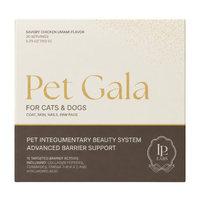
Pet Gala™ supports the visible side of shedding season—skin comfort, coat sheen, and nail strength—so your corgi’s double coat can look polished even when undercoat is releasing. It’s not about “stopping” shed; it’s about helping daily care show up in softness, smoothness, and a well-kept finish.

A corgi’s coat is part of the breed’s signature: plush, tidy, and unmistakably confident. Then the seasons shift, the undercoat loosens, and suddenly corgi hair shedding becomes the loudest thing in the room—on your socks, your sofa, and the black sweater you swore you wouldn’t wear today. The frustration is real, but so is the opportunity: shedding season is when good care becomes visible.

The double coat isn’t meant to be “fixed.” It’s meant to be managed with a routine that respects the skin and keeps the coat looking even. The best results come from a few steady choices: tools that remove undercoat without scraping, bathing that leaves the skin comfortable, and nutrition that supports a soft, glossy finish. When those pieces align, loose hair comes out during grooming—where it belongs—and your corgi’s outline looks freshly kept again.

For careful, science-minded owners, there’s a fair question: if your dog eats a complete diet, why consider a coat product at all? Because visible condition is more than “meeting requirements.” Shine, softness, and calm skin are everyday signals that your routine is working. Pet Gala™ is designed to support the integumentary system—skin, coat, and nails—so the care you give beneath the surface shows up where you notice it most: in touch, in luster, and in a well-kept finish.

By La Petite Labs Editorial, ~15 min read

Featured Product:

  • Corgi hair shedding is a normal double-coat cycle; your goal is a cleaner, more even finish.
  • Seasonal coat blow releases undercoat fast, so short, frequent brush-outs look best.
  • Gentle tools and good technique reduce loose hair without leaving skin feeling raw.
  • Bathing can help shedding look controlled when products rinse clean and don’t dry skin.
  • Dry air and static can make shedding seem worse; comfort-focused care improves the look.
  • Nutrition supports shine and softness; supplements can reinforce visible coat quality.
  • Choose routines you’ll repeat—consistent care is what keeps the coat looking polished.

Why Corgis Shed so Much, and Why It’s Completely Normal

Corgis wear a double coat that’s designed to look plush, feel weather-ready, and shed on schedule. When corgi hair shedding suddenly feels louder than usual, it’s often because the undercoat is releasing in clusters while the topcoat keeps its shape—so the dog still looks “full,” but your floors tell a different story. The goal isn’t to stop shedding; it’s to keep the coat looking polished while the cycle does what it naturally does.

The most noticeable wins come from consistent coat rituals: the right brush at the right time, a bathing cadence that doesn’t dry the skin, and nutrition that supports a comfortable, well-kept surface. Think of it as corgi hair management during shedding—less tumbleweed drama, more soft, clean, even texture when you run your hand down the back.

For science-minded owners, the practical question is: if diet is “fine,” why add anything? Because visible condition is more than a single nutrient checkbox. Skin comfort, coat luster, and nail strength are daily signals of care, and they respond to steady support. Pet Gala™ is positioned as whole-surface support for skin, coat, and nails—so the coat can look its best while shedding stays normal.

Skin and coat health illustration showing beauty support linked to corgi hair management during shedding.

The Double Coat: Undercoat Release and the Smooth Topcoat

Corgis shed because their double coat is built for insulation and weather protection. The dense undercoat grows and releases in cycles, while the outer coat provides the recognizable smooth outline. During seasonal shifts, the undercoat can “blow” quickly, which is why corgi hair shedding can feel sudden even if your dog is otherwise thriving.

What owners notice first is texture: the coat feels thicker, then looser; brushing pulls out soft clumps; and the coat may look slightly uneven until the undercoat settles. This is normal, but it’s also the moment when good grooming and skin support make the biggest visible difference—less flyaway fuzz, more clean plushness.

Molecular artwork representing beauty foundations supported by corgi hair shedding.

Normal Shedding or Hair Loss: the Quick Visual Difference

Not all shedding is created equal. Normal shedding is even across the body and doesn’t leave irritated skin behind. Concerning hair loss tends to look patchy, thin at specific spots, or paired with redness, bumps, scabs, or a sour odor. If you’re searching for best corgi hair loss remedies, start by identifying which pattern you’re seeing—because the right next step depends on it.

A quick at-home check: part the hair in several places and look at the skin. Comfortable skin looks calm and uniform. If the skin looks angry or your corgi seems persistently itchy, treat it as a health question, not just a shedding inconvenience.

Beauty formulation visualization tied to support mechanisms in corgi shedding supplements.

Brushing That Looks Like Grooming, Not a Wrestling Match

Brushing is the most direct way to change what shedding looks like in your home. For corgi hair management during shedding, the best rhythm is short and frequent: five minutes daily or every other day, with a longer session once weekly. This keeps loose undercoat moving out on your terms, instead of drifting onto rugs and clothing.

Use an undercoat rake gently on the body (avoid harsh pressure), then a slicker brush to smooth the topcoat. Finish with a comb to confirm you’re not leaving packed undercoat behind. The visible result should be a coat that lies flatter, feels softer, and looks freshly kept right after the session.

Dog portrait capturing coat health and beauty supported through corgi shedding supplements.

Gentle Technique That Reduces Loose Hair Without Irritating Skin

If you want to know how to reduce corgi shedding without overdoing it, focus on removing what’s ready to release while protecting the skin. Over-brushing with sharp tools can create irritation that makes the coat look dull and the dog feel restless. The sweet spot is efficient, gentle passes that lift undercoat while keeping the topcoat smooth.

A simple rule: stop when the brush glides and the coat looks even. If you keep chasing “one more handful,” you risk turning grooming into friction. The best corgi hair shedding tips are the ones that leave your corgi relaxed and the coat looking naturally glossy.

The scratching is completely gone, his coat looks healthy and shiny!

— Lena

He was struggling with itching, now he's glowing.

— Grace

“Shedding doesn’t need to disappear for the coat to look beautifully cared-for.”

Skin Comfort: the Hidden Factor Behind a Polished Coat

Skin comfort is the quiet driver of coat appearance. When the skin is dry or irritated, the coat can look dusty, feel coarse, and shed in a way that seems constant. When the skin is comfortable, the coat tends to lie flatter and reflect light better—so even during heavy shed, your corgi looks more polished.

Watch for small signals: frequent scratching, rubbing the face on carpet, or flakes along the back. These don’t always mean a major problem, but they do suggest your routine could use more support—gentler bathing, better conditioning, and nutrition that favors a soft, clean finish.

Dog portrait symbolizing beauty and wellness support from best corgi hair loss remedies.

Seasonal Coat Blow: Making the Shedding Window Feel Manageable

Seasonal “coat blow” is when owners most want corgi shedding solutions that feel immediate. The fastest visible improvements come from pairing a bath with a thorough dry and brush-out. Water loosens undercoat, and drying helps separate hairs so they release during grooming instead of later on your couch.

If you use a dryer, keep it on a comfortable setting and keep it moving. The goal is not heat; it’s airflow that lifts the coat. Done well, your corgi’s outline looks crisp again, the coat feels lighter, and the shedding becomes more predictable between sessions.

Close-up profile of a dog symbolizing beauty and vitality via how to reduce corgi shedding.

Food and Finish: Why Diet Quality Shows in the Coat

Nutrition shows up in the coat as shine, softness, and a clean feel at the skin line. Many owners notice that when the coat looks dull, shedding feels more dramatic—because loose hair clings and the topcoat doesn’t “finish” smoothly. While a complete diet is foundational, targeted support can still matter for visible condition, especially during heavy shedding seasons.

If you’re considering corgi shedding supplements, choose options designed for skin, coat, and nails as a set. The goal is not to “force” hair growth; it’s to support a coat that looks vibrant and feels comfortable, so grooming results look better and last longer.

Supplement breakdown graphic emphasizing no fillers approach within corgi shedding supplements.

Allergies, Fleas, and Other Triggers That Change Coat Appearance

Allergies and parasites can mimic extreme shedding. Fleas can cause intense itch and hair breakage, while environmental allergies often show up as paw licking, ear irritation, and a coat that loses its smooth finish. If corgi hair shedding is paired with persistent scratching or recurrent ear issues, it’s worth discussing with your veterinarian before you keep changing shampoos or brushes.

Once the underlying trigger is addressed, grooming and skin support become much more rewarding. The coat tends to settle, the texture improves, and your corgi looks more comfortable—an aesthetic change you can see in posture and expression.

Choosing Solutions That Improve What You Can See Daily

If you’re comparing corgi shedding solutions, prioritize what you can see and measure: less dandruff on dark fabric, fewer sharp “itch breaks,” a softer feel at the shoulders, and a more even lay of the coat after brushing. Those are the signals that your routine is supporting the skin surface, not just removing loose hair. A good plan reduces the chaos without chasing unrealistic “no shed” promises.

Also consider the owner experience. The best products for corgi hair shedding aren’t only tools; they’re the ones you’ll actually use consistently. A brush that feels good in your hand, a shampoo that rinses clean, a supplement that’s easy to give—these details decide whether your corgi’s coat looks freshly cared-for week after week.

“The most convincing results are the ones you can see: softness, shine, and calm skin.”

Research-style uniform highlighting scientific integrity aligned with corgi shedding solutions.

Shedding Versus Breakage: Reading the Coat’s Texture Carefully

Some “shedding” is really breakage. You’ll notice shorter hairs on bedding, a rougher texture along the back, or a coat that loses its smooth finish even after brushing. Breakage can come from harsh de-shedding tools, over-bathing, or dry skin that makes the coat feel brittle. The fix is gentler handling and better surface comfort, not more aggressive brushing.

If you’re looking for best corgi hair loss remedies, separate normal seasonal release from patchy loss, redness, odor, or persistent itch. Those signs deserve a veterinary check. For everyday coat quality, focus on a routine that supports softness and shine, so the hair that remains looks even and well-kept.

Shop Now
Pet Gala surrounded by ingredients, showing beauty diversity in corgi hair shedding tips.

Bathing Rhythm That Keeps the Coat Plush, Not Parched

Bathing can either calm the shedding storm or amplify it. A clean coat releases loose undercoat more predictably, but frequent washing with drying products can leave skin tight and flaky—then shedding looks messier and feels scratchier. Aim for a rinse-clean routine: lukewarm water, a dog-specific shampoo, and thorough drying so the undercoat doesn’t stay damp.

After a bath is the best time for corgi hair shedding tips that actually show: line-brush in sections, then finish with a wide-tooth comb to check for remaining undercoat. The payoff is immediate—less hair released onto furniture, and a coat that sits flatter and looks freshly groomed.

Shop Now
Woman with Pet Gala box in cozy setting aligned with how to reduce corgi shedding.

Home Factors That Make Shedding Look Bigger Than It Is

Indoor air can change how shedding looks. In heated or air-conditioned homes, skin can dry out, which makes loose hair cling and static-build in the coat. That’s when you see “snowfall” after petting, even if the shedding rate hasn’t truly increased. A humidifier in the main room and regular conditioning (dog-safe) can make the coat feel smoother and release hair during brushing instead of throughout the day.

If you’re trying to reduce corgi shedding, don’t ignore the environment: washable throws, a high-quality vacuum filter, and a quick daily brush can make your home look calmer while your corgi’s coat stays plush and comfortable.

Shop Now

Nutrition Support That Shows up as Shine and Softness

Diet matters, but coat appearance is rarely a single-ingredient story. Even with a complete food, some dogs show dullness, dryness, or a “dusty” coat during heavy shed. That’s where corgi shedding supplements can be relevant—not as a replacement for good food, but as consistent support for the visible finish: softness, sheen, and comfortable skin.

When evaluating supplements, look for clear labeling, quality control, and a formula that speaks to skin, coat, and nails together. Owners tend to notice the difference first in touch: less roughness at the shoulders, a smoother tail plume, and a coat that looks freshly brushed for longer.

What to Expect: Visible Changes and a Realistic Timeline

A realistic timeline keeps expectations calm. With grooming changes, you can often see a difference the same week: less hair released between brush sessions and a more even coat lay. With nutrition and supplements, visible coat changes usually track the hair cycle—so you’re watching for gradual improvements in shine, softness, and skin comfort rather than overnight transformation.

The best approach is to choose a steady routine and judge it by everyday signals: fewer flakes, less itch, a cleaner scent, and a coat that looks vibrant in natural light. Those are the “yes, this is working” moments that make corgi hair management during shedding feel doable.

Visual comparison highlighting no fillers advantage aligned with best corgi hair loss remedies.

Red Flags That Deserve a Veterinary Conversation Soon

When should you call the vet? If shedding comes with bald patches, inflamed skin, frequent ear issues, strong odor, or intense scratching, it’s no longer a simple grooming conversation. Parasites, allergies, infections, and hormonal conditions can all change the coat’s look and feel. The earlier you check in, the faster you get back to a comfortable, well-kept baseline.

Bring photos and a short timeline: when it started, what you changed, and where the coat looks different. That context helps your veterinarian separate normal corgi hair shedding from a skin problem that needs targeted care.

Shop Now
Open package showing attention to detail consistent with how to reduce corgi shedding standards.

A Simple Shed Kit for a Cleaner, Tidy Finish

A “shed kit” makes consistency effortless. Start with an undercoat rake sized for a corgi, a slicker brush for finishing, a metal comb for checks, and a detangling spray or light conditioner for glide. Add a lint tool you don’t hate using, plus a washable cover for your favorite chair. These aren’t luxuries; they’re the best products for corgi hair shedding because they keep the routine frictionless.

The goal is a coat that looks intentionally cared-for: smooth at the shoulders, plush at the sides, and clean around the rear. When your tools are right, brushing becomes quick, calm, and surprisingly satisfying.

Shop Now

A Calm Routine That Keeps Your Corgi Looking Well-kept

Corgi hair shedding doesn’t have to feel like a constant cleanup project. When you combine smart grooming, a skin-friendly bathing rhythm, and nutrition that supports visible coat quality, the coat stays soft and vibrant even during heavy release. The best routines are the ones you can repeat without stress—because the payoff is immediate: a corgi that looks freshly kept, and a home that feels calmer.

If you want one simple decision framework, choose actions that improve what you can see: shine, softness, comfort, and a tidy finish after brushing. That’s the heart of lasting corgi shedding solutions—steady care that shows.

“A consistent ritual beats an aggressive one—every time.”

Educational content only. This material is not a substitute for veterinary advice. Always consult your veterinarian about your dog’s specific needs. These statements have not been evaluated by the Food and Drug Administration. Products mentioned are not intended to diagnose, treat, cure, or prevent any disease.

Glossary

  • Double Coat: Two-layer coat with a dense undercoat and a protective topcoat common in corgis.
  • Undercoat: Soft, insulating layer that releases heavily during seasonal shedding.
  • Topcoat (Guard Hair): Longer outer hairs that give the coat its smooth outline and sheen.
  • Coat Blow: A rapid seasonal release of undercoat that can look like sudden heavy shedding.
  • Line Brushing: Brushing in small sections down to the skin to remove loose undercoat evenly.
  • Packed Coat: Undercoat that mats close to the skin, trapping loose hair and dulling the finish.
  • Dander: Tiny skin flakes that can appear with dryness and make shedding look messier.
  • Breakage: Short, snapped hairs from friction or harsh grooming, often mistaken for shedding.
  • Skin Barrier: The outer skin surface that helps maintain comfort and supports a smooth coat feel.

Related Reading

References

Mansilla WD. Adult dogs of different breed sizes have similar threonine requirements as determined by the indicator amino acid oxidation technique.. PubMed Central. 2020. https://pmc.ncbi.nlm.nih.gov/articles/PMC7085255/

FAQ

Is corgi hair shedding normal for a healthy double coat?

Yes. A corgi’s double coat naturally releases undercoat as part of its normal cycle, and seasonal shifts can make it feel sudden. Healthy shedding is usually even across the body and not paired with redness, odor, or intense itch.

The goal is a polished look during the cycle—less loose hair drifting around, more softness and shine after grooming. For visible coat support alongside your routine, consider Pet Gala™.

Why does corgi hair shedding seem worse in spring and fall?

Many corgis “blow coat” when daylight and temperature change, releasing undercoat in a short window. The topcoat can stay sleek while the undercoat loosens underneath, which is why brushing suddenly produces piles.

A bath-and-dry followed by a gentle brush-out can make the shedding look more controlled and keep the coat sitting evenly. For ongoing support that shows in softness and sheen, use Pet Gala™.

What’s the difference between shedding and true hair loss?

Shedding is usually even and leaves the coat generally full, just looser. True hair loss often looks patchy, thin in specific areas, or paired with irritated skin, odor, or persistent scratching.

If you see bald spots or inflamed skin, a vet visit is the right next step. For everyday coat presentation when shedding is normal, support skin comfort and shine with Pet Gala™.

How often should I brush during corgi hair shedding season?

During heavy shed, short sessions most days work better than one intense session. Five minutes daily (or every other day) helps remove undercoat that’s ready to release without overworking the skin.

Stop when the brush glides and the coat looks even—chasing “one more handful” can cause irritation. For a routine that supports a soft, well-kept finish, pair grooming with Pet Gala™.

Which brush works best for a corgi’s double coat?

Most owners do well with a gentle undercoat rake for the dense layer, a slicker brush to smooth the topcoat, and a metal comb to check for remaining packed undercoat. The “best” brush is the one that removes loose hair without scraping the skin.

If your corgi seems uncomfortable, switch to softer tools and shorter sessions. For visible support that complements brushing—shine, softness, and skin comfort—add Pet Gala™.

Can bathing reduce corgi hair shedding or make it worse?

Bathing can help if it loosens undercoat and leaves the skin comfortable, but it can backfire if products are harsh or the coat stays damp. Dry, tight skin can make shedding look messier and feel itchier.

Use a dog-specific shampoo, rinse thoroughly, and dry well before brushing out. For ongoing coat presentation support alongside bathing, consider Pet Gala™.

How can I reduce corgi shedding without shaving the coat?

Shaving a double coat can disrupt how it lays and protects the skin, and it doesn’t solve the underlying shedding cycle. Instead, focus on regular undercoat removal, a clean-and-dry grooming rhythm, and skin comfort so loose hair releases during brushing.

You’ll see the difference in a smoother outline and less hair dropping between sessions. For visible coat support that fits this approach, use Pet Gala™.

Are corgi shedding supplements safe for daily use?

Many supplements are designed for daily use, but “safe” depends on your dog’s health history and what else they’re already getting. It’s smart to review any supplement with your veterinarian, especially if your corgi has allergies, digestive sensitivity, or takes medications.

Choose products with clear labeling and quality standards, and introduce changes gradually. For daily support aimed at visible skin, coat, and nails, consider Pet Gala™.

What side effects should I watch for with coat supplements?

The most common issues owners report with new supplements are mild digestive changes, like soft stool or decreased appetite. Any new itch, ear irritation, or skin flare can also be a sign that an ingredient doesn’t suit your dog.

If you notice concerning changes, pause and check in with your veterinarian before restarting. For a coat-support option designed around everyday visible care, look at Pet Gala™.

Can supplements interact with my corgi’s medications?

They can, depending on the ingredients and your dog’s prescriptions. If your corgi takes medications for allergies, thyroid disease, seizures, or pain, it’s best to ask your veterinarian before adding any new supplement so the full plan stays coherent.

Bring the supplement label (or a link) to your appointment so your vet can review it quickly. For a skin-and-coat support option to discuss with your vet, consider Pet Gala™.

Does age change corgi hair shedding patterns over time?

It can. Puppies transition into an adult coat, and seniors may show changes in coat density, texture, or shine. Hormonal shifts and chronic skin sensitivity can also make shedding feel different, even when it’s still “normal” shedding.

If changes are sudden or patchy, a vet check helps rule out medical causes. For everyday visible coat support across life stages, consider Pet Gala™.

Do Pembroke and Cardigan corgis shed differently?

Both are double-coated and both shed, but individuals vary more than the label. Coat density, indoor climate, grooming habits, and skin comfort can all change how dramatic shedding feels in a given home.

Rather than chasing breed-specific hacks, focus on consistent undercoat removal and a routine that keeps the coat soft and even. For visible coat support that fits either type, use Pet Gala™.

Is corgi hair shedding the same issue in cats?

Cats shed too, but their grooming behavior, coat types, and common skin triggers differ from dogs. A corgi’s double coat often releases undercoat in heavier seasonal waves, while many cats manage loose hair through self-grooming (sometimes creating hairballs).

If you’re managing a corgi, focus on undercoat removal and skin comfort rather than cat-style solutions. For dog-focused visible coat support, consider Pet Gala™.

How long until I see results from a new routine?

Grooming changes can look better quickly—often within a week—because you’re removing loose undercoat more efficiently. Nutrition and supplements tend to show more gradually as new hair grows in and the coat’s texture and sheen improve.

Track visible signals: less flaking, a smoother feel, and a coat that holds a brushed look longer. For consistent support aimed at those signals, consider Pet Gala™.

What quality signals matter when choosing coat-support products?

Look for clear ingredient lists, straightforward directions, and a brand that explains what the product is meant to support (like skin comfort, coat sheen, or nail strength). Avoid products that promise to “stop shedding” outright—shedding is a normal cycle.

Consistency and tolerability matter as much as the label, because the best product is the one you can use calmly every day. For a visible-care approach to skin, coat, and nails, consider Pet Gala™.

What’s the easiest way to give a daily coat supplement?

Pair it with an existing ritual your corgi already expects—after the morning walk, with breakfast, or during evening calm time. The goal is zero negotiation: a consistent moment that feels like care, not a project.

If your dog is sensitive, introduce it gradually and watch stool and appetite for a few days. For an easy-to-integrate option that supports visible coat quality, consider Pet Gala™.

Can I use corgi hair shedding products year-round?

Many owners keep a lighter version of their routine year-round and intensify it during seasonal coat blows. Year-round care is less about “more” and more about steady comfort and a consistently tidy finish—so shedding spikes feel less disruptive.

If you add a supplement, check with your veterinarian about long-term fit for your dog’s diet and health history. For daily visible-care support, consider Pet Gala™.

Does shedding relate to coat shine and overall appearance?

Yes. When the coat is dry or the undercoat is packed, shedding tends to look more chaotic and the topcoat reflects less light. When the skin is comfortable and the coat is well-brushed, shedding still happens—but the coat looks smoother, softer, and more vibrant.

That’s why “shedding control” often means “finish control”: a clean, even lay and a healthy sheen. For support aimed at those visible signals, consider Pet Gala™.

What does research suggest about nutrition and coat condition?

Research suggests that overall diet quality influences visible coat condition, including shine and skin comfort, which can change how shedding looks day to day. That said, individual dogs vary, and the most noticeable improvements often come from combining nutrition with consistent grooming.

A supplement can be a practical way to keep support consistent, especially during heavy shed seasons, without constantly changing foods. For a visible-care approach to skin, coat, and nails, consider Pet Gala™.

When is corgi hair shedding a reason to call the vet?

Call your vet if shedding becomes patchy, the skin looks red or oozing, there’s a strong odor, or your corgi is persistently itchy or uncomfortable. Sudden coat changes can also be linked to parasites, infections, allergies, or hormonal issues.

Bring photos and a timeline of changes in food, grooming, and environment to help your vet narrow it down. For everyday visible coat support to discuss alongside veterinary care, consider Pet Gala™.

How do I choose between grooming tools and supplements?

Think in layers: tools remove what’s already loose, while nutrition and supplements support how the coat looks and feels as it grows and sheds. If your main issue is hair everywhere, start with brushing technique and a bath-and-dry routine. If the coat looks dull, flaky, or rough, add skin-and-coat support.

Most owners get the best results by combining both, because the visible finish depends on removal plus comfort. For a simple, consistent support option, consider Pet Gala™.

5K+ Happy Pet Parents

Excellent 4.8

Corgi Hair Shedding | Why Thousands of Pup Parents Trust Pet Gala™

"It's so good for his coat, and so easy to mix into food."

Alex & Cashew

"Gives him that glow from head to tail!"

Elisabeth & Chai

"The scratching is completely gone, his coat looks healthy and shiny."

Lena & Bear

"Magical. He was struggling with itching and shedding. Now he's literally glowing."

Grace & Ducky

"It's so good for his coat, and so easy to mix into food."

Alex & Cashew

"Gives him that glow from head to tail!"

Elisabeth & Chai

"The scratching is completely gone, his coat looks healthy and shiny."

Lena & Bear

"Magical. He was struggling with itching and shedding. Now he's literally glowing."

Grace & Ducky

"It's so good for his coat, and so easy to mix into food."

Alex & Cashew

"Gives him that glow from head to tail!"

Elisabeth & Chai

"The scratching is completely gone, his coat looks healthy and shiny."

Lena & Bear

"Magical. He was struggling with itching and shedding. Now he's literally glowing."

Grace & Ducky

"It's so good for his coat, and so easy to mix into food."

Alex & Cashew

"Gives him that glow from head to tail!"

Elisabeth & Chai

"The scratching is completely gone, his coat looks healthy and shiny."

Lena & Bear

"Magical. He was struggling with itching and shedding. Now he's literally glowing."

Grace & Ducky

SHOP NOW