Dog Shedding, Patchy Fur & Coat Health

Identify the Drivers of Patchy Loss and Act Early to Protect Regrowth

Essential Summary

Why is it important to address patchy shedding and coat health in dogs?

Patchy shedding can be a cosmetic nuisance or a meaningful skin-and-coat signal. Watch the pattern, the skin surface, and your dog’s comfort, then rule out common medical causes with your veterinarian when needed. Once red flags are addressed, consistent grooming and coat-support routines can restore a smoother, more even look.

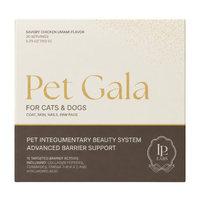
Pet Gala™ is daily visible-care support for skin, coat, and nails—designed for the signals you notice: softness, shine, and a well-kept finish. It fits neatly alongside smart grooming and vet-guided plans when patchiness has a medical driver, helping your dog’s coat look more even and cared-for as part of a consistent routine.

A dog’s coat is one of the clearest, most immediate signs of everyday wellbeing. You notice it in the light on their back, the softness under your hand, and the way the fur sits after a walk. So when shedding becomes uneven—thin patches, bald spots, or a coat that suddenly looks “off”—it’s natural to worry about dog shedding patchy fur coat health.

Patchiness can be as simple as seasonal undercoat release that happens in sections. But it can also be a visible clue that the skin is irritated, your dog is scratching or licking one area repeatedly, or the hair cycle is being disrupted by something bigger. Certain conditions are known to present with patchy fur loss and skin changes, including Cushing’s syndrome. Others can cause sudden, well-defined patches when the immune system targets hair follicles.

This page is designed to help you sort the cosmetic from the concerning, without turning your home into a clinic. You’ll learn what patterns to watch, when to call your veterinarian, and which routines reliably improve what you can see: less loose hair, a smoother lay of coat, and a finish that looks freshly cared-for.

And if you’re wondering why a careful, science-minded owner would still choose a coat supplement after feeding a good diet: because coat quality isn’t only about “enough nutrients.” It’s about consistent, whole-surface support that shows up in daily presentation—shine, softness, and a coat that looks even—especially during seasonal shed or after skin stress.

By La Petite Labs Editorial, ~15 min read

Featured Product:

  • Patchy shedding is different from normal shedding because it changes the coat’s silhouette and texture.
  • The most useful clues are pattern, itch level, odor, scaling, and whether the skin looks inflamed.
  • Some causes are medical (parasites, endocrine, immune), so fast diagnosis can prevent months of trial-and-error.
  • Seasonal coat blow can look patchy, but the skin usually appears normal and comfortable.
  • Gentle brushing and thorough rinse-out bathing are the most reliable visible-improvement levers.
  • Supplements work best as part of a routine that supports the whole skin-coat-nail presentation, not as a “fix.”
  • A science-minded plan can still be beauty-forward: comfort first, then a coat that looks even, soft, and polished.

When Shedding Turns Patchy, the Coat Is Sending a Signal

Patchy shedding can look dramatic: a smooth oval on the flank, thinning behind the ears, or a “moth-eaten” tail. Sometimes it’s seasonal shedding that’s simply uneven. Other times, it’s a visible signal that the skin is irritated, the coat cycle is disrupted, or your dog is over-grooming one spot. When people search dog shedding patchy fur coat health, they’re usually asking one thing: is this cosmetic, or is it a health concern?

A helpful way to sort it out is to look at the whole presentation: itch level, redness, odor, dandruff, new bumps, ear debris, or changes in thirst and appetite. Certain medical conditions can show up as patchy fur loss alongside skin changes, including endocrine disease like Cushing’s syndrome (Shanlly S, 2025). Immune-driven conditions can also create sudden, well-demarcated patches (Scarampella, 2018).

Even when your vet rules out a larger problem, coat quality still matters because it’s what you see and touch every day: softness, shine, and a calm, comfortable skin surface. That’s where consistent grooming, smart bathing, and targeted coat-support routines can make the difference you notice.

Scientific view of skin barrier tied to coat beauty with how to help my dog with shedding fur.

Normal Shedding Versus Patchy Loss: the Visual Differences That Matter

Not all shedding is created equal. Normal shedding tends to be diffuse: you find hair everywhere, but your dog’s coat still looks even. Patchy shedding is different because it changes the silhouette—thin spots, bald circles, or uneven density that catches your eye in photos. Those visible changes are why patchy fur coat in dogs health concerns feel urgent.

Start with pattern recognition. Is the area itchy? Is the skin red, scaly, or greasy? Does it smell “yeasty”? Is the patch in a place your dog can lick or chew? These clues help your veterinarian narrow causes and help you avoid the common trap of over-bathing or switching products too quickly.

If the patch is smooth and sharply defined, immune-related causes are on the list; alopecia areata is known for sudden patchy loss (Mathai M, 2026). If the coat is thinning with other body changes, endocrine causes may be considered. The goal is to match the care to the cause, so the coat can look even again.

Molecular beauty graphic tied to skin and coat support from best ways to reduce dog shedding.

Common Reasons Owners Ask Why Is My Dog Shedding Patchy Fur

Owners often ask why is my dog shedding patchy fur when the dog otherwise seems happy. The answer is that coat cycles can be disrupted without obvious illness, especially when the skin is irritated. Allergens and sensitivities can drive scratching and inflammation that breaks hair and creates uneven density (Langan SM, 2007). Even mild itch can lead to repeated friction in the same spots.

Look for small “supporting actors”: paw licking, face rubbing, frequent ear shaking, or a new dandruff pattern. These signs often show up before a full-body flare. If you notice them, it’s a signal to simplify grooming products, keep the coat clean without stripping, and ask your vet whether allergy management should be part of the plan.

When comfort improves, the coat usually follows. The most reassuring change for owners is not just regrowth—it’s a coat that looks calm, smooth, and consistently cared-for.

Ingredient structure illustration showing beauty formulation behind why is my dog shedding patchy fur.

Reading the Pattern: Location, Texture, and What the Skin Looks Like

The “map” of hair loss matters. Localized patches over the tail base can point toward flea allergy patterns. Circular patches with broken hairs can be consistent with self-trauma from itch. Smooth, non-inflamed patches can raise different questions, including immune-mediated causes. Alopecia areata is described as patchy hair loss associated with immune dysfunction, with characteristic inflammation around hair follicles on histology.

Your veterinarian may recommend skin scraping, cytology, fungal testing, or bloodwork depending on the presentation. That’s not “overkill”—it’s the fastest way to stop guessing. The right diagnosis protects your dog from unnecessary product cycling and helps you choose coat care that supports the skin rather than challenging it.

Once the cause is identified, you can build a routine that makes the coat look even and polished again, which is often what owners want most: visible reassurance.

Close-up of a dog highlighting coat shine and wellness supported by patchy fur coat in dogs health concerns.

Seasonal Coat Blow That Mimics Patchiness in Double-coated Dogs

Seasonal shedding can still look patchy, especially in double-coated breeds that “blow coat” in sections. You might see tufts releasing from the hips or shoulders while other areas stay dense. In these cases, the skin usually looks normal: no redness, no odor, and minimal itch.

The best ways to reduce dog shedding during seasonal shifts are mechanical and gentle: frequent brushing, a bath with thorough rinse-out, and drying that doesn’t overheat the skin. A high-velocity dryer used carefully can lift dead undercoat, but it should never make the skin feel hot or irritated.

If the “patches” are simply areas of undercoat release, you’ll often see quick cosmetic improvement after a few consistent sessions. If the patches expand or the skin looks inflamed, treat it as a health question, not a grooming inconvenience.

The scratching is completely gone, his coat looks healthy and shiny!

— Lena

He was struggling with itching, now he's glowing.

— Grace

“A patchy coat is rarely just hair. It’s a visible clue about comfort, skin balance, and daily care.”

Breakage, Friction, and Grooming Habits That Create Thin Spots

Coat breakage can mimic shedding. When hair shafts become dry or brittle, they snap, leaving thin-looking areas without true follicle-level hair loss. This is common in spots with friction: harness lines, collars, elbows, and areas your dog rubs on furniture. The skin may look fine, but the coat looks uneven and “tired.”

Fixing breakage is about reducing friction and improving finish. Check fit of gear, rotate harness styles, and avoid tight collars. Add a conditioning step if your dog tolerates it, and brush with tools that glide rather than scrape. If you’re wondering how to help my dog with shedding fur, this is one of the fastest cosmetic wins because it changes the look of the coat within weeks of consistent care.

When the coat stops breaking, it starts to lie flatter and reflect light better—small details that make your dog look freshly groomed.

Dog portrait reflecting beauty and wellness support tied to dog fur coat shedding remedies.

Stress, Routine Changes, and Temporary Shifts in Coat Appearance

Stress and routine changes can show up in the coat. After travel, boarding, surgery, or a new household schedule, some dogs shed more and look uneven for a while. The coat cycle is sensitive, and the visible result can be thinning that feels sudden even when the trigger was weeks earlier.

In these moments, the goal is to make care feel steady and pleasant: shorter brush sessions, a predictable bath cadence, and a supplement routine that’s easy to maintain. Owners often notice that when the dog’s daily rhythm settles, the coat looks more uniform and less “ruffled” in photos.

If stress shedding is paired with itch, odor, or inflamed skin, treat it as more than stress and get veterinary input. The coat is a signal, but the skin is the story.

Dog profile photo emphasizing coat shine supported by best supplements for dog shedding issues.

Brushing as Bonding: the Fastest Way to Improve Visible Shedding

Brushing is the most underrated “treatment” for coat appearance because it works immediately: it removes loose hair, distributes oils, and helps you spot new patches early. For dog shedding patchy fur coat health concerns, brushing also gives you a daily read on the skin—whether it feels warm, bumpy, flaky, or tender.

Aim for the kind of brushing your dog enjoys. Use light pressure, follow the lay of the coat, and stop before the skin turns pink. If your dog is sensitive, a damp microfiber cloth wipe-down after brushing can pick up loose hair without extra friction. This is especially helpful for short-coated breeds where shedding is constant but the coat can still look sleek.

When brushing becomes a calm ritual, the coat often looks more even simply because you’re removing what’s ready to release and keeping the surface smooth.

Product overview visual highlighting formulation integrity aligned with patchy fur coat in dogs health concerns.

Bathing for Shine: Clean Rinse-out and a Comfortable Skin Surface

Bathing can either improve coat shine or make patchiness look worse, depending on product choice and technique. A good bath leaves the coat clean, soft, and easy to brush. A bad bath leaves residue, tightness, or flaking that makes shedding more visible.

If your dog has sensitive skin, choose a gentle, dog-formulated shampoo and rinse longer than you think you need. Conditioner can help reduce friction-related breakage, especially on feathering and tails. Avoid essential-oil-heavy formulas unless your veterinarian has specifically recommended them for your dog’s skin, since irritation can worsen scratching and uneven coat density.

The best bathing routine is the one that leaves your dog comfortable and the coat visibly smoother the next day—not just “clean,” but polished.

Choosing Supplements That Support Visible Coat Quality, Not Hype

If you’re comparing the best supplements for dog shedding issues, focus less on hype and more on whether the formula supports visible coat signals: sheen, softness, and less brittle hair that breaks and “snowfalls” onto furniture. Supplements are not a substitute for diagnosing parasites, infection, or endocrine disease, but they can be a meaningful part of a coat care routine once red flags are addressed.

Look for products designed for the integumentary system as a whole (skin, coat, nails), not single-ingredient megadoses. Patchy fur can be influenced by immune-related conditions such as alopecia areata, where inflammation targets hair follicles (Mathai M, 2026). While supplements can’t “fix” that diagnosis, owners often value support that helps the coat look more polished during everyday management.

Choose clear labeling, realistic claims, and a routine you’ll actually keep. Consistency is what turns “I tried something” into “my dog looks well-kept again.”

“The fastest reassurance comes from two things: the right diagnosis and a routine you can keep.”

Lab coat visual symbolizing disciplined formulation supporting dog health and patchy fur coat.

Itch, Allergies, and the Scratch Cycle That Thins the Coat

When patchy shedding is driven by itch, the goal is comfort first, coat second—because a dog who feels itchy will keep scratching, chewing, and thinning the same areas. Common itch amplifiers include environmental allergies and reactions to allergens in fur and dander, which can worsen skin irritation patterns (Langan SM, 2007). You may notice paw licking, face rubbing, or recurring ear debris alongside coat changes.

Supportive care can be simple: rinse after high-pollen walks, keep bedding washed, and use a gentle, dog-appropriate shampoo schedule that doesn’t leave residue. If your dog’s skin looks inflamed, smells yeasty, or the itch is keeping them up at night, that’s a vet visit—not a DIY project.

Once comfort is steadier, coat routines tend to “hold” better: brushing becomes bonding again, and the coat starts to look more even.

Shop Now
Supplement with whole-food visuals emphasizing quality sourcing for patchy fur coat in dogs health concerns.

Parasites and Patchiness: Why Prevention and Testing Matter

Parasites are a classic reason owners ask, “why is my dog shedding patchy fur,” because the pattern can be localized and sudden. Fleas often cause thinning over the rump and tail base. Mites can also be involved, and while one evidence example is in cats, it highlights a broader point: mite-associated shedding and scaling can respond to appropriate veterinary parasiticides (Chuenngam, 2024).

The practical takeaway is not to guess. If you see pepper-like specks, scurf, or your dog is intensely itchy, ask your veterinarian about parasite checks and prevention. Treating the wrong thing wastes time while the coat continues to look uneven.

Once parasites are controlled, supportive grooming and coat nutrition can help the regrowth look smoother and more uniform as it returns.

Shop Now
Pet owner displaying product as part of daily beauty care supported by dog fur coat shedding remedies.

Hormones and Hair: When Coat Changes Suggest a Deeper Issue

Hormonal conditions can change the coat in ways that feel “unfair” because they’re not caused by poor grooming. Cushing’s syndrome, for example, is associated with skin changes and patchy fur loss, and treatment plans can improve quality of life and coat condition depending on the individual dog (Shanlly S, 2025). Owners may also notice a pot-bellied look, increased thirst, or recurrent skin infections.

The coat clue here is symmetry and texture: thinning that appears on both sides, hair that doesn’t regrow well after clipping, or skin that looks darker. If those patterns match what you’re seeing, the best “remedy” is a veterinary workup rather than switching shampoos.

After diagnosis and management, owners often appreciate a gentle, consistent coat-support routine that keeps the visible condition looking cared-for day to day.

Shop Now

Immune-driven Patchiness and Sudden Smooth Bald Spots

Some patchy hair loss is immune-mediated and can appear suddenly, with smooth patches and minimal scaling. Alopecia areata is one example: it’s characterized by patchy hair loss and is believed to involve the immune system targeting hair follicles (Scarampella, 2018). A veterinary diagnosis may involve skin evaluation and, in some cases, biopsy to confirm what’s happening at the follicle level (Mathai M, 2026).

For owners, the emotional part is the “before and after” mirror moment: your dog looks different, even if they feel fine. The right plan depends on the cause and severity, and treatment responses can vary. What you can control is the daily presentation: gentle brushing, avoiding harsh products, and supporting the skin surface so the coat that is present looks glossy and even.

That combination—medical clarity plus visible-care habits—tends to restore confidence fastest.

Grooming Remedies That Improve Shedding Without Irritating Skin

If you’re searching for dog fur coat shedding remedies, prioritize the ones that improve what you can see without irritating what you can’t. Start with tools: a slicker brush for surface coat, an undercoat rake for double-coated breeds, and a soft finishing brush for shine. Brush in short sessions so the skin stays calm and your dog stays relaxed.

Bathing can help when done thoughtfully. Use lukewarm water, rinse thoroughly, and avoid heavy fragrance. Over-bathing can make skin feel tight and can worsen flaking, which then makes shedding look more obvious. If your dog has odor, redness, or greasy scaling, ask your vet whether a medicated shampoo is appropriate rather than experimenting.

The best routines feel like care, not correction: a calm brush-out, a clean coat, and a dog who looks comfortable in their own skin.

Supplement comparison highlighting clean formulation advantages for patchy fur coat in dogs health concerns.

Diet, Environment, and the Everyday Finish You Can See

Diet matters, but “good food” doesn’t always equal “great coat.” Two dogs can eat the same high-quality diet and show very different coat signals due to genetics, grooming, environment, and skin sensitivity. That’s why owners often look for best ways to reduce dog shedding that go beyond the bowl: hydration, humidity control, and a consistent coat-support supplement that fits the dog’s lifestyle.

If your dog’s coat looks dull or breaks easily, you may be seeing a surface-level issue (dryness, friction, over-brushing) rather than “not enough nutrients.” Still, targeted support can help the coat look more polished, especially during seasonal shed or after a stressful event that makes shedding spike.

Think in visible outcomes: less static, smoother lay of coat, and a finish that looks freshly cared-for.

Shop Now
Pet Gala box in open packaging, showing premium presentation for best supplements for dog shedding issues.

When to See the Vet for Patchy Fur and Shedding Changes

Knowing when to call the vet is part of good coat care. Seek veterinary advice promptly if patchy hair loss spreads quickly, the skin is painful, there’s pus or crusting, your dog seems unwell, or you notice systemic changes like increased thirst or a change in appetite—patterns that can accompany endocrine disease (Shanlly S, 2025).

Also call if the patches are perfectly smooth and sharply defined, especially if they appear suddenly. Immune-related causes like alopecia areata can present this way, and diagnosis may require more than a surface look (Scarampella, 2018). Early clarity prevents months of trial-and-error grooming that doesn’t match the real cause.

Once you have a plan, supportive routines can make the coat look more even and cared-for while you follow veterinary guidance.

Shop Now

A Calm Routine for a Coat That Looks Even and Cared-for

A coat is one of the most immediate ways wellbeing shows up. When you’re navigating dog health and patchy fur coat questions, it helps to separate two goals: medical certainty (rule out parasites, infection, endocrine or immune issues) and visible refinement (shine, softness, and a calm skin surface). You don’t have to choose one or the other.

The owners who feel most reassured usually build a simple rhythm: consistent brushing, sensible bathing, clean bedding, and a daily coat-support supplement that’s easy to keep up with. That rhythm is what makes improvements noticeable—less “snow” on dark pants, fewer brittle hairs, and a coat that lies flatter and looks more even.

If you want one decision filter, choose what supports comfort and shows in the mirror: a dog who looks polished, feels good, and is unmistakably well cared-for.

“Visible coat quality is not vanity—it’s one of the clearest ways care shows.”

Educational content only. This material is not a substitute for veterinary advice. Always consult your veterinarian about your dog’s specific needs. These statements have not been evaluated by the Food and Drug Administration. Products mentioned are not intended to diagnose, treat, cure, or prevent any disease.

Glossary

  • Diffuse shedding: Even hair release across the body without obvious bald spots.
  • Patchy shedding: Hair loss or thinning in distinct areas, creating uneven coat density.
  • Coat blow: Seasonal undercoat release in clumps, common in double-coated breeds.
  • Self-trauma: Hair loss caused by scratching, licking, chewing, or rubbing due to discomfort.
  • Friction alopecia: Thinning from repeated rubbing (harness, collar, elbows) rather than disease.
  • Dander (scale): Flaky skin debris that can make shedding look heavier and the coat look dull.
  • Hot spot (acute moist dermatitis): A painful, inflamed skin lesion that can cause sudden localized hair loss.
  • Alopecia areata: Immune-associated condition that can cause sudden, well-defined patches of hair loss.
  • Cushing’s syndrome: Endocrine disorder that can be associated with skin changes and patchy fur loss.

Related Reading

References

Langan SM. The role of furry pets in eczema: a systematic review.. PubMed. 2007. https://pubmed.ncbi.nlm.nih.gov/18087010/

Shanlly S. Effectiveness of Medical Treatment on Survivability in Canine Cushing's Syndrome: A Systematic Review and Meta-Analysis.. PubMed. 2025. https://pubmed.ncbi.nlm.nih.gov/41153881/

Mathai M. Canine Alopecia Areata: A Retrospective Study of Clinical, Histopathological Features and Treatments in 14 Dogs.. PubMed. 2026. https://pubmed.ncbi.nlm.nih.gov/40859783/

Scarampella. Alopecia Areata in a Dog: Clinical, Dermoscopic and Histological Features.. PubMed. 2018. https://pubmed.ncbi.nlm.nih.gov/29765971/

Chuenngam. Successful treatment of non-pruritus, excessive hair shedding and scales in a cat due to <i>Demodex gatoi</i> with fluralaner topical spot-on.. PubMed. 2024. https://pubmed.ncbi.nlm.nih.gov/38751448/

Torres. Molecular and immunological characterization of the first allergenic lipocalin in hamster: the major allergen from Siberian hamster (Phodopus sungorus).. 2014. https://www.mdpi.com/1422-0067/25/13/7218

Outerbridge. Current Knowledge on Canine Atopic Dermatitis: Pathogenesis and Treatment.. Springer. 2021. https://link.springer.com/article/10.1186/s12917-024-04350-y

Hirschberg Y. Oral absorption of CGS-20625, an insoluble drug, in dogs and man.. PubMed. 1995. https://pubmed.ncbi.nlm.nih.gov/8576841/

Rostang A. Pharmacokinetics of low-dose methotrexate in healthy beagle dogs.. PubMed. 2018. https://pubmed.ncbi.nlm.nih.gov/29893406/

Forrest KG. Pharmacokinetics of Intravenous and Transdermal Flunixin Meglumine in Wool and Hair Sheep (Ovis aries).. PubMed. 2025. https://pubmed.ncbi.nlm.nih.gov/40747764/

Bayly. History of Equine Exercise Physiology. 2024. https://www.sciencedirect.com/topics/agricultural-and-biological-sciences/veterinary-pharmacology

Rumbeiha W. A review of class I and class II pet food recalls involving chemical contaminants from 1996 to 2008.. PubMed Central. 2011. https://pmc.ncbi.nlm.nih.gov/articles/PMC3614097/

FAQ

What does dog shedding patchy fur coat health usually indicate?

Patchy shedding means the coat is changing in specific areas rather than evenly across the body. Sometimes that’s seasonal undercoat release, but it can also reflect itch, friction, parasites, or a disrupted hair cycle. The key is whether the skin looks calm and your dog seems comfortable.

After any red flags are checked with your veterinarian, daily coat support can help the coat look smoother and more uniform; many owners pair grooming with Pet Gala™

Why is my dog shedding patchy fur on the sides?

Side patches can come from seasonal coat blow, rubbing from harness pressure points, or licking/chewing due to itch. Symmetrical thinning on both sides can also be a clue that your vet should evaluate hormones or other internal factors, especially if you notice thirst or appetite changes.

Once the cause is addressed, a consistent routine that supports coat finish and softness can make the regrowth look more even, including Pet Gala™

When is patchy shedding a true health concern?

Treat it as urgent if patches spread quickly, the skin is red or painful, there’s odor, crusting, or discharge, or your dog seems unwell. Also call your vet if you see intense itch, hair loss around the eyes, or sudden smooth bald spots that appear overnight.

After medical issues are ruled out or managed, owners often focus on visible comfort and coat polish with daily support like Pet Gala™

Can allergies cause dog shedding patchy fur coat health changes?

Yes. Allergies often show up as itch, paw licking, face rubbing, and recurring ear or skin irritation, which can lead to broken hairs and thin patches. Exposure to allergens in fur and dander can also contribute to skin irritation patterns in sensitive individuals and environments(Langan SM, 2007).

Alongside vet-guided allergy management, many owners maintain coat softness and a cleaner-looking finish withPet Gala™

Do mites or fleas cause patchy fur loss in dogs?

They can. Fleas commonly cause thinning near the tail base, while mites can cause shedding and scaling that may look patchy. Appropriate veterinary parasiticides can improve mite-associated shedding patterns in documented cases(Chuenngam, 2024), which is why diagnosis and prevention matter.

After parasites are controlled, coat-support routines can help the coat look more even as it returns, includingPet Gala™

What is alopecia areata and how does it look?

Alopecia areata is an immune-associated condition that can cause sudden, well-defined patches of hair loss. It’s described as patchy hair loss where the immune system targets hair follicles, with characteristic inflammatory changes seen on examination. Dogs may otherwise act normal, which can make the appearance feel especially surprising.

Your vet can confirm the cause and discuss options; owners often support everyday coat presentation with Pet Gala™

Can Cushing’s disease affect coat quality and shedding patterns?

Yes. Cushing’s syndrome is associated with skin changes and patchy fur loss, and treatment can improve quality of life and coat condition depending on the dog. Owners may also notice increased thirst, a pot-bellied appearance, or recurrent skin infections, which are important clues to share with your veterinarian.

Alongside vet care, many owners choose daily visible-coat support to keep the coat looking smoother, including Pet Gala™

What are the best ways to reduce dog shedding at home?

Brush more often (short sessions), bathe with thorough rinse-out, and keep bedding clean so loose hair and dander don’t build up. Use the right tool for the coat type: slicker for surface, rake for undercoat, and a soft brush to finish. If the skin looks irritated, simplify products and ask your vet before adding more.

For daily coat polish and softness that shows, many owners add Pet Gala™

How can I help my dog with shedding fur gently?

Keep sessions calm and brief, and stop before the skin turns pink. Brush in the direction the coat grows, and use a detangling spray made for dogs if the coat snags. Gentle consistency beats aggressive “one big groom,” especially when patchy areas are already sensitive.

To support a smoother-looking finish between grooming sessions, many owners use daily coat support like Pet Gala™

What supplements are best for dog shedding issues and coat shine?

The best supplements for dog shedding issues are the ones you can use consistently and that support visible coat signals: softness, sheen, and less breakage. They’re most useful after you’ve ruled out parasites, infection, or endocrine causes of patchiness, since supplements can’t replace diagnosis.

For daily skin-coat-nail support designed around visible results, consider Pet Gala™

Is daily use of coat supplements safe for most dogs?

Daily use is often appropriate, but “safe” depends on your dog’s age, diet, and medical history. Dogs with chronic conditions or those taking prescription medications should have supplements cleared by a veterinarian. If your dog develops vomiting, diarrhea, or new itch after starting something, stop and ask your vet.

If you want a routine-friendly option that fits alongside vet guidance, many owners choose Pet Gala™

Are there side effects when starting a shedding supplement?

Some dogs are sensitive to new supplements and may show mild digestive upset at first, such as softer stool. Less commonly, a dog may react to a specific ingredient with itch or ear flare. Introduce one new product at a time so you can tell what’s helping versus what’s not.

If you’re building a steady coat routine, a gentle daily option many owners use is Pet Gala™

Can supplements interact with my dog’s medications?

They can, depending on ingredients and your dog’s prescriptions. If your dog takes medications for endocrine disease, allergies, seizures, or pain, ask your veterinarian before adding any supplement. Bring the label or a photo to your appointment so your vet can check compatibility and avoid doubling up on similar components.

For a coat-focused routine that’s easy to discuss with your vet, many owners consider Pet Gala™

How long until I see coat changes from daily support?

You may notice early changes in feel (softness, less static) within a few weeks, while fuller coat “evenness” usually follows the hair cycle and can take longer. If patchiness is driven by itch, parasites, or hormones, visible improvement depends on addressing that root cause first.

For owners who want steady, noticeable coat support as part of a routine, Pet Gala™

What quality signals should I look for in coat products?

Look for clear labeling, realistic claims, and a product designed for skin and coat rather than vague “miracle” promises. Avoid formulas that rely on heavy fragrance to feel premium, since sensitive dogs can react. The best quality signal is that the routine is easy enough to keep daily.

If you want a simple daily option built around visible coat presentation, consider Pet Gala™

How should I give a coat supplement to picky dogs?

Make it part of a predictable ritual: same time, same place, paired with something your dog already loves (a meal, a walk, or a quiet cuddle). If your dog is suspicious, start with a small amount mixed into food and build up gradually. Consistency matters more than “perfect” administration.

For a routine-friendly option many owners incorporate into daily feeding, try Pet Gala™

Does age change dog shedding patchy fur coat health patterns?

Yes. Puppies can have uneven coat transitions as adult hair comes in, while seniors may show slower regrowth and more noticeable thinning. In older dogs, patchiness paired with changes in thirst, appetite, or recurrent infections should be discussed with a veterinarian because endocrine issues can affect coat quality.

For age-appropriate daily coat polish and comfort support, many owners use Pet Gala™

Do certain breeds get patchy coat issues more often?

Some breeds are more prone to heavy seasonal shedding, while others have coat types that show thinning quickly (short coats, fine coats, or sparse furnishings). Breed can also influence sensitivity to allergies or immune-related coat changes, which is why pattern and skin appearance matter more than breed alone.

To keep any coat type looking smoother and more polished day to day, many owners choose Pet Gala™

Is patchy fur loss in cats the same as dogs?

Not always. Cats commonly over-groom from stress or itch, creating barbered patches, while dogs more often show patchiness from shedding patterns, scratching, parasites, or underlying medical issues. Mites can contribute to shedding and scaling in documented feline cases(Chuenngam, 2024), but species-specific diagnosis is important.

For dog-focused daily coat presentation support, many owners rely onPet Gala™

What’s a simple decision framework for patchy coat concerns?

Ask three questions: Is my dog uncomfortable (itch, pain, sleep disruption)? Does the skin look abnormal (redness, odor, crusts)? Are there body-wide changes (thirst, appetite, energy)? If any answer is yes, start with your veterinarian. If all are no, focus on gentle grooming, friction reduction, and consistent coat support.

To support visible coat softness and polish while you follow that plan, consider Pet Gala™

When should I call the vet about sudden bald patches?

Call promptly if bald patches appear suddenly, are sharply defined, or keep expanding. Immune-related causes like alopecia areata can present as sudden patchy loss, and endocrine disease can also affect coat quality with other signs. Fast evaluation helps you avoid wasting time on products that don’t match the cause.

After you have a diagnosis and plan, many owners maintain coat presentation with daily support like Pet Gala™

5K+ Happy Pet Parents

Excellent 4.8

Dog Shedding, Patchy Fur & Coat Health | Why Thousands of Pup Parents Trust Pet Gala™

"It's so good for his coat, and so easy to mix into food."

Alex & Cashew

"Gives him that glow from head to tail!"

Elisabeth & Chai

"The scratching is completely gone, his coat looks healthy and shiny."

Lena & Bear

"Magical. He was struggling with itching and shedding. Now he's literally glowing."

Grace & Ducky

"It's so good for his coat, and so easy to mix into food."

Alex & Cashew

"Gives him that glow from head to tail!"

Elisabeth & Chai

"The scratching is completely gone, his coat looks healthy and shiny."

Lena & Bear

"Magical. He was struggling with itching and shedding. Now he's literally glowing."

Grace & Ducky

"It's so good for his coat, and so easy to mix into food."

Alex & Cashew

"Gives him that glow from head to tail!"

Elisabeth & Chai

"The scratching is completely gone, his coat looks healthy and shiny."

Lena & Bear

"Magical. He was struggling with itching and shedding. Now he's literally glowing."

Grace & Ducky

"It's so good for his coat, and so easy to mix into food."

Alex & Cashew

"Gives him that glow from head to tail!"

Elisabeth & Chai

"The scratching is completely gone, his coat looks healthy and shiny."

Lena & Bear

"Magical. He was struggling with itching and shedding. Now he's literally glowing."

Grace & Ducky

SHOP NOW