Dog Dull Coat

Identify the Biological Reason Coat Shine Fails, Then Correct It

Essential Summary

Why is it important to address a dog’s dull coat?

A dog dull coat is usually a visible signal that something in daily care needs adjusting—grooming rhythm, skin comfort, diet quality, or a hidden irritant. Because coat shine reflects both nutrition and skin balance, small changes can make a noticeable difference. If itch, odor, hair loss, or sudden changes appear, a vet check is the smartest next step.

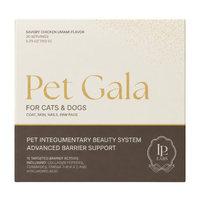
Pet Gala™ is designed for owners who want visible, everyday support for skin, coat, and nails—so care shows up where you can see it: a healthier sheen, a softer feel, and a more polished look between grooms.

A dog dull coat can feel surprisingly personal. You know your dog’s “normal” in the way you know your own face: the shine that catches the sun, the softness under your hand, the tidy look that says they’re comfortable and well cared for. When that changes, it’s natural to wonder if you missed something—or if something bigger is going on.

Most of the time, the answer is practical. Coat appearance is a visible signal shaped by grooming rhythm, skin comfort, and diet consistency. Nutrient composition in dog diets can influence coat health, and deficiencies or imbalances may show up as a less glossy coat. But the coat is also where stress, parasites, allergies, and bathing habits leave fingerprints. That’s why the best approach isn’t a single “miracle” fix—it’s a calm, observant reset that prioritizes comfort and restores the polished look you’re used to seeing.

And if you’re a science-minded owner thinking, “If my food is complete, why add anything?”—here’s the honest answer: real-world feeding isn’t a lab. Dogs skip meals, formulas vary, seasons change, and individual skin needs differ. A dedicated skin-coat-nail supplement can support visible condition beyond single-nutrient math, helping daily care show up as softness, luster, and a well-kept finish you can actually see.

By La Petite Labs Editorial, ~15 min read

Featured Product:

  • A dull coat is a visual cue: less shine, rough texture, and uneven lay.
  • Common causes include grooming mismatch, seasonal shed, parasites, and skin irritation.
  • Diet quality matters, and nutrient variation can influence coat appearance.
  • Essential fatty acids are closely tied to coat luster and softness.
  • Red flags—odor, sores, bald patches, intense itch—warrant a veterinary visit.
  • Track progress with consistent lighting photos and a steady grooming routine.
  • A targeted skin-coat-nail formula can support visible finish beyond single nutrients.

When Your Dog’s Coat Loses Shine, the Details Matter Most

A dull coat dog moment is usually first noticed in the light: the fur looks flat, feels dry, and stops “moving” the way a well-kept coat does. Sometimes the change is gradual; other times it shows up after a season shift, a stressful month, or a diet change. The good news is that visible coat quality often responds to practical, everyday care—because shine is a signal of comfort, grooming rhythm, and consistent nutrition, not a mysterious trait you either have or don’t.

This page breaks down the most common reasons dull coat in dogs happens, what you can check at home, and when it’s time to loop in your veterinarian. You’ll also see why a “complete” diet can still leave room for targeted skin-and-coat support: real life includes picky appetites, variable formulas, seasonal shedding, and individual sensitivity. Diet nutrient composition can influence coat appearance, and gaps—especially around fats—can show up as reduced luster (German K, 2025).

Visualization of beauty nutrition illustrating support pathways for dull coat dog.

What a Dull Coat Looks Like in Real Life Lighting

When people say their dogs coat is dull, they’re usually describing a cluster of visible changes: reduced shine, a rougher feel, more shedding, or a dusty look that doesn’t brush out. Sometimes the coat also looks “open,” meaning you can see more skin between hairs, or it clumps instead of lying smoothly.

Coat appearance is influenced by hair structure, skin oil balance, grooming, and nutrition. Diet plays a role because the coat is made of protein and supported by fats and micronutrients; when diets vary in nutrient levels, coat quality can vary too (German K, 2025). Still, a dull coat dog isn’t automatically a sign of a “bad” diet—stress, parasites, allergies, and bathing habits can create the same look.

Beauty structure visual linked to skin and coat support mechanisms in why is my dogs coat dull.

The Most Common Reasons Coats Turn Matte and Rough

The most common reasons for dull coat in dogs fall into a few buckets: grooming mismatch, low-quality fats in the diet, skin irritation (allergies or infections), parasites, and underlying medical conditions. The trick is that many of these can overlap. A dog can have mild seasonal allergies and also be eating a diet that’s technically complete but not delivering the visible coat finish you expect.

Start by noticing what else changed around the same time as the coat: a new food, a move, a new shampoo, a new dog park routine, or a stressful event. Those clues often narrow the search faster than guessing supplements at random. If the coat change is paired with itch, odor, hair loss, or skin sores, treat it as a veterinary problem first.

Molecular design image tied to beauty support pathways in dogs coat is dull.

Nutrition and Fat Quality: the Foundation of Visible Coat Luster

Nutrition is one of the most direct levers for coat shine because it changes what the body has available to build and maintain hair. Essential fatty acids are especially associated with coat condition; when they’re lacking, coats may look drier and less glossy (German K, 2025). That doesn’t mean every dull coat dog needs “more oil,” but it does mean fats and fat quality matter.

Even among foods labeled complete and balanced, nutrient levels can vary by formula and life stage, which may affect coat quality for some dogs. If your dog is picky, eats inconsistently, or recently switched diets, the coat may be the first place you see the difference. A thoughtful supplement can support visible coat goals while you keep the core diet stable.

Expressive dog face reflecting beauty support associated with dogs coat is dull.

Protein, Calories, and Absorption: When the Coat Lacks Building Blocks

Protein matters for coat structure, but “more” isn’t always the answer. The coat can look lackluster when the overall diet is low in quality, when a dog isn’t absorbing nutrients well, or when calories are insufficient for their needs. You may notice a thinner look, slower regrowth after grooming, or a coat that breaks easily.

If you suspect a diet issue, focus on consistency first: a reputable food, measured portions, and minimal table scraps that dilute nutrient density. Then look for visible signals—less dandruff, smoother feel, and a more even sheen. If digestive signs (vomiting, diarrhea, weight loss) accompany coat changes, involve your veterinarian to rule out malabsorption or disease.

The scratching is completely gone, his coat looks healthy and shiny!

— Lena

He was struggling with itching, now he's glowing.

— Grace

“Shine Isn’t Vanity—It’s A Visible Signal Of Comfort, Care, And Consistency.”

Dry Skin and Flaking: Why Comfort and Shine Often Move Together

Hydration and skin comfort are quiet drivers of shine. When skin is dry or irritated, the coat can look dusty and feel brittle. You might see flaking, static, or a “straw-like” texture even after brushing. Indoor heating and low humidity can make this worse in winter.

Support can be simple: ensure fresh water access, consider a humidifier in very dry homes, and use grooming products designed for dogs. If flaking is persistent or paired with redness, odor, or itch, ask your vet about skin infections or dermatitis. Comfort comes first; shine tends to follow.

Dog portrait symbolizing beauty and wellness support from why is my dogs coat dull.

Seasonal Shed Cycles That Temporarily Change Coat Texture

Seasonal shedding can temporarily make a coat look dull, especially during the “blow coat” period when undercoat releases in clumps. The topcoat may look uneven, and the overall finish can appear matte until the new coat settles in. This is common in double-coated breeds, but any dog can look less glossy during heavy shed cycles.

During these weeks, brushing becomes less about aesthetics and more about keeping the skin comfortable and preventing matting. A de-shedding tool used gently (and not too aggressively) can help. If shedding is extreme, patchy, or paired with bald spots, it’s time to rule out parasites, allergies, or endocrine issues.

Dog looking radiant, capturing beauty and presence supported by dull coat dog.

Stress and Routine Changes That Show up on the Outside

Stress can show up on the coat. Big changes—travel, a new baby, moving, boarding, or a new pet—can shift grooming behavior and appetite, and that can translate into a duller look. Some dogs lick or chew more when anxious, which breaks hairs and creates uneven texture.

If the timing fits, focus on calming routines: predictable walks, gentle brushing sessions, and stable feeding. The coat often rebounds when the household rhythm settles. If anxiety is significant, your veterinarian can help you explore behavior support options so your dog feels as good as they look.

Supplement overview graphic emphasizing beauty ingredients aligned with dull coat dog.

Buildup, Grime, and Overwashing: When Clean Still Looks Dull

Sometimes the simplest answer to “why is my dogs coat dull” is that the coat is dirty in a way brushing can’t fix: product buildup, environmental grime, or oils trapped under a dense undercoat. In these cases, the coat can look flat and feel heavy rather than dry.

A well-timed bath with a gentle dog shampoo, followed by complete rinsing and drying, can restore bounce and shine quickly. If the coat becomes greasy again within days, or if there’s a strong odor, talk with your vet about possible skin infection or seborrhea. Cosmetic changes that recur fast often have a medical or microbiome component.

Grooming Choices That Restore a Polished, Touchably Soft Finish

If you’re asking, “why is my dogs coat dull,” don’t overlook the basics of grooming tools and technique. A brush that matches coat type can lift debris, distribute natural oils, and reveal the undercoat that’s ready to shed. For many dogs, a short daily brush is more effective than a long weekly session—less tugging, more comfort, and a more consistent sheen.

Bathing can help or hurt depending on frequency and product choice. Over-bathing or harsh shampoos can leave the coat squeaky but stripped, which reads as dull in sunlight. If you bathe at home, aim for thorough rinsing and a conditioner suited to dogs, then dry completely to avoid lingering dampness that can irritate skin. The goal is a coat that looks polished and feels soft, not just “clean.”

“When The Coat Changes Fast, Look For Itch, Odor, Or Patchiness—Not Just Dryness.”

Professional uniform showing commitment to quality in support of dull coat in dogs.

Parasites and Itch: When the Coat Change Has a Clear Cause

Parasites are a classic reason a dog’s coat loses its glow. Fleas, mites, and even heavy tick exposure can lead to scratching, broken hairs, and patchy texture. Sometimes you’ll see obvious itching; other times the only clue is a coat that looks tired and uneven, especially along the back and tail base.

Because parasite control is both a comfort issue and a household issue, it’s worth discussing prevention choices with your veterinarian—especially if you have other pets or frequent parks and trails. If you spot flea dirt, hair loss, scabs, or persistent scratching, treat it as a medical conversation, not a cosmetic one. Once the skin calms, supportive coat care can help the visible finish return.

Shop Now
Ingredient still life illustrating clean formulation principles for dull coat dog.

Allergies and Sensitivities That Quietly Flatten Coat Appearance

Allergies and sensitivities can make the coat look dull even when you’re doing everything “right.” When skin is irritated, dogs may lick, rub, or scratch—breaking hairs and disrupting the smooth lay of the coat. You might also notice redness, ear issues, or a recurring “yeasty” smell that comes and goes.

The most helpful mindset is to focus on patterns: seasonality, new foods, new detergents, or a move to a different environment. Your vet may recommend diet trials, topical care, or medications depending on severity. While you work on triggers, gentle grooming and skin-supportive nutrition can keep the coat looking more even and touchably soft.

Shop Now
Lifestyle image showing supplement use in real homes supported by why is my dogs coat dull.

Internal Health Clues That Can Show up in the Coat First

Hormonal and internal health issues can show up as coat changes—sometimes before anything else feels “wrong.” Conditions like hypothyroidism or Cushing’s disease may be associated with thinning hair, slower regrowth, or a coat that looks dry and lifeless. These are not problems to self-diagnose from appearance alone, but coat quality can be a useful prompt to check in.

If dull coat in dogs is paired with weight changes, unusual thirst, lethargy, recurrent infections, or symmetrical hair loss, schedule a veterinary visit. Bloodwork and a physical exam can clarify what’s going on. When medical issues are addressed, supportive daily care helps the visible “finish” catch up to how your dog feels.

Shop Now

Age, Life Stage, and the Changing Look of a Familiar Coat

Age and life stage matter. Puppies often have a softer, changing coat; seniors may develop a drier texture or slower turnover that makes shine harder to maintain. Pregnancy, lactation, and recovery from illness can also redirect resources away from coat appearance for a while.

This is where “visible care” becomes a reassuring ritual rather than a chase for perfection. Consistent grooming, comfortable bathing intervals, and steady nutrition can make an older dog look more like themselves again—well-kept, fresh, and touchable. If the change is sudden or dramatic, treat it as a reason to check in with your vet rather than assuming it’s “just age.”

Environment and Friction: the Hidden Wear and Tear on Fur

Environment can flatten a coat faster than most people expect. Dry indoor heat, frequent swimming, sun exposure, and even friction from harnesses or bedding can roughen hair shafts. In multi-dog homes, play can also create breakage around the neck and shoulders where mouths and paws land.

Small changes can restore a more polished look: rinse after chlorinated pools, dry thoroughly after rain, rotate harness fit points, and wash bedding with a fragrance-free detergent. If your dog’s coat is dull mainly in specific areas, think “contact and friction” before you assume it’s a whole-body nutrition problem.

Supplement comparison highlighting clean formulation advantages for why is my dogs coat dull.

A Simple At-home Check for Skin, Coat, and Nail Signals

A quick at-home check can help you decide what to do next. Part the fur and look at the skin: is it pink and calm, flaky, red, or greasy? Run your hands against the coat: do you feel dandruff, broken hairs, or a sticky residue? Smell can be informative too—persistent odor can suggest skin imbalance that deserves attention.

Also check nails and paw pads. When the integumentary system is thriving, nails tend to look smoother and pads feel more supple—signals that often travel together with coat shine. If you see sores, oozing, significant hair loss, or intense itch, skip the home experiment phase and call your veterinarian.

Shop Now
Pet Gala in protective wrap, emphasizing quality behind dull coat dog.

What Improvement Looks Like When You Track the Right Signals

What should you expect once you make changes? Coat appearance usually improves in layers: first less itch and less shedding around the house, then softer texture, then more consistent shine in natural light. Because hair growth cycles take time, the “new” coat may show up first along the back and shoulders where you brush most.

If you’re adding a skin-and-coat supplement, take photos in the same lighting every week and note grooming frequency. The goal isn’t a dramatic overnight transformation; it’s a steady return to a coat that looks cared-for and feels comfortable to your dog. If nothing changes after several weeks, or if things worsen, it’s worth a vet check to look for underlying causes.

Shop Now

Bringing Back Shine with Consistent Care and Smart Support

A coat that looks vibrant is one of the clearest, most satisfying signals of daily wellbeing. When you address the basics—grooming fit, parasite prevention, gentle bathing, and nutrition—you’re not chasing vanity; you’re restoring comfort and presentation at the same time. And when you want support that’s designed for visible results across skin, coat, and nails, it helps to choose a formula built for that purpose rather than a single-ingredient fix.

If you’re unsure where to start, begin with a vet check when red flags are present, then commit to a simple routine you can keep. Consistency is what makes the coat look “like your dog” again—soft, glossy, and easy to touch.

“The Best Routine Is The One You Can Keep: Gentle Grooming Plus Daily Visible Support.”

Educational content only. This material is not a substitute for veterinary advice. Always consult your veterinarian about your dog’s specific needs. These statements have not been evaluated by the Food and Drug Administration. Products mentioned are not intended to diagnose, treat, cure, or prevent any disease.

Glossary

  • Dull Coat: A matte, flat-looking coat with reduced shine and often a rough feel.
  • Topcoat: The outer layer of fur that reflects light and largely determines visible shine.
  • Undercoat: The softer insulating layer that sheds seasonally and can make coats look uneven.
  • Sebum: Natural skin oils that help hair lie smoothly and contribute to luster.
  • Dander: Tiny skin flakes that can appear as “dandruff” in the coat.
  • Essential Fatty Acids: Dietary fats dogs must obtain from food that support skin and coat condition.
  • Hot Spot: A localized, inflamed skin area often linked with licking, moisture, and irritation.
  • Pruritus: The medical term for itching, a common driver of coat breakage and dullness.
  • Matting: Tangled fur that traps moisture and debris, making the coat look flat and feel uncomfortable.

Related Reading

References

Mota-Rojas. Anthropomorphism and Its Adverse Effects on the Distress and Welfare of Companion Animals.. Nature. 2021. https://www.nature.com/articles/s41598-025-27388-w

German K. Exploratory analysis of nutrient composition of adult and senior dog diets.. PubMed Central. 2025. https://pmc.ncbi.nlm.nih.gov/articles/PMC12757753/

Mansilla WD. Adult dogs of different breed sizes have similar threonine requirements as determined by the indicator amino acid oxidation technique.. PubMed Central. 2020. https://pmc.ncbi.nlm.nih.gov/articles/PMC7085255/

FAQ

What Is A Dog Dull Coat, And What Does It Look Like?

A dog dull coat typically looks matte instead of glossy, and it may feel dry, rough, or dusty even after brushing. You might also notice more shedding, small flakes, or fur that clumps rather than lying smoothly.

Because coat shine reflects both skin comfort and daily care, it helps to pair grooming with supportive nutrition aimed at visible finish, such as Pet Gala™.

Why Does Coat Shine Matter For My Dog’s Comfort?

Shine is often a visible sign that the skin surface is calm and the hair shafts are lying smoothly. When the coat looks flat or brittle, it can coincide with dryness, itch, or breakage that makes grooming and movement less comfortable.

If you want support that shows up in everyday presentation—softness, luster, and a more polished look—consider a skin-coat-nail approach like Pet Gala™.

Why Is My Dogs Coat Dull Even With Good Food?

Even reputable diets can differ in nutrient levels by formula and life stage, and those differences can affect coat appearance for some dogs. Beyond diet, grooming habits, seasonal shedding, indoor dryness, parasites, and allergies can all make the coat look less glossy.

For owners who want consistent visible support without constantly changing foods, a daily skin-and-coat supplement can complement a stable diet, including Pet Gala™.

Can Seasonal Shedding Make A Dog Dull Coat Appear Suddenly?

Yes. During heavy shed cycles, undercoat release can make the topcoat look uneven and matte, especially in double-coated breeds. The coat may feel less smooth until the new growth settles and loose hair is brushed out.

A steady brushing routine plus nutrition that supports a soft, glossy finish can make this phase look and feel better, and many owners pair that with Pet Gala™.

Do Essential Fatty Acids Affect Coat Shine In Dogs?

They can. Essential fatty acids are associated with maintaining a healthy coat, and inadequate intake may contribute to a drier, less glossy look. That said, the goal isn’t to chase a single nutrient—it’s to support overall skin balance so the coat looks smooth and touchable.

If you want a broader, visible-care approach beyond one ingredient, consider a formula designed for skin, coat, and nails such as Pet Gala™.

Is A Dull Coat Dog Always A Sign Of Illness?

Not always. A dull coat dog can reflect grooming mismatch, seasonal shedding, or dry indoor air. But if you also see hair loss, strong odor, sores, intense itch, weight change, or low energy, it’s smart to schedule a veterinary exam to rule out skin disease or internal issues.

Once medical causes are addressed, daily visible-support routines—grooming plus targeted nutrition—can be reinforced with Pet Gala™.

What Skin Signs Should I Check With A Dull Coat?

Part the fur and look for redness, flakes, greasy residue, scabs, or a strong smell. Also note where the coat looks worst (tail base, belly, paws), since location can hint at parasites, allergies, or friction from gear.

If the skin looks inflamed or your dog is uncomfortable, involve your veterinarian; for ongoing visible support alongside routine care, many owners add Pet Gala™.

Could Fleas Or Mites Be Behind Dull Coat In Dogs?

Yes. Parasites can trigger scratching and inflammation that breaks hairs and makes the coat look uneven or patchy. Some dogs itch intensely, while others show subtler signs like a rough texture along the back or tail base.

Because parasite control is a medical decision, talk with your veterinarian about prevention and treatment; once the skin settles, visible coat support can be complemented with Pet Gala™.

Can Allergies Make My Dogs Coat Is Dull And Dry?

They can. Allergies and sensitivities may cause licking, rubbing, and scratching that disrupts the coat’s smooth surface. You may also notice ear issues, paw chewing, or recurring skin odor that comes and goes with seasons or exposures.

Work with your vet on triggers and relief strategies, and consider daily visible-care support to keep the coat looking more even, including Pet Gala™.

How Long Until I See Improvement In A Dog Dull Coat?

You may notice early changes like softer feel and less flaking within a few weeks, while fuller shine often follows as new hair grows in. Photos in the same lighting can help you see progress that’s easy to miss day to day.

If there’s no improvement or signs worsen, schedule a vet visit to look for underlying causes; for consistent visible support during your routine, consider Pet Gala™.

What Grooming Habits Most Often Cause A Dull Coat Dog?

Common culprits include using the wrong brush for the coat type, brushing too infrequently during shed season, and bathing too often with harsh shampoos. Any of these can leave hair shafts rough or strip the coat’s natural finish.

Aim for gentle, consistent grooming that your dog tolerates well, and pair it with nutrition that supports a polished look, such as Pet Gala™.

Is It Safe To Give Skin And Coat Supplements Daily?

Daily use is common for skin-and-coat products, but the right choice depends on your dog’s diet, health history, and any medications. If your dog has pancreatitis history, food sensitivities, or chronic disease, ask your veterinarian before adding new supplements.

For owners seeking a consistent, visible-care routine that fits alongside a complete diet, you can discuss options like Pet Gala™ with your vet.

What Side Effects Should I Watch For With Coat Supplements?

The most common issues owners report with new supplements are mild digestive changes, like softer stool or reduced appetite, especially if introduced abruptly. Any vomiting, persistent diarrhea, facial swelling, or hives should be treated as a reason to stop and contact your veterinarian.

Introduce new products gradually when possible and keep your vet informed; for a skin-coat-nail option designed for visible support, consider Pet Gala™.

Can Supplements Interact With My Dog’s Medications Or Diet?

They can, depending on ingredients and your dog’s health status. Dogs on prescription diets, anticoagulants, anti-seizure medications, or long-term anti-inflammatory plans should have any supplement reviewed by a veterinarian to avoid unwanted overlaps.

If your goal is simply a more polished coat and comfortable skin, your vet can help you choose a compatible option, including Pet Gala™.

How Much Should I Give For A Dull Coat Supplement?

Follow the product label directions and your veterinarian’s guidance rather than calculating your own dose. “More” doesn’t equal “shinier,” and over-supplementing can create digestive upset or imbalance, especially when combined with fortified foods.

If you’re building a consistent routine for visible coat support, use the labeled serving for your dog’s size and consider Pet Gala™ as part of that plan.

Does Age Change Coat Shine And Texture In Dogs?

Yes. Puppies may have a changing coat that looks uneven during growth, while seniors can develop slower hair turnover and a drier feel. Life events like recovery from illness can also temporarily reduce coat luster.

A steady grooming rhythm and a skin-coat-nail support routine can help older dogs look more like themselves again, including Pet Gala™.

Do Certain Breeds Get Dull Coats More Easily Than Others?

Some coat types show dullness faster. Double coats can look matte during shedding, curly coats can appear dry if not conditioned, and long coats can lose shine from friction and tangles. Breed tendencies also influence skin sensitivity and grooming needs.

Matching tools and bathing frequency to coat type, plus consistent visible-support nutrition, can make a noticeable difference—many owners use Pet Gala™ for that daily finish.

Can I Use Dog Coat Products For Cats With Dull Fur?

Don’t assume dog products are appropriate for cats. Cats have different sensitivities and grooming behaviors, and some ingredients that are fine for dogs can be risky for cats. If your cat’s coat looks dull, ask your veterinarian for cat-specific guidance.

For dogs specifically, a targeted skin-coat-nail routine can support visible coat quality, including Pet Gala™.

What Are Quality Signals Of A Healthy, Shiny Coat?

Look for a consistent sheen in natural light, a soft feel without greasiness, minimal flaking, and hair that lies smoothly after brushing. The skin underneath should look calm rather than red or scabby, and your dog should seem comfortable, not itchy.

If you want to reinforce those visible signals between grooms, a daily skin-coat-nail supplement can help support the finish, such as Pet Gala™.

How Should I Give Pet Gala For Best Coat Results?

For best consistency, give it at the same time each day and pair it with a routine your dog already enjoys, like breakfast or a calm evening wind-down. If your dog has a sensitive stomach, introducing any new supplement gradually can be gentler.

Combine daily use with regular brushing so improvements in softness and shine are easy to notice, and use the labeled directions for Pet Gala™.

5K+ Happy Pet Parents

Excellent 4.8

Dog Dull Coat | Why Thousands of Pup Parents Trust Pet Gala™

"It's so good for his coat, and so easy to mix into food."

Alex & Cashew

"Gives him that glow from head to tail!"

Elisabeth & Chai

"The scratching is completely gone, his coat looks healthy and shiny."

Lena & Bear

"Magical. He was struggling with itching and shedding. Now he's literally glowing."

Grace & Ducky

"It's so good for his coat, and so easy to mix into food."

Alex & Cashew

"Gives him that glow from head to tail!"

Elisabeth & Chai

"The scratching is completely gone, his coat looks healthy and shiny."

Lena & Bear

"Magical. He was struggling with itching and shedding. Now he's literally glowing."

Grace & Ducky

"It's so good for his coat, and so easy to mix into food."

Alex & Cashew

"Gives him that glow from head to tail!"

Elisabeth & Chai

"The scratching is completely gone, his coat looks healthy and shiny."

Lena & Bear

"Magical. He was struggling with itching and shedding. Now he's literally glowing."

Grace & Ducky

"It's so good for his coat, and so easy to mix into food."

Alex & Cashew

"Gives him that glow from head to tail!"

Elisabeth & Chai

"The scratching is completely gone, his coat looks healthy and shiny."

Lena & Bear

"Magical. He was struggling with itching and shedding. Now he's literally glowing."

Grace & Ducky

SHOP NOW