How to Make a Dog's Coat Shiny

Identify What’s Dulling the Coat, Then Rebuild Shine with Targeted Care

Essential Summary

Why is it important to know how to make a dog’s coat shiny?

Coat shine is a surface signal built by consistent care: the right brush, a non-stripping bath routine, and nutrition that supports healthy hair. Focus on softness, smooth lay, and comfortable skin—those are the cues you can see and feel. When basics are steady, targeted support can help the polished look show up more reliably.

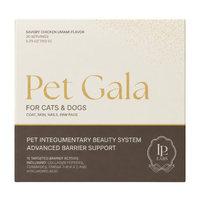
Pet Gala™ is designed for visible coat confidence—supporting shine, softness, and that well-kept finish that shows up in everyday light. It fits alongside good food and grooming, helping your dog’s skin, coat, and nails look consistently cared-for rather than “good only right after a bath.”

If you’re wondering how to make a dog's coat shiny, start with a 7-day plan that targets grooming technique, bathing residue, and a quick diet check—while watching for red flags that need a vet. “Shine” can be purely cosmetic (buildup, dryness, friction) or it can be a clue that the skin barrier is irritated. The goal over the next 7–14 days is to remove what’s dulling the hair shaft, reduce breakage, and support comfortable skin so natural oils can distribute evenly.

Focus first on what you can change fast: brush to lift debris and spread oils, bathe in a way that prevents residue, and dry without creating friction. In parallel, confirm basics that affect coat quality: consistent calories, adequate protein, and no sudden diet changes that trigger loose stool.

Separate routine fixes from red flags. Contact your veterinarian if you see intense itching, scabs, sores, hair loss in patches, a strong odor that returns quickly after bathing, ear infections, or a sudden change in coat texture paired with lethargy or weight change. If none of those are present, most dogs show noticeable improvement within a week when residue control and gentler handling are dialed in.

By La Petite Labs Editorial, ~15 min read

Featured Product:

  • Shine is mostly a surface effect: smooth hair, minimal residue, and fewer tangles reflect light better.
  • Brushing is the quickest visible upgrade, especially when your tool matches your dog’s coat type.
  • Bathing should clean without stripping; thorough rinsing and gentle drying protect softness.
  • Food quality matters: protein and fatty acids support coat appearance and luster.
  • Micronutrients like biotin and zinc can influence coat presentation when needs aren’t met.
  • Itch, odor, redness, or patchy hair suggest a skin issue—address comfort before cosmetics.
  • A targeted product can help consistent results show up between grooms, not just after them.

Shine Killers: Residue, Breakage, and Dryness (What to Fix First)

Most “dull coat” problems fall into a few fixable buckets. Start with the ones that change fastest.

1) Product buildup + poor technique: Shampoos, conditioners, sprays, and even medicated products can leave product buildup if you use too much, skip dilution, or don’t do a proper rinse. At-home check: after your dog is fully dry, run a clean damp white cloth along the coat—if it picks up film or feels tacky, suspect residue. Fix: dilute shampoo as directed, lather lightly, and rinse longer than you think you need (especially under the collar, armpits, groin, and tail base).

2) Breakage from friction: Rough brushing, de-matting without slip, rubbing with towels, or letting a harness rub can create breakage that makes the coat look fuzzy. At-home check: look for “halo frizz” on the topline and behind elbows; feel for rough ends.

3) Dryness from environment + bathing habits: Low humidity, frequent hot-water baths, and high-heat blow drying can dry the skin and hair. At-home check: static, dandruff, or a coat that feels crisp. Fix: use lukewarm water, extend time between baths when possible, and consider a humidifier in dry seasons.

Skin and coat health illustration showing beauty support linked to how to get a shiny coat on a dog.

A Simple Routine That Works: Brush → Bathe Correctly → Dry Without Friction

Use this sequence to improve shine without over-handling the coat.

1) Brush first (dry coat): Brush before bathing to remove loose hair and debris so shampoo can rinse clean. Use a slicker or pin brush for longer coats, a rubber curry for short coats, and a comb to check for tangles behind ears and at friction points.

2) Bathe for clean, not squeaky: Wet thoroughly to the skin, then apply diluted shampoo. Work in sections and avoid piling hair on top of itself. Rinse until water runs clear, then rinse again—residue is a common reason coats look dull.

3) Conditioner placement matters: Apply conditioner mainly to mid-lengths and ends (where dryness and breakage show), using a lighter touch near the roots unless your vet has directed otherwise. Rinse to a “slip” feel, not a coated feel.

4) Dry gently: Towel-dry by blot—don’t rub. For blow drying, use cool/low heat and keep the dryer moving at a comfortable distance.

5) Coat-specific drying: Double-coated dogs often do best with thorough drying to prevent trapped moisture; curly or long-coated dogs may benefit from gentle brushing while slightly damp to prevent tangles (avoid aggressive brushing on wet, fragile hair).

Close-up collagen structure tied to skin support from how to make dog's coat shiny and soft.

Brushing That Shows: Tools and Technique for Instant Polish

Brushing is the fastest way to improve how a coat looks today. It lifts out dead hair, spreads natural oils along the hair shaft, and smooths the cuticle so the coat reflects light more evenly. Choose tools based on coat type: rubber curry for short coats, slicker for medium/long coats, undercoat rake for double coats, and a wide-tooth comb for finishing.

If your goal is how to make dog's coat shiny and soft, end each session with a gentle pass in the direction the hair grows. That final “polish” step is where softness becomes obvious to the hand. Keep sessions short and calm; a dog who enjoys grooming will let you do it often enough for the results to stick.

Molecular design image tied to beauty support pathways in how to make dog's coat shiny and soft.

Bathing Without Stripping: Clean, Soft, and Naturally Glossy

Bathing can either reveal shine or erase it. The difference is usually product choice and rinsing. Use a dog shampoo that matches your dog’s needs (gentle, moisturizing, deodorizing, or medicated if your vet recommends it), and avoid very hot water. Shampoo left behind is a common reason coats feel rough after a bath.

Conditioner isn’t “extra” for many dogs—it’s a practical way to reduce friction, improve comb-through, and support that soft finish people want when they ask how to make a dog's fur soft. Rinse longer than you think you need to, then towel-blot rather than aggressively rubbing, which can create frizz and tangles.

Dog image representing beauty care routines supported by how to make dog's coat shiny and soft.

Food Foundations: Protein and Fats That Support Coat Presentation

Food is the foundation for coat quality, because hair is built from protein and supported by fats, vitamins, and minerals. Diets with adequate omega-3 and omega-6 fatty acids are commonly associated with improved coat shine and overall coat condition (German K, 2025). Protein quality and amount also matter for maintaining a healthy coat appearance (German K, 2025).

If you’re changing foods to improve luster, do it gradually and choose a complete and balanced diet from a reputable manufacturer. A glossy coat is easier to maintain when the baseline nutrition is steady, not constantly shifting. If you’re unsure what “good” looks like for your dog, your veterinarian can help you evaluate the label and the fit.

The scratching is completely gone, his coat looks healthy and shiny!

— Lena

He was struggling with itching, now he's glowing.

— Grace

“Shine isn’t a trick—it’s what smooth hair and comfortable skin look like in real light.”

Micronutrients for Luster: Biotin, Zinc, and Balanced Support

Certain micronutrients are closely tied to coat presentation. Biotin and zinc are often discussed for coat luster and skin support, and they’re part of why some diets and supplements are formulated specifically for visible coat quality (German K, 2025). When these needs aren’t met—or when absorption is affected by other issues—coats can look dry, brittle, or uneven.

That said, more is not always better. Over-supplementing can create imbalances, so it’s smart to treat “extra” nutrients as targeted support, not a replacement for a complete diet. The best outcome is a coat that looks naturally radiant because the whole routine—food, grooming, and support—works together.

Close-up dog showing healthy coat and presence supported by how to make dog's coat shiny and soft.

Everyday Environment: Friction, Sun, and Indoor Dryness Effects

Environment shows up on the coat. Dry indoor air can increase static and make fur feel rough; muddy seasons add residue that dulls shine; and frequent sun exposure can fade color and dry the hair. Small adjustments—wiping paws and belly after walks, using a humidifier in winter, and rinsing after swimming—keep the coat looking fresh between baths.

If you’re focused on how to get a shiny coat on a dog, think about what touches the coat daily: bedding, harness friction, and even rough play on carpet. Reducing friction and residue helps the coat lie flatter, which is what “shine” really is in normal household light.

Side-profile dog portrait highlighting coat shine and beauty supported by how to make a dog's fur soft.

Parasites and Allergies: When Itch Steals Shine

Parasites and allergies can quietly steal shine. Fleas, mites, and allergic skin inflammation often lead to scratching, broken hairs, and patchy texture. Even if you don’t see fleas, consistent prevention matters because the coat can’t look polished when the skin is irritated.

If your dog’s coat is dull along with frequent licking, chewing paws, or recurrent ear issues, talk with your veterinarian about an allergy plan and parasite control. Once itch is controlled, grooming becomes easier, hair breakage decreases, and softness returns in a way that looks effortless rather than forced.

Product breakdown image highlighting beauty actives and benefits supported by how to make dog's coat shiny and soft.

Between-bath Maintenance: Keeping the Coat Fresh and Finished

A shiny coat is also a cleanliness signal, but “clean” doesn’t have to mean frequent full baths. Between-bath maintenance—brushing, a damp cloth wipe-down, and targeted cleaning of high-contact areas—keeps oils balanced while removing the film that makes coats look dusty. Pay attention to the collar area, behind the ears, and the tail base.

For dogs who get bathed often, rotate in gentler products and prioritize thorough rinsing. If you’re aiming for how to make a dog's coat shiny, the “in-between” routine is where most of the visible payoff happens: the coat stays smooth, smells fresh, and feels soft without constant stripping and reconditioning.

Seasonal Shedding: Keeping Luster When Hair Is Everywhere

Seasonal shedding can make even a healthy coat look flat. Undercoat builds up, traps dander, and blocks light from reflecting off the topcoat. During heavy shed periods, a short daily brush-out often beats a long weekly session, because it prevents compaction and keeps the coat moving. For double-coated breeds, use an undercoat rake gently, then finish with a slicker or pin brush to smooth the surface.

If you’re wondering how to make dog's coat shiny and soft during shedding, think “remove what’s dead, protect what’s living.” Avoid aggressive de-shedding tools that scrape skin or break guard hairs; breakage reads as frizz and dullness. A clean, well-brushed coat reflects light better, feels softer to the hand, and looks more even in photos.

“The best coat routines feel easy enough to repeat, not intense enough to abandon.”

Branded lab coat reflecting precision and trust supporting how to make a dog's fur soft.

Puppies and Seniors: Age-specific Coat Changes You Can Expect

Puppies and seniors can both have coat changes that are normal for their stage. Puppies often have a softer “baby” coat that shifts texture as adult hair comes in; during that transition, gentle brushing and mild bathing keep the coat tidy without overdoing it. Seniors may develop dryness or thinning that makes shine harder to maintain, especially if grooming becomes uncomfortable.

For older dogs, comfort-first grooming matters: shorter sessions, softer brushes, and lukewarm water. If you notice new bald patches, strong odor, or persistent itch, it’s worth a veterinary check to rule out skin disease or endocrine issues before you chase cosmetic fixes. The goal is a coat that looks cared-for because your dog feels good in it.

Shop Now
Curated ingredient scene highlighting bioactive blend supporting how to make dog's coat shiny and soft.

When Dullness Is Medical: Signs That Need Veterinary Attention

Some “dull coat” problems are really skin problems wearing a coat as a cover. Redness, flaking, recurrent ear issues, or a greasy feel can point to allergies, parasites, infection, or other dermatologic conditions. When the skin is inflamed, hair can look lifeless no matter how much you brush.

If you’re trying to answer how to make a dog's coat shiny but your dog is also itchy, has scabs, or has a strong smell, prioritize a vet visit and a clear diagnosis. Cosmetic routines should support comfort, not mask discomfort. Once the underlying issue is managed, grooming and nutrition can bring back the visible luster you’re looking for.

Shop Now
Owner showcasing product beside her pet, reflecting beauty care through how to make dog's coat shiny and soft.

Hydration and Humidity: Small Levers That Change Coat Feel

Hydration influences coat feel in a practical way: well-hydrated dogs tend to have skin that looks less tight and hair that lies flatter. Water won’t “oil” the coat, but it supports normal skin function and helps your dog recover from dry indoor air, heating, or frequent bathing. Make fresh water easy to reach, especially after walks and play.

If your dog is picky about drinking, consider adding water to meals, offering ice cubes, or using a pet fountain. When you’re aiming for how to make a dog's fur soft, hydration is one of the quiet basics that makes every other step—brushing, bathing, and diet—show up better on the outside.

Shop Now

Common Mistakes: Oils, Overbathing, and Other Shine Killers

Home “shine hacks” can backfire. Coconut oil, heavy leave-in oils, or human hair products may create temporary gloss, but they can also trap dirt, irritate skin, or trigger stomach upset if licked. Similarly, frequent baths with harsh detergents can strip the coat’s natural oils, leaving it squeaky-clean but visually dull.

A safer approach is to use dog-formulated products, rinse thoroughly, and keep any leave-on product light and targeted. If you want a coat that looks polished in daily life, consistency beats intensity: gentle grooming, appropriate bathing, and nutrition that supports a healthy sheen without making the skin feel overloaded.

Smart Supplement Use: Quality, Fit, and Simple Safety Checks

When you add a supplement, think in terms of visible goals and sensible guardrails. Choose products with clear labeling, quality controls, and ingredients that align with coat presentation—shine, softness, and comfortable skin—rather than vague promises. Introduce one new item at a time so you can tell what’s helping.

Safety matters: if your dog has pancreatitis history, is on prescription diets, is pregnant, or takes medications, ask your veterinarian before adding anything new. Watch for changes in stool, appetite, or itch. The right supplement should make care feel easier and the coat look more consistently “finished,” not create new variables to manage.

Side-by-side supplement comparison designed around how to make a dog's fur soft expectations.

What Results Look Like: a Practical Timeline for Visible Change

A realistic timeline helps you judge results without second-guessing. Some improvements—less static, smoother lay after brushing, better “slip” to the coat—can show up within days when grooming and bathing are optimized. Nutrition-driven changes tend to be slower because hair grows in cycles; many owners notice a clearer difference over several weeks as new hair replaces old.

Take a quick weekly photo in the same light and note softness at the shoulders and along the back, where shine is easiest to see. If you’re working on how to get a shiny coat on a dog, this simple tracking keeps the focus on visible signals rather than guesswork.

Shop Now
Open package showing attention to detail consistent with how to get a shiny coat on a dog standards.

Coat Types and Expectations: Glossy, Plush, or Defined Texture

Different coat types shine differently. Short coats often look glossy with minimal effort but show dandruff quickly. Long coats can look luxurious yet tangle easily, which steals softness. Curly coats may look matte even when healthy, so “shine” is more about definition, even texture, and a clean feel than mirror-like gloss.

Match your expectations to your dog’s genetics, then maximize what that coat can do. The best version of a double coat is plush and even; the best version of a silky coat is smooth and flowing. When your routine fits the coat, the result looks intentional—like everyday care, not a special occasion.

Shop Now

Why Add Targeted Support When Basics Are Already Strong

If a careful, science-minded owner already feeds a solid diet and grooms regularly, why add anything else? Because coat quality is a daily presentation: it reflects how skin, hair, and nails are doing together, and small gaps can show up as dullness, rough feel, or uneven shedding. A product designed for visible condition can support the routine you already do, helping results look more consistent rather than occasional.

Think of it as finishing care: nutrition sets the baseline, grooming reveals it, and targeted support helps the baseline show up more reliably. When your dog’s coat looks radiant and feels soft, it’s not just aesthetics—it’s reassurance you can see every day.

“When itch or odor is part of the story, comfort comes first—polish follows.”

Educational content only. This material is not a substitute for veterinary advice. Always consult your veterinarian about your dog’s specific needs. These statements have not been evaluated by the Food and Drug Administration. Products mentioned are not intended to diagnose, treat, cure, or prevent any disease.

Glossary

  • Topcoat (Guard Hairs): The outer layer that reflects light and creates visible shine.
  • Undercoat: The dense insulating layer that can trap shed hair and dull the coat if packed.
  • Cuticle: The hair’s outer surface; when it lies smooth, the coat looks glossier.
  • Sebum: Natural skin oils that help hair lie flat and feel soft when evenly distributed.
  • Residue: Leftover shampoo, conditioner, or environmental film that makes fur feel rough or look dull.
  • Matting: Tight tangles that increase breakage and reduce softness and shine.
  • De-shedding: Removing loose undercoat; done gently, it improves coat lay and visible luster.
  • Conditioning (Coat Slip): Using a dog conditioner to reduce friction and improve comb-through for a softer feel.
  • Dander: Skin flakes that can appear as “dust” on the coat and reduce a polished look.

Related Reading

References

Mota-Rojas. Anthropomorphism and Its Adverse Effects on the Distress and Welfare of Companion Animals.. Nature. 2021. https://www.nature.com/articles/s41598-025-27388-w

German K. Exploratory analysis of nutrient composition of adult and senior dog diets.. PubMed Central. 2025. https://pmc.ncbi.nlm.nih.gov/articles/PMC12757753/

FAQ

What does a shiny coat usually say about my dog?

A shiny coat usually signals that hair is lying smoothly, the skin isn’t overly dry or inflamed, and grooming is removing residue that dulls reflection. It’s a visible “all clear” that your routine is working in everyday light.

It doesn’t guarantee perfect health, but it’s a reassuring presentation cue. For extra support in maintaining that polished look between grooms, consider Pet Gala™.

Why is my dog’s coat dull even after bathing?

Dullness after bathing is often residue (not enough rinsing), a shampoo that strips oils, or friction from towel-rubbing that roughens the hair surface. Tangles and packed undercoat can also block shine even when the coat is clean.

Try longer rinsing, gentler drying, and a coat-appropriate brush-out once fully dry. To keep the finish looking consistently cared-for, many owners pair grooming with Pet Gala™.

How to make a dog's coat shiny without changing foods?

If you don’t want to change foods, focus on surface improvements: brush more frequently, use the right tool for the coat type, and avoid over-bathing. A light conditioner and thorough rinsing can noticeably improve softness and shine within a week.

Also reduce friction from collars or harnesses and wipe down after outdoor time to remove film. For an added layer of visible-condition support, consider Pet Gala™.

How to get a shiny coat on a dog fast?

The fastest visible change usually comes from brushing and de-tangling, because shine is about how smoothly hair reflects light. A short daily brush-out for several days can make the coat look more even and feel softer quickly.

If bathing is needed, rinse longer than you think and towel-blot instead of rubbing. For support that helps the polished look hold between grooming sessions, try Pet Gala™.

How often should I brush for better shine and softness?

Most dogs look best with brief, frequent brushing: 3–5 times per week for many coats, and daily during heavy shedding. The goal is to remove dead hair and smooth the surface without irritating skin.

Use a tool that matches coat type and finish with gentle strokes in the direction of hair growth for a softer feel. To reinforce that well-kept presentation, consider Pet Gala™.

Can diet affect coat shine and texture in dogs?

Yes. Coat quality is influenced by adequate protein and fatty acids, and diets rich in omega-3 and omega-6 are commonly linked with improved coat shine. If the diet is poorly matched to your dog, the coat may look dull or feel brittle.

Choose a complete and balanced food and make changes gradually to avoid stomach upset. For additional visible-condition support alongside a good diet, consider Pet Gala™.

Which nutrients are most associated with a glossy dog coat?

Owners most often hear about fatty acids, protein, and certain micronutrients. Omega-3 and omega-6 fatty acids are associated with coat shine, and protein supports healthy coat maintenance. Biotin and zinc are also commonly discussed for coat luster support.

Rather than chasing a single nutrient, aim for a routine that makes the whole coat look consistently cared-for. For a visible-care option that complements diet and grooming, consider Pet Gala™.

How to make a dog's fur soft if it feels wiry?

Start by separating “texture” from “damage.” Some breeds naturally feel wiry, but roughness can also come from tangles, residue, or over-bathing. Use a conditioner made for dogs, rinse thoroughly, and brush with a tool that doesn’t break hair.

Between baths, a quick brush and wipe-down reduces the film that makes fur feel coarse. For support that helps the coat feel smoother day to day, consider Pet Gala™.

Is coconut oil safe for making my dog’s coat shiny?

Small amounts may be tolerated by some dogs, but topical oils can trap dirt, feel greasy, and irritate sensitive skin. Many dogs also lick it off, which can cause digestive upset in some cases. If you try it, use a tiny amount and stop if you see itch, redness, or loose stool.

For a more consistent “polished” look without heavy residue, many owners prefer targeted coat-support routines plus Pet Gala™.

Can I use human shampoo to improve my dog’s coat shine?

It’s generally not a good idea. Human shampoos are formulated for different skin needs and can leave a dog’s skin feeling dry or irritated, which often shows up as dullness and scratching. A dog-formulated shampoo and conditioner are more likely to clean without stripping the coat’s natural finish.

If you want a coat that looks shiny and feels soft between baths, pair the right grooming products with supportive daily care like Pet Gala™.

How to make a dog's coat shiny and soft during shedding season?

During shedding, the undercoat can block shine and make the coat feel dusty. Short daily brush-outs remove loose hair before it compacts, and a gentle finishing brush helps the topcoat lie flatter. Avoid overly aggressive tools that break guard hairs, which can create a frizzy look.

A clean, well-brushed coat often looks brighter even without extra bathing. For support that helps the coat look consistently well-kept through the shed, consider Pet Gala™.

How long until I see results from coat-care changes?

Grooming changes can show quickly: less static, smoother feel, and a more even sheen can appear within days. Nutrition-related changes usually take longer because new hair needs time to grow in, so many owners notice clearer differences over several weeks.

A weekly photo in the same lighting can help you judge progress without guesswork. For a routine-friendly way to support visible coat presentation, consider Pet Gala™.

When should I call a vet about a dull coat?

Call your vet if dullness comes with itch, redness, odor, scabs, hair loss, recurrent ear problems, or sudden coat changes. Those signs can point to parasites, allergies, infection, or other medical issues where comfort and diagnosis come first.

Once the underlying issue is addressed, grooming and supportive care can help the coat look polished again. For ongoing visible-condition support alongside your vet’s plan, consider Pet Gala™.

Are coat supplements safe for puppies or senior dogs?

They can be, but age and health status change the decision. Puppies are still developing and seniors may have conditions or medications that affect what’s appropriate. It’s best to ask your veterinarian before adding supplements for very young, pregnant, or medically complex dogs.

Introduce any new product gradually and watch for stool or appetite changes. For a coat-focused option designed for everyday visible care, consider Pet Gala™.

Can medications or health conditions affect coat shine and softness?

Yes. Chronic skin inflammation, endocrine disorders, and some medications can change shedding patterns, oiliness, and hair texture. If coat changes are sudden or paired with behavior changes, weight changes, or increased thirst, it’s worth discussing with your veterinarian.

Once you’ve clarified the medical picture, grooming and supportive care can help restore a more polished look. For visible-condition support that fits into daily routines, consider Pet Gala™.

What side effects should I watch for with coat products?

With topical products, watch for redness, increased scratching, dandruff, or a greasy buildup that attracts dirt. With ingestible supplements, the most common issues are digestive—soft stool, gas, or reduced appetite. Any swelling, hives, or sudden vomiting warrants prompt veterinary advice.

Introduce one new item at a time so you can identify what agrees with your dog. For a routine-friendly approach to coat presentation, consider Pet Gala™.

Do fish oil and coat supplements interact with other products?

They can. Some supplements overlap in ingredients, which can unintentionally stack nutrients. Dogs on prescription diets, anticoagulant medications, or with pancreatitis history should have supplement choices reviewed by a veterinarian to avoid unwanted effects or digestive upset.

Bring your vet a list of everything your dog gets, including treats and toppers, so the plan stays clean and simple. For coat-focused daily support you can discuss with your vet, consider Pet Gala™.

How do I choose a quality supplement for coat shine?

Look for transparent labeling, clear intended use, and quality controls such as batch testing or third-party standards. Avoid products that promise cures or dramatic medical outcomes. A good supplement should fit alongside a complete diet and good grooming, supporting visible condition rather than replacing basics.

If your dog has health conditions, ask your veterinarian to review the ingredient list. For a coat-focused option built around everyday presentation, consider Pet Gala™.

Is how to make a dog's coat shiny different for long coats?

Long coats often need more detangling and friction control. Shine disappears when hair is knotted, broken, or coated in residue from outdoor debris. Use a slicker brush for daily maintenance, a comb to check for hidden mats, and a conditioner to improve slip.

Trim friction zones (behind ears, armpits) if your groomer recommends it, and keep baths well-rinsed. For support that helps long coats look consistently polished, consider Pet Gala™.

Can cats use the same coat products meant for dogs?

Not automatically. Cats groom by licking, so topical products and some ingredients can pose higher ingestion risk. Cats also have different nutritional needs than dogs, so supplements aren’t interchangeable. Always use cat-specific products unless your veterinarian confirms a dog product is appropriate.

If your household includes both, keep routines species-specific to stay safe and effective. For dog-focused coat presentation support, consider Pet Gala™.

How to make a dog's coat shiny if my dog hates brushing?

Start with shorter sessions and softer tools. Many dogs tolerate a rubber curry or grooming glove better than a slicker at first. Brush during calm moments, stop before your dog gets restless, and reward the pause—so grooming becomes predictable rather than a struggle.

You can also maintain shine with wipe-downs and a bath routine that avoids residue. For support that complements a low-stress grooming approach, consider Pet Gala™.

What’s a simple decision framework for improving coat shine?

First, check comfort: itch, odor, redness, or hair loss means you should talk with your vet. If comfort looks good, improve the surface: brush more often, rinse baths thoroughly, and reduce friction from gear. Then evaluate diet fit and consistency, since coat quality reflects what your dog thrives on.

Finally, add targeted support if you want the “finished” look to show up more reliably between grooming sessions. For that everyday visible-care layer, consider Pet Gala™.

5K+ Happy Pet Parents

Excellent 4.8

How to Make a Dog's Coat Shiny | Why Thousands of Pup Parents Trust Pet Gala™

"It's so good for his coat, and so easy to mix into food."

Alex & Cashew

"Gives him that glow from head to tail!"

Elisabeth & Chai

"The scratching is completely gone, his coat looks healthy and shiny."

Lena & Bear

"Magical. He was struggling with itching and shedding. Now he's literally glowing."

Grace & Ducky

"It's so good for his coat, and so easy to mix into food."

Alex & Cashew

"Gives him that glow from head to tail!"

Elisabeth & Chai

"The scratching is completely gone, his coat looks healthy and shiny."

Lena & Bear

"Magical. He was struggling with itching and shedding. Now he's literally glowing."

Grace & Ducky

"It's so good for his coat, and so easy to mix into food."

Alex & Cashew

"Gives him that glow from head to tail!"

Elisabeth & Chai

"The scratching is completely gone, his coat looks healthy and shiny."

Lena & Bear

"Magical. He was struggling with itching and shedding. Now he's literally glowing."

Grace & Ducky

"It's so good for his coat, and so easy to mix into food."

Alex & Cashew

"Gives him that glow from head to tail!"

Elisabeth & Chai

"The scratching is completely gone, his coat looks healthy and shiny."

Lena & Bear

"Magical. He was struggling with itching and shedding. Now he's literally glowing."

Grace & Ducky

SHOP NOW