Skin Microbiome in Dogs

Understand How Microbial Balance Shapes Itch, Allergies, Ear Health, and Immune Resilience

Essential Summary

Why Is Skin Microbiome Balance Important?

When the skin ecosystem is less uniform, itch and odor can persist even after short-term treatments. Supporting barrier conditions and reducing flare triggers gives commensal microbes room to recover, which can make infection control and allergy plans hold longer.

Pet Gala™ is designed to support whole-body foundations that matter during recurring skin issues, including normal immune function and everyday recovery. It may help support a more sustained plan when paired with veterinarian-directed allergy control, targeted topicals, and consistent tracking of daily readouts.

Skin Microbiome in Dogs matters because itching, odor, and repeat infections often come from an ecosystem that has lost its normal checks and balances—not from “dirty skin.” When the skin barrier dries, cracks, or becomes inflamed, the surface chemistry changes and certain microbes gain an advantage. That imbalance (dysbiosis) can amplify inflammation, encourage biofilm formation, and make standard treatments seem to “stop working” after brief relief (Chen, 2018).

In many dogs, the cycle starts with allergy-driven barrier dysfunction and immune signaling that favors overgrowth of organisms that are normally present in small amounts, including Staphylococcus and Malassezia (Zanon, 2008). Research comparing healthy and allergic dogs shows measurable shifts in microbial community composition, supporting the idea that dysbiosis is not just a side note—it is part of the flare pattern owners live with (Rodrigues Hoffmann, 2014).

This page follows a mechanism-first path: what the microbiome does, why it becomes irregular, what owners can see at home, what to track as daily readouts, and how to prepare for a veterinary plan that prioritizes both symptom control and longer-term latitude for the skin to recover. The goal is not sterilization. The goal is a more uniform microbial community that matches a mending skin barrier.

By La Petite Labs Editorial, ~15 min read

Featured Product:

  • Skin Microbiome in Dogs becomes a problem when barrier damage and inflammation let a few organisms dominate, driving itch, odor, and repeat infections.
  • Dysbiosis is usually a system issue: altered pH, moisture, friction, and immune signaling change which microbes thrive.
  • Staphylococcus and Malassezia are often involved, but recurrence typically reflects ongoing selection pressure, not “dirty skin.”
  • Early clues include odor returning quickly after bathing, paw licking after walks, fold redness, and waxier ears.
  • Track daily readouts (itch score, odor, ear debris, lesion count, humidity, care days) for 3–4 weeks to judge whether changes are more sustained.
  • Veterinary plans work best when infection is confirmed (cytology/culture when indicated) and allergy control plus barrier care reduce relapse risk.
  • Avoid over-scrubbing, rapid product switching, and human topical medications; focus on targeted contact time, thorough rinsing, and consistent drying.

The Skin Is an Ecosystem, Not a Surface to Sterilize

The Skin Microbiome in Dogs is a living layer of bacteria and yeast that interacts with the skin barrier and immune signals. When the barrier is intact, commensal microbes help occupy space, influence antimicrobial peptides, and keep pH conditions less favorable for opportunists (Chen, 2018). Dysbiosis happens when that community becomes less diverse or less balanced, often after inflammation, excess moisture, or repeated antimicrobial exposure. The result is a surface that “selects for” overgrowth rather than supporting a stable mix.

At home, dysbiosis rarely looks like a single dramatic event. It shows up as a pattern: the dog smells “yeasty” again a week after a bath, paws stain from licking, or the belly looks pink after play. The most useful mindset is ecosystem care—drying skin folds, keeping coats fully rinsed, and avoiding harsh degreasers that leave skin squeaky and tight. Those routines create room to recover between flares instead of resetting the surface every few days.

Scientific view of skin barrier tied to coat beauty with skin microbiome in dogs.

How Barrier Damage Sets off Microbial Overgrowth

Barrier dysfunction changes what microbes “eat” and where they can attach. In allergic skin, inflammation alters lipids, water loss, and immune signaling, which can shift microbial community structure and promote dysbiosis (Zanon, 2008). Once the barrier is leaky, microbial byproducts can further stimulate itch pathways and local immune activity, creating a feedback loop. This is why treating only the visible infection can bring short relief while the underlying conditions keep selecting for the same overgrowth.

Owners often notice that flares follow predictable triggers: seasonal pollen, a new detergent, or a week of humid weather. Those triggers do not “add germs”; they change the skin’s environment. Practical barrier habits—lukewarm water, limited bathing frequency, and a consistent post-walk rinse for paws—can reduce the swings that make the microbiome less uniform. When the skin feels less tight and looks less shiny-red, the ecosystem usually has more latitude to settle.

Scientific beauty render highlighting skin hydration supported by skin microbiome in dogs.

Why Staphylococcus and Malassezia Keep Coming Back

Staphylococcus and Malassezia are common residents on canine skin, but dysbiosis can let them dominate. Studies in allergic dogs show that microbial composition differs from healthy dogs, consistent with disease-linked shifts rather than random contamination (Rodrigues Hoffmann, 2014). When Staphylococcus pseudintermedius expands, it can contribute to inflammation and worsen the itch–scratch cycle, especially during allergic flares (Pierezan, 2016). Over time, biofilm-like behavior and repeated exposure to antimicrobials can make relapses feel inevitable.

In the household, recurrence often clusters in specific zones: paws, armpits, groin, lip folds, and ears. Those are warm, moist, and frequently irritated by licking or friction. Daily drying after outdoor time, trimming hair between pads, and keeping folds clean without over-scrubbing can reduce the microclimates that favor overgrowth. If odor returns before redness does, that early signal is often the best moment to tighten routines and contact the clinic.

Beauty visualization highlighting formulation depth and rigor in skin microbiome in dogs.

What Dysbiosis Looks Like Before Infection Is Obvious

Dysbiosis can exist before a true bacterial skin infection (pyoderma) is visible. The skin may show low-grade inflammation, altered pH, and changes in microbial metabolites that increase itch and disrupt the barrier’s mending speed (Chen, 2018). This “pre-infection” stage matters because it is where the cycle can be interrupted with targeted hygiene and veterinary guidance, rather than escalating to repeated antibiotics. It also explains why a dog can be intensely itchy even when the coat looks mostly normal.

A realistic case vignette: a 4-year-old French Bulldog develops a faint corn-chip odor and starts rubbing the face on rugs every evening. Two weeks later, the paws become rust-stained and the ears look waxier, but there are no pustules yet. That early cluster—odor, friction rubbing, and localized licking—often signals a microbiome shift in high-friction areas. Acting at this stage usually requires less aggressive intervention than waiting for open sores.

Expressive dog face reflecting beauty support associated with skin microbiome in dogs.

Owner Checklist for Microbiome-linked Flares

Owners can screen for microbiome-driven flares by focusing on pattern and location rather than guessing a single cause. In Skin Microbiome in Dogs discussions, the most actionable signs are those that repeat in the same body zones and respond only briefly to bathing. Allergic skin and barrier dysfunction are strongly associated with recurrent secondary issues, including staphylococcal overgrowth during flares (Zanon, 2008). The goal of a checklist is not diagnosis; it is earlier, clearer handoff to the veterinary team.

Owner checklist (home readouts): (1) new or stronger “yeasty” or sour odor within 3–7 days of bathing, (2) paw licking that increases after walks, (3) greasy coat or dandruff in one region, (4) recurring redness in folds/armpits/groin, (5) ear wax that becomes darker or stickier. Note whether signs are symmetric and whether they worsen with humidity. Bring photos taken in the same lighting to show progression.

The scratching is completely gone, his coat looks healthy and shiny!

— Lena

He was struggling with itching, now he's glowing.

— Grace

“The goal is a healthier ecosystem, not a sterile coat.”

What to Track over Time so Patterns Become Clear

Microbiome problems are rarely solved by a single change; they respond to consistency and time. Tracking creates a more accurate picture of whether the skin is gaining latitude or simply cycling through short-lived fixes. Community-level testing can detect a broad range of organisms in canine skin and ears, reinforcing that multiple microbes can be involved even when one is blamed (Tang, 2020). For most households, the practical version is a simple rubric that captures daily readouts and flare timing.

What to track rubric: (1) itch score morning vs evening (0–10), (2) odor intensity (none/mild/strong), (3) paw licking minutes per hour during rest, (4) ear debris color and amount, (5) number of new bumps/pustules, (6) bathing or wipe days, (7) weather notes (humid/rainy/dry). Record for 3–4 weeks before judging whether a plan is more sustained. This data helps the veterinarian separate allergy flares from infection relapses.

Dog image reflecting coat health and beauty supported by skin microbiome in dogs.

A Common Misconception: Clean Skin Means Sterile Skin

A unique misconception is that the answer to Skin Microbiome in Dogs is “killing everything on the skin.” The skin’s normal residents help regulate space and signaling, and disrupting them repeatedly can make the community less uniform and more prone to opportunist dominance. Sterilization thinking also encourages frequent harsh bathing, which can strip barrier lipids and increase transepidermal water loss, setting the stage for another flare. The target is selective control of overgrowth while supporting barrier conditions that favor commensals.

In practice, “clean” should mean well-rinsed, well-dried, and not irritated. A dog that feels squeaky after shampooing may actually be more vulnerable for the next several days. Gentle, scheduled hygiene—especially for paws, folds, and ears—often outperforms reactive scrubbing when odor appears. If the household is using multiple fragranced products, simplifying to fewer, consistent steps can reduce chemical irritation that mimics infection.

Dog portrait from the side highlighting beauty supported by skin microbiome in dogs.

When Itching and Odor Signal Pyoderma Risk

Recurrent superficial pyoderma often sits on top of allergy and dysbiosis. ISCAID guidance emphasizes antimicrobial stewardship: confirm infection with cytology when possible, and use culture-guided choices for recurrent or non-responsive cases (Loeffler, 2025). This approach matters because repeated empiric antibiotics can change microbial communities and select for harder-to-control patterns. Owners benefit when the plan distinguishes “flare inflammation” from “active infection,” since the daily care and follow-up timeline differ.

At home, pyoderma risk rises when odor is paired with papules, pustules, crusts, or circular hair loss. Dogs may also become more restless at night due to itch. If these signs appear, avoid delaying care by trying three new shampoos in a week; that often increases irritation and makes cytology harder to interpret. Instead, document lesion locations and timing, keep the dog from licking with an e-collar if needed, and schedule a visit promptly.

Ingredient overview graphic showing what's inside and how skin microbiome in dogs supports beauty.

Biofilm and Why Some Spots Never Fully Clear

Some recurrent sites behave as if they are “seeded,” especially folds, nail beds, and chronic ear canals. One reason is that microbes can adhere to damaged skin and form protective communities that are less accessible to topical contact time. In vitro work shows that Staphylococcus pseudintermedius can vary in susceptibility to topical biocides and antimicrobials, supporting the need for targeted choices rather than guessing (Valentine, 2012). When biofilm-like behavior is suspected, consistency and correct technique become as important as product selection.

Owners can help by improving “contact quality”: apply wipes or shampoos to the exact problem zone, follow label contact time, and dry thoroughly afterward. Rotating products too quickly often prevents any one approach from being evaluated. For folds, a soft cloth and gentle drying can reduce moisture without abrading skin. If one paw or one ear is always worse, that asymmetry is useful information to bring to the veterinarian.

Topicals That Support Control Without Over-stripping

Topical antiseptics can be part of microbiome-aware care when used strategically. Products combining chlorhexidine with barrier-supporting ingredients have shown performance in dogs with localized bacterial and/or Malassezia overgrowth, which aligns with the goal of controlling excess organisms while respecting the skin surface (Gatellet, 2021). The key is matching the tool to the problem: localized wipes for paws and folds, medicated shampoo for generalized flares, and ear-specific products for canals. Overuse, however, can leave skin dry and reactive.

Household routine matters as much as the bottle. Bathe only as often as the veterinarian recommends, rinse longer than seems necessary, and dry the coat down to the skin—especially in double-coated breeds where damp undercoat lingers. For dogs with fold dermatitis, a daily wipe-and-dry habit often prevents the moist microclimate that favors dysbiosis. If the dog becomes more itchy after a new topical, stop and report it; irritation can mimic infection.

“Odor returning quickly is often an early ecosystem warning.”

Lab coat detail emphasizing vet-informed standards supporting skin microbiome in dogs.

What Not to Do During a Suspected Dysbiosis Flare

During a flare, urgency can lead to choices that worsen the ecosystem. In Skin Microbiome in Dogs management, the most common setbacks come from stacking multiple new products at once, which makes triggers impossible to identify and can inflame the barrier. Another risk is using human topical medications on dogs; household exposure to human dermatologic drugs can cause adverse effects and should be considered when unexplained skin changes appear (Asad, 2020). The goal is fewer variables and clearer signals.

What not to do: (1) do not apply human steroid, acne, or antifungal creams without veterinary direction, (2) do not shave large areas at home, which can irritate follicles and change microclimate, (3) do not bathe repeatedly with degreasing shampoo to “remove yeast,” (4) do not start an elimination diet and a new topical regimen in the same week. Choose one controlled change, then evaluate after 3–4 weeks unless infection signs require earlier care.

Shop Now
Ingredient still life illustrating clean formulation principles for skin microbiome in dogs.

Vet Visit Prep: Questions That Clarify the Real Driver

A productive dermatology visit separates infection, inflammation, and underlying allergy. Because recurrent pyoderma management benefits from cytology and, in select cases, culture-guided decisions, owners can help by arriving with organized observations and photos (Loeffler, 2025). This improves the chance of a plan that addresses both immediate comfort and longer-term relapse prevention. It also reduces the odds of repeating the same medication cycle without understanding why the skin keeps selecting for overgrowth.

Vet visit prep: bring (1) a timeline of itch/odor and any ear involvement, (2) the exact products used and frequency, (3) photos of lesions at their worst, (4) notes on seasonality and humidity. Ask: “Can cytology confirm bacteria vs yeast today?” “Is this consistent with allergy-driven barrier dysfunction?” “Which areas need targeted topical contact time?” “What daily readouts should be recorded to judge response?” These questions keep the focus on mechanisms, not guesses.

Shop Now
Pet owner displaying product as part of daily beauty care supported by skin microbiome in dogs.

Diet, Gut Signals, and the Skin’s Room to Recover

Skin and gut signals are connected through immune messaging, but diet changes should be purposeful rather than reactive. In allergic dogs, barrier dysfunction and immune dysregulation can promote microbial shifts on the skin, so reducing inflammatory pressure can indirectly support a more uniform microbiome. For some dogs, a veterinarian-directed food trial clarifies whether food allergy is part of the flare pattern. For others, consistent nutrition mainly supports predictable stools and fewer confounders while topical and allergy plans do the heavy lifting.

At home, the most helpful diet habit is consistency: avoid frequent treat rotations during a flare, and keep a log of any new chews, flavored medications, or table scraps. If a food trial is underway, strict adherence matters more than brand switching. Owners often observe that when stools are more uniform and gas is reduced, the dog’s overall itch seems less irregular—an indirect sign that the body has more latitude to settle. Any supplement plan should be discussed with the veterinarian to avoid muddying the trial.

Shop Now

Probiotics: What They Can and Cannot Promise

Probiotics are strain-specific tools, not a generic fix for dysbiosis. In dogs with atopic dermatitis, research has explored whether certain probiotic strains may help support clinical management and influence gut and skin microbiome measures, but outcomes depend on strain selection and study design (Huang, 2025). This means probiotics should be framed as part of a longer plan that also addresses barrier care, allergen control, and infection confirmation. They are not a substitute for diagnosing pyoderma or otitis.

Owners can evaluate probiotic use by setting a realistic timeline and clear readouts. Give one product 3–4 weeks before judging whether itch, odor, and ear debris are becoming less irregular, unless the veterinarian advises otherwise. Avoid starting probiotics on the same day as a new prescription diet, new shampoo, and a new flea control product; that makes cause-and-effect impossible. If vomiting, diarrhea, or appetite changes occur, pause and contact the clinic.

Ears and Paws: the Microbiome Hotspots Owners Miss

Ears and paws are frequent “microbiome hotspots” because they combine moisture, friction, and repeated self-trauma. Sequencing-based surveys of canine skin and ear sites highlight that infections often involve multiple organisms, reinforcing why a single presumed culprit can miss the real pattern (Tang, 2020). In practice, this means ear debris and paw licking should be treated as early ecosystem signals, not just grooming quirks. When these areas are controlled, whole-body flares often become less frequent.

A practical routine is targeted and brief: rinse paws after high-pollen walks, dry between toes, and check nail folds for redness. For ears, avoid cotton swabs deep in the canal; instead, use veterinarian-recommended cleaners and note odor and discharge color. If one ear repeatedly relapses, record whether swimming, bathing, or grooming precedes it. These details help the veterinarian decide whether the main driver is allergy, anatomy, or persistent overgrowth.

Benchmark graphic emphasizing formulation depth and rigor behind skin microbiome in dogs.

How Allergy Control Changes the Microbial Story

Allergy control is often the lever that makes microbiome care finally “stick.” In canine atopic dermatitis, barrier dysfunction and immune dysregulation are associated with secondary microbial overgrowth, and controlling inflammation is part of preventing repeated infection cycles. When inflammation is lower, the barrier can mend faster, pH can normalize, and commensal bacteria have more room to occupy the surface. This is why the same shampoo can work better once allergy management is consistent.

Owners can support allergy plans by reducing environmental load without turning the home into a sterile space. Wash bedding on a consistent schedule, wipe paws after outdoor time, and keep indoor humidity moderate. If flare timing is seasonal, record pollen peaks and travel days; those patterns often guide the veterinarian toward targeted prevention windows. When allergy control is working, the dog’s skin typically looks less shiny-red and the coat odor returns more slowly after bathing.

Shop Now
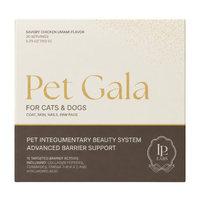
Open box with Pet Gala inside, reinforcing skin microbiome in dogs premium cues.

Building a More Sustained Plan After Antibiotics

After antibiotics or antifungals, the goal is not to “reseed” the skin overnight; it is to prevent the same selection pressures from returning. Stewardship guidance for canine pyoderma emphasizes appropriate duration and diagnostics, which helps reduce relapse and resistance risk over time (Loeffler, 2025). A sustained plan usually includes targeted topical maintenance, barrier support, and allergy control, with clear criteria for when to recheck. This approach treats dysbiosis as a system problem rather than a single germ problem.

At home, the transition period is where many relapses start: routines loosen as soon as the skin looks better. Keep the maintenance schedule for the full period recommended, especially for paws, folds, and ears. Continue daily readouts for at least 2 weeks after finishing medication to catch early drift. If odor or itch returns quickly, report it rather than restarting leftover medication; that short-circuits the diagnostic process.

Shop Now

When to Escalate: Red Flags That Need Prompt Care

Some signs mean dysbiosis has moved beyond home management and needs prompt veterinary assessment. Rapid spread of pustules, painful skin, fever, lethargy, or a foul ear odor with head shaking can indicate significant infection or deeper inflammation. Because allergic dogs can have microbiome shifts that worsen quickly during flares, early confirmation with cytology can prevent prolonged discomfort and repeated trial-and-error (Rodrigues Hoffmann, 2014). Waiting often increases the area involved and the complexity of treatment.

Owners should also escalate when the dog cannot sleep due to itch, when licking creates raw skin, or when a hotspot appears within hours. Keep the dog from self-trauma, avoid applying human creams, and bring a list of all recent products and medications. If the household has changed laundry detergent, carpet cleaner, or grooming sprays, note the dates; contact irritants can mimic infection and destabilize the microbiome. Clear timelines help the veterinarian choose the next step with fewer detours.

“Consistency creates the room to recover that skin needs.”

Educational content only. This material is not a substitute for veterinary advice. Always consult your veterinarian about your dog’s specific needs. These statements have not been evaluated by the Food and Drug Administration. Products mentioned are not intended to diagnose, treat, cure, or prevent any disease.

Glossary

  • Dysbiosis - A shift in microbial community balance that favors overgrowth and inflammation.
  • Commensal Bacteria - Normal skin residents that occupy space and interact with the host.
  • Skin Barrier - The outer layers and lipids that limit water loss and block irritants.
  • Antimicrobial Peptides - Host-made molecules on skin that help control microbes.
  • Staphylococcus pseudintermedius - A common canine skin bacterium that can overgrow during flares.
  • Malassezia - A yeast that can contribute to odor, greasy skin, and ear debris when overgrown.
  • Pyoderma - Bacterial skin infection, often superficial, that may recur with allergies.
  • Cytology - Microscopic exam of skin/ear samples to look for bacteria or yeast.
  • Biofilm - A protective microbial community that can be harder to disrupt with topicals.

Related Reading

References

Zanon. Dermatite atópica canina. 2008. https://www.mdpi.com/2076-2615/15/14/2019

Chen. Skin microbiota-host interactions.. Nature. 2018. https://www.nature.com/articles/s41598-024-63999-5

Tang. The canine skin and ear microbiome: A comprehensive survey of pathogens implicated in canine skin and ear infections using a novel next-generation-sequencing-based assay.. PubMed. 2020. https://pubmed.ncbi.nlm.nih.gov/32768216/

Rodrigues Hoffmann. The skin microbiome in healthy and allergic dogs.. Nature. 2014. https://www.nature.com/articles/s41598-021-96160-7

Asad. Effect of topical dermatologic medications in humans on household pets.. PubMed Central. 2020. https://pmc.ncbi.nlm.nih.gov/articles/PMC6988634/

Loeffler. Antimicrobial use guidelines for canine pyoderma by the International Society for Companion Animal Infectious Diseases (ISCAID).. PubMed Central. 2025. https://pmc.ncbi.nlm.nih.gov/articles/PMC12058580/

Valentine. In vitro evaluation of topical biocide and antimicrobial susceptibility of Staphylococcus pseudintermedius from dogs.. PubMed. 2012. https://pubmed.ncbi.nlm.nih.gov/23050904/

Huang. Evaluating the Adjuvant Therapeutic Effects of Probiotic Strains Lactococcus cremoris and Lacticaseibacillus paracasei on Canine Atopic Dermatitis and Their Impact on the Gut and Skin Microbiome. 2025. https://www.mdpi.com/2076-2615/15/21/3098

Pierezan. The skin microbiome in allergen-induced canine atopic dermatitis.. PubMed. 2016. https://pubmed.ncbi.nlm.nih.gov/27485242/

Gatellet. Performance of Daily Pads Containing Ophytrium and Chlorhexidine Digluconate 3% in Dogs With Local Cutaneous Bacterial and/or Malassezia Overgrowth.. PubMed Central. 2021. https://pmc.ncbi.nlm.nih.gov/articles/PMC8138468/

FAQ

What is Skin Microbiome in Dogs, in plain terms?

Skin Microbiome in Dogs refers to the community of bacteria and yeast living on the skin surface and in hair follicles. In a healthy state, these organisms exist in a more uniform balance and interact with the skin barrier and immune signals.

Problems arise when inflammation, moisture, friction, or harsh products shift the environment so a few organisms dominate. That imbalance can align with itching, odor, and repeat infections.

Why does dysbiosis cause itching and odor?

Dysbiosis changes what microbes produce on the skin, and those byproducts can irritate nerve endings and amplify local inflammation. When the barrier is already stressed, the skin has less room to recover between flares.

Odor often appears early because yeast and bacteria thrive in moist, inflamed microclimates like paws, folds, and ears. Noticing odor timing can help distinguish a microbiome shift from a one-time mess.

Is dysbiosis the same as a skin infection?

No. Dysbiosis means the microbial community balance has shifted, which can increase itch and set the stage for infection. A true infection (such as pyoderma) usually involves higher organism loads plus inflammation and often needs veterinary confirmation.

A dog can be uncomfortable during dysbiosis even without pustules or open sores. Cytology at the clinic helps clarify whether bacteria, yeast, or both are active drivers that day.

Which dogs are most prone to microbiome imbalance?

Dogs with allergies, recurrent ear disease, skin folds, or frequent moisture exposure tend to have less stable skin conditions. When the barrier is repeatedly inflamed, the surface chemistry shifts and opportunists gain advantage.

Breed traits can contribute indirectly: tight facial folds, dense undercoats, or narrow ear canals create microclimates. The key risk factor is recurring inflammation, not “poor hygiene.”

How can an owner tell yeast versus bacteria at home?

Home clues are imperfect. Yeast-associated flares often include a musty odor, greasy feel, and dark ear debris, while bacterial flares more often show pustules, crusts, or circular hair loss.

Because both can occur together, the most reliable next step is veterinary cytology. Bringing photos and a timeline helps the clinic interpret whether the pattern is shifting or repeating.

How often should dogs with flares be bathed?

Bathing frequency depends on the dog’s diagnosis, coat type, and the products used. Over-bathing with harsh shampoos can dry the barrier and make the microbiome less uniform, even if the dog smells better for a day.

A veterinarian can set a schedule that balances microbial control with barrier care. Between baths, targeted paw and fold hygiene often provides better daily control than full-body washing.

Can human skin creams be used on a dog?

Human topical medications should not be used unless a veterinarian specifically directs it. Dogs can react differently, and licking increases exposure and risk.

If a household member uses prescription creams, accidental transfer can also matter. Report any recent human topical use in the home when a dog’s skin suddenly becomes red, greasy, or unusually itchy.

Do antibiotics permanently damage Skin Microbiome in Dogs?

Antibiotics can shift microbial communities, but the larger issue is whether the underlying selection pressure remains. If allergy inflammation and barrier damage persist, the same overgrowth pattern often returns after medication ends.

A more sustained plan focuses on confirming infection when needed, using targeted therapy, and maintaining barrier-friendly routines afterward. Tracking itch and odor for two weeks post-treatment helps catch early drift.

What daily readouts best predict a flare is coming?

The most useful early readouts are odor returning quickly after bathing, increased paw licking after walks, and waxier ears. These often appear before pustules or obvious sores.

Record itch morning versus evening, odor intensity, and which body zones are involved. When the same cluster repeats, the veterinarian can target prevention windows instead of reacting late.

Are probiotics proven to fix canine skin dysbiosis?

Probiotics are not a guaranteed fix. Evidence suggests some strains may help support management in dogs with atopic dermatitis, but results vary by strain and study design.

Probiotics fit best as one layer alongside allergy control, barrier care, and infection confirmation. A single, consistent trial with clear readouts over 3–4 weeks is more informative than frequent switching.

How does Pet Gala™ fit into a skin plan?

A supplement fits best when it supports foundations while the primary drivers are addressed: allergy control, targeted topicals, and diagnostics when infection is suspected.

As part of a daily plan, Pet Gala™ is designed to support normal immune function and everyday recovery rhythms. Track itch, odor, and ear debris for 3–4 weeks to judge whether changes are more sustained.

Is Pet Gala™ safe for puppies or seniors?

Age and health status change how any supplement should be introduced. Puppies may have different dietary needs, and seniors are more likely to have concurrent conditions or medications that should be considered.

Before starting Pet Gala™, discuss timing with a veterinarian, especially if a prescription diet trial or infection treatment is underway. Introduce one change at a time so skin readouts remain interpretable.

Can Skin Microbiome in Dogs issues be contagious?

Most microbiome imbalance is not “caught” like a cold. It reflects the dog’s barrier condition, inflammation level, and local microclimates that favor overgrowth.

However, some infections and parasites can spread between animals, and shared bedding can carry irritants. If multiple pets become itchy at the same time, a veterinary exam helps rule out contagious causes.

How long until a microbiome-focused plan shows results?

Infections can improve quickly with appropriate therapy, but microbiome stability usually takes longer. The skin needs time for barrier mending and for daily routines to reduce moisture and friction triggers.

A practical timeline is 3–4 weeks to judge whether itch and odor are becoming less irregular, using tracked readouts. If signs worsen or spread, escalation should happen sooner.

What should be brought to the vet for recurring flares?

Bring a short timeline, photos, and a list of every topical used with frequency. Include ear involvement, paw licking patterns, and whether humidity or season changes precede flares.

Also bring notes on diet changes, treats, flavored medications, and grooming visits. This information helps the veterinarian decide whether cytology, culture, allergy management adjustments, or targeted topical maintenance is the next best step.

What are common side effects when starting a supplement?

The most common early issues with many supplements are mild gastrointestinal changes such as softer stools or decreased appetite. These are not specific to one product and can also reflect concurrent diet changes.

If starting Pet Gala™, introduce it when other variables are stable, and monitor stools for a week. Stop and contact a veterinarian if vomiting, hives, or marked lethargy occurs.

Can supplements replace medicated shampoo or antibiotics?

No. Supplements do not replace diagnostics or treatments for active infection. When pustules, crusting, painful skin, or significant ear discharge are present, veterinary assessment is needed.

A supplement can be positioned as foundational support that contributes to a more sustained plan once infection and inflammation are being addressed. The most reliable outcomes come from layered care rather than substitution.

Are there interactions with prescription allergy medications?

Potential interactions depend on the dog’s full medication list and health conditions. Allergy medications, antibiotics, antifungals, and supplements can overlap during flares, so timing and monitoring matter.

Before adding Pet Gala™ or any new product, confirm with a veterinarian or pharmacist, especially if the dog has liver disease, chronic GI disease, or is on multiple prescriptions.

Does coat type change Skin Microbiome in Dogs care?

Yes. Dense undercoats can trap moisture near the skin, while short-coated dogs may show redness sooner. Folded skin and heavy feathering can create warm microclimates that favor overgrowth.

Care should match the coat: thorough rinsing, complete drying to the skin, and targeted fold and paw routines. Grooming frequency and technique can be adjusted to reduce friction and moisture retention.

Is this topic the same for cats and dogs?

No. While all mammals have skin microbes, common organisms, grooming behavior, and dermatology patterns differ by species. Dogs commonly experience recurrent bacterial and yeast overgrowth tied to allergy and moisture-prone areas.

Products and routines should not be assumed interchangeable. A plan for Skin Microbiome in Dogs should be built around canine-specific anatomy, coat, and veterinary diagnostics.

When should a dog’s itching be treated as urgent?

Urgent signs include painful skin, rapidly spreading pustules, facial swelling, fever, lethargy, or a dog that cannot sleep due to itch. Severe ear pain, head tilt, or foul discharge also warrants prompt care.

If self-trauma is creating raw skin, use an e-collar to prevent licking and contact a veterinarian. Early assessment can prevent a larger infection footprint and a longer recovery window.

What is a simple decision framework for next steps?

Start by sorting signs into three buckets: inflammation (redness/itch), overgrowth signals (odor/grease/ear debris), and infection signs (pustules/crusts/pain). Infection signs move the plan toward a veterinary visit for cytology.

If signs are mild, focus on consistent paw/fold drying, gentle bathing schedules, and tracking daily readouts for 3–4 weeks. Add only one new variable at a time so the pattern becomes clear.

5K+ Happy Pet Parents

Excellent 4.8

Skin Microbiome in Dogs | Why Thousands of Pup Parents Trust Pet Gala™

"It's so good for his coat, and so easy to mix into food."

Alex & Cashew

"Gives him that glow from head to tail!"

Elisabeth & Chai

"The scratching is completely gone, his coat looks healthy and shiny."

Lena & Bear

"Magical. He was struggling with itching and shedding. Now he's literally glowing."

Grace & Ducky

"It's so good for his coat, and so easy to mix into food."

Alex & Cashew

"Gives him that glow from head to tail!"

Elisabeth & Chai

"The scratching is completely gone, his coat looks healthy and shiny."

Lena & Bear

"Magical. He was struggling with itching and shedding. Now he's literally glowing."

Grace & Ducky

"It's so good for his coat, and so easy to mix into food."

Alex & Cashew

"Gives him that glow from head to tail!"

Elisabeth & Chai

"The scratching is completely gone, his coat looks healthy and shiny."

Lena & Bear

"Magical. He was struggling with itching and shedding. Now he's literally glowing."

Grace & Ducky

"It's so good for his coat, and so easy to mix into food."

Alex & Cashew

"Gives him that glow from head to tail!"

Elisabeth & Chai

"The scratching is completely gone, his coat looks healthy and shiny."

Lena & Bear

"Magical. He was struggling with itching and shedding. Now he's literally glowing."

Grace & Ducky

SHOP NOW