Bulldogs, Explained: Skin Barrier Biology, Folds, Yeast Pressure, and Allergy Load

Understand Barrier Lipids, Fold Microbiome, Ear Inflammation, and Itch Triggers in Bulldogs

Essential Summary

Why Is Bulldog Skin Barrier Biology Important?

Bulldog skin barrier biology explains why folds, odor, and itch can persist even with good hygiene. When the barrier leaks and folds stay humid, yeast and bacteria face less resistance, and allergies penetrate more easily. Understanding the structure helps owners choose calmer routines and bring clearer observations to the vet.

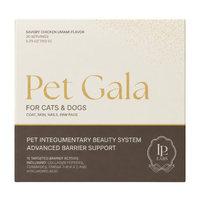
Pet Gala™ supports normal skin and coat care as one layer in a long-term maintenance plan.

Bulldogs, Explained: Skin Barrier Biology, Folds, Yeast Pressure, and Allergy Load is about why many bulldog skin problems keep coming back even after “the infection” seems treated. The short version: bulldog skin is built in a way that leaks water more easily, traps moisture in deep folds, and gives yeast and bacteria a warm place to persist. That constant pressure raises the chance of itch, odor, and flare-ups, especially when allergies are also in the picture.

Owners often get stuck in a loop of wipes, shampoos, and antibiotics, then feel defeated when the smell or redness returns. This page maps the “why” behind english bulldog skin biology and french bulldog skin issues so daily care becomes more targeted: keep folds dry without over-stripping, support the barrier so allergens penetrate less, and lower the overall allergy load so the skin has room to recover. The goal is not a perfect, never-flaring bulldog; it is more sustained comfort and fewer emergency flare cycles. For symptom-specific help, related pages cover bulldog itching, dry skin, hair loss, and allergy relief for both English and French bulldogs, plus deeper guides on yeast, ears, and the skin microbiome.

By La Petite Labs Editorial, ~15 min read

Featured Product:

  • Bulldogs, Explained: Skin Barrier Biology, Folds, Yeast Pressure, and Allergy Load maps why bulldog skin problems recur: leaky barrier plus humid folds keeps microbes and itch active.
  • Ceramide and barrier changes can raise water loss and allow allergens and microbes to penetrate, making flares easier to trigger.
  • Folds create a warm, occluded microclimate where friction and moisture drive bulldog fold dermatitis and recurring odor.
  • Yeast and bacteria are often opportunists; the “pressure loop” continues unless the fold habitat and inflammation are addressed together.
  • Allergy load explains why english bulldog skin biology and french bulldog skin issues can look seasonal, then suddenly tip into a flare.
  • Track daily readouts (odor, redness, itch time, ear debris, paw licking) and give each plan change 3–4 weeks before judging it.
  • A veterinary workup (cytology, targeted therapy, and sometimes immunotherapy) helps reduce relapses and unnecessary medication cycling.

What Selective Breeding Changed About Bulldog Skin

Bulldogs were shaped for a distinctive look: heavy wrinkles, compact bodies, and short coats. Those traits also change how skin behaves as an organ. More folds mean more skin surface tucked against skin, and shorter hair means less airflow and less “wicking” away of moisture. In many bulldogs, the result is not one single disease but a built-in tendency toward irritation that can tip into bulldog fold dermatitis or recurrent bulldog yeast infections.

At home, this shows up as patterns: redness that hugs the crease lines, a sour or “corn chip” odor that returns quickly, and greasy film that seems to reappear after baths. Owners may notice that the same spots flare—nose rope, tail pocket, armpits—while other areas look normal. That repeatability is a clue that structure is driving the problem, not “bad hygiene.”

Coat health illustration symbolizing beauty support via bulldog fold dermatitis.

Barrier Architecture: Ceramides, Water Loss, and Ph Drift

Healthy skin works like a brick wall: cells are the bricks, and lipids such as ceramides are the mortar. In allergic dogs, studies show higher transepidermal water loss and lower ceramide content, meaning the wall leaks and irritants penetrate more easily (Shimada, 2009). That leakiness is a major piece of english bulldog skin biology when allergies are present, because allergens and microbes can get deeper access and keep inflammation active (Gentry, 2025).

Owners often describe “dry but greasy” skin: flaking on the back, yet oily folds and a shiny belly. That mix can happen when the barrier is compromised and the skin tries to compensate with irregular oil production. A practical routine is to separate goals: gentle cleansing for odor and debris, plus barrier-friendly moisturizers or leave-ons recommended by a veterinarian, rather than frequent harsh degreasing baths that leave the skin feeling tight.

Beauty structure visual linked to skin and coat support mechanisms in bulldog skin problems.

Folds Create Microclimates That Favor Irritation

A fold is not just a wrinkle; it is a microclimate. Skin pressed against skin raises humidity, heat, and friction, while limiting evaporation. That combination is a known recipe for intertrigo in general biology: moisture plus rubbing plus occlusion leads to irritation and easier microbial overgrowth (Gabriel, 2019). In bulldogs, those conditions are concentrated in predictable sites, which is why bulldog fold dermatitis can look “stubborn” even with good care.

What this looks like at home is a crease that stays damp after drinking, panting, or a walk, then turns pink and tender. The skin may feel tacky, and the hair around the fold can stain rusty-brown from saliva or yeast byproducts. The most helpful habit is not aggressive scrubbing; it is consistent drying: separate the fold gently, blot until truly dry, and keep the area open to air when possible.

Molecular structure graphic reflecting research-driven beauty design behind bulldog fold dermatitis.

The Yeast–bacteria Pressure Loop in Bulldog Skin

Bulldog yeast infections rarely happen in isolation. When the barrier is leaky and folds stay humid, the skin microbiome can shift toward dysbiosis, with organisms like Staphylococcus and Malassezia gaining an advantage (Lagoa, 2025). That overgrowth irritates the skin, and irritation further disrupts the barrier, creating a loop that makes french bulldog skin issues feel “always on.” The key idea is pressure: the environment keeps pushing microbes toward overgrowth unless the habitat changes.

At home, the loop often announces itself as odor first, then redness, then itch. Owners may notice the dog rubs the face on carpet after meals, or scoots because the tail pocket feels raw. When a flare starts, early action is more effective: clean and dry folds, use veterinarian-directed topical therapy, and avoid waiting until the skin is weeping. Repeated full-body antibiotics for localized fold problems is a common sign the plan needs rethinking.

Dog portrait symbolizing beauty and wellness supported by english bulldog skin biology.

Allergy Load: Why Bulldogs Tip into Flares Easily

Allergy load is the total “stack” of triggers the immune system is reacting to: pollens, dust mites, molds, and sometimes food ingredients. In canine atopic dermatitis, barrier dysfunction and immune dysregulation interact, and the microbiome shifts along with them (Gentry, 2025). That means a bulldog can look fine for weeks, then tip into a flare when seasonal exposure rises or a household change adds another trigger. This is why bulldog skin problems often require a plan that addresses both barrier and allergy.

Owners may notice a calendar pattern: spring paw licking, summer belly rash, fall ear gunk, winter dryness. A useful household step is to reduce “background” exposures that are easy wins—wash bedding hot weekly, rinse paws after outdoor time, and keep indoor humidity moderate. These steps rarely solve atopy alone, but they can create more latitude so medical therapy works with less irregular relapsing.

The scratching is completely gone, his coat looks healthy and shiny!

— Lena

He was struggling with itching, now he's glowing.

— Grace

“In bulldogs, the habitat inside a fold often matters more than the product used.”

Inflammation Can Create Barrier Defects, Too

A common misconception is that bulldogs are born with a permanently “broken” barrier and nothing can change it. Newer work supports a bidirectional model: allergic inflammation itself can drive barrier defects, meaning the barrier may look worse during flares and regain some hardiness when inflammation is controlled (Combarros, 2025). This matters because it reframes care as mending speed over time, not a one-time fix. It also explains why the same bulldog can have good months and bad months.

At home, this shows up as skin that suddenly becomes more reactive: shampoos sting, wipes cause redness, and the dog seems “touchy” about being handled. During those periods, gentler handling and fewer products often help, while the veterinarian targets the inflammation driver. Owners can think of flare weeks as “low room to recover” weeks, when the skin needs simpler routines and faster veterinary input.

Elegant canine photo emphasizing natural beauty supported through french bulldog skin issues.

The Itch–scratch–infection Cycle in Bulldogs

Itch is not just a symptom; it is a mechanical force that breaks skin. Scratching and rubbing create micro-injuries that let yeast and bacteria move into damaged layers, which then increases itch again. In atopic dermatitis, this cycle is a major reason infections recur and why “treating the yeast” without addressing itch control often fails (Drechsler, 2024). Bulldogs are especially vulnerable because folds and short hair make friction and moisture more concentrated.

A realistic case vignette: an English Bulldog does fine on a medicated shampoo, then a warm weekend brings heavy panting and face rubbing. Within five days, the nose rope is red, smells yeasty, and the dog paws at the eyes. When itch is controlled early and folds are kept dry, the flare often stays smaller and more uniform instead of spreading to ears and paws.

Profile dog image reflecting natural beauty supported by english bulldog skin biology.

Ear Canal Anatomy and Chronic Otitis Risk

Bulldog ears often act like an extension of the same skin story. Allergic inflammation can change the ear canal environment, and moisture plus debris supports yeast and bacterial overgrowth. When the skin barrier is compromised, the ear lining can become more reactive, making routine cleaning feel like it “never keeps up.” Many french bulldog skin issues travel with ear flare-ups because the same allergy load drives both.

At home, watch for head shaking after naps, a sweet or rancid ear odor, or dark wax that returns quickly. Avoid deep cotton swabs; they push debris inward and can irritate the canal. Instead, use veterinarian-recommended ear cleaner, massage the base of the ear to loosen debris, and wipe only what is visible. If the ear is painful, swollen, or the dog cries, it is a vet visit rather than a cleaning project.

Product overview visual highlighting formulation integrity aligned with bulldog skin problems.

Interdigital Skin: Why Paws Become a Flare Hotspot

Paws are a high-contact zone: grass, sidewalk chemicals, damp soil, and indoor cleaners all meet thin skin between toes. In allergic dogs, that contact can add to the allergy load and trigger licking, which then keeps the area wet and inflamed. Bulldogs also carry more weight on compact feet, so friction and pressure add to irritation. This is why bulldog skin problems often show up as rusty toe staining and a “Frito” smell.

A simple home routine is a paw rinse after outdoor time, then thorough drying between toes. Owners can keep a dedicated towel by the door and treat it like wiping muddy boots. If the dog licks immediately after drying, that is a clue the driver is itch, not just dirt. Persistent swelling, draining tracts, or limping suggests deeper infection or foreign material and needs veterinary assessment.

Environment Versus Genetics: Sorting Triggers from Vulnerability

Owners often ask whether a new detergent, a move, or a diet change “caused” the flare. Triggers matter, but bulldogs usually flare because vulnerability is already present: folds, barrier leakiness, and an immune system primed for atopy. When the barrier allows more allergen penetration, the same exposure can produce a bigger reaction (Gentry, 2025). The practical goal is to identify the few triggers that reliably worsen signs, while still treating the underlying architecture.

Owner checklist for this page’s theme: (1) sniff folds daily for early odor, (2) check for dampness in the nose rope and tail pocket after drinking, (3) look for rusty staining on paws or face, (4) note head shaking or ear smell, (5) feel for greasy film on the belly. These checks take under two minutes and often catch bulldog yeast infections before they become widespread.

“Odor returning quickly is a pressure signal, not a cleanliness failure.”

Lab coat with La Petite Labs logo symbolizing science-backed standards for bulldog fold dermatitis.

What a Dermatology Workup Usually Includes

A good workup separates “what is living there” from “why it keeps happening.” Vets commonly use skin cytology (tape or swab) to look for yeast and bacteria, and may culture when infections are recurrent or treatment response is poor. Allergy evaluation may include a diet trial for food-responsive disease and testing to guide allergen immunotherapy. This approach matters because bulldog fold dermatitis can look identical to allergy-driven inflammation until the microscope clarifies the mix.

Vet visit prep: bring (1) a timeline of flares by month, (2) photos of folds on good days and bad days, (3) a list of shampoos, wipes, and ear cleaners used, (4) where odor starts first, (5) whether itch or smell appears first. That information helps the veterinarian decide whether the primary driver is allergy load, fold microclimate, or both, and reduces trial-and-error.

Shop Now
Ingredients around product reflecting beauty support within english bulldog skin biology.

Allergen Immunotherapy: a Long-game Option for Some Bulldogs

For dogs with confirmed environmental allergies, allergen immunotherapy (ASIT) is one way to address the driver rather than only the symptoms. In a large retrospective series of atopic dogs receiving subcutaneous ASIT, many dogs improved over time, and reported adverse events were generally uncommon (EEM, 2022). Because the data are observational, results vary, and it is not an instant fix. Still, for bulldogs with high allergy load, it can create more sustained control that makes fold care easier.

At home, the right expectation is measured change across seasons, not overnight relief. Owners can support the plan by keeping other variables stable during the first months: avoid switching diets repeatedly, keep grooming consistent, and track flare frequency. When a dog needs fewer rescue treatments and has longer stretches of normal skin, that is meaningful progress even if occasional bulldog yeast infections still occur.

Shop Now
Lifestyle image showing supplement use in real homes supported by bulldog fold dermatitis.

Management Philosophy: Maintenance, Not a One-time Cure

The most effective bulldog plans treat skin like a maintenance surface, similar to dental care. The goal is to keep microbial pressure low, keep folds dry, and keep inflammation controlled so the barrier has room to recover. Dysbiosis-focused strategies often emphasize topical approaches that reduce reliance on repeated systemic antimicrobials (Lagoa, 2025). This is not about doing “more”; it is about doing the right small things consistently, then reassessing every few weeks.

What to track rubric (daily readouts): odor score (0–5), redness score (0–5) in the worst fold, itch minutes per evening, ear debris recurrence (days), paw licking episodes, and whether sleep is interrupted. Record changes after any new shampoo, diet trial, or medication adjustment. Give each change 3–4 weeks before judging it, unless the dog worsens quickly or develops pain.

Shop Now

Barrier Support: Why Moisturizing Can Be Medical

Barrier support is not cosmetic in allergic dogs; it can change how reactive the skin is. Ceramide-based topical moisturizers have been used in dogs with atopic dermatitis, with clinical reports describing improved skin comfort and reduced dryness as part of a broader plan (Jung, 2013). For bulldogs, barrier support is especially relevant on the “open” skin surfaces—back, belly, and inner thighs—while folds often need drying and targeted antimicrobial topicals instead.

At home, a helpful pattern is “moisturize the plains, dry the valleys.” Owners can apply veterinarian-recommended leave-on products to dry, flaky areas after bathing, while using fold-specific wipes or solutions only where needed. If a product leaves residue in a fold, it can worsen bulldog fold dermatitis by trapping moisture. Comfort should trend more uniform over weeks, not swing between greasy and scaly.

What Not to Do When Folds Smell or Look Red

When bulldog skin problems flare, urgency can lead to choices that prolong the cycle. What not to do: (1) do not use human diaper rash creams deep in folds where the dog can lick and the area stays occluded, (2) do not scrub until the skin is raw, (3) do not rotate multiple scented wipes and shampoos in the same week, (4) do not stop prescribed treatments early because the surface looks better. These mistakes often increase irritation and keep yeast pressure high.

A safer home approach is to simplify: one gentle cleanser, one fold-drying step, and one veterinarian-directed topical when needed. If the fold is bleeding, very painful, or has pus, home care is no longer appropriate. Recurrent bulldog yeast infections are often a sign that the plan is missing either allergy control or consistent fold habitat management, not that the owner is failing.

Competitor comparison image focusing on formulation integrity in french bulldog skin issues.

When “It’s Just Yeast” Is the Wrong Frame

A unique misconception in bulldogs is that yeast is the primary disease and everything else is secondary. Yeast is often an opportunist: it takes advantage of moisture, friction, and inflammation. If the underlying allergy load remains high, the barrier stays leaky and the fold microclimate stays humid, so bulldog yeast infections recur even after good antifungal treatment. Reframing yeast as a “pressure gauge” helps owners focus on the habitat and the immune driver.

At home, that reframing changes decisions. Instead of chasing odor with stronger and stronger products, owners can ask: did the fold stay damp this week, did pollen counts rise, did the dog start licking paws again, did ear debris return? Those clues point to the driver. This is also where internal guides on bulldog allergies, itching, and ear yeast can help connect the dots without repeating the same steps.

Shop Now
Unboxed supplement reflecting refined experience and trust in bulldog skin problems.

How This Hub Connects to English and French Bulldog Pages

This hub explains the “systems map” behind english bulldog skin biology and french bulldog skin issues: barrier leakiness, fold microclimates, and allergy load. For owners who need symptom-level next steps, the ecosystem pages go deeper on English Bulldog allergies, dry skin, hair loss, itchy skin remedies, and skin allergy relief, plus parallel French Bulldog pages for bald spots, dry skin, hair loss, itching, and allergy relief. Those pages focus on what to do when a specific sign is the main concern.

At home, it helps to pick the page that matches the current “loudest” problem. If the dog is mainly scratching and chewing, the itch and allergy pages matter most. If the dog smells yeasty and the fold is wet, the fold dermatitis and yeast guides are the better match. Using the right page prevents over-treating the wrong target and supports more sustained improvement across seasons.

Shop Now

A Calm Decision Framework for the Next Flare

When the next flare starts, decisions are easier with a simple framework: identify the location, identify the driver, then match the tool. Location tells the habitat problem (fold, ear, paw, belly). Driver clues include odor-first (microbial overgrowth) versus itch-first (allergy load) versus pain-first (deeper infection). Bulldogs do best when owners and veterinarians treat the pattern, not just the moment. This is the practical heart of Bulldogs, Explained: Skin Barrier Biology, Folds, Yeast Pressure, and Allergy Load.

If a flare is mild, early fold drying and veterinarian-approved topicals may be enough. If the dog is losing sleep, has widespread redness, or has recurrent ear infections, it is time to discuss long-range allergy control and barrier support. The win is not perfection; it is fewer spirals, shorter flares, and skin that has more room to recover between seasons.

“Lower allergy load and fold moisture together for more sustained comfort.”

Educational content only. This material is not a substitute for veterinary advice. Always consult your veterinarian about your dog’s specific needs. These statements have not been evaluated by the Food and Drug Administration. Products mentioned are not intended to diagnose, treat, cure, or prevent any disease.

Glossary

  • Skin barrier - The outer skin layer that keeps water in and irritants and microbes out.
  • Ceramides - Skin lipids that act like “mortar” between skin cells and help prevent water loss.
  • Transepidermal water loss (TEWL) - A measure of how much water escapes through the skin; higher values suggest a leakier barrier.
  • Fold microclimate - The warm, humid, low-airflow environment inside a skin fold.
  • Intertrigo - Irritation that develops where skin rubs against skin, often worsened by moisture and occlusion.
  • Bulldog fold dermatitis - Inflammation and irritation in bulldog skin folds, commonly with secondary yeast or bacteria.
  • Malassezia - A yeast that normally lives on skin but can overgrow in humid, inflamed areas.
  • Dysbiosis - An unhealthy shift in the skin’s microbial community that favors irritation and overgrowth.
  • Atopic dermatitis - A chronic, allergy-linked skin condition associated with itch, inflammation, and barrier disruption.
  • Allergy load - The total stack of allergy triggers affecting a dog at a given time.

Related Reading

References

Gentry. Updates on the Pathogenesis of Canine Atopic Dermatitis and Feline Atopic Skin Syndrome: Part 2, the Skin Barrier, the Microbiome, and Immune System Dysfunction.. PubMed. 2025. https://pubmed.ncbi.nlm.nih.gov/39732547/

Gabriel. Prevalence and associated factors of intertrigo in aged nursing home residents: a multi-center cross-sectional prevalence study.. Nature. 2019. https://www.nature.com/articles/s41598-022-14483-5

Lagoa. Microbiota Modulation as an Approach to Prevent the Use of Antimicrobials Associated with Canine Atopic Dermatitis. 2025. https://www.mdpi.com/2227-9059/13/10/2372

Combarros. Reconstructed Epidermis Produced with Atopic Dog Keratinocytes Only Exhibit Skin Barrier Defects after the Addition of Proinflammatory and Allergic Cytokines.. PubMed Central. 2025. https://pmc.ncbi.nlm.nih.gov/articles/PMC11730559/

EEM. Efficacy of subcutaneous allergen immunotherapy in atopic dogs: A retrospective study of 664 cases.. PubMed Central. 2022. https://pmc.ncbi.nlm.nih.gov/articles/PMC9544551/

Shimada. Increased transepidermal water loss and decreased ceramide content in lesional and non-lesional skin of dogs with atopic dermatitis.. PubMed. 2009. https://pubmed.ncbi.nlm.nih.gov/20178492/

Jung. Clinical use of a ceramide-based moisturizer for treating dogs with atopic dermatitis.. PubMed Central. 2013. https://pmc.ncbi.nlm.nih.gov/articles/PMC3694192/

Drechsler. Canine Atopic Dermatitis: Prevalence, Impact, and Management Strategies.. PubMed Central. 2024. https://pmc.ncbi.nlm.nih.gov/articles/PMC10874193/

FAQ

What is Bulldogs, Explained: Skin Barrier Biology, Folds, Yeast Pressure, and Allergy Load?

Bulldogs, Explained: Skin Barrier Biology, Folds, Yeast Pressure, and Allergy Load is a systems map for why bulldog skin problems repeat. It focuses on structure: leaky barrier, deep folds, and the way those features keep yeast and bacteria under constant pressure.

It also explains allergy load—why a bulldog can look stable, then flare when triggers stack up. The goal is clearer home routines and a better handoff to the veterinarian.

Why do bulldogs get skin problems so often?

Many bulldog skin problems are structural: folds trap moisture and friction, and the skin barrier can be easier to disrupt during allergic inflammation. That combination makes it easier for yeast and bacteria to overgrow and harder for skin to calm down between flares.

At home, the same sites tend to repeat—nose rope, tail pocket, paws, ears—because the habitat stays the same. A plan that changes the habitat (drying folds, managing itch) usually outperforms “stronger products” alone.

Are English and French bulldog skin issues basically the same?

English bulldog skin biology and french bulldog skin issues share the same big drivers: folds, short coat airflow limits, and a tendency toward allergy-linked inflammation. The exact hotspots can differ by individual anatomy, but the pattern is similar.

Owners can use the same decision logic: keep folds dry, treat odor early, and take itch seriously. The veterinarian then tailors medications and topical choices to the dog’s specific sites and severity.

What does “skin barrier” mean in plain language?

The skin barrier is the outer layer that keeps water in and irritants out. When it is compromised, the skin loses moisture more easily and lets allergens and microbes penetrate more readily, which can keep inflammation active.

At home, barrier trouble often looks like flaking, sensitivity to grooming products, and redness that spreads beyond one small spot. Barrier support is usually a long-game approach, not a one-time fix.

What is bulldog fold dermatitis, and where does it happen?

Bulldog fold dermatitis is irritation and inflammation that develops where skin touches skin—commonly the nose rope, lip folds, tail pocket, and armpits. Moisture, friction, and limited airflow create a microclimate that favors redness and microbial overgrowth.

Owners often notice odor, dampness, tacky skin, and tenderness when the fold is opened. Early drying and veterinarian-directed topicals can keep a small flare from becoming a larger, painful episode.

How can an owner tell yeast versus bacteria at home?

Home signs can suggest a direction but cannot confirm the organism. Bulldog yeast infections often come with a musty or sweet odor, greasy film, and rusty staining, while bacterial overgrowth may look more pustular, crusty, or oozing.

Because both can occur together, the most useful owner job is to document what happens first (odor, itch, redness, pain) and where it starts. Cytology at the vet visit is the fastest way to confirm what is present.

Does frequent bathing help bulldog skin problems or worsen them?

Bathing can help when it is targeted and gentle, but over-bathing with harsh degreasers can leave the skin tight and more reactive. Bulldogs often need two different strategies: whole-body gentle cleansing for allergens and debris, and fold-specific care for moisture control.

If odor returns quickly after baths, the issue is usually fold habitat or uncontrolled itch, not “dirty skin.” A veterinarian can recommend a schedule and products that fit the dog’s flare pattern.

What daily fold care actually works for bulldogs?

Daily fold care is mostly about drying, not scrubbing. Open the fold gently, blot moisture until the skin feels dry, and remove visible debris without rubbing the skin raw. Consistency matters more than intensity.

If a fold stays damp after drinking or panting, increase drying frequency during those times. If the fold is painful, bleeding, or has pus, home care should pause and the dog should be examined.

Why do bulldog yeast infections keep coming back?

Recurrence usually means the habitat stayed favorable: moisture in folds, ongoing itch, or an allergy driver that keeps inflammation active. Yeast is often an opportunist, so treatment may clear the overgrowth but not change the conditions that allowed it.

Owners can help by tracking where odor starts, whether itch starts first, and how quickly signs return after treatment ends. That pattern helps the veterinarian decide whether to adjust fold care, allergy control, or both.

What is allergy load, and why does it matter for bulldogs?

Allergy load is the total amount of triggers the immune system is reacting to at once. Bulldogs can flare when several small exposures stack up—like pollen plus dust mites plus damp paws—especially if the skin barrier is already reactive.

Lowering background exposures (washing bedding, rinsing paws, controlling indoor humidity) rarely solves atopy alone, but it can create more room to recover. That makes medical plans work more smoothly and with less irregular relapsing.

Can food cause bulldog skin problems?

Food can be a contributor for some dogs, but it is not the most common explanation for every flare. The only reliable way to evaluate food-responsive skin disease is a veterinarian-guided elimination diet trial, done strictly for the full recommended time.

If a bulldog’s signs are strongly seasonal, environmental allergy is more likely than food. If signs are year-round and started young, food may be considered alongside dust mites and indoor triggers.

When should a bulldog see a vet for skin issues?

A vet visit is warranted when the dog is painful, losing sleep from itch, has a foul odor that returns quickly, has draining sores, or has recurrent ear infections. These signs suggest infection, significant inflammation, or both, and home care alone is unlikely to be enough.

Bring photos and a short timeline of what happened first (odor, itch, redness) and where it started. That information helps the veterinarian choose testing and treatment more efficiently.

What questions should owners ask at a dermatology appointment?

Useful questions include: “Can cytology confirm yeast versus bacteria today?”, “Which folds need drying versus medication?”, and “Is itch control adequate to stop self-trauma?” Ask whether the pattern fits atopic dermatitis and what the long-range plan is for allergy load.

Also ask what to do at the first 48 hours of a flare, before it spreads. A written flare plan reduces panic decisions and helps keep care more uniform.

Is it safe to use human wipes or powders in bulldog folds?

Many human products are not designed for dogs to lick, and some leave residues that trap moisture in folds. Powders can clump when damp and irritate skin, and fragranced wipes can sting inflamed tissue.

The safer approach is to use veterinarian-recommended fold products and focus on drying. If a product causes immediate redness or the dog reacts strongly, stop and contact the clinic for alternatives.

How long should it take to see improvement in fold dermatitis?

With the right topical therapy and consistent drying, mild bulldog fold dermatitis may look calmer within a week, but true stability usually takes longer. The fold habitat has to change, and the skin needs time to regain hardiness.

Track odor and dampness daily, not just color. If redness improves but odor returns immediately, the plan may need a different antimicrobial approach or better moisture control.

Can puppies have the same bulldog skin problems as adults?

Yes. Some bulldogs show early signs of atopy and fold irritation in puppyhood, especially face rubbing, paw licking, and recurrent ear debris. Early patterns matter because repeated inflammation can make the barrier more reactive over time.

Puppies should not be treated with leftover adult medications. A veterinarian can confirm whether the issue is parasites, infection, or early allergy and set a safer, age-appropriate plan.

Do supplements replace allergy medications for bulldogs?

Supplements do not replace prescription allergy control when a dog has significant itch, infections, or sleep disruption. They may be used as one layer that supports normal skin and coat care, but they are not a substitute for diagnosis and targeted therapy.

If a supplement is added, keep other variables stable and track daily readouts for 3–4 weeks. That makes it easier to tell whether the overall plan is becoming more sustained or staying irregular.

How does Pet Gala™ fit into a bulldog skin plan?

Pet Gala™ can be discussed as a supportive layer for normal skin and coat care, alongside fold drying, appropriate bathing, and veterinary allergy control. It should not be expected to manage bulldog yeast infections or bulldog fold dermatitis on its own.

If a veterinarian agrees it fits the dog’s situation, use it consistently and track odor, redness, and itch as daily readouts. Product details are available here: Pet Gala™.

Are there side effects or interactions to discuss with the vet?

Any new supplement or topical can cause stomach upset, skin irritation, or allergy-like reactions in some dogs. Interactions depend on the dog’s medications and health history, especially if the dog is on prescription allergy therapy or has chronic conditions.

Owners should bring a full list of products used on the skin and given by mouth, including treats and flavored preventives. If vomiting, hives, facial swelling, or sudden lethargy occurs, stop the new item and contact the clinic promptly.

Is this information for dogs only or also cats?

This page is dog-specific and focused on bulldogs. Cats can have allergic skin disease, but their patterns, common causes, and safe home routines differ, and fold-related problems are not the same as in bulldogs.

If a household has both species, avoid sharing products between them unless a veterinarian confirms safety for cats. Many dog topicals and essential oil–containing products are risky for cats.

What quality signals matter when choosing skin products for bulldogs?

Look for products that match the job: gentle cleansers for whole-body bathing, and fold-specific options that do not leave heavy residue. Fragrance-heavy products and harsh degreasers often backfire on reactive skin.

A good sign is clear directions, veterinary compatibility, and a plan for frequency rather than “use whenever.” If a product causes stinging, immediate redness, or more licking, it is not a good fit for that dog’s current flare stage.

What is the simplest decision framework during a flare?

Use three questions: Where did it start (fold, ear, paw, belly)? What came first (odor, itch, pain)? How fast is it spreading? Odor-first often points to microbial overgrowth, itch-first to allergy load, and pain-first to deeper infection or severe inflammation.

Then match the tool: drying for folds, vet-directed topicals for confirmed infection, and itch control for allergy-driven flares. This keeps care calmer and more targeted.

5K+ Happy Pet Parents

Excellent 4.8

Bulldogs, Explained: Skin Barrier Biology, Folds, Yeast Pressure, and Allergy Load | Why Thousands of Pup Parents Trust Pet Gala™

"It's so good for his coat, and so easy to mix into food."

Alex & Cashew

"Gives him that glow from head to tail!"

Elisabeth & Chai

"The scratching is completely gone, his coat looks healthy and shiny."

Lena & Bear

"Magical. He was struggling with itching and shedding. Now he's literally glowing."

Grace & Ducky

"It's so good for his coat, and so easy to mix into food."

Alex & Cashew

"Gives him that glow from head to tail!"

Elisabeth & Chai

"The scratching is completely gone, his coat looks healthy and shiny."

Lena & Bear

"Magical. He was struggling with itching and shedding. Now he's literally glowing."

Grace & Ducky

"It's so good for his coat, and so easy to mix into food."

Alex & Cashew

"Gives him that glow from head to tail!"

Elisabeth & Chai

"The scratching is completely gone, his coat looks healthy and shiny."

Lena & Bear

"Magical. He was struggling with itching and shedding. Now he's literally glowing."

Grace & Ducky

"It's so good for his coat, and so easy to mix into food."

Alex & Cashew

"Gives him that glow from head to tail!"

Elisabeth & Chai

"The scratching is completely gone, his coat looks healthy and shiny."

Lena & Bear

"Magical. He was struggling with itching and shedding. Now he's literally glowing."

Grace & Ducky

SHOP NOW