Dog Food for Skin and Coat

Identify Nutrient Gaps Behind Itching and Shedding, Then Rebuild the Skin Barrier

Essential Summary

Why is dog food for skin and coat important?

The best dog food for skin and coat supports what you can see: a smoother feel, brighter sheen, and comfortable-looking skin. Look for complete nutrition, a balanced fat profile, and ingredients your dog tolerates consistently. Pair diet with gentle grooming and steady routines so improvements show up clearly in everyday light.

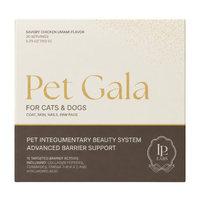
Pet Gala™ is designed for owners who want visible coat polish and comfortable-looking skin without turning mealtime into a complicated project. It complements a complete diet by supporting the skin-coat-nail presentation that signals everyday care—helping good nutrition show up where you notice it most.

There’s a particular satisfaction in running your hand down your dog’s back and feeling a coat that’s smooth, soft, and quietly radiant. It’s not vanity; it’s reassurance. A glossy coat and comfortable-looking skin are the visible signals that your dog’s daily care is landing—food, grooming, hydration, and the small rituals that say, “you’re looked after.”

That’s why dog food for skin and coat is such a common search. Owners aren’t asking for a lecture on nutrients; they’re asking for a result they can see in ordinary light: less flaking, fewer rough patches, a sheen that returns after brushing. The best dog food for skin and coat is usually the one your dog eats consistently, digests comfortably, and that delivers a balanced mix of fats, proteins, and micronutrients. Palatability matters because taste and texture influence whether dogs consume enough of a formula to benefit.

Still, even a careful, science-minded owner can feel a tension: if a complete diet already “covers the basics,” why add anything else? The honest answer is that meeting minimums and achieving a noticeably polished presentation are not always the same thing. A supportive product can help reinforce the skin-coat-nail look you care about, especially when life gets busy and routines need to stay simple. Think of it as care that begins beneath the surface and shows where it matters—on the outside, every day.

By La Petite Labs Editorial, ~15 min read

Featured Product:

  • Choose a complete-and-balanced diet first; “skin and coat” starts with consistency.
  • Prioritize fat quality and tolerance for a coat that looks smooth, not greasy.
  • Protein digestibility shows up in coat density, texture, and seasonal shedding patterns.
  • Palatability matters because a great formula only works if your dog eats it (Watson, 2023).
  • Look for trustworthy quality controls; contaminants and recalls are real considerations.
  • Use grooming as a companion ritual that amplifies the shine your diet supports.
  • A supportive product can reinforce visible results beyond single-nutrient thinking.

Visible Coat Confidence Starts with the Right Daily Bowl Choices

When people search for dog food for skin and coat, they’re usually describing a look and a feel: a coat that reflects light, skin that seems comfortable, and less “snow” on dark furniture. Food can absolutely influence those signals, but it’s rarely one magic ingredient. The best dog food for skin and coat tends to be consistent, complete, and made with fats, proteins, and micronutrients that support a polished outer appearance.

A practical way to think about it: your dog’s coat is a daily report card. If meals are well-balanced, you often notice softer fur, a more even sheen, and fewer rough patches. If meals are inconsistent or poorly tolerated, you may see dullness, excess shedding, or a “greasy then dry” cycle. This page breaks down what to look for in food for dogs skin and coat, what to avoid, and how to build a routine that shows up visibly.

Visualization of beauty nutrition illustrating support pathways for food for dogs skin and coat.

The Three Building Blocks: Fats, Protein, and a Complete Profile

Coat shine and comfortable skin are built from the basics: adequate protein to grow hair, dietary fats to keep the coat supple, and a complete vitamin-mineral profile to support normal skin turnover. If any of those are missing or poorly absorbed, the first place many owners notice it is the coat—dryness, breakage, or a rough texture that doesn’t match your dog’s usual look.

Formulators also pay attention to what makes dogs actually eat the food. Palatability—taste, aroma, and texture—affects intake, which affects whether the “skin and coat” nutrients are consumed consistently (Watson, 2023). In other words, the best dog food for skin and coat is not only well-designed; it’s reliably eaten.

Close-up collagen structure tied to skin support from food for dogs skin and coat.

Fats and Finish: Supporting Shine Without Grease or Upset

Fats are the most visible lever for coat appearance. When the fat profile is appropriate, many dogs show a smoother lay of the coat and a more even sheen. Too little fat can leave the coat looking dry; too much (or the wrong kind for your dog) can tip into greasiness or digestive upset. The goal is balance that looks good and feels easy.

Because ingredient sources vary, quality control matters. Some unwanted substances, including toxic elements, can be present in ingredients and commercial pet foods, and levels can vary by source and processing (RVA, 2021). Choosing brands that monitor and test helps protect the routine you’re building for visible coat results.

Structural beauty image symbolizing ingredient integrity supported by food for dogs skin and coat.

Protein Quality and Coat Density You Can See and Feel

Protein quality shows up as coat density and texture. Dogs don’t just need “enough protein” on the label; they need protein they can digest and use. If a formula doesn’t agree with your dog, you may see shedding that feels out of proportion, or a coat that looks thin along the flanks even when calories are adequate.

If you suspect sensitivity, avoid rapid switching between multiple recipes. Choose one complete diet, transition slowly, and watch both stool quality and coat feel. The best dog food for skin and coat is often the one that creates calm consistency—steady appetite, steady digestion, and a coat that looks increasingly well-kept week to week.

Dog close-up emphasizing coat shine and connection supported by food for dogs skin and coat.

Micronutrients and Flake Control for a Cleaner Looking Surface

Micronutrients matter because skin is a high-turnover tissue. When the vitamin and mineral profile is complete, the surface tends to look smoother and less “flaky.” When it’s not, owners may notice dandruff, brittle hair, or slow regrowth after seasonal shedding. This is one reason “complete and balanced” is non-negotiable for dog food for skin and coat.

Be cautious with DIY add-ons that stack multiple fortified products. More is not always better, and over-supplementation can create new problems. If you want to enhance visible condition beyond a solid base diet, choose a single, well-designed support product and keep the rest of the routine simple and consistent.

The scratching is completely gone, his coat looks healthy and shiny!

— Lena

He was struggling with itching, now he's glowing.

— Grace

“A great coat isn’t a mystery; it’s the visible reward of consistency.”

Hydration and Texture: the Quiet Difference Owners Notice

Hydration is an underrated part of a polished coat. Even with a great food for dogs skin and coat, a dog that drinks poorly can look a little “crisp” in the fur and skin. Wet food, adding water to kibble, or offering a pet fountain can support a softer look—especially in dry climates or heated homes.

If you switch to a higher-moisture diet, do it gradually to protect digestion. The visible goal is not just shine; it’s comfort. A dog that feels good tends to groom normally, rest well, and carry themselves with that relaxed confidence owners recognize immediately.

Close-up dog showing healthy coat and presence supported by food for dogs skin and coat.

Allergies, Sensitivities, and When Food Isn’t the Whole Story

Allergies and sensitivities can masquerade as “bad coat.” If your dog has recurring itchiness, ear issues, or paw licking, the right dog food for skin and coat may be less about adding shine and more about removing a trigger. That’s where limited-ingredient diets or vet-guided trials can be useful—done carefully, not impulsively.

Avoid guessing with frequent switches. A calm, consistent trial gives you clearer feedback: less scratching, less redness, and a coat that starts to look even again. If signs are severe or sudden, involve your veterinarian early so you’re not trying to “feed your way” out of a medical problem.

Dog portrait from the side highlighting beauty supported by food for dogs skin and coat.

Grooming as a Ritual That Amplifies Diet-driven Shine

Grooming and diet should be designed as one routine. Brushing distributes oils along the hair shaft, which can make a good diet look even better. Bathing too often (or with harsh shampoos) can strip that finish and leave owners thinking the food “isn’t working.” If you’re investing in the best dog food for skin and coat, protect the results with gentle, consistent grooming.

Think of grooming as aesthetic confirmation: the moment you see the shine, feel the softness, and notice fewer flakes. Pair brushing with a calm reward and keep sessions short. The goal is a dog who associates coat care with comfort—because comfort is part of what looks good.

Visual ingredient map showing formulation transparency connected to food for dogs skin and coat.

Kibble, Wet, Fresh: Choosing a Format That Fits Your Dog

If you’re choosing between kibble, canned, fresh, or raw, focus on outcomes you can observe: steady stool, steady appetite, and a coat that looks clean and vibrant. Format matters less than formulation and quality control. Some dogs do beautifully on kibble with the right fat profile; others look their best with added moisture.

Whatever you choose, prioritize reputable manufacturing. Pet food recalls have occurred due to chemical contaminants, and higher-risk recall classifications exist (Rumbeiha W, 2011). A brand that communicates clearly and tests responsibly supports the kind of dependable routine that makes coat improvements feel real—not fragile.

Quality, Testing, and Trust Signals That Protect Your Routine

If you’re comparing “best dog food for skin and coat” options, quality is as much about what you don’t see as what you do. Ingredient sourcing and manufacturing controls matter because contaminants can enter through raw materials or processing, and recalls have occurred due to chemical contaminants in pet foods (Rumbeiha W, 2011). That doesn’t mean you should fear dog food; it means you should choose brands that treat quality as a core promise, not a marketing line.

Look for clear lot tracking, transparent customer support, and a history of responsible communication. Also consider whether the company discusses testing for unwanted substances; toxic elements can be present in ingredients and finished foods, and monitoring is part of responsible quality control (RVA, 2021). For owners focused on visible coat results, consistency and trust are what keep the “shine” story from being interrupted.

“If your dog won’t eat it, it can’t help—palatability is part of the plan.”

Lab coat detail emphasizing vet-informed standards supporting best dog food for skin and coat.

When Taste Matters: Getting Consistent Intake Without the Drama

Palatability is not a superficial detail; it’s the difference between a beautiful plan and an empty bowl. Taste, aroma, and texture shape whether a dog eats enough of a diet to actually deliver the nutrients that support skin comfort and coat luster (Watson, 2023). If your dog picks at meals, the “best” formula on paper may not translate into visible results.

If you’re troubleshooting, separate “won’t eat” from “can’t tolerate.” A dog that refuses may need a different texture or flavor profile; a dog that eats but develops loose stool may need a simpler recipe or a slower transition. The goal is a meal your dog enjoys consistently, because steady intake is what allows the coat to look reliably well-kept.

Shop Now
Premium ingredient tableau framing Pet Gala aligned with food for dogs skin and coat.

Smart Plant Ingredients That Can Support a Vibrant Finish

Plant ingredients can play a supportive role in food for dogs skin and coat when they’re used thoughtfully. Beyond basic vitamins, certain plant compounds (phytonutrients) may help support a calm-looking skin surface and a more vibrant coat presentation (Tanprasertsuk J, 2022). This isn’t about turning your dog into a “plant-only” project; it’s about using a broader palette of ingredients that can complement fats and proteins.

For owners, the visible takeaway is simple: when a formula includes well-chosen plant components, you may notice a coat that looks fresher and less “flat.” The best dog food for skin and coat is often the one that balances animal and plant inputs in a way your dog digests comfortably, because comfort is part of the look.

Shop Now
Lifestyle image showing supplement use in real homes supported by food for dogs skin and coat.

Treats, Toppers, and the Small Choices That Add Up

Treats and toppers can either reinforce your results or quietly undo them. If you’ve found a dog food for skin and coat that agrees with your dog, keep “extras” aligned with that same goal: simple ingredients, moderate fat, and no sudden flavor whiplash. A common pattern is a great base diet paired with rich table scraps that trigger itchiness or greasy coat days.

Use treats as part of the grooming-and-bonding ritual: reward calm brushing, paw handling, and bath-time cooperation. That pairing matters because visible coat quality is a combined story—what goes in the bowl and what you do with your hands. If you need a topper, choose one that doesn’t overwhelm the main diet’s balance.

Shop Now

Puppy to Senior: Matching Coat Goals to Life Stage Needs

Life stage changes the “shine equation.” Puppies need dense nutrition for growth, and seniors may need calories adjusted to keep a sleek outline without sacrificing coat quality. The best dog food for skin and coat at one age may not be the best at another, even if the ingredient list looks similar.

If your dog is pregnant, nursing, has a chronic condition, or is on a therapeutic diet, make changes with your veterinarian. Skin and coat goals should never compete with medical priorities. A smart approach is to keep the core diet appropriate for life stage and health, then support visible presentation with consistent grooming, hydration, and a carefully chosen supplement routine.

What to Expect in 30 to 60 Days of Consistency

A realistic timeline helps you judge whether a change is working. Some owners notice softer fur within a couple of weeks, especially if the previous diet was low in fat or poorly tolerated. Bigger changes—like a more even sheen across the whole body—often track with the hair growth cycle and may take several weeks of consistent feeding.

To keep your assessment honest, change one major variable at a time: diet first, then grooming tools, then bathing products. Take quick photos in the same lighting once a week. The goal isn’t perfection; it’s a noticeable shift toward a coat that looks cared-for and a dog that seems comfortable in their own skin.

Comparison graphic showing food for dogs skin and coat benefits versus typical supplement formulas.

Red Flags That Deserve a Veterinary Conversation Soon

When should you call the vet? If you see sudden hair loss, open sores, strong odor, ear infections, or intense scratching that disrupts sleep, don’t wait for a food change to “kick in.” Those signs can reflect parasites, infections, endocrine issues, or allergies that need diagnosis. Nutrition supports the surface story, but it can’t replace medical care.

Also ask for guidance if you’re considering an elimination diet or if your dog has had repeated GI upset with new foods. A vet can help you choose a plan that protects comfort while you pursue a better coat. Once the underlying issue is addressed, the right routine can bring back the polished look you’re aiming for.

Shop Now
Pet Gala in protective wrap, emphasizing quality behind best dog food for skin and coat.

A Simple Framework for Choosing with Confidence and Clarity

A simple decision framework keeps you from chasing trends. Start with a complete-and-balanced diet your dog reliably eats, then prioritize fat quality, protein adequacy, and tolerance. Next, check the brand’s quality practices and transparency, because safety and consistency are part of visible results. Recalls related to chemical contaminants have occurred in pet foods, and recall class (such as Class I vs Class II) reflects different risk levels (Rumbeiha W, 2011).

Finally, decide what you want to “see” in 30–60 days: less dandruff, more sheen, reduced shedding, or stronger nails. That clarity helps you evaluate whether you need a different food for dogs skin and coat, a grooming upgrade, or supportive supplementation that complements the diet rather than trying to replace it.

Shop Now

Bringing It Together for a Coat That Looks Well-kept

The best dog food for skin and coat is the one that your dog thrives on consistently—and that you trust enough to keep buying. Visible coat quality is a daily signal of care: meals that agree with your dog, a grooming rhythm that feels like bonding, and a steady routine that doesn’t swing wildly with every new bag.

If you want to go beyond “meeting requirements” and aim for a noticeably polished look, consider supportive care that complements a good diet. A thoughtfully formulated product can help reinforce the skin-coat-nail presentation owners care about, without turning nutrition into a stressful project. The goal is simple: a dog that looks as well as they’re loved.

“The goal is a coat that looks well-kept in everyday light, not perfection.”

Educational content only. This material is not a substitute for veterinary advice. Always consult your veterinarian about your dog’s specific needs. These statements have not been evaluated by the Food and Drug Administration. Products mentioned are not intended to diagnose, treat, cure, or prevent any disease.

Glossary

  • Complete and balanced: A diet formulated to meet established nutrient requirements for a stated life stage.
  • Coat sheen: The way fur reflects light; often influenced by fat balance, grooming, and overall tolerance.
  • Skin barrier: The outer protective layer of skin that helps maintain moisture and a comfortable surface.
  • Palatability: How appealing a food is to a dog based on taste, aroma, and texture.
  • Digestibility: How well a dog can break down and absorb nutrients from a food.
  • Limited-ingredient diet (LID): A formula with fewer ingredient sources, sometimes used during sensitivity troubleshooting.
  • Phytonutrients: Naturally occurring plant compounds that can contribute to overall nutritional profile and appearance support.
  • Dander: Tiny flakes from skin; often noticed as “snow” on furniture and dark clothing.
  • Hot spots: Localized irritated skin patches that can worsen quickly and may need veterinary attention.

Related Reading

References

Rumbeiha W. A review of class I and class II pet food recalls involving chemical contaminants from 1996 to 2008.. PubMed Central. 2011. https://pmc.ncbi.nlm.nih.gov/articles/PMC3614097/

RVA. Toxic element levels in ingredients and commercial pet foods.. PubMed Central. 2021. https://pmc.ncbi.nlm.nih.gov/articles/PMC8546090/

Watson. Drivers of Palatability for Cats and Dogs-What It Means for Pet Food Development.. Springer. 2023. https://link.springer.com/article/10.1007/s12011-025-04680-4

Tanprasertsuk J. Roles of plant-based ingredients and phytonutrients in canine nutrition and health.. PubMed Central. 2022. https://pmc.ncbi.nlm.nih.gov/articles/PMC9291198/

FAQ

What does dog food for skin and coat actually mean?

Dog food for skin and coat usually refers to a complete diet formulated to support visible signals like coat sheen, softness, and comfortable-looking skin. In practice, it means balanced fats, adequate protein, and a full vitamin-mineral profile that your dog tolerates well.

If you want to reinforce those visible outcomes beyond the bowl, a supportive daily routine can help the “good care” look show up consistently, including Pet Gala™.

Why do diet changes show up in a dog’s coat?

Hair and skin are “high-visibility” tissues, so small shifts in diet quality can look big: dullness, flaking, or a rough feel can appear when fats, protein, or micronutrients aren’t landing well. When the diet fits, owners often notice a smoother lay of the coat and a cleaner finish.

To support that polished presentation alongside a complete diet, consider adding a consistent skin-coat-nail support like Pet Gala™.

How long until dog food for skin and coat works?

Some dogs show early changes—like softer fur—within a couple of weeks, especially if the previous diet was a poor match. Bigger, more even improvements often take several weeks because hair growth and shedding follow their own rhythm. Consistency matters more than constantly switching formulas.

If you want a steadier, more “reliable shine” routine while the diet settles in, you can pair your plan with Pet Gala™.

What ingredients are common in the best dog food for skin and coat?

The best dog food for skin and coat typically includes a balanced fat profile, digestible protein, and a complete vitamin-mineral package. Some formulas also use plant ingredients that contribute helpful phytonutrients, which may support a calmer-looking skin surface and a more vibrant coat appearance(Tanprasertsuk J, 2022).

For owners who want visible reinforcement beyond ingredient lists, a daily support option likePet Gala™can complement a well-chosen diet.

Is grain-free dog food better for skin and coat?

Not automatically. Some dogs do well on grain-free diets, but others look and feel best with grains included. The more useful question is whether the overall formula is complete, tolerated, and consistent—because digestion and appetite strongly influence whether coat-supporting nutrients are actually consumed.

If your goal is a visibly well-kept coat regardless of grain choice, you can also support the routine with Pet Gala™.

Can food for dogs skin and coat reduce shedding?

It can support a healthier-looking coat that sheds in a more “normal” pattern, especially if shedding was worsened by dryness or poor tolerance. But shedding is also seasonal, breed-related, and influenced by grooming. Think of diet as improving coat quality so loose hair releases more predictably.

To reinforce that tidy, cared-for look between brushings, many owners pair diet changes with Pet Gala™ as part of a consistent routine.

What if my dog won’t eat skin and coat formulas?

If a dog won’t eat a formula, it can’t deliver results. Palatability is shaped by taste, aroma, and texture, and it’s a major driver of whether dogs consume enough of a diet to benefit from it. Try a gradual transition, a different texture (kibble vs canned), or a similar formula with a new protein.

For owners who want a simple add-on that fits into daily care without forcing a full diet change, consider Pet Gala™.

Are there safety concerns when choosing dog food for skin and coat?

Safety is part of “beauty results,” because a disrupted routine can undo progress. Pet food recalls have occurred due to chemical contaminants, and recall classifications (including higher-risk Class I recalls) reflect different levels of concern. Choose brands with transparent quality practices, clear lot tracking, and responsive customer support.

To support visible skin and coat goals alongside a trusted diet, you can also incorporate Pet Gala™ into your everyday care plan.

Can toxic elements be present in pet foods and ingredients?

Yes, certain toxic elements can be present in both ingredients and finished commercial pet foods, and levels may vary depending on sourcing and processing(RVA, 2021). This is why reputable manufacturers emphasize monitoring and quality control. It’s not about alarm; it’s about choosing consistency you can trust.

If your goal is a reliably polished coat routine, pair careful food selection with supportive daily care likePet Gala™.

Should I add fish oil to improve my dog’s coat?

Fish oil can be helpful for some dogs, but it’s not a universal fix. Adding oils changes calorie density and can cause loose stool in sensitive dogs. If you’re already feeding a complete diet, talk with your veterinarian before stacking multiple supplements, especially if your dog has pancreatitis history or is on medications.

For a more streamlined approach to visible skin-coat-nail support, many owners choose a single, well-designed option like Pet Gala™ alongside a balanced diet.

Can puppies eat dog food for skin and coat formulas?

Puppies should eat a diet formulated for growth (or all life stages) so calories, minerals, and protein match their needs. Some “skin and coat” positioning is compatible with puppy diets, but the life-stage statement matters more than the marketing. If you’re unsure, confirm with your veterinarian.

To support a soft, well-kept puppy coat as part of everyday care, you can also consider Pet Gala™ with vet guidance.

Do senior dogs need different food for skin and coat?

Often, yes. Seniors may need fewer calories to stay lean, while still needing enough fat and protein to keep the coat from looking dry or thin. The best approach is a senior-appropriate complete diet that your dog digests comfortably, then adjust grooming and supportive care to maintain a polished look.

For owners aiming to keep that “well-kept” senior presentation consistent, Pet Gala™ can fit neatly into a daily routine.

Is dog food for skin and coat different for small breeds?

Small breeds can do well on the same core nutrition principles, but they may benefit from smaller kibble size, higher palatability, and careful calorie control. Because small dogs often eat less volume, nutrient density and consistent intake matter for coat appearance. Choose a formula that’s complete, tolerated, and easy for them to eat.

To support a tidy, glossy look in a small dog’s everyday life, consider pairing the diet with Pet Gala™.

Can large breeds benefit from the best dog food for skin and coat?

Yes—large breeds often have thick coats where dullness and shedding are especially noticeable. The key is a complete diet that supports steady digestion and a balanced fat profile, because inconsistency can show up quickly across a big surface area. Grooming frequency also matters more with larger coats.

If you want the “freshly groomed” look to last longer between brush sessions, you can complement the diet with Pet Gala™ as part of daily care.

Is dog food for skin and coat appropriate for cats too?

No—cats and dogs have different nutritional requirements, and cat food is formulated differently. Even if the goal (a glossy coat) looks similar, you should feed species-appropriate complete diets. If you have both pets, keep bowls separate and avoid “sharing” foods across species.

For dogs specifically, a consistent coat-focused routine can be supported with Pet Gala™ alongside a complete canine diet.

What are signs a food isn’t helping my dog’s coat?

Watch for persistent dandruff, a dull or brittle feel, greasy patches, or increased scratching after a full transition period. Also pay attention to stool quality and appetite; if digestion is off, coat results often lag. If symptoms are sudden or severe (sores, odor, ear issues), involve your veterinarian promptly.

To keep your plan focused on visible comfort and polish, you can also add a supportive option like Pet Gala™ while you refine the base diet.

How do I switch to dog food for skin and coat safely?

Transition gradually over several days to reduce digestive upset, especially if you’re changing protein sources or fat levels. Keep treats steady during the transition so you can clearly interpret your dog’s response. If your dog has a history of GI sensitivity, ask your veterinarian for a tailored plan.

Once the new routine is in place, you can reinforce visible skin-and-coat goals with Pet Gala™ as a consistent daily companion.

What quality signals matter most when choosing a skin-coat diet?

Look for complete-and-balanced labeling, clear manufacturer identity, and transparent customer support. It’s also reasonable to value brands that discuss testing and monitoring, since unwanted substances can occur and responsible oversight helps keep diets consistent. Consistency is what allows coat improvements to feel dependable.

To support the visible “well-kept” outcome beyond brand selection alone, consider Pet Gala™ as part of your routine.

Do plant ingredients play a role in coat appearance?

They can. Certain plant-based ingredients contribute phytonutrients that may support a healthier-looking skin surface and overall coat vibrancy when included appropriately in a complete formula(Tanprasertsuk J, 2022). The key is that they complement—not replace—adequate fats and digestible protein.

If you want an easy way to reinforce that “fresh, polished” look day to day, you can also usePet Gala™alongside a balanced diet.

When should I call a vet about skin and coat issues?

Call your veterinarian if you see sudden hair loss, open sores, strong odor, repeated ear infections, or intense itching that disrupts sleep. Those signs can indicate parasites, infection, or other conditions that need diagnosis. Nutrition can support visible comfort, but it shouldn’t delay medical evaluation.

Once medical causes are addressed, you can build a steady appearance-focused routine with diet plus Pet Gala™ for ongoing support.

How does palatability affect coat results from a new diet?

Palatability determines whether your dog eats enough, often enough, to benefit. Taste, aroma, and texture influence intake, and formulation choices that improve palatability can make it easier to deliver skin-and-coat-supporting nutrients consistently. If meals are skipped, coat goals usually stall.

To keep your routine consistent even with picky eaters, many owners add a simple daily support like Pet Gala™ alongside a well-tolerated diet.

5K+ Happy Pet Parents

Excellent 4.8

Dog Food for Skin and Coat | Why Thousands of Pup Parents Trust Pet Gala™

"It's so good for his coat, and so easy to mix into food."

Alex & Cashew

"Gives him that glow from head to tail!"

Elisabeth & Chai

"The scratching is completely gone, his coat looks healthy and shiny."

Lena & Bear

"Magical. He was struggling with itching and shedding. Now he's literally glowing."

Grace & Ducky

"It's so good for his coat, and so easy to mix into food."

Alex & Cashew

"Gives him that glow from head to tail!"

Elisabeth & Chai

"The scratching is completely gone, his coat looks healthy and shiny."

Lena & Bear

"Magical. He was struggling with itching and shedding. Now he's literally glowing."

Grace & Ducky

"It's so good for his coat, and so easy to mix into food."

Alex & Cashew

"Gives him that glow from head to tail!"

Elisabeth & Chai

"The scratching is completely gone, his coat looks healthy and shiny."

Lena & Bear

"Magical. He was struggling with itching and shedding. Now he's literally glowing."

Grace & Ducky

"It's so good for his coat, and so easy to mix into food."

Alex & Cashew

"Gives him that glow from head to tail!"

Elisabeth & Chai

"The scratching is completely gone, his coat looks healthy and shiny."

Lena & Bear

"Magical. He was struggling with itching and shedding. Now he's literally glowing."

Grace & Ducky

SHOP NOW