Bald Spot on Dog

Identify the Trigger Behind Patchy Hair Loss and Act Before Skin Worsens

Essential Summary

Why is it important to address a bald spot on a dog?

A bald spot on dog skin is a visible signal that something has changed—itch, infection, parasites, friction, or a coat-cycle issue. The pattern, location, and skin texture help narrow the cause. Veterinary diagnosis keeps you from guessing, while consistent skin-and-coat support helps your dog look comfortable and well-kept as hair returns.

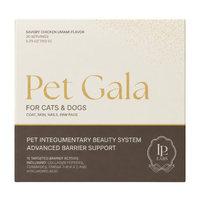
Pet Gala™ is designed for the everyday visible signals pet parents care about—comfortable skin, a smoother-looking coat, and a well-kept finish—so you can support appearance and confidence while you and your veterinarian address the reason behind dog bald spots.

A bald spot on dog skin is one of those discoveries that lands with a thud: your hand moves through the coat, and suddenly there’s a patch that feels different—smoother, thinner, or oddly exposed. For many pet parents, the worry isn’t only medical. It’s also personal. The coat is part of how your dog looks “well,” how they’re recognized at the park, how they feel when you run your fingers down their back. When dog bald spots appear, it can feel like something about their everyday presentation has slipped.

The reassuring truth is that bald spots on dogs have a wide range of causes, and many are manageable once identified. The frustrating truth is that different causes can look similar at first glance. Mites can lead to patchy hair loss and may require veterinary evaluation to rule out demodicosis. Yeast-associated dermatitis can also contribute to hair loss and skin changes. And sometimes the skin looks perfectly calm while the coat simply doesn’t return, which can point to coat-cycle patterns discussed in conditions like Alopecia X.

This page is designed to help you read the visible signals—shape, location, texture, and timing—so you can have a sharper conversation with your veterinarian. It also answers the practical question a science-minded owner quietly asks: if diagnosis and treatment are vet-led, why choose a skin-and-coat product at all? Because while medicine addresses the cause, daily visible care supports the baseline you can see and feel: comfort, softness, shine, and an even-looking coat as regrowth happens. That’s the role of a beauty-forward supplement: not a shortcut, but a steadying ritual that keeps your dog looking cared-for while the bigger question gets answered.

By La Petite Labs Editorial, ~15 min read

Featured Product:

  • Notice the pattern first: location, shape, and whether the skin looks calm or inflamed.
  • Itch usually means the hair loss is secondary to irritation, chewing, or scratching.
  • Parasites and mites can cause patchy loss and deserve a vet-led check.
  • Yeast-related dermatitis can change odor, texture, and coat density.
  • Quiet, symmetrical thinning may point to coat-cycle or hormonal patterns.
  • Avoid human topical creams; safety in pets isn’t well established.
  • Support the visible baseline—shine, softness, comfort—while the cause is addressed.

Bald Patches, Clear Signals: Reading Your Dog’s Coat with Confidence

A bald spot on dog skin is rarely “just cosmetic,” but it is often first noticed as a cosmetic change: a patch that looks thinner, lighter, or oddly smooth compared with the surrounding coat. Dog bald spots can be small and round, irregular and moth-eaten, or symmetrical on both sides. Some are itchy and inflamed; others look calm and quiet, as if the hair simply stopped showing up. The visible pattern matters because it hints at what’s driving the change—parasites, infection, friction, allergies, stress licking, or hormonal shifts.

If you’re asking, “why does my dog have bald spots,” start by noticing the signals: location, size, redness, odor, flaking, and whether your dog is licking or scratching. Those details help your vet decide whether to check skin scrapings for mites (a common cause of bald spots on dogs)(Huang HP, 2013), look for yeast overgrowth (Gimmler JR, 2015), or consider less common coat-cycle conditions.

Skin and coat health illustration showing beauty support linked to dog bald spots.

What You’re Seeing: Patterns That Make Dog Bald Spots Easier to Decode

Most owners notice bald spots on dogs in one of three moments: during brushing, after a bath when the coat lies flat, or when sunlight hits a patch at an angle. That moment can feel alarming, but the next step is usually observation, not panic. Dog bald spots have many causes, and the “look” of the patch—dry vs. Greasy, red vs. Normal, itchy vs. Calm—often narrows the list.

A key distinction is whether the hair is falling out from the root or breaking off from friction and chewing. Another is whether the skin is inflamed. Mites can cause hair loss and may require veterinary evaluation to rule in or out demodicosis. Yeast can also contribute to hair loss and skin issues. These are different problems with different solutions, even if they look similar from across the room.

Collagen close-up symbolizing beauty at the cellular level via dog bald spots.

Location Clues: Why Where the Hair Is Missing Matters

If you’re wondering, “why does my dog have bald spots,” start with location. Around the eyes and muzzle can suggest rubbing or irritation; on elbows and hocks can be pressure points; near the tail base can align with flea irritation; on the belly can reflect contact allergies or licking. The pattern is a visual map of what your dog’s day-to-day life is doing to their skin.

Then consider timing. Sudden patches after boarding, a move, or a new grooming routine can point to stress licking or friction. Gradual thinning over months can point to coat-cycle issues. Some endocrine-related alopecias are discussed in veterinary literature, including Alopecia X, which presents with hair loss and bald spots in dogs (Cerundolo R, 2004). Your vet can help decide what’s worth testing now versus watching closely.

Ingredient structure illustration showing beauty formulation behind why does my dog have bald spots.

Itchy Versus Quiet Patches: Two Very Different Stories

Itch changes everything. When a bald spot on dog skin is paired with scratching, chewing, face rubbing, or scooting, the hair loss may be secondary to irritation rather than the primary problem. The coat can look “moth-eaten” because hairs snap off, and the skin can become pink or thickened over time. Owners often describe it as a patch that never gets a chance to recover.

Because itch has many triggers, your veterinarian may recommend ruling out parasites and secondary infections before labeling it “allergies.” Demodicosis can cause hair loss and may require targeted treatment options that address mites. Yeast-associated dermatitis can also contribute to skin issues and hair loss. The right sequence matters for comfort and for visible regrowth.

Dog close-up emphasizing coat shine and connection supported by dog bald spots.

Symmetry and Slow Changes: When Hair Loss Doesn’t Look Inflamed

Some dog bald spots are surprisingly quiet: no itch, no redness, just a patch of missing hair. In these cases, your vet may look for coat-cycle or hormonal patterns, especially if the hair loss is symmetrical or concentrated on the trunk. Alopecia X is one example described with hair loss and bald spots in dogs, and it can be challenging because the skin may look otherwise normal.

The visible-care approach is still useful while diagnostics unfold. Gentle grooming, avoiding harsh products, and supporting skin comfort can keep the area looking calm and cared-for. If your veterinarian discusses medical options, they may reference therapies used in certain alopecia cases; trilostane has been used in Alopecia X with reported regrowth in some dogs.

The scratching is completely gone, his coat looks healthy and shiny!

— Lena

He was struggling with itching, now he's glowing.

— Grace

“The pattern is information: where the patch sits and how it looks often matters more than its size.”

Mites and Parasites: When Patchy Loss Spreads Across the Coat

Parasites are a common reason bald spots on dogs appear to “spread.” Demodex mites, in particular, can be associated with patchy hair loss and may signal an underlying issue that needs veterinary attention. The important point is not to guess which parasite is involved—different parasites require different approaches, and the wrong product can waste time.

Your veterinarian may use skin scrapings or other tests to confirm what’s happening. If a topical treatment is recommended, dog-specific formulations are designed with canine tolerance in mind. Repeated topical treatments in dogs have been evaluated for tolerance in research settings (Turlewicz-Podbielska H, 2022). The visible goal is a calmer surface so hair can return without constant disruption.

Dog headshot symbolizing coat shine and beauty supported by bald spots on dogs.

Yeast and Odor: When Texture Changes Along with Hair Density

Yeast overgrowth can make the coat look dull and uneven, sometimes with thinning that reads as dog bald spots in certain lighting. Owners often notice a musty odor, greasy texture, or darkened skin. Malassezia dermatitis in dogs is associated with skin issues, including hair loss and bald spots.

If your veterinarian suspects yeast, treatment is typically targeted and time-limited, with follow-up based on how the skin looks and feels. Terbinafine is used to treat Malassezia dermatitis by targeting fungal infection on canine skin. Alongside medical care, consistent bathing and gentle brushing can help the coat regain a clean, polished look as the skin settles.

Dog looking radiant, capturing beauty and presence supported by dog bald spots.

Friction and Contact: Harness Lines, Collars, and Pressure Points

Contact irritation and friction are underrated causes of bald spots on dogs. Harnesses, collars, sweaters, and even repetitive lying positions can create localized hair breakage. These patches often have clear borders and show up exactly where gear sits. The skin may look normal at first, which can make the hair loss feel mysterious.

The fix is often aesthetic and practical: adjust fit, choose softer materials, and give the area a break. If the skin becomes red, moist, or smelly, ask your vet to check for secondary infection. Avoid applying human creams to “speed it up,” since safety and efficacy in pets are not well established and adverse reactions are possible.

Supplement breakdown graphic emphasizing no fillers approach within bald spots on dogs.

Licking and Chewing: When Behavior Becomes the Bald Patch

Compulsive licking can turn a small irritation into a larger bald patch. The coat may look stained, the hairs around the area may be broken, and the skin can become thickened over time. This is especially common on wrists, ankles, and the inner thighs. Even when the original trigger is minor, the habit can keep the area from looking “finished” again.

Because licking can be driven by allergies, pain, anxiety, or infection, it’s worth a veterinary check if it persists. Your vet may rule out mites or yeast when hair loss is present, since both can contribute to bald spots on dogs. Once the driver is addressed, supportive coat care helps the regrowth look smoother and more even.

Infections That Mimic Allergies: When Patches Look Round or Spotted

When dog bald spots show up in a neat circle, ring-like shape, or as multiple small patches, your veterinarian may consider infectious causes. Yeast-associated dermatitis can contribute to hair loss and skin discomfort, sometimes with a distinct odor or greasy feel (Gimmler JR, 2015). Other infections can mimic allergy flares, which is why “treating at home” without a diagnosis often stretches the timeline.

The visible goal is a coat that looks even and polished again, but the path there depends on what’s actually on the skin. If an antifungal medication is prescribed, it’s typically chosen and monitored for effectiveness and tolerance, rather than guessed. In Malassezia-related cases, antifungal therapy such as terbinafine is used to target yeast on canine skin (Gimmler JR, 2015).

“Comfort usually improves before hair returns—watch the skin, not just the fur.”

Professional uniform showing commitment to quality in support of bald spots on dogs.

The Itch-scratch Cycle: Why Hair Loss Keeps Repeating

Some bald spots on dogs are driven by the itch-scratch cycle: a trigger causes itching, your dog scratches or chews, the skin barrier gets irritated, and hair breaks or sheds. Even if the original trigger is mild, repeated rubbing can keep the patch looking bare. This is why the “shape” of the bald area matters—chewing often creates uneven edges and short, broken hairs.

A vet visit is especially helpful when itch is present, because the plan may include ruling out parasites, secondary yeast, or other contributors before focusing on allergy management. Demodicosis, for example, can present as hair loss and may require veterinary evaluation and targeted treatment (Huang HP, 2013). Getting the right diagnosis protects your dog’s comfort and helps the coat look consistent again.

Shop Now
Supplement with whole-food visuals emphasizing quality sourcing for dog bald spots.

Coat-cycle and Hormonal Patterns: When Skin Looks Normal

Alopecia patterns that look “too tidy” can be frustrating: the skin appears normal, but the coat thins or disappears in specific areas. One condition discussed in veterinary dermatology is Alopecia X, often noted for hair loss and bald spots in dogs, particularly in certain coat types (Cerundolo R, 2004). It’s not something to self-diagnose, but it’s a reminder that not every bald patch is an infection or flea problem.

In some cases, veterinarians may consider therapies that influence hormonal balance and hair regrowth; trilostane has been used in Alopecia X with reported improvement in regrowth in some dogs (Cerundolo R, 2004). The practical takeaway for owners is visual: when the skin looks calm but the coat won’t return, it’s time to ask about endocrine or coat-cycle causes rather than repeatedly switching shampoos.

Shop Now
Pet owner presenting supplement, highlighting home beauty support from bald spot on dog.

Avoiding Human Topicals: Safer Choices for Sensitive Canine Skin

It’s tempting to reach for a human cream when you see a bald spot on dog skin—especially if it looks dry or irritated. But human topical dermatologic medications can have different effects in pets, and their safety and efficacy in dogs are not well established (Asad U, 2020). Some ingredients are simply not designed for canine skin, and licking adds another layer of risk.

A safer approach is to keep the area clean, prevent licking if needed, and ask your veterinarian what’s appropriate for your dog’s specific pattern of hair loss. Pet owners are advised to consult a veterinarian before using human topical medications to avoid adverse reactions (Asad U, 2020). That single step often shortens the time between “I noticed a patch” and “my dog looks like themselves again.”

Shop Now

Parasite Prevention and Skin Recovery: Keeping the Coat Even

If your dog has bald spots that coincide with flea season or outdoor exposure, your vet may discuss parasite prevention and skin recovery together. Topical parasite products are formulated and tested for dogs, and tolerance matters when treatments are repeated over time. In one study context, repeated topical treatments in dogs showed a good tolerance profile (Turlewicz-Podbielska H, 2022), underscoring why dog-specific products are preferred over improvised alternatives.

The visible win here is twofold: fewer bites and less irritation, plus a coat that can grow back without constant disruption. If you’re seeing dog bald spots near the tail base, thighs, or belly, bring photos and a timeline to your appointment. Pattern plus seasonality can be a powerful clue.

Grooming, Gear, and Friction: the Overlooked Sources of Thinning

Grooming can either hide or highlight bald spots on dogs. A close clip, a new brush, or a tight harness can reveal thinning that was already there—or create friction that breaks hair. Look for symmetry where straps sit, or a straight-edged patch that matches a grooming line. These are “signal” patterns: they point to contact, pressure, or repeated rubbing rather than an internal illness.

If friction is the driver, the most reassuring changes are visible and quick: less redness, less rubbing, and a softer feel to the coat as it returns. Adjusting fit, rotating gear, and choosing gentler grooming routines can help the skin look comfortable while hair regrows. If the area becomes inflamed or spreads, loop your vet in to rule out secondary infection.

Supplement comparison highlighting clean formulation advantages for bald spot on dog.

Visible Support While You Investigate: Skin, Coat, and Nail Presentation

Nutrition doesn’t replace diagnosis, but it does shape what you see in the mirror: coat sheen, skin comfort, and how “even” the fur looks day to day. When the skin is irritated, the coat can lose its polished finish, and hair can shed more easily. That’s why supportive care is still relevant even when your dog’s diet is already “complete.” The goal isn’t to chase a single nutrient—it’s to support the whole skin-coat-nail presentation.

Think of it as reinforcing the visible baseline while you and your veterinarian address the cause of the bald patch. A consistent routine—gentle bathing, brushing as bonding, and targeted skin-and-coat support—helps your dog look cared-for during the in-between weeks when hair is returning. This is where a beauty-forward supplement can fit without overpromising.

Shop Now
Packaging reveal image highlighting brand care aligned with bald spots on dogs.

Tracking Progress with Photos: Small Changes You Can Actually See

A simple photo log can be surprisingly powerful with dog bald spots. Take pictures in the same light every 3–4 days, and note itch level, bathing, new foods, and any new products. You’re looking for visible direction: is the patch expanding, staying stable, or showing fine “fuzz” regrowth? Those changes help your vet decide whether to escalate diagnostics or stay the course.

Also track the skin itself. Hair can lag behind, but comfort often improves first: less redness, less flaking, less odor. If the skin looks worse while hair loss spreads, that’s a stronger signal to recheck. Demodicosis, for instance, can be associated with underlying issues and warrants veterinary evaluation (Huang HP, 2013).

Shop Now

Putting It Together: Medical Clarity Plus Everyday Visible Care

The most reassuring outcome is not just “hair came back,” but “my dog looks comfortable and well-kept again.” That’s why the best plan usually has two lanes: medical clarity (what’s causing the bald patch) and visible-care support (how the skin and coat look while you’re addressing it). Avoid experimenting with human topicals because safety in pets isn’t well established and reactions can set back progress (Asad U, 2020).

If you want a science-minded reason to still choose a beauty-forward supplement: it helps you keep the everyday presentation strong—coat softness, shine, and skin comfort—without pretending to replace diagnosis or prescription care. When the cause is being handled, supportive routines can make the “before and after” feel real in your hands and in photos.

“Good care is visible: a calm surface, a softer feel, and an even coat coming back.”

Educational content only. This material is not a substitute for veterinary advice. Always consult your veterinarian about your dog’s specific needs. These statements have not been evaluated by the Food and Drug Administration. Products mentioned are not intended to diagnose, treat, cure, or prevent any disease.

Glossary

  • Alopecia: The partial or complete loss of hair from areas where it normally grows.
  • Alopecia X: A coat-cycle hair loss pattern discussed in dogs, often with normal-looking skin.
  • Demodicosis: A mite-associated skin condition that can cause patchy hair loss and thinning.
  • Malassezia: A yeast that can overgrow on canine skin and contribute to odor, irritation, and hair loss.
  • Hot Spot (Acute Moist Dermatitis): A rapidly inflamed, often moist skin lesion that can lead to sudden hair loss.
  • Pruritus: The medical term for itching, which can drive scratching and hair breakage.
  • Cytology: A test where skin debris is examined under a microscope to look for yeast or bacteria.
  • Skin Scraping: A diagnostic technique used to look for mites that may be causing hair loss.
  • Friction Alopecia: Hair loss caused by repeated rubbing from gear, grooming, or pressure points.

Related Reading

References

Asad U. Effect of topical dermatologic medications in humans on household pets.. PubMed Central. 2020. https://pmc.ncbi.nlm.nih.gov/articles/PMC6988634/

Turlewicz-Podbielska H. Tolerance of Biopronil Spot on® after repeated single- or multiple-dose topical treatments in dogs.. PubMed Central. 2022. https://pmc.ncbi.nlm.nih.gov/articles/PMC11071135/

Huang HP. Treatment of canine generalized demodicosis associated with hyperadrenocorticism with spot-on moxidectin and imidacloprid.. PubMed. 2013. https://pubmed.ncbi.nlm.nih.gov/23663380/

Cerundolo R. Treatment of canine Alopecia X with trilostane.. PubMed. 2004. https://pubmed.ncbi.nlm.nih.gov/15500480/

Gimmler JR. Determining canine skin concentrations of terbinafine to guide the treatment of Malassezia dermatitis.. PubMed. 2015. https://pubmed.ncbi.nlm.nih.gov/26286855/

Bilgiç B. Investigation of Trace and Macro Element Contents in Commercial Cat Foods.. PubMed Central. 2025. https://pmc.ncbi.nlm.nih.gov/articles/PMC11633335/

Kim HT. Evaluation of Arsenic, Cadmium, Lead and Mercury Contamination in Over-the-Counter Available Dry Dog Foods With Different Animal Ingredients (Red Meat, Poultry, and Fish).. PubMed Central. 2018. https://pmc.ncbi.nlm.nih.gov/articles/PMC6209665/

FAQ

What counts as a bald spot on dog skin?

A bald spot on dog skin is an area where hair is missing or noticeably thinner than the surrounding coat. It can look smooth, patchy, or “moth-eaten,” and it may be calm or irritated. The shape and location matter because they hint at causes like friction, licking, parasites, or infection.

While you work with your veterinarian on the cause, supporting a clean, comfortable skin-and-coat look can make the in-between weeks feel more reassuring with Pet Gala™

Why do dog bald spots sometimes appear overnight?

They often don’t truly happen overnight; they become visible overnight. After a bath, brushing, or a change in lighting, thinning hair can suddenly look obvious. Rapid chewing, rubbing, or a hot spot can also remove hair quickly, making the patch feel sudden.

If the skin is red, moist, or painful, a vet check is worth prioritizing. For everyday visible support while you sort out the trigger, many owners pair routines like gentle grooming with Pet Gala™

Why does my dog have bald spots with no itching?

When there’s no itch, possibilities include friction from gear, hair breakage from grooming, or coat-cycle and hormonal patterns. Some dogs develop calm-looking thinning where the skin appears normal, which can be confusing because it doesn’t “act” like an allergy flare.

Because quiet hair loss can still have medical causes, it’s smart to show your vet photos and a timeline. To keep the coat looking polished while you investigate, consider consistent skin-and-coat support with Pet Gala™

Are bald spots on dogs always caused by fleas?

No. Fleas can contribute, especially near the tail base, but dog bald spots can also come from mites, yeast, allergies, friction, or licking habits. The same-looking patch can have very different causes, which is why pattern and skin texture are so useful.

If you’re unsure, a veterinary exam can prevent weeks of trial-and-error. While you address the underlying reason, you can still support a comfortable, well-kept coat with Pet Gala™

Can mites cause a bald spot on dog areas?

Yes. Demodex mites are a recognized cause of patchy hair loss and bald spots on dogs, and generalized cases can be associated with underlying health factors. Diagnosis typically involves a veterinary skin test rather than guessing from photos alone.

Once the cause is identified, your vet can recommend targeted care and monitor progress. To keep your dog’s coat looking smoother as the skin settles, many owners add visible-support routines alongside Pet Gala™

Is yeast linked to dog bald spots and odor?

It can be. Malassezia dermatitis is associated with skin issues in dogs, including hair loss and bald spots, and owners often notice a musty smell or greasy coat texture. Yeast can also show up alongside allergies, which is why it’s worth checking rather than assuming.

If your vet confirms yeast, treatment is typically targeted and monitored for response. For day-to-day coat presentation while you work through the cause, consider supportive care with Pet Gala™

Should I put human cream on a bald spot on dog?

It’s best not to without veterinary guidance. Human topical dermatologic medications can have different effects in pets, and their safety and efficacy in dogs are not well established. Dogs also lick, which can turn a “skin product” into an oral exposure.

Instead, keep the area clean and ask your veterinarian what’s appropriate for your dog’s skin. For visible skin-and-coat support that fits into a daily routine, you can consider Pet Gala™

When is a bald spot on dog an urgent concern?

Seek prompt veterinary care if the area is rapidly expanding, bleeding, oozing, very painful, or paired with lethargy, fever, or loss of appetite. Also move faster if your dog can’t stop licking or scratching, since self-trauma can escalate quickly.

For non-urgent patches, a photo log and a scheduled exam often provide clarity. While you wait for answers, maintaining a calm, cared-for coat routine can pair well with Pet Gala™

How do vets diagnose dog bald spots accurately?

Diagnosis usually starts with pattern recognition and a hands-on skin exam, then simple tests like skin scrapings, tape impressions, or cytology to look for mites or yeast. These quick checks can prevent weeks of trying the wrong shampoo or supplement.

If needed, your vet may recommend additional testing for allergies or hormonal patterns. While you pursue clarity, supporting the visible baseline—softness, shine, comfort—can be complemented by Pet Gala™

Can a harness or collar create bald spots on dogs?

Yes. Friction and pressure can break hairs and thin the coat, especially where straps sit or where a collar rubs during walks. These patches often have clear borders and may be more noticeable after grooming when the coat lies flatter.

Adjusting fit, rotating gear, and choosing softer materials can help the area look calmer as hair returns. For a more polished coat feel during regrowth, many owners include Pet Gala™

Do puppies get a bald spot on dog skin from mites?

Puppies can develop patchy hair loss, and mites are one possibility your veterinarian may consider. Demodicosis can cause bald spots on dogs and is a reason vets may recommend skin testing rather than guessing at home.

Because young dogs also have sensitive skin, it’s especially important to avoid experimenting with human topicals. For gentle, routine coat support while you follow your vet’s plan, consider Pet Gala™

Are certain breeds more prone to dog bald spots?

Some coat types and breeds seem more prone to specific hair-loss patterns, including conditions discussed as Alopecia X in certain dogs. Breed tendencies don’t replace diagnosis, but they can help your veterinarian decide what to rule out first.

If your dog’s skin looks calm but the coat won’t return, ask about coat-cycle causes rather than repeatedly switching products. For visible coat support while you investigate, you can use Pet Gala™

Can stress licking cause dog bald spots on legs?

Yes. Repetitive licking can break hairs and keep skin irritated, especially on wrists, ankles, and inner thighs. The patch may look stained or feel rough, and the edges are often uneven because hairs are snapping rather than shedding naturally.

Because licking can also be driven by allergies, pain, or infection, a vet check helps you avoid missing the real trigger. For supportive, appearance-forward coat care during recovery, consider Pet Gala™

How long does a bald spot on dog take to fill in?

Timelines vary with the cause, the season, and your dog’s coat cycle. Skin comfort often improves before hair visibly returns, and regrowth may start as fine fuzz that takes weeks to blend in. If the patch is expanding or the skin looks worse, recheck sooner.

A photo log every few days can make progress easier to see. For day-to-day support of coat softness and a well-kept look while you wait, consider Pet Gala™

What are quality signs that dog bald spots are improving?

Look for calmer skin first: less redness, less flaking, less odor, and less licking or scratching. Then watch for early regrowth—short, soft fuzz and a more even edge to the patch. The coat may also feel smoother as irritation settles.

If the skin looks better but hair doesn’t return over time, ask your vet about coat-cycle or hormonal patterns. To support a polished coat feel during the transition, consider Pet Gala™

Can I bathe my dog if they have bald spots?

Often yes, but the “right” bath depends on what’s going on. Gentle cleansing can remove allergens and debris, while medicated shampoos should be used only when recommended by your veterinarian. Over-bathing or harsh products can make skin look drier and more reactive.

If there’s odor, greasiness, or redness, ask your vet whether yeast or infection should be checked first. For everyday coat presentation between baths, many owners use Pet Gala™

Is Pet Gala™ safe to use with vet skin treatments?

In general, a beauty-forward skin-and-coat supplement is meant to complement—not replace—veterinary diagnosis and prescribed therapy. If your dog is on medications or has a complex skin history, it’s wise to confirm fit with your veterinarian before starting anything new.

That coordination helps you keep the plan simple and consistent while you watch visible changes in comfort and coat quality. For supportive daily care, you can review Pet Gala™

Can cats use Pet Gala™ for bald spots too?

Cats and dogs differ in grooming behavior, sensitivity, and common causes of hair loss, so you shouldn’t assume the same approach fits both. If a cat has bald patches, a veterinary exam is important because overgrooming, parasites, and stress can look similar.

For product suitability across species, follow label directions and your veterinarian’s advice. If you’re focusing on canine coat appearance and comfort, explore Pet Gala™

What research connects mites and bald spots on dogs?

Veterinary literature describes canine demodicosis as a cause of hair loss and bald spots on dogs, and it may be associated with underlying health issues that warrant evaluation. That’s why vets often prioritize confirming or excluding mites early in the workup.

Once you know what you’re dealing with, you can track visible progress more confidently. For supportive coat and skin presentation alongside vet care, consider Pet Gala™

Do topical flea products worsen dog bald spots sometimes?

Some dogs can have localized irritation to any topical product, which may make a patch look red or thin temporarily. That’s one reason your veterinarian may recommend dog-specific products with known tolerance profiles and monitor how your dog responds over time.

If you notice a new patch after applying a product, document it and contact your vet for next steps rather than reapplying. For ongoing coat appearance support during adjustments, consider Pet Gala™

5K+ Happy Pet Parents

Excellent 4.8

Bald Spot on Dog | Why Thousands of Pup Parents Trust Pet Gala™

"It's so good for his coat, and so easy to mix into food."

Alex & Cashew

"Gives him that glow from head to tail!"

Elisabeth & Chai

"The scratching is completely gone, his coat looks healthy and shiny."

Lena & Bear

"Magical. He was struggling with itching and shedding. Now he's literally glowing."

Grace & Ducky

"It's so good for his coat, and so easy to mix into food."

Alex & Cashew

"Gives him that glow from head to tail!"

Elisabeth & Chai

"The scratching is completely gone, his coat looks healthy and shiny."

Lena & Bear

"Magical. He was struggling with itching and shedding. Now he's literally glowing."

Grace & Ducky

"It's so good for his coat, and so easy to mix into food."

Alex & Cashew

"Gives him that glow from head to tail!"

Elisabeth & Chai

"The scratching is completely gone, his coat looks healthy and shiny."

Lena & Bear

"Magical. He was struggling with itching and shedding. Now he's literally glowing."

Grace & Ducky

"It's so good for his coat, and so easy to mix into food."

Alex & Cashew

"Gives him that glow from head to tail!"

Elisabeth & Chai

"The scratching is completely gone, his coat looks healthy and shiny."

Lena & Bear

"Magical. He was struggling with itching and shedding. Now he's literally glowing."

Grace & Ducky

SHOP NOW