Dog Dandruff

Find the Cause of Flakes and the Steps That Rebuild Skin Moisture

Essential Summary

Why is it important to address dog dandruff?

Flakes on a dog’s coat are a visible signal, not a verdict. Many cases improve with gentler bathing, better brushing, and a routine that supports comfortable skin and a soft, even finish. If dandruff comes with itch, odor, redness, or hair loss, involve your veterinarian to rule out infections or other causes.

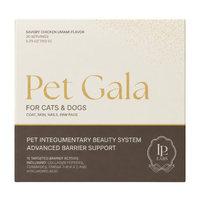
Pet Gala™ is designed for owners who want everyday visible care: comfortable skin, a smoother brush-through, and a coat that looks fresh up close. It fits alongside smart grooming and a quality diet by supporting the skin–coat–nail “presentation” that people notice first—helping your routine show, not just exist.

Few things feel more unfair than brushing your dog, stepping back to admire them, and then noticing a dusting of flakes across the shoulders. Dog dandruff is common—and it’s often more about visible condition than serious illness. Still, it can be unsettling, especially when it appears suddenly or keeps returning after baths. Owners usually aren’t just asking “can dogs get dandruff?” They’re asking whether their dog is comfortable, whether they missed something, and whether the coat will look clean and cared-for again.

The good news: many cases improve with small, elegant changes—brushing that actually reaches the undercoat, bathing that cleans without stripping, and a routine that supports a soft finish. The important nuance is that flakes are a signal, not a diagnosis. Dry, powdery scale can be seasonal; greasy scale with odor and itch can overlap with dermatitis patterns your veterinarian may want to evaluate.

A science-minded owner also wants to know: if I already feed a quality diet and groom regularly, why would I still choose a skin-and-coat product? Because visible condition is built from consistency. Even when the basics are “covered,” daily support can help the coat look smoother, feel softer, and present more evenly—skin, coat, and nails working together as a single, noticeable result. That’s the role Pet Gala™ is designed to play: not a replacement for good care, but the part that makes good care show.

By La Petite Labs Editorial, ~15 min read

Featured Product:

  • Dog dandruff is common and usually reflects dryness, grooming gaps, or seasonal changes.
  • Dry, powdery flakes often respond to gentler bathing, better rinsing, and consistent brushing.
  • Greasy scale, odor, or persistent itch can point to dermatitis patterns that deserve veterinary input.
  • Avoid using human medicated products without approval; household topicals can affect pets.
  • Be cautious with any topical your dog might lick; external-use products can be risky if ingested.
  • Diet quality and consistency matter for visible coat condition, even when nutrition is broadly adequate.
  • A beauty-forward supplement supports skin, coat, and nails together—helping your care look noticeable.

Dog Dandruff, Defined: the Flakes You See and the Comfort Beneath

Dog dandruff is the visible “snow” of tiny flakes that collect on the coat, bedding, and your black pants. It’s common, and yes—can dogs have dandruff? Absolutely. The more useful question is why it’s showing up now: a dry indoor season, a shampoo that strips oils, a coat that isn’t being brushed through, or a skin condition that needs a closer look.

Think of flakes as a signal. Sometimes they’re cosmetic and short-lived; other times they come with itch, odor, redness, or greasy scale that suggests yeast involvement or another dermatitis pattern (Gimmler, 2015). Your goal isn’t to chase flakes with harsh cleansing—it’s to restore a comfortable, well-kept surface that looks and feels polished.

Coat shine graphic representing skin hydration supported by why does my dog have dandruff.

Can Dogs Get Dandruff? Common Patterns and What They Look Like

Can dogs get dandruff? Yes, and it can look different depending on the cause. Dry, powdery flakes often show up along the back and shoulders. Greasy scale tends to cling and may come with odor. Some dogs have flakes with no itch; others scratch, rub, or lick constantly, which can make the coat look broken and uneven.

The key is to treat the pattern you see. If flakes are mild and your dog is comfortable, you can focus on gentle grooming and a supportive routine. If there’s itch, redness, or recurrent ear debris, it’s worth considering a skin condition such as Malassezia-associated dermatitis, which can present with flaking and irritation.

Beauty structure visual linked to skin and coat support mechanisms in how to get rid of dog dandruff.

Why Does My Dog Have Dandruff? the Most Likely Triggers

Owners usually ask, why does my dog have dandruff, when the flakes appear suddenly or seem to “stick” no matter how much they brush. Common triggers include low humidity, frequent bathing, a new grooming product, or a coat that’s shedding heavily. Less commonly, parasites, allergies, endocrine issues, or infections can be involved.

A quick at-home check can clarify the urgency: part the coat in good light and look for redness, thick scale, or moving specks; notice whether your dog is itchy; and smell the coat near skin folds. If there’s odor plus itch, yeast is one possibility to discuss with your vet. If it’s simply dry flakes with normal behavior, start with routine upgrades.

Beauty ingredient image emphasizing scientific formulation standards in can dogs have dandruff.

How to Get Rid of Dog Dandruff: a Calm, Visible-results Routine

How to get rid of dog dandruff usually starts with removing what’s visibly accumulating, then preventing it from returning. Brushing is the fastest cosmetic reset: it lifts flakes and spreads oils so the coat looks more even. For many dogs, a consistent brush-out changes the look of the coat within days.

Next, adjust bathing to match the dog in front of you. If you bathe weekly, consider spacing it out or switching to a gentler formula. If you rarely bathe, a well-rinsed bath can remove built-up debris that makes flakes more obvious. The best routine is the one that leaves skin comfortable and the coat soft, not stripped.

Close-up of a dog highlighting coat shine and wellness supported by dog dandruff shampoo.

Choosing Dog Dandruff Shampoo: Gentle Cleansing with a Polished Finish

Choosing a dog dandruff shampoo is less about chasing the strongest “anti” claim and more about choosing a finish your dog can wear comfortably. Look for a product that cleans without leaving the coat squeaky, rinses easily, and doesn’t leave fragrance that irritates sensitive noses. If your dog has a history of skin reactions, patch-test by washing a small area first.

Avoid improvising with human medicated shampoos unless your veterinarian specifically approves. Human topical dermatologic medications can affect pets in the household, and safety and interactions deserve vet guidance (Asad U, 2020). If flakes persist beyond routine changes, bring the bottle to your appointment—ingredients and frequency matter.

The scratching is completely gone, his coat looks healthy and shiny!

— Lena

He was struggling with itching, now he's glowing.

— Grace

“Flakes are a signal. The goal is a coat that looks fresh up close—and a dog that feels at ease.”

Leave-on Support: Keeping Skin Comfortable Between Baths and Brush-outs

Leave-on care can be the difference between “clean today” and “polished all week.” A light conditioner spray or vet-recommended moisturizer can reduce the dry, dusty look that returns after bathing. Apply to hands first, then smooth through the coat so you’re not over-wetting the skin.

Be cautious with any product your dog might lick. If you use topical parasite preventives or medicated spot-ons, follow label directions and keep pets from grooming the application site. Accidental ingestion of topical endectocides has been associated with toxicity in dogs. When in doubt, choose fewer products, used more consistently, and confirm compatibility with your vet.

Dog portrait tied to beauty and care supported by can dogs get dandruff.

Home and Weather Effects: Humidity, Friction, and the Places Flakes Gather

Environment is an underrated driver of flakes. Heated homes, frequent fireplace use, and long stretches of low humidity can make a dog’s coat look dusty even when the skin is otherwise healthy. If dandruff is seasonal, a humidifier in the sleeping area and more frequent brushing can make a noticeable difference in how the coat photographs and feels.

Also consider friction: harness straps, sweaters, and constant rubbing on a favorite couch arm can create localized flaking. Rotate gear, wash fabrics, and check fit. These small adjustments often improve the “high-contact” zones first—neck, shoulders, and along the back—where owners tend to notice flakes most.

Side-profile dog portrait highlighting coat shine and beauty supported by can dogs get dandruff.

Diet and Coat Signals: When Nutrition Shows up on the Outside

Nutrition influences what you see on the outside, but it’s not only about meeting minimums. The coat is a daily display of consistency: stable digestion, good ingredient tolerance, and reliable quality. Studies have raised concerns that commercial pet foods can vary in levels of toxic elements, depending on ingredients and sourcing (RVA, 2021).

For owners who already feed a reputable diet, the practical question becomes: what supports visible condition beyond the basics? That’s where a beauty-forward supplement can fit—supporting skin, coat, and nails as a unified “presentation system,” not as a single-nutrient fix. The goal is a coat that looks even, feels soft, and sheds flakes less obviously.

Ingredient overview graphic showing what's inside and how why does my dog have dandruff supports beauty.

Allergies and Itch: When Flakes Are a Side Effect of Irritation

Allergies can make dandruff look louder. When skin is irritated, dogs scratch and rub, which breaks hair, lifts scale, and creates a rougher surface that catches light poorly. If you see recurrent paw licking, face rubbing, ear debris, or seasonal flare-ups, dandruff may be one visible piece of a bigger comfort story.

Because allergy management is individualized, it’s best handled with your veterinarian. In the meantime, keep routines gentle: avoid harsh shampoos, don’t layer multiple fragranced products, and focus on brushing and a supportive finish. If yeast is suspected due to odor and itch, your vet may discuss targeted options used for Malassezia dermatitis.

When Food Changes Coincide with Flakes: Quality, Tolerance, Consistency

If you’re wondering why does my dog have dandruff right after switching food, it may be timing—or it may be that the new diet changed stool quality, coat oils, or overall tolerance. Food quality can vary in ways that aren’t obvious from the label, including differences in ingredient sourcing and contaminants (RVA, 2021). Research has also found that dry dog foods can vary in heavy metal contamination depending on ingredients (Kim HT, 2018).

This doesn’t mean every flake is “from the food.” It means a science-minded owner can reasonably care about consistency and quality signals. If flakes coincide with GI upset, ear debris, or persistent itch, bring your vet into the decision. For everyday visible care, support that complements a solid diet can help keep skin and coat looking even and well-kept.

“Consistency beats intensity: gentle cleansing, thorough rinsing, and a routine you can keep.”

Clinical image tied to evidence-based beauty positioning for can dogs have dandruff.

Brushing as a Ritual: the Fastest Way to Improve Coat Finish

Some dogs show flakes because their grooming routine is incomplete, not because anything is “wrong.” Brushing lifts scale, distributes natural oils, and helps you notice early changes—like a new patch of dryness or a tender spot. For double-coated breeds, undercoat buildup can trap debris and make dandruff look worse than it is.

Aim for a routine that feels like care, not correction: a few minutes of brushing, a quick skin check, and a calm reward. If your dog resists, start with short sessions and a softer tool. When the coat lies flatter and feels smoother, flakes often become less noticeable—because the surface is being maintained, not just washed.

Shop Now
Ingredient spread with supplement box highlighting formulation depth behind can dogs get dandruff.

Bathing That Leaves a Soft Finish, Not a Stripped Feeling

Bathing can help, but it’s easy to overdo it. Too-frequent baths, very hot water, or strong degreasing formulas can leave skin looking dull and feeling tight. If you’re shopping for dog dandruff shampoo, prioritize gentle cleansing and a finish that leaves the coat soft rather than squeaky.

Technique matters as much as the bottle: fully wet the coat, work product down to the skin, rinse longer than you think you need, and towel-dry thoroughly. Residue can irritate and create more visible scale. If flakes are paired with odor or persistent itch, don’t keep rotating shampoos—ask your vet whether yeast or another dermatitis pattern is in play (Gimmler, 2015).

Shop Now
Pet owner presenting supplement, highlighting home beauty support from dog dandruff shampoo.

Topicals and Household Products: Safety Choices That Protect Comfort

Topicals can be helpful, but “human products” are a common misstep. Many human dermatologic medications are not evaluated the same way for pets, and household exposure can have unintended effects (Asad U, 2020). If you’re tempted to use your own anti-dandruff shampoo or medicated cream, pause and confirm with your veterinarian first—especially if your dog licks their coat.

Also be cautious with parasite preventives and other topical treatments: they’re designed for external use, and accidental ingestion can be risky. The safest plan is a clear, vet-aligned routine: one primary wash product, one leave-on moisturizer if recommended, and a consistent grooming cadence so you can judge what’s truly helping.

Shop Now

Greasy Scale and Odor: When to Consider Yeast-related Irritation

When flakes are greasy, yellowish, or accompanied by a musty odor, yeast is one possibility your vet may consider. Malassezia dermatitis can contribute to itching and flaking, and antifungal approaches are sometimes used under veterinary direction (Gimmler, 2015). This is where “how to get rid of dog dandruff” stops being a cosmetic question and becomes a comfort question.

Don’t self-diagnose based on smell alone. Instead, look at the full picture: ear debris, paw licking, redness in skin folds, and whether the scale returns quickly after bathing. A targeted plan—rather than constant product switching—usually produces the most noticeable improvement in how the coat looks and how relaxed your dog seems in their own skin.

Seasonal Flaking: Winter Air, Coat Blows, and Everyday Maintenance

Some flakes are seasonal. Indoor heating lowers humidity, and many dogs show more visible scale in winter or during big coat blows. If your dog’s skin looks otherwise calm—no redness, no intense scratching—your best move is often to refine the routine: slightly less frequent bathing, more brushing, and a gentle moisturizing finish.

You can also improve the “home backdrop” that makes dandruff obvious: wash bedding, vacuum favorite nap spots, and keep grooming tools clean. These steps don’t change skin biology; they change what you see day to day. The goal is a coat that looks fresh at close range, not just acceptable from across the room.

Comparison graphic showing can dogs have dandruff benefits versus typical supplement formulas.

Puppies, Seniors, and Sensitive Dogs: Tailoring Care Without Overdoing

Puppies, seniors, and dogs with chronic conditions can be more sensitive to routine changes. A puppy’s skin may react quickly to harsh products; a senior dog may groom less effectively and show more scale along the back. If you’re asking can dogs get dandruff as they age, the answer is yes—often because the coat’s “self-maintenance” isn’t as efficient as it once was.

Keep the plan simple and gentle, and let comfort lead. If a new flake pattern appears alongside weight change, thirst changes, or a suddenly dull coat, involve your veterinarian to rule out broader issues. For everyday presentation, consistent support for skin, coat, and nails can help your dog look cared-for even when life stage shifts.

Shop Now
Packaging reveal image highlighting brand care aligned with why does my dog have dandruff.

Why a Supplement Still Makes Sense for Visible Skin-coat-nail Care

A careful owner wants two things at once: scientific honesty and a routine that produces visible results. That’s why a “single fix” rarely satisfies. Diet, grooming, bathing, and environment each control a different part of what you see on the coat. Even when nutrition is broadly adequate, ingredient quality can vary across foods, including the presence of certain toxic elements (RVA, 2021).

This is where a beauty-oriented supplement earns its place: not as a replacement for food, but as a consistent layer of visible care. When the coat reflects light better, when brushing feels smoother, when nails look strong and tidy—those are the signals that reassure you the routine is working. The best plan is the one you can keep, and the one your dog wears well.

Shop Now

When to Call the Vet: Red Flags That Deserve Prompt Attention

Call your veterinarian promptly if flakes come with intense itch, open sores, hair loss, a strong odor, or a greasy coat that rebounds within days. Also seek help if your dog seems uncomfortable after any topical product, or if they may have licked or ingested something meant only for external use.

Bring specifics: photos, the exact products used, bathing frequency, diet changes, and where the flakes are worst. That detail helps your vet choose whether this is routine dryness, allergy patterning, or a yeast/bacterial concern that needs targeted care. Your goal is a calm, comfortable dog—and a coat that looks as good as your care feels.

“A polished coat is proof of care—brushing, bathing, and daily support working together.”

Educational content only. This material is not a substitute for veterinary advice. Always consult your veterinarian about your dog’s specific needs. These statements have not been evaluated by the Food and Drug Administration. Products mentioned are not intended to diagnose, treat, cure, or prevent any disease.

Glossary

  • Dandruff (Canine): Visible flakes (scale) shed from a dog’s skin and caught in the coat.
  • Scale: Clusters of dead skin cells that appear as white or yellowish flakes.
  • Seborrhea: A pattern of abnormal skin scaling that can be dry or oily in appearance.
  • Xerosis: Dry skin; often worsened by low humidity or over-bathing.
  • Skin Barrier: The outer protective layer of skin that helps retain moisture and reduce irritation.
  • Malassezia: A yeast that can contribute to itchy, flaky, sometimes greasy dermatitis in dogs.
  • Hot Spot (Acute Moist Dermatitis): A rapidly developing, inflamed skin patch often triggered by licking or scratching.
  • Undercoat: The dense, soft layer beneath guard hairs that can trap flakes and debris.
  • Allergic Dermatitis: Skin inflammation driven by allergies that can increase scratching and visible flaking.

Related Reading

References

See AM. Toxicity in three dogs from accidental oral administration of a topical endectocide containing moxidectin and imidacloprid.. PubMed. 2009. https://pubmed.ncbi.nlm.nih.gov/19673850/

Asad U. Effect of topical dermatologic medications in humans on household pets.. PubMed Central. 2020. https://pmc.ncbi.nlm.nih.gov/articles/PMC6988634/

Young BC. Toxic pneumonitis caused by inhalation of hydrocarbon waterproofing spray in two dogs.. PubMed. 2007. https://pubmed.ncbi.nlm.nih.gov/17605667/

Gimmler. Determining canine skin concentrations of terbinafine to guide the treatment of <i>Malassezia</i> dermatitis. PubMed. 2015. https://pubmed.ncbi.nlm.nih.gov/26286855/

Rumbeiha W. A review of class I and class II pet food recalls involving chemical contaminants from 1996 to 2008.. PubMed Central. 2011. https://pmc.ncbi.nlm.nih.gov/articles/PMC3614097/

RVA. Toxic element levels in ingredients and commercial pet foods.. PubMed. 2021. https://pubmed.ncbi.nlm.nih.gov/34697366/

Kim HT. Evaluation of Arsenic, Cadmium, Lead and Mercury Contamination in Over-the-Counter Available Dry Dog Foods With Different Animal Ingredients (Red Meat, Poultry, and Fish).. PubMed Central. 2018. https://pmc.ncbi.nlm.nih.gov/articles/PMC6209665/

Ahmed. Bioaccumulation of heavy metals in some commercially important fishes from a tropical river estuary suggests higher potential health risk in children than adults.. Nature. 2019. https://www.nature.com/articles/s41598-021-00467-4

FAQ

Can dogs have dandruff, or is it a human issue?

Yes, can dogs have dandruff is a fair question—and the answer is yes. Flakes are simply visible scale from the skin that collects in the coat. Mild flaking can be cosmetic, while flaking with itch, odor, or redness can signal a skin condition worth checking.

If you’re unsure which pattern you’re seeing, a consistent grooming routine helps you track changes and keep the coat looking even. For daily visible support of skin, coat, and nails, many owners addPet Gala™

Why does my dog have dandruff all of a sudden?

Sudden flakes often follow a change you can’t always see at first: drier indoor air, a new shampoo, more frequent baths, or a coat blow that leaves scale more obvious. Sometimes the skin is irritated and shedding faster, which can be paired with scratching or rubbing.

If the change also includes odor, redness, or persistent itch, schedule a vet visit rather than cycling products. For a steadier “baseline” of everyday coat presentation, consider supportive care likePet Gala™

Can dogs get dandruff from bathing too often?

Yes. Frequent baths, hot water, or strong degreasing formulas can leave skin looking dull and feeling tight, which makes flakes more noticeable. Even a good shampoo can cause issues if it isn’t rinsed thoroughly, because residue can irritate sensitive skin.

Try spacing baths out, switching to a gentler formula, and brushing more between baths to keep the coat looking tidy. To support a soft, polished finish between washes, many owners usePet Gala™

What is the best dog dandruff shampoo for sensitive skin?

The “best” dog dandruff shampoo is usually the one that cleans without stripping and leaves the coat soft, not squeaky. For sensitive dogs, prioritize gentle cleansing, minimal fragrance, easy rinsing, and a formula that doesn’t leave a heavy residue.

If your dog has recurrent itch, odor, or red patches, ask your vet which active ingredients fit the suspected cause rather than guessing. For daily, non-wash support of skin and coat appearance, considerPet Gala™

How to get rid of dog dandruff without harsh products?

Start with the lowest-friction fixes: brush consistently to lift flakes and distribute oils, bathe less often if you’re over-washing, and rinse longer than you think you need. A humidifier near sleeping areas can also reduce the dry, dusty look during winter.

If flakes persist but your dog seems comfortable, focus on routine consistency rather than stronger cleansers. For a simple layer of daily visible support, many owners pair grooming withPet Gala™

Is dog dandruff ever a sign of yeast overgrowth?

It can be. When flaking comes with a musty odor, greasy scale, or persistent itch, your vet may consider Malassezia-associated dermatitis as part of the differential. That pattern usually needs targeted care rather than repeated shampoo changes.

Because look-alikes are common, avoid self-diagnosing and ask your vet about testing and appropriate products. For everyday coat and skin support alongside veterinary plans, considerPet Gala™

Can I use my own anti-dandruff shampoo on my dog?

It’s not a good default. Human topical dermatologic medications may have effects on household pets, and their safety and interactions in dogs deserve veterinary guidance(Asad U, 2020). Dogs also lick their coats, which changes the risk profile compared with human use.

If you want a faster cosmetic reset, choose a dog-specific product and keep the routine gentle. For daily support that complements smart bathing choices, considerPet Gala™

What if my dog licks topical products meant for skin?

If a dog licks or ingests a topical product, call your veterinarian or a pet poison resource for guidance. Some external-use products can pose significant risks when ingested, including certain topical endectocides. Don’t wait for symptoms if you suspect a meaningful exposure.

To reduce risk, use fewer products, apply them correctly, and prevent grooming of treated areas. For a simple daily routine that supports coat presentation, considerPet Gala™

Does diet cause dog dandruff, or is it mostly grooming?

It can be either, and often it’s both. Grooming affects what you see immediately, while diet influences coat oils and overall skin condition. Food quality can vary in ways that aren’t obvious, including differences in ingredient sourcing and contaminants(RVA, 2021).

If flakes began after a diet change and you also notice GI upset or itch, ask your vet about next steps. For owners who want visible support alongside a solid diet, considerPet Gala™

How long does it take to see improvement in dog dandruff?

Cosmetic improvement can be quick: brushing and a well-rinsed bath may reduce visible flakes within days. Longer-lasting improvement depends on the cause—seasonal dryness may settle with routine changes, while itch-driven flaking can persist until the underlying trigger is addressed.

Track what you change and give each adjustment time to show results before stacking new products. For steady, day-to-day support of coat softness and overall presentation, considerPet Gala™

Is dog dandruff contagious to other dogs or people?

Most simple flaking is not contagious. However, some causes that can look like dandruff—such as parasites or certain infections—can spread, which is why context matters. If multiple pets in the home become itchy or flaky around the same time, it’s worth a veterinary check.

In the meantime, wash bedding and grooming tools to reduce buildup and keep the coat looking clean. For everyday skin-and-coat support as you refine the routine, considerPet Gala™

Do certain breeds get dog dandruff more than others?

Some breeds are more prone to visible flaking because of coat type, skin fold anatomy, or grooming needs. Double coats can trap scale in the undercoat, while short coats can make flakes stand out against the hair. Individual sensitivity matters more than breed stereotypes.

If your dog’s breed tends toward dry skin, prioritize gentle bathing and consistent brushing from the start. For daily support that helps the coat look smoother and more even, considerPet Gala™

Can puppies have dog dandruff, and should I worry?

Puppies can have flakes, especially after their first baths or during seasonal dryness. Their skin can be more reactive to harsh products, so mild flaking is often a cue to simplify: gentler shampoo, thorough rinsing, and shorter bath sessions.

If flakes come with significant itch, redness, or hair loss, involve your vet to rule out parasites or dermatitis. For a gentle layer of everyday coat support as your puppy grows, considerPet Gala™

Can senior dogs get dandruff more easily with age?

Yes, can dogs get dandruff with age is common—older dogs may groom less effectively, have drier skin, or develop conditions that change coat quality. Flakes along the back and hips can become more noticeable even when the dog seems otherwise well.

Keep bathing gentle, brush regularly, and ask your vet if you notice new odor, redness, or discomfort. For daily support that helps seniors look well-kept and comfortable, considerPet Gala™

What are the red flags that dog dandruff needs a vet?

Call your vet if flakes come with intense itch, open sores, hair loss, strong odor, greasy scale, or if the problem keeps returning quickly after bathing. Also seek help if your dog seems painful when touched or if multiple pets in the home become itchy.

Bring photos and a list of products used so your vet can narrow causes efficiently. For ongoing visible care once the plan is set, considerPet Gala™

Can dog dandruff be related to heavy metals in food?

Research has found that commercial dog foods can vary in heavy metal contamination depending on ingredients and sourcing(Kim HT, 2018). That doesn’t mean flakes are automatically “from heavy metals,” but it supports the idea that quality and consistency can differ between diets in ways owners can’t easily see.

If you’re concerned, discuss diet selection with your veterinarian and choose reputable manufacturers. For owners who want additional daily support for coat and skin presentation, considerPet Gala™

Should I add oils to food to reduce dog dandruff?

Adding oils can help some dogs, but it’s not universally beneficial and can upset digestion or add unwanted calories. It’s better to evaluate the whole routine: bathing frequency, brushing, and whether the skin looks irritated. If you want to change diet or supplements, check with your vet—especially for dogs with pancreatitis history.

For a more balanced approach to visible skin, coat, and nail support, many owners choosePet Gala™

What’s the difference between dry flakes and greasy dog dandruff?

Dry flakes tend to look powdery and brush out easily, often tied to low humidity or over-bathing. Greasy scale clings to hair, can look yellowish, and may come with odor or itch. That greasier pattern can overlap with dermatitis concerns your vet may want to evaluate.

Because the care approach differs, it’s worth getting guidance if the coat feels oily or the smell is persistent. For everyday support that helps the coat look cleaner and more even, considerPet Gala™

How do I choose between shampoo, conditioner, and supplements?

Think in layers: shampoo resets the surface, conditioner or leave-on care refines the feel, and supplements support the “baseline” of how skin, coat, and nails present day to day. If you only wash harder, you may get clean-but-dull results; if you only supplement, flakes may still sit in the coat.

A simple, consistent trio usually looks better than a crowded cabinet of rotating products. For daily support that complements grooming and bathing, considerPet Gala™

What research exists on skin conditions that resemble dog dandruff?

Veterinary literature describes several dermatitis patterns that can include flaking, including Malassezia-associated dermatitis. Work on antifungal therapies such as terbinafine reflects how targeted approaches are chosen when yeast is involved, rather than relying on cosmetic cleansing alone.

For owners, the practical takeaway is to match the routine to the pattern: gentle care for simple dryness, and veterinary direction for itchy, odorous, or greasy cases. For everyday visible support alongside your plan, considerPet Gala™

5K+ Happy Pet Parents

Excellent 4.8

Dog Dandruff | Why Thousands of Pup Parents Trust Pet Gala™

"It's so good for his coat, and so easy to mix into food."

Alex & Cashew

"Gives him that glow from head to tail!"

Elisabeth & Chai

"The scratching is completely gone, his coat looks healthy and shiny."

Lena & Bear

"Magical. He was struggling with itching and shedding. Now he's literally glowing."

Grace & Ducky

"It's so good for his coat, and so easy to mix into food."

Alex & Cashew

"Gives him that glow from head to tail!"

Elisabeth & Chai

"The scratching is completely gone, his coat looks healthy and shiny."

Lena & Bear

"Magical. He was struggling with itching and shedding. Now he's literally glowing."

Grace & Ducky

"It's so good for his coat, and so easy to mix into food."

Alex & Cashew

"Gives him that glow from head to tail!"

Elisabeth & Chai

"The scratching is completely gone, his coat looks healthy and shiny."

Lena & Bear

"Magical. He was struggling with itching and shedding. Now he's literally glowing."

Grace & Ducky

"It's so good for his coat, and so easy to mix into food."

Alex & Cashew

"Gives him that glow from head to tail!"

Elisabeth & Chai

"The scratching is completely gone, his coat looks healthy and shiny."

Lena & Bear

"Magical. He was struggling with itching and shedding. Now he's literally glowing."

Grace & Ducky

SHOP NOW