Do Cavalier King Charles Shed

Learn What Triggers Cavalier Shedding and Which Steps Reduce Loose Hair

Essential Summary

Why is it important to know whether Cavalier King Charles dogs shed?

Cavalier King Charles Spaniels do shed year-round, with seasonal increases that can feel dramatic without a steady routine. The most noticeable improvements come from visible-care basics: gentle brushing, detangling feathering, skin-friendly bathing, and support for coat softness and shine. When the coat is smooth and the skin looks calm, shedding feels cleaner and more manageable.

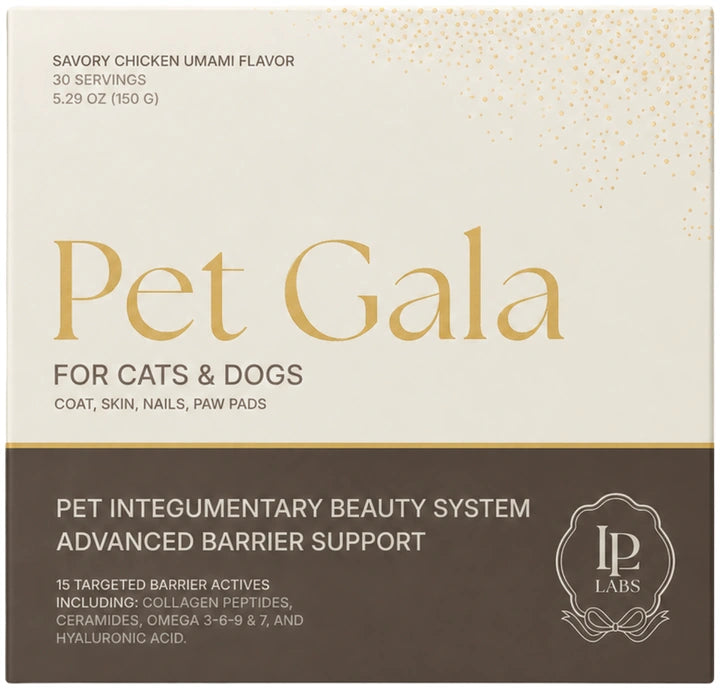
Pet Gala™ is designed for owners who want everyday coat confidence: a soft feel, a healthy sheen, and skin that looks comfortable. It doesn’t replace grooming or a complete diet; it complements them by supporting the visible condition of skin, coat, and nails so your Cavalier’s shedding looks more like “normal maintenance” and less like constant mess.

If you’re asking do cavalier king charles shed, you’re probably not looking for a technical answer—you’re looking for reassurance. You want to know whether your sofa will survive, whether your Cavalier’s coat will stay beautiful, and whether the shedding you’re seeing is normal or a sign that something is off. Cavaliers do shed, and most of the time it’s a steady, manageable kind of shedding that comes with a silky coat and signature feathering.

The more useful question is: what does healthy shedding look like on a Cavalier? Healthy shedding usually comes with a coat that still has shine, a soft feel, and skin that looks calm—no persistent redness, no strong odor, no constant scratching. When those visible signals are present, shedding is simply the coat doing what coats do. When those signals are missing, shedding can become messy, clumpy, or paired with breakage and flakes.

This page is built around visible outcomes: a coat that brushes out easily, feathering that stays neat, and hair that comes off in the brush instead of everywhere else. Grooming is the foundation, but it isn’t the whole story. Many careful owners choose a daily skin-and-coat supplement because it supports the look they’re already maintaining—softness, sheen, and comfortable skin that reads as “well cared for.” That’s the commercial coherence: Pet Gala™ isn’t a shortcut or a single-nutrient patch; it’s a consistent layer of support for skin, coat, and nails that helps your Cavalier’s everyday presentation match the devotion you put in.

By La Petite Labs Editorial, ~15 min read

Featured Product:

  • Cavaliers shed year-round, with seasonal surges that are normal and predictable.
  • Their silky feathering traps loose hair, so brushing changes what you see at home.
  • A smooth, well-conditioned coat sheds more cleanly and looks freshly kept longer.
  • Sudden shedding with itch, odor, redness, or patchiness deserves a vet check.
  • Bathing helps when gentle and thorough; harsh products can make shedding look worse.
  • Home factors—fabric choice, humidity, and cleaning rhythm—shape how shedding feels.
  • Pet Gala™ supports visible skin-and-coat condition, reinforcing a polished everyday look.

Cavalier Shedding, in Real Life: What You’ll Actually Notice at Home

Yes—Cavalier King Charles Spaniels shed. They carry a silky, medium-length coat that releases hair year-round, with noticeable upticks during seasonal coat changes. For most homes, the question isn’t whether you’ll see hair, but how it shows up: fine strands on dark clothing, a soft “halo” on upholstery, and extra tumbleweeds after playtime. The good news is that Cavalier shedding is usually manageable and predictable when the coat and skin are kept comfortable and well-conditioned.

When owners ask do cavalier king charles spaniel dogs shed, they’re often really asking if the shedding will look messy or feel endless. With this breed, the coat tends to look best when it’s brushed regularly, detangled before it mats, and supported by everyday skin-and-coat care that keeps the hair shaft smooth and the skin calm. A polished coat doesn’t stop shedding, but it changes the signal: less breakage, fewer clumps, and a cleaner finish on the dog you love to hold.

Scientific view of skin barrier tied to coat beauty with king charles cavalier shedding.

How Much Cavaliers Shed, and Why It Feels More Visible

Cavaliers are not considered low-shedding or hypoallergenic. Their coat is designed to be touchable and flowing, and that means hair naturally cycles out. Most of the time, shedding looks like a steady sprinkle rather than dramatic clumps—unless the coat is matted, the skin is irritated, or brushing has been skipped long enough that loose hair stays trapped in the feathering.

Owners often feel reassured once they learn what “normal” looks like: more hair after a bath and blow-dry, more hair during spring and fall, and a little extra after roughhousing. If your Cavalier’s coat still looks shiny, the skin looks clear, and your dog isn’t itchy, shedding is usually just maintenance. The goal is a coat that releases hair cleanly and stays silky—something grooming plus daily support like Pet Gala™ can help you maintain.

Scientific beauty render highlighting skin hydration supported by king charles cavalier shedding.

Seasonal Coat Changes: Why Spring and Fall Can Feel Intense

Seasonal shedding is real, even for indoor dogs. As daylight and temperature shift, many Cavaliers “blow” more coat, and owners notice more hair on bedding and floors. This isn’t a failure of your routine; it’s a normal coat cycle. What you can influence is how tidy the shedding feels—whether it comes out gradually during brushing or ends up scattered through the house.

During heavier shed periods, increase brushing frequency and focus on the feathering where loose hair hides. A short, consistent routine often beats a long, occasional one because it prevents tangles from forming and reduces breakage. When the coat is well-conditioned, it tends to look smoother even while shedding, which is why owners who care about a polished finish often add Pet Gala™ to support coat luster and skin comfort.

Molecular design image tied to beauty support pathways in do cavalier king charles spaniel dogs shed.

Coat Texture and Feathering: the Breed Traits Behind the Hair

Coat type influences how shedding shows up. Cavaliers have a single coat with feathering rather than a dense double coat like many spitz breeds, so you may not see huge tufts. Instead, you’ll see fine hair that drifts onto clothes and collects in corners. Because the strands are soft, they can also break if the coat is dry or brushed aggressively—making shedding look heavier than it truly is.

A smooth, hydrated coat tends to shed in a more controlled way: hair releases during brushing and the remaining coat lies neatly. That’s why visible-care strategies matter—gentle grooming, appropriate bathing, and support for skin and coat condition. If you’re aiming for that silky, well-kept Cavalier look, Pet Gala™ can complement your routine by supporting coat softness and a healthy sheen.

Close-up of a dog highlighting coat shine and wellness supported by king charles cavalier shedding.

Color and Contrast: Why Some Coats Make Shedding Look Worse

Color can change your perception of shedding. Blenheim hair shows up on dark fabrics; black-and-tan hair shows up on light upholstery. The amount of shedding may be similar, but the visibility is not. Many owners interpret “more shedding” when the contrast is simply higher—especially during seasonal coat changes.

Texture matters too. A coat that feels dry or rough tends to look less tidy and drop more broken strands. A coat that feels silky tends to look cleaner even when it’s shedding normally. If your goal is a Cavalier that looks freshly groomed more days of the week, focus on softness, shine, and detangling. Pet Gala™ fits that goal by supporting the visible condition of skin, coat, and nails as part of everyday care.

The scratching is completely gone, his coat looks healthy and shiny!

— Lena

He was struggling with itching, now he's glowing.

— Grace

“Shedding is normal. The coat’s finish—soft, glossy, and easy to brush—is what tells you care is working.”

Life Stage and Hormones: Subtle Shifts That Change Coat Behavior

Hormonal and reproductive changes can influence shedding patterns. Spayed and neutered dogs sometimes develop coat texture changes, and intact females may shed more around heat cycles. These shifts can be subtle: the coat may look fluffier, feel less sleek, or tangle more easily, which then makes shedding feel harder to manage.

If you notice a sudden change after a procedure or life-stage transition, don’t assume it’s permanent. Adjust grooming to match the coat you have now: more frequent brushing, gentler detangling, and a bathing routine that keeps the skin comfortable. For owners who want the coat to look smoother and more luminous through these transitions, Pet Gala™ can provide consistent support that shows up in everyday coat presentation.

Dog portrait reflecting beauty and wellness support tied to do cavalier king charles spaniel dogs shed.

Parasites and Skin Discomfort: When Shedding Isn’t the Main Issue

Parasites can mimic “heavy shedding.” Fleas, mites, and other skin irritants can lead to scratching, broken hair, and patchy-looking areas—especially around the tail base, belly, and legs. Even if you don’t see fleas, the coat can look unsettled: less shine, more dandruff-like debris, and more hair on your hands after petting.

If shedding is paired with itch or scabs, talk with your veterinarian about appropriate prevention and diagnostics. Once the skin is comfortable again, the coat often returns to a more even, silky look. Daily visible-care support can help maintain that improved presentation between grooming sessions, which is where Pet Gala™ can complement a vet-approved skin plan without replacing it.

Dog looking radiant, capturing beauty and presence supported by king charles cavalier shedding.

Matting and Tangles: the Hidden Reason Hair Releases in Clumps

Matting is a hidden amplifier of shedding. When feathering mats, loose hair gets trapped, then releases all at once when the mat is brushed out—or worse, when it pulls at the skin and breaks. Cavaliers are especially prone to mats behind the ears and in the “armpit” area where collars, harnesses, and movement create friction.

Preventing mats keeps shedding looking lighter. Keep feathering combed, trim sanitary areas if needed, and make sure harnesses fit smoothly. If mats are frequent, consider a professional groomer for a reset, then maintain at home. A coat that’s soft and easy to comb is simpler to keep mat-free, which is one reason owners use Pet Gala™ to support a smoother feel and a more polished finish.

Visual ingredient map showing formulation transparency connected to king charles cavalier shedding.

Indoor Air and Dry Skin: When the Coat Looks Static and Dusty

Indoor environments shape coat appearance. Heated air and low humidity can make skin look flaky and the coat feel staticky, which makes shed hair cling to everything. You may notice more “dust” in the coat, more dandruff-like specks on dark fur, and a rougher feel along the back. These are visible signals that the coat needs gentler cleansing and more conditioning support.

Small changes help: rinse thoroughly after baths, avoid over-fragranced products, and brush consistently to distribute natural oils along the hair shaft. If your home is very dry, a humidifier can improve how the coat lies and feels. For owners who want the coat to look soft and luminous in everyday light, Pet Gala™ can be a steady addition that supports skin comfort and coat sheen through seasonal indoor dryness.

When Shedding Changes Suddenly: the Clues That Deserve Attention

If shedding suddenly looks different—more hair than usual, dull texture, or a coat that feels “dry” despite grooming—zoom out. Cavaliers can shed more when the skin is irritated, when grooming is inconsistent, or when the coat is breaking from tangles and friction. You may also notice more hair after a stressful event, a move, a new dog in the home, or a change in routine. Those shifts can show up on the coat before anything else feels obvious.

Visible clues matter: increased scratching, redness, a new odor, dandruff-like flakes, or thinning at the ears, chest, or behind the legs. These aren’t “normal shedding” signals; they’re reasons to check in with your veterinarian and tighten up your coat-care rhythm. A supportive skin-and-coat supplement can complement grooming by helping the coat look smoother and more even between baths, which is why many owners pair daily care with Pet Gala™.

“A Cavalier’s feathering can hide loose hair until it releases in clumps; consistency beats intensity.”

Clinical branding image reflecting trust and validation behind do cavalier king charles spaniel dogs shed.

Allergies and Irritation: When Shedding Comes with Itch or Odor

Allergies are often blamed for king charles cavalier shedding, and sometimes that’s fair—especially when shedding comes with itch, licking, ear debris, or recurring hot spots. Environmental allergies can make the skin feel “busy,” and a busy skin surface tends to shed more and look less glossy. Food sensitivities can also show up as coat dullness or flaky skin, though they’re less common than environmental triggers.

The goal isn’t to chase every possible trigger at home; it’s to notice patterns and bring clean observations to your vet. Track when shedding spikes, what the coat looks like, and whether the skin seems comfortable. Alongside medical guidance, daily visible-care support—hydration, gentle grooming, and a consistent supplement routine—can help the coat present as softer and more polished, which is the kind of difference owners can actually see with Pet Gala™.

Shop Now
Curated ingredient scene highlighting bioactive blend supporting do cavalier king charles spaniel dogs shed.

Bathing Without Backfire: Clean Coats That Still Look Soft

Bathing can either elevate a Cavalier’s coat or make shedding feel worse, depending on products and timing. A harsh shampoo can leave the coat squeaky and the skin tight, which often translates into more flaking and more visible hair release in the days that follow. On the other hand, a gentle bath followed by thorough drying and brushing can lift out loose hair in one session, so less ends up on your couch.

Aim for a routine that keeps the coat clean without stripping it: brush before bathing to remove tangles, rinse extremely well, and dry down to the skin (damp undercoat can lead to odor and irritation). Finish with a light brush to align the feathering. When the coat feels smooth and the skin looks calm, shedding tends to look more “normal” and less chaotic—an effect many owners reinforce with Pet Gala™ as part of everyday coat presentation.

Shop Now
Owner and dog moment highlighting beauty rituals supported by do cavalier king charles spaniel dogs shed.

Brushing as a Ritual: the Fastest Way to a Tidier Coat

Brushing is the single most visible lever you control. Cavaliers have feathering that tangles easily at the ears, chest, belly, and behind the legs; those tangles trap shed hair until it releases in clumps. A few minutes of brushing most days changes the whole experience: hair comes off in the brush, the coat lies flatter, and the dog looks freshly kept even between baths.

Use a soft slicker or pin brush for the body and feathering, and a comb to check the “high-friction” zones. Be gentle—rough brushing can break hair and make shedding look worse. If your Cavalier leans into brushing, treat it like a bonding ritual: calm voice, short sessions, and a consistent place. Pairing grooming with daily skin-and-coat support can help the coat feel silkier to the touch, which is why Pet Gala™ fits naturally into this routine.

Shop Now

Food, Hydration, and Finish: Supporting Shine Without Overpromising

Diet matters, but owners often notice the results through appearance: shine, softness, and how easily the coat brushes out. A complete, balanced food supports normal hair growth, yet even well-fed dogs can show a coat that looks dull during seasonal changes, stress, or dry indoor air. That’s where “visible care” becomes the focus—supporting the skin and coat so the dog looks as good as they feel.

If you’re adjusting food, do it slowly and with your veterinarian’s input, especially if your Cavalier has a sensitive stomach. Consider the full picture: hydration, grooming, and targeted support for skin, coat, and nails. A product like Pet Gala™ isn’t positioned as a replacement for a quality diet; it’s a consistent layer of care that helps the coat present with a healthier sheen and smoother texture—signals owners can see in everyday light.

Home Habits That Reduce Hair on Fabrics Without Fighting Your Dog

Your home setup can make shedding feel either manageable or relentless. Cavaliers shed fine hair that clings to fabric, so the “right” surfaces matter: washable throws where your dog lounges, a lint roller where you actually use it, and a vacuum attachment that reaches baseboards. Airflow also changes the story—dry heat can make skin look flaky, while good humidity can help the coat feel softer and lie flatter.

Try to think in zones: a grooming spot, a resting spot, and a quick-clean plan. If you brush your Cavalier for five minutes before they settle on the sofa, you’ll often see less hair later. When the coat is well-conditioned, shed hair tends to release more cleanly during brushing rather than breaking into static-y fragments. Many owners combine these practical habits with Pet Gala™ to support a consistently well-kept look.

Side-by-side chart contrasting beauty actives and fillers relative to king charles cavalier shedding.

Puppy to Senior: How Coat Changes Shift the Shedding Story

Puppy coats and adult coats behave differently. Young Cavaliers may shed lightly, then appear to “change coats” as they mature, with new texture and more feathering. Seniors can also show coat changes—sometimes the hair looks thinner, drier, or less glossy, and shedding can feel more noticeable because the coat doesn’t bounce back as quickly after grooming.

In both life stages, the goal is the same: keep the skin comfortable and the coat easy to maintain. Choose gentle grooming tools, avoid over-bathing, and watch for new itch, odor, or patchiness that deserves a veterinary check. For owners who want a steady, day-to-day way to support coat softness and a healthy sheen, Pet Gala™ can be part of a routine that keeps your Cavalier looking like themselves.

Shop Now
Packaging reveal image highlighting brand care aligned with king charles cavalier shedding.

Shedding Versus Hair Loss: Knowing When It’s More Than Maintenance

It’s easy to confuse shedding with hair loss. Shedding is the normal release of hair from the coat; hair loss (alopecia) often looks like thinning patches, broken coat along the back, or exposed skin. If you see bald spots, sores, significant redness, or your Cavalier seems uncomfortable, that’s not a “shedding problem”—it’s a vet visit.

Also pay attention to symmetry: even shedding across the body is typical, while uneven thinning can point to parasites, infection, allergies, or hormonal issues. Bring photos and a timeline to your appointment; it helps your veterinarian see the pattern. Once medical issues are addressed, consistent grooming and visible-care support can help the coat return to a smoother, more polished presentation—one reason Pet Gala™ is often used alongside a vet-directed plan.

Shop Now

A Polished Cavalier: Managing Shedding While Keeping the Signature Look

A Cavalier’s coat is part of their charm: soft feathering, a gentle shine, and that “just brushed” look that makes strangers stop and smile. Shedding is simply the trade-off for that kind of coat. The most satisfying approach is not chasing zero hair, but shaping what you can control—comfort, smoothness, and how the coat behaves day to day.

When grooming is consistent, the coat stays detangled, and the skin looks calm, shedding becomes less dramatic and more routine. That’s also where a beauty-forward supplement fits: not as a single-nutrient fix, but as a steady layer of support for skin, coat, and nails that shows up in the mirror and under your hand. For owners who value that visible confirmation of care, Pet Gala™ is designed to support the look you’re maintaining.

“When shedding comes with itch, odor, redness, or patchiness, it’s time to involve your vet.”

Educational content only. This material is not a substitute for veterinary advice. Always consult your veterinarian about your dog’s specific needs. These statements have not been evaluated by the Food and Drug Administration. Products mentioned are not intended to diagnose, treat, cure, or prevent any disease.

Glossary

  • Shedding: The normal release of older hair as new hair grows in.
  • Seasonal Shed: A predictable increase in hair release during spring and fall transitions.
  • Feathering: Longer hair on ears, chest, belly, and legs that tangles and traps loose hair.
  • Matting: Knotted hair that holds shed strands and can pull on skin or cause breakage.
  • Dander: Tiny flakes from the skin surface that can be more visible when skin is dry.
  • Coat Breakage: Hair snapping from friction or rough brushing, making shedding look heavier.
  • Alopecia: Hair loss that creates thinning or bald patches, different from normal shedding.
  • Skin Barrier: The skin’s protective surface that influences comfort, flaking, and coat finish.
  • Undercoat: A dense secondary coat in some breeds; Cavaliers are typically not heavy undercoat shedders.

Related Reading

References

Mansilla WD. Adult dogs of different breed sizes have similar threonine requirements as determined by the indicator amino acid oxidation technique.. PubMed Central. 2020. https://pmc.ncbi.nlm.nih.gov/articles/PMC7085255/

German K. Exploratory analysis of nutrient composition of adult and senior dog diets.. PubMed Central. 2025. https://pmc.ncbi.nlm.nih.gov/articles/PMC12757753/

FAQ

Do cavalier king charles shed more than other small breeds?

They typically shed a moderate amount year-round, with seasonal increases. Compared with many short-coated toy breeds, Cavaliers often leave more visible hair because their coat is longer and feathered, so loose strands cling to fabric.

What owners notice most is not just volume, but how hair releases: brushing and coat condition can make shedding feel far more controlled. For a daily layer of visible skin-and-coat support, many owners include Pet Gala™

Is do cavalier king charles shed considered normal year-round?

Yes. Most Cavaliers shed continuously, with heavier periods during spring and fall coat changes. A steady baseline of hair on bedding or clothing is usually part of living with the breed.

Normal shedding should not come with intense itch, redness, odor, or patchy thinning—those are reasons to speak with your veterinarian. To keep the coat looking smooth and well-kept between grooms, consider daily support like Pet Gala™

Why does my Cavalier shed more after a bath?

Bathing loosens hair that was already ready to release, so it can look like the bath “caused” shedding. Blow-drying and brushing also lift out loose strands all at once, which is often a good thing for your home.

If shedding looks worse for days after bathing, the shampoo may be too harsh or rinsing may be incomplete, leaving the skin feeling dry. For a smoother, more polished coat feel between baths, many owners add Pet Gala™

Do cavalier king charles spaniel dogs shed less with daily brushing?

Daily brushing usually doesn’t stop shedding, but it changes where the hair goes. Loose strands are captured in the brush instead of dropping onto floors, furniture, and clothing, and feathering is less likely to mat.

Brushing also helps the coat lie flatter and look shinier, which makes shedding feel less messy. For owners who want extra support for coat softness and a healthy sheen, Pet Gala™

Is king charles cavalier shedding worse in spring and fall?

Often, yes. Many Cavaliers shed more when seasons change, even if they live indoors. You may notice more hair on bedding and more loose coat during brushing sessions.

During these periods, consistency matters more than intensity: short, frequent brushing and gentle bathing can keep the coat looking tidy. To reinforce a smooth, well-kept finish through seasonal shifts, consider Pet Gala™

Can stress cause do cavalier king charles shed to increase?

Stressful events—travel, boarding, moving, schedule changes—can coincide with increased shedding in some dogs. Owners may notice more hair on blankets or a coat that looks less glossy for a short period.

If the coat change is paired with itch, redness, or digestive upset, check in with your veterinarian. For everyday visible-care support that helps maintain coat softness and sheen during routine disruptions, many owners use Pet Gala™

Does a dull coat mean shedding is a nutrition problem?

Not always. A dull coat can reflect grooming gaps, dry indoor air, skin irritation, or seasonal coat changes—not just diet. Even dogs on complete, balanced food can look less glossy at certain times.

Think in visible signals: softness, shine, and how easily the coat brushes out. If you want a consistent layer of support for skin, coat, and nails alongside good food and grooming, consider Pet Gala™

How can I tell shedding from hair loss in Cavaliers?

Shedding is typically even and diffuse—hair comes out across the coat without bald spots. Hair loss often looks patchy, shows exposed skin, or comes with scabs, redness, or persistent itching.

If you see thinning in specific areas or your dog seems uncomfortable, schedule a veterinary exam. For routine coat presentation and everyday skin comfort support, many owners include Pet Gala™

Do cavalier king charles shed less if the coat is trimmed?

Trimming can make hair less noticeable and reduce tangling in feathering, but it doesn’t stop the hair cycle. You may still see shedding; it may simply be shorter strands that are easier to clean.

A tidy trim paired with brushing often makes the coat look more polished day to day. To support softness and a healthy sheen that shows up after grooming, consider Pet Gala™

What grooming tools work best for Cavalier shedding control?

A soft slicker or pin brush for the body and feathering, plus a metal comb to check for tangles, works well for most Cavaliers. The comb is especially useful behind the ears, under the collar, and in leg feathering.

Gentle technique matters; rough brushing can break hair and make shedding look worse. For owners who want the coat to feel silkier between grooming sessions, many pair tools with Pet Gala™

Can allergies make do cavalier king charles shed look worse?

Yes. Allergies can make skin feel itchy or inflamed, which can lead to more scratching, more hair breakage, and a coat that looks less glossy. Shedding plus ear issues, licking, or redness is a common pattern.

Because allergies require individualized care, it’s best to involve your veterinarian for diagnosis and management. To support visible coat condition alongside a vet plan, many owners use Pet Gala™

Is Pet Gala™ safe to use daily for Cavaliers?

For most healthy dogs, daily use of a skin-and-coat supplement is a common approach, but individual needs vary. If your Cavalier is on medications, has a chronic condition, or is pregnant or nursing, ask your veterinarian before starting any new supplement.

Introduce new products consistently and monitor stool quality, appetite, and skin comfort. For daily visible-care support that complements grooming, see Pet Gala™

What side effects should I watch for with coat supplements?

The most common issues owners report with new supplements are mild digestive changes, like softer stool or temporary stomach upset. Less commonly, a dog may refuse the product due to taste or show sensitivity to an ingredient.

If you notice vomiting, persistent diarrhea, hives, or significant itching, stop the supplement and contact your veterinarian. For a skin-and-coat focused option designed for everyday visible care, consider Pet Gala™

Can Pet Gala™ be used with flea and tick preventatives?

Many supplements can be used alongside preventatives, but it’s smart to confirm with your veterinarian, especially if your dog takes multiple products. Share the full list of medications and supplements so your vet can check for potential conflicts.

If shedding is linked to itch or skin irritation, parasite prevention is part of the visible-care foundation. For additional support for coat softness and skin comfort, consider Pet Gala™

When will I see results after starting Pet Gala™?

Visible coat changes usually follow the pace of grooming and hair growth cycles, so timing varies by dog. Some owners notice improved softness or shine within a few weeks, while others see a more obvious difference after consistent daily use over a longer stretch.

Track simple signals: brush glide, coat luster in natural light, and how the feathering behaves between baths. For a routine built around visible coat confidence, explore Pet Gala™

Do puppies and seniors shed differently in this breed?

Yes. Puppies may shed lightly, then change coat texture as they mature. Seniors may show a coat that looks drier or less full, and shedding can feel more noticeable because the coat doesn’t bounce back as quickly after grooming.

In both stages, focus on comfort, gentle brushing, and watching for new itch or patchiness that needs a vet’s input. For everyday support for skin, coat, and nails, consider Pet Gala™

Do cavalier king charles shed enough to trigger allergies in people?

They can. Human allergies are often triggered by dander and saliva proteins that ride on shed hair, not the hair itself. Because Cavaliers shed and are frequently cuddled, sensitive people may notice symptoms.

Frequent brushing, laundering throws, and keeping the coat clean can reduce what accumulates in the home. For coat condition support that complements a tidy grooming routine, consider Pet Gala™

How do I choose a supplement for Cavalier coat appearance?

Choose products with clear labeling, consistent dosing instructions, and quality standards you can verify. Look for a focus on skin-and-coat presentation—softness, shine, and comfort—rather than dramatic promises about stopping shedding.

If your dog has allergies or a sensitive stomach, ask your veterinarian which ingredients best fit your Cavalier. For a beauty-forward option designed to support visible condition, consider Pet Gala™

Should I call my vet about sudden heavy shedding?

Yes if shedding is sudden or paired with itch, redness, odor, sores, ear problems, or patchy thinning. Those signs can point to parasites, infection, allergies, or other issues that need diagnosis rather than trial-and-error at home.

Bring photos and a timeline of changes, plus any new foods, shampoos, or medications. For everyday coat support once medical causes are addressed, consider Pet Gala™

Does do cavalier king charles shed mean my grooming routine is wrong?

Not necessarily. Shedding is normal for the breed, and even excellent grooming won’t make it disappear. What grooming changes is the presentation: fewer mats, less breakage, and more hair captured in the brush instead of on your furniture.

If your Cavalier’s coat feels rough or looks dull, adjust products and technique rather than brushing harder. For a consistent layer of visible skin-and-coat support, consider Pet Gala™

5K+ Happy Pet Parents

Excellent 4.8

Do Cavalier King Charles Shed | Why Thousands of Pup Parents Trust Pet Gala™

"It's so good for his coat, and so easy to mix into food."

Alex & Cashew

"Gives him that glow from head to tail!"

Elisabeth & Chai

"The scratching is completely gone, his coat looks healthy and shiny."

Lena & Bear

"Magical. He was struggling with itching and shedding. Now he's literally glowing."

Grace & Ducky

"It's so good for his coat, and so easy to mix into food."

Alex & Cashew

"Gives him that glow from head to tail!"

Elisabeth & Chai

"The scratching is completely gone, his coat looks healthy and shiny."

Lena & Bear

"Magical. He was struggling with itching and shedding. Now he's literally glowing."

Grace & Ducky

"It's so good for his coat, and so easy to mix into food."

Alex & Cashew

"Gives him that glow from head to tail!"

Elisabeth & Chai

"The scratching is completely gone, his coat looks healthy and shiny."

Lena & Bear

"Magical. He was struggling with itching and shedding. Now he's literally glowing."

Grace & Ducky

"It's so good for his coat, and so easy to mix into food."

Alex & Cashew

"Gives him that glow from head to tail!"

Elisabeth & Chai

"The scratching is completely gone, his coat looks healthy and shiny."

Lena & Bear

"Magical. He was struggling with itching and shedding. Now he's literally glowing."

Grace & Ducky

SHOP NOW