Weight Management for Senior Dogs

Spot the drivers of weight gain and rebuild a safer daily plan

By La Petite Labs Editorial 15 min read

Close-up of a dog's face being gently held.

Weight creeps up for a simple reason: as dogs age and slow down, they burn fewer calories than they did — so the same bowl that kept them lean at four can quietly add pounds at nine. The fix isn't crash dieting; it's restoring the shape that matches your dog's frame so daily life feels light on joints, breathing, and mood. Start by setting a target with body condition score, then make calories precise — measured portions, a written treat budget, and food that supports satiety so your dog feels satisfied, not deprived. Build in small, repeatable movement, and recheck every few weeks, because needs change as the weight comes off (Grant CE, 2021). Done this way, weight management is calm and measurable: a visible waist, easier stairs, and a dog who looks comfortably in their body — without turning your home into a clinic.

  • Start with shape, not the scale: body condition score and same-spot photos clarify progress faster than weight alone.
  • Measure, don't eyeball: a kitchen scale plus a written treat budget stops silent calorie creep.
  • Pick food for satiety: higher-fiber, complete weight-management diets help a dog feel full while calories drop.
  • Move in small doses: short, frequent activity protects comfort and is easier to sustain than weekend bursts.
  • Expect plateaus: they're normal — change one variable at a time and keep tracking.
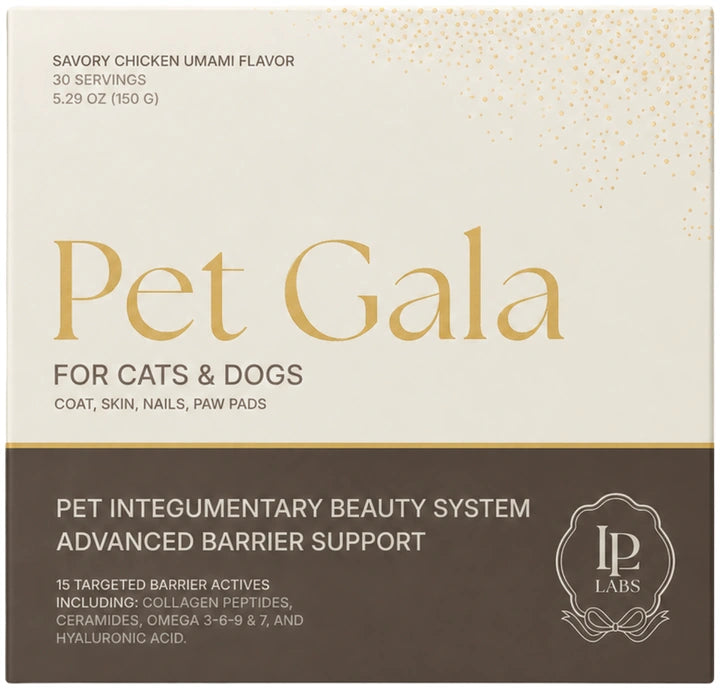
  • Supplements are support, not shortcuts: Pet Gala includes L-carnitine at a disclosed 20 mg per sachet for body-composition support, alongside skin, coat, and nail care — choose transparent labels when feeding less overall.

A Calm, Visible Approach to Healthy Weight and Daily Confidence

Healthy weight is one of the most visible signals of good care: an easy stride, a waist you can see, and a dog that looks comfortably “in their body.” Weight management for dogs isn’t about shrinking your pet; it’s about restoring a shape that matches their frame and keeping daily life feeling light—on joints, breathing, and mood. When weight creeps up, the first changes are often subtle: less bounce on walks, slower recovery after play, and a coat that looks a little less polished simply because grooming becomes harder when movement is uncomfortable.

A smart plan blends three things: a clear target (body condition score), a consistent feeding pattern, and a routine you can actually enjoy together. Regular check-ins matter because dogs don’t lose weight in a straight line, and adjustments are part of responsible care (Grant CE, 2021). The goal is steady progress without making your dog feel deprived or frantic around food. (see our Dog Body Condition Calculator →)

And here’s the practical reason a science-minded owner still chooses a skin-and-coat product on a weight page: when calories are tightened, owners often notice “presentation” details more—dryness, dullness, or brittle nails—because the whole routine becomes more intentional. Pet Gala supports the visible side of wellbeing (skin comfort, coat shine, nail strength) so your dog can look as cared-for as they’re becoming.

Close-up of a smooth, glossy brown dog coat on a page about weight management for dogs

Start with Shape: Body Condition Scoring You Can Trust

Body condition scoring (BCS) is the most reliable place to start — it gives you a shared language with your veterinarian and a way to judge shape without fixating on one number. From above, look for a visible waist; from the side, a gentle abdominal tuck. Run your hands along the ribs and you should feel them under light pressure, like knuckles through a thin glove.

Because weight shifts with season, activity, and age, this isn't a one-time check. Re-score every few weeks, especially when you change food amounts or formulas, and adjust in small steps. Owners often notice a knock-on effect, too: a dog that moves more willingly tolerates brushing, bathing, and nail trims better — so the whole dog starts to look more put-together as the shape improves.

Golden retriever riding in a car beside a coastal road during discussion of Portions, Patterns, and the Quiet Power of Consistency

Portions, Patterns, and the Quiet Power of Consistency

Calories are the main lever, but how eating feels matters just as much. A plan that leaves your dog constantly hungry is hard to keep and can breed anxious food behavior, so many weight diets lean on added fiber to promote fullness between meals.

Portion accuracy is the quiet hero. Measuring cups drift; a kitchen scale is consistent. Feed at the same times each day, and keep "extras" — chews, dental treats, lick mats — visible so they're counted, not forgotten. Write the daily plan down and share it with the household so "just one more" doesn't multiply. When the routine is this orderly, the calorie math finally adds up, and the changes you want become easier to see week over week.

Woman hugging a black dog while holding a Pet Gala box in the section about Best Dog Food for Weight Loss: What to Look For

Best Dog Food for Weight Loss: What to Look For

Choosing a weight management diet for dogs is less about a trendy label and more about fit. Look for a formula that supports satiety, maintains lean tissue, and matches your dog’s life stage. Nutrient composition can vary meaningfully between adult and senior diets, and those differences can influence weight outcomes and satisfaction.

Ask your veterinarian which target calories make sense and how quickly to adjust. If you switch foods, transition over several days to protect digestion. And remember: when you feed less, you may notice coat and skin details more—especially in dry weather or during shedding. Pet Gala supports the visible side of care so your dog can look polished while you fine-tune the diet.

Brown-and-white dog sitting in a bathtub alongside guidance on Protein Quality and Complete Nutrition While Calories Tighten

Protein Quality and Complete Nutrition While Calories Tighten

Protein quality is often part of the conversation in weight management for dogs because it helps support a strong, athletic look while calories are reduced. Dogs have defined essential amino acid needs, and research methods like indicator amino acid oxidation have been used to assess requirements in adult dogs (Mansilla WD, 2020). In practice, that means you want a diet that’s complete and balanced, not simply “less food.”

If you’re tempted to cut portions aggressively, pause. Too-steep reductions can make dogs feel deprived and can undermine the steady, composed routine you’re trying to build. A better approach is measured reductions paired with satiety-supporting choices and enjoyable movement. Keep grooming and skin support consistent—Pet Gala helps maintain the visible signals of wellbeing while you refine the plan.

“The best plans don’t feel strict; they feel repeatable—and the results look comfortable.”

Weight Management Tips for Dogs That Reduce Daily Friction

The best weight management tips for dogs are the ones that remove guesswork. Start with a written daily plan: exact food weight, treat allowance, and one or two activity anchors. Then make it easy to follow—pre-portion meals, store treats out of sight, and keep a shared note for the household so “just one more” doesn’t multiply.

Enrichment can replace some food-seeking behaviors. Puzzle feeders, sniff walks, and short training sessions give your dog a sense of reward without relying on extra calories. When your dog is mentally satisfied, they often look calmer and more settled—another visible sign that the plan is working. Pair that calm with a simple coat-care ritual and Pet Gala for a consistently well-kept look.

Hand stroking a black-and-tan dog's coat within an explanation of Plateaus and Adjustments Without Stress or Overcorrection

Plateaus and Adjustments Without Stress or Overcorrection

Plateaus are common, and they’re not a moral verdict. They usually mean your dog’s calorie needs have changed as weight drops, activity shifts, or treats creep upward. Regular monitoring and follow-up are specifically recommended as part of adjusting dietary plans over time.

When progress stalls, change one variable at a time: tighten treat accounting, reduce food slightly, or add a small activity block. Avoid stacking multiple changes at once—you want to know what worked. Keep the “visible wins” in view: a clearer waistline, easier movement, and a coat that looks freshly brushed. Pet Gala supports those everyday signals so the journey feels rewarding even between weigh-ins.

Golden retriever swimming in a pool on a page section about Breed, Size, and Health Context That Changes the Plan

Breed, Size, and Health Context That Changes the Plan

Not every dog should follow the same plan. Large-breed puppies, for example, benefit from careful weight oversight to avoid complications associated with growth and development. For small dogs, tiny “extras” can add up quickly. For seniors, comfort and mobility often dictate what activity looks like, and diet composition may need to shift accordingly.

If your dog has a medical condition or is on long-term medication, build the plan with your veterinarian. Body weight can influence medication safety profiles in certain contexts, which is another reason individualized guidance matters (Sri-Jayantha LS, 2022). Alongside that medical clarity, Pet Gala offers a steady layer of visible-care support so your dog continues to look vibrant and well-kept.

Dog paw resting in a person's hand while the page asks, “How Do I Help My Dog Lose Weight Safely?”

How Do I Help My Dog Lose Weight Safely?

Owners often want the best weight plan in one sentence. The honest answer: the best plan is the one your dog can live with calmly and you can repeat without constant negotiation — measured meals, predictable activity, and a treat strategy that doesn't rely on willpower alone.

If you're weighing weight-management supplements for dogs, treat them as supportive details that reinforce the routine, and prioritize transparent labels since ingredient variability is a real concern (RVA, 2021). This is where Pet Gala fits honestly on a weight page: its body-composition group lists L-carnitine at a disclosed 20 mg per sachet — the amino-acid compound tied to fat metabolism — right next to the marine collagen, omegas, and biotin that keep skin, coat, and nails looking cared-for while the shape comes back. It won't erase extra calories, and that's the point: it supports the plan rather than promising a shortcut.

Supplements: Supportive Details, Not Shortcuts or Promises

A weight management supplement for dogs should feel like a supportive detail, not a replacement for portion control. The best weight management supplements for dogs typically aim to complement a plan by supporting satiety routines, digestive regularity, and the “look” owners associate with thriving—comfortable skin, a smooth coat, and strong nails. Ingredient quality matters, because variability in pet food ingredients and contaminants is a real consideration in overall safety and trust (RVA, 2021).

If you’re comparing options, prioritize: clear labeling, consistent manufacturing, and a role that makes sense in your dog’s day. Supplements are also where expectations should stay grounded: they can support routines and visible condition, but they don’t erase extra calories. If your dog is on medications—especially glucocorticoids—ask your veterinarian before adding anything new, since body weight can influence adverse-event risk and overall safety considerations (Sri-Jayantha LS, 2022).

“A defined waist is a health signal, but it’s also a visible sign of daily devotion.”

Woman cuddling a beagle beside a veterinary vignette about visible skin and coat changes

DVM Voice: Clinical Vignette of When Skin Changes Point Deeper Than the Surface

Case contributed by Sarah Calvin, DVM

Rosey, a 10-year-old Shih Tzu, was brought in after two weeks of paw redness and head shaking. Her owner had also noticed lower energy, thinning abdominal hair, and mild generalized itchiness over the previous few months.

Examination showed inflammation in the ears, skin folds, and paws. Testing confirmed mixed yeast and bacterial infections, while parasites and fungal disease were ruled out. Because Rosey’s skin changes appeared alongside reduced energy and coat thinning, her veterinarian performed a broader workup, which revealed hypothyroidism as a likely underlying contributor.

Her care required a staged approach: treating the infections, addressing the thyroid imbalance, and then restoring the skin barrier through diet, bathing support, paw care, and omega-3 supplementation.

Six months later, Rosey’s owner reported a thicker coat, fewer tangles, less breakage, no itch, and restored energy.

Clinical takeaway: Rosey’s case shows why skin and coat changes should not be treated as cosmetic alone. Healthy skin depends on immune balance, endocrine health, nutrition, barrier integrity, and daily support for resilient coat growth.

Single-case vignette. Not generalizable. Veterinary diagnosis and oversight are essential for itching, redness, ear irritation, hair thinning, recurrent infections, or suspected endocrine disease.

Explore Pet Gala Research →
Man cuddling a small long-haired dog beside information on Treat Strategy That Keeps Joy High and Calories Accounted

Treat Strategy That Keeps Joy High and Calories Accounted

Treats are where many weight plans quietly unravel, not from “bad choices,” but from unclear rules. Decide what treats are for: training, enrichment, or affection—and then assign them a budget. A simple approach is to reserve a portion of the daily kibble as training rewards, so your dog still gets the joy of earning food without adding extra calories.

Choose treats that are easy to break into tiny pieces, and make the ritual about attention rather than volume. Dogs read your tone and timing more than the size of the reward. If you’re using a weight management program for dogs, write the treat plan down so everyone in the household follows the same standard. While you refine food rewards, keep the “cared-for” look consistent with grooming and skin support from Pet Gala.

Gray dog swimming through blue water in the context of Movement That Looks Like Confidence, Not Punishment

Movement That Looks Like Confidence, Not Punishment

Movement should feel like a confidence ritual, not a punishment. The best weight management for dogs often comes from adding small, repeatable activity moments: a brisk five-minute loop after meals, a short game of tug, or a few rounds of scent work indoors. These are easy to sustain, and they keep your dog engaged rather than exhausted.

If your dog is heavy or older, protect comfort first—shorter sessions, softer surfaces, and warm-up time. Senior formulations and adult diets can differ in nutrient profiles, and that can influence how energetic or satisfied a dog feels day to day (German, 2025). Pair movement with grooming afterward: a quick brush and a calm check of skin and nails reinforces the “well-kept” identity that makes weight changes feel rewarding.

Golden retriever being brushed outdoors

Life Stage Nuance: Puppies, Adults, Seniors, and Changing Needs

Life stage matters. Puppies need careful growth management, and large-breed puppies in particular benefit from thoughtful monitoring so weight gain stays aligned with healthy development (Grant CE, 2021). Adult dogs often do well with consistent portions and a stable routine, while seniors may need a different balance of calories, protein, and fiber to stay satisfied and maintain a polished appearance (German, 2025).

If you’re changing foods, transition gradually and watch stool quality, appetite, and coat feel. A weight management diet for dogs should make your dog look and act comfortable: steady energy, less frantic begging, and a body shape that’s easier to maintain. Throughout transitions, Pet Gala helps keep the visible details—skin comfort, coat sheen, and nails—looking consistent while the rest of the plan settles in.

Medication, Appetite Shifts, and When to Slow Down

Some dogs gain weight because their routine changes; others gain because health factors shift. If your dog is on glucocorticoids or has recently started them, talk with your veterinarian about appetite changes, monitoring, and any supplement additions. Heavier body weight has been associated with increased risk of certain adverse events during glucocorticoid treatment, so safety conversations are worth having early (Sri-Jayantha LS, 2022).

Also consider mobility pain, dental disease, or stress—each can change how a dog eats and moves. The goal isn’t to “push through,” but to create a plan that looks good in real life: calmer meals, comfortable walks, and a dog who seems more at ease being handled and groomed. Pet Gala fits here as a steady, visible-care layer while you and your vet address the bigger picture.

Tracking Progress with Photos, Feel, and Simple Checkpoints

Progress is easier to trust when you can see it. Use three checkpoints: body condition score, waist view from above, and how ribs feel under a light touch. Photos taken in the same spot every two weeks can be surprisingly clarifying—especially when day-to-day changes feel slow. Regular follow-up is a core part of responsible weight planning, because adjustments are normal as needs change (Grant CE, 2021).

Avoid obsessing over the scale alone. A dog can look trimmer and move better even before the number drops dramatically. Celebrate “presentation wins”: a smoother gait, more willingness to play, and a coat that lies flatter because grooming is easier. Pet Gala supports those visible wins, helping your dog look freshly cared-for while you stay consistent with the plan.

Brown-and-white dog sitting beside a Pet Gala box

Quality Signals in Foods and Supplements When Feeding Less

Quality is part of weight confidence. When you’re feeding fewer calories, you want each bite to feel dependable. Commercial foods can vary in ingredient sourcing and may contain trace toxic elements at differing levels, which is one reason reputable manufacturing and quality control matter (RVA, 2021). This isn’t meant to alarm—it’s a reminder to choose brands that publish standards and maintain consistent oversight.

The same mindset applies to supplements: pick products with transparent labeling and a clear purpose in your routine. If you’re exploring weight management supplements for dogs, think “supportive and steady,” not “quick fix.” Pet Gala is positioned as visible-care support—skin, coat, and nails—so your dog’s appearance keeps pace with the healthier shape you’re building.

Dog looking at a Pet Gala box held in a person's hand

Building a Household Routine That Stays Effortless

A sustainable weight management program for dogs is one your household can repeat without friction. That means measured meals, planned treats, and movement that fits your schedule. It also means reducing “decision fatigue”: pre-portion meals, keep a treat jar with approved options, and agree on a single rule for table scraps (ideally, none).

Make the routine feel like care, not restriction. Many owners find that as their dog slims down, grooming becomes easier and the coat looks more even simply because the dog is more comfortable being handled. Keep that momentum by pairing daily brushing with Pet Gala—a small, consistent ritual that reinforces the visible payoff of your effort.

A Simple Decision Framework for Lasting, Noticeable Results

If you want a simple decision framework: start with measurement, then choose the least disruptive change that creates a real calorie difference. For many dogs, that’s a measured meal plan plus a treat budget. If hunger behaviors are intense, consider a weight management diet for dogs with higher fiber to support satiety; fiber is commonly discussed as a helpful lever for feeling full (German, 2025).

Finally, decide what “success” looks like beyond the scale: a defined waist, easier breathing, and a dog who looks polished—clean nails, comfortable skin, and a coat with natural luster. That’s where Pet Gala stays relevant: it supports the visible condition you notice every day, while your feeding and activity choices shape the number.

“When calories tighten, consistent grooming and skin support keep the well-kept look steady.”

Educational content only. This material is not a substitute for veterinary advice. Always consult your veterinarian about your dog’s specific needs. These statements have not been evaluated by the Food and Drug Administration. Products mentioned are not intended to diagnose, treat, cure, or prevent any disease.

Glossary

  • Body Condition Score (BCS): A hands-on and visual scale used to estimate body fat and ideal shape.
  • Calorie Density: The calories per cup or per gram of a food; higher density means more calories in less volume.
  • Portion Control: Measuring food accurately (often by weight) to match a target intake.
  • Satiety: The feeling of fullness and contentment between meals; influenced by meal size and diet composition.
  • Diet Transition: Gradually changing foods over several days to reduce digestive upset.
  • Treat Budget: A planned allowance for treats within the day’s intake to prevent accidental overfeeding.
  • Enrichment Feeding: Using puzzle feeders, scatter feeding, or training to slow eating and add mental engagement.
  • Maintenance Calories: The approximate intake needed to keep weight stable once a goal condition is reached.
  • Plateau: A period where weight or measurements stop changing, often requiring a small plan adjustment.

Related Reading

References

Mansilla WD. Adult dogs of different breed sizes have similar threonine requirements as determined by the indicator amino acid oxidation technique. PubMed Central. 2020. https://pmc.ncbi.nlm.nih.gov/articles/PMC7085255/

Grant CE. Commercial diet recommendations and follow-up for a large breed puppy with an intrahepatic portosystemic shunt. PubMed Central. 2021. https://pmc.ncbi.nlm.nih.gov/articles/PMC8118183/

German. Exploratory analysis of nutrient composition of adult and senior dog diets. 2025. https://www.frontiersin.org/articles/10.3389/fvets.2025.1717409/full

Sri-Jayantha LS. Increased risk of select glucocorticoid adverse events in dogs of higher body weight. PubMed. 2022. https://pubmed.ncbi.nlm.nih.gov/34975165/

RVA. Toxic element levels in ingredients and commercial pet foods. PubMed. 2021. https://pubmed.ncbi.nlm.nih.gov/34697366/

Rumbeiha W. A review of class I and class II pet food recalls involving chemical contaminants from 1996 to 2008. PubMed Central. 2011. https://pmc.ncbi.nlm.nih.gov/articles/PMC3614097/

Fahey. The art of establishing mineral tolerances of dogs and cats. PubMed Central. 2024. https://pmc.ncbi.nlm.nih.gov/articles/PMC11161897/

Ahmed. Bioaccumulation of heavy metals in some commercially important fishes from a tropical river estuary suggests higher potential health risk in children than adults. Nature. 2019. PMID 31622361 · DOI 10.1371/journal.pone.0219336

Watson. Drivers of Palatability for Cats and Dogs-What It Means for Pet Food Development. Springer. 2023. https://link.springer.com/article/10.1007/s12011-025-04680-4

FAQ

What does weight management for dogs actually include day-to-day?

Day-to-day, it’s a repeatable rhythm: measured meals, a planned treat budget, and movement your dog can enjoy without discomfort. Most owners also track body condition score and take occasional photos to see changes that the scale can miss.

What is a realistic timeline for noticeable weight changes?

Many owners notice early changes in comfort before dramatic scale changes: easier walks, less heaviness when jumping, and a clearer waistline in photos. The exact timeline depends on starting weight, age, and how consistent the routine is. Because adjustments are normal, planned check-ins help keep progress steady.

Can I use weight management supplements for dogs safely?

Many dogs can use supplements, but “safe” depends on your dog’s health history, current diet, and medications. Choose products with transparent labeling and reputable manufacturing, and introduce only one new item at a time so you can observe tolerance. If your dog takes prescription medications, confirm compatibility with your veterinarian, since body weight can influence safety considerations in some treatment contexts(Sri-Jayantha LS, 2022).

What should I avoid when choosing a weight management supplement for dogs?

Avoid products that promise rapid results, hide behind vague “proprietary blends,” or don’t provide clear feeding directions. Also be cautious with stacking multiple supplements at once; it makes it harder to know what’s helping or causing digestive upset. Quality control matters because ingredient sourcing and contaminants can vary across pet products.

Do senior dogs need a different weight management approach?

Often, yes. Seniors may move less, have different comfort needs, and respond differently to diet changes. Some senior formulas adjust nutrient profiles, and diet composition can influence satiety and weight outcomes. The best plan keeps movement gentle and meals consistent. Because older dogs can be more sensitive to abrupt changes, make adjustments gradually and monitor closely.

What are common side effects when reducing my dog’s food?

Some dogs show increased food-seeking, restlessness around mealtimes, or changes in stool when portions change quickly. These are often signs the plan needs better structure—more consistent scheduling, fewer “extras,” or a diet that supports satiety. If you see vomiting, persistent diarrhea, or marked lethargy, pause changes and consult your veterinarian.

Do medications affect weight management for dogs and appetite?

Yes, some medications can change appetite, thirst, or activity level, which can shift weight quickly. If your dog is taking glucocorticoids, discuss monitoring and any diet or supplement changes with your veterinarian. Body weight may influence the safety profile and adverse-event risk in dogs receiving glucocorticoids, so individualized guidance matters(Sri-Jayantha LS, 2022).

How do I choose the best weight management program for dogs?

Choose a program that is measurable and calm: clear portion guidance, a treat plan, and scheduled re-checks. The best programs also adapt to your dog’s life stage, mobility, and household reality rather than demanding perfection. Ongoing monitoring is central because adjustments are expected as weight changes.

Golden retriever looking at a Pet Gala box held on a person's palm in the canine integumentary-system framework section

Discover LPL-01: How This Fits Into a Complete Canine Integumentary Support System

Skin, coat, and nails aren’t cosmetic features. They’re the visible surface of deeper biological systems—barrier function, hydration balance, structural protein turnover, and lipid integrity—working in concert.

When these systems fall out of sync, it shows: dull coat, shedding, dryness, brittleness, sensitivity.

This article explores one piece of that puzzle. If you want to understand how true coat quality and skin resilience are built—and what actually moves the needle—you need to zoom out.

Start with the underlying science: