Dog Food for Healthy Coat

Spot the nutrient gaps behind dull fur and fix them at the bowl.

By La Petite Labs Editorial 15 min read

If your dog — or your puppy — has a dull coat, the fix usually starts in the bowl: the balance of fats and the quality of protein do more for shine than any single “magic” add-in. Look for a complete-and-balanced food with named animal proteins, clearly listed fat sources (omega-3 and omega-6), and steady micronutrients like zinc and vitamin E; for a puppy, choose a formula that meets the growth life-stage statement so the coat has what it needs to come in glossy.

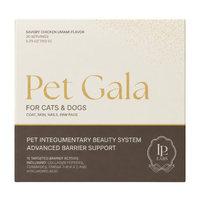
A healthy coat is one of the most honest mirrors of daily care — you see it in the light on the back and feel it when your fingers glide through the fur. This page explains why dull fur happens, what to look for on a label, and how to switch foods without upsetting digestion. And because real life is messy — seasonal shedding, indoor air, bathing — Pet Gala can add a consistent daily layer for skin, coat, and nails, not as a replacement for good food but as visible-care support alongside it.

  • A dull coat is a visible signal of daily care — start with nutrition, not a single supplement.
  • Cover the basics: fats for luster, quality protein for strength, and a formula your dog actually tolerates.
  • For a dull-coated puppy, pick a complete food that meets the growth life-stage statement.
  • Read labels for named proteins, listed fat sources, zinc, and vitamin E — skip the hype.
  • Keep treats and toppers predictable so the coat’s response is easy to read; brush to spread oils.
  • If itching, hair loss, or ear issues persist, see your vet before experimenting; Pet Gala supports skin, coat, and nails daily alongside good food.

What Makes a Dog Food Good for a Dull Coat?

A dull coat is a daily signal, and the fix starts by matching what you see to what you feed. When owners search for dog food for healthy coat, they are reading clues: is the coat dull all over or patchy, is the skin calm or reactive, are nails splitting, are ears waxy? Those patterns point you toward the right change.

Food matters because coat quality reflects ingredient quality and overall diet balance, not one “magic” add-in (Rumbeiha W, 2011). A well-formulated diet delivers the visible basics: steady energy, comfortable skin, and a coat that lies flat and feels plush. For a simple lens on how to get a healthy dog coat, run three checks: fats for sheen, protein for structure, and a formula you trust enough to feed every day.

Fats That Show: Building Luster with the Right Dietary Balance

Fats are the most visible lever for coat shine. Diets with omega-3 and omega-6 fatty acids are associated with improved coat condition and skin comfort (German, 2025), which shows up as less “crispy” texture, fewer flakes after brushing, and a smoother lay of fur.

Look for a food where fats are part of the core formula, not an afterthought, and watch stool and weight — the right fat level supports luster without greasiness. A puppy with a dull coat especially benefits from a growth-formula food that delivers those fats consistently, since the coat coming in now sets the tone for the one you will brush for months.

Protein That Holds up: Strength, Texture, and Less Breakage

Protein is the coat’s structural story. Even when a label shows a high percentage, what matters is quality and digestibility—how well your dog can actually use it (German, 2025). When protein fits the dog, you often see stronger hair shafts, less breakage, and a coat that feels resilient when you run your fingers through it.

If the coat looks thin or brittle, consider whether the diet is built around clearly named protein sources and whether your dog tolerates them. Frequent GI upset can make coat goals harder to reach because consistency breaks down. Pet Gala can complement a strong base diet by supporting the visible “finish” owners notice—especially when you’re trying to keep softness and sheen steady between grooms.

Vitamins and Micronutrients That Support a Polished Coat Finish

Micronutrients matter most when you can see the difference. Certain vitamins, including biotin and vitamin E, are commonly discussed for their role in supporting a shiny coat and healthy skin appearance (German, 2025). You don’t need to chase isolated megadoses; you want a diet that reliably delivers the basics in a balanced way.

A good sign you’re on the right track: the coat looks brighter in natural light, and the skin looks calmer after normal activities like walks and play. If you’re already feeding dog food for healthy coat, Pet Gala can help reinforce that visible care routine—supporting skin, coat, and nails as part of the everyday look you maintain.

Thoughtful Plant Ingredients That Can Complement Coat Appearance

Plant ingredients can be more than filler when they’re chosen well. Certain plant-based components contribute nutrients that support coat quality, and phytonutrients may support skin health and overall coat appearance (Tanprasertsuk J, 2022). Practically, this can show up as a coat that looks more even in tone and feels less dry at the ends.

The key is balance: plants should complement the formula, not replace the protein and fat foundation. If your dog does well with a diet that includes thoughtfully selected plant ingredients, you may notice a “cleaner” look—less dullness, more natural sheen. Pet Gala fits alongside these diets by supporting the visible results owners care about, not by replacing a complete food.

“A great coat routine is the one that looks good in daylight and feels good in your hands.”

Label Reading for Shine: What to Look for Without the Hype

Reading a label for coat goals is less about buzzwords and more about clarity. Named animal proteins, clearly listed fat sources, and a complete-and-balanced statement are the baseline. For owners focused on dog food for healthy coat, the ingredient list should feel legible: you can tell what the main building blocks are.

Also watch for “noise” that makes results hard to interpret: frequent formula changes, too many toppers, or rotating proteins every week. The coat responds best to calm consistency. Pet Gala supports that calm approach by giving you a stable daily step that pairs with your chosen food and keeps the visible routine feeling intentional.

Switching Foods Smoothly: Keeping Digestion Calm While You Evaluate

Switching foods can improve coat appearance, but only if the transition is gentle enough to keep digestion steady. A sudden switch can cause loose stool or reduced appetite, which makes it harder to judge whether the new diet is helping the coat. Plan a gradual transition and keep treats consistent during the change.

During the first month, focus on comfort signals: stool quality, scratching frequency, and whether the coat feels softer after brushing. If those stabilize, the shine often follows. Pet Gala can be introduced as part of the same steady routine, supporting skin, coat, and nails while you evaluate what dog food for healthy coat works best for your dog.

Water, Brushing, and Bathing: the Fastest Ways to Improve Feel

Some coat problems are “food-adjacent” rather than food-caused: dehydration, low humidity, or not enough brushing for the coat type. Water intake supports skin comfort and helps the coat feel less brittle, especially in winter or in heated homes. If your dog eats dry kibble, adding moisture through wet food or water can be a simple cosmetic upgrade.

Brushing distributes natural oils and removes dulling debris—often the fastest way to see a difference in sheen. Pair that with a consistent diet, and you create the kind of routine that looks good in real life. Pet Gala complements these habits by supporting the skin-coat-nail system so the visible results feel easier to maintain.

When Coat Changes Signal Something Else: Common Non-food Factors

If coat issues persist, consider the “hidden variables” that still show up visibly: parasites, endocrine conditions, chronic skin infections, or ongoing allergies. These aren’t problems to solve with a new bag of food alone. The right move is to get a diagnosis, then build a diet and care routine that supports the skin while treatment addresses the cause.

Once the medical piece is managed, nutrition becomes your daily maintenance tool—helping the coat look smooth, plush, and well-kept. That’s where dog food for healthy coat and a consistent add-on can shine as a routine. Pet Gala supports visible care for skin, coat, and nails as part of that steady, reassuring maintenance plan.

Puppy, Adult, Senior: Keeping Coat Care Consistent through Life

Puppies and adolescents often look “extra glossy” because growth is rapid and grooming is frequent. Adults can drift into dullness when routines slip, calories creep up, or the diet becomes less consistent. Seniors may show thinning, slower regrowth, and drier texture—sometimes from reduced digestion efficiency or concurrent conditions that deserve a vet’s attention.

Across life stages, the goal stays the same: comfortable skin and a coat that looks well-kept. Choose dog food for healthy coat that matches the life-stage statement on the label, then keep the rest steady long enough to judge results. If you’re adding a topper or supplement, keep it simple so you can tell what’s helping. Pet Gala fits into this “steady, visible care” approach by supporting skin, coat, and nails as a daily ritual.

“Consistency is the quiet advantage: stable food, stable grooming, clearer coat signals.”

La Petite Labs

Clinical Vignette of When Skin Changes Point Deeper Than the Surface

Rosey, a 10-year-old Shih Tzu, was brought in after two weeks of paw redness and head shaking. Her owner had also noticed lower energy, thinning abdominal hair, and mild generalized itchiness over the previous few months.

Examination showed inflammation in the ears, skin folds, and paws. Testing confirmed mixed yeast and bacterial infections, while parasites and fungal disease were ruled out. Because Rosey’s skin changes appeared alongside reduced energy and coat thinning, her veterinarian performed a broader workup, which revealed hypothyroidism as a likely underlying contributor.

Her care required a staged approach: treating the infections, addressing the thyroid imbalance, and then restoring the skin barrier through diet, bathing support, paw care, and omega-3 supplementation.

Six months later, Rosey’s owner reported a thicker coat, fewer tangles, less breakage, no itch, and restored energy.

Clinical takeaway: Rosey’s case shows why skin and coat changes should not be treated as cosmetic alone. Healthy skin depends on immune balance, endocrine health, nutrition, barrier integrity, and daily support for resilient coat growth.

Single-case vignette. Not generalizable. Veterinary diagnosis and oversight are essential for itching, redness, ear irritation, hair thinning, recurrent infections, or suspected endocrine disease.

Explore Pet Gala Research →
dog food for healthy coat - 9

Breed and Coat Type: What “Healthy” Should Look Like

Breed and coat type change what “healthy” looks like. A double-coated breed may shed heavily yet still be healthy if the undercoat is dense and the skin is calm. A curly coat may mat easily even when nutrition is excellent, so grooming becomes part of the signal. Short coats can look shiny but still hide dry skin or dandruff.

Use your dog’s baseline as the benchmark: color richness, softness, and how quickly the coat rebounds after bathing. If you’re switching dog food for healthy coat, take photos in the same light every two weeks and note itch, flakes, and shedding. Pet Gala can complement your food choice by supporting the “finish” owners notice—softness, sheen, and comfortable skin—without turning the routine into a complicated project.

dog food for healthy coat - 10

Environment and Grooming: the Quiet Factors That Change Shine

Skin and coat concerns can also be environmental: dry indoor air, frequent bathing, harsh shampoos, pollen seasons, or a new detergent on bedding. These factors can make a good diet look “not good enough” because the coat is fighting constant irritation. The fix is often a calmer routine rather than a dramatic food overhaul.

Aim for gentle grooming, rinse thoroughly after baths, and keep brushing consistent—brushing is both coat care and bonding. Then evaluate your dog food for healthy coat again: if the skin is calmer, the same food may suddenly “work.” Pet Gala supports this everyday presentation mindset by pairing well with a stable diet and a steady grooming rhythm.

dog food for healthy coat - 11

When Food Isn’t the Whole Story: When to Involve Your Vet

If you’re trying to decide whether to change food, separate “coat cosmetics” from true discomfort. A slightly dull coat can be a simple nutrition mismatch. But persistent itch, recurrent ear debris, hot spots, or hair loss deserves a veterinary conversation—especially if symptoms are sudden or worsening.

Food sensitivities and allergies are complex, and the right plan may involve a vet-directed elimination diet rather than rotating brands. Still, once medical issues are addressed, choosing dog food for healthy coat becomes straightforward: consistent formula, high-quality ingredients, and fats/protein that support a polished look. Pet Gala can be used as part of a visible-care routine alongside your veterinarian’s guidance.

Treats, Toppers, and Table Scraps: Small Choices, Big Coat Signals

Treats, chews, and table scraps can quietly undo a great coat-focused diet. Too many extras can dilute essential nutrients, add excess calories, and introduce ingredients that don’t agree with your dog’s skin. The result often shows up as greasier fur, more shedding, or inconsistent stool—signals that the overall plan is noisy.

Keep “extras” predictable: pick one or two treat types, measure them, and avoid frequent brand-hopping. If you want to add something for appearance, choose a consistent add-on rather than a rotating buffet. Pet Gala is designed to fit that role: a steady, daily layer of support that complements dog food for healthy coat without turning mealtime into guesswork.

Quality and Safety: Choosing Food You Feel Confident Serving Daily

Quality and safety are part of coat confidence. Ingredient sourcing and manufacturing standards influence what ends up in the bowl, and certain chemical contaminants in pet food have been associated with health concerns (Rumbeiha W, 2011). Toxic elements can also be present in ingredients, and levels may vary across brands and formulations (RVA, 2021). While owners can’t test every bag, you can choose brands that publish quality controls and respond transparently to issues.

A practical routine: register for brand notifications, watch recall reporting, and avoid “mystery” foods with vague sourcing (Rumbeiha W, 2011). When you trust the basics, you can focus on the visible outcome—softness, shine, and calm skin—rather than second-guessing every meal. Pet Gala supports a polished, cared-for look as part of a consistent routine you feel good about.

Timeline and Tracking: How to Notice Progress Without Overthinking

When will you see changes? Some signals shift quickly: less static, a softer feel after brushing, or reduced flaking within a few weeks if the issue was mild dryness. Bigger changes—coat density, regrowth, and a more even “finish”—often take longer because hair cycles move at their own pace.

To track progress, pick three visible markers: shine in daylight, dandruff on dark fabric, and shedding during a two-minute brush. Keep photos and notes, and avoid changing multiple variables at once. If you’re wondering how to get a healthy dog coat, consistency is the underrated move: stable food, stable grooming, and a stable add-on like Pet Gala to support the look you’re aiming to maintain.

Why Add Support If the Diet Is Complete? a Practical Answer

A science-minded owner might ask: if a complete diet already contains the key nutrients, why add anything? The honest answer is that “complete” does not always equal “ideal for my dog’s visible coat right now.” Individual variation, seasonal shedding, grooming habits, and ingredient tolerances all change how the coat presents day to day.

That is the gap Pet Gala fills — a food-mixed skin-coat-nail powder with every active disclosed in milligrams, third-party tested, with a COA you can look up. It is not a replacement for good food; it reinforces the everyday signals owners care about: softness, sheen, and a comfortable, well-kept feel.

A Simple Decision Framework for a Softer, Shinier Coat

If you want a simple decision framework, start with the visible problem: dullness, flaking, shedding, or breakage. Then choose one primary change: upgrade the base diet, tighten treat consistency, or add a coat-supporting daily product—while keeping everything else steady. If there’s itch, recurrent ear issues, hair loss, or sudden changes, involve your veterinarian before experimenting.

The best routine is the one you can repeat: a trusted food, a calm grooming rhythm, and a small daily step that reinforces the look you love. If your goal is how to get a healthy dog coat that looks fresh and cared-for in real life, Pet Gala can be the consistent finishing touch that supports skin, coat, and nails alongside your chosen diet.

“Choose care that shows—softness, sheen, and a calm, comfortable look.”

Educational content only. This material is not a substitute for veterinary advice. Always consult your veterinarian about your dog’s specific needs. These statements have not been evaluated by the Food and Drug Administration. Products mentioned are not intended to diagnose, treat, cure, or prevent any disease.

Glossary

  • Omega-3 Fatty Acids: Dietary fats often associated with improved skin comfort and coat condition.
  • Omega-6 Fatty Acids: Essential fats that, in balance with omega-3s, support coat luster and skin appearance.
  • Protein Digestibility: How efficiently a dog can break down and use dietary protein for body tissues, including hair.
  • Named Protein Source: A clearly identified animal protein (e.g., chicken, salmon) rather than vague terms, used as a quality signal.
  • Complete And Balanced: A label statement indicating the diet meets established nutrient profiles for a life stage.
  • Coat Luster: The way fur reflects light; owners often describe it as shine, gloss, or a healthy sheen.
  • Dander/Flaking: Visible skin flakes on the coat or bedding; can be influenced by grooming, environment, and diet fit.
  • Shedding Cycle: Natural hair turnover that varies by season, breed, and indoor climate, affecting how “full” the coat looks.
  • Phytonutrients: Naturally occurring compounds in plants that may support skin and coat presentation when included in balanced diets.

Related Reading

References

Rumbeiha W. A review of class I and class II pet food recalls involving chemical contaminants from 1996 to 2008. PubMed Central. 2011. https://pmc.ncbi.nlm.nih.gov/articles/PMC3614097/

RVA. Toxic element levels in ingredients and commercial pet foods. PubMed Central. 2021. https://pmc.ncbi.nlm.nih.gov/articles/PMC8546090/

Mota-Rojas. Anthropomorphism and Its Adverse Effects on the Distress and Welfare of Companion Animals. Nature. 2021. https://www.nature.com/articles/s41598-025-27388-w

German. Exploratory analysis of nutrient composition of adult and senior dog diets. PubMed Central. 2025. https://pmc.ncbi.nlm.nih.gov/articles/PMC12757753/

Tanprasertsuk J. Roles of plant-based ingredients and phytonutrients in canine nutrition and health. PubMed Central. 2022. https://pmc.ncbi.nlm.nih.gov/articles/PMC9291198/

FAQ

What Does Dog Food For Healthy Coat Actually Support Visibly?

Dog food for healthy coat is meant to support the visible finish owners notice: shine in natural light, a softer feel when brushing, and skin that looks calm rather than flaky. Those signals typically reflect consistent fats, usable protein, and a formula your dog digests comfortably.

Why Does Coat Quality Change Even With The Same Food?

Coat appearance can shift with seasons, indoor humidity, bathing frequency, and shedding cycles, even when the bowl stays the same. Small routine changes—more brushing, a different shampoo, or extra treats—can also change how oils distribute and how the coat feels day to day.

How Do Omegas Relate To Coat Shine In Dogs?

Dietary omega-3 and omega-6 fatty acids are associated with improved coat condition and skin comfort, which can show up as more luster and less dryness. Owners often notice the difference as a smoother lay of the fur and less “static” texture after brushing.

Is Dog Food For Healthy Coat Safe For Daily Feeding?

For most dogs, a complete-and-balanced dog food for healthy coat is intended for daily feeding. Safety depends on overall formulation quality, ingredient sourcing, and whether the food matches your dog’s life stage and sensitivities. If your dog has chronic skin disease or GI issues, your veterinarian can help narrow the best option.

When Should I Avoid Switching Foods For Coat Issues?

Avoid rapid food switching if your dog has sudden hair loss, intense itching, recurrent ear problems, or open sores—those signs deserve veterinary evaluation first. Changing foods repeatedly can also create digestive upset, making it harder to tell what’s actually improving the coat.

How Much Should I Feed To Support A Shiny Coat?

Feed to maintain an ideal body condition, not to “push” coat shine. Overfeeding can lead to weight gain and a greasier feel, while underfeeding can make the coat look dry or thin. Use the package guide as a starting point, then adjust with your veterinarian based on your dog’s body condition and activity.

What Side Effects Can Happen With Coat-Focused Diet Changes?

The most common side effects of changing dog food for healthy coat are digestive: soft stool, gas, or reduced appetite, especially with abrupt transitions. Some dogs also react to new proteins or rich toppers with itchiness or ear debris. A gradual transition and fewer variables make it easier to spot what agrees with your dog.

Can Treats And Chews Affect Coat Shine And Shedding?

Yes. Treats can dilute the balance of a well-formulated diet and introduce ingredients that don’t suit your dog’s skin. When “extras” change daily, coat signals get noisy: you may see more shedding, dullness, or inconsistent stool that makes coat care harder to judge.

Does Life Stage Matter When Choosing Coat-Supporting Food?

Life stage matters because puppies, adults, and seniors have different calorie needs and different “normal” coat patterns. Puppies may look glossy even with minimal effort, while seniors may show thinning or dryness that requires a more intentional routine. Choose a complete-and-balanced formula labeled for your dog’s life stage and monitor visible comfort.

Do Large Breeds Need Different Coat Nutrition Than Small Breeds?

Breed size doesn’t automatically change coat nutrient needs, but it can change feeding amounts, grooming demands, and how quickly you notice shifts in shedding. Large breeds may show coat changes across a bigger surface area, while small breeds can look “messy” quickly if the coat mats or the skin is dry.

Is Dog Food For Healthy Coat Appropriate For Cats Too?

No—cats and dogs have different nutritional requirements, so dog food for healthy coat should not be used as a cat’s diet. If you’re managing coat goals in a multi-pet home, keep foods separated and choose species-appropriate formulas so each pet gets the right balance.

How Fast Will I See Coat Results After A Food Change?

Some improvements—like less flaking or a softer feel—may appear within a few weeks if the issue was mild dryness. Bigger changes in density and regrowth take longer because hair cycles are slow and shedding is seasonal. Photos in the same lighting every two weeks can make progress easier to see.

What Are Quality Signals When Buying Coat-Focused Dog Food?

Look for a complete-and-balanced statement, clearly named protein sources, and transparent manufacturing practices. Ingredient quality matters for coat presentation, and contaminants can be a concern across pet foods, so brand accountability and recall awareness are part of smart shopping.

Should I Add Fish Oil On Top Of Coat Food?

Adding oils can change calorie density and stool quality, and not every dog tolerates extra fat well. Since omega fats are linked with coat condition, it’s reasonable to discuss add-ons with your veterinarian, especially if your dog already eats a rich formula or has a sensitive stomach.

How Do I Give Coat Support Without Upsetting Digestion?

Introduce changes one at a time and keep the base diet steady for several weeks. Sudden switches, multiple new toppers, or rich treats can create soft stool that makes coat progress harder to interpret. A gradual transition and consistent portions help you see whether the coat is actually improving.

Can Plant Ingredients Support A Shinier Coat In Dogs?

They can, when used thoughtfully. Plant-based ingredients may contribute nutrients that support coat appearance, and certain phytonutrients are discussed for skin support(Tanprasertsuk J, 2022). The best results usually come from balanced formulas where plants complement—rather than replace—strong protein and fat foundations.

How To Get A Healthy Dog Coat Beyond Changing Food?

If you’re asking how to get a healthy dog coat, pair nutrition with grooming and environment. Brush regularly to distribute oils, rinse shampoo thoroughly, and consider indoor humidity during dry seasons. Keep treats consistent so the diet’s effect is easier to see, and track shine, flakes, and shedding with photos.

What Research Areas Connect Diet With Coat Appearance In Dogs?

Research discussions commonly focus on dietary fats (omega-3 and omega-6), protein quality and digestibility, and certain vitamins linked with coat appearance. There’s also interest in how balanced formulas that include plant ingredients may support skin and coat presentation(Tanprasertsuk J, 2022).

When Should I Call A Vet About Coat Or Skin Changes?

Call your veterinarian if you see sudden hair loss, intense itching, open sores, recurrent ear problems, or a strong odor from the skin. Also check in if coat changes come with lethargy, weight change, or persistent digestive upset. These signs can indicate issues that food changes alone won’t address.

How Do I Choose Between A New Food Or A Supplement?

If your current diet is low quality, poorly tolerated, or inconsistent, changing the base food is usually the cleanest first step. If the diet is already solid and your dog is doing well overall, a supplement-style add-on can be a simpler way to reinforce visible coat goals without disrupting digestion.

La Petite Labs

Discover LPL-01: How This Fits Into a Complete Canine Integumentary Support System

Skin, coat, and nails aren’t cosmetic features. They’re the visible surface of deeper biological systems—barrier function, hydration balance, structural protein turnover, and lipid integrity—working in concert.

When these systems fall out of sync, it shows: dull coat, shedding, dryness, brittleness, sensitivity.

This article explores one piece of that puzzle. If you want to understand how true coat quality and skin resilience are built—and what actually moves the needle—you need to zoom out.

Start with the underlying science: