Dog Smells Bad After Bath

Identify Skin Microbes, Sebum Imbalance, and Habits That Keep Odor Returning

Essential Summary

Why Is It Important When A Dog Smells Bad After Bath?

If odor returns quickly after bathing, the source is usually skin-level oil imbalance and microbial overgrowth, not leftover dirt. Treat the smell as a clue: note where it starts, what it smells like, and how fast it returns. Then use those details to guide a veterinary check and a more controlled skin plan.

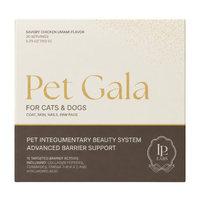
Pet Gala™ is designed to support normal skin stability as part of a broader hygiene and veterinary plan.

If dog smells bad after bath—especially when the odor returns within hours—the source is usually not dirt left in the coat. It is more often a skin-level problem: microbes (yeast or bacteria) using oil and moisture on the skin, or a sebum imbalance that keeps the coat greasy and odor-prone. That is why “why does my dog stink after a bath” can be a medical question even when bathing is done carefully.

This page focuses on two primary drivers that make odor rebound quickly: microbial overgrowth (especially Malassezia yeast) and sebum dysfunction (a greasy-coat pattern often linked with seborrhea). It also covers the grooming errors that accidentally keep skin damp or coated in residue, and the practical cues that help owners tell when it is time to stop experimenting at home and get a veterinary diagnosis. The goal is to make odor useful information—something that can be tracked and described—rather than a frustrating mystery.

By La Petite Labs Editorial, ~15 min read

Featured Product:

  • If dog smells bad after bath within hours, the odor is usually coming from the skin, not the hair.
  • Fast-return smell often reflects yeast or bacterial overgrowth fueled by oil, moisture, and inflammation.
  • Greasy coat, itch, and odor in warm zones (paws, folds, collar area) are strong at-home clues.
  • Over-bathing and fragranced layering can make the cycle more choppy by irritating skin and driving rebound oil.
  • A simple tracking rubric—hours to odor return, itch score, towel oil film, ear debris—helps compare between vet visits.
  • Veterinary cytology (quick microscope checks) can confirm yeast/bacteria and guide targeted shampoo or medication choices.
  • Long-term control depends on addressing triggers like allergies or seborrhea, plus consistent drying and equipment cleaning.

Why Odor Returns Hours After a Clean Bath

When a dog smells bad after a bath within a few hours, the smell is rarely “missed grime.” More often, the skin is producing oil and moisture that feed microbes, and the bath temporarily unmasks that process by removing surface debris. Yeast and bacteria can rebound quickly if the skin’s oil balance and barrier are already off, so the odor returns even when the coat looks clean. This is why “why does my dog stink after a bath” is often a skin-health question, not a grooming question.

At home, this tends to look like a dog that smells fine right after drying, then develops a sour, musty, or “corn chip” odor by bedtime. The smell often concentrates in warm zones—armpits, groin, between toes, under collars, and inside skin folds. If the dog still smells after washing despite a thorough lather, treat that as a clue: the source is likely coming from the skin itself, not the hair.

Coat shine detail showing beauty mechanisms supported by dog odor won't go away.

Microbes, Oil, and Moisture: the Real Odor Engine

Skin has its own living “neighborhood” of microbes. When conditions shift—more oil, more humidity, more inflammation—certain organisms can overgrow and produce strong-smelling byproducts. Malassezia yeast is a common driver of recurrent, greasy odor in dogs, and it often travels with itch, redness, and thickened skin over time (Bajwa, 2017). Bacteria can also contribute, especially when the skin barrier is irritated and damp for long stretches.

Owners often notice patterns: the dog odor won’t go away during humid weather, after swimming, or when the dog wears a harness all day. The coat may feel slightly tacky or “waxy” even after shampooing, and the dog may lick paws or rub the face on carpet. These patterns point toward yeast smell vs bacterial smell in dogs as a useful next topic to compare, because the “type” of stink can guide the next step.

Collagen structure visualization representing skin elasticity supported by why does my dog stink after a bath.

Sebum Dysfunction and the Greasy-coat Odor Loop

Sebum is the skin’s natural oil, meant to keep the coat flexible and water-resistant. When sebum production becomes excessive or its composition shifts, it can trap odor molecules and create a slick surface where yeast thrives. This is a common thread in seborrhea in dogs, where the coat can look shiny, feel greasy, and develop a persistent smell that returns quickly after bathing. In that setting, shampoo alone may not “reset” the skin; it may only clear the surface briefly.

A practical home clue is the towel test: after a bath and full dry, rub a clean white towel along the back and chest. If the towel picks up a yellowish film or the dog feels oily again within a day, sebum dysfunction is likely part of the story. This is also where greasy dog coat causes and fixes becomes a helpful companion topic, because diet, allergies, and grooming habits can all shift oil production.

Molecular design image tied to beauty support pathways in why does my dog stink after a bath.

The Biggest Misunderstanding About Post-bath Smell

A common misconception is that if dog smells bad after bath, the shampoo “didn’t work” or the dog needs more frequent bathing. Over-bathing can actually make the cycle more choppy: harsh products strip oils, the skin responds by producing more oil, and microbes rebound in that new slick layer. Another misunderstanding is blaming the coat length; short-coated dogs can smell just as strongly when the skin is inflamed underneath.

If the dog still smells after washing, the better question is: what changed in the skin environment? New itch, new dandruff, new ear debris, or a sudden “wet dog” smell without water exposure are all meaningful shifts. Instead of adding stronger fragrance, focus on whether the skin feels greasy, whether there are red patches, and whether the odor is strongest in folds, paws, or ears.

Dog portrait showing healthy coat and skin with beauty support from dog odor won't go away.

Rinsing, Residue, and Drying: Technique That Matters

Bath technique can unintentionally leave behind the very things microbes love. Shampoo that is not rinsed fully can act like residue, holding moisture and trapping oil close to the skin. Conditioner or “de-shedding” products can also leave a film that makes the coat feel soft but keeps the skin damp. If odor returns fast, it is worth treating the bath like a controlled experiment: simplify products and change one variable at a time.

A useful routine is a longer rinse than the wash—many dogs need several minutes of thorough rinsing, especially in thick coats and around friction zones. Drying matters just as much: towel-dry plus a cool or low-warm dryer setting helps reduce lingering humidity near the skin. If “why does my dog stink after a bath” keeps coming up, check whether the dog is truly dry down to the undercoat, not just dry on top.

The scratching is completely gone, his coat looks healthy and shiny!

— Lena

He was struggling with itching, now he's glowing.

— Grace

“Fast-return odor is usually skin chemistry, not missed dirt.”

A Real-world Pattern: Clean Today, Musty Tomorrow

Case vignette: A 4-year-old Labrador is bathed on Saturday and smells clean until Sunday afternoon, when a strong musty odor returns around the neck and chest. The owner switches to a “stronger” scented shampoo, but the dog odor won’t go away and the dog starts scratching the armpits. At the clinic, the skin is mildly red and greasy, and yeast overgrowth is found—an example of how odor can be an early sign, not a hygiene failure (Bajwa, 2017).

At home, this scenario often includes a collar that stays slightly damp after walks, a harness worn all day, or frequent rolling on rugs to relieve itch. Owners may also notice a “sweet” or “bread-like” smell that intensifies with warmth. When dog smells bad after bath in this pattern, it is reasonable to shift attention from the tub to the skin’s underlying triggers, including allergies and seborrhea.

Dog photo highlighting coat health and expression supported by why does my dog stink after a bath.

Home Checklist for Fast-return Dog Odor

Owner checklist for fast-return odor can keep the next steps more controlled. Check: (1) Is the smell strongest in paws, ears, folds, or under the collar? (2) Is there itch—licking paws, rubbing face, scooting, or scratching at night? (3) Does the coat feel greasy or leave a film on hands? (4) Are there flakes, darkened skin, or a thick “elephant skin” texture developing? (5) Does the odor spike after swimming or humid days?

These observations help separate “dog still smells after washing” from “odor is coming from a specific body zone.” If the smell is localized, targeted care (like paws or folds) may matter more than full-body baths. If the smell is whole-body and paired with grease and itch, seborrhea in dogs or Malassezia dermatitis in dogs becomes more likely. Recording where the odor starts can make the vet visit more efficient.

Dog in profile against soft background, showing coat health with why does my dog stink after a bath.

Yeast Smell Versus Bacterial Smell: Useful Clues

Odor “quality” can hint at what is dominating on the skin, even though noses are not lab tests. Yeast-associated odor is often musty, sweet, or like old bread, and it tends to intensify in warm, oily areas; Malassezia dermatitis commonly presents with itch and greasy scale (Bajwa, 2017). Bacterial overgrowth can smell sharper, sour, or like dirty socks, and may come with pustules, crusts, or oozing spots. Both can coexist, which is why smell alone should not be the only decision point.

At home, compare the dog’s smell in three conditions: fully dry after a bath, after a long nap (warmth), and after a walk (humidity and friction). If the odor blooms with warmth and oil, yeast becomes a stronger suspect; if it spikes around moist wounds or pimples, bacteria moves up the list. This is a practical bridge into yeast smell vs bacterial smell in dogs without guessing wildly.

Supplement overview graphic emphasizing beauty ingredients aligned with dog still smells after washing.

What to Track so Progress Is Less Choppy

What to track rubric: use simple shift indicators that can be compared between vet visits. Track (1) hours until odor returns after bathing, (2) itch score from 0–10 at bedtime, (3) greasiness on a white towel swipe, (4) number of “hot spots,” pimples, or crusty patches, (5) ear debris amount and smell, and (6) paw licking minutes per evening. These markers help show whether the skin is moving toward a more controlled baseline or sliding back.

Photos help, but so does consistency: check the same body zones at the same time of day. If the dog odor won’t go away, tracking can reveal whether the problem is whole-body oiliness (seborrhea pattern) or a few high-humidity pockets (folds, paws, ears). Bring the notes to the appointment; it often shortens the path to the right tests and reduces random product switching.

How Vets Confirm Yeast or Bacteria on Skin

Veterinarians usually confirm microbial overgrowth with quick, low-stress sampling: tape impressions, skin swabs, or skin scrapings examined under a microscope. This matters because “dog smells bad after bath” can look similar across causes, but treatment choices differ. Malassezia dermatitis has recognizable yeast on cytology and often sits on top of an underlying trigger like allergies, hormonal shifts, or seborrhea. Identifying the trigger is what keeps the odor from cycling back.

At home, it can help to map the dog’s “odor geography” before the visit: circle the smelliest zones on a sketch or note them in a phone app. If the smell is strongest between toes, bring photos of the paw webbing; if it is under the collar, bring the collar and describe wear time. This kind of detail turns “why does my dog stink after a bath” into a solvable clinical pattern.

“Drying to the undercoat can matter as much as shampoo choice.”

Branded lab coat reflecting precision and trust supporting why does my dog stink after a bath.

Bring the Right Notes and Questions to the Visit

Vet visit prep: arrive with targeted questions and observations so the plan is less choppy. Ask: (1) “Does the smell pattern fit yeast, bacteria, or both?” (2) “Can cytology be done today from the smelliest zones?” (3) “Is there evidence of seborrhea in dogs or allergy-driven inflammation?” (4) “What is the expected timeline for odor to change if the plan is working?” These questions keep the focus on causes, not just cover-up.

Also bring a list of every product used in the last month: shampoos, conditioners, sprays, wipes, ear cleaners, and supplements. Note the bath frequency and whether the dog is air-dried or blow-dried. If the dog still smells after washing, the vet may adjust contact time, product type, or add targeted therapy for paws, folds, or ears rather than recommending more full-body baths.

Shop Now
Ingredient still life illustrating clean formulation principles for why does my dog stink after a bath.

Medicated Shampoo Works Best with Proper Contact Time

Medicated shampoos can be very effective when the diagnosis is correct and the routine is consistent. In dogs with Malassezia dermatitis, controlled studies have compared medicated shampoo approaches and found improvement with appropriate products and schedules (Maynard, 2011). The key detail owners often miss is contact time: the lather usually needs several minutes on the skin before rinsing to affect microbes living near the surface. Skipping that step can make it seem like “nothing works.”

At home, set a timer and treat the bath like a treatment session, not a quick wash. Apply shampoo to fully wet skin, massage down to the undercoat, and keep the dog warm while waiting. Then rinse longer than expected and dry thoroughly, especially in folds and between toes. When dog odor won’t go away, this routine change alone sometimes reveals whether the issue is technique, diagnosis, or both.

Shop Now
Woman holding Pet Gala box with her dog, showing daily dog still smells after washing routine.

Chlorhexidine: Helpful, but Not Always a Daily Answer

Antiseptic ingredients such as chlorhexidine are commonly used in topical plans for bacterial overgrowth, but frequency and skin response matter. Research in dogs has evaluated daily topical chlorhexidine exposure with attention to skin barrier effects, underscoring that “more” is not always better and that irritation can become part of the problem if the skin is sensitive (Matsuda, 2025). A plan should aim for a more fluid improvement curve, not a harsh cycle of stripping and rebound oil.

Owners can watch for early irritation signals: increased redness after bathing, new dandruff, or the dog avoiding touch in treated areas. If those appear, the vet may adjust concentration, frequency, or switch to targeted wipes for paws and folds rather than full-body applications. If dog smells bad after bath and the skin looks angrier after “strong” products, that is a reason to pause and re-check the plan.

Shop Now

Oral Medications: When They’re Needed and What to Share

Some dogs need oral medications when topical care cannot reach the problem or when inflammation is widespread. If an antifungal such as ketoconazole is prescribed, it must be veterinary-guided because it can change how other drugs are processed in dogs, including certain sedatives and pain medications (KuKanich, 2010). This is not a reason to fear treatment; it is a reason to share a complete medication list so the plan stays safe and predictable.

At home, write down every medication and supplement the dog receives, even “occasional” items like calming chews or leftover pain pills. If the dog still smells after washing and oral therapy is discussed, ask how long it should take for odor and itch to shift, and what side effects should trigger a call. This keeps the focus on controlled progress rather than repeated emergency baths.

What Not to Do When the Smell Keeps Coming Back

What not to do when odor keeps returning: (1) Do not layer multiple fragranced products to “cover” smell; it can irritate skin and hide worsening infection. (2) Do not use human dandruff or antifungal shampoos without veterinary direction; dog skin and dosing logic differ, and some ingredients can be unsafe if misused. (3) Do not shave double-coated dogs to “air out” odor; it can disrupt coat function and sun protection. (4) Do not assume more baths equals better control.

Instead, simplify: one vet-recommended cleanser, a consistent schedule, and careful drying. Wash bedding, clean collars and harnesses, and replace old grooming tools that hold oil. If the dog odor won’t go away, these steps prevent re-seeding microbes and reduce the frustration of feeling like the bath “did nothing.”

Supplement comparison highlighting clean formulation advantages for why does my dog stink after a bath.

Long-term Control Means Finding the Trigger

Long-term control usually depends on finding the driver that keeps the skin oily or inflamed. Allergies are a frequent underlying reason dogs develop recurrent yeast or bacterial overgrowth, and seborrhea patterns can be secondary to other conditions rather than “just how the dog is”. That is why dog smells bad after bath can be an early warning sign: it often appears before obvious sores, hair loss, or thickened skin develop.

At home, look for non-skin clues that line up with allergy seasons: paw licking in spring, ear flare-ups after mowing, or itch after certain treats. If the smell returns on a calendar pattern, note it. This is where cross-links like greasy dog coat causes and fixes and malassezia dermatitis in dogs become useful, because they help connect odor to the bigger picture rather than chasing the perfect shampoo.

Shop Now
Pet Gala in protective wrap, emphasizing quality behind dog still smells after washing.

Using Smell as a Clue, Not a Personal Failure

Odor is information, and dogs’ noses are sensitive enough to detect tiny chemical changes in the environment. Research on canine scent detection highlights how strongly dogs can respond to volatile organic compounds, reinforcing that smell can reflect real biological shifts rather than imagination (Juge, 2022). For owners, the takeaway is simpler: when a familiar “bad after bath” smell returns fast, it is worth treating it as a signal to investigate skin health.

A practical way to use odor as data is to name it and be consistent: “musty neck,” “sour paws,” or “sweet ears.” Then compare it after each change—new diet, new detergent, new grooming schedule, or new medication. If “why does my dog stink after a bath” keeps repeating, this approach turns frustration into a clearer story the veterinary team can act on.

Shop Now

A Practical Path Forward When Odor Persists

When dog smells bad after bath, the goal is not perfection; it is a more controlled skin environment with fewer flare-ups. Many dogs need a maintenance plan that combines targeted cleansing, careful drying, and management of the underlying trigger—often allergies or seborrhea—so microbes do not keep reclaiming the same oily niches. If odor is paired with pain, oozing, fever, sudden lethargy, or rapidly spreading redness, it should be treated as urgent.

At home, focus on the next right step: document the pattern, stop adding new fragranced products, and schedule a vet visit if the smell returns within 24–48 hours repeatedly. Wash bedding weekly during flare-ups and rotate clean collars and harnesses. If the dog still smells after washing despite good technique, that persistence is the value gate—medical evaluation is the path forward, not stronger perfume.

“Track where the smell starts; that detail often guides diagnosis.”

Educational content only. This material is not a substitute for veterinary advice. Always consult your veterinarian about your dog’s specific needs. These statements have not been evaluated by the Food and Drug Administration. Products mentioned are not intended to diagnose, treat, cure, or prevent any disease.

Glossary

  • Malassezia - A yeast that can overgrow on dog skin and contribute to odor and itch.
  • Microbial Overgrowth - When yeast or bacteria multiply beyond a typical balance and start driving symptoms.
  • Sebum - Natural skin oil that keeps the coat flexible but can trap odor when excessive.
  • Seborrhea - A pattern of greasy or flaky skin linked to altered oil production and scaling.
  • Skin Barrier - The outer skin layer that helps control water loss and blocks irritants and microbes.
  • Cytology - A quick microscope check of skin debris to look for yeast or bacteria.
  • Contact Time - The minutes a medicated shampoo stays on the skin before rinsing.
  • Biofilm - A protective layer microbes can form that makes them harder to remove with brief washing.
  • Hot Spot - A rapidly inflamed, often oozing skin patch that can smell strong and needs prompt care.

Related Reading

References

Juge. Canine olfaction as a disease detection technology: A systematic review. 2022. https://www.sciencedirect.com/science/article/pii/S0168159122001228

Bajwa. Canine Malassezia dermatitis.. PubMed Central. 2017. https://pmc.ncbi.nlm.nih.gov/articles/PMC5603939/

KuKanich. The pharmacokinetics of ketoconazole and its effects on the pharmacokinetics of midazolam and fentanyl in dogs.. PubMed. 2010. https://pubmed.ncbi.nlm.nih.gov/20444024/

Maynard. Comparison of two shampoos for the treatment of canine Malassezia dermatitis: a randomised controlled trial.. PubMed. 2011. https://pubmed.ncbi.nlm.nih.gov/21985533/

Matsuda. Daily topical application of chlorhexidine gluconate to the skin in dogs and its impact on skin barriers and cytotoxicity.. PubMed Central. 2025. https://pmc.ncbi.nlm.nih.gov/articles/PMC11903347/

FAQ

Why does Dog Smells Bad After Bath happen so fast?

When Dog Smells Bad After Bath within hours, the smell is usually being generated on the skin as oil and moisture build back up. Yeast and bacteria can rebound quickly if the skin is already inflamed or greasy.

At home, this often shows up as a clean-smelling dog right after drying, then a musty or sour odor after a nap, a walk, or time in a warm room. That timing is a clue to investigate skin triggers rather than scrubbing harder.

What smells suggest yeast versus bacteria on my dog?

Yeast-associated odor is often musty, sweet, or bread-like and tends to intensify in warm, oily areas; Malassezia dermatitis commonly includes itch and greasy scale. Bacterial overgrowth can smell sharper or sour and may come with pimples, crusts, or oozing spots.

Because both can occur together, smell should be treated as a clue, not a diagnosis. A vet can confirm the dominant issue with quick microscope checks from the smelliest zones.

Is it normal if my dog still smells after washing?

It is common, but it is not something to ignore. If a dog still smells after washing, it often means the skin is producing odor again quickly due to oil imbalance, trapped moisture, or microbial overgrowth.

If the coat looks clean but the smell returns in the same body zones (paws, folds, collar area), that pattern supports a skin-focused plan. Repeated fast-return odor is a good reason to schedule a veterinary skin check.

How often should a smelly dog be bathed safely?

Bath frequency depends on the cause of the odor and the products used. Some treatment plans use scheduled medicated baths for a limited period, while other dogs do better with less frequent bathing to avoid irritation.

If odor returns quickly, increasing baths without a diagnosis can make the cycle more choppy. A veterinarian can recommend a schedule that matches the skin findings and the dog’s comfort.

What bathing mistakes make dog odor won’t go away?

Common mistakes include not rinsing long enough, using multiple fragranced products that leave residue, and not drying down to the undercoat. Residue and dampness can keep microbes comfortable and keep odor cycling back.

Another frequent issue is skipping contact time for medicated shampoos. Setting a timer and fully drying high-humidity zones (folds, paws, under collars) often changes outcomes more than switching brands.

Can a greasy coat be the reason for the smell?

Yes. Excess or altered skin oil can trap odor molecules and create a slick surface where yeast thrives. This is a common thread in seborrhea patterns, where the coat feels waxy and odor returns quickly after bathing.

A home clue is a yellowish film on a white towel swipe a day after bathing. If grease and smell travel together, a vet visit can help identify whether allergies, infection, or another trigger is driving the oiliness.

Does Dog Smells Bad After Bath mean the shampoo failed?

Not necessarily. Dog Smells Bad After Bath often means the skin environment is quickly recreating odor—oil, moisture, and microbes—rather than the shampoo being “weak.”

Before changing products, check technique: full saturation, massage to the skin, adequate contact time, long rinse, and complete drying. If the smell still returns within 24–48 hours repeatedly, the next step is diagnosis, not stronger fragrance.

What tests will a vet do for recurring skin odor?

Many clinics start with cytology—tape impressions or swabs from the smelliest areas—viewed under a microscope. This can quickly show yeast or bacterial overgrowth and guide topical choices.

Depending on the pattern, the vet may also check ears, look for signs of allergy, or recommend additional testing if infections keep returning. Bringing notes on where the odor starts helps target sampling.

How long should medicated shampoo sit on the coat?

Contact time matters because microbes live close to the skin surface. In controlled studies of dogs with Malassezia dermatitis, appropriate medicated shampoo use is part of effective management(Maynard, 2011).

The exact minutes depend on the product label and veterinary guidance, but a quick lather-and-rinse is often not enough. A timer, warmth, and a thorough rinse are practical tools for better results.

Is chlorhexidine safe to use every day on dogs?

Daily chlorhexidine exposure has been studied in dogs with attention to skin barrier effects, which supports using it thoughtfully rather than automatically escalating frequency(Matsuda, 2025). Some dogs do well, while others become dry or irritated.

If redness, flaking, or discomfort increases after use, the plan may need adjustment. A veterinarian can recommend the right concentration, schedule, and whether targeted wipes (paws/folds) are better than full-body application.

Can oral antifungals interact with other dog medications?

Yes. In dogs, ketoconazole can alter exposure to certain sedatives and pain medications, which is why it should be prescribed and monitored by a veterinarian(KuKanich, 2010).

Owners should share a complete list of medications and supplements, including occasional items. This helps the veterinary team choose safer combinations and set clear expectations for how odor and itch should shift over time.

Why does my dog stink after a bath but only in paws?

Paws are high-humidity zones: they trap moisture between toes and experience constant friction. That combination can support yeast or bacterial overgrowth, so the smell returns quickly even when the rest of the coat seems fine.

At home, check for redness between toes, brown staining, or increased licking after walks. Dry paws thoroughly after baths and wet weather, and ask the vet whether targeted paw therapy is more appropriate than more full-body bathing.

Could ears be the source when dog odor won’t go away?

Yes. Ear canals can produce a strong odor that seems like “whole dog” smell, especially after bathing when humidity rises. Yeast and bacteria can both contribute, and ear disease often travels with allergy patterns.

Home clues include head shaking, ear scratching, dark debris, or a smell that is strongest when the dog is close to the face. Avoid putting shampoo or random liquids into ears; have the vet check and sample the ears if odor persists.

Is this problem more common in certain breeds or coat types?

Breeds with skin folds, dense undercoats, or allergy tendencies can be more prone to fast-return odor because moisture and oil are harder to manage. However, any breed can develop microbial overgrowth when the skin barrier is irritated.

Rather than focusing on breed alone, focus on the pattern: where the smell starts, how fast it returns, and whether itch or grease is present. Those clues are more actionable than coat length.

Does diet change help when Dog Smells Bad After Bath?

Diet can matter indirectly if food sensitivities contribute to skin inflammation, which can then support yeast or bacterial overgrowth. Diet changes are most useful when they are structured and tracked, not when many foods are swapped quickly.

If odor and itch travel together, discuss an allergy work-up with the veterinarian. Track hours-to-odor-return and itch score during any diet trial so the results are easier to interpret.

How quickly should odor improve once the right plan starts?

With an accurate diagnosis and consistent topical routine, many owners notice the smell becomes less intense and returns more slowly over the first couple of weeks. The exact timeline depends on whether yeast, bacteria, seborrhea, or allergies are driving the cycle.

Use tracking markers rather than memory: hours until odor returns, greasiness on towel swipe, and bedtime itch score. If there is no shift, the plan may need re-checking rather than simply continuing indefinitely.

When should Dog Smells Bad After Bath be treated as urgent?

Seek urgent veterinary care if odor comes with painful swelling, oozing skin, rapidly spreading redness, fever, sudden lethargy, or a strong smell from a single wound. These signs can indicate a deeper infection or severe inflammation.

Also call promptly if the dog is scratching nonstop, cannot sleep, or develops multiple hot spots. Fast-return odor alone is usually not an emergency, but it is a meaningful signal when it persists.

Can Pet Gala™ help with recurring skin odor after bathing?

Pet Gala™ is best viewed as a supportive option that may help support normal skin stability as part of a broader plan. It should not be treated as a standalone answer for infection-driven odor.

If the dog still smells after washing, the priority is confirming whether yeast, bacteria, seborrhea, or allergies are driving the cycle. Product choices can be discussed with the veterinarian once the underlying pattern is clearer, including Pet Gala™.

How should Pet Gala™ be used alongside vet skin treatments?

If a veterinarian recommends adding a supplement, it should fit into a plan that already includes diagnosis, targeted topical care, and trigger management. The goal is a more controlled baseline over time, not quick masking of odor.

Discuss timing and compatibility with the veterinary team, especially if the dog is on prescription medications. For reference, Pet Gala™ is positioned to support normal skin stability, not to replace medical treatment.

How can owners decide the next step when odor keeps returning?

Use a simple decision framework: if odor returns within 24–48 hours repeatedly, especially with itch or grease, plan a veterinary skin check. If odor is localized (paws, folds, ears), focus on targeted hygiene and ask for sampling from that zone.

Avoid escalating to stronger fragranced products as the main strategy. A controlled routine plus clear tracking markers usually leads to a faster, safer answer than repeated product switching.

5K+ Happy Pet Parents

Excellent 4.8

Dog Smells Bad After Bath | Why Thousands of Pup Parents Trust Pet Gala™

"It's so good for his coat, and so easy to mix into food."

Alex & Cashew

"Gives him that glow from head to tail!"

Elisabeth & Chai

"The scratching is completely gone, his coat looks healthy and shiny."

Lena & Bear

"Magical. He was struggling with itching and shedding. Now he's literally glowing."

Grace & Ducky

"It's so good for his coat, and so easy to mix into food."

Alex & Cashew

"Gives him that glow from head to tail!"

Elisabeth & Chai

"The scratching is completely gone, his coat looks healthy and shiny."

Lena & Bear

"Magical. He was struggling with itching and shedding. Now he's literally glowing."

Grace & Ducky

"It's so good for his coat, and so easy to mix into food."

Alex & Cashew

"Gives him that glow from head to tail!"

Elisabeth & Chai

"The scratching is completely gone, his coat looks healthy and shiny."

Lena & Bear

"Magical. He was struggling with itching and shedding. Now he's literally glowing."

Grace & Ducky

"It's so good for his coat, and so easy to mix into food."

Alex & Cashew

"Gives him that glow from head to tail!"

Elisabeth & Chai

"The scratching is completely gone, his coat looks healthy and shiny."

Lena & Bear

"Magical. He was struggling with itching and shedding. Now he's literally glowing."

Grace & Ducky

SHOP NOW