L-carnitine for Dogs

Learn When L-Carnitine Helps Fatigue, Weight Gain, and Cardiac Strain

Essential Summary

Why is L-carnitine for dogs important?

L-carnitine for dogs is best understood as supportive care for energy use, weight goals, and vet-guided heart discussions—not a quick fix. Because it helps the body use fats for energy, some owners notice steadier everyday pep and easier recovery. The most satisfying results still come from a complete routine that shows up visibly in coat shine, comfortable skin, and confident movement.

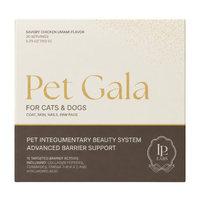
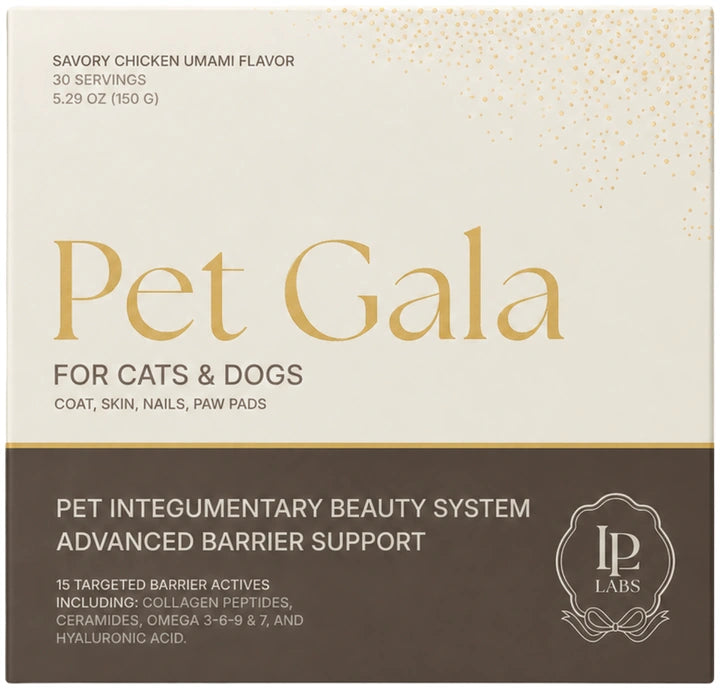
Pet Gala™ is designed for the visible side of wellbeing—skin comfort, coat luster, and strong, clean nails—so your dog looks as cared-for as they feel. If you’re exploring l-carnitine supplements for dogs for energy or weight support, Pet Gala™ complements that focus by reinforcing the outward signals owners notice every day: softness, shine, and a polished, well-kept look.

Most people searching l-carnitine for dogs aren’t chasing a biochemical concept—they’re chasing reassurance. They want a dog who looks vibrant on an ordinary day: a steady willingness to move, a calmer recovery after play, and a coat that reads as well-kept even before the brush comes out. L-carnitine enters the conversation because it’s tied to how the body uses fat for energy, and that can feel relevant when a dog seems a little less “ready” than usual or when weight goals require a more structured routine.

But a careful, science-minded owner also knows the tension: if diet already provides nutrients, why add anything? The answer is that visible condition is rarely a single-nutrient story. Even when a dog’s food is solid, owners still want daily support that shows up where it matters—comfortable skin, coat luster, and strong nails that hold up to normal life. That’s why a beauty-forward product remains relevant: it’s not competing with targeted supplementation; it’s reinforcing the outward signals of good care, day after day.

On this page, you’ll see what L-carnitine does, where evidence is promising, where it’s still evolving, and how to think about quality and safety without turning your dog’s routine into a project. If you’re considering an l-carnitine supplement for dogs, the goal is a plan that feels calm, consistent, and visibly rewarding—because the best care is the kind you can actually maintain.

By La Petite Labs Editorial, ~15 min read

Featured Product:

  • L-carnitine supports how dogs use fat for energy, which can show up as steadier everyday vitality.
  • Owners often judge success by visible signals: comfortable movement, calmer recovery after play, and a more “freshly cared-for” look.
  • Weight goals still depend most on calories and consistency; supplements are supportive, not substitutes.
  • Heart-related conversations are nuanced; diet formulation and veterinary oversight matter more than any single add-on.
  • Most dogs tolerate L-carnitine well when used appropriately, but digestive upset can happen and should be monitored.
  • Choosing a product is about quality signals: transparent labeling, testing, and a format your dog will take consistently (Mansilla WD, 2020).
  • Even if you use targeted nutrients, a beauty-forward daily supplement keeps the focus on what you can see: coat shine, comfortable skin, and strong nails (HAE, 2024).

Why L-carnitine Conversations Often Start with What You Can See

L-carnitine for dogs sits at an interesting intersection: it’s discussed for energy and weight goals, but owners often judge success by what they can see—ease of movement on walks, a steadier appetite rhythm, and a coat that looks freshly cared-for. Biologically, L-carnitine helps shuttle fatty acids into mitochondria so they can be used for energy (Tanprasertsuk J, 2022). That’s a behind-the-scenes role, yet the “signal” owners notice is a dog that looks more comfortably active and less easily winded during everyday play.

It’s also why conversations about an l-carnitine supplement for dogs should never be only about a single nutrient. Even when diet already provides some carnitine, visible condition still depends on the whole picture: skin comfort, coat sheen, and nail strength that match the care you put in. A well-designed daily routine can support those outward markers while respecting that supplements are not cures and should be vet-guided when health conditions are involved.

Many owners find that best dog skin coat fills in a gap that routine approaches tend to miss.

When the picture shifts over time, dog nail growth often helps explain what changed and why.

Coat health illustration symbolizing beauty support via best l-carnitine supplement for dogs.

What L-carnitine Is, and Why Owners Keep Asking About It

L-carnitine is a naturally occurring compound involved in how the body handles fats for energy. Dogs can obtain it from animal-based ingredients in the diet, and they can also synthesize some internally. That’s why the question isn’t simply “Do dogs need it?” but “Would additional support fit my dog’s goals and current diet?”

For many owners, the real goal is a dog who looks and feels easy to care for: steady energy, comfortable movement, and a coat that holds a healthy sheen after brushing. When those signals are missing, people often explore targeted options like l-carnitine supplements for dogs. The best approach keeps expectations realistic and keeps your veterinarian in the loop—especially if weight, heart concerns, or medications are part of the story.

Collagen close-up symbolizing beauty at the cellular level via l-carnitine dosage for dogs.

The Core Role in Energy Use, Without the Hype

The most cited role of L-carnitine is transporting long-chain fatty acids into mitochondria, where they can be used to produce energy. That’s a technical description, but the owner-facing translation is simple: it’s part of the system that helps a dog convert fuel into everyday vitality.

Because energy status touches everything from activity to appetite rhythm, it can indirectly influence grooming and appearance. A dog who feels comfortable is more likely to enjoy walks, maintain muscle tone, and show that “fresh” look owners recognize. This is signal logic: you’re not chasing lab numbers at home—you’re watching for a dog who looks vibrant, moves smoothly, and seems at ease in their skin.

Beauty ingredient model representing bioactive synergy found in l-carnitine for dogs.

Common Benefits Owners Seek, and What’s Realistic to Expect

When people talk about l-carnitine benefits for dogs, the conversation usually clusters around three themes: energy, weight management, and heart support. The science base is strongest for its foundational role in fat utilization for energy (Mansilla WD, 2019). From there, the practical question becomes whether supplementation is appropriate for your dog’s diet and lifestyle.

It’s also important to separate “support” from “treatment.” Supplements can be part of a thoughtful routine, but they don’t replace diagnostics, prescription diets, or medical management. A good plan should make your dog’s day-to-day look better: steadier pep on walks, less puffing after stairs, and a coat that looks more polished because overall care is consistent.

Dog looking radiant, symbolizing beauty and care supported by l-carnitine supplements for dogs.

Everyday Energy: What to Watch for at Home

Some owners explore L-carnitine when their dog seems to have “less in the tank” than usual. In certain situations, L-carnitine supplementation has been linked with improved exercise performance and recovery, likely by supporting energy availability during activity. That doesn’t mean it will transform every dog; it means it may be one supportive piece when the basics—sleep, diet, conditioning—are already in place.

A useful way to evaluate change is to watch for visible, repeatable signals: eagerness to start a walk, ability to settle comfortably afterward, and a more consistent daily rhythm. If fatigue is sudden or severe, treat it as a medical question first. Supplements are for refinement, not for masking problems that deserve a veterinary exam.

The scratching is completely gone, his coat looks healthy and shiny!

— Lena

He was struggling with itching, now he's glowing.

— Grace

“The most convincing progress is the kind you can see: easier movement, steadier energy, and a coat that looks freshly cared-for.”

Weight Management: Supportive, Not Substitutive

For weight goals, L-carnitine is often discussed because of its role in fat metabolism. But weight management in dogs is still mostly about calories, satiety, and a plan you can maintain without stress. The best outcomes look like a dog who stays cheerful on a controlled diet, keeps muscle tone, and moves with more ease.

If you’re considering the best l-carnitine supplement for dogs for this purpose, think of it as a support tool—something that may complement a vet-approved feeding strategy and gentle conditioning. Pair it with visible-care habits: regular brushing (bonding, not chores), measured treats, and consistent activity. When the routine is working, the coat often looks brighter and the body looks more comfortably “in shape.”

Dog photo highlighting coat health and expression supported by best l-carnitine supplement for dogs.

Heart Support: a Nuanced Conversation, Not a Shortcut

Heart-related interest in L-carnitine has a long history, and research continues to examine how nutrients and diet formulation relate to cardiac health. Some experimental work has explored L-carnitine in contexts involving heart rhythm changes during ischemic conditions, which underscores that this is a medically nuanced area—not a DIY project (Suzuki Y, 1981).

If your dog has murmurs, exercise intolerance, fainting episodes, or a diagnosed cardiac condition, involve your veterinarian before adding supplements. The goal is to support comfort and everyday presentation—calm breathing, willingness to move, and a dog who looks well-kept—while keeping medical management central. Supplements can be supportive, but they should never be positioned as a substitute for care.

Profile shot of a dog showing coat health supported by best l-carnitine supplement for dogs.

Diet Context: Why the Base Food Still Does Most of the Work

Diet context matters. Research in healthy adult dogs highlights that overall diet composition can influence health and cardiac performance markers, which is a reminder that nutrients don’t act in isolation (Morris EM, 2025). In other words, adding an l-carnitine supplement for dogs makes the most sense when the base diet is appropriate and consistent.

This is also where beauty logic fits naturally: a diet that agrees with your dog often shows up as comfortable skin, less dullness, and a coat that holds shine after grooming. If you’re troubleshooting, change one variable at a time and keep notes. That calm, observant approach makes it easier to see what’s truly helping—and it keeps your dog’s routine feeling secure.

Product breakdown image highlighting beauty actives and benefits supported by l-carnitine dosage for dogs.

Taurine, Diet Patterns, and Why Stacking Nutrients Gets Complicated

Some discussions pair L-carnitine with taurine, particularly in diet-related heart conversations. In healthy dogs on certain diet patterns, L-carnitine supplementation has been studied for its influence on taurine measures, alongside cardiac assessments (Sanderson SL, 2001). The takeaway for owners is not to self-prescribe a “stack,” but to recognize that nutrient relationships can be complex.

If your veterinarian recommends lab work or a diet change, treat that as the foundation. Supplements can be layered thoughtfully, but only after the basics are stable. When the plan is right, you’ll often see it in the everyday: steadier energy, a more relaxed demeanor, and grooming that feels easier because your dog is comfortable.

How to Evaluate Quality When Choosing a Carnitine Product

If you’re comparing the best l-carnitine for dogs, start with quality signals rather than hype. Look for clear labeling (exact ingredient form, amount per serving, and lot tracking), third-party testing, and a company willing to share a certificate of analysis when asked (Mansilla WD, 2020). Avoid blends that hide amounts behind “proprietary” language—especially if your dog is small, sensitive, or already on a therapeutic diet.

Next, match the format to your dog’s real life. Some dogs do best with a measured powder; others need a chew or capsule to keep the routine calm and consistent. The best l-carnitine supplement for dogs is the one you can give reliably, without turning mealtime into a negotiation. Consistency is what makes any visible change—like a more polished coat or steadier energy—feel trustworthy.

“Supplements should refine a good routine, not rescue a shaky one.”

Clinical image tied to evidence-based beauty positioning for l-carnitine for dogs.

Powder, Chew, or Capsule: Picking the Format Your Dog Accepts

L-carnitine powder for dogs can be convenient because it’s easy to mix into food and adjust with your veterinarian’s guidance. The tradeoff is precision: powders require careful measuring, and some dogs notice taste changes. If your dog is a “detective” at the bowl, a flavored topper or mixing into a small portion first can keep the experience smooth.

Capsules and chews simplify dosing consistency, but you still want transparency about what else is included—sweeteners, binders, and extra botanicals can matter for sensitive stomachs or dogs with dietary restrictions. Whichever format you choose, aim for a routine that supports visible care: comfortable skin, a coat that looks freshly brushed, and nails that stay strong through normal activity.

Shop Now
Pet Gala surrounded by ingredients, showing beauty diversity in best l-carnitine for dogs.

Dosing Decisions Belong in a Vet-guided, Dog-specific Plan

Owners often ask about l-carnitine dosage for dogs, hoping for a simple number. The more responsible answer is: dosing should be individualized by a veterinarian, based on diet, body size, health status, and the goal you’re targeting (Mansilla WD, 2019). This is especially true if the conversation is connected to heart concerns, where diet composition and overall formulation matter as much as any single add-on (Morris EM, 2025).

In practical terms, bring three things to your vet: the exact product label, your dog’s current food (brand and formula), and a short note on what you’re seeing—energy dips, exercise tolerance, or weight-management challenges. That context helps your veterinarian decide whether an l-carnitine supplement for dogs fits, and how to use it without crowding out the fundamentals that show up in coat quality and skin comfort.

Shop Now
Lifestyle image showing supplement use in real homes supported by l-carnitine supplements for dogs.

Safety, Side Effects, and When to Pause and Reassess

L-carnitine is generally considered safe for dogs when used appropriately, with relatively few reported adverse effects (Tanprasertsuk J, 2022). Still, “safe” doesn’t mean “automatic.” The most common issues owners notice are digestive—looser stool, mild nausea, or food refusal—often tied to dose, format, or sudden introduction. Starting slowly (with your vet’s approval) and giving with food can make the routine gentler.

Extra caution is warranted if your dog has complex medical needs or is taking medications. There are contexts where L-carnitine is discussed alongside drug-related toxicity considerations, which is exactly why your veterinarian should be part of the decision (Gziut T, 2025). If anything feels “off”—new lethargy, vomiting, or behavior changes—pause and check in. Visible wellbeing should look calm and steady, not edgy or unsettled.

Shop Now

Heart Context: Keep the Focus on Diet, Oversight, and Comfort

Heart health is one of the reasons l-carnitine supplements for dogs come up in conversation, but it’s important to keep the framing accurate. Research continues to explore how diet ingredients and nutrients relate to canine dilated cardiomyopathy (DCM), and L-carnitine is part of that broader discussion—not a standalone solution (Mansilla WD, 2019). Diet composition and overall formulation can influence cardiac performance markers in healthy dogs, which reinforces the value of a whole-diet view (Morris EM, 2025).

If your dog has a diagnosed heart condition or a breed predisposition, treat supplementation as a coordinated plan with your veterinarian or cardiologist. The goal is to support daily comfort and presentation—easy breathing at rest, willingness to move, and a dog who looks well-kept—without drifting into promises that supplements can’t make.

Weight Goals: Support the Routine That Makes Progress Look Real

Weight management is another common reason owners look into l-carnitine for dogs. Because L-carnitine is involved in using fatty acids for energy, it’s often discussed alongside exercise routines and calorie control (Tanprasertsuk J, 2022). The visible “win” isn’t a dramatic overnight change—it’s a dog who moves more comfortably, recovers more smoothly after play, and seems less frustrated by a structured feeding plan.

The most satisfying results usually come from pairing a vet-approved nutrition plan with consistent, low-drama activity: sniff walks, short fetch sessions, gentle hills, and regular weigh-ins. Supplements can be supportive, but they can’t outshine a mismatched diet. When the plan is right, you often see it in the coat too—less dullness, more natural sheen—because overall nutrition and daily care tend to show up together.

Visual breakdown contrasting competitors and quality standards in l-carnitine for dogs.

Stamina and Recovery: Tracking the Everyday Signals That Matter

Owners sometimes ask whether L-carnitine can support stamina. In dogs, supplementation has been associated with improved exercise performance and recovery in certain contexts, likely by supporting energy availability during activity. The most meaningful interpretation is modest: it may help some dogs feel a bit more “ready” for their normal routine, especially when paired with conditioning and appropriate nutrition.

If your dog is an athlete—agility, dock diving, long hikes—focus on what you can observe and track: willingness to start, recovery time, hydration habits, and coat condition under training stress. If you notice a sudden drop in performance, don’t assume it’s a supplement issue; it can be pain, heat intolerance, or illness. A good plan keeps your dog looking vibrant and feeling comfortable, not pushed.

Shop Now
Unboxing scene highlighting careful delivery and experience aligned with l-carnitine powder for dogs.

Coat and Skin Signals: Where Energy Support Meets Visible Care

Because this page lives in a beauty and coat-care context, it’s worth saying plainly: L-carnitine isn’t a “coat vitamin.” But energy balance, diet quality, and comfortable movement influence grooming behaviors and the way a dog carries themselves—signals owners read as healthy and well-kept. When a dog feels good, they tend to move more, engage more, and tolerate brushing and bathing with less fuss.

Skin and coat appearance are also shaped by broader nutrition and barrier support, not single ingredients (HAE, 2024). That’s why a holistic product can still make sense even if you’re exploring an l-carnitine supplement for dogs separately: you’re supporting the visible surface—softness, shine, and comfortable skin—where daily care shows up. Think of it as reinforcing the look of wellbeing, not chasing a single lever.

Shop Now

Why a Beauty-first Daily Supplement Still Makes Sense Here

A science-minded owner might wonder: if L-carnitine is only one piece, why choose a beauty-forward daily supplement at all? Because the goal isn’t to “replace” nutrition—it’s to support the visible signals you care about: a coat that looks freshly polished, skin that seems comfortable, and nails that stay strong through normal life. Single-nutrient decisions can be narrow; daily care is broader, and it shows.

If you’re using L-carnitine for dogs as part of a vet-guided plan for energy or weight goals, keep the rest of the routine aligned with appearance: consistent grooming, a diet that agrees with your dog, and a supplement designed around skin, coat, and nails. That’s how you get reassurance you can see—without overpromising what any one ingredient can do.

“Quality is a signal too: transparent labels, testing, and a format your dog accepts calmly.”

Educational content only. This material is not a substitute for veterinary advice. Always consult your veterinarian about your dog’s specific needs. These statements have not been evaluated by the Food and Drug Administration. Products mentioned are not intended to diagnose, treat, cure, or prevent any disease.

Glossary

  • L-Carnitine: A compound involved in transporting fatty acids for energy use in the body.
  • Fatty Acids: Components of fats that can be used as an energy source, depending on diet and activity.
  • Mitochondria: Cell structures where energy is produced; often described as the cell’s energy centers.
  • Exercise Tolerance: How comfortably a dog can sustain normal activity without excessive fatigue.
  • Recovery: The return to normal breathing, energy, and comfort after activity or exertion.
  • Body Condition Score (BCS): A hands-on and visual assessment vets use to estimate healthy body fat levels.
  • Diet Formulation: The overall nutrient balance and ingredient design of a food, beyond single nutrients.
  • Third-Party Testing: Independent lab verification that a supplement contains what the label claims.
  • Certificate of Analysis (COA): A document showing lab results for identity, purity, and/or potency of a batch.
  • Integumentary System: The skin, coat, and nails—visible tissues that reflect daily care and comfort.

Related Reading

References

Mansilla WD. Adult dogs of different breed sizes have similar threonine requirements as determined by the indicator amino acid oxidation technique.. PubMed Central. 2020. https://pmc.ncbi.nlm.nih.gov/articles/PMC7085255/

Tanprasertsuk J. Roles of plant-based ingredients and phytonutrients in canine nutrition and health.. PubMed Central. 2022. https://pmc.ncbi.nlm.nih.gov/articles/PMC9291198/

Morris EM. Different carbohydrate sources in dog foods supported overall health and cardiac function: an 18-mo prospective study in healthy adult dogs.. PubMed Central. 2025. https://pmc.ncbi.nlm.nih.gov/articles/PMC12408985/

Mansilla WD. Special topic: The association between pulse ingredients and canine dilated cardiomyopathy: addressing the knowledge gaps before establishing causation.. PubMed Central. 2019. https://pmc.ncbi.nlm.nih.gov/articles/PMC6396252/

Suzuki Y. Effects of L-carnitine on ventricular arrhythmias in dogs with acute myocardial ischemia and a supplement of excess free fatty acids.. PubMed. 1981. https://pubmed.ncbi.nlm.nih.gov/7230509/

Sanderson SL. Effects of dietary fat and L-carnitine on plasma and whole blood taurine concentrations and cardiac function in healthy dogs fed protein-restricted diets.. PubMed. 2001. https://pubmed.ncbi.nlm.nih.gov/11592329/

Gziut T. L-carnitine for valproic acid-induced toxicity.. PubMed. 2025. https://pubmed.ncbi.nlm.nih.gov/39261302/

HAE. The protective role of L-carnitine on oxidative stress, neurotransmitter perturbations, astrogliosis, and apoptosis induced by thiamethoxam in the brains of male rats.. PubMed. 2024. https://pubmed.ncbi.nlm.nih.gov/38099937/

Varney JL. Utilisation of supplemented l-carnitine for fuel efficiency, as an antioxidant, and for muscle recovery in Labrador retrievers.. PubMed. 2017. https://pubmed.ncbi.nlm.nih.gov/28620483/

Bilgiç B. Investigation of Trace and Macro Element Contents in Commercial Cat Foods.. PubMed Central. 2025. https://pmc.ncbi.nlm.nih.gov/articles/PMC11633335/

Fahey. The art of establishing mineral tolerances of dogs and cats.. PubMed Central. 2024. https://pmc.ncbi.nlm.nih.gov/articles/PMC11161897/

Jobe MT. Systematic Review and Meta-Analysis of Quality Claims Associated with Fresh Pet Food: Evaluating Scientific Evidence for Additives, Ingredient Quality, and Effects of Processing in Pet Nutrition.. PubMed Central. 2025. https://pmc.ncbi.nlm.nih.gov/articles/PMC12784728/

FAQ

What is l-carnitine for dogs used for?

L-carnitine for dogs is commonly discussed for supporting energy use, weight-management plans, and vet-guided heart nutrition conversations. Its core role is helping the body use fatty acids for energy.

For many owners, the practical goal is visible: steadier pep on walks, smoother recovery after play, and a dog who looks well-kept. For daily coat-and-skin presentation alongside broader wellness routines, consider Pet Gala™.

How does l-carnitine work inside a dog’s body?

L-carnitine helps transport certain fatty acids into mitochondria, where they can be used to produce energy. That’s a technical process, but owners often interpret it as support for everyday vitality.

Because wellbeing shows up on the surface, many people pair internal support with visible-care habits like brushing and skin comfort. For a routine that prioritizes coat shine and comfortable skin, Pet Gala™ fits naturally.

Is l-carnitine for dogs safe for daily use?

In general, L-carnitine is considered safe for dogs when used appropriately, with few reported adverse effects. Individual tolerance varies, and sensitive stomachs may react to sudden changes.

Daily use is best treated as a vet-guided decision, especially if your dog has medical conditions or takes medications. If your goal also includes a polished coat and comfortable skin day to day, Pet Gala™ supports the visible side of care.

What side effects can l-carnitine cause in dogs?

Most side effects owners report are digestive, such as loose stool, mild nausea, or reduced appetite, particularly if introduced too quickly. These effects are often dose- or format-related.

If you notice vomiting, marked lethargy, or behavior changes, pause and contact your veterinarian. For a gentler daily routine that emphasizes coat softness and skin comfort, many owners choose Pet Gala™.

When should I ask my vet about l-carnitine for dogs?

Ask your veterinarian if you’re considering supplementation for weight goals, exercise tolerance changes, or any heart-related concern. Heart nutrition is especially nuanced, and diet formulation matters.

Bring your dog’s food label, supplement label, and a short list of what you’re noticing at home. For visible, everyday support—coat sheen, comfortable skin, and strong nails—pair that plan with Pet Gala™.

What is the right l-carnitine dosage for dogs?

The right l-carnitine dosage for dogs depends on your dog’s size, diet, health status, and the reason you’re using it, so it should be set by a veterinarian rather than a generic chart.

This matters even more when heart or weight concerns are part of the picture, where the whole diet can influence outcomes. For a daily routine that supports visible coat-and-skin condition, addPet Gala™ alongside your vet’s plan.

Can l-carnitine help dogs lose weight safely?

L-carnitine is involved in fat utilization for energy, so it’s sometimes included in weight-management discussions. But safe weight loss still relies on calorie control, satiety, and consistent activity.

If you use it, treat it as supportive—something that complements a vet-approved plan rather than replacing it. For owners who also want visible confirmation in coat shine and skin comfort, Pet Gala™ helps reinforce the outward signals of good care.

Does l-carnitine support heart health in dogs?

L-carnitine appears in heart-health discussions, but research is ongoing and it should not be treated as a standalone answer. Diet ingredients and formulation are part of the broader picture.

If your dog has a diagnosis or symptoms, your veterinarian or cardiologist should guide any supplement choices. For daily support that focuses on coat, skin, and nails while you follow medical advice, choose Pet Gala™.

Can l-carnitine interact with my dog’s medications?

Potential interactions depend on the medication and your dog’s health status, so this is a veterinarian question. L-carnitine has been discussed in certain drug-toxicity contexts, underscoring the need for oversight(Gziut T, 2025).

Share a full medication and supplement list before adding anything new, including chews and powders. If you’re building a routine that also prioritizes a polished coat and comfortable skin, considerPet Gala™for visible, everyday support.

Is l-carnitine okay for puppies or senior dogs?

Life stage matters. Puppies have different nutritional priorities, and seniors may have conditions that change what’s appropriate. Because dosing and goals are individualized, a veterinarian should guide use.

If your goal is simply a well-kept look—soft coat, comfortable skin, and strong nails—choose a daily routine designed around visible condition rather than single-nutrient experimentation, like Pet Gala™.

Do certain breeds benefit more from l-carnitine supplements?

Breed can influence risk factors and typical activity levels, but it doesn’t automatically determine whether supplementation is useful. The decision should be based on diet, body condition, and veterinary assessment.

If your breed is predisposed to heart concerns, keep the focus on professional guidance and complete diet formulation rather than self-prescribing. For visible coat-and-skin support across breeds, Pet Gala™ is an easy daily anchor.

Is l-carnitine for dogs the same as for humans?

The compound is the same, but products, dosing expectations, and added ingredients can differ. Human supplements may include sweeteners or botanicals that aren’t ideal for dogs, so use dog-appropriate products and vet guidance(Mansilla WD, 2020).

If you’re building a routine, prioritize quality signals and simplicity. For a dog-first daily supplement that supports visible coat and skin condition, considerPet Gala™.

Should I choose l-carnitine powder for dogs or chews?

Powders can be flexible and easy to mix, while chews can be simpler for routine consistency. The best choice is the one your dog will take reliably, with transparent labeling and testing.

If your dog has a sensitive stomach, introduce any new format slowly and watch stool quality. For a separate, beauty-forward daily ritual that supports coat shine and comfortable skin, add Pet Gala™ to the routine.

How soon can I see results after starting l-carnitine?

Timelines vary with the goal and the dog. Some owners notice small shifts in everyday energy or recovery first, while weight-related changes depend mostly on the full diet and activity plan.

Track visible, repeatable signals: willingness to move, comfort after play, and appetite rhythm. For coat softness and shine that can feel more immediate in grooming, pair your routine with Pet Gala™.

What should I look for in the best l-carnitine supplement?

Look for transparent labeling (exact form and amount), lot tracking, and third-party testing or a certificate of analysis on request. Avoid proprietary blends that hide amounts.

Also consider the “real-world” factor: a format your dog will take without stress. For owners who want visible coat-and-skin support regardless of single-nutrient choices, Pet Gala™ keeps the focus on daily presentation.

Can l-carnitine be used with taurine in dogs?

These nutrients are sometimes discussed together in diet-related heart conversations. In healthy dogs, L-carnitine supplementation has been studied for effects on taurine measures alongside cardiac assessments(Sanderson SL, 2001).

Because nutrient relationships can be complex, it’s best to follow veterinary guidance rather than building a stack on your own. For visible coat, skin, and nail support while you keep the plan simple, choosePet Gala™.

Does l-carnitine improve coat shine or skin comfort directly?

Not directly in the way classic skin-and-coat nutrients do. L-carnitine is primarily tied to energy use, while coat and skin appearance depend on broader nutrition and barrier support(HAE, 2024).

That’s why many owners separate goals: use targeted nutrients only when appropriate, and keep a dedicated daily product for visible condition. For softness, shine, and comfortable skin, considerPet Gala™.

Can I give l-carnitine to dogs eating prescription diets?

Possibly, but only with your veterinarian’s approval. Prescription diets are formulated for specific medical goals, and adding supplements can unintentionally change the balance that makes them work.

Bring the exact product label to your vet so they can evaluate fit and avoid unnecessary overlap. For a beauty-forward daily ritual that supports coat and skin presentation without complicating the diet, consider Pet Gala™.

What research exists on l-carnitine benefits for dogs?

Research supports L-carnitine’s foundational role in fatty acid transport and energy use, and some studies discuss exercise performance and recovery contexts. Other work explores diet composition and cardiac measures in healthy dogs, which helps frame supplementation as part of a bigger nutrition picture.

The most practical takeaway is to keep expectations modest and decisions individualized. For visible, everyday coat-and-skin support regardless of research nuance, consider Pet Gala™.

When is l-carnitine not a good idea for dogs?

It may be a poor fit if your dog has unexplained symptoms, is on complex medications, or is eating a tightly managed therapeutic diet without veterinary approval. Medical nuance matters, especially in drug-related contexts(Gziut T, 2025).

If your goal is mainly visible condition—coat shine, comfortable skin, and strong nails—you don’t have to force a single-nutrient approach. A daily beauty-focused option likePet Gala™can keep the routine simple.

How do I decide between diet changes and supplements?

Start with the foundation: a complete, appropriate diet and a routine you can maintain. Diet composition can influence health markers, including cardiac-related measures in healthy dogs, which is why food choice matters.

Then add supplements only when there’s a clear goal and veterinary agreement. For owners who want immediate, visible reinforcement of good care—soft coat, comfortable skin, strong nails—consider Pet Gala™ as the daily anchor.

5K+ Happy Pet Parents

Excellent 4.8

L-carnitine for Dogs | Why Thousands of Pup Parents Trust Pet Gala™

"It's so good for his coat, and so easy to mix into food."

Alex & Cashew

"Gives him that glow from head to tail!"

Elisabeth & Chai

"The scratching is completely gone, his coat looks healthy and shiny."

Lena & Bear

"Magical. He was struggling with itching and shedding. Now he's literally glowing."

Grace & Ducky

"It's so good for his coat, and so easy to mix into food."

Alex & Cashew

"Gives him that glow from head to tail!"

Elisabeth & Chai

"The scratching is completely gone, his coat looks healthy and shiny."

Lena & Bear

"Magical. He was struggling with itching and shedding. Now he's literally glowing."

Grace & Ducky

"It's so good for his coat, and so easy to mix into food."

Alex & Cashew

"Gives him that glow from head to tail!"

Elisabeth & Chai

"The scratching is completely gone, his coat looks healthy and shiny."

Lena & Bear

"Magical. He was struggling with itching and shedding. Now he's literally glowing."

Grace & Ducky

"It's so good for his coat, and so easy to mix into food."

Alex & Cashew

"Gives him that glow from head to tail!"

Elisabeth & Chai

"The scratching is completely gone, his coat looks healthy and shiny."

Lena & Bear

"Magical. He was struggling with itching and shedding. Now he's literally glowing."

Grace & Ducky

SHOP NOW