Omega 7 for Dogs

Understand Dry Skin, Dull Coat, and When Omega‑7 Is Worth Adding

Essential Summary

Why is omega 7 for dogs important?

Omega-7 is often chosen for the signs owners notice: softer coat texture, a more even sheen, and comfortable-looking skin. It can also be discussed as part of overall metabolic steadiness, though results depend on the whole diet and routine. The best approach is consistent, measured use and vet guidance for medically sensitive dogs.

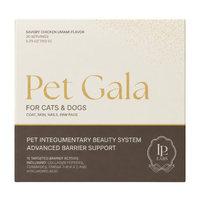
Pet Gala™ is designed for visible care—supporting skin, coat, and nails as a coordinated system rather than chasing a single nutrient. If you’re exploring omega 7 supplements for dogs, it fits best as a steady daily ritual that helps your dog look polished, feel comfortable, and stay photo-ready through seasons, baths, and shedding cycles.

A dog’s coat is a daily headline. It catches light on walks, shows up in photos, and tells a quiet story about comfort: whether skin looks calm, whether fur feels soft under your hand, whether grooming is easy or a chore. That’s why omega 7 for dogs has become a popular search—because owners aren’t only looking for “health,” they’re looking for a noticeable finish: luster, smoothness, and a well-kept look that feels like pride made visible.

Omega 7 fatty acids for dogs are often discussed for supporting skin health and improving coat condition, and they’re also mentioned in the broader context of metabolic wellness. Still, the most satisfying results come when omega-7 is treated as part of a complete care ritual: a stable diet, regular brushing, sensible bathing, and a supplement choice that your dog tolerates and you can give consistently.

If you’re a science-minded owner, you may also wonder: if quality food already contains fats, why add anything? Because “adequate” and “radiant” aren’t the same. Diet sets the baseline, but targeted support can refine visible condition—especially during seasonal dryness, frequent grooming, or age-related coat changes. Pet Gala™ is positioned for that exact gap: not as a single omega-7 replacement, but as coordinated support for skin, coat, and nails—care that begins beneath the surface and shows where it matters.

By La Petite Labs Editorial, ~15 min read

Featured Product:

  • Omega-7 is commonly associated with skin comfort and coat condition owners can see.
  • Think “finish,” not fixes: shine, softness, and a calmer-looking surface are the practical goals.
  • Diet matters first; omega profiles vary across foods, especially adult versus senior formulas.
  • Introduce any omega 7 oil for dogs slowly and watch stool, appetite, and itch patterns.
  • Sensitive dogs may react to certain oils; stop and consult your vet if signs appear.
  • “Best omega 7 for dogs” usually means consistent, fresh, clearly sourced products.
  • A holistic skin-coat-nail formula can stay relevant even when diet already meets basics.

Omega-7 and the Visible Signs of a Well-kept Dog

Omega 7 for dogs is best understood as a “visible-care” fat: it’s associated with the look and feel of skin and coat, and it’s often discussed alongside everyday metabolic steadiness. In canine nutrition, omega 7 fatty acids for dogs are most commonly represented by palmitoleic acid, a monounsaturated fatty acid found in certain oils and in small amounts across diets. When owners talk about wanting a softer coat, less flaky-looking skin, or a more polished overall appearance, omega-7 is one of the nutrients that comes up in that conversation (Tanprasertsuk J, 2022).

That said, “best omega 7 for dogs” rarely means chasing a single ingredient in isolation. Coat shine and comfortable skin are signals of a well-supported integumentary system: hydration, barrier lipids, grooming habits, and the broader fatty-acid profile all matter. Omega-7 can be part of that picture, but it works best when it’s paired with a thoughtful, consistent care ritual that supports what you can see day to day (German, 2025).

Skin and coat health illustration showing beauty support linked to omega 7 for dogs.

Why Owners Look for Omega-7: Shine, Softness, and Comfort

The most common reason people search omega 7 for dogs is simple: they want the dog in front of them to look and feel well-kept. A glossy coat is a visual signal of care, and comfortable skin shows up in small behaviors—less fidgeting during brushing, fewer “stop-and-scratch” moments, and a calmer attitude after baths. Omega-7 is frequently associated with supporting skin health and improving coat condition in dogs (German, 2025).

But it’s not a magic switch. Coat quality is a composite of grooming, environment, protein adequacy, and fat balance. Omega-7 can be a smart addition when you’re already doing the basics and want a more polished finish. Think of it as the difference between “clean” and “radiant”—subtle, but noticeable when it’s there.

Skin health image symbolizing beauty and wellness supported by omega 7 for dogs.

What Omega-7 Is in Dog Nutrition and Where It Appears

Omega 7 fatty acids for dogs are part of the broader omega family, but they’re not interchangeable with omega-3s or omega-6s. Omega-7 is typically discussed in the context of palmitoleic acid and certain plant oils. In dogs, omega-7 shows up as one piece of overall nutrient composition across diets, rather than a single “required” add-on for every bowl (German K, 2025).

That nuance matters when you’re shopping. The best omega 7 for dogs is the option that fits your dog’s current food, tolerance, and goals. If your dog already eats a diet with a robust fat profile, you may be looking for refinement—supporting softness, sheen, and comfort—rather than trying to “fix a deficiency.”

Structural beauty image symbolizing ingredient integrity supported by best omega 7 supplement for dogs.

Common Sources Used in Omega-7 Supplements for Dogs

When owners choose an omega 7 supplement for dogs, they’re usually choosing a source. Plant-based omega-7 sources are often highlighted for their potential anti-inflammatory benefits in canine health, which can matter for how skin looks and feels day to day (Tanprasertsuk J, 2022). The goal isn’t to chase a lab value; it’s to support a calm-looking surface and a coat that holds its shine between grooms.

Source also affects palatability. Some dogs accept oils easily; others prefer a chew or a blended formula where the taste is masked. If your dog is picky, the “best omega 7 supplement for dogs” is the one you can give consistently without turning dinner into a negotiation.

Dog portrait symbolizing beauty and wellness supported by omega 7 fatty acids for dogs.

Metabolic Steadiness: Supportive Framing Without Overpromising

Metabolic health is often mentioned in omega-7 conversations, but it should be framed carefully. Incorporating omega 7 into dog diets may support overall metabolic health, which owners may notice indirectly as steadier energy and a more “even” daily rhythm. These are general wellness signals, not medical promises, and they’re influenced by sleep, exercise, and total diet quality.

If your dog has a diagnosed metabolic condition, supplementation decisions should be vet-guided. For everyone else, omega-7 can be viewed as part of a polished-care approach: supporting the body in ways that show up in coat condition, comfort, and overall presentation (see: The Best Coat Growth Supplements for Dogs).

The scratching is completely gone, his coat looks healthy and shiny!

— Lena

He was struggling with itching, now he's glowing.

— Grace

“A glossy coat isn’t vanity—it’s a visible signal that daily care is landing.”

Diet First: How Food Formulas Change the Omega Picture

Diet context changes everything. The nutrient composition of dog diets varies significantly between adult and senior formulations, and omega content can shift accordingly. That means two dogs can eat “good food” and still have different coat outcomes—because the fat profile, protein level, and calorie density may not match their needs or their environment.

Before adding omega 7 supplements for dogs, check what you’re already feeding and what else you’re adding (fish oil, toppers, treats). The best omega 7 for dogs is the one that complements the existing plan without pushing total fat intake beyond what your dog tolerates comfortably (related: Omega-3-6-9 for Dogs).

Dog portrait tied to beauty and care supported by best omega 7 for dogs.

How to Introduce Omega-7 Without Upsetting Sensitive Stomachs

A good omega 7 oil for dogs should feel like a quiet upgrade, not a dramatic experiment. Start with a small amount, mix thoroughly into food, and watch stool quality and appetite for several days. If your dog is prone to digestive sensitivity, this “slow and steady” approach is especially important. If you see persistent GI upset, stop and ask your veterinarian for guidance—fat additions aren’t one-size-fits-all (Burron S, 2021).

Also consider timing: many owners prefer giving oils with the largest meal of the day for better tolerance. Consistency is what makes changes visible; sporadic use tends to produce sporadic results.

Close-up profile of a dog symbolizing beauty and vitality via best omega 7 oil for dogs.

What “Best Omega 7 for Dogs” Really Means in Practice

What should you look for when you want the best omega 7 for dogs? First, clarity: a product should tell you what the omega-7 source is and how it’s processed. Second, stability: oils oxidize, and freshness affects both smell and usefulness. Third, simplicity: fewer unnecessary flavors and fillers can be easier on sensitive dogs.

Finally, look for a formula that respects the reality of skin and coat care: it’s multi-factor. Omega-7 can support skin health and improve coat condition, but it’s most meaningful when it’s part of a broader nutritional balance rather than a lone hero ingredient (see: Collagen for Dogs).

Ingredient explainer image showing clean beauty formulation principles for omega 7 for dogs.

Contraindications and Cautions for Medically Sensitive Dogs

There are times when you should pause before adding any new fatty supplement. Dogs with pancreatitis history, dogs on therapeutic diets, and dogs taking multiple medications deserve a veterinarian’s input first. This is not about fear; it’s about fit. Even well-tolerated oils can be “too much” for a particular dog’s digestive capacity, and interactions are best evaluated with the full medical picture (Maina E, 2025).

If your dog is generally healthy, the main watch-outs are GI upset and any new itchiness that coincides with the change. A calm, observant introduction is the most reliable way to find out whether an omega 7 supplement for dogs suits your dog’s body and lifestyle.

Oil Versus Chew: Choosing a Format Your Dog Accepts

If you’re comparing an omega 7 supplement for dogs to an omega 7 oil for dogs, the most practical difference is delivery and consistency. Oils can be easy to drizzle, but they’re also easy to over-pour, and some dogs refuse the aroma. Soft chews and measured pumps can make “same amount, same time” simpler, which matters when you’re watching for visible changes like coat luster or reduced dullness.

For owners seeking the best omega 7 oil for dogs, look for freshness cues: opaque packaging, a clear best-by date, and a neutral-to-mild smell (rancid oils can be sharp or paint-like). Any fat-based add-on can also change stool quality in sensitive dogs, so introduce slowly and keep your vet in the loop if your dog has a history of pancreatitis or chronic GI issues (Maina E, 2025).

“The best omega-7 choice is the one you can give consistently, without digestive tradeoffs.”

Close-up clinical uniform showing research-driven formulation behind omega 7 for dogs.

Life Stage Considerations for Coat Finish and Skin Comfort

Owners often ask whether omega 7 for dogs is “more important” for seniors. The honest answer: it depends on the base diet and the dog in front of you. Senior formulas may include higher levels of various omega fatty acids, and overall fatty-acid composition can differ meaningfully between adult and senior foods (German K, 2025). That can change how much additional support is sensible.

The visible goal stays the same at any age: comfortable-looking skin, a coat that reflects light evenly, and nails that feel strong during normal trimming (related: Best Supplement for Dog Nails). If your senior dog’s coat has lost its “finish,” consider the whole routine—diet, bathing frequency, brushing, and targeted supplementation—rather than assuming one nutrient is the missing piece.

Shop Now
Curated ingredient scene highlighting bioactive blend supporting omega 7 for dogs.

Appetite, Fullness, and Realistic Expectations for Daily Use

Weight and appetite are sensitive topics, and it’s easy for supplement marketing to overreach. Some research on palmitoleic acid discusses satiety-related signaling and appetite-associated hormones (Yang ZH, 2013). In real-life dog care, the more useful takeaway is modest: fats can influence how meals “land,” and some dogs seem more content when their diet is balanced and consistent.

If you’re exploring omega 7 supplements for dogs with a body-composition goal, keep expectations grounded and keep your veterinarian involved—especially if your dog has endocrine disease, is on a prescription diet, or needs a structured weight plan. The best outcomes usually come from a calm, repeatable routine that supports visible vitality without chasing dramatic changes.

Shop Now
Owner and dog moment highlighting beauty rituals supported by omega 7 fatty acids for dogs.

Sensitivity and Allergy Considerations When Adding New Oils

Safety is part of “best omega 7 supplement for dogs,” even when the label looks clean. Any added oil can be too rich for some dogs, and ingredient sourcing matters. There’s also a practical allergy angle: a study exploring vegetable oil supplementation examined links to adverse food reactions in dogs, suggesting that certain oils may influence reaction incidence in susceptible individuals (Maina E, 2025).

If your dog has a history of itchy flare-ups, ear issues, or food sensitivities, introduce one new product at a time and track changes for a couple of weeks. Pause and call your vet if you see vomiting, diarrhea, hives, facial swelling, or sudden intense scratching. “Natural” oils can still be the wrong match for a particular dog.

Shop Now

Safety Signals, Vet Guidance, and When to Pause Supplementation

Owners sometimes worry that adding any oil is automatically risky. The more accurate view is that tolerance depends on the dog, the dose, and the overall diet. In a controlled study, camelina oil supplementation in healthy adult dogs showed no significant adverse effects during the evaluation period (Burron S, 2021). While camelina is better known for omega-3 and omega-6, the study is still useful as a reminder: well-formulated oils can be used safely in many dogs when introduced thoughtfully.

Still, dogs with pancreatitis history, fat-malabsorption concerns, or frequent GI upset deserve extra caution. If your dog is medically complex, ask your veterinarian to help you choose a product format and starting amount that fits your dog’s situation, rather than relying on generic label directions.

How Omega-7 Fits Alongside Omega-3 and Omega-6 Support

Omega-7 is often discussed alongside omega-3 and omega-6, and that context matters. Omega-3s have a stronger research footprint in dogs for certain cardiovascular outcomes (Billman GE, 1999), while omega-7 is more commonly positioned for skin and coat presentation. For a discerning owner, the “best omega 7 for dogs” is the one that fits into a balanced fatty-acid approach rather than competing with it.

If your dog already takes fish oil, adding an omega 7 oil for dogs may still make sense for visible grooming goals, but it should be done with attention to total fat intake and stool tolerance. Think of it as refining the finish—like conditioning after shampoo—rather than replacing the foundation.

Competitor comparison image focusing on formulation integrity in best omega 7 oil for dogs.

What to Watch for: Timeline and Visible Feedback Loops

A practical timeline helps you evaluate whether omega 7 for dogs is doing anything you can actually see. Many owners notice the earliest changes in coat feel first: less “dry brush” texture, easier detangling, and a smoother lay along the back and shoulders. Skin comfort can show up as less frequent scratching after baths or brushing, though itching has many causes and isn’t a simple supplement scoreboard (Tanprasertsuk J, 2022).

Take photos in the same lighting once a week, and pay attention to touch as much as shine. If nothing changes after a reasonable trial, it doesn’t mean omega-7 is “fake”—it may mean the baseline diet already covers that need, or that another part of the routine (bathing, parasites, indoor dryness) is the bigger lever.

Shop Now
Unboxed supplement reflecting refined experience and trust in omega 7 supplements for dogs.

Quality Signals That Define the Best Omega-7 Options

Choosing omega 7 supplements for dogs is partly about label literacy. Look for a clearly named oil source, transparent manufacturing details, and a realistic serving guidance that encourages gradual introduction. Avoid products that promise medical outcomes or “rapid cures.” For skin and coat, the most trustworthy claims are cosmetic-adjacent: supports a healthy sheen, supports comfortable skin, supports coat condition (German, 2025).

Also consider the “whole formula” question. A single-nutrient approach can be neat on paper, but dogs don’t wear paper—they wear their coat. Products that support the broader skin-coat-nail system can make more sense for owners who want a consistent, polished look without juggling multiple bottles.

Shop Now

Why a Holistic Skin-coat-nail Product Still Makes Sense

The commercial question a careful owner asks is fair: if diet already contains fats, why add anything? Because visible condition is not only about meeting minimums—it’s about the finish you can see in everyday life: a coat that reflects light evenly, skin that looks calm, nails that feel sturdy during trims, and a dog that seems comfortable in their own body. Diet sets the baseline, but targeted support can refine the presentation, especially during seasonal dryness, frequent bathing, or aging-related coat changes (German K, 2025).

That’s where a thoughtfully designed product earns its place: not as a single omega-7 replacement, but as a consistent care ritual that supports the whole integumentary system. When you choose with that lens, “best omega 7 supplement for dogs” becomes less about hype and more about dependable, noticeable upkeep.

“Think refinement, not rescue: small inputs, steady routine, noticeable finish.”

Educational content only. This material is not a substitute for veterinary advice. Always consult your veterinarian about your dog’s specific needs. These statements have not been evaluated by the Food and Drug Administration. Products mentioned are not intended to diagnose, treat, cure, or prevent any disease.

Glossary

  • Omega-7 Fatty Acids: A group of fatty acids often discussed for skin and coat presentation; commonly represented by palmitoleic acid.
  • Palmitoleic Acid: A monounsaturated omega-7 fatty acid frequently referenced in omega-7 supplements and research discussions.
  • Integumentary System: The body system that includes skin, coat (hair), and nails; a key focus for “beauty logic” pet supplements.
  • Coat Sheen: The way a dog’s coat reflects light; influenced by grooming, hydration, and dietary fat balance.
  • Skin Barrier Lipids: Natural fats in the outer skin layers that help maintain a smooth, comfortable-looking surface.
  • Oxidation (Rancidity): Chemical breakdown of oils over time that can change smell and quality; freshness matters for any omega oil.
  • Dietary Fat Profile: The overall balance of fats (including omega-3, omega-6, and omega-7) in a dog’s diet, which shapes visible coat outcomes.
  • Food Sensitivity: A pattern of adverse signs (often GI or skin-related) triggered by certain ingredients; oils can be triggers for some dogs.
  • Tolerance: How well a dog handles a supplement without unwanted effects like loose stool or appetite changes.

Related Reading

References

German. Exploratory analysis of nutrient composition of adult and senior dog diets. 2025. https://www.frontiersin.org/articles/10.3389/fvets.2025.1717409/full

Tanprasertsuk J. Roles of plant-based ingredients and phytonutrients in canine nutrition and health.. PubMed Central. 2022. https://pmc.ncbi.nlm.nih.gov/articles/PMC9291198/

Maina E. Exploring the potential link between vegetable oil supplementation and adverse food reactions in dogs: a preliminary study.. PubMed. 2025. https://pubmed.ncbi.nlm.nih.gov/40229833/

Yang ZH. Oral administration of omega-7 palmitoleic acid induces satiety and the release of appetite-related hormones in male rats.. PubMed. 2013. https://pubmed.ncbi.nlm.nih.gov/23376733/

Burron S. Safety of Dietary Camelina Oil Supplementation in Healthy, Adult Dogs.. PubMed. 2021. https://pubmed.ncbi.nlm.nih.gov/34573569/

Billman GE. Prevention of sudden cardiac death by dietary pure omega-3 polyunsaturated fatty acids in dogs.. PubMed. 1999. https://pubmed.ncbi.nlm.nih.gov/10318669/

Lenox CE. Potential adverse effects of omega-3 Fatty acids in dogs and cats.. PubMed. 2013. https://pubmed.ncbi.nlm.nih.gov/23323770/

Oberbauer AM. Maternal omega-3 polyunsaturated fatty acid supplementation on offspring hip joint conformation.. PubMed. 2018. https://pubmed.ncbi.nlm.nih.gov/30092106/

Zhang. Evaluation of the efficacy and safety of omega-3 fatty acid nutritional supplements from Schizochytrium sp. in dog food. 2025. https://www.sciencedirect.com/science/article/abs/pii/S221192642500181X

THA. Exploring the efficacy and optimal dosages of omega-3 supplementation for companion animals.. PubMed. 2025. https://pubmed.ncbi.nlm.nih.gov/40495687/

Fahey. The art of establishing mineral tolerances of dogs and cats.. PubMed Central. 2024. https://pmc.ncbi.nlm.nih.gov/articles/PMC11161897/

Sires. Determination of Total Mercury and Methylmercury Concentrations in Commercial Canine Diets. 2019. https://www.sciencedirect.com/science/article/abs/pii/S1938973618301995

Rumbeiha W. A review of class I and class II pet food recalls involving chemical contaminants from 1996 to 2008.. PubMed Central. 2011. https://pmc.ncbi.nlm.nih.gov/articles/PMC3614097/

FAQ

What is omega 7 for dogs, in simple terms?

Omega 7 for dogs refers to omega-7 fatty acids (often discussed as palmitoleic acid) that are included in some diets and supplements. Owners usually consider it for visible goals like coat softness, shine, and comfortable-looking skin rather than for dramatic internal changes.

If you want a product that supports the whole skin-coat-nail picture as a daily ritual, Pet Gala™ fits naturally into that kind of routine.

Why do owners add omega 7 for dogs?

Most owners add omega 7 for dogs to support the signs they can actually notice: a more even coat sheen, less rough texture, and skin that looks calmer between baths. Omega-7 is commonly discussed for skin and coat condition support in dogs.

For an option that keeps the focus on visible care (not single-nutrient chasing), many owners choose Pet Gala™ as part of their everyday grooming-and-feeding rhythm.

How is omega-7 different from omega-3 and omega-6?

Omega-3, omega-6, and omega-7 are all fatty acids, but they’re discussed for different reasons. Omega-3s have strong attention in canine nutrition for specific wellness areas, while omega-7 is more often chosen for skin and coat presentation. Omega-7 also appears in varying amounts across dog foods.

If you want support that complements a balanced fat profile without juggling multiple bottles, consider Pet Gala™ for a more integrated skin-coat-nail approach.

Is an omega 7 supplement for dogs safe daily?

For many healthy dogs, an omega 7 supplement for dogs can be used daily when introduced gradually and used as directed. The main tolerance issues are usually digestive (loose stool, decreased appetite) or sensitivity to a specific oil source. Dogs with pancreatitis history or complex medical needs should be vet-guided before adding fats.

For daily visible-care support that’s designed to fit a consistent routine, Pet Gala™ is a practical option to discuss with your veterinarian.

What side effects can omega 7 supplements for dogs cause?

The most common side effects from omega 7 supplements for dogs are GI-related: softer stool, diarrhea, or occasional vomiting—often from introducing oils too quickly. Less commonly, a dog may show itchiness or ear changes if they’re sensitive to a particular oil source. If symptoms persist, stop and consult your veterinarian.

If you prefer a skin-and-coat support option built for steady daily use, you can look at Pet Gala™ as part of a measured routine.

When should I avoid omega 7 for dogs?

Avoid adding new fatty supplements without veterinary input if your dog has pancreatitis history, is on a therapeutic diet, has uncontrolled GI disease, or is being evaluated for food reactions. Some dogs are simply more reactive to certain oils, and it’s better to proceed cautiously than to “push through” symptoms.

If your vet agrees supplementation fits your dog, you can incorporate a consistent visible-care option like Pet Gala™ into the plan.

How quickly will omega 7 for dogs show coat changes?

Timelines vary, but owners often notice early changes in feel before shine: smoother brushing, less “dry” texture, and a coat that lies flatter. Skin comfort can be harder to judge because itch has many causes. Omega-7 is associated with supporting skin health and coat condition, but consistency matters more than speed.

To keep the routine steady enough to evaluate, many owners pair grooming with a daily supplement like Pet Gala™ for visible skin-and-coat support.

What’s the best omega 7 for dogs: oil or chew?

The best omega 7 for dogs is the format your dog will take consistently and tolerate well. Oils are flexible and easy to mix, but they’re easier to over-serve and can be refused by picky dogs. Chews can be more consistent for daily routines, which is important when you’re tracking visible coat and skin changes.

If you want a simple, repeatable ritual that supports skin, coat, and nails together, consider Pet Gala™ as a daily option.

Can omega 7 supplements for dogs be given with fish oil?

Many dogs can take omega-7 alongside fish oil, but the combined fat load can affect stool quality and calories. If your dog is already on omega-3s for a vet-recommended reason, add any new oil slowly and monitor tolerance. Omega-3s have distinct research attention in dogs, so it’s best to think in terms of balance, not stacking(Billman GE, 1999).

For a more integrated skin-coat-nail approach that fits into a consistent routine, explorePet Gala™with your veterinarian.

Does omega 7 for dogs help with seasonal dryness?

Seasonal dryness is one of the most common reasons owners notice dullness, static, and flaky-looking skin. Omega-7 is often chosen to support skin comfort and coat condition, especially when indoor heat, frequent bathing, or cold weather changes the “finish” of the coat.

For a steady, season-to-season routine that supports visible skin and coat care, many owners use Pet Gala™ as part of their daily upkeep.

Is omega 7 for dogs useful for senior dogs?

It can be, especially if a senior dog’s coat has lost softness or looks less even between grooms. Senior diets may differ in omega fatty-acid levels compared with adult formulas, so the need for extra support depends on the specific food and the dog’s tolerance.

If you want a consistent, gentle-looking upgrade to daily visible care, you can consider Pet Gala™ as part of a senior-friendly routine.

Can puppies take an omega 7 supplement for dogs?

Puppies have different nutritional needs and are often already on growth-formulated diets, so adding oils should be more conservative and vet-guided. The goal in young dogs is a steady, well-tolerated diet and a simple grooming routine, not aggressive supplementation. Diet composition varies across life stages, which is why age matters here.

If your veterinarian says added skin-and-coat support is appropriate, you can discuss a measured option like Pet Gala™ for a consistent routine.

How do I choose the best omega 7 supplement for dogs?

To choose the best omega 7 supplement for dogs, prioritize clear sourcing, freshness (best-by dates, proper packaging), and realistic claims focused on coat and skin support. Also consider your dog’s tolerance: sensitive dogs may do better with simpler formulas and slower introductions. Omega-7 is discussed for supporting skin and coat condition, but consistency is what makes it noticeable.

If you prefer a product designed around visible skin-coat-nail care rather than a single ingredient, consider Pet Gala™ as a daily option.

What is omega 7 oil for dogs usually made from?

Omega 7 oil for dogs is typically sourced from certain plant oils that contain higher proportions of omega-7 fatty acids. Labels should specify the exact oil source and provide storage guidance, since oils can oxidize over time. Plant-based omega-7 sources are also discussed for broader wellness support in dogs, including skin-focused benefits.

If you want a more complete skin-and-coat support approach than oil alone, you can incorporate Pet Gala™ into your dog’s routine.

Can omega 7 for dogs affect appetite or fullness?

Some research on palmitoleic acid discusses satiety-related signaling and hormones associated with appetite regulation(Yang ZH, 2013). In day-to-day dog care, the more practical point is that adding fats can change meal satisfaction and calorie density, which may matter for dogs on weight plans.

If appetite or weight is a concern, make changes with your veterinarian’s input and choose a consistent routine—potentially includingPet Gala™for visible-care support while you keep the overall plan steady.

Could omega 7 supplements for dogs trigger food sensitivities?

They can in some dogs, depending on the oil source and the dog’s sensitivity history. Research exploring vegetable oil supplementation has examined potential relationships with adverse food reactions in dogs, suggesting certain oils may influence reaction incidence in susceptible individuals. That doesn’t mean oils are “bad,” but it does support cautious, one-change-at-a-time introductions.

If your dog is sensitive, choose simpler formulas and discuss options like Pet Gala™ with your veterinarian for a measured approach.

How should I introduce omega 7 for dogs to avoid stomach upset?

Introduce it gradually, mixed thoroughly with food, and keep everything else in the diet stable for a week or two. The most common issue with added oils is simply moving too fast for a dog’s digestion. If your dog has a history of GI sensitivity, ask your vet for a conservative starting plan and stop if symptoms persist(Burron S, 2021).

For a consistent daily routine that’s easy to keep steady, many owners usePet Gala™as part of their skin-and-coat care plan.

Are there medication interactions with an omega 7 supplement for dogs?

Because supplements can change calorie intake and GI tolerance, they can indirectly affect how some dogs do on medications, especially if appetite or stool changes. If your dog takes long-term meds or is on a prescription diet, it’s smart to check with your veterinarian before adding any oil-based supplement. This is particularly important for dogs with complex histories.

Once you have the green light, you can incorporate a consistent visible-care option like Pet Gala™ into the routine.

Do small breeds need a different omega 7 oil for dogs?

Small breeds don’t necessarily need a different omega 7 oil for dogs, but they often need smaller, more precise servings and may show GI changes sooner. That makes measured formats and gradual introductions especially helpful. The goal is the same: a soft, shiny coat and comfortable-looking skin without digestive tradeoffs.

If you want a routine-friendly option that supports skin, coat, and nails together, consider Pet Gala™ for consistent daily care.

Can cats use omega 7 for dogs products safely?

Cats and dogs have different nutritional requirements and sensitivities, so a product formulated for dogs isn’t automatically appropriate for cats. Even when an ingredient seems similar, serving sizes and tolerances can differ. If you’re considering omega-7 for a cat, ask your veterinarian for a cat-specific recommendation rather than repurposing a dog supplement.

For dog-specific visible skin-and-coat support, you can keep the routine straightforward with Pet Gala™ as part of your dog’s daily care.

What research supports omega 7 fatty acids for dogs?

In canine-focused summaries, omega-7 fatty acids are discussed for supporting skin health and improving coat condition, and they’re also mentioned in the context of overall metabolic support. There’s also diet-composition work showing omega fatty acids (including omega-7) vary across formulations, which helps explain why results differ between dogs.

If you want a practical way to apply that research to daily visible care, consider Pet Gala™ as a consistent skin-coat-nail support option.

When should I call my vet about omega 7 supplements?

Call your vet if you see repeated vomiting, persistent diarrhea, facial swelling, hives, sudden intense itching, or any behavior change that starts soon after introducing a new oil or supplement. Also check in before adding fats if your dog has pancreatitis history, is on a prescription diet, or has ongoing GI disease. Oil sensitivity and food reactions are worth taking seriously.

Once your vet confirms it’s a good fit, you can use Pet Gala™ to support a steady, visible-care routine.

5K+ Happy Pet Parents

Excellent 4.8

Omega 7 for Dogs | Why Thousands of Pup Parents Trust Pet Gala™

"It's so good for his coat, and so easy to mix into food."

Alex & Cashew

"Gives him that glow from head to tail!"

Elisabeth & Chai

"The scratching is completely gone, his coat looks healthy and shiny."

Lena & Bear

"Magical. He was struggling with itching and shedding. Now he's literally glowing."

Grace & Ducky

"It's so good for his coat, and so easy to mix into food."

Alex & Cashew

"Gives him that glow from head to tail!"

Elisabeth & Chai

"The scratching is completely gone, his coat looks healthy and shiny."

Lena & Bear

"Magical. He was struggling with itching and shedding. Now he's literally glowing."

Grace & Ducky

"It's so good for his coat, and so easy to mix into food."

Alex & Cashew

"Gives him that glow from head to tail!"

Elisabeth & Chai

"The scratching is completely gone, his coat looks healthy and shiny."

Lena & Bear

"Magical. He was struggling with itching and shedding. Now he's literally glowing."

Grace & Ducky

"It's so good for his coat, and so easy to mix into food."

Alex & Cashew

"Gives him that glow from head to tail!"

Elisabeth & Chai

"The scratching is completely gone, his coat looks healthy and shiny."

Lena & Bear

"Magical. He was struggling with itching and shedding. Now he's literally glowing."

Grace & Ducky

SHOP NOW