Golden Retriever Itchy Skin

Decode Itching Triggers and Rebuild Barrier Defenses to Reduce Recurring Flare-Ups

Essential Summary

Why is Golden Retriever itchy skin important?

Itchy skin in Golden Retrievers is usually a mix of triggers and baseline sensitivity. The most reassuring progress is visible: fewer scratch breaks, calmer-looking skin, and a coat that feels soft and lies neatly after brushing. Pair smart grooming and parasite control with steady nutrition and supplements to support everyday comfort and a polished, well-kept look.

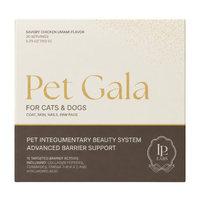
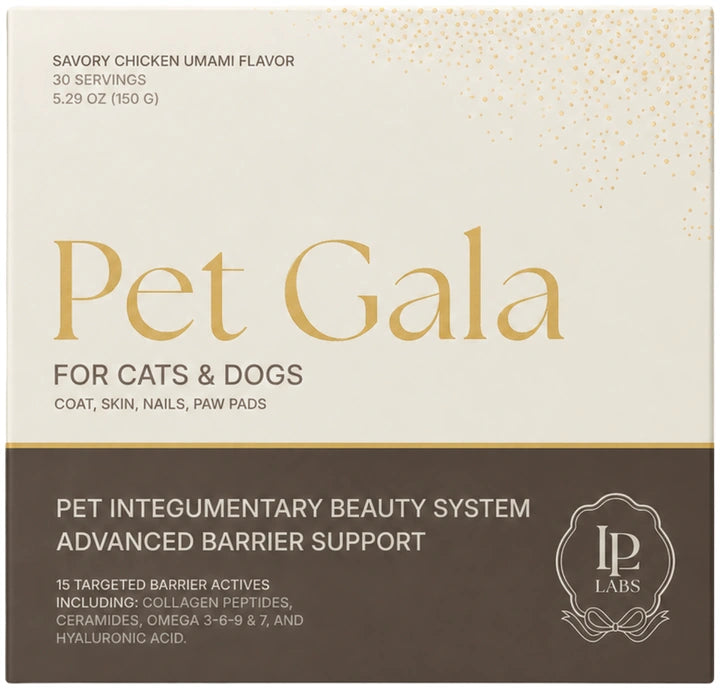
Pet Gala™ is designed for skin, coat, and nail presentation—daily support that shows up where you notice it most: natural softness, a healthier sheen, and a calmer feel that helps reduce the urge to scratch. It fits neatly into routines that already include gentle grooming and sensible diet choices, reinforcing the visible comfort you’re working toward.

Golden retriever itchy skin can look simple at first, but the fastest way to help your dog is to triage it like a vet would: how intense is the itch severity, where on the body is it happening, and are there any red flags that change the urgency. Some itching is occasional and seasonal; other cases escalate quickly into hair loss, raw spots, or nonstop licking that keeps a dog from resting.

This page is designed to help you sort what you’re seeing into a clear next step—monitor, schedule a routine appointment, or seek same-day care—without turning into a long home-treatment routine. Start by noting the distribution (paws, ears, belly/groin, tail base, back), the frequency (minutes per day), and whether scratching or licking is interrupting sleep. Then track and log changes with quick daily notes and photos in consistent lighting: date, location, itch score (0–10), and any pattern tied to walks, grooming, diet changes, or seasonality. If you spot rapidly worsening redness, open sores, swelling, or your Golden seems unwell, treat that as a red flag and contact your veterinarian promptly.

By La Petite Labs Editorial, ~15 min read

Featured Product:

  • Itch is a visible signal: scratching, licking, coat dullness, and flaky “dust” on furniture.
  • Common causes cluster into allergies, parasites, dryness, grooming friction, and secondary irritation.
  • Start with what’s identifiable: flea control, ear checks, hot spots, and product reactions.
  • Build a calmer baseline with gentle bathing, thorough rinsing, and brushing that removes debris.
  • Nutrition matters when it improves what you can see: softer coat texture and steadier skin comfort.
  • Supplements work best as consistent daily care, supporting polished appearance between seasons and baths.
  • Choose products for tolerance and routine fit; steady use beats constant switching and guesswork.

Itch Triage: Mild, Moderate, or Severe (and What Each Level Suggests)

Use a simple severity ladder to decide what your Golden likely needs next.

**Mild itch (monitor + document):** Scratching or paws licking happens occasionally, your dog can be redirected, and there’s no visible skin damage. You may see light dandruff or brief rubbing after walks. This can fit with mild dryness, early seasonal irritation, or a low-level parasite exposure. **Next step:** start a 7–14 day log (itch score, locations, timing) and check for fleas/flea dirt.

**Moderate itch (schedule a vet visit soon):** Daily scratching/licking, noticeable hair loss, recurrent ear scratching, or persistent belly redness. Your dog may have **sleep disruption** (waking to scratch) or you notice **self-trauma** from chewing/licking. This level often overlaps with allergy flares, ear/skin infection, parasites, or irritation plus secondary inflammation. **Next step:** book an appointment and bring your photos and timeline.

**Severe itch (same-day vet triggers):** Constant distress, escalating **self-trauma**, rapidly spreading hair loss, **open sores**, bleeding, facial swelling, strong odor, pus, fever, lethargy, or refusal to eat. **Next step:** contact your vet or urgent care the same day—these signs can indicate infection, severe allergy reaction, or intense parasite burden that needs prompt medical attention.

Scientific beauty render emphasizing skin and coat support from golden retriever scratching skin relief.

Location Patterns: What Paws, Ears, Belly, Tail Base, and Back Often Mean

Where the itch concentrates can narrow the most likely categories to discuss with your vet.

**Paws/face:** Frequent **paws licking**, chewing between toes, or rubbing the muzzle often lines up with environmental or contact triggers picked up on walks (grass, dust, de-icers) and can also appear with allergy patterns. Check for redness between toes, staining, or cracked pads. Photograph the tops and bottoms of paws.

**Ears:** Head shaking, scratching, and **ear debris/odor** commonly point toward yeast or bacterial overgrowth, sometimes alongside allergy tendencies. Note whether one ear is worse than the other and capture a photo of the outer ear and any visible discharge.

**Belly/groin:** **Belly redness** after outdoor time can suggest contact irritation or seasonal flare patterns. Look for symmetrical redness, small bumps, or darkening from chronic licking. Take photos before and after walks if you suspect a trigger.

**Tail base:** Itching focused at the **tail base and fleas** often go together. Use a flea comb over the rump and tail base and photograph any flea dirt (black specks that smear reddish when wet).

**Back/flakes:** Diffuse itch with dandruff along the back can fit dryness or irritation; document flake density and any hair thinning.

For all zones, keep a timeline (dates, weather/seasonality, grooming changes) and repeat photos weekly to show progression or improvement.

Scientific beauty render highlighting skin hydration supported by golden retriever itchy skin causes.

Common Hot Zones: Paws, Belly, Ears, and Tail Base

Owners usually notice the same “hot zones” first: paws, belly, armpits, groin, ears, and the base of the tail. These areas collect moisture, allergens, and friction. If your Golden is licking paws until they look rusty, rubbing their face on the carpet, or scratching ears after every walk, that pattern helps narrow golden retriever itchy skin causes.

Also watch the coat itself. A coat that used to separate cleanly may start to clump, feel oily, or shed in a way that looks “dusty.” These are visible cues that the skin barrier may be struggling. When you’re choosing golden retriever itchy skin solutions, prioritize what improves the look you can verify: calmer skin tone, fewer flakes, and a coat that feels naturally soft rather than brittle.

Beauty formulation visualization tied to support mechanisms in best supplements for golden retriever itchy skin.

Allergies in Dogs: Why Reactions Can Be Delayed and Persistent

Allergies are a common driver of golden retriever itchy skin, but they’re not always simple. Some reactions are immediate, while others are delayed and build with repeated exposure. In dogs, delayed-type (Type IV) hypersensitivity can contribute to skin problems, including itchiness. That’s one reason a dog can seem fine for weeks and then suddenly look irritated.

Because allergy patterns can be messy, the best treatment for golden retriever itchy skin often starts with reducing obvious irritants and then supporting the skin’s everyday comfort. You’re aiming for a steadier baseline: fewer flare-like days, less frantic scratching, and a coat that looks smooth and well-kept. If symptoms are persistent, your veterinarian can help sort allergy testing, diet trials, and medication options.

Dog portrait showing healthy coat and skin with beauty support from best supplements for golden retriever itchy skin.

Dry Skin Signals: Flakes, Dullness, and That Tight Feeling

Dry skin can look deceptively minor—until it becomes constant scratching. Indoor heating, frequent bathing, low humidity, and harsh brushing can all make a Golden’s skin feel tight. You’ll often see fine flakes along the back, a duller coat, and more “static” in the feathering.

Golden retriever skin irritation remedies for dryness are about restoring a comfortable feel: gentler bathing, better rinsing, and daily nutrition that supports a smoother coat surface. If you’re evaluating best supplements for golden retriever itchy skin, look for options that support skin and coat as a whole—because owners don’t just want less itch; they want the visible return of softness, shine, and a coat that lies neatly after brushing.

The scratching is completely gone, his coat looks healthy and shiny!

— Lena

He was struggling with itching, now he's glowing.

— Grace

“The most reassuring progress is visible: fewer scratch breaks, calmer-looking skin, and a coat that lies neatly after brushing.”

Ears and Itch: the Overlooked Piece of Skin Comfort

Ears are often part of the itch story. A Golden who scratches ears, shakes their head, or rubs their face may be dealing with wax buildup, moisture after swimming, or sensitivity that shows up as recurrent irritation. Because ears are warm and enclosed, small problems can look dramatic quickly.

If you notice odor, discharge, swelling, or obvious pain, involve your veterinarian promptly. For everyday support, keep ears dry after water play and avoid frequent “deep cleaning” unless advised. When you’re building golden retriever scratching skin relief, the goal is a calmer routine that keeps the dog comfortable and looking fresh—so ear scratching doesn’t become the soundtrack of your evenings.

Dog photo highlighting coat health and expression supported by golden retriever skin irritation remedies.

Brushing as Skin Care: Removing What the Coat Holds Onto

Brushing is more than grooming for a Golden—it’s skin management. A dense undercoat can trap pollen, dust, and moisture close to the skin. When that sits there, itch can look “unpredictable,” even though the trigger is literally stuck in the coat. Regular brushing helps the coat breathe and keeps the skin’s surface feeling cleaner.

Aim for a routine your dog enjoys: short sessions, gentle tools, and attention to friction zones like behind the legs and under the collar. This is one of the most underrated golden retriever itchy skin solutions because the feedback loop is fast: the coat looks tidier immediately, and many dogs seem more settled afterward. Pairing grooming with supportive nutrition can make that “freshly brushed” look last longer.

Dog looking radiant, capturing beauty and presence supported by golden retriever itchy skin causes.

Supplements as Daily Care: Supporting a Polished, Comfortable Look

Supplements are most useful when they’re treated as daily care, not a rescue button. The best supplements for golden retriever itchy skin support the skin barrier and coat quality so your dog looks comfortable more often—less flaky, less rough, and less distracted by itch. That’s a beauty logic outcome: you can see it in the coat and in your dog’s ease.

Introduce any supplement gradually and monitor stool quality, appetite, and overall comfort. If your dog is on medications or has a known condition, check with your veterinarian before adding new products. Think of supplementation as the “baseline builder” that makes other choices—like bathing cadence and diet—show up more clearly in the mirror: a smoother coat, calmer skin tone, and fewer scratch interruptions.

Ingredient showcase image explaining core beauty components and support from best products for golden retriever itchy skin.

Layered Relief: Matching the Approach to the Cause

If you’re searching for the best treatment for golden retriever itchy skin, a realistic answer is: treat what’s identifiable, then support what’s ongoing. Identifiable issues include fleas, ear infections, hot spots, and obvious product reactions. Ongoing issues include seasonal exposure, dry indoor air, and a naturally sensitive skin baseline.

A layered plan tends to work best: parasite prevention, gentle grooming, and nutrition that supports the skin barrier. Diets designed to enhance barrier function have shown owner-reported reductions in skin issues over time. Supplements fit here as the consistent daily piece that helps your Golden look and feel more comfortable between baths, walks, and seasons—without pretending to replace veterinary diagnosis when it’s needed.

Choosing Products That Fit Sensitive Skin and Real Life

If you’re comparing best products for golden retriever itchy skin, look for two things: (1) whether the product supports visible comfort (skin feel, coat softness, less flaky look) and (2) whether it fits your dog’s real life (palatability, consistency, and tolerance). A product can be “good on paper” and still fail if your Golden refuses it or it upsets their stomach.

Quality signals that matter: clear labeling, sensible serving guidance, and a focus on skin/coat outcomes rather than dramatic promises. If your dog has a history of sensitivities, choose formulas with a clean, straightforward ingredient approach and introduce any new product gradually. When you’re building golden retriever itchy skin solutions, reliability beats novelty—your dog’s skin responds best to steady routines.

“Treat what’s identifiable first, then support the baseline you want to maintain.”

Scientific attire image highlighting formulation rigor associated with best products for golden retriever itchy skin.

Bathing Without Backfire: Clean, Soft, and Thoroughly Rinsed

Bathing can be either relief or a reset button that backfires. Too frequent washing, very hot water, or harsh shampoos can leave a Golden’s skin feeling tight and dry, which can amplify scratching. On the other hand, the right cadence and a gentle formula can remove pollen, dust, and residue that keep irritation simmering.

For golden retriever skin irritation remedies, think “soft and simple”: lukewarm water, thorough rinsing, and drying that doesn’t rub the coat into a frizz. If your dog reacts to certain grooming ingredients, delayed allergic responses to product components are a known issue in dogs (McDermott A, 2025). If itch worsens after a new shampoo, wipe, fragrance, or detergent, revert to what was tolerated and discuss options with your veterinarian.

Shop Now
Supplement box with ingredient spread showing care behind golden retriever scratching skin relief.

Diet and Skin Comfort: When the Bowl Changes the Coat

Diet is often part of the picture, but not always in the way people expect. Some Goldens do better when their overall diet supports the skin barrier—owners in long-term feeding studies of skin barrier–fortified diets reported fewer skin issues and improved dermatitis signs (van Beeck FL, 2015). That doesn’t mean every itchy dog needs a dramatic diet overhaul; it means the “skin feel” you notice can reflect what’s in the bowl.

If you’re trialing food changes, keep it clean: one change at a time, consistent treats, and enough time to judge the coat and skin. The best treatment for golden retriever itchy skin is often a combination—parasite control, grooming choices, and nutrition that supports a smoother, calmer look. Supplements can be the steady daily piece that keeps the visible progress from slipping when life gets busy.

Shop Now
Home scene with woman and dog featuring Pet Gala and golden retriever itchy skin solutions.

Seasonal Patterns: Keeping the Coat Fresh When Pollen Peaks

Seasonal itch has a recognizable rhythm: it flares when pollen rises, when grass is freshly cut, or when indoor air turns dry. Your Golden may look fine at breakfast and be distracted by itch by evening. In these cases, golden retriever itchy skin solutions focus on reducing what clings to the coat and keeping the skin feeling comfortable day to day.

Simple habits can change the “itch load” you see: a quick rinse after high-pollen walks, wiping paws and belly, and keeping bedding fresh. If your dog’s skin reacts to certain environmental or product ingredients, delayed hypersensitivity reactions can contribute to ongoing irritation (McDermott A, 2025). The win is visible: fewer scratch breaks, less redness, and a coat that settles back into its usual tidy lay.

Shop Now

Parasites First: the Unskippable Check for Sudden Itch

Parasites are the unglamorous but essential checkpoint. Fleas can trigger intense itch even when you rarely see them, and mites can create patchy irritation that looks like “mystery allergies.” If your Golden is suddenly frantic, chewing at the base of the tail, or waking at night to scratch, it’s worth treating parasite control as a first-line reality check.

Because golden retriever itchy skin causes overlap, you can’t supplement your way around fleas. Get veterinary guidance on prevention that fits your region and your dog’s lifestyle. Once parasites are addressed, supportive care becomes easier to evaluate: you can actually tell whether grooming changes, diet tweaks, and best supplements for golden retriever itchy skin are improving the look and feel of the coat.

Hot Spots and Infections: When Itch Needs Veterinary Care

Hot spots and secondary infections are where “itch” becomes a skin event. Moist, inflamed patches can appear quickly—often after swimming, heavy rain walks, or persistent licking. These situations need veterinary attention because bacteria or yeast can take advantage of irritated skin, and the discomfort can escalate fast.

While you’re waiting for an appointment, keep the area clean and dry, prevent licking if possible, and avoid applying random human creams. The best treatment for golden retriever itchy skin is the one that matches the cause; infections need targeted care, while daily support focuses on keeping the coat polished and the skin comfortable between flare-ups. A good supplement routine can complement vet care by supporting a more even, well-kept presentation.

Visual breakdown contrasting competitors and quality standards in golden retriever itchy skin causes.

Tracking Visible Progress: Less Scratching, Softer Coat, Calmer Skin

A practical way to judge progress is to track what you can see and feel. Is your Golden scratching less often, or just scratching with less intensity? Do you notice fewer flakes on dark furniture? Does the coat feel softer when you run your hand against the grain? These are the signals that matter for golden retriever scratching skin relief.

Give each change a fair window, and avoid stacking five new interventions at once. If you’re using a supplement, consistency is the difference between “maybe” and “noticeable.” And if you’re also adjusting diet for barrier support, owner-reported improvements have been observed with long-term skin barrier–fortified feeding approaches (van Beeck FL, 2015). The goal is a calmer baseline you can maintain, not a cycle of constant resets.

Shop Now
Product reveal shot showing premium feel consistent with golden retriever scratching skin relief.

Sensitive Dogs: Simplifying Triggers and Building a Steady Baseline

Some Goldens are simply more reactive: they have sensitive skin, a dense coat that holds onto debris, and a personality that turns mild itch into a full-body scratch session. That doesn’t mean you’re failing; it means your dog benefits from a “low-drama” routine that keeps the skin feeling steady. Think of it as grooming and nutrition that supports a polished, comfortable look.

If you suspect product-triggered irritation, simplify what touches the coat: fragrance-free laundry choices, fewer sprays, and gentle wipes. Ingredient-triggered allergic reactions can contribute to itch in dogs. Once you reduce the noise, you can better judge which golden retriever itchy skin solutions are actually helping—whether that’s a different bathing cadence, a diet adjustment, or best products for golden retriever itchy skin that support daily visible comfort.

Shop Now

A Comfortable, Well-kept Golden: the Standard Worth Keeping

The most reassuring outcome is when your Golden looks like themselves again: relaxed posture, fewer interruptions to play, and a coat that reads as clean, soft, and cared-for. That’s the standard to aim for—visible ease, not perfection. If symptoms are severe, sudden, or worsening, your veterinarian should be the anchor for diagnosis and targeted treatment.

For everyday maintenance, build a simple stack: parasite prevention, gentle grooming, and nutrition that supports a comfortable skin barrier. Then add a supplement that fits your dog’s tolerance and your routine. The best supplements for golden retriever itchy skin are the ones you can give consistently, so the coat stays polished and the skin stays calm enough that scratching doesn’t become the main event.

“A supplement earns its place when it makes everyday comfort look and feel more consistent.”

Educational content only. This material is not a substitute for veterinary advice. Always consult your veterinarian about your dog’s specific needs. These statements have not been evaluated by the Food and Drug Administration. Products mentioned are not intended to diagnose, treat, cure, or prevent any disease.

Glossary

  • Skin Barrier: The outer layer of skin that helps retain moisture and reduce irritation from the environment.
  • Atopic Dermatitis: A common, allergy-associated skin condition that can cause recurring itch and redness.
  • Hot Spot (Acute Moist Dermatitis): A rapidly developing, inflamed, moist patch often triggered by licking or scratching.
  • Pruritus: The medical term for itching, often measured by frequency and intensity of scratching or licking.
  • Contact Irritation: Skin discomfort caused by something touching the coat or skin, such as shampoos, wipes, or detergents.
  • Type IV Hypersensitivity: A delayed allergic response that can contribute to persistent skin irritation after repeated exposure.
  • Secondary Infection: Bacterial or yeast overgrowth that can occur after the skin is damaged by scratching.
  • Double Coat: A coat type with a dense undercoat and longer topcoat that can trap moisture and debris near the skin.
  • Flare: A period when itch and irritation noticeably worsen, often due to seasonal or product-related triggers.

Related Reading

References

McDermott A. Reapplication of the Type IV Hypersensitivity Quantitative Risk Assessment to Assess Ingredients Used on Canines.. PubMed. 2025. https://pubmed.ncbi.nlm.nih.gov/40536915/

Van Beeck FL. The effect of long-term feeding of skin barrier-fortified diets on the owner-assessed incidence of atopic dermatitis symptoms in Labrador retrievers.. PubMed Central. 2015. https://pmc.ncbi.nlm.nih.gov/articles/PMC4462758/

FAQ

What does golden retriever itchy skin usually look like?

It often shows up as repeated scratching, paw licking, face rubbing, or a coat that looks dull and slightly “ruffled.” You may also notice flakes along the back, thinning behind the ears, or redness in friction zones like armpits and belly.

Because the goal is visible comfort, track what you can see: fewer scratch breaks, calmer-looking skin, and a softer coat after brushing. Daily skin-and-coat support can help reinforce that baseline, including Pet Gala™.

Why can itching matter even when the skin looks normal?

Many dogs start scratching before you see obvious redness or hair loss. Early itch can be a sign of low-level irritation from seasonal debris, dryness, or sensitivity, and the scratching itself can create the visible damage later.

If you respond early with gentle grooming and steady skin support, you’re often protecting the coat’s look and your dog’s comfort at the same time. For daily reinforcement of a polished, comfortable feel, consider Pet Gala™.

What are the most common golden retriever itchy skin causes?

The most common causes include fleas or mites, environmental sensitivities (pollen, grass), food-related reactions, dry skin, and irritation from grooming products or friction. More than one factor can be present at the same time, which is why the pattern can feel inconsistent.

Start with parasite control and obvious triggers, then build a calmer baseline with consistent grooming and nutrition. A daily skin-and-coat routine can be supported with Pet Gala™.

Can grooming products trigger itching in sensitive Golden Retrievers?

Yes. Some dogs react to ingredients in shampoos, wipes, sprays, or even laundry detergents that touch bedding. Delayed allergic responses can contribute to persistent itch, so the flare may appear days after exposure rather than immediately.

If itch worsens after a new product, revert to what was tolerated and ask your veterinarian for alternatives. To support a comfortable, well-kept coat alongside gentle grooming, use Pet Gala™.

What is the best treatment for golden retriever itchy skin?

The best approach matches the cause: parasite prevention for fleas, veterinary care for infections, and trigger reduction for seasonal sensitivities. For many dogs, the most reliable results come from layered care rather than a single fix.

Once urgent issues are ruled out, focus on a calmer baseline you can maintain—gentle bathing, consistent brushing, and daily skin support that shows up as softness and shine. That’s where Pet Gala™ fits naturally.

How fast can I expect visible improvement in coat comfort?

Some changes are quick: removing debris with brushing, switching away from an irritating shampoo, or improving rinsing can make the coat feel better within days. Baseline skin comfort and coat sheen usually take longer because they depend on consistent daily care.

Track simple signals weekly: scratching frequency, flake level, and how the coat lies after grooming. For steady, routine-friendly support aimed at visible comfort, consider Pet Gala™.

Are supplements safe for dogs with sensitive stomachs?

Many dogs do well with supplements, but tolerance varies. If your Golden has a sensitive stomach, introduce any new supplement gradually, give it with food, and watch for soft stool, gas, or appetite changes. If your dog has a medical condition or takes medications, ask your veterinarian first.

The best choice is one you can use consistently without digestive upset, because consistency drives visible coat results. For skin-and-coat support designed for daily use, look at Pet Gala™.

Can I combine supplements with allergy medications from my vet?

Often, yes, but it depends on the medication and your dog’s health history. Supplements are typically used as supportive care, while prescription allergy medications target itch control more directly. Your veterinarian can confirm compatibility and help you avoid doubling up on ingredients across products.

A sensible plan is to keep prescriptions stable and add one supportive product at a time so you can judge results. For daily skin-and-coat support that complements routine care, consider Pet Gala™.

What side effects should I watch for with new skin products?

For topical products, watch for increased redness, hives, or worsening itch after use. For supplements, the most common issues are digestive—soft stool, gas, or reduced appetite. Any facial swelling, vomiting, or sudden lethargy warrants urgent veterinary attention.

To keep your evaluation clean, introduce one new item at a time and give it a fair window. For a daily routine that supports visible coat comfort, consider Pet Gala™.

Is golden retriever itchy skin different in puppies versus adults?

Puppies can itch from parasites, new environmental exposures, or mild skin infections, while adults more commonly show recurring seasonal patterns or chronic sensitivities. Either way, sudden intense itch, hair loss, or sores should be evaluated by a veterinarian to avoid missing treatable causes.

For routine support, keep care gentle and consistent: soft brushing, sensible bathing, and daily skin-and-coat support that fits your dog’s life stage. Consider Pet Gala™ as part of that baseline.

Does coat density make Golden Retrievers more prone to irritation?

A dense double coat can trap moisture, pollen, and debris close to the skin, especially in feathering and friction zones. That trapped “stuff” can keep irritation simmering even when the dog looks clean at a glance, and it can make seasonal itch feel more intense.

Regular brushing and thorough drying after swims are simple ways to reduce that load. To support a softer, more polished coat feel between grooming sessions, consider Pet Gala™.

Can cats use the same itch supplements as dogs?

Not automatically. Cats have different sensitivities and nutritional requirements, and some dog-formulated products may not be appropriate for feline use. If you have both pets, it’s safest to keep supplements species-specific unless your veterinarian confirms a product is suitable for cats.

For your Golden, choose a dog-focused routine that supports visible coat comfort and everyday skin feel. For that kind of daily support, consider Pet Gala™.

What are quality signals when choosing skin supplements?

Look for clear ingredient labeling, straightforward serving guidance, and realistic claims focused on supporting skin and coat appearance rather than dramatic promises. Palatability matters too—if your dog won’t take it consistently, you won’t see stable results.

Also consider your dog’s history: if they’re sensitive, simpler formulas and gradual introductions can be easier to evaluate. For daily support aimed at visible comfort and coat polish, consider Pet Gala™.

How should I give supplements for the best visible results?

Give them consistently, ideally with meals, and avoid changing multiple variables at once. If you switch food, shampoo, and supplements in the same week, it’s hard to tell what helped (or what caused a setback). Consistency is what turns “maybe” into noticeable coat softness and steadier comfort.

Keep a simple weekly check: scratching frequency, flake level, and how the coat lies after brushing. For routine-friendly daily support, consider Pet Gala™.

Can diet changes help with golden retriever skin irritation remedies?

They can, especially when the change supports the skin barrier and reduces exposure to a suspected trigger. In studies of skin barrier–fortified diets, owners reported fewer skin issues and improvements in dermatitis signs over time. Diet changes should be done methodically, with veterinary guidance if you’re pursuing a true elimination trial.

Even with a good diet, many owners still want daily support that keeps the coat looking polished between baths and seasons. That’s where Pet Gala™ can fit into the routine.

What if my Golden scratches more after a bath?

That can happen if the shampoo is too harsh, the water is too hot, or residue is left behind. Some dogs also react to specific ingredients in grooming products, and delayed reactions can contribute to ongoing itch. Try a gentler formula, rinse longer than you think you need, and dry thoroughly without aggressive rubbing.

If the pattern repeats, talk with your veterinarian about product options and skin evaluation. For daily support that helps maintain a comfortable, well-kept coat between baths, consider Pet Gala™.

What other goals pair well with itchy-skin routines?

Owners often want more than less scratching: a softer coat, a healthier sheen, less shedding “dust,” and strong, tidy nails that look well maintained. These goals reinforce each other because comfortable skin supports better grooming tolerance and a coat that lies flatter and looks cleaner.

Choose routines that are easy to repeat—short brushing sessions, gentle bathing, and daily support you can stick with. For skin, coat, and nail presentation support, consider Pet Gala™.

What research exists on nutrition and skin barrier comfort?

Nutrition that supports the skin barrier has been studied in dogs with atopic dermatitis. In long-term feeding work using skin barrier–fortified diets, owners reported reductions in skin issues and improvements in dermatitis signs. While results vary by dog, the takeaway is practical: baseline skin comfort can reflect consistent dietary support.

Many owners use supplements alongside diet to keep visible coat quality steadier between seasons and grooming cycles. For daily skin-and-coat support, consider Pet Gala™.

When should I call the vet about persistent itching?

Call if itch is severe, sudden, or paired with hair loss, open sores, odor, ear discharge, swelling, or sleep disruption. Also call if your dog seems painful, lethargic, or if home changes don’t improve comfort. These signs can indicate infection, parasites, or other issues that need targeted treatment.

Once urgent causes are addressed, daily support can help maintain a calmer, more polished baseline between flare-ups. For ongoing skin-and-coat care, consider Pet Gala™.

How do I choose among golden retriever itchy skin solutions?

Choose based on the most likely category: parasites (prevent first), infection (vet care), dryness (gentler bathing and hydration support), or sensitivity (reduce triggers and simplify products). Then judge success by visible signals: less scratching, fewer flakes, and a coat that feels softer and looks more even.

Avoid changing everything at once; one steady routine you can maintain usually outperforms constant experimentation. For daily support that fits into real life and supports skin-and-coat presentation, consider Pet Gala™.

What is golden retriever scratching skin relief that’s realistic daily?

Realistic daily relief is about reducing the itch load: quick brushing to remove debris, wiping paws and belly after high-pollen walks, and keeping bedding clean. If your Golden swims, thorough drying can prevent moisture from lingering in the coat where irritation builds.

Then support the baseline with consistent nutrition and a supplement you can give every day, so the coat stays soft and the skin feels steadier. A simple way to reinforce that routine is Pet Gala™.

5K+ Happy Pet Parents

Excellent 4.8

Golden Retriever Itchy Skin | Why Thousands of Pup Parents Trust Pet Gala™

"It's so good for his coat, and so easy to mix into food."

Alex & Cashew

"Gives him that glow from head to tail!"

Elisabeth & Chai

"The scratching is completely gone, his coat looks healthy and shiny."

Lena & Bear

"Magical. He was struggling with itching and shedding. Now he's literally glowing."

Grace & Ducky

"It's so good for his coat, and so easy to mix into food."

Alex & Cashew

"Gives him that glow from head to tail!"

Elisabeth & Chai

"The scratching is completely gone, his coat looks healthy and shiny."

Lena & Bear

"Magical. He was struggling with itching and shedding. Now he's literally glowing."

Grace & Ducky

"It's so good for his coat, and so easy to mix into food."

Alex & Cashew

"Gives him that glow from head to tail!"

Elisabeth & Chai

"The scratching is completely gone, his coat looks healthy and shiny."

Lena & Bear

"Magical. He was struggling with itching and shedding. Now he's literally glowing."

Grace & Ducky

"It's so good for his coat, and so easy to mix into food."

Alex & Cashew

"Gives him that glow from head to tail!"

Elisabeth & Chai

"The scratching is completely gone, his coat looks healthy and shiny."

Lena & Bear

"Magical. He was struggling with itching and shedding. Now he's literally glowing."

Grace & Ducky

SHOP NOW