Dog Ear Infection (Otitis Externa)

Recognize Allergy, Yeast, and Bacterial Triggers to Reduce Itching, Odor, and Head-shaking

Essential Summary

Why Is Dog Ear Infection (Otitis Externa) Important?

Dog Ear Infection (Otitis Externa) matters because repeated flares often signal ongoing allergy-driven skin inflammation, not just a one-time germ problem. Treating the ear without addressing the trigger can lead to frequent relapses, increasing discomfort and making future episodes harder to manage.

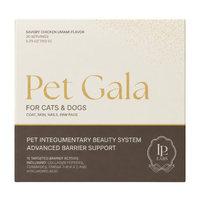
Pet Gala™ is designed to support normal skin and allergy function as part of a broader plan discussed with a veterinarian.

Dog Ear Infection (Otitis Externa) often comes back because the ear is not the original problem—ongoing allergies keep the ear canal inflamed, and microbes repeatedly take advantage. When the canal lining stays itchy and swollen, ear drops may clear the discharge for a while, but the conditions that allowed the flare are still there. That is why many families feel stuck in a loop of cleaning, medicating, and then starting over.

This page focuses on one core idea: the ear canal is skin, and allergic skin inflammation can make the canal a reliable place for yeast and bacteria to overgrow. Understanding that connection changes what to do next. It shifts the goal from “find the strongest drops” to “confirm what is in the ear today, calm the inflammation, and address the trigger that keeps the canal reactive.”

The sections below walk through ear anatomy, yeast versus bacteria versus allergy patterns, what owners can observe at home, what veterinarians test for, and how dog ear infection treatment fits into a longer plan. Related topics like chronic ear infections in dogs, malassezia dermatitis in dogs, flea allergy dermatitis in dogs, and yeast infection on dog skin are included because they often share the same underlying skin story.

  • Dog Ear Infection (Otitis Externa) often keeps coming back because allergies keep the ear canal inflamed, letting yeast or bacteria overgrow again.
  • The ear canal is skin in a tight “L” shape, so swelling traps moisture and debris and makes medication contact harder.
  • A dog ear yeast infection tends to be greasy and itchy; bacterial flares are often wetter, smellier, and more painful.
  • Veterinary cytology is the fastest way to see what is overgrowing; culture is especially useful when rods or stubborn relapses appear.
  • Effective dog ear infection treatment usually combines cleaning, topical therapy, and inflammation control, then follows with a recheck.
  • Tracking itch, odor, discharge, and head shaking between visits helps show whether allergy control is improving the ear’s restoration pace.
  • Prevention is individualized: water management, gentle maintenance routines, and addressing triggers like flea allergy dermatitis or seasonal itch.

How the Ear Canal Becomes an Infection Site

Dog Ear Infection (Otitis Externa) starts in the ear canal, a narrow tube lined with skin that behaves much like the skin on the rest of the body. The canal makes wax and oils, sheds cells, and has its own normal mix of microbes; when that surface gets inflamed, the canal becomes warmer, wetter, and more crowded. Swelling also narrows the passage, trapping debris and changing airflow, which makes it easier for yeast or bacteria to overgrow (Bajwa, 2019).

At home, this often looks like a dog that suddenly prefers one head tilt, pauses mid-walk to scratch, or flinches when the ear is touched. A faint “corn chip” smell, a greasy feel at the ear opening, or dark crumbs on bedding can be early clues. When the canal is swollen, even gentle wiping can push material deeper, so the goal is observation first, then a plan with a veterinarian.

Skin hydration graphic tied to beauty support from dog ear infection treatment.

The L-shaped Canal: Why Moisture Gets Trapped

The outer ear canal is shaped like an “L,” which matters because fluid and debris can pool around the bend. Hair, narrow canals, floppy pinnae, and heavy wax production can all make the canal harder to ventilate, creating a humid pocket that favors overgrowth. Over time, repeated inflammation can thicken the canal lining and make the opening tighter, raising the threshold for a flare to become a full infection (Nuttall, 2023).

Owners often notice that one ear is always “the bad ear,” especially after swimming, grooming, or humid weather. A dog may shake once after a bath and then keep shaking for days because the canal never fully dries. If the ear opening looks puffy or the canal feels like a firm tube instead of a soft fold, that change is worth noting for the next vet visit.

Collagen structure visualization representing skin elasticity supported by otitis externa in dogs.

Allergies: the Hidden Driver Behind Many Relapses

Many recurring cases of otitis externa in dogs are not “random infections” but a skin-allergy problem showing up in the ear canal. Allergies can make the canal lining itchy and inflamed, which changes wax quality and encourages moisture retention; microbes then take advantage of that altered surface. In a large retrospective review, underlying contributors such as allergic disease were commonly identified, reinforcing that the ear is often the location, not the root cause (Saridomichelakis, 2007).

This is why dog ear infection treatment can feel like it works, then “fails” a few weeks later: the drops quiet the overgrowth, but the itch and inflammation remain. At home, the pattern often matches other skin clues—paw licking, belly redness, or seasonal flares. This same allergy link is also common in chronic ear infections in dogs and can overlap with malassezia dermatitis in dogs.

Beauty formulation visualization tied to support mechanisms in dog ear yeast infection.

Yeast Versus Bacteria: What the Differences Suggest

Yeast and bacteria can both cause Dog Ear Infection (Otitis Externa), and they can also show up together. A dog ear yeast infection often involves Malassezia overgrowth, which thrives in oily, inflamed skin and can create a sweet, musty odor and greasy brown discharge. Bacterial infections may produce yellow pus, a sharper smell, and more pain, especially when the canal is very swollen (Ellis, 2024).

At home, the most useful distinction is not guessing the germ, but noticing the “feel” of the flare: greasy and itchy versus painful and tender, mild head shaking versus constant shaking. If a dog suddenly yelps when the ear flap is lifted, that shift suggests deeper inflammation and a lower margin for home trial-and-error. Photos of discharge color on a white tissue can help the veterinarian compare changes over time.

Dog portrait capturing coat health and beauty supported through otitis externa in dogs.

The “Dirty Ear” Myth and What Actually Starts Flares

A common misconception is that a “dirty ear” is the main cause of Dog Ear Infection (Otitis Externa). In reality, wax and debris are often the result of inflammation, not the starting point; aggressive cleaning can irritate already-inflamed canal skin and make swelling worse. The more important question is why the canal keeps becoming inflamed—often allergies, sometimes parasites, foreign material, or chronic canal changes (Bajwa, 2019).

When a flare starts, it can be tempting to clean until the cotton looks “perfect.” That approach can leave the ear more choppy day-to-day, with brief relief followed by renewed redness. A safer home routine is to pause, observe, and schedule an exam if the dog is uncomfortable, the smell is strong, or discharge returns quickly. This same “inflammation first” idea also applies to yeast infection on dog skin.

“Recurring ear flares often reflect skin inflammation, not bad luck.”

A Real-world Recurrence Pattern Owners Recognize

CASE VIGNETTE: A three-year-old retriever gets ear drops that clear discharge in a week, but the itch returns every month, especially after spring hikes. The ears look normal between flares, yet the dog licks paws and rubs the face on the carpet. That pattern fits an allergy-driven cycle where the canal lining never fully settles, so microbes repeatedly overgrow when conditions tip (Nuttall, 2023).

In a household, this often shows up as “one ear episode after another” plus small skin hints that seem unrelated. Owners may notice that changing pollen seasons, a new detergent, or flea exposure lines up with ear trouble. When those links are written down, the veterinarian can connect ear flares to broader skin inflammation and discuss allergy workups alongside dog ear infection treatment.

Dog portrait symbolizing beauty and wellness support from dog ear yeast infection.

Symptoms Owners See Before Discharge Gets Obvious

The signs of Dog Ear Infection (Otitis Externa) are often more about behavior than discharge. Itch drives head shaking, ear scratching, face rubbing, and restlessness, while pain drives head tilt, reluctance to chew hard food, and sensitivity when the ear flap is lifted. As swelling increases, the canal can close down, trapping moisture and making the infection harder to clear with topical medication alone (Bajwa, 2019).

OWNER CHECKLIST: check for (1) repeated head shaking after sleep, (2) odor that returns within 48–72 hours of cleaning, (3) redness at the ear opening, (4) new sensitivity when touching the base of the ear, and (5) discharge that stains pillowcases or collars. These observations help separate a mild itch from a flare that needs prompt veterinary care.

Dog in profile against soft background, showing coat health with otitis externa in dogs.

When Rod Bacteria Raise the Stakes

Some infections are more urgent because the bacteria involved can be difficult to control. Gram-negative rods such as Pseudomonas are recognized causes of otitis externa in dogs and are often linked with more severe discharge, odor, and tissue damage. When these organisms are suspected, culture and susceptibility testing becomes especially important so treatment matches what the bacteria will actually respond to (Wisplinghoff, 2010).

At home, a clue that the situation has shifted is a sudden jump in smell intensity, a wet “leaking” ear, or a dog that cannot settle because the ear is constantly bothering them. If prior medications stopped working, that history matters—write down what was used and how quickly it failed. This is also a moment to avoid water exposure, since moisture can keep the canal environment favorable for stubborn bacteria.

Product breakdown image highlighting beauty actives and benefits supported by dog ear infection treatment.

How Vets Confirm Yeast, Bacteria, and Severity

Veterinarians diagnose Dog Ear Infection (Otitis Externa) by looking down the canal and checking a sample of debris under the microscope (cytology). Cytology helps distinguish yeast, cocci bacteria, and rod-shaped bacteria, and it also shows how inflamed the canal is. In recurrent or severe cases, culture and susceptibility testing can guide antibiotic choice and avoid repeated “trial” treatments that never fully settle the ear.

Before the appointment, owners can bring a short timeline: when the flare started, whether one or both ears are involved, and what changed in the home (grooming, swimming, new treats, fleas). If possible, bring the actual ear products used, not just the names. This makes the visit more fluid and helps the veterinarian decide whether the pattern fits allergy, infection, or both.

Eardrum Safety and High-risk Home Mistakes

A key safety point is that the eardrum status matters when choosing cleaners and medications. A ruptured eardrum cannot be reliably ruled out by imaging alone, and direct ear examination is still central to decision-making (Stokowski, 2024). When the canal is extremely painful or packed with debris, sedation may be recommended so the ear can be cleaned and assessed without causing distress or pushing material deeper.

WHAT NOT TO DO: avoid (1) hydrogen peroxide or alcohol in the ear, (2) essential oil mixtures, (3) inserting cotton swabs down the canal, and (4) using leftover drops from another pet or an old episode. These choices can irritate inflamed skin or be unsafe if the eardrum is compromised. If the dog cries, spins, or snaps when the ear is touched, that is a “stop and call” moment.

“The goal is a calmer canal, not a perfectly clean ear.”

Research-style uniform highlighting scientific integrity aligned with dog ear infection treatment.

Treatment Logic: Clean, Contact, Calm the Canal

Dog ear infection treatment works best when it follows a simple logic: open the canal, remove debris, control microbes, and calm inflammation. Cleaning is not cosmetic; it reduces the material that protects microbes and blocks medication contact. Many cases require both an antimicrobial and an anti-inflammatory component, because swelling and itch can keep the canal environment unstable even when the germ count drops (Ellis, 2024).

At home, the practical goal is consistent technique rather than force. If a veterinarian prescribes an ear cleaner, it is usually used to fill the canal, massage the base of the ear, then let the dog shake before wiping only what comes out. If the dog becomes more painful after cleaning, or discharge increases sharply, the plan may need adjusting rather than “pushing through.”

Supplement with whole-food visuals emphasizing quality sourcing for otitis externa in dogs.

When Long-acting In-clinic Meds Make Sense

Some dogs benefit from long-acting, in-clinic ear medications that are placed once and then left alone, which can reduce missed doses and handling stress. A randomized trial evaluated a single-administration ototopical treatment for canine otitis externa and found it can be an effective, well-tolerated option in appropriate cases (Dvm, 2017). This approach is not a shortcut for diagnosis; it still depends on knowing whether yeast, bacteria, or both are present.

For owners, this option can be helpful when a dog will not allow drops, when multiple caregivers struggle with the schedule, or when the ear is too sore for daily handling. The tradeoff is that follow-up becomes even more important: if the ear worsens, there is no “skipping a dose” to troubleshoot. A recheck date should be treated like part of the medication.

Pet owner presenting supplement, highlighting home beauty support from dog ear infection treatment.

Why Some Dogs Need a Longer Two-phase Plan

Recurrent otitis externa in dogs often needs a longer view than “treat the flare.” A two-phase long-term protocol has been described using an initial combination topical product to control infection and inflammation, followed by a maintenance anti-inflammatory approach to reduce relapse risk in dogs with recurring disease (Ramos, 2026). The point is not the brand of drops, but the concept: the canal lining needs time to regain a more controlled surface after repeated inflammation.

At home, this means the plan may change after the ear looks better. Owners sometimes stop early because the smell is gone, then feel blindsided when the itch returns. A written calendar helps: which days are cleaning days, which are medication days, and when the recheck happens. This is also where allergy control becomes central, because the ear cannot stay calm if the skin is still flaring.

Breaking the Allergy–infection Recurrence Cycle

The recurrence cycle usually has two gears: allergy-driven inflammation sets the stage, then yeast or bacteria overgrow and keep the inflammation going. Breaking the cycle often requires addressing the primary driver (commonly environmental or food allergy) plus the perpetuating infection and canal changes. Current guidance emphasizes managing otitis by identifying and controlling these layered factors rather than treating microbes alone (Nuttall, 2023).

WHAT TO TRACK between vet visits: (1) itch score (0–10) each evening, (2) odor strength compared to the prior week, (3) discharge color/amount on a tissue, (4) head shaking episodes per day, (5) whether one or both ears flare, and (6) any skin changes like paw licking or belly redness. These shift indicators make it easier to see whether allergy control is improving the ear’s restoration pace.

Allergy Triggers That Keep Ears Reactive

Allergy management is the part many families never get offered until the third or fourth ear flare. For some dogs, flea allergy dermatitis in dogs is the hidden trigger: a few bites can drive whole-body itch, including ear inflammation, even when fleas are rarely seen. For others, the pattern is seasonal pollen, indoor dust, or a food reaction—each can keep the ear canal lining reactive and lower the threshold for infection.

In the home, the most useful step is consistency: year-round flea control if recommended, a clear plan for seasonal flares, and avoiding frequent product switching. If a dog also has yeast infection on dog skin or recurrent “hot spots,” that broader skin story should be shared, because it supports the idea that the ear is part of a larger skin inflammation picture. This is also why dog ear yeast infection often travels with body odor or greasy coat changes.

Comparison graphic showing dog ear yeast infection benefits versus typical supplement formulas.

What to Bring and Ask at the Vet Visit

VET VISIT PREP: bring (1) the date of the first-ever ear episode, (2) a list of every ear medication and cleaner used and whether it helped, (3) whether flares follow swimming, grooming, or seasons, and (4) any other itch signs like paw chewing or anal scooting. Ask the veterinarian whether cytology was done, what organisms were seen, and whether allergy workup is indicated for recurrent otitis externa in dogs.

Also ask practical questions: how to clean without causing pain, how long to continue after the ear looks normal, and when a recheck should happen. If the dog resists handling, mention it early so the team can plan for pain control or sedation if needed. A calm, well-prepared visit often leads to a more fluid plan and fewer repeated flare-ups.

Supplement box revealed in soft light, reflecting premium otitis externa in dogs positioning.

Prevention Habits That Keep Flares Less Frequent

Prevention is not about making ears “sterile,” but about keeping the canal environment less inviting to overgrowth. For dogs with recurring flares, veterinarians may recommend a maintenance routine that includes periodic cleaning, targeted drying after water exposure, and early check-ins when itch returns. The best prevention plans are individualized because otitis externa in dogs is commonly multifactorial, and what helps one dog may irritate another (Ellis, 2024).

At home, prevention looks like small, repeatable habits: drying the ear flap and the opening after baths, keeping hair around the opening tidy if advised, and avoiding frequent “deep cleans” when the ear is calm. If a dog has chronic ear infections in dogs plus ongoing skin issues, prevention often depends more on allergy control than on ear products. The goal is a canal that stays comfortable enough that microbes do not get a head start.

When Recurrence Signals Chronic Canal Change

When Dog Ear Infection (Otitis Externa) keeps returning, it is reasonable to ask whether the ear canal has developed longer-term changes. Thickened tissue, narrowing, and chronic inflammation can make topical therapy less effective and can raise the risk of deeper involvement. Treatment success improves when the plan addresses the primary trigger, the current microbes, and the canal’s condition, rather than repeating the same drops each time.

For owners, the decision point is comfort and pattern: if the dog is painful, if discharge returns quickly, or if multiple courses have been needed in a year, a deeper conversation is warranted. That conversation may include allergy testing or diet trials, culture testing, and a longer maintenance plan. The aim is fewer surprises, a more controlled ear environment, and a clearer sense of what changes actually move the needle.

“Tracking small shifts beats guessing which germ is present.”

Educational content only. This material is not a substitute for veterinary advice. Always consult your veterinarian about your dog’s specific needs. These statements have not been evaluated by the Food and Drug Administration. Products mentioned are not intended to diagnose, treat, cure, or prevent any disease.

Glossary

  • Otitis externa - Inflammation/infection of the outer ear canal.
  • Ear canal (vertical and horizontal) - The “L-shaped” tube from the ear opening to the eardrum.
  • Tympanic membrane (eardrum) - Thin membrane separating the outer ear from the middle ear.
  • Cytology - Microscopic exam of ear debris to identify yeast, bacteria, and inflammation.
  • Culture and susceptibility - Lab testing that identifies bacteria and which antibiotics are likely to work.
  • Malassezia - A yeast that can overgrow on inflamed, oily skin and in ears.
  • Cocci - Round-shaped bacteria sometimes seen on ear cytology.
  • Rods - Rod-shaped bacteria; some types can be harder to treat in ears.
  • Canal stenosis - Narrowing of the ear canal from chronic swelling and tissue thickening.
  • Perpetuating factors - Changes that keep ear disease going, such as swelling, debris, and chronic canal damage.

Related Reading

References

Bajwa. Canine otitis externa - Treatment and complications.. PubMed Central. 2019. https://pmc.ncbi.nlm.nih.gov/articles/PMC6294027/

Wisplinghoff. Pseudomonas spp., Acinetobacter spp. and miscellaneous Gram-negative bacilli. 2010. https://www.sciencedirect.com/topics/immunology-and-microbiology/otitis-externa

Saridomichelakis. Aetiology of canine otitis externa: a retrospective study of 100 cases.. PubMed. 2007. https://pubmed.ncbi.nlm.nih.gov/17845622/

Ramos. Long-term management of recurrent otitis externa in dogs using a two-phase protocol involving ciprofloxacin-clotrimazole-betamethasone and topical hydrocortisone aceponate. Springer. 2026. https://link.springer.com/article/10.1186/s12917-025-05200-1

Dvm. Evaluation of a single-administration ototopical treatment for canine otitis externa: a randomised trial.. PubMed Central. 2017. https://pmc.ncbi.nlm.nih.gov/articles/PMC5687536/

Nuttall. Managing recurrent otitis externa in dogs: what have we learned and what can we do better?. PubMed. 2023. https://pubmed.ncbi.nlm.nih.gov/37019436/

Ellis. Approach to otitis externa.. PubMed Central. 2024. https://pmc.ncbi.nlm.nih.gov/articles/PMC11477254/

Stokowski. Tympanic membrane perforations cannot be reliably detected using computed tomography based on 15 cadaver dogs.. PubMed. 2024. https://pubmed.ncbi.nlm.nih.gov/38414135/

FAQ

What is Dog Ear Infection (Otitis Externa) in dogs?

Dog Ear Infection (Otitis Externa) means inflammation and infection of the outer ear canal (the tube leading from the ear opening toward the eardrum). The canal is lined with skin, so it can become red, swollen, itchy, and painful—similar to irritated skin elsewhere on the body.

Yeast and bacteria may overgrow when the canal becomes warm and moist. Many recurring cases are driven by allergies that keep the canal lining reactive, which is why treating only the microbes can lead to repeat episodes.

Why do ear infections keep coming back in some dogs?

Recurrence usually means the trigger is still present. Allergies are a common driver because they keep the ear canal lining inflamed, changing wax and moisture so yeast or bacteria can overgrow again.

Other contributors include narrow canals, heavy hair, frequent water exposure, or chronic thickening from past flares. A long-term plan often combines infection control with allergy management and a maintenance routine tailored to the dog’s pattern.

How can owners tell yeast versus bacterial ear infection?

At home, the difference is not always clear, and mixed infections are common. A dog ear yeast infection often looks greasy with brown debris and a musty or sweet odor, and the dog may seem intensely itchy.

Bacterial flares may look wetter with yellow discharge and can be more painful, with yelping or strong resistance to ear handling. The most reliable way to tell is veterinary cytology, which shows yeast and different bacteria under the microscope.

What are the most common signs of an ear infection?

Common signs include head shaking, scratching at one ear, rubbing the face on furniture, and a noticeable odor. Some dogs develop redness at the ear opening or discharge that stains bedding or collars.

Pain signs include a head tilt, flinching when the ear is touched, or reluctance to chew. If a dog cries, seems off-balance, or the ear is leaking fluid, the situation should be treated as urgent and needs veterinary assessment.

When should a dog see a vet for ear symptoms?

A veterinary visit is warranted when there is pain, strong odor, discharge, swelling that narrows the ear opening, or symptoms that last more than a day or two. Recurrent episodes also deserve a workup, not just repeated refills.

Seek prompt care if the dog seems dizzy, has a pronounced head tilt, or cannot tolerate touching the ear. Those signs can suggest deeper involvement or severe inflammation that needs careful examination and targeted treatment.

What will the vet do to diagnose an ear infection?

Diagnosis usually includes an ear exam with an otoscope and a sample of debris checked under the microscope (cytology). Cytology shows whether yeast, cocci bacteria, or rod-shaped bacteria are present and how inflamed the canal is.

In recurrent or severe cases, culture and susceptibility testing may be recommended to match antibiotics to the organism. The veterinarian may also discuss allergy evaluation if the pattern suggests an underlying trigger.

What does dog ear infection treatment usually include?

Most treatment plans combine cleaning (to remove debris and improve medication contact) with topical medication aimed at the organisms present. Many products also include an anti-inflammatory component to reduce swelling and itch.

The plan often includes a recheck, because ears can look better before the canal lining is truly settled. For dogs with frequent relapses, treatment expands to include trigger control—often allergies—so the ear environment stays less favorable for overgrowth.

Is cleaning the ear always necessary during treatment?

Cleaning is often part of treatment because debris can shield microbes and block drops from reaching the canal lining. However, the right cleaner and technique depend on the ear’s condition and whether the canal is very painful.

Over-cleaning can irritate inflamed skin and make swelling worse. Cleaning should follow veterinary guidance, especially if the dog resists handling, the ear is very sore, or there is concern about the eardrum.

What home remedies should never be put in a dog’s ear?

Avoid alcohol, hydrogen peroxide, vinegar mixtures not prescribed for that dog, and essential oils. These can sting, worsen inflammation, or be unsafe if the eardrum is compromised.

Also avoid inserting cotton swabs down the canal, which can pack debris deeper and irritate the lining. If the ear is painful or leaking, home experimentation can delay effective care and make the episode harder to control.

Can food allergies cause recurring ear infections in dogs?

Yes. Food reactions can drive whole-body itch and skin inflammation, and the ear canal is skin. In some dogs, the ears are the most obvious place the inflammation shows up, even when the rest of the coat looks normal.

A veterinarian may recommend a structured diet trial to test this possibility. The key is consistency for the full trial period, because small “extras” can keep the canal reactive and make Dog Ear Infection (Otitis Externa) seem unpredictable.

Can fleas trigger ear problems even without visible fleas?

Yes. In flea-allergic dogs, a small number of bites can trigger widespread itch and inflammation, including in the ears. Fleas can be hard to find, especially if the dog is bathed often or the infestation is light.

If ear flares line up with seasonal flea pressure or other itch signs (tail base chewing, scabs, belly redness), discuss consistent flea control with the veterinarian. This can be a crucial part of reducing recurrence in sensitive dogs.

How long should it take for ear infection symptoms to improve?

Many dogs show some relief in itch and odor within a few days of appropriate treatment, but the canal lining often needs longer to settle. Stopping early because the ear “looks fine” is a common reason symptoms return quickly.

If pain worsens, discharge increases, or there is no improvement within the timeframe given by the veterinarian, the plan may need adjustment. Rechecks help confirm whether microbes are controlled and whether inflammation is truly calming.

Why do some ear drops stop working over time?

Ear drops can seem to “stop working” when the underlying trigger keeps the canal inflamed, when the infection shifts from yeast to bacteria (or vice versa), or when rod-shaped bacteria become involved. Thick debris can also prevent drops from contacting the canal lining.

This is why repeat cytology, and sometimes culture, matters in recurrent cases. The goal is not stronger medication by default, but a better match to what is present and a plan that addresses allergy-driven inflammation at the same time.

Is Dog Ear Infection (Otitis Externa) contagious to other dogs?

Most cases are not considered contagious in a household the way kennel cough is. The organisms involved are often normal residents that overgrow when the ear canal becomes inflamed and moist.

However, shared grooming tools, dirty ear wipes, or frequent close contact can spread debris and irritants. It is reasonable to keep ear products separate per pet and wash hands after medicating, especially if another dog has sensitive skin.

Are certain breeds more prone to ear infections?

Yes. Dogs with floppy ears, narrow canals, heavy hair in or around the canal, or high wax production can have a more humid ear environment. That can lower the threshold for yeast or bacteria to overgrow during an allergy flare.

Breed tendency does not replace diagnosis. A poodle with recurring otitis externa in dogs may need a different long-term plan than a retriever with seasonal allergy flares, even if both have similar discharge at the surface.

Can puppies and senior dogs use the same ear medications?

Not always. Age can affect what products are appropriate, how the dog tolerates handling, and how carefully the eardrum status must be checked. Puppies may have different causes (including parasites), while seniors may have chronic canal changes.

Medication choice should be guided by a veterinarian who has examined the ear and reviewed the dog’s health history. Owners should avoid using leftover drops from a prior episode, because the organisms and safety considerations may be different.

Can ear infections cause balance problems or head tilt?

They can. While many cases are limited to the outer canal, severe inflammation or deeper involvement can be associated with head tilt, stumbling, or unusual eye movements. These signs suggest the problem may not be limited to surface irritation.

Any balance change should be treated as urgent. The dog should be examined promptly so the veterinarian can assess the ear canal, pain level, and whether additional testing or different treatment is needed.

Should hair be plucked from a dog’s ear canal?

Hair management can help some dogs, but plucking can also irritate the canal lining and trigger inflammation, especially when the ear is already sensitive. The decision depends on the dog’s anatomy, history, and current ear condition.

A veterinarian or groomer working with veterinary guidance can recommend whether trimming around the opening is enough or whether canal hair is contributing to moisture trapping. If plucking causes redness or a flare, that response should be reported.

Can Pet Gala™ replace ear drops for an infection?

No. Dog Ear Infection (Otitis Externa) requires veterinary diagnosis and, when indicated, targeted ear medications and cleaning. Supplements are not a substitute for treating an active infection.

As part of a broader skin plan, some owners discuss products like Pet Gala™ with their veterinarian to support normal skin and allergy function. The priority during a flare remains ear examination, cytology when needed, and appropriate dog ear infection treatment.

What daily routine helps prevent recurring ear flares?

The best routine is individualized, but common helpful habits include drying the ear opening after baths or swimming, avoiding frequent deep cleaning when the ear is calm, and using only veterinarian-recommended cleaners on the schedule provided.

Prevention also means managing the trigger: consistent flea control for flea-allergic dogs, a plan for seasonal itch, or a structured diet trial when food reaction is suspected. Tracking odor and head shaking helps catch early shifts before a full flare.

What quality signals matter when choosing an ear cleaner?

The most important signal is that the cleaner is recommended by the veterinarian for that dog’s ear and current condition. Some cleaners are designed for heavy wax, others for drying, and some can sting if the canal is very inflamed.

Avoid fragranced, harsh, or “all-purpose” home mixtures. If the dog reacts strongly (yelping, frantic scratching, sudden redness), stop and report it. Cleaner choice should also consider whether the eardrum is intact, which requires examination.

How should owners decide between recheck and waiting?

A recheck is the safer choice when symptoms return quickly, when pain is present, or when the dog has had multiple episodes in a year. Rechecks confirm whether yeast or bacteria are still present and whether inflammation is truly calming.

Waiting tends to backfire when the canal is already narrowing or when prior treatments have failed. Bringing a short log of itch, odor, discharge, and head shaking helps the veterinarian compare changes and decide whether allergy control needs to be expanded.