Poodle Dry Skin Remedies

Spot the barrier breakdown behind flakes and choose steps that rehydrate.

By La Petite Labs Editorial 15 min read

If your poodle has fine flakes near the roots, a coat that won't separate cleanly, and the occasional scratch, the reassuring news is that most poodle dry skin is a routine problem, not an emergency. One useful clue: itch without redness usually points to simple dryness or grooming-and-environment irritation rather than an active infection. The most common non-allergy triggers are practical — bathing too often, strong clarifying shampoos, incomplete rinsing that leaves residue, friction from brushing over tangles, and low winter humidity.

Tighten those basics and you should expect gradual, visible improvement over about 2–4 weeks: fewer flakes after brushing, less "static" feel, and calmer skin during handling. If things escalate instead — redness, odor, or sore spots — pause the home plan and check in with your veterinarian, because that points to something beyond dryness.

  • Dry poodle skin shows up as flakes, dullness, static, and a coat that won't separate cleanly.
  • Gentle bathing plus a conditioner that rinses clean often improves softness within a couple of weeks.
  • Rinse time matters as much as product choice — leftover residue can mimic dryness and itch.
  • Brush with slip to cut friction, especially behind the ears and under any gear.
  • Indoor humidity and low-fragrance household choices reduce recurring flaking.
  • Diet and barrier nutrients shape coat sheen, but daily routine and environment drive the day-to-day finish.
  • If itch or redness persists, treat it as a vet conversation — not a reason to reach for a stronger shampoo.

Common Causes of Dry Skin in Poodles (Beyond Allergies)

Dry skin in poodles is often driven by day-to-day care and environment rather than a primary allergy problem. The biggest contributors tend to be:

- Bathing frequency and shampoo strength: Frequent washing, clarifying shampoos, or repeated “degreasing” strips oils that help the skin barrier hold moisture.
- Water temperature and rinse quality: Hot water can worsen dryness, and incomplete rinsing leaves surfactants behind that can cause flaking and itch.
- Blow-dryer heat: High heat or holding the dryer too close can dehydrate skin and make flakes more obvious.
- Winter/indoor heating dryness: Cold outdoor air plus indoor heating lowers humidity, increasing transepidermal water loss and static.
- Swimming/chlorine exposure: Pool chemicals and frequent wet-dry cycles can leave skin tight and flaky if not rinsed promptly.
- Friction from mats and tight tangles: Mats pull at the skin and make brushing more abrasive, creating irritation that looks like “dryness.”

Quick self-audit checklist: How often are you bathing? Are you using lukewarm water? Do you rinse until the water runs completely clear? Is the dryer on low/cool and kept moving? Has your home been drier due to heating? Has your dog been swimming in chlorinated water? Are there mats that make brushing tuggy?

At-Home Remedy Plan: Bathing, Conditioning, and Barrier Support

Use this step-by-step plan to reduce flakes and support the skin barrier without overcorrecting.

1) Reset the bathing cadence: Avoid over-washing. For many poodles with dry skin, spacing baths out (while still keeping the coat maintained) helps the barrier recover.

2) Wash gently, then condition with contact time: Use lukewarm water, cleanse without aggressive scrubbing, and apply conditioner evenly. Leave it on for a short contact time (per label directions) so it can coat the hair and support moisture, then rinse fully—residue can worsen itch and flaking.

3) Dry thoroughly, but not hot: Blot with a towel first, then use cool or low-heat drying. Keep airflow moving and avoid concentrating heat on one spot.

4) **Control indoor humidity: Aim for an indoor humidity target range of about 40–50%** using a humidifier during winter/indoor heating months.

5) Brush to reduce friction: Detangle gently, use light pressure, and address mats before they tighten. The goal is to minimize tugging at the skin.

Monitor weekly for 2–4 weeks: flakes, comfort during brushing, and scratching frequency. See the vet promptly if you notice skin cracks, bleeding, odor, pustules, spreading redness, or worsening discomfort—those signs can indicate infection or another condition that needs diagnosis.

Bathing Choices That Clean Without Stripping the Coat’s Finish

Bathing is where many poodle skin dryness solutions succeed or fail. Use lukewarm water, fully saturate the coat, and dilute shampoo when appropriate so it spreads without concentrated stripping. Massage with fingertips rather than nails, and avoid repeated lathering unless your dog is truly dirty. Follow with conditioner and let it sit briefly so it can add slip for detangling.

Rinsing is the hidden step that changes everything. Residual product can leave the coat dull and the skin tight. Rinse until the water runs clear, then rinse again—especially in armpits, groin, and under the collar. If you’re chasing shine, the clean rinse is often the difference between “soft” and “coated.”

Brushing with Slip: Less Friction, More Softness, Better Shine

Brushing can either polish the coat or quietly worsen dryness. Dry brushing creates friction, breaks curl structure, and can irritate sensitive skin. Instead, use a light mist of a dog-safe conditioning spray, then work in sections with a slicker brush followed by a comb to confirm you’re not snagging. The goal is glide, not force.

Pay attention to “hot spots” for friction: behind the ears, under the harness, and at the elbows. These areas often look dull first. If your poodle flinches in one zone, treat that as information—switch to softer tools, shorter sessions, and more slip. A calm grooming experience is part of the visible result.

Home Comfort Factors That Change Flakes More Than You Expect

Indoor air drives flaking more than most owners expect. Heated homes and winter weather make a poodle's coat feel static and dry even when grooming is perfect. A humidifier near your dog's sleeping area improves how the coat feels between baths and usually softens that "dusty" look along the back.

Contact points matter too: bedding detergent, carpet powders, and heavily fragranced sprays can irritate sensitive dogs. If dryness eases after you simplify household products, you have found a high-impact lever. These changes are quiet, but the payoff is visible — fewer flakes, more softness, and a coat that settles neatly after brushing.

“The goal isn’t more oil. It’s a coat that separates cleanly, feels soft at the roots, and stays polished between grooms.”

Diet Consistency and Coat Sheen: What Owners Can Actually See

Diet influences what you see in the mirror: coat sheen, skin comfort, and how quickly the coat rebounds after grooming. Certain nutrients can affect canine skin health, and the balance of fatty acids is a recurring theme in skin and coat quality (German K, 2025). If your poodle’s coat looks dull despite good grooming, it’s reasonable to review food quality, treat load, and consistency with your veterinarian.

Still, food alone doesn’t guarantee a polished finish. The coat is also shaped by bathing cadence, friction, and environment. The best approach is “diet plus routine”: keep nutrition steady while you refine grooming and home factors so the visible benefits have a chance to show up clearly.

Itch Plus Dryness: When It’s More Than a Cosmetic Issue

When dryness comes with itching, it’s tempting to chase the strongest topical fix. But itch plus dry skin can be part of broader allergic patterns in dogs, including atopic dermatitis, which is associated with inflammation and discomfort. That’s why “best remedies for poodle dry skin” sometimes means pairing gentle home care with veterinary evaluation rather than escalating shampoos.

A good rule: if your poodle is scratching enough to interrupt rest, chewing paws, or developing redness, treat it as more than cosmetic. You can still support the coat’s look with careful bathing and conditioning, but you’ll get better results when the underlying irritation is addressed appropriately.

A Weekly Routine That Keeps Curls Soft Between Full Grooms

A practical home routine for poodle dry skin remedies can be simple: brush with slip 3–5 times weekly, bathe every 3–6 weeks depending on lifestyle, and condition every bath. Between baths, use a light leave-on spray only where needed—legs, elbows, and areas under gear. The goal is to keep the coat flexible so it doesn’t tug at the skin.

Track outcomes like you would a haircut: take a quick photo after grooming and again a week later. If the coat stays separated and glossy, your routine is working. If it looks dusty or feels rough quickly, adjust one variable—usually rinse time, conditioner choice, or brushing friction—before adding anything new.

Complementary Approaches: What to Know Before You Add More

Some owners explore homeopathic or alternative approaches for recurring skin issues; research in dogs has evaluated homeopathic remedies for atopic dermatitis under controlled conditions. For everyday dryness, though, the reliable improvements come from consistent grooming, a comfortable environment, and steady diet — because those are the levers you can actually observe and refine.

If you do try complementary options, keep your veterinarian in the loop, especially if your poodle is on prescription medications or has chronic skin disease. The safest approach is supportive care that does not irritate the skin or delay a proper diagnosis.

Age and Life Stage Tweaks for a Softer, Calmer Finish

Age changes the way dryness looks. Puppies can show flaking after frequent bathing or a new diet transition, while seniors may develop a thinner, less glossy coat that needs gentler handling and more consistent conditioning. Diet still matters across life stages, but older dogs may need different adjustments to support skin presentation and comfort (German K, 2025).

For younger poodles, keep routines simple: fewer product switches, mild shampoos, and a predictable brushing schedule. For older poodles, prioritize low-friction grooming, shorter sessions, and a richer conditioner that rinses clean. If a senior suddenly becomes flaky or itchy, treat it as a change worth discussing with your veterinarian rather than “just aging.”

“Rinse time is a beauty step: residue can look like dryness, and it dulls shine fast.”

La Petite Labs

DVM Voice: Clinical Vignette of When Skin Changes Point Deeper Than the Surface

Case contributed by Sarah Calvin, DVM

Rosey, a 10-year-old Shih Tzu, was brought in after two weeks of paw redness and head shaking. Her owner had also noticed lower energy, thinning abdominal hair, and mild generalized itchiness over the previous few months.

Examination showed inflammation in the ears, skin folds, and paws. Testing confirmed mixed yeast and bacterial infections, while parasites and fungal disease were ruled out. Because Rosey’s skin changes appeared alongside reduced energy and coat thinning, her veterinarian performed a broader workup, which revealed hypothyroidism as a likely underlying contributor.

Her care required a staged approach: treating the infections, addressing the thyroid imbalance, and then restoring the skin barrier through diet, bathing support, paw care, and omega-3 supplementation.

Six months later, Rosey’s owner reported a thicker coat, fewer tangles, less breakage, no itch, and restored energy.

Clinical takeaway: Rosey’s case shows why skin and coat changes should not be treated as cosmetic alone. Healthy skin depends on immune balance, endocrine health, nutrition, barrier integrity, and daily support for resilient coat growth.

Single-case vignette. Not generalizable. Veterinary diagnosis and oversight are essential for itching, redness, ear irritation, hair thinning, recurrent infections, or suspected endocrine disease.

Explore Pet Gala Research →
poodle dry skin remedies - 9

Natural Options That Stay Gentle and Still Look Polished

If you want natural remedies for poodle dry skin, choose options that support comfort without adding irritants. A humidifier in the sleeping area can make the coat feel less brittle in winter. A lukewarm rinse after outdoor play can remove pollen and dust that make skin feel tight. Oat-based, fragrance-free shampoos can be soothing for some dogs, but “natural” is not automatically gentle—essential oils and heavily scented botanicals can be sensitizing.

Patch-test any new topical on a small area and watch for increased redness or scratching over 24–48 hours. If your poodle has recurrent itch and inflammation, it may align with allergic skin patterns described in veterinary dermatology contexts (Scott DW, 2002). In those cases, natural care works best as supportive grooming and environmental management, not as a replacement for medical guidance.

poodle dry skin remedies - 10

Choosing Products That Rinse Clean and Keep Curls Separated

The best products for poodle dry skin are the ones your dog tolerates consistently. Look for: fragrance-free or lightly scented formulas, pH-balanced dog shampoos, conditioners designed for detangling without heavy residue, and leave-on sprays that don’t make the coat sticky. Avoid harsh degreasers unless your groomer specifically recommends them for a particular coat issue.

A practical way to compare products is the “day-three test.” If the coat looks good right after bathing but feels rough again within 72 hours, the routine is stripping too much or not replenishing enough moisture. If it looks greasy or clumps, you may be over-conditioning or not rinsing thoroughly. The right match leaves the coat buoyant, separated, and touchably soft.

poodle dry skin remedies - 11

When Veterinary Care Belongs in Your Dry Skin Plan

Some poodle dry skin treatment options are veterinary-directed, especially when dryness comes with persistent itch, odor, or recurring ear and paw issues. Your veterinarian may discuss allergy management, parasite control, or medicated shampoos depending on what they see. Atopic dermatitis can present with dry skin and inflammation, and controlled trials exist in this broader space of canine skin care research (Scott DW, 2002).

From a beauty-and-comfort perspective, the win is clarity: you’re no longer guessing. Once medical causes are addressed, supportive routines—gentle bathing cadence, careful brushing, and diet consistency—tend to show up as fewer flakes, calmer handling, and a coat that holds a groom longer. Think of vet care as the foundation and home care as the finish.

A Simple Framework to Pick the Right Next Change

A simple decision framework keeps poodle skin dryness solutions from turning into a product pile. First, remove obvious irritants: too-hot water, frequent shampooing, strong fragrance, and rough brushing. Second, add one improvement at a time—like a conditioner change or a humidifier—so you can see what actually shifts the coat’s feel. Third, set a two-week check-in: is flaking down, is the coat softer at the roots, and is your poodle more comfortable during grooming?

If you’re not seeing visible improvement, don’t escalate with stronger products. That’s the moment to ask your veterinarian or groomer to help you identify whether the issue is dryness, allergy, infection, or grooming damage. Clear categorization is often the fastest route to a polished, comfortable result.

Why Visible Support Still Matters Even with a Good Diet

A science-minded owner reasonably asks whether "support" means anything when the diet already contains skin nutrients. It can. Nutrients shape skin and coat quality, and fatty-acid balance is one diet-linked factor in how the coat presents (German K, 2025). But visible condition is also driven by grooming friction, bathing choices, indoor air, and how consistently the skin stays comfortable day to day.

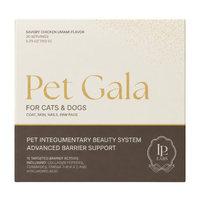
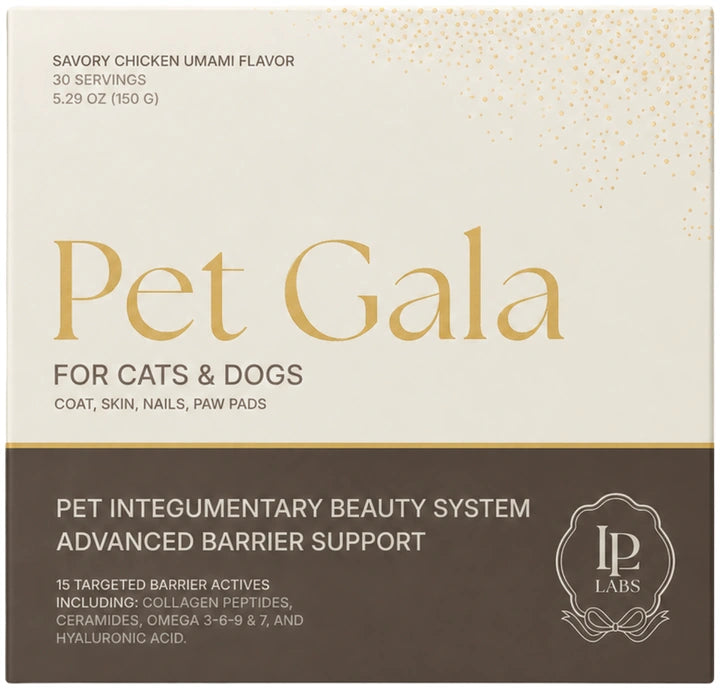
That is where a barrier-focused system earns its place — not as a single-nutrient replacement, but as daily support for skin, coat, and nails as one "look and feel." Pet Gala is built for this lane, with hyaluronic acid at a disclosed 50 mg, ceramides at 8 mg, and marine collagen peptides at 500 mg per sachet for hydration and barrier support. The practical goal stays the same: a coat that holds shine between grooms, skin that feels calm to the touch, and strong, clean nails.

How to Tell Your Routine Is Working Without Guesswork

A weekly “shine check” makes progress obvious. Under natural light, look for: fewer visible flakes at the part line, less static when you brush, and a smoother lay of the coat after a gentle misting. Run your fingertips against the grain; healthy hydration feels springy rather than papery. These are the everyday signals that your best remedies for poodle dry skin are working.

Also watch behavior: does your poodle lean into brushing, tolerate face and leg handling, and settle after grooming? Comfort is a visible outcome too. If you see new hair thinning, strong odor, or raw patches, treat it as a medical flag rather than a cosmetic issue and loop in your veterinarian.

Common Mistakes That Quietly Make Poodle Dryness Worse

Common mistakes are usually well-intended. Over-bathing strips the coat’s finish; under-rinsing leaves residue that can make skin feel tight. Switching foods rapidly can muddy the picture when you’re trying to see if a change helped. And “stronger” isn’t better: harsh clarifying shampoos can make a poodle look clean for a day, then feel drier afterward.

Instead, aim for gentle consistency. Keep one shampoo and one conditioner that your dog does well with, brush with slip (never on a dry, static coat), and adjust only one variable at a time. If you’re using supplements, give them enough time to show in coat texture—then reassess with your veterinarian if the pattern doesn’t improve.

The Everyday Ritual That Keeps Skin Comfortable and Coat Shiny

The most satisfying poodle dry skin care tips are the ones that make your dog look freshly cared-for on an ordinary day. Keep baths warm (not hot), rinse longer than you think you need to, and finish with a conditioner that leaves the coat light and separated. Brush with a gentle mist to reduce friction, and use indoor humidity to your advantage during dry seasons.

If dryness is paired with ongoing itch, redness, or recurring ear and paw trouble, ask your veterinarian to help you rule out allergic or infectious causes. Once the “why” is clear, your routine becomes simpler—and the shine becomes more reliable.

“When itch joins dryness, stop escalating shampoos and get clarity with your veterinarian.”

Educational content only. This material is not a substitute for veterinary advice. Always consult your veterinarian about your dog’s specific needs. These statements have not been evaluated by the Food and Drug Administration. Products mentioned are not intended to diagnose, treat, cure, or prevent any disease.

Glossary

  • Xerosis: The clinical term for abnormally dry skin, often seen as flaking or rough texture.
  • Dander: Tiny flakes of shed skin that can collect at the coat roots and show on dark fabrics.
  • Pruritus: Itching behavior such as scratching, rubbing, or licking that may accompany dryness.
  • Atopic Dermatitis: A common allergic skin condition in dogs associated with itch and inflammation that can include dry skin signs.
  • Barrier Function: The skin’s ability to stay comfortable and balanced; when compromised, skin can feel tight and look flaky.
  • Leave-On Conditioner: A light product used between baths to add slip and reduce brushing friction.
  • Line Brushing: A method of brushing in small sections to reach the coat near the skin without snagging.
  • Residue Buildup: Leftover shampoo/conditioner that can dull the coat and make skin feel tight, mimicking dryness.
  • Fatty Acid Balance: The relative mix of dietary fats associated with skin and coat quality in dogs.

Related Reading

References

Scott DW. Treatment of canine atopic dermatitis with a commercial homeopathic remedy: a single-blinded, placebo-controlled study. PubMed. 2002. https://pubmed.ncbi.nlm.nih.gov/12170834/

Mota-Rojas. Anthropomorphism and Its Adverse Effects on the Distress and Welfare of Companion Animals. Nature. 2021. https://www.nature.com/articles/s41598-025-27388-w

German K. Exploratory analysis of nutrient composition of adult and senior dog diets. PubMed Central. 2025. https://pmc.ncbi.nlm.nih.gov/articles/PMC12757753/

Members. WSAVA nutritional assessment guidelines. PubMed Central. 2011. https://pmc.ncbi.nlm.nih.gov/articles/PMC11107980/

FAQ

What are poodle dry skin remedies that show quick visible improvement?

The fastest improvements usually come from gentler bathing, longer rinsing, and a conditioner that leaves the coat light, not coated. Add low-friction brushing with a light mist so the curl doesn’t snag at the skin. If flakes persist, check indoor humidity and reduce fragrance-heavy household products.

Why does dry skin matter for a poodle’s coat appearance?

Dry skin changes how the coat sits: curls lose separation, shine drops, and brushing creates more static and breakage. It can also make grooming feel uncomfortable, which shows up as fidgeting and sensitivity in high-friction areas. When comfort improves, the coat often looks more “finished” between grooms.

How to treat dry skin in poodles without over-bathing?

Reduce friction first: avoid dry brushing and use a light conditioning mist before line-brushing. Between baths, spot-refresh paws, legs, and the harness area with a lukewarm rinse and thorough towel-dry instead of full shampooing. If you still need more softness and shine, focus on consistent support rather than frequent cleansing.

Which best remedies for poodle dry skin help with flaking?

Flaking often improves with three changes: a milder shampoo, a conditioner that rinses clean, and longer rinse time to remove residue that can mimic dryness. Indoor humidity also matters—heated homes can make coats look dusty even with good grooming. If flakes come with persistent itch or redness, ask your veterinarian to help rule out skin disease patterns.

Are natural remedies for poodle dry skin always safer?

Not always. “Natural” ingredients can still irritate sensitive skin—especially essential oils and heavy fragrance blends. The safest natural-leaning choices are usually fragrance-free, oatmeal-based, and designed for dogs, with patch-testing before full use. If your poodle has recurring itch, treat it as a vet conversation rather than an ingredient hunt.

What poodle skin dryness solutions work best in winter months?

Winter dryness is often an indoor-air problem as much as a grooming problem. Add a humidifier near your dog’s sleeping area, reduce static by brushing with a light mist, and avoid hot water baths that strip the coat’s finish. Choose conditioners that rinse clean so the coat stays buoyant rather than sticky under sweaters or harnesses.

Can food changes help poodle dry skin remedies work better?

They can, especially if the current diet is inconsistent or low quality. Nutrients and fatty acid balance are associated with skin and coat presentation in dogs. Any food change should be gradual and discussed with your veterinarian if your poodle has a history of sensitivities. Even with a strong diet, grooming friction and indoor air still shape day-to-day shine.

What are common side effects of topical dry-skin products?

The most common issues are irritation (redness, increased scratching), residue buildup that makes the coat dull, and breakouts in areas where product collects (armpits, groin, under collars). Strong fragrance and essential oils are frequent culprits for sensitive dogs. Patch-test new products and stop if your poodle seems more uncomfortable.

Do poodle dry skin treatment options differ for toy and standard sizes?

The principles are the same, but the practical details differ. Toy poodles can be more sensitive to product buildup because there’s less surface area and less coat volume to “buffer” residue. Standard poodles often face more friction from outdoor activity and gear, so harness zones need extra attention. In both sizes, gentle cleansing, thorough rinsing, and low-friction brushing are the foundation.

How soon should poodle dry skin remedies show noticeable results?

Some changes are quick: better rinsing and conditioning can improve softness and static within a few days. Flaking may take a couple of weeks to settle if indoor air, friction, or residue buildup has been driving the pattern. If itch, redness, or odor persists, don’t wait it out—ask your veterinarian to help identify the cause.

What quality signals matter when choosing best products for poodle dry skin?

Look for dog-specific, pH-appropriate formulas with clear ingredient labeling, minimal fragrance, and instructions that emphasize dilution and rinseability. A good product leaves the coat separated and touchably soft, not heavy or sticky. Also consider how your poodle behaves during use—comfort is a quality signal.

Can I use human moisturizer as a poodle skin dryness solution?

It’s usually not a good idea. Human lotions can contain fragrances, preservatives, and occlusive ingredients that dogs may lick, and they can trap debris in a dense poodle coat. They may also leave residue that makes the coat clump and look dull. Use dog-formulated grooming products and ask your veterinarian about safe options for specific areas like elbows or paws.

What interactions should I consider with medicated shampoos and supplements?

If your poodle uses medicated shampoos or prescription skin medications, coordinate any new topicals or supplements with your veterinarian. Layering multiple products can increase irritation risk or make it hard to tell what’s helping versus causing dryness. A clean, consistent routine is often the best companion to medical care.

Are poodle dry skin remedies different for puppies versus seniors?

Yes, mainly in tolerance and pacing. Puppies often do best with fewer product changes and very gentle bathing. Seniors may need shorter grooming sessions, softer tools, and richer conditioning because coat texture and skin comfort can shift with age. Dietary adjustments may also differ in older dogs. In both life stages, prioritize comfort and consistency over “stronger” products.

Can cats use the same poodle dry skin treatment options?

No—cats groom differently and are more likely to ingest topical products, and many ingredients tolerated by dogs are not appropriate for cats. Even shampoos labeled “gentle” can be a poor fit for feline skin and behavior. If you have both species at home, keep products clearly separated and ask your veterinarian for cat-specific recommendations.

What poodle dry skin care tips help reduce grooming discomfort?

Reduce friction: never dry-brush, keep sessions short, and work in small sections with slip so the brush glides. Pay attention to sensitive zones like behind the ears, under the collar, and the armpits, where tangles tug at the skin. Comfort shows up as cooperation—your poodle stands more calmly and recovers faster after grooming.

When should I call a vet about dry skin signs?

Call your veterinarian if dryness comes with persistent itching, redness, odor, hair thinning, scabs, or recurring ear and paw problems. These signs can overlap with allergic skin patterns in dogs, including atopic dermatitis, and they deserve a clear diagnosis. Once medical causes are addressed, supportive grooming and nutrition choices tend to show up as a calmer, shinier coat.

How do I choose between supplements and topical poodle dry skin remedies?

Choose based on what you’re seeing. If the coat feels rough and static after brushing, topical routine and friction reduction are usually the first lever. If the coat stays dull despite good grooming, a diet review and vet-guided supplement discussion can be reasonable, since diet factors like fatty acid balance relate to skin presentation.

Is there research behind common approaches to itchy, dry skin?

Yes. Canine atopic dermatitis is a well-studied condition associated with itch, inflammation, and sometimes dry skin, and controlled trials have evaluated different approaches within that space. For everyday dryness, the most dependable improvements still tend to come from consistent, low-irritant grooming and environmental comfort. If your poodle’s signs are persistent, use research as a reason to seek clarity, not to self-diagnose.

How should I administer daily care for consistent coat softness?

Keep it light and repeatable: a quick once-over brush with slip, a check of friction zones (collar, harness, elbows), and a rinse-only refresh after muddy outings. Consistency matters more than intensity, because poodle coats respond to gentle repetition.

What’s a simple decision framework for poodle dry skin remedies?

Start with the least disruptive changes: improve rinse time, reduce bath frequency, and stop dry brushing. Next, adjust environment (humidity, fragrance exposure). Finally, if the look and comfort still don’t improve, ask your veterinarian to rule out allergy or infection patterns. This keeps you from stacking products without learning what works for your dog.

La Petite Labs

Discover LPL-01: How This Fits Into a Complete Canine Integumentary Support System

Skin, coat, and nails aren’t cosmetic features. They’re the visible surface of deeper biological systems—barrier function, hydration balance, structural protein turnover, and lipid integrity—working in concert.

When these systems fall out of sync, it shows: dull coat, shedding, dryness, brittleness, sensitivity.

This article explores one piece of that puzzle. If you want to understand how true coat quality and skin resilience are built—and what actually moves the needle—you need to zoom out.

Start with the underlying science: