English Bulldog Allergies

Decode Itching, Ear Flare-Ups, and Paw Chewing—and Rebuild Skin Defenses

Essential Summary

Why are English bulldog allergies important?

English bulldog allergies often show up as visible skin and coat changes—redness, paw licking, fold odor, and a dull finish. The most reassuring progress comes from a steady routine: consistent diet, gentle fold and bathing care, and supportive daily nutrition. Aim for calmer-looking skin, softer coat texture, and fewer flare days you can predict.

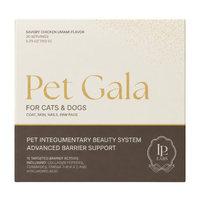
Pet Gala™ is designed for everyday skin, coat, and nail support—so your Bulldog’s care shows up where you can see it: natural softness, healthy sheen, and a more comfortable look between baths and seasonal changes.

English bulldog allergies can involve more than one trigger at the same time, which is why flare-ups can feel inconsistent even with steady care. In this hub, we’ll define the main allergy types seen in Bulldogs—environmental (like pollen, dust mites, and molds), food (immune reactions to dietary proteins or other components), contact (irritation or allergy from materials that touch the skin), and flea allergy (hypersensitivity to flea saliva). Bulldogs are predisposed because their skin is easily stressed by moisture, friction, and heat retention, and because small changes can quickly show up on short hair and exposed areas.

Use this page to identify your primary complaint and choose the best next read: if the main issue is nonstop scratching or paw licking, start with our English Bulldog itchy skin guide; if the skin looks rough, tight, or flaky, go to the English Bulldog dry skin article; if you’re seeing thinning areas or patchy shedding, the English Bulldog hair loss page will be the most relevant. If you’re comparing similar issues in another brachycephalic breed, our French Bulldog skin resources can help you spot what’s shared versus what’s breed-specific.

By La Petite Labs Editorial, ~15 min read

Featured Product:

  • Bulldog allergy symptoms often appear as paw licking, fold redness, ear debris, and a coat that loses its plush finish.
  • Separate likely triggers into food reactions, environmental sensitivities, and contact irritants to avoid changing everything at once.
  • Diet consistency matters because some foods can contain allergens, and overall composition can influence how reactions present.
  • Fold care is a daily comfort ritual: keep skin clean and truly dry so irritation doesn’t get amplified by trapped moisture.
  • Bathing should leave the coat clean and naturally soft; residue and over-washing can make skin look more reactive.
  • Layered bulldog allergy solutions—home hygiene, grooming, stable food, and daily support—create more “good skin days.”
  • A dedicated supplement remains relevant even with a careful diet by reinforcing visible condition: shine, softness, and comfortable-looking skin.

Why English Bulldogs Are Prone to Allergies (Breed Factors + Skin Barrier Basics)

English Bulldogs tend to show allergy-related skin changes quickly because several breed factors stack the odds. First is the skin barrier: when it’s compromised, irritants and allergens can penetrate more easily, and the skin loses moisture faster—both of which can amplify redness, odor, and sensitivity. Second is the fold microclimate. Skin folds create warm, low-airflow pockets where moisture and friction are common, so even mild allergic irritation can look more intense in those areas.

Bulldogs also have ear anatomy that can be less forgiving. A narrow or reactive ear canal can trap humidity and debris, making the ears a frequent “signal site” when allergies are active. Finally, there’s the inflammation cycle: itching leads to licking and scratching, which further disrupts the barrier and invites more irritation, which then increases itching again. This hub keeps the focus on understanding patterns and choosing the right next article—itching, dry skin, ear concerns, or hair loss—so you can read the most relevant deep-dive without mixing topics.

Coat shine graphic representing skin hydration supported by best supplements for bulldog allergies.

Common Allergy Presentations (and Which Article to Read Next)

Allergies in Bulldogs often cluster into a few recognizable presentations. Use the group that best matches what you’re seeing to decide what to do next.

• Itching-forward flares (scratching, paw chewing, face rubbing): This pattern often points toward environmental allergy, flea allergy, or a mixed trigger picture. What to do next: read our English Bulldog itchy skin remedies guide for a focused breakdown of common causes and decision points.

• Dry skin and flaking (rough texture, dandruff-like scale, dull coat): This can overlap with allergies, especially when the skin barrier is stressed. What to do next: go to our English Bulldog dry skin resource to separate dryness-dominant issues from itch-dominant ones.

• Recurrent ear infections (odor, debris, repeated inflammation in the ear canal): Ears can be a primary site of allergic expression in Bulldogs. What to do next: if ear issues are the main complaint, prioritize veterinary evaluation and use the itch-focused article to understand how allergies and ears connect.

• Hair loss (thinning, patchy shedding, bald spots): Hair loss can follow chronic inflammation, self-trauma from itching, or secondary skin problems. What to do next: read our English Bulldog hair loss article to map likely drivers and when to escalate care.

Molecular beauty graphic tied to skin and coat support from english bulldog allergy remedies.

Common Triggers: Food, Environment, and Contact Irritation

The most common trigger categories behind english bulldog allergies are food-related reactions, environmental sensitivities, and contact irritation. Many dogs have more than one category at the same time, which is why a single change rarely “fixes everything.” A dog may eat a food that doesn’t agree with them, then also react to spring pollen, and the combined effect shows up as inflamed skin.

Diet is worth taking seriously because certain diets can contain allergens that trigger reactions, and the nutrient composition of dog foods can influence allergy prevalence in breeds like the English Bulldog (German K, 2025). That doesn’t mean diet is always the cause; it means diet is one of the few levers you can control consistently enough to evaluate.

Bioactive beauty structure illustrating synergy in wellness supported by best supplements for bulldog allergies.

A Calm, Measurable Approach to Bulldog Allergies Treatment

A practical approach to bulldog allergies treatment starts with clarity: what is the main visible problem you want to improve? Redness? Odor in folds? Paw irritation? Ear debris? When you define the target, you can choose fewer, better interventions and judge them fairly.

Work with your veterinarian to rule out parasites, infections, and other conditions that can mimic allergies. Then build a maintenance routine that supports comfortable skin and a polished coat. The best plans combine targeted medical care when needed with daily habits that keep the dog looking and feeling steady between appointments.

Dog image representing beauty care routines supported by english bulldog allergy remedies.

What English Bulldog Allergy Relief Looks Like Week to Week

Owners searching for english bulldog allergy relief often want a timeline. In real life, you may see quick wins in a few days (less odor, calmer folds after better drying) and slower wins over several weeks (coat softness, fewer recurring flare spots). The key is consistency: frequent product swapping can keep the skin in a constant state of adjustment.

If you’re changing food, give it enough time to show results and avoid mixing in new treats. Nutritional changes can impact a dog’s overall health, which can affect how allergy management looks day to day (Linde A, 2024). Pair that steady diet with stable grooming and a supplement routine so improvements are easier to attribute.

The scratching is completely gone, his coat looks healthy and shiny!

— Lena

He was struggling with itching, now he's glowing.

— Grace

“The most reassuring progress is visible: calmer folds, cleaner paws, and a coat that stays soft between baths.”

Best Food for Bulldog Allergies: Strategy over Hype

The best food for bulldog allergies is not a single brand; it’s a strategy. Choose a complete and balanced diet that your dog digests well, then keep it consistent. For some Bulldogs, a limited-ingredient approach helps reduce variables. For others, a veterinarian-directed elimination diet is the cleanest way to test a true food reaction.

Remember that “allergy-friendly” is not just about avoiding an ingredient; it’s also about overall composition. Understanding the nutrient composition of dog foods is essential for managing allergies in English Bulldogs. When the diet supports a healthy-looking coat, the dog’s appearance becomes easier to maintain with normal grooming.

Dog headshot symbolizing coat shine and beauty supported by bulldog allergy symptoms.

Best Supplements for Bulldog Allergies: What to Look For

When people ask about the best supplements for bulldog allergies, they’re usually asking for something that makes the skin look less reactive and the coat feel better to the touch. A supplement should complement—not compete with—your dog’s diet and veterinary plan. Think of it as daily support for the visible parts of wellbeing: softness, shine, and comfortable skin.

Even if a diet is well-formulated, Bulldogs can still benefit from a consistent skin-and-coat routine because their folds, short coat, and frequent contact with surfaces create constant wear-and-tear. The right supplement helps you keep the “good days” looking like the norm, not the exception.

Canine profile image reflecting coat shine and wellness supported by english bulldog allergy remedies.

Bulldog Allergy Solutions That Work Better When Layered

Bulldog allergy solutions work best when they’re layered: environmental cleanup, gentle topical care, diet consistency, and a supplement that supports skin, coat, and nails. If you rely on only one layer, you’ll often feel like you’re always reacting to the next flare. Layering turns the routine into something calmer—more like upkeep than crisis management.

This is also why a careful, science-minded owner still chooses a dedicated skin product: it provides a stable baseline that shows up in visible condition, even when the outdoors, the season, or the occasional dietary slip-up changes. The goal is a Bulldog that looks well-kept more days than not.

Product info graphic highlighting testing and standards behind english bulldog allergy relief.

English Bulldog Allergy Remedies: Simplify Before You Add More

If you’re collecting english bulldog allergy remedies from friends and forums, filter them through two questions: does it reduce irritation without adding new irritants, and can you do it consistently? Fragrance-heavy products, harsh cleansers, and constant ingredient rotation often backfire by making the skin harder to read.

A better approach is to simplify: one gentle cleanser, one fold routine, one stable diet, and one supplement you can stick with. When the routine is steady, you’ll notice the subtle improvements that matter—less redness at the edges of folds, fewer scratch breaks, and a coat that keeps its luster between baths.

Keeping Progress Steady When Flares Try to Reset the Routine

When bulldog allergy symptoms flare, it’s tempting to change everything at once. A cleaner approach is to build a short list of “non-negotiables” that keep the skin’s presentation steady: consistent bathing cadence, fold care that prevents dampness, and a diet you can stick with long enough to judge. Dogs can experience allergic reactions that may be influenced by diet, and nutritional changes can impact overall health, which is why abrupt switches can confuse the picture (Linde A, 2024).

If you’re exploring bulldog allergies treatment options with your veterinarian, ask for a plan that includes both flare control and maintenance. Maintenance is where owners see the payoff: fewer “bad skin days,” less scratching during quiet evenings, and a coat that looks freshly cared-for more often. Supplements can fit here as a steady, daily layer that supports visible condition without constantly rotating foods and topical products.

“Consistency beats intensity—fewer changes, judged fairly, usually brings better skin days.”

Close-up clinical uniform showing research-driven formulation behind english bulldog allergy relief.

Choosing Supplements That Support Visible Skin and Coat Signals

The best supplements for bulldog allergies are the ones that make sense for what you’re actually seeing: dryness, uneven texture, frequent paw licking, or a coat that won’t hold its shine. Think in terms of “skin and coat presentation” rather than a single ingredient. Even when a nutrient is usually present in food, visible condition can still lag because Bulldogs face constant friction, moisture, and seasonal exposure.

A well-designed supplement supports the integumentary system as a whole—skin barrier feel, coat softness, and nail strength—so grooming becomes easier and the dog looks more polished day to day. That’s the practical reason a careful owner still chooses a product: it’s not replacing diet; it’s reinforcing the visible signals of good care, especially when you’re already doing the basics well.

Shop Now
Ingredients around product reflecting beauty support within english bulldog allergy remedies.

Quality Clues That Separate Real Support from Trendy Add-ons

If you’re comparing bulldog allergy solutions, quality signals matter. Look for clear labeling, consistent manufacturing, and a formula built for skin, coat, and nails rather than a scattershot “everything” blend. Your goal is a product that fits daily life: easy to serve, gentle on the stomach, and consistent enough to evaluate over several weeks.

Also consider what you’re already using topically. If you rotate shampoos, wipes, sprays, and balms, a supplement can be the stable baseline that keeps the skin’s look more even between baths. That stability is often what owners describe as english bulldog allergy relief: fewer surprise flare days and a coat that stays touchably soft.

Shop Now
Lifestyle shot of dog owner and Pet Gala aligned with best supplements for bulldog allergies.

Fold Care That Keeps Moisture from Becoming a Daily Problem

Bulldogs are famous for their folds, and folds are where small irritations become loud. Daily fold care is less about scrubbing and more about keeping the area clean, dry, and comfortable. Use a gentle, fragrance-free approach and avoid leaving moisture behind. If the skin looks shiny-wet, it’s not “hydrated”—it’s trapped dampness that can worsen odor and redness.

Owners often call these issues “allergies,” and sometimes they are, but fold dermatitis can also be a secondary problem that rides along with sensitivities. The win is visible: folds that look calm, smell neutral, and don’t demand constant attention. Pairing consistent fold care with a steady nutrition plan gives you a clearer read on true triggers.

Shop Now

Bathing Rhythm That Leaves the Coat Clean, Soft, and Calm

Bathing can either soothe or stir up bulldog allergy symptoms. Too frequent, harsh bathing can strip the coat and leave skin looking tight and flaky; too infrequent bathing can allow allergens and debris to linger. Aim for a routine that leaves the coat feeling clean but still naturally soft. Choose mild, dog-appropriate products and rinse thoroughly—residue is a common reason skin looks irritated after a bath.

After bathing, focus on drying folds and paws. Bulldogs often need more drying time than owners expect. When the coat dries evenly and the skin stays comfortable, you’ll notice the difference in how your dog moves and rests—less fidgeting, fewer sudden scratch breaks, and a more relaxed, “freshly cared-for” look.

Food Trials Without Confusion: Consistency, Patience, and Notes

Food trials are a common part of bulldog allergies treatment, but they only work when they’re consistent. If you suspect food is a driver, talk with your veterinarian about a structured approach and avoid “little extras” that reset the clock. Certain dog diets may contain allergens that trigger allergic reactions in English Bulldogs, and understanding nutrient composition is part of managing sensitivities (German K, 2025).

The best food for bulldog allergies is the one your dog tolerates well and that you can maintain without constant switching. Look for steady stools, a calmer belly, and skin that looks less reactive. When diet is stable, supplements become easier to evaluate because you’re not changing multiple variables at once.

Chart contrasting minimal formulas with full-spectrum beauty support in english bulldog allergy relief.

Seasonal Sensitivities: Reducing What the Outdoors Leaves Behind

Environmental sensitivities often show up seasonally: more paw licking after walks, more face rubbing, or a return of redness when pollen counts rise. You can’t control the outdoors, but you can control what stays on the coat. A quick rinse, a damp cloth wipe-down, and clean bedding can reduce the “carry-in” that keeps skin looking inflamed.

If you’re using multiple products, keep notes on what changes the look of the skin within a few days versus what supports steadier presentation over weeks. That distinction helps you build a realistic routine: fast comfort measures for flare days, and a consistent baseline that keeps your Bulldog looking polished most of the time.

Shop Now
Supplement box revealed in soft light, reflecting premium english bulldog allergy remedies positioning.

Simple Home Habits That Make Skin Look More Comfortable

Some english bulldog allergy remedies are simple, and that’s their strength. Clean water bowls, fragrance-free laundry detergent for bedding, and avoiding heavily scented home sprays can reduce contact irritation. If you use wipes, choose gentle options and stop if you notice increased redness or dryness—more product is not always more comfort.

For many households, the best routine is the one that feels sustainable: a few minutes of fold and paw care, a consistent diet, and a daily supplement that supports skin, coat, and nails. When the routine is calm and repeatable, the dog’s appearance often becomes calmer too—less “angry skin,” more natural softness, and a coat that photographs well.

Shop Now

When It’s Time for Veterinary Support, Not Another Home Fix

Knowing when to call the vet is part of good allergy care. Seek veterinary guidance if you see open sores, bleeding from scratching, a strong yeasty odor that returns quickly, ear pain, facial swelling, or sudden behavior changes. These can signal infection, significant inflammation, or another issue that needs targeted treatment. Dogs can experience a range of allergic reactions, and diet shifts can influence overall health, so your vet may recommend a structured plan rather than guesswork (Linde A, 2024).

Once urgent issues are addressed, maintenance becomes the art: keeping the coat glossy, folds comfortable, and paws calm. That’s where consistent grooming rituals and a well-chosen supplement can support the visible, everyday presentation you’re aiming for.

“A good routine doesn’t chase perfection; it keeps your Bulldog looking comfortably well-kept.”

Educational content only. This material is not a substitute for veterinary advice. Always consult your veterinarian about your dog’s specific needs. These statements have not been evaluated by the Food and Drug Administration. Products mentioned are not intended to diagnose, treat, cure, or prevent any disease.

Glossary

  • Atopy: A tendency to develop itchy skin from environmental sensitivities like pollen or dust.
  • Food Reaction: An adverse response to a diet ingredient that may show as itch, ear issues, or GI upset.
  • Contact Irritant: A substance touching the skin (wipes, shampoos, grass) that can cause redness or dryness.
  • Skin Barrier: The outer layer of skin that helps retain moisture and keep irritants out.
  • Interdigital Dermatitis: Irritation between the toes, often seen as redness, licking, or staining.
  • Fold Dermatitis: Inflammation in skin folds caused by friction, trapped moisture, and debris.
  • Secondary Infection: Yeast or bacterial overgrowth that can follow scratching and worsen odor or redness.
  • Elimination Diet Trial: A structured feeding period using a limited or prescription diet to test food triggers.
  • Flare: A period when itching, redness, or odor increases noticeably compared with baseline.

Related Reading

References

Rumbeiha W. A review of class I and class II pet food recalls involving chemical contaminants from 1996 to 2008.. PubMed Central. 2011. https://pmc.ncbi.nlm.nih.gov/articles/PMC3614097/

Ahmed. Bioaccumulation of heavy metals in some commercially important fishes from a tropical river estuary suggests higher potential health risk in children than adults.. Nature. 2019. https://www.nature.com/articles/s41598-021-00467-4

German K. Exploratory analysis of nutrient composition of adult and senior dog diets.. PubMed Central. 2025. https://pmc.ncbi.nlm.nih.gov/articles/PMC12757753/

Linde A. Domestic dogs maintain clinical, nutritional, and hematological health outcomes when fed a commercial plant-based diet for a year.. PubMed Central. 2024. https://pmc.ncbi.nlm.nih.gov/articles/PMC11020905/

FAQ

What are english bulldog allergies most likely to look like?

Most owners notice behavior first: paw licking, face rubbing, or frequent scratching during rest. Visually, you may see fold redness, ear debris, or a coat that looks dull even after grooming.

Because Bulldogs have folds, irritation can look more intense than it feels, so tracking weekly photos helps. For daily visible support of skin, coat, and nails, many owners add Pet Gala™.

Why do Bulldogs get skin flare-ups so easily?

Deep folds, short hair, and frequent skin-on-surface contact can trap moisture and create friction, so small irritations become very noticeable. Seasonal exposure and household products can add to the load.

A steady routine (fold drying, gentle bathing, consistent diet) usually improves day-to-day presentation. For ongoing coat softness and comfortable-looking skin, consider Pet Gala™ as a daily support layer.

Are food reactions common in English Bulldogs with itchiness?

They can be. Some diets may contain allergens that trigger reactions, and overall food composition can influence how sensitivities show up in breeds like the English Bulldog. That’s why veterinarians often recommend a structured, consistent food trial rather than frequent switching.

Even with a well-chosen diet, many owners still want steadier coat shine and calmer-looking skin day to day, which is where Pet Gala™ fits naturally.

How can I tell food versus environmental sensitivity signs?

Environmental issues often spike seasonally or after walks (paws, face, belly), while food-related reactions may feel steadier across environments. In reality, many dogs have overlap, so patterns matter more than guesses.

Keep notes on paws, folds, ears, and coat feel for a few weeks before changing multiple variables. For consistent visible support alongside your plan, add Pet Gala™ to the daily routine.

What are the most common bulldog allergy symptoms owners notice?

Common signs include paw licking, face rubbing, red fold edges, recurring ear debris, and a coat that looks dry or uneven. Some Bulldogs also develop saliva staining on feet or around the mouth from frequent licking.

Because Bulldogs show changes quickly, weekly photos can help you judge whether your routine is working. For daily skin-and-coat presentation support, many owners choose Pet Gala™.

What is a realistic timeline for visible skin improvement?

Some changes can look better within days (less fold odor, calmer paws after rinsing), while coat softness and a steadier look often take several weeks of consistency. Rapid product switching makes it harder to know what helped.

If you’re also changing diet, remember nutritional shifts can affect overall health and day-to-day presentation. For a stable daily layer that supports visible condition, considerPet Gala™.

Is daily supplementation safe for Bulldogs with sensitive stomachs?

Many Bulldogs do fine with daily supplements, but sensitivity varies by dog and formula. Introduce any new product gradually, watch stool quality and appetite, and pause if you see vomiting or persistent diarrhea.

If your dog has a medical condition or takes medications, confirm fit with your veterinarian. For a skin, coat, and nail-focused option designed for daily use, look at Pet Gala™.

Can supplements replace changing the best food for bulldog allergies?

Supplements don’t replace a diet that your dog can’t tolerate. If food is a true trigger, the foundation is a consistent diet plan you can maintain long enough to evaluate, ideally with veterinary guidance.

Where supplements shine is supporting visible condition even when diet is already “good”: coat softness, healthy sheen, and comfortable-looking skin between baths. That’s the role Pet Gala™ is built to play.

What should I avoid if my Bulldog has itchy folds?

Avoid leaving folds damp, using heavily fragranced wipes, or scrubbing with harsh cleansers. Moisture plus friction can make irritation look worse, and residue from products can keep skin looking inflamed.

Focus on gentle cleaning and thorough drying, then keep the routine consistent so you can judge results. For daily support that complements fold care, consider Pet Gala™.

Do english bulldog allergies always require prescription medications?

Not always. Some dogs do well with routine changes—diet consistency, bathing cadence, fold drying, and environmental cleanup—while others need veterinary medications during flares or for persistent itch.

The best plan is the one that keeps your dog comfortable and looking well-kept without constant crisis mode. For daily skin, coat, and nail support alongside your vet’s plan, add Pet Gala™.

What side effects should I watch for with new supplements?

The most common issues are digestive: softer stools, gas, or reduced appetite. Stop the product and contact your veterinarian if you see persistent vomiting, diarrhea, or any swelling or hives.

Introduce one new item at a time so you can identify what caused a change. For a daily formula focused on visible skin-and-coat condition, consider Pet Gala™.

Can supplements interact with allergy medications my vet prescribed?

They can, depending on ingredients and your dog’s full medication list. Share the supplement label with your veterinarian, especially if your Bulldog takes long-term itch control meds or has liver, kidney, or GI concerns.

A cautious approach is to add only one new product at a time and monitor coat, stool, and energy. For daily skin, coat, and nail support that fits many routines, consider Pet Gala™.

Are puppies and seniors managed differently for allergy-like itching?

Yes. Puppies may have parasites or infections that mimic allergies, while seniors may have additional health considerations that affect skin quality. In both cases, veterinary input helps you avoid guessing and over-treating.

Once your vet confirms a plan, consistency is still the main driver of visible improvement. For gentle daily support of skin, coat, and nails, consider Pet Gala™.

Do Bulldogs need different allergy support than other breeds?

Often, yes. Folds, short coat, and frequent moisture in skin creases can make irritation more visible and more persistent. That means daily maintenance—drying, gentle cleansing, and consistent routines—matters more than dramatic one-time fixes.

A skin-and-coat supplement can be especially useful as a steady baseline while you manage triggers. For visible daily support, consider Pet Gala™.

How do I choose the best supplements for bulldog allergies?

Choose based on the outcome you want to see: softer coat, healthier sheen, calmer-looking skin, and strong nails. Look for clear labeling, consistent manufacturing, and a formula designed for skin and coat rather than a random mix of trends.

Avoid stacking multiple new supplements at once; it makes results harder to interpret. For a daily, skin-focused option that supports visible condition, consider Pet Gala™.

What are quality signs in the best food for bulldog allergies?

Quality signs include complete-and-balanced formulation, consistent ingredient sourcing, and a recipe your dog digests well. Because nutrient composition can influence allergy prevalence and management, consistency matters as much as ingredient choice.

If you trial a new diet, keep treats and chews consistent so you can judge the change fairly. For visible skin-and-coat support alongside your chosen diet, consider Pet Gala™.

How should I give supplements to picky Bulldogs consistently?

Tie supplementation to a daily ritual your dog already loves—breakfast, post-walk calm time, or grooming. Consistency is more important than perfect timing, and it helps you evaluate whether the coat and skin look steadier over weeks.

If your Bulldog refuses it, avoid cycling through many flavors at once; that can upset digestion and confuse results. For a daily routine that supports visible condition, consider Pet Gala™.

Can I use the same allergy approach for cats?

No—cats and dogs differ in nutrition needs, grooming behavior, and common skin conditions. A plan that’s appropriate for a Bulldog may be unsafe or ineffective for a cat, so keep products species-specific and consult your veterinarian for cross-pet households.

For your dog’s visible skin-and-coat support within a Bulldog-appropriate routine, consider Pet Gala™.

What research supports diet changes for allergy management in dogs?

Research and clinical experience both suggest diet can influence allergic reactions in dogs, and that nutritional changes can affect overall health and how sensitivities present. For Bulldogs, consistency is crucial so you can interpret whether a change improved skin appearance or simply shifted variables.

Diet is the foundation, but visible condition can still benefit from daily skin-and-coat support. That’s where Pet Gala™ can complement your routine.

When should I call the vet for worsening itchiness?

Call your vet if you see open sores, bleeding, facial swelling, ear pain, a strong yeasty odor that returns quickly, or sudden behavior changes. These can signal infection or significant inflammation that needs targeted care, not just home routines.

Once urgent issues are addressed, a steady maintenance routine helps keep skin looking calmer between visits. For daily support of skin, coat, and nails, consider Pet Gala™.

What is a simple decision framework for bulldog allergy solutions?

Start with safety: rule out parasites, infection, and painful ears with your veterinarian. Next, stabilize the basics—one consistent diet, one gentle bathing routine, and reliable fold drying. Then add one change at a time so you can see what improves the look and comfort.

For many households, the most sustainable “baseline” addition is a daily skin-and-coat supplement. Consider Pet Gala™ as part of that steady routine.

5K+ Happy Pet Parents

Excellent 4.8

English Bulldog Allergies | Why Thousands of Pup Parents Trust Pet Gala™

"It's so good for his coat, and so easy to mix into food."

Alex & Cashew

"Gives him that glow from head to tail!"

Elisabeth & Chai

"The scratching is completely gone, his coat looks healthy and shiny."

Lena & Bear

"Magical. He was struggling with itching and shedding. Now he's literally glowing."

Grace & Ducky

"It's so good for his coat, and so easy to mix into food."

Alex & Cashew

"Gives him that glow from head to tail!"

Elisabeth & Chai

"The scratching is completely gone, his coat looks healthy and shiny."

Lena & Bear

"Magical. He was struggling with itching and shedding. Now he's literally glowing."

Grace & Ducky

"It's so good for his coat, and so easy to mix into food."

Alex & Cashew

"Gives him that glow from head to tail!"

Elisabeth & Chai

"The scratching is completely gone, his coat looks healthy and shiny."

Lena & Bear

"Magical. He was struggling with itching and shedding. Now he's literally glowing."

Grace & Ducky

"It's so good for his coat, and so easy to mix into food."

Alex & Cashew

"Gives him that glow from head to tail!"

Elisabeth & Chai

"The scratching is completely gone, his coat looks healthy and shiny."

Lena & Bear

"Magical. He was struggling with itching and shedding. Now he's literally glowing."

Grace & Ducky

SHOP NOW