Keratin Biology in Dogs

Compare Hair, Nails, and Paw Pads to Build Durable Skin Defenses

Essential Summary

Why Is Keratin Biology In Dogs Important?

Keratin sets the structural baseline for coat texture, nail hardness, and paw pad durability. When keratin tissues become less reliable, the cause may be nutrition consistency, friction and wear, allergy-driven licking, or inherited cornification patterns. Knowing which tissue is failing first helps owners choose actions that match the biology.

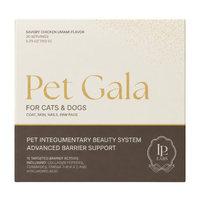
Pet Gala™ can be part of a daily plan that supports normal skin and coat function while owners stabilize diet, grooming, and paw-care routines. It is best positioned as broad-spectrum support for the integument environment—alongside barrier care and wear reduction—rather than a single-ingredient “keratin fix.”

When a dog’s coat dulls, nails split, or paw pads crack, the problem is often framed as “skin” when it is really a keratin problem. Keratin Biology in Dogs is the study of how structural proteins are built, organized, and renewed across hair shafts, nail plates, and the thickened pad surface. Those tissues share ingredients, but they do not share the same growth clocks, wear patterns, or failure points—so the fix is rarely one-size-fits-all.

The common confusion is treating coat shine, nail hardness, and pad resilience as a single “biotin issue” or a single “protein issue.” In reality, keratin is a family of proteins with different roles, and dogs switch keratin programs depending on whether cells are making hair, forming the outer epidermis, or building a nail (Schweizer, 2006). Hair follicles also cycle through growth and rest, changing which genes are active and how quickly new keratinized material is produced (Wiener, 2020).

This page compares what is similar versus what truly differs across coat, nails, and paw pads, then turns that biology into household decisions: what to watch for in the first 4–6 weeks, what mistakes make keratin tissues less reliable, and what information helps a veterinarian sort nutrition, allergy, grooming damage, and inherited cornification disorders. It also connects to related integument topics—barrier lipids and skin glands—because keratin durability depends on its surrounding environment, not just the strand itself.

By La Petite Labs Editorial, ~15 min read

Featured Product:

  • Keratin Biology in Dogs explains why coats, nails, and paw pads can weaken for different reasons and on different timelines.
  • Hair reflects follicle output from weeks earlier, so coat changes often lag behind diet or routine changes.
  • Nails fail through leverage and layering; trim interval and traction can matter as much as nutrition.
  • Pads are keratin plus environment; chemicals, heat, and abrasion can overwhelm normal renewal.
  • A single-nutrient mindset (like “biotin fixes everything”) misses mechanics, allergy-driven licking, and inherited cornification disorders.
  • Track change signals for 4–6 weeks: split frequency, trim interval, pad roughness, post-walk licking, and brush breakage.
  • Vet visits go better with photos, timelines, and targeted questions that separate nutrition, allergy, and cornification patterns.

The Confusion: One “Skin Problem,” Three Keratin Tissues

Coat, nails, and paw pads are all keratinized tissues, but they are built for different jobs. Hair keratin is engineered for flexibility and insulation, nail keratin for compression and edge integrity, and pad keratin for abrasion resistance plus traction. Keratin proteins come in families that pair together to form intermediate filaments, and different body sites emphasize different keratin sets (Schweizer, 2006). That is why a dog can have a glossy coat yet still have brittle nails, or tough pads with a shedding, fragile coat.

At home, the first step is separating “where it shows” from “where it started.” A slicker brush may reveal broken guard hairs without any itch, while nail splitting may show up only after longer walks on pavement. Paw pad roughness can be seasonal, especially with winter de-icers or hot summer sidewalks. Treating these as three related surfaces—rather than one vague skin complaint—makes routines more reliable and helps the vet visit start with clearer observations.

Close-up skin health render visualizing beauty support from keratin biology in dogs.

Side a: Hair Shaft Keratin and the Growth Cycle

Hair problems often look sudden, but the biology is delayed. The hair shaft is “dead” keratin once it exits the follicle, so shine and breakage reflect what the follicle produced weeks earlier. Canine follicles also cycle between growth (anagen) and rest (telogen), and gene expression shifts dramatically across these stages, changing keratinization output and timing (Wiener, 2020). That cycle explains why coat changes can lag behind diet changes, stressors, or medical events.

Household routines should match the cycle: gentle detangling prevents mechanical fractures that no supplement can “fix” once the shaft is formed. Frequent bathing with harsh degreasers can strip barrier lipids and leave hair more prone to friction, even if the follicle is healthy. A practical approach is to reduce coat trauma first, then track whether new growth feels less variable over the next shedding cycle. If the undercoat mats easily, the issue may be texture and friction rather than true follicle failure.

Collagen structure visualization representing skin elasticity supported by keratin biology in dogs.

Side B: Nail Plate Keratin and Why Splits Persist

Nails are keratinized plates produced from the nail matrix, and they fail differently than hair. A split nail often propagates because the plate is layered; once a defect forms, everyday leverage can keep peeling it back. Unlike hair, nails experience repeated point loading, and small changes in keratin crosslinking and hydration can change durability. Nutrition matters, but so do biomechanics: long nails increase torque, and repeated slipping on smooth floors can create microtrauma that looks like “brittleness.”

A home routine that trims little and often is usually more reliable than infrequent deep trims. After a split, smoothing the edge reduces snagging so the crack is less likely to climb. Flooring changes—runners on slick surfaces—can reduce repeated nail stress. If nails are soft after frequent baths or swimming, drying paws thoroughly and limiting prolonged soaking can help nails keep a more stable surface hardness between trims.

Structural beauty image symbolizing ingredient integrity supported by keratin biology in dogs.

What Actually Differs: Pads Are Keratin Plus Environment

Paw pads are specialized epidermis: thick keratin layers built to absorb abrasion while maintaining traction. Their “rebound capacity” depends not only on keratin but also on surrounding barrier lipids and local moisture balance, which is why pads can look scuffed even when coat and nails are fine. Pads also face chemical exposure—de-icers, detergents, lawn treatments—that can disrupt the surface and make keratin layers shed too quickly. The result is a rough, less reliable walking surface rather than a purely cosmetic issue.

Daily observation is more useful than occasional inspection. After walks, check for chalky whitening, edge fraying, or small fissures that catch on fabric. Rinsing paws with lukewarm water and drying between toes reduces residue that can keep pads irritated. If a dog suddenly avoids stairs or licks paws after outdoor time, the pad surface may be the limiting factor, even when the rest of the skin looks normal.

Dog portrait showing healthy coat and skin with beauty support from keratin biology in dogs.

Case Vignette: When “Dull Coat” Is Really Two Problems

A young adult retriever develops a dull coat after a diet change, but the first clear failure is repeated nail splitting on the front feet. The coat looks flat, yet the dog is also licking paws after winter walks, and the pads feel rough at the edges. This pattern suggests three different stressors: follicle output lagging behind the diet transition, nail torque from slightly overgrown nails, and pad surface irritation from seasonal exposures. Treating only “coat shine” misses the main wear points.

A more reliable plan starts with separating timelines: nails and pads can look better within weeks if mechanical and chemical stress is reduced, while coat quality may take a full hair cycle to show change. In the household, that means shorter trim intervals, paw rinses after salted sidewalks, and gentler grooming to limit breakage. Those steps also create cleaner change signals, making it easier for a veterinarian to judge whether nutrition, allergy, or a cornification issue is contributing.

The scratching is completely gone, his coat looks healthy and shiny!

— Lena

He was struggling with itching, now he's glowing.

— Grace

“Keratin problems look cosmetic until traction, comfort, or grip starts to fail.”

Keratin Ingredients: Amino Acids Set the Ceiling

Keratin is protein, so its raw materials are amino acids—especially sulfur-containing amino acids that support disulfide bonding and structural “snap.” In dogs, hair and skin amino acid use is not just about total protein; it is about whether the diet reliably supplies the right building blocks during growth, repair, and shedding (Connolly, 2024). When intake is inconsistent, the body may prioritize essential organs, leaving the integument with less slack for producing durable keratin structures.

Owners often notice this as coat that breaks at the ends, nails that peel in layers, or pads that stay rough despite moisturizers. Before adding multiple products, confirm the base diet is complete and consistent, and avoid frequent brand-hopping that makes change signals hard to read. If treats make up a large share of calories, they can quietly displace balanced nutrition. A steady feeding routine, plus measured grooming and paw care, often makes keratin tissues less variable over the first 4–6 weeks.

Dog portrait reflecting beauty and wellness support tied to keratin biology in dogs.

Misconception: “Biotin Alone Fixes Keratin”

A common misunderstanding is that keratin weakness is a single-nutrient problem—often framed as biotin. Biotin participates in metabolism, but keratin durability depends on the whole keratinization program: amino acid supply, follicle cycling, barrier lipids, and local inflammation. Evidence reviews of nutritional approaches in canine dermatology emphasize that results are context-dependent and rarely hinge on one ingredient in isolation (Marchegiani, 2020). When the underlying driver is friction, allergy, or a cornification disorder, a single supplement is unlikely to create a meaningful rebound.

In the home, the giveaway is mismatch: a dog receives “coat vitamins” yet still has recurring nail splits or pad fissures. That pattern points toward mechanics, environment, or an underlying skin condition rather than a simple gap. A more reliable approach is to reduce surface damage first—gentler brushing, shorter nails, paw rinses—then decide whether targeted nutritional support fits the dog’s broader plan. This sequence prevents attributing normal seasonal shifts to whichever product was added last.

Canine profile image reflecting coat shine and wellness supported by keratin biology in dogs.

Owner Checklist: Quick At-home Keratin Tissue Read

A simple home check can separate keratin wear from deeper skin disease. Look for: (1) hair tips that look “feathered” or snapped rather than shed, (2) nails with layered peeling or repeated splits in the same claw, (3) paw pads with edge fraying or fine surface cracks, (4) staining from licking focused on paws versus generalized itch, and (5) dandruff-like scale that returns quickly after bathing. These observations help localize the problem to hair shaft trauma, nail plate weakness, pad surface disruption, or broader cornification.

Run the checklist in consistent lighting once weekly, not only on “bad days.” Take photos of the same two paws and the same side of the coat to avoid memory bias. If one foot is consistently worse, mechanics (gait, nail length, traction) may be the driver. If all pads worsen after specific walks, environmental exposure is more likely. This kind of patterning makes the next steps—routine changes or veterinary testing—more targeted and less variable.

Ingredient explainer image showing clean beauty formulation principles for keratin biology in dogs.

What to Track for 4–6 Weeks: Change Signals That Matter

Keratin tissues change slowly, so tracking needs concrete markers. Useful change signals include: nail split frequency per month, time between trims before clicking returns, pad roughness score (smooth, mildly rough, fissured), paw-licking minutes after walks, and coat breakage seen in the brush versus normal shedding. Add one grooming or nutrition change at a time so the cause is interpretable. Because follicles cycle, coat texture may lag behind pad and nail changes, which often respond sooner to reduced wear.

A simple rubric can be kept on a phone note. Record the walking surface (pavement, trail, salted sidewalk), bath day, and any new treats. If a dog’s pads worsen after pool days, prolonged soaking may be part of the story. If nail splits cluster after long play on slick floors, traction is a likely contributor. Tracking turns “seems better” into a more reliable timeline that a veterinarian can use when deciding whether testing for allergy or cornification disorders is warranted.

Diet Versus Allergy: Two Paths to Keratin Weakness

Owners often compare two explanations: “not enough protein” versus “food allergy.” Both can affect keratin tissues, but they do so differently. In adverse food reactions, inflammation and itch can drive licking, friction, and secondary infection that disrupts keratinization, even when the diet is nutritionally complete. For dogs that truly need a diet trial, extensively hydrolyzed proteins are designed to reduce IgE recognition, which can make the trial more interpretable (Olivry, 2017). Reliability also depends on avoiding cross-contamination and unplanned proteins during the trial (Lesponne, 2018).

At home, the practical difference is pattern. A purely nutritional mismatch often shows as gradual coat and nail changes without intense itch, while allergy patterns often include paw licking, ear issues, or flare-ups tied to exposures. During a diet trial, flavored medications, chews, and table scraps can erase clarity. If the household cannot keep the plan strict, it is better to tell the veterinarian upfront so another diagnostic path can be chosen rather than running a trial that produces ambiguous change signals.

“Different keratin tissues run on different clocks, so timelines must match.”

Lab coat detail emphasizing vet-informed standards supporting keratin biology in dogs.

Inherited Cornification Disorders: When Keratinization Is Rewired

Some dogs have keratin problems because the keratinization process is genetically altered. Hereditary ichthyoses and related cornification disorders involve defects in epidermal differentiation and barrier formation, and many are breed-associated (Mauldin, 2021). These conditions can create large, adherent scale, chronic roughness, and recurrent secondary skin issues that do not behave like simple dryness. In that setting, keratin weakness is not just “wear and tear”; it reflects a different blueprint for building the outer skin layers.

Household care still matters, but expectations should be realistic. Frequent harsh bathing can worsen scaling by stripping protective surface components, while overly heavy occlusive products can trap debris and increase odor. Owners can help by documenting onset age, breed line information if known, and whether scaling is seasonal or constant. That history helps the veterinarian decide whether genetic testing, cytology, or a dermatology referral is the most reliable next step.

Shop Now
Pet Gala with foods symbolizing beauty synergy aligned with keratin biology in dogs.

Grooming Damage Versus Biology: How to Tell Them Apart

Keratin can be well-made and still fail if it is repeatedly damaged. Heat tools, aggressive de-shedding blades, and tight mat removal can fracture hair shafts and inflame follicles, creating a coat that looks “nutritionally poor” even when the diet is solid. Nails can be weakened by repeated quicking and subsequent altered trimming habits, while pads can be abraded by sudden increases in mileage. The key comparison is whether the problem follows a routine change (groomer visit, new trail, new flooring) versus appearing without an obvious trigger.

A practical test is to reduce mechanical stress for one month and see whether the pattern becomes less variable. Switch to a gentler brush, shorten sessions, and prioritize detangling spray over force. Keep nails slightly shorter to reduce leverage, and add traction where the dog launches or turns. For pads, build mileage gradually and rinse off irritants. If keratin tissues still fail despite lower wear, the biology—nutrition, allergy, or cornification—moves higher on the list.

Shop Now
Woman holding Pet Gala box with her dog, showing daily keratin biology in dogs routine.

What Not to Do: Common Keratin Mistakes That Backfire

Several well-intended choices can make keratin tissues less reliable. Do not chase rapid results with multiple new supplements at once; it blurs change signals and can upset digestion. Do not over-bathe with degreasing shampoos when the main issue is breakage or pad roughness; stripping surface lipids can increase friction and scaling. Do not let nails grow long “to avoid quicking,” because added torque can perpetuate splits. And do not use human nail hardeners or essential oil blends on paws, which can irritate and invite licking.

Also avoid high-dose, single-amino-acid products without veterinary guidance. Methionine-containing urinary acidifiers, for example, have been associated with intoxication cases in dogs when misused or overused (Hickey, 2015). Keratin building blocks are important, but they work inside a broader plan that includes complete nutrition and skin barrier care. The most reliable approach is incremental: reduce wear, stabilize the diet, then add targeted support only if tracking shows a persistent gap.

Shop Now

Vet Visit Prep: the Keratin Questions Worth Bringing

A veterinary visit is more productive when it starts with specific keratin observations rather than “bad skin.” Bring: (1) photos of nails and pads taken weekly, (2) the timeline of diet changes and treats, (3) whether licking is after walks, after meals, or constant, and (4) grooming frequency and tools used. Ask targeted questions: Could this pattern fit allergy versus a cornification disorder? Are secondary infections present? Would cytology, a diet trial, or referral be the most reliable next step for this distribution?

Also ask how to judge progress. For nails, is the goal fewer splits or a different trim interval? For pads, is the goal fewer fissures or less post-walk licking? For coat, is the goal reduced breakage or improved regrowth density? Clear endpoints prevent overreacting to normal shedding or seasonal pad changes. This kind of handoff respects the biology: keratin tissues respond on different clocks, and the plan should reflect those differences.

Compare Coat Types: Breed Variation Changes the Baseline

Breed coat type changes what “normal” keratin looks like. Double-coated breeds shed and replace undercoat on seasonal schedules, while continuously growing coats show different grooming stress patterns and matting risk. Wire coats have a different feel because of hair shaft structure and grooming practices like stripping, which can influence follicle behavior and perceived texture. This is why Keratin Biology in Dogs cannot be judged by one universal standard; durability is partly genetic and partly shaped by how the coat is maintained.

Owners can use breed baseline to avoid false alarms. A poodle mix may show breakage from friction at harness points, while a husky may look “dry” during a normal shed. Nail thickness also varies, and some dogs naturally wear nails down more on certain surfaces. The practical move is to compare the dog to its own prior photos, not to another breed. That keeps decisions grounded and prevents unnecessary product stacking when the main issue is grooming mechanics.

Visual breakdown contrasting competitors and quality standards in keratin biology in dogs.

How Supplements Fit: Support the Web, Not One Strand

Owners often want a direct “keratin supplement,” but keratin tissues depend on multiple inputs: protein synthesis, barrier lipids, skin glands, and inflammation control. Reviews of nutritional supplementation in canine dermatology describe benefits as supportive and context-specific, often working best when paired with a stable base diet and appropriate topical care (Marchegiani, 2020). The compare-and-contrast point is important: coat appearance is influenced by surface oils and grooming, while nails and pads are influenced by mechanics and hydration. A supplement can support normal integument function, but it cannot replace trimming, traction, or irritant control.

A more reliable strategy is to introduce one supportive product at a time and track change signals for 4–6 weeks. If the dog’s main issue is pad fissures, prioritize environmental control and topical protection first, then consider nutritional support as part of a daily plan. If the main issue is nail splitting, trim interval and floor traction may matter more than adding another chew. This sequencing keeps expectations realistic and makes it easier to identify what actually moved the outcome.

Shop Now
Pet Gala in protective wrap, emphasizing quality behind keratin biology in dogs.

Decision Framework: Match the Fix to the Failure Point

A useful decision framework starts with the primary failure point: hair shaft breakage, nail plate splitting, or pad surface cracking. Hair shaft problems often respond to reduced friction, gentler grooming, and time for new growth; nail problems often respond to shorter trim intervals and traction; pad problems often respond to exposure control and surface protection. Then consider the “why”: nutrition consistency, allergy-driven licking, or a cornification disorder. This compare-and-contrast approach prevents chasing coat shine when the real limiter is pad pain or nail torque.

If multiple tissues fail at once—coat plus nails plus pads—move diet quality and medical screening higher on the list. If only one tissue fails, mechanics and local exposure are more likely. The goal is not perfection; it is durability and fewer setbacks. Owners who track a few markers and make incremental changes usually arrive at a plan that is less variable and easier to maintain, with clearer information for veterinary decision-making.

Shop Now

How This Connects to Barrier Lipids and Skin Glands

Keratin does not operate alone. Barrier lipids fill the spaces between outer skin cells, and skin glands contribute surface oils that reduce friction and water loss—two factors that change how keratin surfaces behave day to day. When barrier lipids are stripped or gland output is disrupted, hair can tangle, pads can roughen, and the skin can scale even if keratin production is adequate. That is why integument strength is best understood as a cluster: keratin structure, lipid barrier, and gland function working together.

In practice, this means routines should be coordinated. A dog with frequent baths may need gentler cleansing and conditioning to keep friction low. A dog with paw licking may need both exposure control and medical evaluation for allergy or infection. When owners treat keratin as the “backbone” and lipids/glands as the “surface environment,” the plan becomes more coherent: protect the surface, reduce wear, and support normal rebuilding over time.

“Reduce wear first; then support becomes easier to interpret.”

Educational content only. This material is not a substitute for veterinary advice. Always consult your veterinarian about your dog’s specific needs. These statements have not been evaluated by the Food and Drug Administration. Products mentioned are not intended to diagnose, treat, cure, or prevent any disease.

Glossary

  • Keratin - A family of structural proteins that form durable fibers in hair, nails, and the outer skin.
  • Keratinization - The process where skin cells mature, fill with keratin, and form a protective outer layer.
  • Hair Follicle Cycle - The repeating phases of hair growth (anagen) and rest (telogen) that shape coat timing.
  • Anagen - The active hair-growth phase when the follicle produces new hair shaft material.
  • Telogen - The resting phase when hair growth pauses and shedding can occur later.
  • Nail Matrix - The living tissue that produces the nail plate; damage here can change nail quality.
  • Nail Plate - The layered keratin structure that forms the visible nail and can split or peel.
  • Paw Pad Hyperkeratosis - Excess thickening of the pad’s outer keratin layer that can crack or fray.
  • Cornification Disorder - A condition where the outer skin layer forms abnormally, often with scaling.
  • Barrier Lipids - Fats in the outer skin that reduce water loss and friction, shaping keratin surface behavior.

Related Reading

References

Wiener. Transcriptome Profiling and Differential Gene Expression in Canine Microdissected Anagen and Telogen Hair Follicles and Interfollicular Epidermis.. PubMed Central. 2020. https://pmc.ncbi.nlm.nih.gov/articles/PMC7463739/

Mauldin. Ichthyosis and hereditary cornification disorders in dogs.. PubMed. 2021. https://pubmed.ncbi.nlm.nih.gov/34796560/

Schweizer. New consensus nomenclature for mammalian keratins.. Nature. 2006. https://www.nature.com/articles/s41598-018-20041-9

Olivry. Extensive protein hydrolyzation is indispensable to prevent IgE-mediated poultry allergen recognition in dogs and cats.. PubMed Central. 2017. https://pmc.ncbi.nlm.nih.gov/articles/PMC5561598/

Lesponne. DNA and Protein Analyses to Confirm the Absence of Cross-Contamination and Support the Clinical Reliability of Extensively Hydrolysed Diets for Adverse Food Reaction-Pets.. PubMed Central. 2018. https://pmc.ncbi.nlm.nih.gov/articles/PMC6163677/

Marchegiani. Impact of Nutritional Supplementation on Canine Dermatological Disorders.. PubMed Central. 2020. https://pmc.ncbi.nlm.nih.gov/articles/PMC7355824/

Hickey. Retrospective evaluation of methionine intoxication associated with urinary acidifying products in dogs: 1,525 cases (2001–2012). PubMed. 2015. https://pubmed.ncbi.nlm.nih.gov/26198670/

Connolly. Functions and Metabolism of Amino Acids in the Hair and Skin of Dogs and Cats.. PubMed. 2024. https://pubmed.ncbi.nlm.nih.gov/38625527/

FAQ

What is Keratin Biology in Dogs in simple terms?

Keratin Biology in Dogs describes how dogs build and renew the structural proteins that form hair shafts, nail plates, and the outer layer of paw pads. These tissues share keratin as a backbone, but they are produced in different sites and respond to stress on different timelines.

That difference is why a coat can look dull while nails split, or pads crack while the coat seems normal. The most useful takeaway is to identify which tissue is failing first, then match care to that specific failure point.

Why do coat, nails, and pads weaken together sometimes?

When multiple keratin tissues weaken at once, the cause is often broad: inconsistent nutrition, chronic licking from allergy, or a cornification pattern that affects the outer skin layer. Because these tissues share building blocks, a whole-body stressor can lower durability across coat, nails, and pads.

Tracking which sign appeared first helps narrow the cause. Pads that worsen after walks point toward exposure and abrasion, while sudden widespread scaling suggests a skin-process issue that deserves veterinary evaluation.

How long does it take to see keratin-related changes?

Pads and nails can show clearer change signals within weeks if wear is reduced, because the surface is constantly being used and trimmed. Coat changes often take longer because the visible hair shaft reflects follicle output from earlier in the growth cycle.

A practical window is 4–6 weeks for early signals, with longer timelines for coat texture and regrowth density. One change at a time makes results less variable and easier to interpret.

Is brittle nail splitting always a nutrition problem?

No. Nail splitting is often driven by mechanics: long nails increase torque, repeated slipping adds microtrauma, and a small crack can keep peeling because the nail plate is layered. Nutrition can matter, but it is not the only lever.

Shorter trim intervals, smoothing snag points, and improving traction on slick floors are often the most reliable first steps. If multiple nails split despite good mechanics, a veterinarian can help assess diet quality and underlying skin disease.

What home signs suggest paw pad keratin is failing?

Common signs include edge fraying, fine surface fissures, chalky whitening after walks, and increased licking focused on the feet. Some dogs also hesitate on stairs or rough ground because the pad surface becomes less reliable for traction.

Patterns matter: worsening after salted sidewalks or hot pavement points toward environmental wear. Persistent cracking without a clear trigger deserves a veterinary check for infection, allergy, or a cornification disorder.

Does biotin alone fix keratin issues in dogs?

Biotin is often marketed as a keratin shortcut, but keratin durability depends on more than one nutrient. Hair shaft integrity, nail plate layering, and pad surface resilience are shaped by amino acid supply, friction, hydration, barrier lipids, and inflammation.

If licking, recurrent ear issues, or seasonal flare-ups are present, allergy or secondary infection may be driving the keratin damage. In those cases, a single nutrient is unlikely to be the deciding factor.

Can food allergies affect keratin tissues like nails and pads?

Yes. Food-related inflammation can drive paw licking and skin irritation, which increases friction and disrupts keratin surfaces. Nails may split more when paws are chronically wet from licking, and pads can roughen when the surface is repeatedly abraded.

If a veterinarian recommends a diet trial, strict consistency is essential so the results are interpretable. Flavored chews and table scraps can erase clarity even when the main food is carefully chosen.

What should be tracked during a diet trial for keratin issues?

Track change signals that connect to keratin surfaces: paw licking after walks, pad roughness, new nail splits, and coat breakage in the brush. Also log exposures like de-icers, new shampoos, and grooming changes that can mimic dietary effects.

Keep photos weekly in the same lighting. The goal is a less variable pattern over time, not a perfect day-to-day appearance. Share the log with the veterinarian to support next-step decisions.

Are keratin problems more common in certain dog breeds?

Baseline keratin traits vary by breed because coat type, grooming needs, and inherited skin patterns differ. Some breeds are also predisposed to cornification disorders that change how the outer skin layer forms, which can affect scaling and pad texture.

Breed does not replace diagnosis, but it changes what “normal” looks like. Comparing a dog to its own prior photos is usually more reliable than comparing across breeds with different coat architecture.

How is Keratin Biology in Dogs different from cats?

The core keratin concept is shared across mammals, but practical drivers differ because grooming behavior, coat management, and common exposure patterns differ between species. Dogs are more likely to have pad wear tied to outdoor surfaces and nail torque tied to traction and trimming routines.

For dogs, the most useful comparison is across tissues—coat versus nails versus pads—because each fails for different reasons. That tissue-level contrast is often more actionable than species-level generalities.

When should a dog with keratin issues see a vet?

A veterinary visit is warranted when there is persistent paw licking, bleeding cracks, recurrent nail infections, strong odor, or widespread scaling that returns quickly after bathing. Sudden changes after a new medication or diet also deserve professional review.

Bring photos, a timeline of diet and grooming changes, and notes on walking surfaces. This helps the veterinarian separate wear-and-tear from allergy, infection, or a cornification disorder.

What questions help a vet evaluate coat, nail, and pad keratin?

Useful questions include: Does the distribution fit allergy versus a cornification disorder? Are secondary infections present on cytology? Should a diet trial be done, and how strict must it be? What endpoints should be used—fewer splits, less licking, or reduced scaling?

Also ask how long to wait before judging a change. Pads and nails may shift sooner than coat texture, so timelines should match the tissue being monitored.

Can grooming cause keratin breakage that looks like deficiency?

Yes. Aggressive de-shedding tools, tight mat removal, and frequent harsh shampoos can fracture hair shafts and irritate follicles, creating a dull, broken coat even with good nutrition. Similar “false deficiency” patterns occur when nails are repeatedly snagged or pads are abraded by sudden mileage increases.

A reliable test is to reduce mechanical stress for a month and track breakage, split frequency, and pad roughness. If the pattern persists despite lower wear, biology moves higher on the list.

Is it safe to add amino acid products for keratin support?

Single-amino-acid products should be used only with veterinary guidance. Overuse of methionine-containing urinary acidifying products has been associated with intoxication cases in dogs, showing that “more” is not automatically safer(Hickey, 2015).

For most dogs, the safer foundation is a complete, consistent diet plus reduced wear on coat, nails, and pads. If supplementation is considered, it should fit a broader plan and be monitored with clear change signals.

How can Pet Gala™ fit into a keratin-focused routine?

Pet Gala™ can be used as part of a daily plan that supports normal skin and coat function while owners address the main drivers of keratin wear: grooming friction, nail torque, and pad exposure. It fits best after the base diet is stable so change signals are easier to interpret.

For product details and serving guidance, review Pet Gala™ with a veterinarian, especially if the dog has ongoing itch, infections, or scaling.

Can Pet Gala™ replace a prescription diet for suspected allergy?

No. If a veterinarian recommends a prescription diet trial, the trial’s value comes from strict control of proteins and treats. A supportive product can be discussed, but it should not undermine the trial’s clarity or replace the diagnostic plan.

If support is still desired, ask the veterinarian whether Pet Gala™ fits the dog’s routine without adding variability to the diet trial.

What side effects should be watched when adding new skin supplements?

The most common early issues are digestive: softer stool, gas, or reduced appetite. Any new itch, ear debris, or paw licking that begins right after a change should also be noted, because timing can matter even when the cause is not certain.

Introduce one change at a time and track for 4–6 weeks. If a dog has multiple medical conditions or takes medications, a veterinarian should confirm that the plan remains appropriate.

What is the best way to give Pet Gala™ daily?

Daily use is easiest when it is tied to a consistent meal, because keratin tissues respond to steady inputs over time. Keep the rest of the routine stable—diet, treats, grooming—so any change signals are easier to interpret.

Follow the label guidance on Pet Gala™ and discuss adjustments with a veterinarian for dogs with sensitive digestion or complex medical histories.

What results should be expected first: coat, nails, or pads?

Pads and nails often show earlier change signals because owners can reduce wear quickly through trimming, traction, and exposure control. Coat texture can take longer because the visible hair shaft was produced earlier and must be replaced through the follicle cycle.

This is why Keratin Biology in Dogs is best approached with tissue-specific timelines. Track split frequency and pad roughness weekly, and judge coat changes over a longer window that includes shedding and regrowth.

What quality signals indicate a keratin plan is working?

Look for fewer nail splits, longer time before nails click on floors, less pad edge fraying, and reduced post-walk paw licking. For coats, a useful signal is less breakage in the brush and fewer rough, snapped tips at friction points like harness straps.

A plan is more reliable when change signals move in the same direction for several weeks, not when there is one good day. Photos and simple scoring reduce guesswork and support better vet follow-up.

How should owners decide between topical care and nutrition support?

Choose based on the failure point. Pads that crack after exposure often need topical protection and rinsing routines first. Nails that split often need trim and traction changes first. Coat breakage often needs grooming friction reduced first.

Nutrition support fits best when multiple keratin tissues are involved or when the base diet has been inconsistent. If adding Pet Gala™, keep other variables stable so the outcome is interpretable.

5K+ Happy Pet Parents

Excellent 4.8

Keratin Biology in Dogs | Why Thousands of Pup Parents Trust Pet Gala™

"It's so good for his coat, and so easy to mix into food."

Alex & Cashew

"Gives him that glow from head to tail!"

Elisabeth & Chai

"The scratching is completely gone, his coat looks healthy and shiny."

Lena & Bear

"Magical. He was struggling with itching and shedding. Now he's literally glowing."

Grace & Ducky

"It's so good for his coat, and so easy to mix into food."

Alex & Cashew

"Gives him that glow from head to tail!"

Elisabeth & Chai

"The scratching is completely gone, his coat looks healthy and shiny."

Lena & Bear

"Magical. He was struggling with itching and shedding. Now he's literally glowing."

Grace & Ducky

"It's so good for his coat, and so easy to mix into food."

Alex & Cashew

"Gives him that glow from head to tail!"

Elisabeth & Chai

"The scratching is completely gone, his coat looks healthy and shiny."

Lena & Bear

"Magical. He was struggling with itching and shedding. Now he's literally glowing."

Grace & Ducky

"It's so good for his coat, and so easy to mix into food."

Alex & Cashew

"Gives him that glow from head to tail!"

Elisabeth & Chai

"The scratching is completely gone, his coat looks healthy and shiny."

Lena & Bear

"Magical. He was struggling with itching and shedding. Now he's literally glowing."

Grace & Ducky

SHOP NOW