Bone Broth Powder for Dogs

When collagen, glycine, and minerals can help stools, joints, and hydration.

By La Petite Labs Editorial 15 min read

Is bone broth powder good for dogs? For most dogs, yes, it is a safe, useful topper, and what makes it more than a flavor boost is what it concentrates: collagen peptides, amino acids, and minerals that feed cartilage turnover, the gut lining, and hydration. It is not a cure for anything, but it is a sensible, easy addition to a complete diet.

Powdered broth has a real edge over liquid: it stores in the pantry, portions cleanly, and blends into any feeding style, so it is easier to use every single day, which is where the benefits actually come from. It also makes meals more aromatic, which helps reluctant eaters.

The honest framing is whole-system, not single-nutrient. Visible condition, coat sheen, comfortable skin, strong nails, and steady appetite, is shaped by routine, tolerance, and ingredient quality. This page covers what realistic benefits look like, which dogs respond, how to choose a safer product, and how to use it without upsetting digestion.

  • For most dogs, bone broth powder is a safe daily topper; it concentrates collagen, amino acids, and minerals.
  • Powder beats liquid for everyday use, shelf-stable, easy to portion, and simple to blend, and daily use is where benefits come from.
  • Realistic benefits are supportive: more appealing meals, steadier appetite, and visible coat, skin, and nail condition over weeks.
  • Start small and adjust by stool quality, itchiness, and overall tolerance; introduce gradually to avoid GI upset.
  • Use caution with kidney disease, sodium-restricted heart disease, pancreatitis, or multiple food allergies, and ask your vet first.
  • Quality signals: clear animal-source identification, a short ingredient list, low reliance on salt, and batch consistency.

Why Bone Broth Powder Belongs in a Polished Daily Routine

Bone broth powder for dogs sits in a rare sweet spot: it feels like comfort food but behaves like a practical topper. It is made by simmering animal bones and connective tissue, then concentrating and drying the liquid, which is what gives it collagen, amino acids, and minerals worth talking about (German K, 2025). In powder form it is shelf-stable, easy to portion, and simple to blend into kibble, fresh food, or a lick mat.

For many dogs, that extra aroma is the difference between a 'fine' bowl and a finished one, steadier eating that supports the rest of the routine.

Owners usually notice the visible signals first: a coat that looks more polished after meals, skin that seems less touchy, and a dog that moves with a little more ease. The point is not a miracle, it is supporting the condition you can see and feel.

Bone Broth Powder vs Liquid for Dogs: Why Powder Form Matters

Powder versus liquid comes down to consistency: powdered broth stores in the pantry, portions precisely, and travels, so it is far easier to give every day than a fridge-only liquid, and daily use is exactly where the benefits show up. Liquid broth is fine, it is just harder to keep in the routine.

Not all powders are equal. Some are mostly flavor; others are built as a nutritional bone broth powder with a more intentional profile. True bone broth is simmered with bones and connective tissue for collagen and amino acids, which sets it apart from a thin chicken or vegetable broth made for taste alone (German K, 2025).

That is why label reading is part of choosing well, not being fussy. The final powder varies widely with starting materials and processing, so the source and ingredient list tell you more than the word 'broth' on the front.

Choosing the Best Bone Broth Powder for Dogs Without Hype

When owners search for the best bone broth powder for dogs, they’re usually trying to solve a practical problem: “I want my dog to look and feel well-kept, and I want the routine to be easy.” The best products tend to be the ones your dog will actually eat daily, without upsetting digestion or creating a salty, over-flavored diet.

Think in signals: does your dog’s coat look fresher after a couple weeks of consistent use, does the skin look calm after baths, and does mealtime feel smoother? Bone broth may support overall health when incorporated as a nutrient-rich ingredient (German K, 2025). The “best” choice is the one that fits your dog’s tolerance, your feeding style, and your standards for sourcing.

Broth Plus Botanicals: a Smarter Way to Support Visible Condition

If you’re comparing bone broth powder supplements for dogs, start with the ingredient panel and the “why” behind it. A straightforward broth powder can be a clean topper. A more complete formula can be positioned as visible-care support—because skin, coat, and nails don’t respond to one ingredient in isolation.

Plant-based ingredients can contribute essential nutrients and phytonutrients that support canine health (Tanprasertsuk J, 2022). In a beauty-logic frame, that matters because plant diversity can show up as a more vibrant look: a coat that reads as glossy, skin that looks less reactive, and a dog that simply seems more comfortable being touched and brushed. The goal is not to “fix” a body; it’s to support a well-kept presentation.

Everyday Joint Comfort That Shows up in Confident Movement

Joint comfort is one of the most common reasons owners add broth. In a beauty-forward lens, joint ease isn’t abstract—it’s the way your dog moves through the house, hops into the car, or plays without looking stiff. Those are visible, reassuring cues that your daily care is landing.

Bone broth is often discussed for its collagen and amino acids. While you shouldn’t treat a powder as a medical solution, it can be a supportive part of a broader routine that includes appropriate weight, gentle activity, and vet guidance when needed. If your dog has diagnosed joint disease or is on pain medication, bring any new supplement into the conversation with your veterinarian (Mota-Rojas, 2021).

“The best routines are the ones your dog enjoys—and you can see working.”

Gut Comfort and Mealtime Ease Owners Can Actually Notice

Gut comfort shows up quickly in the real world: steadier stools, less gurgling, and a dog that seems more relaxed after meals. For many owners, that’s the most immediate “yes, this fits” feedback loop. A broth powder can also make dry food more aromatic and appealing, which helps dogs who eat reluctantly.

That said, any new topper can be “too much, too fast.” Introduce gradually and watch for soft stool, gas, or itchiness (Mota-Rojas, 2021). If your dog has a history of pancreatitis, chronic GI disease, or food sensitivities, ask your vet before adding a bone broth powder supplement for dogs, and choose formulas with transparent sourcing and simple ingredient lists (Mota-Rojas, 2021).

Immune Support Framed as Bright, Steady, Well-kept Presentation

Immune support is often talked about in big, invisible terms. A more useful way to think about it for daily care is: does your dog look bright, maintain a clean coat, and bounce back from normal life stressors like travel, grooming, or seasonal changes? Those are the signals owners trust.

Incorporating nutrient-rich ingredients like bone broth may support overall health in dogs. And the inclusion of diverse plant-based ingredients can enhance the nutritional profile of canine diets (Tanprasertsuk J, 2022). Together, that’s less about “boosting” and more about supporting a steady, well-kept baseline—skin that looks comfortable and a coat that holds its sheen between baths.

Skin and Coat Signals: Softness, Sheen, and Calm-looking Skin

For skin and coat, bone broth powder for dogs is best viewed as a foundation note, not the entire song. Owners often want that clean, touchable softness—fur that feels conditioned, not brittle. A broth-based topper can complement fatty acids, quality protein, and gentle grooming habits that protect the skin barrier.

Phytonutrients may play a role in reducing inflammation and promoting overall wellness in dogs (Tanprasertsuk J, 2022). In practical terms, a formula that pairs broth with plant ingredients can align with the visible goal: calmer-looking skin and a coat that reads as more vibrant. If your dog is itchy, has recurrent ear issues, or develops hot spots, treat that as a vet conversation rather than a supplement project.

Quality Markers: Sourcing, Additives, and Sodium in Perspective

Quality is where “organic bone broth powder for dogs” enters the chat. Organic claims can matter for owners who prioritize sourcing, but “organic” alone doesn’t guarantee a better finished product. Look for clear animal-source identification, minimal fillers, and manufacturing transparency. If sodium is listed, make sure it’s not functioning like a flavor crutch.

Also consider what’s not on the label: vague “natural flavors,” heavy sweeteners, or long additive chains. The nutritional composition of dog diets varies significantly between adult and senior formulations, so a topper should complement your dog’s life stage rather than fight it. When in doubt, choose simplicity and consistency over hype.

How to Use Broth Powder Smoothly in Real Life

Using bone broth powder supplements for dogs is usually straightforward: mix into food, rehydrate with warm water, or sprinkle lightly over meals. The best routine is the one that feels effortless—because daily use is where you’ll notice the difference in appetite enthusiasm and coat presentation.

Start small for a few days, then adjust based on stool quality and your dog’s interest. Avoid making the bowl so wet that it sits out too long, and keep clean water available. If your dog is on a prescription diet, confirm with your veterinarian that adding any topper aligns with the diet’s purpose.

“Think in signals: appetite ease, calm-looking skin, and a coat that holds its sheen.”

La Petite Labs

Clinical Vignette of When Skin Changes Point Deeper Than the Surface

Rosey, a 10-year-old Shih Tzu, was brought in after two weeks of paw redness and head shaking. Her owner had also noticed lower energy, thinning abdominal hair, and mild generalized itchiness over the previous few months.

Examination showed inflammation in the ears, skin folds, and paws. Testing confirmed mixed yeast and bacterial infections, while parasites and fungal disease were ruled out. Because Rosey’s skin changes appeared alongside reduced energy and coat thinning, her veterinarian performed a broader workup, which revealed hypothyroidism as a likely underlying contributor.

Her care required a staged approach: treating the infections, addressing the thyroid imbalance, and then restoring the skin barrier through diet, bathing support, paw care, and omega-3 supplementation.

Six months later, Rosey’s owner reported a thicker coat, fewer tangles, less breakage, no itch, and restored energy.

Clinical takeaway: Rosey’s case shows why skin and coat changes should not be treated as cosmetic alone. Healthy skin depends on immune balance, endocrine health, nutrition, barrier integrity, and daily support for resilient coat growth.

Single-case vignette. Not generalizable. Veterinary diagnosis and oversight are essential for itching, redness, ear irritation, hair thinning, recurrent infections, or suspected endocrine disease.

Explore Pet Gala Research →
bone broth powder for dogs - 9

Is Bone Broth Powder Safe for Dogs? Sensitivities and Vet Cues

Is bone broth powder safe for dogs? For most, yes, it comes down to fit. Most dogs tolerate broth-style toppers well, but individual sensitivities are real, so watch for itching, ear flare-ups, loose stool, or sudden pickiness; sometimes a 'healthy' addition simply does not suit a particular dog.

Use extra caution, and check with your veterinarian first, if your dog has kidney disease, heart disease needing sodium restriction, a history of pancreatitis, or multiple food allergies. Sodium content is the main thing to scan on the label.

Bone broth can be a source of beneficial nutrients, but it should never override a medical nutrition plan or prescribed therapy. When in doubt, choose a simple, transparently sourced product and introduce it slowly.

bone broth powder for dogs - 10

What Makes the Best Bone Broth Powder Supplement for Dogs

Choosing the best bone broth powder supplement for dogs often means choosing the most transparent one. Look for a clear description of the animal source, a short ingredient list, and manufacturing details that suggest consistency batch to batch. If a product is positioned as “nutritional,” it should be able to explain what that means without hiding behind buzzwords.

Also consider your dog’s current diet. If you’re feeding a complete and balanced food, a broth powder is an accent—useful for palatability and routine—rather than a replacement for core nutrition. The win is a bowl your dog loves and a look you feel proud of: soft coat, comfortable skin, and steady energy.

bone broth powder for dogs - 11

Life Stage Fit: Puppies, Adults, and Seniors with Different Needs

Puppies, adults, and seniors can all use broth-style toppers, but the “why” changes. Puppies benefit most from consistent eating and gentle digestion. Adults often use it for coat polish and mealtime enthusiasm. Seniors tend to benefit from routines that make food more appealing and support comfortable movement.

Because diet formulations differ by life stage, keep toppers proportionate and avoid crowding out the balanced base diet. If your senior dog has multiple conditions or takes several medications, treat any supplement addition as a vet-guided decision. The goal is a steady, visible “doing well” look—not a complicated regimen.

Breed and Size Considerations for Tolerance and Consistency

Breed and size matter mostly for practicality: tiny dogs can be overwhelmed by rich toppers, while large dogs may need a more consistent routine to see noticeable changes in coat sheen and skin comfort. Working breeds and highly active dogs often benefit from anything that keeps meals appealing and hydration habits steady.

Instead of chasing a “one scoop fits all” mindset, follow your dog’s feedback: stool quality, itch level, and appetite. If you’re managing weight, remember that toppers add calories, even when they feel light. A careful approach keeps the visible benefits—shine, softness, and comfort—without unintended tradeoffs.

Timeline: When Appetite, Coat, and Comfort Changes Tend to Appear

Results timelines are usually short enough to feel satisfying. Palatability can change immediately: the bowl smells better, and many dogs eat with more interest. Coat and skin signals tend to be slower and more subtle—think “more polished” rather than “different dog.”

If you’re using bone broth powder for dogs as part of a visible-care routine, give it a few weeks of consistent use while keeping everything else stable (food brand, treats, shampoo). If your dog develops GI upset or itchiness, pause and reassess with your veterinarian. Incorporating nutrient-rich ingredients may support overall health, but comfort and tolerance come first.

Why Whole-routine Support Beats Single-ingredient Expectations

A smart way to judge any bone broth powder is to ask whether it supports the whole look of wellbeing. Skin, coat, nails, and even the ease of brushing are connected, when the skin is comfortable, grooming becomes bonding instead of bargaining, and that shows in the coat's finish.

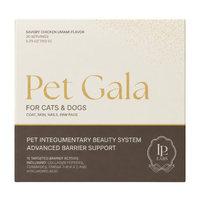
It is also why many owners prefer a formula that does not lean on a single ingredient. If you like what bone broth offers but want it inside a complete skin-coat-nail system, Pet Gala includes bone broth at 100 mg per sachet alongside marine collagen at 500 mg and beef gelatin at 200 mg in its dermal-structure group, plus ceramides, hyaluronic acid, biotin, zinc, and silica, all disclosed in milligrams.

That keeps the focus where you notice it, visible coat, comfortable skin, and stronger nails, rather than one nutrient doing all the work. It is daily structure-and-coat support, not a medical treatment. Explore Pet Gala.

A Simple Decision Filter for Confident, Repeatable Supplement Choices

If you’re deciding between the best bone broth powder supplements for dogs, use a simple decision filter: transparency, tolerance, and repeatability. Transparency means you understand what you’re buying. Tolerance means your dog’s digestion and skin stay calm. Repeatability means you’ll actually use it—because the visible payoff comes from routine, not occasional bursts.

Finally, keep the role of a topper in perspective. Bone broth can contribute collagen and amino acids, but it’s not a substitute for complete nutrition or veterinary care. The best outcomes come when a topper supports the daily “well-kept” signals you notice: steady appetite, comfortable skin, and a coat that reflects care.

Closing Thoughts: Care That Shows in the Everyday Finish

A thoughtful broth powder routine is less about chasing claims and more about reinforcing the small, visible proofs of wellbeing. When the bowl is inviting, the coat looks polished, and your dog seems comfortable being handled, you feel the reassurance that your care is working. That’s the real value of a supplement: it supports the everyday relationship.

If you want a product that keeps the focus on visible condition—skin, coat, and nails—choose a formula designed for whole-dog presentation rather than a single-nutrient story. The right choice should fit your dog’s sensitivities, your standards, and your routine, so the results look natural and consistent.

“A topper should complement a balanced diet, not compete with it.”

Educational content only. This material is not a substitute for veterinary advice. Always consult your veterinarian about your dog’s specific needs. These statements have not been evaluated by the Food and Drug Administration. Products mentioned are not intended to diagnose, treat, cure, or prevent any disease.

Glossary

  • Bone Broth Powder: Dehydrated broth concentrate used as a shelf-stable topper for dog food.
  • Topper: A small add-on mixed into a complete diet to improve aroma, texture, or routine consistency.
  • Palatability: How appealing a food is to a dog, including smell, taste, and texture.
  • Collagen: A structural protein often discussed in relation to connective tissues and skin appearance.
  • Amino Acids: Building blocks of proteins; dogs obtain them primarily through dietary protein sources.
  • Hydration Support: Using added moisture or aromatic liquids to encourage eating and fluid intake.
  • Sodium Load: The amount of salt contributed by a topper; relevant for dogs needing sodium restriction.
  • Single-Ingredient Formula: A product with minimal components, often chosen for sensitive dogs.
  • Phytonutrients: Naturally occurring plant compounds that may support overall wellness and inflammation balance.
  • Visible Condition Signals: Owner-observed cues like coat sheen, skin comfort, and nail strength that reflect daily care.

Related Reading

References

Tanprasertsuk J. Roles of plant-based ingredients and phytonutrients in canine nutrition and health. PubMed Central. 2022. https://pmc.ncbi.nlm.nih.gov/articles/PMC9291198/

German K. Exploratory analysis of nutrient composition of adult and senior dog diets. PubMed Central. 2025. https://pmc.ncbi.nlm.nih.gov/articles/PMC12757753/

Rumbeiha W. A review of class I and class II pet food recalls involving chemical contaminants from 1996 to 2008. PubMed Central. 2011. https://pmc.ncbi.nlm.nih.gov/articles/PMC3614097/

Mota-Rojas. Anthropomorphism and Its Adverse Effects on the Distress and Welfare of Companion Animals. Nature. 2021. https://www.nature.com/articles/s41598-025-27388-w

FAQ

What is bone broth powder for dogs, exactly?

Bone broth powder for dogs is dehydrated broth made from simmered animal ingredients, then dried into an easy-to-store powder. It’s typically used as a topper to add aroma, flavor, and a sense of “real food” to the bowl. Bone broth is commonly described as providing collagen and amino acids, but the finished powder depends on sourcing and processing.

Why do owners add bone broth powder to kibble?

Most owners add it for one of two reasons: their dog eats more eagerly, or they want a daily ritual that supports a well-kept look. The aroma can make dry food feel fresher, which is helpful for picky eaters or dogs who get bored easily. As a nutrient-rich ingredient, bone broth is often included to support overall wellness.

Does bone broth powder for dogs support coat shine?

It can be part of a coat-focused routine, especially when it helps your dog eat consistently and enjoy meals. Owners usually judge success by visible signals: a smoother feel, a more polished look, and easier brushing sessions. Bone broth can contribute nutrients such as collagen and amino acids, but coat quality also reflects overall diet balance and grooming.

How quickly can you notice results from broth powder?

Palatability changes can be immediate: many dogs show more interest in the bowl right away. Visible coat and skin changes are usually more gradual and subtle, showing up as a steadier “well-kept” look rather than a dramatic shift. Keep the rest of the routine stable so you can read the signals clearly, and pause if digestion or itching worsens.

Is bone broth powder safe for most healthy dogs?

For many healthy dogs, it’s well tolerated when introduced gradually. The key is to watch your dog’s feedback: stool quality, itchiness, and appetite. Any topper can be “too rich” for an individual dog, even if it’s generally considered gentle. If your dog has a medical condition or is on a prescription diet, check with your veterinarian before adding supplements.

When should dogs avoid bone broth powder supplements?

Avoid or use extra caution if your dog has kidney disease, heart disease with sodium restriction, a history of pancreatitis, or significant food allergies. In those cases, even small changes can matter, and your vet should help you choose a safe option. Also pause if you see vomiting, persistent diarrhea, or sudden itching after starting a new topper.

How much bone broth powder should I give my dog?

Follow the product label first, then adjust based on your dog’s tolerance and the role it plays in the diet. Start with a smaller amount for several days so you can spot digestive changes early, especially for small dogs or sensitive stomachs. If your dog eats a therapeutic diet or has chronic GI issues, ask your veterinarian for personalized guidance.

Can bone broth powder cause diarrhea or gas?

Yes, it can—usually from introducing it too quickly, using too much, or choosing a formula that doesn’t match your dog’s sensitivities. Some dogs also react to added ingredients like flavorings or higher-fat components. If you see loose stool, pause and reintroduce more slowly, and contact your veterinarian if symptoms persist or your dog seems unwell.

Does bone broth powder interact with medications or supplements?

It’s not commonly known for direct interactions, but “interaction” can be practical: added sodium, added calories, or ingredients that don’t fit a prescription plan. If your dog takes multiple medications, the safest approach is to clear new supplements with your veterinarian. Bring the ingredient list and feeding amount to the appointment so your vet can assess fit.

Is bone broth powder for dogs okay for puppies?

It can be, but puppies do best when toppers don’t displace their complete and balanced puppy food. Use small amounts, prioritize tolerance, and keep the base diet doing the heavy lifting for growth. Because life-stage diets differ, it’s smart to confirm any add-ons with your veterinarian, especially for large-breed puppies.

Is bone broth powder a good choice for senior dogs?

Often, yes—especially when it helps seniors stay interested in meals and supports a comfortable daily routine. For older dogs, the most meaningful outcomes are usually visible: steadier appetite, easier movement around the house, and a coat that still looks cared-for. Since senior diets can differ from adult formulas, keep toppers proportionate and vet-approved if your dog has kidney, heart, or GI conditions.

Can cats use dog bone broth powder products?

Don’t assume so. Cats have different nutritional requirements and sensitivities, and dog products may include ingredients or sodium levels that aren’t ideal for felines. If you want to use broth for a cat, choose a cat-specific product or ask your veterinarian first. For dogs, keep the routine focused on visible comfort and coat finish, and choose products designed for canine needs.

What should I look for in the best bone broth powder for dogs?

Look for transparent sourcing (what animal, where it’s made), a short ingredient list, and a formula your dog tolerates well. Avoid products that lean heavily on salt or vague flavorings to do the work. Also consider how it fits your base diet, since complete foods already differ by life stage.

Are organic bone broth powder for dogs options worth it?

They can be, if “organic” comes with real transparency and quality control. Organic labeling may align with your sourcing values, but it doesn’t automatically guarantee a better finished powder for your dog’s digestion or skin comfort. Use the same checklist: clear animal source, minimal additives, and a routine your dog thrives on.

How do I mix bone broth powder into my dog’s food?

Most people either sprinkle it dry over food or dissolve it in warm water first, then pour it on. Rehydrating can boost aroma and make kibble easier to chew, which some dogs prefer. Introduce gradually and keep bowls clean, especially if you add warm liquid.

Can I use bone broth powder every day for my dog?

Daily use is common, as long as it fits your dog’s digestion and doesn’t crowd out a complete diet. The biggest benefit of daily use is consistency: it keeps meals appealing and makes it easier to notice changes in coat finish and skin comfort. If your dog has health conditions that require dietary limits, confirm daily use with your veterinarian.

Is a bone broth powder supplement for dogs a complete food?

No. It’s a topper or add-on, not a complete and balanced diet. It can make meals more enticing and contribute certain components, but it shouldn’t replace a properly formulated dog food. Dog diet formulations vary by life stage and purpose, so keep the base diet as the foundation and use toppers as accents.

What makes a nutritional bone broth powder for dogs different?

Usually, it means the product is positioned as more than flavor—aiming for a more intentional ingredient profile and consistency. In practice, you’re looking for transparency, fewer fillers, and a formula that supports daily use without digestive drama. Bone broth is often discussed as a source of collagen and amino acids, but “nutritional” should still be backed by clear labeling.

Do plant ingredients belong in bone broth powder supplements for dogs?

They can, depending on your dog’s sensitivities and the formula’s intent. Many owners like blends that support a broader “well-kept” look, rather than relying on a single ingredient story. Plant-based ingredients can contribute essential nutrients and phytonutrients that support canine health. If your dog does well with them, that variety can align with visible goals like coat luster and comfortable-looking skin.

What’s the research summary on bone broth for dogs?

Most discussions focus on broth as a nutrient-containing ingredient that can contribute components like collagen and amino acids, and on its practical value as a palatable topper. The strongest real-world “evidence” owners rely on is tolerance and visible condition changes they can observe. Incorporating nutrient-rich ingredients like bone broth may support overall health in dogs, but it’s not a substitute for complete nutrition or veterinary care.

La Petite Labs

Discover LPL-01: How This Fits Into a Complete Canine Integumentary Support System

Skin, coat, and nails aren’t cosmetic features. They’re the visible surface of deeper biological systems—barrier function, hydration balance, structural protein turnover, and lipid integrity—working in concert.

When these systems fall out of sync, it shows: dull coat, shedding, dryness, brittleness, sensitivity.

This article explores one piece of that puzzle. If you want to understand how true coat quality and skin resilience are built—and what actually moves the needle—you need to zoom out.

Start with the underlying science: