Labrador Shedding Solutions

Identify the Drivers of Shedding and Rebuild Skin and Coat Control

Essential Summary

Why are Labrador shedding solutions important?

Labradors shed year-round, but the right routine makes it look and feel manageable. Focus on undercoat brushing, gentle bathing with thorough rinsing, and skin comfort signals like reduced flakes and less itch. Pair grooming with daily coat-support habits so the coat stays smooth, soft, and visibly well-kept between brush-outs.

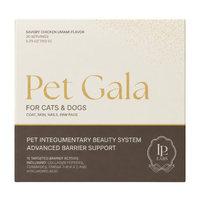
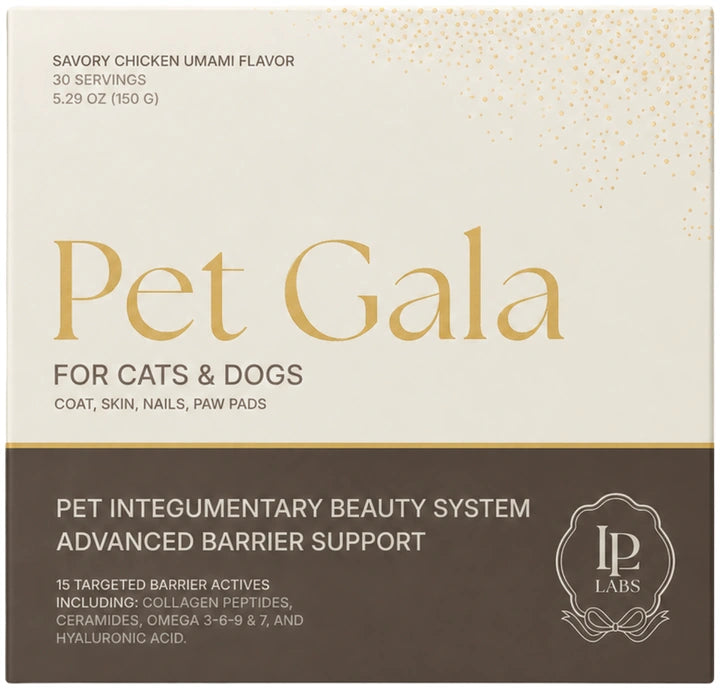
Pet Gala™ fits into shedding season as a simple daily ritual that supports the visible side of care—coat luster, comfortable-looking skin, and strong nails that hold up to play. It’s not a replacement for brushing; it’s the kind of consistent support that helps your grooming efforts show up more clearly in how your Labrador looks and feels.

Labrador shedding solutions work best when you separate normal shedding from “too much” and then choose tools accordingly. Labs are famous for leaving hair on floors, furniture, and clothing—especially during seasonal coat changes—but not every home needs the same routine. Some dogs drop a steady amount year-round; others “blow” coat in spring and fall and feel like a different dog for a few weeks.

This page is a buyer-focused framework to help you pick a grooming setup that fits your Labrador’s coat density, your dog’s skin sensitivity, and your time budget. You’ll learn how to set a simple at-home baseline (so you’re not guessing), how to evaluate brush and deshedding-tool claims, and how to build a maintenance schedule that reduces loose hair without scraping skin or breaking coat. The goal isn’t perfection—it’s a repeatable routine that keeps shedding manageable and your dog comfortable between baths.

By La Petite Labs Editorial, ~15 min read

Featured Product:

  • Labradors shed because of their double coat; your goal is controlled release, not zero hair.
  • The fastest visible improvement comes from undercoat-focused brushing with gentle, consistent technique.
  • Bathing helps when it’s mild, well-rinsed, and followed by a thorough dry-and-brush sequence.
  • Dryness, flakes, odor, or persistent itch suggest skin discomfort that can make shedding look excessive.
  • Allergens, parasites, and friction points (collars/harnesses) can thin coat areas and dull shine.
  • Home tools matter: a good vacuum, washable throws, and quick daily pickup keep life feeling polished.
  • A daily skin-and-coat support ritual can enhance visible consistency alongside grooming, especially during seasonal blowouts.

Is It Normal Shedding or Too Much? A Quick At-Home Baseline

Start by anchoring expectations to season, indoor conditions, and how often you groom. Many Labradors shed more heavily in spring and fall (a “blow” that can last a few weeks), while others shed steadily year-round—especially in climate-controlled homes with consistent indoor lighting.

Use a quick baseline check for two weeks:
- **Brush test:** On a dry coat, brush one side for 3–5 minutes. Note how quickly the brush loads and whether hair keeps coming at the same rate after the first minute.
- **Lint-roller frequency:** Track how often you need a lint roller on your usual clothing or couch (daily vs a few times per week).
- **Visible coat changes:** Look for **noticeable thinning**, uneven patches, or a tail/hip area that looks sparse compared to the rest.

“Excessive” is less about a single hair count and more about a change from your dog’s normal pattern—especially if shedding is paired with **persistent itch** or **bald patches**. Keep the focus here on measurement: once you know your baseline, you can choose tools and cadence that reduce loose hair without overworking the coat.

Skin hydration graphic tied to beauty support from labrador shedding help.

Tool Match: Undercoat Rake vs Slicker vs Deshedding Tool (and When to Skip Each)

Choose tools by matching **tooth length, edge type, pressure tolerance, and stroke direction** to your Lab’s coat and your handling skill.

- **Undercoat rake:** Best for dense undercoat and seasonal “blow.” Look for **rounded, longer teeth** that reach through the topcoat without scraping. Use **light pressure** and pull **with the coat lay** in short strokes. **Skip** if your dog has very short, tight coat density or if you tend to press hard—rakes can irritate skin when overused.

- **Slicker brush:** Good for routine pickup and finishing. Choose fine pins with a cushioned pad; keep strokes **short and controlled**. **Pitfall:** aggressive back-and-forth can cause **coat breakage** and “scratchy” overbrushing.

- **Deshedding tool (blade edge):** Effective when used sparingly, but the **blade edge** can cut coat if you press or repeat passes in the same spot. Use minimal pressure, keep the tool flat, and avoid sensitive areas (armpits, belly). **Skip** if you’re not confident with pressure control.

Routine template: **10–15 minutes per session**, **2–3x weekly** for maintenance; during heavy seasonal shedding, increase to **4–5x weekly** but rotate tools and stop once the brush stops filling quickly to avoid skin scraping.

Beauty structure illustration representing support pathways in labrador shedding tips and tricks.

Seasonal Shedding: Timing, Frequency, and the Calm Approach

Timing is a hidden advantage. Labradors often shed more during seasonal transitions, but indoor lighting and heating can make shedding feel year-round. The best way to manage labrador shedding is to increase brushing frequency during peak weeks rather than brushing harder. Short daily sessions during a “coat blow” can reduce loose hair dramatically without irritating the skin.

Watch for the moment when hair starts releasing easily—this is when brushing is most efficient. If the brush is barely collecting anything, stop and try again tomorrow. Over-brushing a coat that isn’t ready to release can roughen the topcoat and make the coat look less sleek. The goal is a controlled release that leaves the coat looking tidy and even.

Beauty ingredient model representing bioactive synergy found in best solutions for labrador shedding.

Skin Comfort First: Flakes, Itch, and Coat Texture Clues

Skin comfort is the foundation of coat appearance. When skin is dry or irritated, hair tends to break, shed, and look less uniform. Owners often notice this as “snowy” flakes on the back or a coat that feels rough despite frequent brushing. Addressing skin comfort is one of the most practical labrador shedding solutions because it improves the look of the coat even before shedding volume changes.

Start with gentle grooming products, thorough rinsing, and avoiding human shampoos. Add simple supports like rinsing after swimming in chlorinated pools, drying the coat fully after baths, and keeping bedding clean. If flakes persist, talk with your veterinarian about possible allergies, infections, or diet sensitivities. A calm skin surface often translates into a coat that lies flatter and looks glossier.

Dog image representing beauty care routines supported by best products for labrador shedding.

Hydration and Coat Feel: Small Changes with Visible Payoff

Hydration is easy to overlook because it’s not glamorous, but it shows up in coat texture. Dogs that drink well and eat moisture-appropriate diets often have coats that feel more pliable and less brittle. That doesn’t mean you need to overhaul everything; small changes like adding water to kibble or incorporating vet-approved wet food can support a softer feel.

If your Labrador’s coat looks dry, focus on visible outcomes: softness, reduced static, and less breakage during brushing. These are realistic goals even when shedding continues. Combine hydration habits with gentle grooming and a consistent routine, and you’ll often see the coat look more “settled,” which makes shedding feel less chaotic.

The scratching is completely gone, his coat looks healthy and shiny!

— Lena

He was struggling with itching, now he's glowing.

— Grace

“The goal isn’t zero shedding—it’s shedding that happens on your brush, not your couch.”

Stress, Licking, and Uneven Shedding: the Behavioral Layer

Stress and boredom can amplify coat issues indirectly. Excessive licking, chewing, or rubbing can thin hair and make shedding look worse in specific areas. Labradors are social, tactile dogs; when their routine is disrupted, coat habits can change. If you’re looking for ways to reduce labrador shedding, don’t ignore behavior and enrichment.

Add predictable walks, sniff time, puzzle feeding, and calm grooming sessions that feel like attention rather than restraint. When self-grooming behaviors settle, the coat often looks more even. This is not about perfection; it’s about keeping the dog comfortable so the coat can look its best. Pairing enrichment with a steady grooming rhythm creates a noticeably more polished presentation.

Dog photo highlighting coat health and expression supported by ways to reduce labrador shedding.

Weight, Movement, and the Coat’s Everyday Polished Look

Weight and fitness can show up in the coat, too. Overweight dogs may groom less effectively and can develop friction and moisture in skin folds, which can affect coat quality. A Labrador at a healthy body condition often has better skin airflow and a coat that looks cleaner and more uniform. This isn’t about aesthetics alone; it’s about comfort that you can see.

If you’re sorting through labrador shedding remedies, include the basics: regular exercise, a diet that supports a healthy weight, and routine grooming. These factors don’t eliminate shedding, but they can make the coat look brighter and reduce the “greasy then dusty” cycle some Labs develop. A fit dog often carries a coat that looks more naturally glossy.

Side-profile dog portrait highlighting coat shine and beauty supported by how to manage labrador shedding.

Puppy to Senior: Life-stage Differences in Shedding Patterns

Puppies, adults, and seniors can shed differently. Puppies transition from soft puppy coat to adult double coat, which can look messy for a while. Adults often have the most dramatic seasonal shedding. Seniors may develop thinner coats or slower regrowth, and any sudden change deserves attention. The best solutions for labrador shedding respect life stage and keep the focus on comfort and appearance.

For puppies, keep grooming gentle and short so it stays positive. For seniors, prioritize soft brushes and skin-friendly bathing, and ask your vet about underlying issues if the coat changes quickly. Across ages, the goal remains the same: a coat that looks even, feels soft, and sheds in a way you can predict and manage.

Product overview visual highlighting formulation integrity aligned with labrador shedding tips and tricks.

Troubleshooting: Why Shedding Persists Even with Brushing

If you’ve tried brushing and bathing and still feel buried in hair, refine your approach rather than escalating. Many owners jump to stronger tools or more frequent baths, which can backfire. Instead, improve efficiency: brush before bathing to remove surface debris, bathe with a gentle formula, dry thoroughly, then do a final brush-out. This sequence releases undercoat when it’s most ready to come out.

This is also where a daily skin-and-coat routine can matter. When the coat feels smoother and the skin looks calmer, hair tends to release during grooming sessions rather than throughout the day. For many households, that shift is the difference between feeling like shedding is constant and feeling like it’s contained.

Best Products for Labrador Shedding That Owners Actually Use

When shedding feels relentless, it helps to think in surfaces: coat surface (shine and smoothness), skin surface (comfort and flake control), and home surfaces (fabric and floors). The best products for labrador shedding are the ones that reduce loose hair at the source and make cleanup less dramatic. For the dog, that usually means a de-shedding brush that reaches undercoat without scraping, a gentle shampoo that rinses clean, and a conditioner or leave-in mist that improves slip so hair releases during brushing—not during cuddles.

For the home, a rubber broom for hard floors, a high-suction vacuum with a brush roll designed for pet hair, and washable throws can change the feel of daily life. If you’re comparing labrador shedding remedies, prioritize tools that you’ll actually use consistently; consistency beats intensity. A simple kit you reach for every day is more effective than a “once-a-month overhaul” that never happens.

“When the skin looks calm, the coat usually looks fuller, smoother, and more even.”

Research-style uniform highlighting scientific integrity aligned with best solutions for labrador shedding.

Bathing That Helps Shedding Without Drying the Coat Out

Bathing can be one of the fastest ways to make a Labrador look freshly polished—if it’s done with restraint. Over-bathing or using harsh, heavily fragranced products can leave the skin looking dull and feeling tight, which often leads to more scratching and more visible shedding. A gentle bath, followed by thorough drying and a structured brush-out, helps release loosened undercoat in one controlled session rather than across your furniture for weeks.

Aim for lukewarm water, a dog-specific shampoo, and a complete rinse (leftover product is a common cause of flakes). If your Lab is prone to dryness, a conditioner can improve coat slip and reduce breakage during brushing. This is one of the most overlooked ways to reduce labrador shedding: make the coat easier to detangle so you remove loose hair gently, not aggressively.

Shop Now
Pet Gala surrounded by ingredients, showing beauty diversity in ways to reduce labrador shedding.

Diet and Daily Support for a Softer, Shinier Coat Finish

Food matters, but not in the simplistic “one ingredient fixes shedding” way. A Labrador’s coat is a visible reflection of overall nutrition, hydration, and skin comfort. If shedding is paired with a dry, brittle feel or a lack of shine, review the basics first: a complete-and-balanced diet, adequate protein quality, and enough essential fats to support a soft, flexible coat surface.

If you’re considering supplements, frame them as visible-care support rather than replacement for diet. Many dogs meet minimum requirements on paper, yet still benefit from added support for coat luster, skin comfort, and nail strength—especially during seasonal coat changes or when indoor heating dries the air. Used thoughtfully, supplements can be part of how to manage labrador shedding without overcorrecting or chasing trends.

Shop Now
Woman with Pet Gala box in cozy setting aligned with labrador shedding help.

Allergies and Sensitivities That Make Shedding Look Excessive

Allergies and sensitivities are a common reason shedding looks “excessive.” The giveaway is usually the pattern: more licking of paws, rubbing the face, recurrent ear issues, or a coat that seems to shed alongside redness and flakes. In these cases, labrador shedding help starts with identifying triggers—seasonal pollen, dust, certain proteins, or even grooming products that irritate the skin.

You don’t need to guess. A veterinarian can help you build a practical plan that may include diet trials, parasite control, and skin-supportive routines. Meanwhile, keep the visible goal in mind: calmer skin tends to hold hair better. When the skin looks comfortable, the coat often looks fuller and more even, even if the dog is still shedding normally for the season.

Shop Now

Parasites, Hot Spots, and When Shedding Becomes a Vet Issue

Parasites can masquerade as “just shedding,” especially when the coat looks moth-eaten or the dog can’t stop scratching. Fleas, mites, and even secondary skin infections can increase hair loss and make the coat look dull. If you see pepper-like debris, scabs, or intense itch, treat this as a medical check, not a grooming challenge.

Year-round parasite prevention is one of the most straightforward labrador shedding tips and tricks because it protects the coat’s appearance indirectly—by keeping the skin calm and unbothered. If shedding changes suddenly, or if you notice bald spots, odor, or oozing, schedule a vet visit promptly. The best coat routines work best on healthy skin.

Home and Harness Tweaks That Reduce Hair and Coat Wear

Your home environment can quietly amplify shedding. Dry indoor air can make skin look flaky, which makes loose hair more noticeable and the coat feel rougher. Consider a humidifier during winter, frequent washing of bedding, and wiping paws and belly after outdoor time to reduce pollen and dust that can irritate skin. These are low-effort ways to reduce labrador shedding that also improve how the coat looks day to day.

Also look at friction points: tight collars, rough harness straps, and constant rubbing can thin hair along the neck, chest, and behind the elbows. A well-fitted harness with smooth edges and regular cleaning can prevent that “worn” look. The goal is a coat that lies flat and even—less breakage, fewer flyaways, and more visible polish.

Side-by-side chart contrasting beauty actives and fillers relative to labrador shedding remedies.

De-shedding Without Shaving: Keeping the Double Coat Beautiful

There’s a difference between removing loose undercoat and cutting hair. Shaving a Labrador is rarely a good idea for coat appearance; it can change how the coat grows back and may make the texture look uneven. Instead, focus on controlled removal: a thorough brush-out, occasional professional de-shedding, and a bath-and-dry routine that lifts undercoat so it can be removed cleanly.

If you use a de-shedding tool, keep sessions short and gentle. Overdoing it can irritate skin and create a dull, “overworked” look. A good rule is to stop when the coat feels smooth and the brush pulls less hair. The best solutions for labrador shedding are the ones that leave your dog looking comfortable and well-kept, not thinned out.

Shop Now
Open package showing attention to detail consistent with best solutions for labrador shedding standards.

A Weekly Rhythm That Keeps Shedding Predictable and Contained

A simple weekly rhythm keeps shedding from turning into a constant cleanup project. Pick two short brush sessions during the week, one longer session on the weekend, and a bath as needed based on lifestyle. This structure is more sustainable than reacting only when hair becomes overwhelming. It also turns grooming into bonding: your Labrador learns the routine, and you get a clear read on skin comfort, new bumps, or tender spots.

Track visible signals: shine, softness, odor, flakes, and how much hair comes out per session. If you’re testing labrador shedding solutions, change one variable at a time—new brush, new shampoo, or a supplement—so you can tell what’s actually improving the coat’s look and feel. Consistency is what creates that “freshly groomed” appearance between appointments.

Shop Now

When to Seek Veterinary Care for Sudden Coat Changes

Know when to escalate. Shedding that comes with bald patches, sores, strong odor, sudden coat change, or significant itch deserves veterinary attention. Hormonal shifts, infections, and allergies can all show up first as a coat that looks wrong. If your Labrador seems uncomfortable, the priority is relief and diagnosis—not more brushing.

Once health issues are addressed, your routine can return to visible care: gentle grooming, smart bathing, and supportive daily habits that keep the coat looking even and vibrant. The most satisfying outcome isn’t “no shedding” (that’s unrealistic for Labs); it’s shedding that feels predictable, manageable, and paired with a coat you’re proud to run your hand over.

“Consistency beats intensity: short routines done often create the most polished results.”

Educational content only. This material is not a substitute for veterinary advice. Always consult your veterinarian about your dog’s specific needs. These statements have not been evaluated by the Food and Drug Administration. Products mentioned are not intended to diagnose, treat, cure, or prevent any disease.

Glossary

  • Double Coat: A two-layer coat with a dense undercoat and protective topcoat common in Labradors.
  • Undercoat: The soft, insulating layer that releases heavily during seasonal shedding.
  • Topcoat (Guard Hairs): The outer layer that helps repel water and gives the coat its finished look.
  • Coat Blow: A period of rapid undercoat release, often during seasonal transitions.
  • De-Shedding Tool: A grooming tool designed to remove loose undercoat efficiently when used gently.
  • Skin Barrier: The skin’s protective surface that influences comfort, flaking, and coat appearance.
  • Dander: Tiny skin flakes that can be more noticeable when skin is dry or irritated.
  • Friction Alopecia: Hair thinning caused by repeated rubbing from collars, harnesses, or pressure points.
  • Leave-In Coat Mist: A light grooming product used to improve slip and reduce breakage during brushing.

Related Reading

References

A.P. King-Herbert. Laboratory Animal Medicine and Toxicology. 2023. https://www.ncbi.nlm.nih.gov/books/NBK591146

Ahmed. Bioaccumulation of heavy metals in some commercially important fishes from a tropical river estuary suggests higher potential health risk in children than adults.. Nature. 2019. https://www.nature.com/articles/s41598-021-00467-4

FAQ

What are labrador shedding solutions that actually feel manageable daily?

The most workable labrador shedding solutions combine short, frequent brush sessions with skin-friendly bathing and a home setup that makes cleanup quick. Think “little and often” rather than marathon grooming days that never happen.

Choose one undercoat tool you’ll use consistently, rinse shampoo thoroughly, and watch visible signals like shine and flakes. A daily coat-support routine can make grooming results look more consistent; many owners pair that with Pet Gala™.

Why do Labradors shed so much compared with other breeds?

Labradors have a double coat designed for water and weather: a dense undercoat plus a protective topcoat. When the undercoat loosens, it releases in large amounts, especially during seasonal transitions or with indoor heating and lighting.

Because shedding is normal, the goal is a coat that looks smooth and feels soft while loose hair is removed on your schedule. Many owners support that visible consistency with grooming plus Pet Gala™.

How can I tell normal shedding from a skin problem?

Normal shedding is usually even across the body and doesn’t come with significant itch, redness, odor, or sores. A skin problem is more likely when you see patchy hair loss, persistent dandruff, frequent licking, or a sudden change in coat texture.

If those signs appear, a vet check is the right next step before intensifying grooming. For everyday coat presentation, many owners add a consistent skin-and-coat routine alongside brushing, including Pet Gala™.

How to manage labrador shedding without irritating the skin?

Use gentle, short brush strokes and stop before the skin looks pink or the coat feels “overworked.” Focus on undercoat release with the right tool rather than pressing harder. Keep sessions brief but frequent during heavy shedding weeks.

Bathing should be mild and thoroughly rinsed; leftover product can cause flakes and itch. To support a smoother-looking finish between grooms, many owners pair their routine with Pet Gala™.

What are the best solutions for labrador shedding at home?

At home, the best solutions for labrador shedding usually include an undercoat tool, a finishing brush or grooming mitt, and a predictable schedule. Add washable throws for favorite spots and a vacuum designed for pet hair to keep surfaces looking tidy.

Keep the focus on visible results: less loose hair released daily and a coat that lies flatter. For a steady, supportive routine beyond brushing alone, many owners include Pet Gala™.

Which brushing tools work best for a Labrador double coat?

Look for tools made for double coats: an undercoat rake or de-shedding brush to reach loose undercoat, plus a slicker or pin brush for finishing. A rubber curry or grooming mitt can lift remaining loose hair and leave a smoother feel.

Avoid anything that scrapes or pulls aggressively; irritation can make the coat look dull. For owners who want a more consistently polished look between brush-outs, Pet Gala™ fits well into a daily coat-care rhythm.

Are there labrador shedding remedies that work during seasonal blowouts?

During seasonal blowouts, the most effective labrador shedding remedies are frequency and sequence: brush briefly each day, bathe gently when needed, dry fully, then brush again to release loosened undercoat. This keeps shedding contained to planned sessions.

Also watch skin comfort; dryness and flakes can make shedding look worse. Many owners support a steadier coat finish during these weeks with Pet Gala™ as part of their daily routine.

Can bathing reduce shedding, or does it make it worse?

Bathing can reduce shedding when it’s gentle and followed by thorough drying and brushing, because loosened undercoat releases more easily. It can make shedding look worse if you over-bathe, use harsh products, or leave residue that irritates the skin.

Choose dog-specific formulas, rinse longer than you think you need, and brush after drying for the cleanest release. For ongoing coat presentation between baths, consider Pet Gala™.

Is it safe to use de-shedding tools on Labradors weekly?

Weekly use can be safe if the tool is designed for double coats and you use light pressure. The risk comes from overdoing it: long sessions, repeated passes over the same area, or using a blade-like tool that scrapes the skin.

If the skin looks pink, the coat feels rough, or your dog avoids grooming, scale back and switch to gentler finishing brushes. For a supportive daily routine that complements grooming, many owners use Pet Gala™.

Do supplements help with labrador shedding solutions, and when?

Supplements can be a helpful part of labrador shedding solutions when the goal is visible coat consistency—shine, softness, and a calmer-looking skin surface—especially during seasonal shedding or dry indoor months. They work best as support alongside brushing and bathing, not as a substitute.

If your dog has medical skin issues, ask your veterinarian before adding anything new. For owners who want a simple daily ritual that supports skin, coat, and nails, Pet Gala™ is designed for that kind of visible care.

What side effects should I watch for with new coat supplements?

With any new supplement, the most common issues are digestive upset (soft stool, gas, reduced appetite) or sensitivity reactions. Introduce one change at a time so you can tell what’s causing what, and stop if your dog seems uncomfortable.

Dogs with a history of pancreatitis, food sensitivities, or complex medical conditions should be guided by a veterinarian. If you’re considering a daily skin-and-coat routine, review suitability with your vet and look at Pet Gala™ as an option.

Can coat products interact with my dog’s medications?

They can, depending on ingredients and your dog’s medication list. This is especially important if your Labrador takes long-term prescriptions, has liver or kidney concerns, or is on therapies for allergies or skin infections.

Bring the product label to your veterinarian and ask specifically about compatibility and timing. A careful check keeps your coat-care plan focused on visible comfort and shine without unwanted surprises. For a daily routine to discuss with your vet, consider Pet Gala™.

Are shedding needs different for puppies, adults, and seniors?

Yes. Puppies transition coats and need gentle, positive grooming. Adults often have the heaviest seasonal shedding and benefit from frequent undercoat release. Seniors may have thinner coats or slower regrowth, so sudden changes should be evaluated by a veterinarian.

Across life stages, prioritize comfort and a coat that looks even and well-kept. If you want a consistent daily support ritual to pair with age-appropriate grooming, Pet Gala™ can fit into that routine.

Do Labradors shed more than Golden Retrievers or German Shepherds?

All three breeds can shed heavily because they have double coats, but the pattern differs. Labradors often shed shorter, stiffer hairs that weave into fabric, while longer-coated breeds may produce more visible clumps. Your home and climate also influence how dramatic shedding feels.

Rather than comparing, focus on a routine that keeps your dog’s coat looking smooth and your surfaces easy to reset. Many owners support that everyday finish with Pet Gala™.

Are labrador shedding solutions the same for cats and dogs?

Not exactly. Cats groom themselves extensively and can be more sensitive to certain grooming products, while dogs rely more on owner-led brushing and bathing. Tool choice, bathing frequency, and supplement suitability can differ by species and individual health history.

If you have both, keep routines species-specific and ask your veterinarian before sharing products across pets. For dog-focused skin-and-coat support that complements grooming, explore Pet Gala™ for your Labrador.

How soon will I see results after changing grooming routines?

With better brushing technique, you may notice less loose hair on furniture within a week because you’re removing undercoat more efficiently. Changes in coat feel—softness and smoothness—can also show up quickly when bathing is gentler and rinsing is thorough.

For deeper improvements in coat finish and skin comfort, it can take several weeks of consistent routine. If you want a daily ritual that supports visible coat consistency while you groom, consider Pet Gala™.

What quality signals matter when choosing best products for labrador shedding?

Prioritize products that are dog-specific, clearly labeled, and designed for double coats or sensitive skin. For tools, look for rounded pins/teeth and comfortable handles that encourage gentle technique. For shampoos, choose mild formulas that rinse clean and don’t leave heavy fragrance behind.

Quality also means consistency: a product you’ll use regularly is more valuable than a complicated lineup. For daily skin-and-coat support that complements grooming, many owners choose Pet Gala™.

What’s the easiest way to give daily coat support?

The easiest approach is to attach it to something you already do: breakfast, evening wind-down, or post-walk water. Keep it simple so it becomes part of the household rhythm rather than a project. Consistency is what creates the most noticeable coat “finish.”

If your dog has sensitivities, introduce changes gradually and check with your veterinarian when needed. For a straightforward daily option that supports skin, coat, and nails, consider Pet Gala™.

Can I use labrador shedding solutions every day safely?

Daily brushing can be safe when it’s gentle and brief, especially during heavy shedding periods. Daily bathing is usually not ideal because it can dry the skin and make the coat look dull. Daily routines work best when they’re low-friction: quick brush, wipe-down if needed, and consistent coat support.

If your dog shows irritation or increased itch, scale back and consult your veterinarian. For a daily skin-and-coat support ritual designed to complement grooming, look at Pet Gala™.

Do these routines also support coat shine and nail strength?

Yes—good shedding routines often improve overall presentation. Efficient undercoat removal helps the topcoat lie flatter, which reads as more shine. Gentle bathing and thorough rinsing can reduce dullness, while consistent nutrition and daily care can support a smoother coat feel and sturdier nails.

If you want a single daily step that aligns with those visible goals, many owners choose a skin-coat-nail support approach such as Pet Gala™.

What does research suggest about shedding, skin comfort, and diet?

Research suggests coat quality is closely tied to overall nutrition and skin comfort, and that irritation (from allergies, parasites, or harsh grooming) can make shedding appear heavier. In practice, owners see the biggest difference when they combine consistent grooming with routines that keep the skin looking calm and the coat feeling soft.

If you’re optimizing for visible coat consistency rather than chasing a single “magic” ingredient, a daily support ritual can be a sensible complement to brushing—such as Pet Gala™.

When should I call the vet about sudden shedding changes?

Call your vet if shedding is sudden or patchy, or if it comes with intense itch, redness, sores, odor, ear problems, or behavior changes. Those signs can point to parasites, infection, allergies, or hormonal issues that need diagnosis rather than more grooming.

Once medical causes are addressed, you can return to a steady coat-care routine focused on comfort and appearance. For a daily skin-and-coat support option to discuss with your veterinarian, consider Pet Gala™.

How do I choose between grooming, diet changes, and supplements?

Start with the highest-return basics: correct brushing for a double coat, gentle bathing with thorough rinsing, and parasite prevention. If the coat still looks dry, dull, or flaky, review diet quality and talk with your veterinarian about sensitivities or skin conditions.

Supplements can make sense when you want consistent visible support for skin, coat, and nails alongside grooming—not as a shortcut. If that’s your goal, explore Pet Gala™ as part of a balanced routine.

5K+ Happy Pet Parents

Excellent 4.8

Labrador Shedding Solutions | Why Thousands of Pup Parents Trust Pet Gala™

"It's so good for his coat, and so easy to mix into food."

Alex & Cashew

"Gives him that glow from head to tail!"

Elisabeth & Chai

"The scratching is completely gone, his coat looks healthy and shiny."

Lena & Bear

"Magical. He was struggling with itching and shedding. Now he's literally glowing."

Grace & Ducky

"It's so good for his coat, and so easy to mix into food."

Alex & Cashew

"Gives him that glow from head to tail!"

Elisabeth & Chai

"The scratching is completely gone, his coat looks healthy and shiny."

Lena & Bear

"Magical. He was struggling with itching and shedding. Now he's literally glowing."

Grace & Ducky

"It's so good for his coat, and so easy to mix into food."

Alex & Cashew

"Gives him that glow from head to tail!"

Elisabeth & Chai

"The scratching is completely gone, his coat looks healthy and shiny."

Lena & Bear

"Magical. He was struggling with itching and shedding. Now he's literally glowing."

Grace & Ducky

"It's so good for his coat, and so easy to mix into food."

Alex & Cashew

"Gives him that glow from head to tail!"

Elisabeth & Chai

"The scratching is completely gone, his coat looks healthy and shiny."

Lena & Bear

"Magical. He was struggling with itching and shedding. Now he's literally glowing."

Grace & Ducky

SHOP NOW