Keratin Synthesis in Dogs

See What Disrupts Keratin Building and How to Protect Coat and Nails

Essential Summary

Why is keratin synthesis important in dogs?

Keratin synthesis in dogs supports the visible finish owners notice most: coat shine, comfortable-looking skin, and strong, clean nails. Because these signals reflect daily inputs and routine, a consistent supplement can help keep results steady—especially through shedding seasons, busy schedules, or diet transitions—without overcomplicating care.

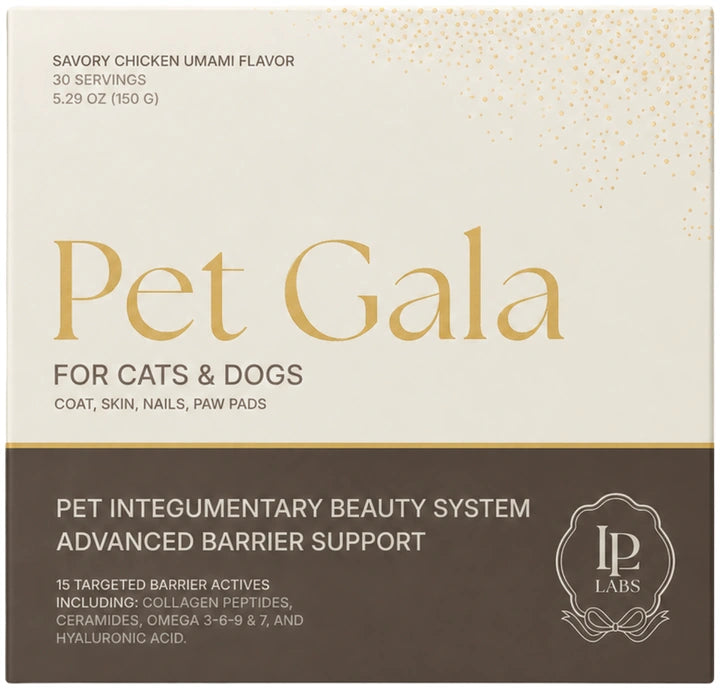
Pet Gala™ is designed for owners who want everyday coat, skin, and nail support that shows—helping your dog look polished, feel comfortable, and maintain a naturally healthy sheen as part of a simple daily routine.

Keratin synthesis in dogs is the cellular process that builds the tough structural proteins forming hair, the outer skin layer, and nails. Most hair keratin is produced in the hair follicle, specifically in rapidly dividing matrix keratinocytes that push the growing hair shaft upward. “Synthesis” here isn’t a vague concept—it requires a steady supply of amino acids to assemble keratin chains, plus the right biochemical conditions to lock those chains into durable fibers. A key feature is sulfur: sulfur-containing amino acids (especially cysteine) enable cross-linking that gives keratin its resilience. When those links are insufficient or poorly formed, the hair shaft can become mechanically weaker and more prone to breakage.

Because follicles are among the body’s most metabolically active tissues, keratin production is sensitive to constraints like inadequate protein intake, imbalanced amino acid profiles, and micronutrient shortfalls that affect enzyme function and cellular turnover. Understanding where keratin is made and what it needs helps explain why changes in coat texture or nail integrity can reflect deeper limits in the follicle’s ability to manufacture and harden keratin efficiently.

By La Petite Labs Editorial, ~15 min read

Featured Product:

  • Keratin is the structural finish behind coat texture, skin surface, and nail strength.
  • Owners usually notice changes first in feel—softness and brushing glide—then in shine.
  • Protein quality and amino acid balance shape how well the coat can look “complete.”
  • Diet shifts can show up quickly in appearance, especially if amino acids are limited.
  • The best supplement choices support multiple visible signals, not a single ingredient story.
  • Medication periods may temporarily affect coat presentation; keep routines gentle and steady.
  • Pet Gala™ supports daily skin, coat, and nail care so good nutrition shows consistently.

Keratin Biology: Structure, Sulfur Bonds, and Why Hair Strength Fails

Canine hair is built primarily from alpha-keratin, organized into intermediate filaments that are bundled and reinforced as the shaft forms. The mechanical “lock” comes from disulfide bonds—covalent cross-links created between sulfur groups on cysteine residues. More effective cross-linking generally increases resistance to stretching and snapping; weaker cross-linking can contribute to brittleness and easier breakage under normal friction.

Structure also matters at the tissue level. The cuticle is the outermost layer of overlapping cells that protects the inner fiber; when the cuticle is damaged or poorly formed, the shaft loses protection and becomes more vulnerable to splitting. Beneath it, the cortex contains most of the keratin mass and is the main determinant of tensile strength. Disruption in how keratin is deposited or cross-linked in the cortex can translate into fragile hairs and, by similar keratinization principles, nail fragility. These outcomes are not just “surface” issues—they reflect how effectively follicle and nail-matrix cells assemble, harden, and stabilize keratin during growth (Burnett CL, 2021).

Coat shine detail showing beauty mechanisms supported by keratin production in dogs.

Inputs and Constraints: Protein Quality, Micronutrients, and the Hair Cycle

Follicles prioritize rapid protein assembly, so protein quality and adequate energy intake are foundational constraints: if essential amino acids are limiting, keratinocytes cannot sustain high-rate keratin production. Work in adult dogs evaluating amino-acid requirements (including threonine) underscores that “adequacy” depends on the whole profile, not a single nutrient, and can vary with body size and study conditions (Mansilla WD, 2020).

Micronutrients shape keratinization efficiency. Zinc supports enzymes involved in cell proliferation and differentiation; copper contributes to connective-tissue and pigment-related pathways that intersect with follicle function; and biotin participates in carboxylase reactions relevant to fatty-acid metabolism and keratin infrastructure. Deficits don’t always present as one clear sign—subclinical shortfalls may simply reduce the robustness of newly formed hair.

Timing is another constraint. Hair follicles cycle through anagen (active growth), catagen (regression), and telogen (rest). Because keratin is laid down during anagen, there is an inherent time lag between improving inputs and seeing stronger new hair emerge—existing shafts cannot be “rebuilt,” only replaced. Evidence in this area is also limited by differences in breeds, baseline diets, and how outcomes like breakage or shaft quality are measured, so mechanistic plausibility often outpaces direct clinical proof.

Collagen structure visualization representing skin elasticity supported by keratin synthesis supplements for dogs.

Protein Quality, Diet Patterns, and Why Coats Sometimes Look Off

Protein quality matters as much as protein quantity. Some owners exploring alternative feeding patterns ask whether plant-forward formulas change coat outcomes. Evidence suggests plant-based ingredients can influence keratin production in dogs, and certain phytonutrients may support skin and fur condition in ways that affect appearance (Tanprasertsuk J, 2022).

At the same time, there’s a practical caution: some vegan diets for dogs may fall short in essential amino acids needed for keratin synthesis, and bioavailability can be lower depending on formulation (RVA, 2020). If your dog’s coat looks less plush after a diet change, it’s worth discussing protein sources and amino acid completeness with your veterinarian—then pairing nutrition with consistent topical and grooming habits that keep the “finished” look.

Bioactive beauty structure illustrating synergy in wellness supported by keratin synthesis supplements for dogs.

Everyday Ways to Enhance a Polished Coat Without Overcomplication

Ways to enhance keratin synthesis in dogs often start with the simplest visible-care moves: regular brushing (to distribute oils and lift debris), gentle bathing that doesn’t leave the skin feeling tight, and a routine that supports a calm, comfortable surface. When the skin looks settled, the coat tends to reflect it—more even sheen, less “static” texture, and fewer broken ends.

Supplements can fit into this as a consistency tool. The best keratin synthesis supplements for dogs are the ones that support the entire integument—skin barrier feel, coat softness, and nail integrity—rather than promising a single dramatic change. Think of supplementation as the quiet, repeatable layer that makes the grooming results hold their look day after day.

Close-up dog photo reflecting radiant beauty supported by what helps with keratin synthesis in dogs.

Choosing Supplements That Support Multiple Skin-coat-nail Signals

If you’re comparing keratin supplements to boost synthesis in dogs, it helps to evaluate them like you would a premium coat-care routine: does it support multiple visible signals at once? Owners typically care about shine, softness, reduced flaking, and nails that don’t split easily. A well-designed formula aims at that full set of outcomes, because keratin synthesis in dogs is expressed across hair, skin, and nails—not just one area.

Also consider practicality. A supplement that’s easy to give daily is more likely to be used consistently, and consistency is what turns “good days” into a reliably well-kept look. The goal is not perfection; it’s a coat that looks cared-for in ordinary light, on ordinary walks.

The scratching is completely gone, his coat looks healthy and shiny!

— Lena

He was struggling with itching, now he's glowing.

— Grace

“The best coat support is the kind you can keep doing—quietly, daily, and comfortably.”

When Medications and Routines Temporarily Change Coat Presentation

Sometimes the barrier to better coat and nail presentation isn’t nutrition—it’s disruption. Certain medications can affect the skin environment. For example, in vitro work has examined how different antibiotics influence the viability of dog keratinocytes, the cells that make up much of the outer skin (Voie KL, 2013). That doesn’t mean antibiotics are “bad,” but it does explain why some dogs look a bit off in coat texture during or after a course.

If your dog is on prescription medication and you’re trying to improve keratin synthesis in dogs, keep expectations realistic and focus on supportive care: gentle grooming, hydration, and a supplement routine your vet is comfortable with. The aim is to keep the visible finish steady while the primary issue is addressed.

Dog photo highlighting coat health and expression supported by what helps with keratin synthesis in dogs.

Antifungal Treatment Considerations for Skin and Coat Support Choices

Skin and coat concerns sometimes overlap with antifungal treatment. Ketoconazole, for instance, is associated with potential adverse effects in dogs, including gastrointestinal signs and liver toxicity, and monitoring liver function is recommended during use (Mayer UK, 2008). If your dog is receiving it, the “best supplements for keratin synthesis in dogs” conversation should be a vet-guided one, because tolerability and interactions matter more than chasing faster cosmetic change.

The visible goal remains the same—comfortable skin and a coat that looks smooth—but the route is gentler: prioritize simple routines, avoid stacking multiple new products at once, and choose supportive options that fit your dog’s current plan.

Canine profile image reflecting coat shine and wellness supported by keratin synthesis in dogs.

Comfort, Appetite, and Hydration: Indirect Drivers of Coat Shine

Pain relief and anti-inflammatory medications can also change how a dog eats, drinks, and grooms—small shifts that show up in coat condition. In a canine model, ketoprofen lysine salt showed improved gastrointestinal and renal tolerability compared with ketoprofen acid, highlighting that formulation can influence side-effect profiles (Novelli R, 2022). If appetite or hydration dips, coat shine often follows.

This is where “what helps with keratin synthesis in dogs” becomes a whole-picture question: steady intake, comfortable digestion, and a routine that keeps skin and coat looking fresh. Supplements can be part of that, but they work best when the basics—food acceptance, hydration, and grooming—are stable.

Ingredient explainer image showing clean beauty formulation principles for what helps with keratin synthesis in dogs.

A Realistic Timeline for Noticeable Changes in Coat and Nails

A practical timeline helps set expectations. Hair and nails don’t “flip” overnight; they reflect what’s been happening for weeks. Many owners notice early changes first in feel—less roughness when petting, a softer lay to the coat—before they see a stronger sheen. That’s normal, because the visible finish builds as new material grows in.

If you’re using keratin synthesis supplements for dogs, track a few simple signals: brushing glide, dandruff-like flakes, nail edge splitting, and how the coat photographs in natural light. These are honest, everyday indicators that your routine is supporting keratin production in dogs in a way that shows.

Why Supplements Still Matter Even with a Complete, Careful Diet

Diet is often “enough” on paper, yet owners still look for ways to enhance keratin synthesis in dogs because visible condition is more than meeting minimums. A dog can be nutritionally adequate and still look a little dull from seasonal shedding, frequent bathing, indoor dryness, or a busy schedule that makes grooming inconsistent.

That’s the commercial reality science-minded owners recognize: supplementation isn’t a replacement for food; it’s a way to keep the presentation steady. The right formula supports the skin–coat–nail “surface story” so your dog looks as cared-for on a random Tuesday as they do after a fresh groom.

“Shine is a signal: when the surface looks calm, the coat tends to follow.”

Lab coat detail emphasizing vet-informed standards supporting keratin supplements to boost synthesis in dogs.

What to Look for in Keratin Synthesis Supplements for Dogs

So what, specifically, should you look for when choosing the best supplements for keratin synthesis in dogs? First, choose products made for dogs with transparent labeling and quality controls. Second, avoid stacking multiple new supplements at once; it makes it hard to know what’s helping and can upset digestion.

Third, match the supplement to the visible goal. If the issue is coat texture, you want support that aligns with softness and sheen. If it’s nails, you want a routine that supports strong growth and clean edges. A single, well-rounded daily product is often easier—and more effective—than a cabinet of half-used jars.

Shop Now
Pet Gala surrounded by ingredients, showing beauty diversity in what helps with keratin synthesis in dogs.

How to Improve Coat and Nail Results with a Simple Routine

How to improve keratin synthesis in dogs without overcomplicating it: keep the routine boring. Feed a consistent, complete diet; brush more often than you bathe; and introduce any new supplement slowly so your dog stays comfortable. The most convincing coat improvements are the ones that look natural—shine without greasiness, softness without limpness.

If you’re changing foods (especially toward plant-forward patterns), pay attention to coat feedback and discuss amino acid completeness with your vet, since some patterns may risk shortfalls relevant to keratin synthesis in dogs (RVA, 2020). The goal is a routine that your dog tolerates and you can keep.

Shop Now
Pet parent holding supplement, symbolizing trust and routine via keratin supplements to boost synthesis in dogs.

Nail Quality as a Clear, Trackable Signal of Daily Support

Nails are an underrated signal. When keratin production in dogs is well-supported, nails tend to grow with fewer ragged edges and feel denser between trims. That doesn’t mean nails won’t need clipping—just that the material itself looks cleaner and behaves more predictably.

If your dog’s nails split, peel, or seem unusually brittle, talk with your veterinarian to rule out underlying issues, then consider a steady supplement routine as part of visible-care maintenance. Nail quality often improves gradually, and it’s one of the easiest places to notice whether your daily support is paying off.

Shop Now

Skin Comfort as the Canvas for Shine, Softness, and Smoothness

Skin comfort is the canvas for everything else. Keratin is central to the structure of hair, skin, and nails, so when the skin looks calm and even, the coat tends to read as more polished (Burnett CL, 2021). Owners often describe this as “my dog looks freshly groomed longer,” even when the routine hasn’t changed much.

If you’re using keratin synthesis supplements for dogs, pair them with gentle external habits: rinse thoroughly after baths, avoid heavy fragrance products, and brush in a way your dog enjoys. The best results look like ease—less fussing, more comfortable lounging, and a coat that settles neatly.

Life Stage and Lifestyle Factors That Change the Visible Finish

Puppies, seniors, and highly active dogs can all have different “wear and tear” on coat and nails. The question isn’t whether keratin synthesis in dogs changes by life stage; it’s whether the visible demands change. Puppies are messy, seniors may groom less, and athletes can abrade nails and paw hair faster.

A consistent supplement can act like a baseline of care when life gets busy. It won’t replace veterinary evaluation for itching, infections, or sudden coat loss, but it can support the everyday look owners value: softness, shine, and nails that feel sturdy during play.

Benchmark graphic emphasizing formulation depth and rigor behind ways to enhance keratin synthesis in dogs.

Food-first Plus Daily Support: a Practical, Science-minded Balance

If you’re deciding between “food-first” and “supplement support,” you don’t have to pick a side. Complete diets are designed to meet requirements, including amino acids needed for protein synthesis (Mansilla WD, 2020). Yet visible condition is influenced by more than minimums—seasonal shedding, grooming frequency, stress, and the simple fact that some dogs are harder to keep looking polished.

That’s why a thoughtfully formulated daily product can still make sense: it supports the skin–coat–nail presentation as a whole, helping the “good nutrition” you’re already providing show up more consistently in the mirror and in your hands when you pet them.

Shop Now
Open box with Pet Gala inside, reinforcing keratin supplements to boost synthesis in dogs premium cues.

Safety, Tolerance, and When to Keep Supplement Plans Conservative

Safety and simplicity matter. If your dog is on medications—especially those with known monitoring considerations—introduce any new supplement with your veterinarian’s awareness. For example, ketoconazole use can be associated with adverse effects and may warrant liver monitoring (Mayer UK, 2008). The goal is to support coat and skin appearance without adding avoidable complexity.

Also watch for basic tolerance: stool quality, appetite, and willingness to take the product. The best keratin synthesis supplements for dogs are the ones your dog can take comfortably every day, because the visible finish comes from repeatable care.

Shop Now

Where Pet Gala Fits in a Consistent Skin-coat-nail Care Ritual

Pet Gala™ fits into this topic as a daily, appearance-forward layer of support: not a single-nutrient “fix,” but a consistent way to reinforce the signals owners care about—healthy sheen, natural softness, comfortable-looking skin, and nails that feel strong and clean. If you’ve been asking how to improve keratin synthesis in dogs, the most satisfying answer is the one you can keep doing.

When care is steady, the results look steady. That’s the point: a dog who looks well-kept in everyday life, not just right after grooming.

“Supplements work best as a steady baseline, not a rotating experiment.”

Educational content only. This material is not a substitute for veterinary advice. Always consult your veterinarian about your dog’s specific needs. These statements have not been evaluated by the Food and Drug Administration. Products mentioned are not intended to diagnose, treat, cure, or prevent any disease.

Glossary

  • Keratin: A fibrous structural protein that contributes to the strength and texture of hair, the outer skin surface, and nails.
  • Keratin Synthesis: The body’s process of assembling keratin from amino acids and other nutrients, expressed visibly in coat and nail quality.
  • Keratinocytes: Skin cells that form much of the outer layer of the skin; their condition influences how smooth and comfortable the skin looks.
  • Amino Acids: Building blocks of proteins; an adequate balance supports overall protein creation, including coat and nail material.
  • Threonine: An essential amino acid studied in dogs for its role in meeting protein synthesis needs.
  • Bioavailability: How well a nutrient is absorbed and used by the body; it can differ by ingredient source and processing.
  • Integumentary System: The skin, coat (hair), and nails considered together as one visible “surface” system.
  • Coat Sheen: The way light reflects off the hair; often influenced by hair fiber smoothness, oils, and grooming consistency.
  • Brittle Nails: Nails that split, peel, or crack easily; can reflect wear, grooming habits, or underlying health factors.

Related Reading

References

Mansilla WD. Adult dogs of different breed sizes have similar threonine requirements as determined by the indicator amino acid oxidation technique.. PubMed Central. 2020. https://pmc.ncbi.nlm.nih.gov/articles/PMC7085255/

Tanprasertsuk J. Roles of plant-based ingredients and phytonutrients in canine nutrition and health.. PubMed Central. 2022. https://pmc.ncbi.nlm.nih.gov/articles/PMC9291198/

RVA. Nutritional inadequacies in commercial vegan foods for dogs and cats.. PubMed Central. 2020. https://pmc.ncbi.nlm.nih.gov/articles/PMC6968870/

Mayer UK. Adverse effects of ketoconazole in dogs--a retrospective study.. PubMed. 2008. https://pubmed.ncbi.nlm.nih.gov/18547382/

Novelli R. Ketoprofen lysine salt has a better gastrointestinal and renal tolerability than ketoprofen acid: A comparative tolerability study in the Beagle dog.. PubMed. 2022. https://pubmed.ncbi.nlm.nih.gov/35772374/

Voie KL. The effect of 'allergenic' and 'nonallergenic' antibiotics on dog keratinocyte viability in vitro.. PubMed. 2013. https://pubmed.ncbi.nlm.nih.gov/24025020/

Burnett CL. Safety Assessment of Keratin and Keratin-Derived Ingredients as Used in Cosmetics.. PubMed. 2021. https://pubmed.ncbi.nlm.nih.gov/34514894/

Han S. Alkylation of human hair keratin for tunable hydrogel erosion and drug delivery in tissue engineering applications.. PubMed. 2015. https://pubmed.ncbi.nlm.nih.gov/25997587/

Connolly ED. Functions and Metabolism of Amino Acids in the Hair and Skin of Dogs and Cats.. PubMed. 2024. https://pubmed.ncbi.nlm.nih.gov/38625527/

Elizabeth A Mauldin. Integumentary System. PubMed Central. 2015. https://pmc.ncbi.nlm.nih.gov/articles/PMC7810815/

KAK. Lysine requirements in small, medium, and large breed adult dogs using the indicator amino acid oxidation technique.. PubMed. 2020. https://pubmed.ncbi.nlm.nih.gov/32734145/

McDermott. Reapplication of the Type IV Hypersensitivity Quantitative Risk Assessment to Assess Ingredients Used on Canines.. PubMed. 2025. https://pubmed.ncbi.nlm.nih.gov/40536915/

Bilgiç B. Investigation of Trace and Macro Element Contents in Commercial Cat Foods.. PubMed Central. 2025. https://pmc.ncbi.nlm.nih.gov/articles/PMC11633335/

Watson. Drivers of Palatability for Cats and Dogs-What It Means for Pet Food Development.. Springer. 2023. https://link.springer.com/article/10.1007/s12011-025-04680-4

Ahmed. Bioaccumulation of heavy metals in some commercially important fishes from a tropical river estuary suggests higher potential health risk in children than adults.. Nature. 2019. https://www.nature.com/articles/s41598-021-00467-4

FAQ

What is keratin synthesis in dogs, in simple terms?

Keratin synthesis in dogs is the process of building the structural material that makes hair, the outer skin surface, and nails feel firm and look smooth(Burnett CL, 2021). When it’s well-supported, owners often notice a coat that lies flatter, feels softer, and holds a more even sheen.

Because these visible signals depend on daily inputs and routine, many owners use a consistent supplement as part of coat-care maintenance, includingPet Gala™.

Why does keratin production affect coat shine and nail strength?

Keratin production in dogs influences how hair fibers hold together, how the skin surface feels, and how nails resist splitting. Keratin is a key structural protein for hair, skin, and nails, so changes can show up as dullness, rough texture, or brittle nail edges.

A steady routine—diet consistency, gentle grooming, and targeted support—helps those everyday signals look more polished, which is why many owners include Pet Gala™ as part of skin, coat, and nail care.

What helps with keratin synthesis in dogs day to day?

What helps with keratin synthesis in dogs is usually the unglamorous trio: a complete diet with good protein quality, consistent grooming that doesn’t irritate the skin, and a supplement routine your dog tolerates well. Owners often see the earliest wins in coat feel before they see a bigger shine shift.

If you want a simple daily layer that supports multiple visible signals at once, you can pair those basics with Pet Gala™.

How do amino acids relate to keratin synthesis in dogs?

Amino acids are the building blocks used to make proteins, including the proteins that support coat and nail material. Research in adult dogs has evaluated threonine needs as part of overall protein synthesis requirements(Mansilla WD, 2020). If the amino acid profile is off, the coat can look less “finished,” even when calories are adequate.

For owners focused on visible condition, a consistent support routine can complement a complete diet, includingPet Gala™.

Can plant-forward diets change keratin production in dogs?

They can, depending on formulation. Evidence suggests plant-based ingredients may influence keratin production in dogs, and some plant phytonutrients may support skin and fur condition(Tanprasertsuk J, 2022). The practical question is whether the overall diet remains complete and highly digestible for your individual dog.

If you’re making diet changes and want to keep coat and nails looking consistently polished, consider adding a steady daily support likePet Gala™.

Do vegan dog foods risk nutrients needed for keratin synthesis?

Some may. Reports note that vegan diets for dogs can lack essential amino acids needed for keratin synthesis, and nutrient bioavailability may be lower depending on the ingredients and processing(RVA, 2020). That doesn’t mean every plant-based option fails, but it does mean careful formulation and veterinary oversight matter.

If your dog’s coat looks dull or nails seem brittle after a diet shift, a consistent appearance-focused routine can help, includingPet Gala™.

What are the best supplements for keratin synthesis in dogs?

The best supplements for keratin synthesis in dogs are typically the ones that support multiple visible outcomes: coat softness, healthy sheen, comfortable-looking skin, and nails that grow with cleaner edges. Look for dog-specific products with clear labeling, quality controls, and a form your dog will take daily.

If you want a single daily option designed around skin, coat, and nail presentation, many owners choose Pet Gala™ for consistent support.

How to improve keratin synthesis in dogs without overdoing it?

Keep changes minimal and trackable. Choose one complete diet, avoid rotating multiple new treats and toppers at once, and introduce any supplement gradually so digestion stays comfortable. Pair that with gentle brushing and thorough rinsing after baths to keep the skin surface calm.

For a simple daily layer that supports the visible finish, you can use Pet Gala™ alongside your normal routine.

Are keratin synthesis supplements for dogs safe for daily use?

Many dogs do well with daily supplements when they’re formulated for pets and introduced slowly. Safety depends on your dog’s health history, current diet, and medications. If your dog has chronic conditions or is on prescriptions, it’s smart to run any new supplement by your veterinarian first.

For owners who want consistent, appearance-forward support as part of everyday care, Pet Gala™ is designed to fit a daily routine.

When should I call my vet about coat or nail changes?

Call your vet if changes are sudden, patchy, or paired with itching, redness, odor, pain, lethargy, or appetite changes. Those signs can point to issues that need diagnosis rather than cosmetic support. It’s also worth calling if nails crack repeatedly or paw skin looks inflamed.

Once medical causes are addressed, a consistent routine for visible condition can help maintain a polished look, including Pet Gala™.

How long until I see results in coat shine?

Many owners notice early changes in feel first—less roughness and easier brushing—then a more even sheen as new hair grows in. Because hair and nails reflect growth cycles, visible changes often build gradually rather than appearing overnight.

The most satisfying results usually come from consistency: stable diet, gentle grooming, and a daily support product such as Pet Gala™.

Can antibiotics affect skin cells related to coat condition?

They can influence the skin environment in some cases. Laboratory research has examined how different antibiotics affect the viability of dog keratinocytes in vitro(Voie KL, 2013). In everyday terms, some dogs look a bit dull or dry during or after treatment, even when the medication is necessary.

During medication periods, keep routines gentle and focus on steady support for visible condition, includingPet Gala™.

Is it okay to use supplements with ketoconazole?

It depends on your dog and the full medication plan. Ketoconazole can have adverse effects in dogs, including gastrointestinal issues and potential liver toxicity, and monitoring may be recommended by your veterinarian(Mayer UK, 2008). Because of that, it’s wise to ask your vet before adding any new supplement during treatment.

If your vet approves supportive care for coat and skin presentation, a consistent option to discuss isPet Gala™.

Do pain medications change coat appearance or grooming habits?

They can, indirectly. If a medication affects appetite, hydration, or comfort, a dog may groom differently or eat less enthusiastically, and coat sheen can fade. Research comparing ketoprofen formulations in dogs highlights that tolerability can differ by form, which can influence how “normal” a dog feels day to day(Novelli R, 2022).

Alongside your vet’s plan, a steady coat-care routine can help maintain visible polish, includingPet Gala™.

Are keratin supplements to boost synthesis in dogs necessary?

Not always. Many dogs on complete diets maintain a great coat without extras. Owners usually consider keratin supplements to boost synthesis in dogs when they want more consistent visible results—through shedding seasons, frequent bathing, indoor dryness, or when the coat looks “fine” but not especially glossy.

If your goal is a steadier, well-kept look rather than a dramatic change, a daily option like Pet Gala™ can fit naturally into routine care.

Can puppies and seniors benefit from coat and nail support?

Yes, but the goal is different. Puppies often need support for the messy realities of growth and frequent bathing, while seniors may groom less and show more dryness or dullness. In both cases, the priority is comfort and a naturally polished look, not pushing rapid change.

If your veterinarian agrees a supplement is appropriate for your dog’s life stage, you can consider a consistent daily routine with Pet Gala™.

Do breeds with long coats need different keratin support?

Long-coated breeds often have higher “presentation demands”: more brushing, more friction, and more opportunities for breakage and tangles. That doesn’t necessarily mean they need different nutrients, but it does mean consistency matters more—diet stability, gentle grooming, and support that helps the coat stay smooth and manageable.

For owners aiming to keep that polished look between grooms, a daily routine can include Pet Gala™ as part of skin, coat, and nail care.

Is keratin synthesis in dogs the same as in cats?

The concept is similar—keratin supports hair, skin, and nails—but species have different nutritional requirements and sensitivities. Products and dosing approaches should be species-specific, and cats should not be given dog supplements unless a veterinarian directs it.

If your focus is keratin synthesis in dogs and visible coat condition, choose dog-formulated support such as Pet Gala™.

What quality signals should I look for in supplements?

Look for dog-specific labeling, clear ingredient disclosure, and manufacturing quality practices. Also prioritize products that are easy to give consistently, since the visible finish depends on repeatable use. If a product makes big promises or encourages stacking many items, that’s usually a red flag.

For owners who want straightforward, daily skin–coat–nail support without a complicated cabinet, consider Pet Gala™.

How should I give keratin synthesis supplements for dogs?

Give them in the simplest way your dog accepts: with food, as a treat-style chew, or mixed into a small portion of a meal. Introduce gradually over several days to support digestive comfort, and avoid adding multiple new products at the same time.

If you want a daily option that fits neatly into routine coat care, you can use Pet Gala™ consistently.

What’s a simple decision framework for coat and nail support?

Start with three questions: Is the diet complete and well-tolerated? Is grooming gentle and consistent? Are there any medical signs that need a vet visit? If those are in good shape and you still want a more polished look, choose one supplement and use it steadily for several weeks.

For owners who want support that targets the visible finish—skin, coat, and nails together—consider Pet Gala™ as a consistent daily layer.

5K+ Happy Pet Parents

Excellent 4.8

Keratin Synthesis in Dogs | Why Thousands of Pup Parents Trust Pet Gala™

"It's so good for his coat, and so easy to mix into food."

Alex & Cashew

"Gives him that glow from head to tail!"

Elisabeth & Chai

"The scratching is completely gone, his coat looks healthy and shiny."

Lena & Bear

"Magical. He was struggling with itching and shedding. Now he's literally glowing."

Grace & Ducky

"It's so good for his coat, and so easy to mix into food."

Alex & Cashew

"Gives him that glow from head to tail!"

Elisabeth & Chai

"The scratching is completely gone, his coat looks healthy and shiny."

Lena & Bear

"Magical. He was struggling with itching and shedding. Now he's literally glowing."

Grace & Ducky

"It's so good for his coat, and so easy to mix into food."

Alex & Cashew

"Gives him that glow from head to tail!"

Elisabeth & Chai

"The scratching is completely gone, his coat looks healthy and shiny."

Lena & Bear

"Magical. He was struggling with itching and shedding. Now he's literally glowing."

Grace & Ducky

"It's so good for his coat, and so easy to mix into food."

Alex & Cashew

"Gives him that glow from head to tail!"

Elisabeth & Chai

"The scratching is completely gone, his coat looks healthy and shiny."

Lena & Bear

"Magical. He was struggling with itching and shedding. Now he's literally glowing."

Grace & Ducky

SHOP NOW