Poodles and Doodles: Endocrine Sensitivity, Skin Reactivity, and the Allergy-microbiome Loop

Learn How Thyroid, Adrenal, Gut Microbiome Shape Itch, Ear Infections, Hot Spots

Essential Summary

Why Is Endocrine Sensitivity In Poodles And Doodles Important?

Because hormones shape coat growth, skin oils, and stress response, endocrine sensitivity can make allergy flares more frequent and harder to predict. In curly-coated dogs, early inflammation is easy to miss, so tracking small change signals helps owners and veterinarians act sooner.

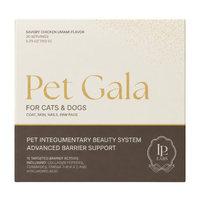
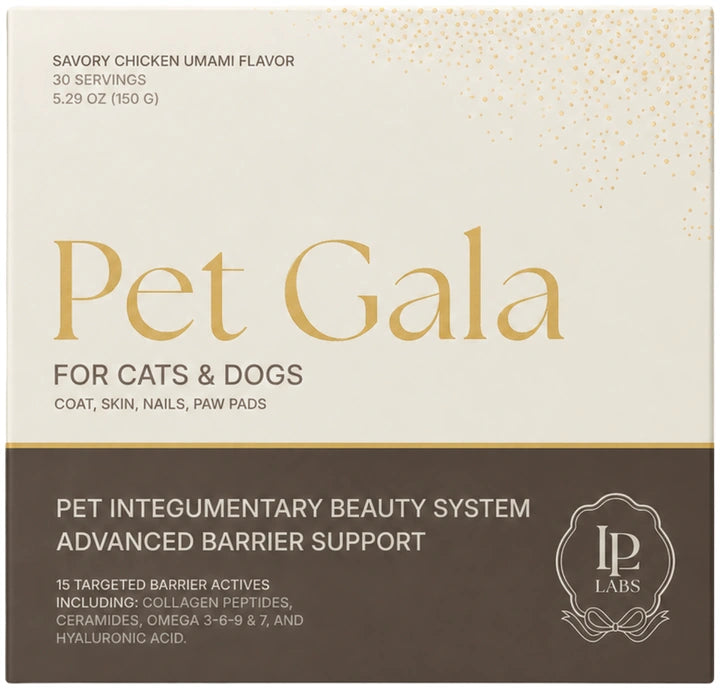
Pet Gala™ is designed to support normal skin barrier function as part of a broader care plan.

When a poodle mix starts licking paws, smelling “yeasty,” or shedding in odd patches, the cause is not always just “allergies.” In poodles and doodles, skin reactivity can be tightly linked to hormone health and to how a curly or wavy coat traps moisture, debris, and bacteria close to the skin. That combination can make poodle skin allergies look mild at first, then suddenly feel overwhelming once the skin’s slack is used up.

This page connects three pieces owners often experience as separate problems: endocrine sensitivity (including poodle Addison’s disease and thyroid or Cushing’s patterns), “reactive” skin that flares with seasons or grooming changes, and the allergy–microbiome loop where inflammation changes skin microbes and those microbes keep irritation going. Breed background matters: genetic risk for canine atopic dermatitis varies by breed/clade, and poodle lines are commonly represented in itchy-skin households (Mazrier, 2016). The goal is not to self-diagnose, but to notice the right change signals early, choose routines that make skin and coat more stable, and know when a skin problem deserves an endocrine workup instead of another shampoo swap.

By La Petite Labs Editorial, ~15 min read

Featured Product:

  • Poodles and doodles can have skin reactivity that overlaps with endocrine sensitivity, and curly coats often hide early warning signs.
  • Poodle Addison’s disease can start with vague GI signs and low energy, and skin flares may worsen when overall rebound capacity is low.
  • The allergy–microbiome loop means inflamed skin can shift microbes, and those microbes can keep irritation going.
  • Labradoodle skin issues and goldendoodle coat problems are often amplified by trapped moisture, matting, and grooming timing.
  • A simple owner checklist and a 4–6 week tracking rubric can turn “random flares” into a pattern your veterinarian can use.
  • Correct the “hypoallergenic means no allergies” misconception early so doodle allergy issues get addressed promptly.
  • If skin signs travel with appetite, thirst, urination, vomiting/diarrhea, or collapse, ask about endocrine testing rather than only changing shampoos.

What Poodle Genetics Can Bring into Doodle Skin

Many doodles inherit more than a look from poodle ancestry: they can inherit a “reactive skin” tendency and a coat that changes how irritation shows up. Atopic dermatitis risk is not evenly distributed across all dogs; genetic background contributes to susceptibility, which helps explain why some poodle lines and their crosses seem to flare repeatedly (Mazrier, 2016). That doesn’t mean every itchy doodle has the same diagnosis, but it does mean the baseline ceiling for skin durability may be lower.

At home, this often looks like small, easy-to-miss signs: paw licking after walks, rubbing the face on carpet, or a “corn chip” smell that returns quickly after bathing. Labradoodle skin issues may show up as recurring belly redness, while goldendoodle coat problems can look like dullness and tangles that seem to appear overnight. The key early move is to treat these as change signals worth tracking, not as “normal doodle stuff.”

Scientific beauty render emphasizing skin and coat support from goldendoodle coat problems.

Endocrine Predispositions: Addison’s, Thyroid, and Cushing’s

Endocrine disorders can quietly reshape skin and coat because hormones help set the skin’s oil balance, hair growth cycle, and immune tone. Poodle Addison’s disease (hypoadrenocorticism) is especially important because early signs can be vague—intermittent vomiting, diarrhea, low appetite, and “off” days—before a crisis (Guzmán Ramos, 2022). Typical Addison’s often involves electrolyte changes like low sodium and high potassium, which is one reason veterinarians take sudden lethargy seriously (Guzmán Ramos, 2022).

In the household, endocrine sensitivity can look like a dog who is itchy and also “not quite themselves”: slower on walks, picky with food, or unusually stressed by grooming. Doodle allergy issues that seem seasonal can still overlap with hormone shifts, especially if the coat is thinning at the tail base or the skin is darkening. Owners do not need to guess which hormone is involved; the practical step is to notice when skin signs travel with appetite, thirst, energy, or GI changes.

Collagen close-up symbolizing beauty at the cellular level via labradoodle skin issues.

How Hormone Shifts Show up through Skin and Coat

Hormones influence the skin barrier and the “schedule” of hair follicles. When that internal timing is disrupted, the coat may hold onto dead hair, the skin may get drier or oilier than expected, and inflammation can linger after a trigger is gone. Some endocrine conditions also change how the body responds to stress, which can make flare-ups feel less predictable. Cushing’s disease is one example where hormone excess can affect skin and hair, and veterinarians may use medications like trilostane as part of treatment planning (Lemetayer, 2018).

Owners often describe this as “the coat is wrong” rather than “the skin is itchy.” Goldendoodle coat problems may show up as a cottony texture, matting near the skin, or a musty smell that returns quickly. Poodle skin allergies may look like repeated hot spots in the same areas after stress, boarding, or a grooming delay. When coat quality changes at the same time as behavior or stamina, it is a clue to widen the conversation beyond allergy sprays.

Beauty ingredient model representing bioactive synergy found in goldendoodle coat problems.

Curly and Wavy Coats Can Hide Early Inflammation

Curly coats create a “micro-environment” at the skin surface: less airflow, more friction, and more trapping of pollen, saliva, and shampoo residue. That can make the first stage of inflammation easy to miss until it becomes a bigger flare. Dander allergens can vary between dogs and may show breed-specific patterns, which is one reason “hypoallergenic” is a spectrum, not a promise (Lindgren, 1988). A dog can shed less hair and still carry allergens and skin inflammation.

A practical routine is to part the coat and look at skin, not just hair: check armpits, groin, between toes, under the collar, and behind ears. Labradoodle skin issues commonly hide under dense curls where moisture sits after baths or rain. If the dog feels “fine” but the skin is pink, damp, or smelly at the roots, that is often the earlier warning than scratching.

Dog portrait showing healthy coat and skin with beauty support from poodle Addison's disease.

The Allergy–microbiome Loop: Why Flares Keep Returning

Allergic inflammation changes the skin’s surface chemistry, and that shift can favor microbes that further irritate the skin—creating an allergy–microbiome loop. Once the loop is active, a small trigger (grass, dust, a new detergent) can lead to a bigger reaction because the skin barrier is already strained. Atopic dermatitis is common enough in dogs that veterinary dermatology groups have long treated it as a major, recurring condition rather than a rare problem (Hillier, 2001).

At home, this loop often looks like a repeating pattern: the dog improves after a bath or medication, then the smell and licking return within days. Doodle allergy issues may be mislabeled as “just yeast,” when yeast is sometimes a passenger on inflamed skin rather than the original driver. The most helpful mindset is to aim for more stable skin week to week—less variable itching and fewer odor rebounds—rather than chasing a single “one-time fix.”

The scratching is completely gone, his coat looks healthy and shiny!

— Lena

He was struggling with itching, now he's glowing.

— Grace

“Curly coats can hide inflammation until odor and licking become the first clues.”

Grooming Frequency Can Help or Hurt the Skin Barrier

Grooming is medical-adjacent for doodles: brushing, bathing, and clipping change friction, moisture, and how well topical treatments reach the skin. Over-bathing with harsh shampoos can strip oils and worsen dryness, while under-bathing can leave allergens and microbes trapped at the roots. The goal is a routine that supports barrier durability: clean enough to remove triggers, gentle enough to avoid creating new irritation.

What this looks like in a household plan: keep a consistent brushing schedule, dry the coat fully after baths and swims (especially feet and armpits), and use a comb to check for mats at skin level. Many goldendoodle coat problems start as tight mats that pull on skin and create low-grade inflammation. If a flare always follows grooming, it is worth noting the products used, the clip length, and whether the dog was fully dried—those details can change the outcome.

Portrait of a dog showing beauty presence supported by goldendoodle coat problems.

Food Sensitivities: When Diet Is a Trigger, Not a Cure

Food reactions in dogs are often discussed as “allergy,” but in practice they can be a mix of true food allergy and food sensitivity. For poodle mixes, diet can be one of several inputs into the same itchy-skin pathway, alongside pollen and grooming. A key point is timing: food-related itch is often less seasonal and may come with chronic ear trouble or soft stools. Diet trials work best when they are structured and long enough to interpret, rather than frequent food switching.

In the kitchen, the biggest pitfalls are hidden ingredients and “treat drift.” If a veterinarian recommends a diet trial, it usually means every bite counts, including flavored medications and chews. Owners dealing with poodle skin allergies often notice that paws and ears are the first places to calm down when the right trigger is removed. If nothing changes after a properly run trial, that result is still useful—it pushes the plan back toward environmental allergy and skin-barrier routines.

Close-up profile of a dog symbolizing beauty and vitality via poodle skin allergies.

Ears and Doodles: the Itch You Can’t See

Many poodles and doodles have ear canals that stay warm and humid, especially when hair grows inside the canal or the dog swims often. Allergic skin disease commonly involves the ears, and repeated ear inflammation can become its own cycle of discomfort. Ear problems also confuse the picture: a dog may scratch “the neck” or shake the head, and it gets blamed on collar irritation when the real source is deeper in the ear.

At home, watch for head shaking after meals or walks, ear rubbing on furniture, a sour smell, or dark debris. Labradoodle skin issues frequently include recurring otitis that flares with the same seasons as paw licking. Avoid putting random oils or vinegar mixes into ears; that can worsen pain or trap moisture. A veterinarian can check the eardrum and choose the right cleaner or medication based on what is actually present.

Supplement breakdown graphic emphasizing no fillers approach within goldendoodle coat problems.

When Skin Signs Should Trigger an Endocrine Workup

Some skin patterns are “too big” to be explained by allergy alone, especially when they travel with whole-body changes. Poodle Addison’s disease is a classic example where skin complaints may be secondary, but the dog’s overall rebound capacity is reduced—so small stressors lead to outsized setbacks. Addison’s is typically confirmed with an ACTH stimulation test, and typical cases often show characteristic electrolyte abnormalities (Guzmán Ramos, 2022).

VET VISIT PREP: Bring notes on (1) appetite changes and any “skipped meals,” (2) vomiting/diarrhea frequency, (3) water intake and urination, and (4) whether flares follow stress like boarding or grooming. Ask: “Do these skin and GI changes fit an endocrine pattern?” and “Would baseline bloodwork or an ACTH stimulation test be appropriate?” Clear timelines help the veterinarian decide whether the next step is skin cytology, allergy control, or hormone testing.

Managing Across Coat Types in One Household

Doodles vary widely: one litter can produce a tight-curled coat, a loose wave, or a straighter retriever-like coat. That matters because the same allergy trigger can look different depending on airflow and matting risk. A straighter coat may show redness quickly, while a curly coat may hide it until odor, licking, or hot spots appear. Management becomes more reliable when it is tailored to coat architecture, not just breed label.

WHAT NOT TO DO: (1) Do not keep switching shampoos weekly during a flare—pick one vet-approved plan and give it time. (2) Do not shave to the skin as a default; clip length should match the dog’s matting and sunburn risk. (3) Do not assume “hypoallergenic” means no allergy care is needed. (4) Do not ignore damp paws after walks; drying feet is a small step that can prevent a bigger setback.

“Allergy care is often about making flare-ups less variable, not finding one magic trigger.”

Lab coat visual symbolizing disciplined formulation supporting labradoodle skin issues.

A Case Vignette: the “Hypoallergenic” Puppy with Big Flares

CASE VIGNETTE: A 14‑month-old goldendoodle is marketed as “hypoallergenic,” but develops paw licking every spring and a sour ear smell after swimming. The coat looks fluffy on top, yet the skin under the armpits stays pink and slightly damp, and the dog has occasional soft stools. After a groom, the itching spikes for a week, then settles—until the next rainy walk.

In a situation like this, the most useful next step is not guessing one culprit; it is separating triggers from amplifiers. The triggers might be grass contact or pollen, while the amplifiers are trapped moisture, ear inflammation, and a strained skin barrier. A veterinarian may recommend skin cytology, ear evaluation, and a consistent coat-care plan before adding diet trials or long-term allergy medications. The household win is a routine that prevents the “post-groom crash.”

Shop Now
Pet Gala in food tableau emphasizing purity aligned with goldendoodle coat problems.

Owner Checklist: Quick At-home Skin and Hormone Clues

OWNER CHECKLIST: (1) Part the coat and check for pink, damp skin in armpits/groin; (2) sniff paws and ears for a recurring sour or “yeasty” odor; (3) note if itching follows grooming, rain, or swimming within 24–72 hours; (4) watch for GI “off days” (soft stool, vomiting) that travel with flares; (5) look for coat texture changes—cottony, brittle, or sudden matting near the skin.

These checks help owners describe patterns clearly, which is often the difference between a targeted plan and months of trial-and-error. Labradoodle skin issues that include repeated ear infections and paw licking are especially worth documenting with dates and photos. If poodle Addison’s disease is a concern, add notes about stress events and recovery time after exercise or grooming. The goal is not to diagnose at home; it is to bring better observations to the clinic.

Shop Now
Woman with Pet Gala box in cozy setting aligned with labradoodle skin issues.

What to Track for the First 4–6 Weeks

WHAT TO TRACK (4–6 weeks): (1) Itch score morning vs evening (0–10); (2) paw licking episodes per day; (3) ear odor/debris changes after cleaning; (4) stool consistency and any vomiting; (5) coat matting frequency at skin level; (6) flare triggers (grass, grooming, new treats); (7) response time after baths or prescribed meds. Tracking turns a confusing story into a pattern a veterinarian can act on.

Use simple tools: a phone note, weekly photos of the same spots, and a calendar mark for grooming and swimming. This is especially helpful for doodle allergy issues because “better” can mean fewer change signals, not perfect skin. If a plan is working, the dog’s comfort becomes more reliable and the rebound after triggers gets faster. If nothing changes, that is also valuable data—it may point toward endocrine testing or a different allergy strategy.

Shop Now

A Common Misconception About Doodles and Allergies

UNIQUE MISCONCEPTION: “Because doodles are hypoallergenic, they shouldn’t have allergies.” In reality, “hypoallergenic” marketing is about how some dogs shed hair, not about whether the dog’s immune system will react to pollen, food proteins, or microbes on the skin. Allergen profiles can vary between dogs, and low-shedding does not equal low-allergen or low-inflammation (Lindgren, 1988). This misunderstanding delays care and makes owners feel blindsided.

At home, this misconception shows up as waiting too long because the dog “doesn’t look that itchy.” Curly coats can hide redness until the dog is already licking raw spots. Poodle skin allergies and labradoodle skin issues often start with subtle paw and ear signs, not dramatic hives. Reframing the goal helps: focus on making skin and coat more stable across seasons, not on proving whether the dog is “supposed” to have allergies.

Contact Triggers: Grass, Yard Time, and Sudden Belly Rashes

Some flares are driven by direct contact rather than something “inside” the dog. Grass and plant exposure can cause a fast rash on thin-haired areas like the belly, inner thighs, and paws, and case reports describe dermatitis linked to contacting grass leaves (Mason, 2023). For doodles, the coat can trap plant material against the skin, extending exposure time. This can look like a sudden problem even when the trigger has been present for weeks.

A practical experiment is simple: rinse feet and belly after yard time for two weeks and track whether paw licking and belly redness change. If the dog improves, it does not prove “no allergy”—it suggests contact exposure is a major trigger worth managing. This approach can be especially helpful for goldendoodle coat problems where burrs and grass seeds get caught near the skin. If redness persists or becomes painful, a veterinary exam is still needed to rule out infection.

Comparison graphic showing poodle Addison's disease benefits versus typical supplement formulas.

When Coat Problems Aren’t Allergies: Sebaceous Adenitis

Not every “dry, flaky, smelly coat” is allergy. Sebaceous adenitis is an inflammatory disease that targets sebaceous glands, leading to gland destruction and secondary scaling and coat changes (Pye, 2021). Poodles are among breeds commonly reported as predisposed, so it belongs on the short list when poodle skin allergies treatments are not matching the pattern (Pye, 2021). This condition is diagnosed with veterinary testing (often skin biopsies), not by switching foods.

At home, sebaceous adenitis can resemble stubborn dandruff, a dry “dusty” coat, or patchy hair loss that does not behave like seasonal itch. Owners may notice the coat breaks easily, mats despite brushing, or has a distinct odor even with regular bathing. If a doodle has persistent scaling plus major coat texture change, it is worth asking the veterinarian whether this differential fits. Getting the label right matters because the care plan is different from routine allergy management.

Shop Now
Pet Gala in protective wrap, emphasizing quality behind goldendoodle coat problems.

Comorbidities: When Itchy Dogs Also Seem Neurologically “Off”

Some owners notice that an itchy dog also seems more anxious, restless at night, or occasionally has unusual episodes that raise concern for seizures. A retrospective study reported seizure activity more often in a small population of dogs with atopic dermatitis, suggesting a possible association worth mentioning to the veterinarian (Herrmann, 2021). This does not mean itch causes seizures, but it does support taking “whole dog” patterns seriously instead of treating skin as an isolated surface problem.

If anything looks like a seizure—stiffening, paddling, drooling, loss of awareness, or confusion afterward—record a video if safe and note duration and recovery. Also note whether episodes cluster around severe flares, sleep loss from itching, or medication changes. This information helps the veterinarian decide whether to pursue neurologic workup, adjust itch control, or both. For poodles and doodles, better comfort can make behavior and sleep more reliable, even when the root issue is still being clarified.

Shop Now

Where to Go Next in the Poodle and Doodle Library

This topic often branches into more specific questions: Is this mainly poodle Addison’s disease, mainly atopic dermatitis, or a coat-care problem that keeps re-triggering the skin? For deeper dives, related pages in this library include poodle-skin-allergies, labradoodle-allergy-relief, labradoodle-hot-spots, poodle-addisons-support, poodle-dry-skin, poodle-shedding, and goldendoodle-coat-health. Using a focused page after identifying the dominant pattern keeps the plan less variable and easier to follow.

A good next step is to choose one “lead problem” for the next month—itch control, ear stability, or endocrine screening—then track change signals without adding multiple new variables at once. That approach makes veterinary follow-ups more productive and reduces the frustration of chasing every new product. If the dog has repeated GI upset, unusual fatigue, or collapses, treat that as urgent and contact a veterinarian promptly, even if the skin is the most visible issue.

“When itch travels with appetite, energy, or GI changes, widen the medical lens.”

Educational content only. This material is not a substitute for veterinary advice. Always consult your veterinarian about your dog’s specific needs. These statements have not been evaluated by the Food and Drug Administration. Products mentioned are not intended to diagnose, treat, cure, or prevent any disease.

Glossary

  • Atopic Dermatitis - A chronic, allergy-linked skin inflammation pattern involving itch, paws, face, belly, and often ears.
  • Allergy–Microbiome Loop - A cycle where allergic inflammation changes skin microbes, and those microbes help keep irritation going.
  • Skin Barrier - The outer skin layer that limits water loss and blocks irritants; when strained, flares become more frequent.
  • Contact Dermatitis - Skin irritation triggered by direct contact (e.g., grass), often on belly, inner thighs, and paws.
  • Hypoadrenocorticism (Addison’s Disease) - Low adrenal hormone production causing vague GI signs, low energy, and sometimes crisis.
  • ACTH Stimulation Test - A veterinary test used to confirm Addison’s disease by measuring adrenal response.
  • Otitis Externa - Inflammation/infection of the outer ear canal; common in allergic, curly-coated dogs.
  • Sebaceous Adenitis - Inflammatory disease targeting sebaceous glands, leading to scaling and coat texture changes.
  • Change Signals - Small, observable clues (odor, licking, redness) that indicate a flare is building before it looks severe.

Related Reading

References

Guzmán Ramos. Diagnosis of canine spontaneous hypoadrenocorticism.. Springer. 2022. https://link.springer.com/article/10.1186/s12917-024-04413-0

Lindgren. Breed-specific dog-dandruff allergens.. PubMed. 1988. https://pubmed.ncbi.nlm.nih.gov/2457041/

Herrmann. Higher prevalence of seizure activity in a small population of atopic dogs: a retrospective breed- and age-matched study.. PubMed. 2021. https://pubmed.ncbi.nlm.nih.gov/33245178/

Mazrier. Canine atopic dermatitis: breed risk in Australia and evidence for a susceptible clade.. PubMed. 2016. https://pubmed.ncbi.nlm.nih.gov/27188769/

Pye. Canine sebaceous adenitis.. PubMed Central. 2021. https://pmc.ncbi.nlm.nih.gov/articles/PMC7877684/

Mason. Canine dermatitis on contacting grass leaf: A case series.. PubMed. 2023. https://pubmed.ncbi.nlm.nih.gov/36635786/

Hillier. The ACVD task force on canine atopic dermatitis (I): incidence and prevalence. 2001. https://www.sciencedirect.com/science/article/abs/pii/S0165242701002963

Lemetayer. Update on the use of trilostane in dogs.. PubMed Central. 2018. https://pmc.ncbi.nlm.nih.gov/articles/PMC5855282/

FAQ

Why do doodles get itchy skin so often?

Many doodles inherit a tendency toward allergic skin inflammation plus a coat that traps moisture and debris at the roots. That combination can make small triggers (grass, pollen, grooming friction) turn into bigger flares.

The practical takeaway from Poodles and Doodles: Endocrine Sensitivity, Skin Reactivity, and the Allergy-Microbiome Loop is to watch paws, ears, and odor as early change signals, not just scratching.

Is “hypoallergenic” the same as “no allergies”?

No. “Hypoallergenic” usually refers to shedding and coat characteristics, not whether a dog’s immune system will react to pollen, food proteins, or microbes on the skin.

Many poodle mixes still develop poodle skin allergies patterns (paws, ears, face rubbing). Treat the label as a grooming/household hair expectation—not a guarantee about skin health.

What is the allergy–microbiome loop in dogs?

When skin is inflamed from allergy, the surface environment changes (oil balance, moisture, pH). That can favor microbes that irritate the skin further, keeping the flare going even after the original trigger fades.

In doodle allergy issues, this often looks like a cycle of brief improvement after bathing, followed by odor and licking returning within days.

How can hormones affect my doodle’s skin and coat?

Hormones help regulate hair growth cycles, skin oil production, and how the body handles stress. When hormones are off, the coat can become dull, mat more easily, or thin in patterns that don’t match simple seasonal allergy.

Poodles and Doodles: Endocrine Sensitivity, Skin Reactivity, and the Allergy-Microbiome Loop emphasizes that itch plus appetite/energy/GI changes deserves a wider medical look.

What are early signs of poodle Addison’s disease?

Early signs are often vague: intermittent vomiting or diarrhea, low appetite, weight loss, and episodes of unusual tiredness. Some dogs seem “fine” between episodes, which can delay recognition.

If collapse, severe weakness, or repeated vomiting occurs, it’s urgent. Addison’s is typically confirmed with an ACTH stimulation test and may involve electrolyte abnormalities.

When should itch trigger endocrine testing at the vet?

Consider asking about endocrine screening when skin problems travel with whole-body changes: appetite shifts, unusual fatigue, recurring GI upset, increased thirst/urination, or recovery that feels slow after stress.

For poodle mixes, that combination can point toward conditions like poodle Addison’s disease or thyroid patterns, even if the most visible complaint is skin.

Why do labradoodle skin issues flare after grooming?

Grooming changes friction, removes protective oils, and can leave residue if products aren’t rinsed well. Clipping can also expose irritated skin or create clipper irritation that looks like a sudden “allergy flare.”

Track which products were used, whether the coat was fully dried, and where redness appears. Those details help a veterinarian separate contact irritation from underlying atopic disease.

What at-home checks help with poodle skin allergies?

Part the coat and look at the skin in armpits, groin, between toes, and under the collar. Smell paws and ears for recurring sour odor, and note whether licking increases after walks, rain, or baths.

Photos of the same spots weekly can reveal change that’s easy to miss day-to-day, especially in curly coats.

Are ear infections part of doodle allergy issues?

Often, yes. Allergic skin inflammation commonly involves ears, and doodle ear anatomy plus hair growth can trap moisture and debris. Head shaking, ear rubbing, and odor are common early clues.

Because painful ears can look like “neck scratching,” a veterinary ear exam is important before trying home mixtures that may worsen irritation.

How long should a diet trial run for itchy doodles?

Diet trials need enough time to interpret, and they work best when they are strict—every treat, chew, and flavored medication counts. A veterinarian should set the timeline and food choice based on the dog’s history.

Frequent food switching without a plan can make results less reliable and can keep the skin variable for months.

What does a grass contact rash look like in doodles?

It often appears quickly on thin-haired areas: belly, inner thighs, and between toes. The skin may look pink and feel warm, and the dog may lick feet soon after yard time.

Grass-contact dermatitis has been described in dogs exposed to grass leaves(Mason, 2023). Rinsing and drying after outdoor time can be a useful short trial to see if contact exposure is a major trigger.

Could goldendoodle coat problems be something besides allergy?

Yes. Matting, coat breakage, and scaling can be driven by grooming mechanics, chronic moisture, or less common inflammatory conditions. One example is sebaceous adenitis, which affects sebaceous glands and can cause scaling and coat changes(Pye, 2021).

If “dandruff plus coat texture change” persists despite allergy care, ask the veterinarian which differentials fit and what testing would clarify it.

What not to do during a doodle skin flare?

Avoid rapid-fire changes: switching foods, shampoos, supplements, and cleaners all at once makes patterns impossible to read. Avoid shaving to the skin as a default, and avoid leaving the coat damp after baths or swims.

Also avoid using human anti-itch creams without veterinary guidance; some ingredients are unsafe if licked or can mask infection.

What should be tracked in the first 4–6 weeks?

Track itch score (0–10), paw licking frequency, ear odor/debris, stool consistency, and any vomiting. Add grooming dates, swimming/rain exposure, and new treats or chews.

This tracking approach is central to Poodles and Doodles: Endocrine Sensitivity, Skin Reactivity, and the Allergy-Microbiome Loop because it turns “random flares” into actionable change signals.

Can stress make poodle skin allergies worse?

Yes. Stress can change scratching behavior, sleep quality, and grooming tolerance, and it can coincide with flare triggers like boarding, travel, or a delayed groom. In endocrine-sensitive dogs, stress can also reveal underlying problems sooner.

If flares reliably follow stressful events, note the timing and recovery time. That detail helps a veterinarian decide whether to broaden testing or adjust the prevention routine.

Are itchy dogs more likely to have seizures?

An association has been reported in a small retrospective study: seizure activity was noted more often in dogs with atopic dermatitis than in matched controls(Herrmann, 2021). This does not prove cause-and-effect, but it supports mentioning neurologic episodes to the veterinarian.

If an episode occurs, record video if safe, note duration, and note recovery behavior. That information is often more useful than memory alone.

How is Addison’s diagnosed in dogs?

Veterinarians typically diagnose canine spontaneous hypoadrenocorticism using an ACTH stimulation test. Bloodwork may also show electrolyte abnormalities in typical cases, such as low sodium and high potassium.

Because signs can be vague, owners help most by bringing a clear timeline of GI episodes, appetite changes, stress triggers, and any collapse or profound weakness.

Does Pet Gala™ replace allergy or endocrine medications?

No. Pet Gala™ is not a substitute for veterinary diagnosis or prescription treatment for infections, atopic dermatitis, or endocrine disease.

If a veterinarian recommends it, it may be used to support normal skin barrier function alongside grooming routines and medical care. Any worsening itch, odor, or ear pain should still prompt a recheck.

Is Pet Gala™ safe for puppies and seniors?

Age and health status matter for any supplement, especially in dogs with GI sensitivity or complex medical histories. The safest approach is to ask the veterinarian who knows the dog’s weight, diet, and medications.

If a veterinarian approves adding Pet Gala™, introduce one new change at a time and track stool and itch change signals for the first 2–3 weeks.

When should a doodle’s skin problem be treated urgently?

Seek urgent veterinary care for collapse, severe weakness, repeated vomiting, or signs of dehydration—especially if poodle Addison’s disease is a concern. Also treat rapidly spreading redness, facial swelling, or severe ear pain as urgent.

For non-urgent but persistent problems (odor, licking, recurring hot spots), schedule a visit and bring photos, grooming dates, and a short symptom timeline.

5K+ Happy Pet Parents

Excellent 4.8

Poodles and Doodles: Endocrine Sensitivity, Skin Reactivity, and the Allergy-microbiome Loop | Why Thousands of Pup Parents Trust Pet Gala™

"It's so good for his coat, and so easy to mix into food."

Alex & Cashew

"Gives him that glow from head to tail!"

Elisabeth & Chai

"The scratching is completely gone, his coat looks healthy and shiny."

Lena & Bear

"Magical. He was struggling with itching and shedding. Now he's literally glowing."

Grace & Ducky

"It's so good for his coat, and so easy to mix into food."

Alex & Cashew

"Gives him that glow from head to tail!"

Elisabeth & Chai

"The scratching is completely gone, his coat looks healthy and shiny."

Lena & Bear

"Magical. He was struggling with itching and shedding. Now he's literally glowing."

Grace & Ducky

"It's so good for his coat, and so easy to mix into food."

Alex & Cashew

"Gives him that glow from head to tail!"

Elisabeth & Chai

"The scratching is completely gone, his coat looks healthy and shiny."

Lena & Bear

"Magical. He was struggling with itching and shedding. Now he's literally glowing."

Grace & Ducky

"It's so good for his coat, and so easy to mix into food."

Alex & Cashew

"Gives him that glow from head to tail!"

Elisabeth & Chai

"The scratching is completely gone, his coat looks healthy and shiny."

Lena & Bear

"Magical. He was struggling with itching and shedding. Now he's literally glowing."

Grace & Ducky

SHOP NOW