Corgi Itchy Skin Treatment

Identify the Itch Driver, Then Restore Barrier Function to Reduce Flare-Ups

Essential Summary

Why is corgi itchy skin treatment important?

A smart corgi itchy skin treatment focuses on visible comfort: calmer paws, less redness, fewer flakes, and a coat that feels soft again. Because itch can come from allergies, parasites, or infection, matching care to the cause matters. Pair gentle grooming and barrier-friendly routines with vet guidance when needed, then support everyday presentation with consistent skin-and-coat care.

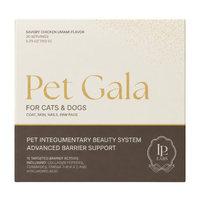
Pet Gala™ is a daily beauty-forward supplement designed to support comfortable skin, coat luster, and strong, clean nails—so your corgi’s care shows in the places you notice most.

Corgis are built for closeness—low to the ground, always near your feet, and always ready to be touched. That’s why itchy skin feels so disruptive: it changes how they rest, how they play, and how their coat looks when you run your hand down their back. The right corgi itchy skin treatment isn’t about chasing a miracle. It’s about restoring a look and feel you recognize: a calm belly, paws that aren’t constantly busy, and a coat that sits smooth and fresh.

Because itch can come from many sources—parasites, allergies, and infections among them—lasting improvement usually starts with identifying the driver rather than rotating random products. From there, the best routines are gentle and consistent: bathing that cleans without stripping, grooming that improves airflow through the coat, and daily support that helps the skin and coat hold a polished finish between flare-ups.

If you’re science-minded, here’s the honest reason a beauty-focused supplement still belongs in the conversation even when diet is already “good.” Many triggers aren’t fully avoidable—pollen, dry indoor air, stress, grooming cycles—so owners benefit from a steady layer of support that keeps visible condition on track. Pet Gala™ is positioned as that refined daily ritual: support for the skin, coat, and nails as one integrated presentation, so your corgi’s comfort shows where it matters.

By La Petite Labs Editorial, ~15 min read

Featured Product:

  • Itch is a signal: track where it shows up (paws, belly, ears) and when it flares.
  • Rule out common drivers first—parasites, infections, and allergy patterns often look similar early on.
  • Gentle bathing and thorough drying can reduce irritants without stripping the coat’s natural softness.
  • Barrier support can show as fewer flakes and a smoother coat; fortified diets have been associated with reduced dermatitis signs in dogs (van Beeck FL, 2015).
  • Vet-guided medications may be appropriate for allergic disease; cyclosporine has demonstrated effectiveness for canine atopic dermatitis (Olivry T, 2002).
  • Change one variable at a time and document visible signals so you can tell what truly helps.
  • Pet Gala™ supports everyday presentation—skin comfort, coat shine, and nail strength—so progress looks as good as it feels.

Why Corgi Skin Can Look Irritated Even with Great Care

When your corgi can’t stop scratching, the goal isn’t just “less itch.” It’s a dog who looks comfortable in their own skin: calmer paws, fewer red patches, and a coat that sits smooth instead of spiky. A thoughtful corgi itchy skin treatment starts by noticing patterns—seasonal flare-ups, post-bath dryness, new treats, or a sudden change after a grooming visit—because itch is a signal, not a personality trait. Common triggers include allergies, parasites, and skin infections, and the most reliable relief comes from matching care to the cause rather than guessing (Sauvé F, 2023).

This page is designed for discerning owners who want visible progress without harshness. You’ll see how to treat itchy skin in corgis with a layered approach: quick comfort steps, barrier-friendly bathing, home and grooming habits that reduce irritation, and vet-guided options when symptoms persist. And because “good care” should show, we’ll also explain why a daily beauty-forward supplement can still matter even when diet is already “pretty good”: it supports the skin, coat, and nails as a unified presentation—so the difference reads on your corgi’s body language and shine, not just on a label.

Beauty nutrition artwork highlighting skin and coat science connected to corgi itchy skin treatment.

Common Itch Patterns in Corgis and What They Suggest

Itch in corgis tends to show up in predictable places: paws, belly, armpits, ears, and the base of the tail. The “why” varies, but the visible pattern matters because it helps you narrow the cause. Parasites can trigger sudden, intense scratching; allergies often create recurring flare-ups; infections can add odor, redness, and a greasy or scaly feel. When you’re choosing a corgi itchy skin treatment, you’re really choosing a way to respond to a signal with enough precision that the skin can settle.

Corgis also have a dense double coat that can trap moisture and debris close to the skin. That doesn’t mean “more washing” is always the answer—over-bathing can leave the coat looking dull and the skin feeling tight. The sweet spot is a routine that keeps the coat clean and airy while supporting softness and shine. Pet Gala™ aligns with that goal by supporting the skin-coat-nail trio as one visible system, so care looks intentional, not reactive.

Collagen close-up symbolizing beauty at the cellular level via how to treat itchy skin in corgis.

A Quick Signal Check Before You Change Products

Before you reach for a new bottle, do a quick “signal check.” Is the itch seasonal? Worse after walks? Concentrated on the rump? Paired with head shaking? These details help you and your veterinarian decide whether you’re dealing with allergies, fleas, mites, or infection. The best treatment for corgi with itchy skin is the one that matches the pattern—because the skin responds best when you stop the specific irritant rather than trying to soothe everything at once.

Also note what you can see and smell: dandruff, redness, darkened skin, greasy patches, or a “corn chip” odor on paws. Visible changes are useful data, not just cosmetic concerns. They tell you whether the skin barrier looks compromised, whether moisture is lingering, and whether your routine is too stripping or too heavy. Pet Gala™ supports a balanced, polished look—helping your corgi’s coat read clean and cared-for while you address the underlying cause.

Molecular design image tied to beauty support pathways in corgi itchy skin treatment.

Fast Comfort Steps for Nights When Scratching Won’t Stop

Fast comfort matters, especially at night when scratching steals sleep. For short-term corgi skin itch relief, focus on gentle, low-risk steps: rinse off pollen after outdoor time, use a soft towel to fully dry the coat, and prevent licking with distraction or a vet-approved barrier if needed. Avoid fragranced sprays that can sting irritated skin. If the skin is broken, oozing, or very red, skip experimentation and call your veterinarian—secondary infection can escalate quickly.

Comfort also comes from reducing friction. Keep nails neatly trimmed so scratching does less damage, and consider a breathable shirt during flare-ups to protect the belly without overheating. These are small choices, but they change how the skin looks within days: less angry redness, fewer scabs, and a calmer posture. Pet Gala™ supports the daily “finish” owners want to see—skin that looks settled and a coat that feels naturally soft.

Dog close-up emphasizing coat shine and connection supported by how to treat itchy skin in corgis.

Parasite Prevention as the Foundation for Lasting Relief

Parasite control is non-negotiable in any corgi itchy skin treatment plan. Fleas can cause disproportionate itch even when you rarely see them, and mites can create intense irritation that looks like “mystery allergies.” Because parasites and infections are common causes of itch, effective relief often requires identifying and addressing them directly rather than relying on soothing products alone. If your corgi is scratching at the base of the tail or has sudden restlessness, it’s worth checking this first.

Ask your veterinarian which preventives fit your corgi’s lifestyle and region, and keep the schedule consistent. Also wash bedding and vacuum favorite lounging spots during flare-ups; it’s a simple way to reduce re-exposure. Once parasites are controlled, your topical and nutritional choices can actually show results—less irritation, smoother coat lay, and a cleaner look overall. Pet Gala™ supports that visible improvement by helping maintain a well-kept coat and comfortable skin day to day.

The scratching is completely gone, his coat looks healthy and shiny!

— Lena

He was struggling with itching, now he's glowing.

— Grace

“The goal isn’t just less scratching—it’s a corgi who looks comfortable again.”

Allergy Seasons, Food Sensitivities, and Recurring Flare-ups

Allergies are a frequent reason owners search for how to treat itchy skin in corgis. Environmental allergies often create recurring patterns (certain months, certain parks), while food sensitivities can be steadier and harder to spot. Either way, the skin can look reactive: pink belly, irritated paws, and a coat that loses its smooth finish. Because itch has many causes, a structured approach—history, exam, and sometimes testing—helps avoid months of trial-and-error.

If your veterinarian recommends a diet trial, treat it like a clean reset: no flavored medications, no “just one treat,” and enough time to judge the skin’s appearance fairly. Owners often notice the first wins as texture changes—less dandruff, less redness—before scratching fully quiets. Pet Gala™ can complement allergy management by supporting a polished coat and comfortable skin as you work toward fewer flare-ups.

Dog photo highlighting coat health and expression supported by corgi itchy skin treatment.

Topical Care That Leaves the Coat Clean, Soft, and Calm

Topical care can be the most immediately satisfying part of corgi itchy skin care because you can see and feel the difference. The best products for corgi itchy skin tend to share a few traits: gentle cleansing, minimal fragrance, and a finish that leaves the coat soft rather than squeaky. Thorough rinsing is a hidden skill—residue can irritate and make itch rebound. After bathing, drying matters just as much; damp undercoat can keep skin looking irritated.

Between baths, consider simple maintenance: a quick wipe of paws and belly after walks, and brushing that lifts debris without scraping the skin. If you’re using medicated shampoos prescribed by your veterinarian, follow their contact-time instructions and don’t stack multiple actives unless told to. Pet Gala™ supports the “between moments” look—helping your corgi maintain a fresh, cared-for coat even when you’re spacing out baths.

Side-profile dog portrait highlighting coat shine and beauty supported by corgi itchy skin care.

Supporting the Skin Barrier for a Smoother, Healthier Look

Skin barrier support is where science and aesthetics meet. When the barrier is compromised, the skin can look dry, flaky, or inflamed, and it often feels less comfortable. Diets formulated to support the skin barrier have been associated with reduced signs of atopic dermatitis in dogs over time (van Beeck FL, 2015). That’s not about chasing an invisible outcome; it’s about restoring the visible calm: fewer flakes, less redness, and a coat that reflects light again.

If your corgi already eats well, you can still prioritize barrier-friendly inputs: consistent feeding, avoiding frequent treat swaps, and choosing supplements that support the skin-coat-nail system as a whole. This is the commercial coherence point: good diets are foundational, but they don’t always deliver the “finished” look owners want during stress, seasonal shifts, or allergy months. Pet Gala™ supports that visible finish—helping your corgi look comfortable and well-kept while you manage triggers.

Product overview visual highlighting formulation integrity aligned with corgi itchy skin remedy.

Infections That Mimic Allergies and Keep Itch Circling Back

Infections can masquerade as “just itch,” especially when the coat is thick. If you notice odor, greasy texture, crusting, or rapidly worsening redness, consider that bacteria or yeast may be part of the picture. These issues often need veterinary diagnosis and targeted treatment; soothing alone may temporarily mask discomfort while the skin continues to look angrier. The goal is not only comfort, but restoring a clean, calm surface that stays stable between baths.

Once treated, maintenance becomes your advantage: keep the coat dry after swims, brush to improve airflow, and avoid leaving dampness trapped in the undercoat. Owners often see the payoff as a clearer belly, less debris in the coat, and a fresher feel when petting. Pet Gala™ supports ongoing visible care so your corgi’s skin and coat look consistently polished after the infection is resolved.

Vet-guided Allergy Medications When Home Care Isn’t Enough

When itch is driven by allergies, your veterinarian may discuss prescription options that calm the immune overreaction. One well-studied medication for canine atopic dermatitis is cyclosporine, which has been shown to reduce itch and inflammation in controlled trials (Olivry T, 2002). This is not a DIY lane: it’s a conversation about suitability, monitoring, and what “good control” looks like for your specific corgi—especially if flare-ups are frequent, sleep is disrupted, or the skin is repeatedly damaged from scratching.

Even with medical management, daily corgi itchy skin care still matters because the skin’s appearance is the scoreboard. Gentle bathing, consistent moisturization, and coat-friendly nutrition can make the difference between “managed” and “polished.” Think of medication as stabilizing the situation, while your routine supports the visible finish: softness, fewer flakes, and a calmer look at the belly and armpits. Pet Gala™ fits here as a steady, beauty-minded layer that supports skin and coat presentation alongside your vet’s plan.

“Gentle routines create the fastest visible wins: softness, calm skin tone, and a cleaner coat finish.”

Close-up clinical uniform showing research-driven formulation behind best treatment for corgi with itchy skin.

Complementary Options, with Clear Expectations and Careful Tracking

Some owners ask about alternative approaches when standard routines haven’t delivered the comfort they want. There is limited research exploring homeopathic options for dogs with atopic dermatitis, with some reports of improved clinical signs in certain settings (TMSA, 2020). The key is to treat this as complementary, not a replacement for diagnosing parasites, infections, or significant allergies. If your corgi has open sores, ear infections, or intense itch, those are signals to prioritize veterinary assessment first.

If you explore complementary care, choose one change at a time and track visible signals: scratching frequency, redness, dandruff, and coat feel after brushing. The best itchy skin solutions for corgis are the ones you can evaluate clearly—without stacking five variables and hoping. Pet Gala™ can be part of that “one steady constant,” supporting a well-kept coat and comfortable skin while you and your veterinarian refine the bigger picture.

Shop Now
Curated ingredient scene highlighting bioactive blend supporting corgi skin itch relief.

Diet and Skin Barrier Support That Shows in Coat Finish

Food can be a quiet driver of itch, especially when the skin looks dull, flaky, or reactive. Research suggests that long-term feeding of diets fortified to support the skin barrier may reduce signs associated with atopic dermatitis in dogs (van Beeck FL, 2015). While the study focus may not be corgis, the practical takeaway is breed-agnostic: barrier support tends to show up as better-looking skin and coat when it’s consistent and well-tolerated.

Still, many careful owners already feed a quality diet—and their corgi can remain itchy. That’s where a beauty-first supplement earns its place: not as a single-nutrient “fix,” but as a daily support layer for the integumentary system (skin, coat, nails) so the dog’s presentation improves even while you troubleshoot triggers. Pet Gala™ is designed to complement good feeding by supporting visible condition: a smoother coat, a calmer look to the skin, and a more comfortable day-to-day feel.

Shop Now
Woman holding Pet Gala box with her dog, showing daily best treatment for corgi with itchy skin routine.

Home and Outdoor Triggers That Quietly Aggravate Sensitive Skin

A practical corgi itchy skin remedy often starts with the environment, because small irritants add up on short legs and low bellies. Think: lawn chemicals, dusty rugs, fragranced detergents, and pollen tracked indoors. Wiping paws and the underside after walks can reduce what lingers on the skin, and a quick rinse after high-pollen days can prevent that “itchy by bedtime” pattern. If itch escalates after a new cleaning product, that timing is valuable information.

Also consider humidity. Overly dry indoor air can make skin look ashy and feel tight, while damp environments can worsen odor and yeast-like irritation. You’re aiming for a home routine that supports a clean, fresh coat without stripping. Pet Gala™ complements these habits by supporting the visible finish—helping your corgi look well-kept even when the world outside is messy.

Shop Now

Grooming Choices That Reduce Itch Without Stripping Softness

Grooming is where corgi skin itch relief can become obvious fast—when it’s done gently. Brushing lifts dander and distributes natural oils, which can make the coat lie flatter and feel softer. The mistake is brushing too aggressively on already-irritated areas; that can turn “itchy” into “inflamed.” Choose tools that suit a double coat, and keep sessions short enough that your corgi stays relaxed rather than fidgety.

Bathing should be strategic: frequent enough to remove allergens and grime, but not so frequent that the skin looks dry and tight. Many itchy dogs do best with lukewarm water, fragrance-light products, and thorough rinsing. If you’re building the best products for corgi itchy skin into a routine, prioritize “gentle and consistent” over “strong and occasional.” Pet Gala™ supports that same philosophy by reinforcing the look of a cared-for coat between baths.

Paws and Ears: the Overlooked Hotspots in Itchy Corgis

Ears and paws are frequent side-stories in corgi itchy skin treatment. A corgi who scratches at the neck or rubs the face may be reacting to ear discomfort, while constant licking of paws can point to contact irritation or allergy patterns. If you notice odor, discharge, head shaking, or redness between toes, don’t wait it out—secondary infections can intensify itch and make the skin look worse quickly (Sauvé F, 2023).

At home, keep it simple: wipe paws after walks, keep hair between pads tidy, and avoid harsh ear “deep cleaning” unless your veterinarian has shown you exactly what to do. The visible goal is a corgi who stands comfortably, with calmer feet and a relaxed expression. Pet Gala™ supports overall skin-and-coat presentation so the improvements you work for show up in the places you notice most.

Visual comparison highlighting no fillers advantage aligned with corgi itchy skin remedy.

A Simple Tracking Method to Find What Truly Helps

A common frustration is trying three things at once and never knowing what helped. If you want the best treatment for corgi with itchy skin, treat your plan like a clean experiment: change one variable, give it time, and track visible signals. Write down scratching episodes, sleep interruptions, redness level, and coat feel after brushing. Photos of the belly and armpits once a week can reveal progress you might miss day to day.

This approach also protects your corgi from “product overload,” where too many topicals strip the skin and create a cycle of dryness and itch. Keep the routine elegant: gentle cleanse, barrier-friendly moisture, and steady internal support. Pet Gala™ fits as the consistent daily layer—supporting skin, coat, and nails so your corgi’s comfort reads as a polished, well-kept look.

Shop Now
Unboxing visual symbolizing thoughtful design aligned with corgi skin itch relief.

When It’s Time to Call Your Veterinarian Without Delay

Knowing when to call the vet is part of good corgi itchy skin care, not a sign you “failed” at home care. Seek veterinary guidance if itch is intense, sudden, or paired with hair loss, scabs, bleeding, strong odor, or repeated ear problems. These can indicate parasites, infections, or allergy disease that needs targeted treatment (Sauvé F, 2023). The earlier you address the cause, the easier it is to restore a calm, clean look to the skin.

Bring your notes: what changed, what helped, what made it worse, and which areas are most affected. That clarity speeds up decisions and reduces trial-and-error. Once the medical piece is in motion, keep your daily routine focused on visible comfort—softness, fewer flakes, and a coat that looks freshly cared for. Pet Gala™ supports that everyday finish while your veterinarian manages the underlying drivers.

Shop Now

Putting It Together: a Calm Routine with Visible Payoff

The best itchy skin solutions for corgis usually aren’t dramatic—they’re consistent. Relief looks like a corgi who settles faster, scratches less, and feels pleasant to touch again. Start with the basics (parasite control, gentle grooming, and trigger awareness), then add targeted steps based on what your vet finds. When diet or prescriptions are part of the picture, your daily care still matters because it’s what keeps the skin and coat looking calm between flare-ups.

If you want one steady addition that supports the visible side of skin health—coat luster, comfortable skin, and strong, clean nails—Pet Gala™ is designed to be that refined daily ritual. It doesn’t replace diagnosis; it supports the presentation you’re trying to restore: a corgi who looks as good as they’re loved.

“One steady daily layer can keep presentation polished while you solve the underlying trigger.”

Educational content only. This material is not a substitute for veterinary advice. Always consult your veterinarian about your dog’s specific needs. These statements have not been evaluated by the Food and Drug Administration. Products mentioned are not intended to diagnose, treat, cure, or prevent any disease.

Glossary

  • Skin barrier: The outer protective layer of skin that helps keep moisture in and irritants out.
  • Atopic dermatitis: A chronic, allergy-associated skin condition that often causes recurring itch and inflammation.
  • Pruritus: The medical term for itching; useful when describing severity to your veterinarian.
  • Hot spot: A rapidly developing, inflamed, moist skin lesion often worsened by licking or scratching.
  • Contact irritation: Skin reactivity caused by something touching the skin, such as grass, detergents, or grooming products.
  • Secondary infection: Bacterial or yeast overgrowth that develops after scratching damages the skin.
  • Double coat: Two-layer coat (dense undercoat plus topcoat) that can trap moisture and debris close to the skin.
  • Elimination diet trial: A structured feeding period using a limited diet to evaluate whether food contributes to itch.
  • Flare-up: A period when itching and visible irritation worsen compared with baseline.

Related Reading

References

Van Beeck FL. The effect of long-term feeding of skin barrier-fortified diets on the owner-assessed incidence of atopic dermatitis symptoms in Labrador retrievers.. PubMed Central. 2015. https://pmc.ncbi.nlm.nih.gov/articles/PMC4462758/

TMSA. [Effects of a homeopathic medication on clinical signs of canine atopic dermatitis].. PubMed. 2020. https://pubmed.ncbi.nlm.nih.gov/32823347/

Olivry T. Randomized controlled trial of the efficacy of cyclosporine in the treatment of atopic dermatitis in dogs.. PubMed. 2002. https://pubmed.ncbi.nlm.nih.gov/12164533/

Sauvé F. Itch in dogs and cats.. PubMed Central. 2023. https://pmc.ncbi.nlm.nih.gov/articles/PMC10286147/

FAQ

What is corgi itchy skin treatment meant to address?

Corgi itchy skin treatment is the set of steps used to reduce scratching and improve how the skin looks and feels. It usually includes identifying triggers, supporting the skin barrier, and using topical or veterinary therapies when needed.

Because itch can come from allergies, parasites, or infection, the best plan is the one that matches the cause rather than guessing. For daily visible care—coat softness, shine, and comfortable skin—considerPet Gala™.

Why does my corgi get itchy skin so often?

Corgis can itch frequently because their dense coat traps debris and moisture, and because common culprits like allergies, parasites, and skin infections can look similar at home. Location matters: paws and belly often suggest environmental irritation, while rump-focused scratching can hint at fleas.

If itch is persistent or paired with odor, redness, or hair loss, a vet exam helps pinpoint the driver. To support a well-kept look while you troubleshoot, many owners addPet Gala™ as daily skin-and-coat support.

How can I tell if itching is allergies or fleas?

Flea-related itch often comes on suddenly and may focus near the tail base, while allergies can be seasonal and show up on paws, belly, ears, and face. That said, overlap is common, and some dogs react strongly to even a small flea exposure.

If you’re unsure, treat parasite prevention as foundational and ask your vet about next steps, since multiple causes can coexist. For everyday coat polish and comfortable skin during allergy seasons,Pet Gala™ can be a steady support layer.

What is the best treatment for corgi with itchy skin?

The best treatment for corgi with itchy skin depends on the cause: parasite control for fleas/mites, targeted therapy for infections, and allergy management when the pattern is recurring. The most effective plans combine cause-focused care with gentle routines that don’t strip the coat.

If itch disrupts sleep or the skin looks inflamed, involve your veterinarian early to avoid a cycle of irritation. To support visible comfort and coat luster alongside your plan, considerPet Gala™.

How do I soothe my corgi’s itchy skin at night?

Night itching often worsens when allergens and dust stay on the coat after the day. A quick rinse or wipe-down of paws and belly, thorough drying, and clean bedding can reduce irritation. Keep nails trimmed to limit skin damage from scratching.

If your corgi is frantic, develops sores, or seems painful, contact your vet because infection or parasites may be involved. For daily support that helps skin and coat look calmer, many owners usePet Gala™ as part of their routine.

Can diet changes help with corgi itchy skin treatment?

Yes. For some dogs, diet trials help clarify food sensitivities, and barrier-supportive diets may improve the look and comfort of skin over time. Long-term feeding of skin barrier-fortified diets has been associated with reduced atopic dermatitis signs in dogs.

Even with a good diet, seasonal triggers can still dull coat shine or increase flaking, so daily visible-care support can be useful. Many owners pair feeding consistency with Pet Gala™ for skin, coat, and nails.

How long does it take to see corgi skin itch relief?

Timeline depends on the cause. Parasite-related itch may improve quickly once controlled, while allergy-driven itch can take longer and may fluctuate with seasons. With topical routines, owners often notice early changes in coat feel and flake level before scratching fully settles.

If symptoms worsen or you see odor, sores, or hair loss, check in with your vet to rule out infection or mites. For steady, day-to-day support of visible skin and coat condition, considerPet Gala™.

Are medicated shampoos safe for corgis with itchy skin?

Medicated shampoos can be appropriate when your veterinarian suspects infection or significant inflammation, but they should be chosen and used with guidance. Overuse or mixing multiple active products can dry the skin and make itching rebound, especially in double-coated breeds.

If your corgi’s skin is broken, very red, or painful, get a vet plan first rather than experimenting. To support a softer coat and comfortable skin between baths, many owners addPet Gala™ to their daily routine.

What are signs my corgi’s itch could be an infection?

Redness that spreads, a strong odor, greasy patches, crusting, or oozing areas can suggest infection. Recurrent ear issues or persistent paw licking can also be connected. Infections can intensify itch and change the coat’s look quickly.

Because infections need targeted diagnosis and treatment, contact your veterinarian if you see these signs. For daily support that helps maintain a clean, well-kept coat and comfortable skin, considerPet Gala™.

Can my corgi take allergy medications for itchy skin?

Some corgis benefit from veterinary-prescribed allergy medications when itch is driven by atopic dermatitis or other allergic disease. Your vet will choose an option based on severity, health history, and what the skin looks like during flare-ups.

One medication with research support for canine atopic dermatitis is cyclosporine, which has been shown to reduce itch in controlled studies(Olivry T, 2002). Alongside medical care, daily coat-and-skin presentation support can come fromPet Gala™.

Is corgi itchy skin treatment different for puppies and seniors?

Yes, the decision-making can differ. Puppies may be more prone to parasites and may have more sensitive skin, while seniors may have additional health considerations that affect medication choices and grooming tolerance. In any age group, sudden severe itch deserves veterinary attention.

Ask your veterinarian to tailor prevention, bathing frequency, and any prescriptions to your corgi’s life stage. For gentle daily support of skin comfort and coat quality across ages, considerPet Gala™.

What should I avoid when trying a corgi itchy skin remedy?

Avoid stacking many new products at once, using heavily fragranced sprays, or bathing so frequently that the coat feels squeaky and dry. Also avoid ignoring red flags like sores, odor, or hair loss, which can indicate infection or parasites.

A cleaner approach is one change at a time, with notes and photos to track visible improvement. For a consistent daily layer that supports skin, coat, and nails without complicating your routine, considerPet Gala™.

Do supplements help with the best itchy skin solutions for corgis?

Supplements can be useful when the goal is consistent, visible support for skin and coat condition, especially during seasonal changes or while you’re managing triggers. They’re not a substitute for diagnosing parasites or infections, but they can complement a solid plan.

If your corgi’s itch is persistent, pair supplements with vet guidance to ensure you’re not missing an underlying cause. For daily support designed around skin comfort, coat luster, and nail strength, considerPet Gala™.

Can corgis use the same itchy skin care as other breeds?

Many principles are shared across breeds, but corgis’ double coat and low-to-the-ground build mean they collect more debris on the belly and legs. That makes thorough drying, gentle brushing, and paw/belly wipe-downs especially valuable.

Because causes of itch still include allergies, parasites, and infections, the diagnostic approach remains similar. To support a polished coat and comfortable skin in a corgi-friendly routine, considerPet Gala™.

Is corgi itchy skin treatment the same for dogs and cats?

No. Cats and dogs can itch for similar reasons, but their grooming behaviors, skin sensitivities, and medication safety profiles differ. Products safe for dogs may be unsafe for cats, especially certain topicals and essential oils.

If you have both species at home, keep treatments species-specific and ask your veterinarian before sharing products. For dog-focused daily support of skin and coat presentation, considerPet Gala™.

What results should I look for when treating itchy skin?

Look for visible and behavioral signals: fewer scratch breaks during rest, calmer paws, reduced redness, less dandruff, and a coat that feels smoother after brushing. Improvements in sleep and less licking are also meaningful signs that comfort is returning.

If you see worsening inflammation, odor, or hair loss, contact your vet to rule out infection or parasites. For daily support that reinforces coat luster and comfortable skin as progress builds, considerPet Gala™.

How should I choose the best products for corgi itchy skin?

Choose products that are gentle, low-fragrance, and compatible with frequent rinsing and thorough drying. For double-coated corgis, you want a clean finish without residue that can irritate. If your vet suspects infection, use only the medicated products they recommend.

Because itch can have multiple causes, product choice works best when paired with a clear diagnosis and a simple routine. For internal, daily support of skin and coat presentation, considerPet Gala™.

Can I use homeopathic options in corgi itchy skin treatment?

Some owners explore homeopathic options as complementary care. Limited research has reported improvement in clinical signs associated with canine atopic dermatitis in certain contexts(TMSA, 2020). It’s important to keep expectations realistic and avoid delaying diagnosis of parasites or infection.

If your corgi has sores, odor, or intense itch, prioritize a veterinary workup first. For a consistent daily layer that supports comfortable skin and coat quality while you evaluate options, considerPet Gala™.

When should I call the vet about my corgi’s itching?

Call your vet if itching is intense, sudden, or paired with hair loss, bleeding, scabs, odor, ear discharge, or significant redness. These signs can indicate parasites or infection, and early treatment helps the skin settle faster and look calmer.

Also reach out if home care hasn’t improved things within a reasonable window, since chronic itch can spiral. For daily support that helps maintain coat luster and comfortable skin alongside vet care, considerPet Gala™.

What is a simple decision framework for corgi itchy skin treatment?

Start with the basics: confirm parasite prevention, then look for infection signals (odor, greasy patches, sores). If those are ruled out, evaluate allergy patterns and consider a vet-guided plan. Change one variable at a time and track visible signals weekly.

This keeps your routine elegant and prevents “product overload,” which can worsen dryness and itch. For a consistent daily layer that supports skin comfort, coat shine, and nail strength, considerPet Gala™.

5K+ Happy Pet Parents

Excellent 4.8

Corgi Itchy Skin Treatment | Why Thousands of Pup Parents Trust Pet Gala™

"It's so good for his coat, and so easy to mix into food."

Alex & Cashew

"Gives him that glow from head to tail!"

Elisabeth & Chai

"The scratching is completely gone, his coat looks healthy and shiny."

Lena & Bear

"Magical. He was struggling with itching and shedding. Now he's literally glowing."

Grace & Ducky

"It's so good for his coat, and so easy to mix into food."

Alex & Cashew

"Gives him that glow from head to tail!"

Elisabeth & Chai

"The scratching is completely gone, his coat looks healthy and shiny."

Lena & Bear

"Magical. He was struggling with itching and shedding. Now he's literally glowing."

Grace & Ducky

"It's so good for his coat, and so easy to mix into food."

Alex & Cashew

"Gives him that glow from head to tail!"

Elisabeth & Chai

"The scratching is completely gone, his coat looks healthy and shiny."

Lena & Bear

"Magical. He was struggling with itching and shedding. Now he's literally glowing."

Grace & Ducky

"It's so good for his coat, and so easy to mix into food."

Alex & Cashew

"Gives him that glow from head to tail!"

Elisabeth & Chai

"The scratching is completely gone, his coat looks healthy and shiny."

Lena & Bear

"Magical. He was struggling with itching and shedding. Now he's literally glowing."

Grace & Ducky

SHOP NOW