

Fluoxetine for Dogs (Prozac): What Changes, How Long It Takes, and What to Monitor

Track SSRI Brain Changes and Protect Appetite, Sleep, and Safety

Essential Summary

Why is fluoxetine for dogs important?

Fluoxetine is a long-horizon SSRI: most meaningful behavior change shows up after weeks, not days. Early monitoring should focus on appetite, sleep, stomach upset, and any agitation or tremors. Pairing medication with behavior modification and clear tracking gives the veterinarian the best information to adjust the plan safely.

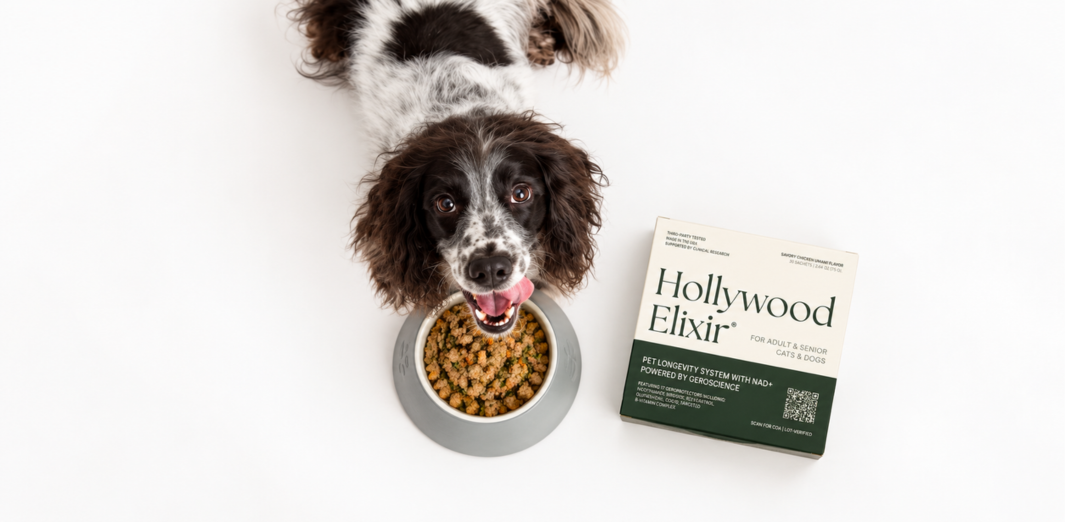
Hollywood Elixir™ supports normal aging-related wellness as part of an overall care plan.

When a dog starts fluoxetine, the biggest surprise is usually the clock: meaningful change often takes weeks, not days. That slow onset is normal for SSRIs, and it is the reason many well-intended owners stop too early, switch too fast, or “test” big triggers before the medication has had time to build. The most helpful mindset is to treat the first month as a monitored adjustment period, then reassess around week four to week six with real notes and videos.

Fluoxetine (including brand-name prozac for dogs) is prescribed for long-running anxiety patterns like canine separation anxiety and for compulsive behaviors that feel stuck on repeat. It is not meant to knock a dog out; it is meant to lower the intensity of fear or compulsive drive so the dog has enough overhead to learn new coping skills. During the waiting period, owners should watch appetite, stomach upset, sleep changes, and any agitation, and they should be especially cautious about drug interactions. The safest outcomes come from pairing medication with behavior modification therapy and documenting outcome cues the veterinarian can use to fine-tune the plan.

  • Fluoxetine for dogs is an SSRI where noticeable improvement often takes about 4–6 weeks, so patience and tracking matter most.
  • It’s commonly prescribed for canine separation anxiety, chronic anxiety patterns, and compulsive behaviors; it is not meant to simply sedate.
  • The slow onset happens because serotonin signaling changes gradually and the body also forms a long-lasting active metabolite.
  • Early changes may be subtle: faster recovery after triggers, fewer compulsive loops, and more ability to settle.
  • Fluoxetine side effects in dogs often include appetite changes, mild GI upset, sleepiness or restlessness, and temporary “not themselves” behavior.
  • Serious red flags (tremors, overheating, severe agitation, seizures, sudden aggression) need urgent veterinary guidance, especially if other serotonergic drugs are involved.
  • The best outcomes usually come from combining medication with behavior modification therapy and documenting what to tell the vet over time.

What Fluoxetine Is and Why It’s Prescribed

Fluoxetine is a prescription medication in the SSRI family, and prozac for dogs is one common brand-name form. SSRI stands for selective serotonin reuptake inhibitor, which means it changes how the brain handles serotonin, a chemical messenger involved in mood, arousal, and impulse control (Ahsan J. Sohel, 2024). In dogs, the goal is not sedation; it is helping the brain stay in a gentler, more balanced state so learning and coping can happen. Because fluoxetine and its active breakdown product stay in the body for a long time, changes tend to build gradually rather than hit all at once (Ahsan J. Sohel, 2024).

At home, this usually matters most when a dog’s “big feelings” are driving daily problems—panic when left alone, repetitive licking, or constant scanning and startle. Owners often worry the medication will change a dog’s personality; the more accurate expectation is that it may lower the intensity of reactions so the dog can make different choices. A calendar, a few short videos, and a simple notes app can capture whether the dog’s day-to-day life is becoming easier to manage.

Visualization of mitochondria illustrating cellular support pathways for fluoxetine dosage dogs.

What Vets Use It for: Anxiety and Compulsive Patterns

Veterinarians most often prescribe fluoxetine for dog anxiety patterns that are persistent and disruptive, especially canine separation anxiety, generalized fearfulness, and compulsive behaviors (like tail chasing or flank sucking). It is also used when a dog’s arousal level makes training impossible or when anxiety spills into reactivity. Clinical trials in dogs support fluoxetine’s role for certain compulsive disorders and for lick-related compulsive skin disease, reinforcing that it can change behavior patterns rather than simply “calm a dog down” (Irimajiri, 2009).

A practical way to think about the prescription is: the medication is meant to create enough overhead for new habits to stick. If the dog panics every time the front door closes, the household goal becomes shorter, safer practice sessions rather than “testing” long absences. Owners can help by identifying the top two triggers (keys jingling, garage door, visitors) and keeping the dog under threshold while the plan is getting started.

DNA strand visualization representing cellular protection supported by Prozac for dogs.

How Ssris Work and Why the Effect Is Slow

SSRIs work by blocking the reuptake of serotonin between nerve cells, which increases serotonergic signaling over time (Ahsan J. Sohel, 2024). The important part is “over time.” The brain adjusts gradually: receptors and downstream circuits shift their sensitivity, and that remodeling is why the effect is not immediate. Fluoxetine is also converted into norfluoxetine, an active metabolite that extends the medication’s presence and contributes to the long-horizon feel of this drug.

In a household, this biology shows up as a waiting period that can feel emotionally hard. A dog may still bark, pace, or chew during the first couple of weeks, even with perfect dosing. That does not automatically mean the medication “isn’t working”; it often means the brain has not finished adjusting yet. The most helpful early focus is safety management and predictable routines, not pushing the dog into situations that reliably trigger panic.

Molecular design image tied to antioxidant pathways supported by how long does fluoxetine take to work in dogs.

The 4–6 Week Timeline Most Owners Need to Expect

The timeline is the make-or-break detail: many dogs need about 4–6 weeks before owners see meaningful, reliable behavioral change from fluoxetine. Earlier shifts can happen, but they are often subtle—slightly shorter recovery after a trigger, fewer repeated loops of a compulsive behavior, or a bit more ability to settle. Because fluoxetine persists in the body, dose adjustments also take time to “declare themselves,” so quick week-to-week changes can create confusion rather than clarity.

A realistic home plan is to avoid big “tests” during the first month. Instead of leaving for two hours to see what happens, practice tiny absences that end before distress starts, and document the dog’s response. If a dog is also on a short-acting helper medication (like trazodone for dogs or gabapentin for dogs), the veterinarian may use that to cover specific events while the SSRI timeline unfolds.

Close-up of a pug highlighting comfort and well-being supported by fluoxetine dosage dogs.

What Changes Look Like at Home When It’s Working
Owners often describe the “right” change as a dog who still notices triggers but does not spiral as far. There may be less frantic pacing, fewer repeated checks of windows or doors, and less compulsive licking or chewing. In controlled studies, fluoxetine has been evaluated for canine compulsive disorders and acral lick dermatitis, supporting that it can reduce the drive behind repetitive behaviors in some dogs (Wynchank, 1998). Not every dog responds, and the goal is functional improvement, not a different dog.

CASE VIGNETTE: A two-year-old mixed-breed dog screams and scratches at the door within minutes of the owner leaving, then pants for an hour after they return. After four weeks on fluoxetine and a structured departure routine, the dog still whines at the first cue, but settles within five minutes and can eat a food toy. That “faster recovery” is often the first real sign the plan is gaining traction.

“With SSRIs, the first real win is often faster recovery, not instant calm.”

Common Side Effects Owners Notice Early

Fluoxetine side effects in dogs are usually most noticeable in the first days to weeks, when the body is adjusting. Common issues include decreased appetite, mild stomach upset (nausea, soft stool), sleepiness, restlessness, or a “not quite themselves” vibe. Some dogs seem a little emotionally flat; others seem briefly more keyed-up. These effects are often dose-related and should be discussed with the prescribing veterinarian rather than managed by skipping doses.

OWNER CHECKLIST (home-observable): (1) appetite and water intake compared with baseline, (2) vomiting/diarrhea frequency and timing after dosing, (3) sleep pattern changes—more daytime naps or nighttime pacing, (4) interest in play and social contact, (5) new vocalizing, trembling, or agitation. Writing down “what changed” and “when it started” helps the vet decide whether to wait, adjust the plan, or look for another cause.

Portrait of a dog showing thoughtful presence supported by fluoxetine dosage dogs.

Red Flags That Need Fast Veterinary Help

Some changes should never be watched at home without veterinary guidance. Serotonin syndrome is a rare but urgent reaction where too much serotonergic activity causes a dangerous mix of agitation, tremors, overheating, diarrhea, and abnormal heart rate. Seizures, collapse, severe disorientation, or sudden, escalating aggression are also emergency-level concerns. A dog can look “wired” rather than sleepy, and that difference matters when deciding how quickly to seek help.

WHAT NOT TO DO: (1) do not give an extra dose after a missed dose without explicit instructions, (2) do not combine leftover anxiety meds from another pet, (3) do not assume panting is “just stress” if it comes with tremors or heat, (4) do not wait overnight if the dog cannot settle and is getting progressively more agitated. When calling an emergency clinic, owners should mention the exact medication name and the time of the last dose.

Close-up profile of a dog symbolizing awareness and vitality via fluoxetine dosage dogs.

Drug Interactions to Avoid and Why They Matter

Drug interactions are one of the biggest safety issues with fluoxetine. It should not be combined with monoamine oxidase inhibitors (MAOIs), and it can interact with other serotonergic medications, increasing serotonin syndrome risk. This matters because dogs with anxiety may also be prescribed trazodone for dogs, tramadol for pain, or certain anti-nausea medications—each case needs veterinarian oversight. Because fluoxetine lasts a long time in the body, switching medications often requires a planned “washout” period.

In daily life, the safest habit is to treat fluoxetine like a medication that must be on every provider’s list. Owners should tell the vet about flea/tick preventives, supplements, and any human medications a dog could access. If a dog sees multiple clinics (primary vet, dermatologist, emergency), keeping a photo of the prescription label on the phone prevents mix-ups when a new medication is suggested.

Inside-the-box graphic showing active blend design supporting fluoxetine dosage dogs.

Why Stopping Suddenly Can Backfire

Stopping fluoxetine suddenly can cause problems, even if the dog seems “better.” The brain adapts to long-term SSRI exposure, and abrupt discontinuation can lead to rebound anxiety, sleep disruption, irritability, and a return of the original behavior pattern. Because fluoxetine and norfluoxetine have long half-lives, the drop-off may be delayed, which can trick owners into thinking stopping was fine—until a difficult week hits. Tapering should be planned with the prescribing veterinarian.

Household reality often drives sudden stops: a missed refill, travel, or a dog refusing pills. Planning ahead helps—request refills early, and ask the clinic what to do if a dose is missed. If a dog is refusing medication, owners can ask about compounding options or different administration strategies rather than skipping multiple days. The goal is a smooth, predictable medication pattern so behavior changes can be interpreted correctly.

Which Dogs Tend to Be Good Candidates

Some dogs are more likely to benefit from an SSRI plan than others. Fluoxetine tends to fit best when the core problem is chronic anxiety, panic with separation, or repetitive compulsive behavior that looks “stuck,” rather than a one-off situational fear. A unique misconception is that prozac for dogs is a fast “calmer” for fireworks or vet visits; that role is usually better served by short-acting medications chosen by a veterinarian. SSRIs are about changing the baseline so the dog has more depth for learning.

Owners can look for clues that the issue is baseline-driven: the dog struggles to settle most days, startles easily even in familiar rooms, or cycles through the same anxious routine regardless of reassurance. Dogs with predictable, rare triggers may not need a daily SSRI, while dogs with daily distress often do better with a long-horizon approach. A veterinary behaviorist can help match the medication choice to the pattern, especially when aggression risk is part of the picture.

“Track what you can see at home; it turns worry into usable information.”

Close-up clinical uniform showing research-driven formulation behind fluoxetine dosage dogs.

Why Medication Works Best with Behavior Modification

Fluoxetine works best when it is paired with behavior modification therapy. Medication can lower the intensity of fear or compulsive drive, but it does not teach the dog what to do instead. That teaching comes from structured practice: gradual departures for separation anxiety, desensitization and counterconditioning for triggers, and enrichment that replaces repetitive loops with safer outlets. This is why “how long does fluoxetine take to work in dogs” is really two timelines: brain adjustment and skill-building.

In a home plan, it helps to define one training goal that is measurable. For example: “Dog can stay relaxed for 10 minutes after the owner picks up keys,” or “Dog can interrupt licking when called and choose a chew.” If the dog is too distressed to learn, the veterinarian may temporarily add a situational medication (often discussed alongside clomipramine for dogs or trazodone for dogs) while the SSRI foundation develops.

Hollywood Elixir with foods symbolizing nutrient synergy aligned with how long does fluoxetine take to work in dogs.

Long-term Use: Rechecks, Duration, and Life Changes

Long-term use is common, and it is not a sign of failure. Many dogs stay on fluoxetine for months to years, especially when anxiety is woven into daily life. The decision to continue, adjust, or taper is usually based on function: Can the dog handle normal routines, recover from surprises, and participate in training without melting down? Because the medication effect is gradual, long-term decisions should be made after stable periods, not during a chaotic week.

Owners can support long-term success by keeping the environment predictable and the training plan active even after improvement. If the dog’s life changes—moving homes, new baby, schedule shift—anxiety can flare, and it may look like the medication “stopped working.” In reality, the dog may need renewed practice and a veterinary check-in. A brief written history of what helped before can shorten the time to a better plan.

Home scene with woman and dog featuring Hollywood Elixir and how long does fluoxetine take to work in dogs.

Fluoxetine Dosage Questions and Why Owners Shouldn’t Guess

Owners often search for fluoxetine dosage dogs, but dosing is not a safe DIY topic. The right dose depends on the dog’s weight, age, other medications, liver health, and the behavior goal, and it may be adjusted slowly to limit side effects. Overdose and accidental ingestion can cause serious signs, including agitation, tremors, and gastrointestinal distress, and SSRI toxicosis has been documented in dogs (Thomas, 2012). Any dosing change should come from the prescribing veterinarian.

At home, the safest routine is “same time, same method, same record.” Use a weekly pill organizer, and keep the bottle out of reach—many dogs will eat a whole supply if it is dropped. If a dog vomits after a dose, owners should not automatically redose; they should call the clinic with the timing and what was seen. Consistency makes it easier to tell whether a change is a side effect, a training issue, or a new medical problem.

What to Track so the Vet Can Adjust the Plan

WHAT TO TRACK (rubric for what to document for the vet): (1) time to settle after a trigger, (2) number of panic behaviors during departures (barking, scratching, drooling), (3) appetite score each day (normal, reduced, refused), (4) sleep quality (overnight waking, daytime naps), (5) frequency and duration of compulsive episodes (licking, spinning), (6) play and social interest, (7) any new irritability or guarding. Tracking turns vague worry into usable information.

A simple format works best: one line per day, plus short videos once a week in the same situation. Owners can also note context—visitors, storms, schedule changes—so the veterinarian can separate medication effects from life events. If the dog is in a behavior modification program, sharing the same tracking sheet with the trainer keeps everyone aligned. The goal is not perfection; it is seeing the trend toward a less uneven week.

How to Prepare for Recheck Visits and Updates

VET VISIT PREP: Bring specific observations so the appointment can focus on decisions. Helpful questions include: “Which side effects are expected early, and which mean stop and call?” “If appetite drops, what is the plan?” “How will the clinic judge whether the dose is right at week six?” and “Are there interactions with my dog’s pain meds, trazodone, or supplements?” Also ask what to do if a refill is delayed, since missed doses can complicate interpretation.

Owners can bring three items: the medication label photo, a one-page symptom timeline, and two short videos (a typical trigger and a typical calm moment). If aggression or biting risk is present, say so clearly at scheduling so the clinic can plan safe handling. If the dog has skin licking or chewing, note whether it happens more at rest, after exercise, or during owner absence; that pattern helps separate itch from compulsion.

Side-by-side supplement comparison designed around fluoxetine side effects dogs expectations.

Common Misconceptions About SSRI Progress

A common frustration is expecting a straight-line improvement. With SSRIs, progress often looks like a few better days, then a setback after a trigger, then a return to the new baseline. That does not mean the medication failed; it often means the dog’s renewal rate for coping is improving, but skills still need practice. Another misconception is that a sleepy dog is a “successful” outcome—excess sedation can hide anxiety without building coping.

Owners can protect the early phase by keeping life boring on purpose: fewer visitors, predictable walks, and controlled exposure to triggers. If the dog seems more reactive in week one or two, that should be reported rather than pushed through with more challenges. The household goal is a dog who can engage with food, rest, and training—not a dog who is shut down. Small, repeatable routines create the clearest signal about what is changing.

Unboxed supplement reflecting refined experience and trust in fluoxetine dosage dogs.

When Licking Is Anxiety, Itch, or Both

Fluoxetine sometimes intersects with skin problems, which can confuse the picture. A dog with atopic dermatitis may lick because of itch, while another dog licks as a compulsive behavior loop; some dogs have both. Fluoxetine has been studied in dogs with acral lick dermatitis, suggesting a role when compulsive drive is part of the pattern (Irimajiri, 2009). The key is not to assume every lick is “anxiety”—pain, allergies, and infection still need evaluation.

At home, look for itch clues: paw chewing after walks, ear scratching, seasonal flares, or redness between toes. If licking happens mainly when the dog is alone or trying to settle, compulsion may be contributing. Owners can document where on the body the licking occurs and whether the skin is broken, since open sores change urgency. A combined plan may include dermatology care plus behavior work, rather than choosing one explanation.

Putting It All Together for a Safer, Clearer Plan

The safest way to think about fluoxetine is as one tool in a careful plan: long-horizon, monitored, and paired with training. It is not unusual for owners to feel discouraged while waiting for week four to week six, but that waiting is part of how SSRIs work. When the plan is right, the dog’s reactions become less intense, recovery is faster, and daily life feels more manageable. When the plan is wrong, the tracking notes help the veterinarian pivot sooner.

If concerns arise, the best next step is a targeted update to the prescribing clinic: what changed, when it started, and whether safety is affected. Keep medication storage strict, avoid unplanned combinations with other serotonergic drugs, and do not stop abruptly without a taper plan. Owners who treat the first two months as a data-gathering phase—rather than a pass/fail test—usually get clearer answers and a calmer household.

“Medication can lower intensity, but training teaches the new habit.”

Educational content only. This material is not a substitute for veterinary advice. Always consult your veterinarian about your dog’s specific needs. These statements have not been evaluated by the Food and Drug Administration. Products mentioned are not intended to diagnose, treat, cure, or prevent any disease.

Glossary

  • SSRI - Selective serotonin reuptake inhibitor; a medication class that changes serotonin signaling over time.
  • Fluoxetine - A prescription SSRI used in dogs for chronic anxiety patterns and compulsive behaviors.
  • Norfluoxetine - An active metabolite of fluoxetine that contributes to its long-lasting effects.
  • Canine separation anxiety - Distress when left alone that can include vocalizing, destruction, drooling, and escape attempts.
  • Compulsive behavior - Repetitive, hard-to-interrupt actions (licking, spinning) that function like a stuck loop.
  • Behavior modification therapy - Structured training that changes emotional responses and teaches coping skills.
  • Desensitization and counterconditioning - Gradual exposure paired with positive outcomes to change a trigger’s meaning.
  • Serotonin syndrome - A dangerous excess of serotonergic activity causing agitation, tremors, GI signs, and overheating.
  • MAOI - Monoamine oxidase inhibitor; a drug class that can dangerously interact with SSRIs.
  • Washout period - A planned gap between certain medications to reduce interaction risk.

Related Reading

References

Irimajiri. Randomized, controlled clinical trial of the efficacy of fluoxetine for treatment of compulsive disorders in dogs.. PubMed. 2009. https://pubmed.ncbi.nlm.nih.gov/19751167/

Wynchank. Fluoxetine treatment of acral lick dermatitis in dogs: a placebo-controlled randomized double blind trial.. PubMed. 1998. https://pubmed.ncbi.nlm.nih.gov/9750975/

Thomas. Retrospective evaluation of toxicosis from selective serotonin reuptake inhibitor antidepressants: 313 dogs (2005-2010).. PubMed. 2012. https://pubmed.ncbi.nlm.nih.gov/23110654/

Ahsan J. Sohel. Fluoxetine. 2024. https://www.ncbi.nlm.nih.gov/sites/books/NBK459223

FAQ

What is fluoxetine used for in dogs?

Fluoxetine is an SSRI that veterinarians use for long-running anxiety patterns and compulsive behaviors. It’s commonly part of a plan for canine separation anxiety, generalized fearfulness, and repetitive behaviors like licking, spinning, or tail chasing.

At home, the goal is usually fewer panic behaviors and a dog who can recover faster after a trigger. It works best when paired with behavior modification, because medication can lower the intensity of reactions but does not teach new coping skills.

How long does fluoxetine take to work in dogs?

Many dogs need about 4–6 weeks before the change feels meaningful and reliable. Earlier shifts can happen, but they’re often small—like slightly shorter pacing after a trigger or a little more ability to settle.

Because this is a long-horizon medication, it helps to avoid “testing” big challenges early (like long absences). Instead, document daily cues—sleep, appetite, and recovery time—so the veterinarian can judge the trend rather than one hard day.

Is prozac for dogs the same as fluoxetine?

Prozac is a brand name; fluoxetine is the generic medication name. Some dogs receive a brand product, and others receive a generic or a compounded form, depending on what the veterinarian prescribes and what the pharmacy carries.

What matters most at home is consistency: give the medication exactly as directed and avoid switching products without telling the clinic. If a pill looks different after a refill, confirm with the pharmacy so side effects or behavior changes aren’t blamed on the wrong thing.

What changes should owners expect in the first two weeks?

In the first one to two weeks, some dogs show mild stomach upset, appetite changes, sleepiness, or restlessness. Others seem emotionally “off” or briefly more sensitive to triggers before improvement starts to build.

This early phase is a good time to simplify the dog’s world: predictable routines, fewer big stressors, and short training sessions that end on success. If the dog becomes progressively agitated, cannot settle, or seems unsafe, contact the prescribing veterinarian promptly.

What are common fluoxetine side effects in dogs?

Common fluoxetine side effects in dogs include decreased appetite, nausea, soft stool or diarrhea, sleepiness, and sometimes restlessness. Some dogs seem less interested in play or a bit socially withdrawn, especially early on.

Owners can help by tracking when signs started, whether they’re getting better or worse, and whether the dog is still drinking and urinating normally. Do not “fix” side effects by skipping doses; call the clinic so the plan can be adjusted safely.

Can fluoxetine make a dog more anxious at first?

Yes, some dogs look temporarily more keyed-up early in treatment. This can show up as pacing, whining, trouble settling, or being more reactive to everyday noises, even though the long-term goal is a calmer baseline.

If the dog is still eating, sleeping some, and the trend is not escalating, the veterinarian may advise staying the course while monitoring closely. If agitation is severe, comes with tremors, overheating, or confusion, seek urgent veterinary guidance.

What is serotonin syndrome in dogs and why it matters?

Serotonin syndrome is an urgent reaction caused by too much serotonergic activity. It can include agitation, tremors, diarrhea, abnormal heart rate, and overheating, and it is more likely when fluoxetine is combined with other serotonergic drugs.

Owners should treat this as an emergency: do not wait to “see if it passes.” Bring the medication bottles (or photos of labels) to the clinic so the team can quickly identify possible interactions and decide on supportive care.

Which medications can interact with fluoxetine in dogs?

Fluoxetine can interact with other serotonergic medications and should not be combined with MAOIs. Interactions matter because dogs with anxiety may also be prescribed situational meds (like trazodone) or pain medications that affect serotonin.

Before starting anything new—including supplements—owners should ask the prescribing veterinarian or pharmacist to check compatibility. If an emergency clinic suggests a new medication, mention fluoxetine immediately so the safest option can be chosen.

Is it safe to combine fluoxetine with trazodone?

Sometimes veterinarians do combine them, but it must be planned and monitored because both can affect serotonin. The risk is not theoretical—too much serotonergic activity can lead to serious signs that need urgent care.

Owners should never add trazodone on their own “because it helped once.” If the dog needs extra support for a specific event while the SSRI is building, ask the vet for a clear, written plan and what red flags would mean stop and call.

Why can’t fluoxetine be stopped suddenly?

Stopping suddenly can lead to rebound anxiety, sleep disruption, irritability, and a return of the original behavior pattern. Even though fluoxetine lasts a long time in the body, problems can appear later, which makes the connection easy to miss.

If a taper is being considered, it should be scheduled with the prescribing veterinarian and timed for a stable period at home. Owners can help by planning refills early and asking what to do if a dose is missed or a dog refuses pills.

What if my dog misses a dose of fluoxetine?

Follow the clinic’s instructions for missed doses, because the safest choice depends on timing and the dog’s overall plan. In general, doubling up without guidance is a common mistake that can increase side effects.

Owners should write down when the dose was missed and watch for changes in appetite, sleep, and agitation over the next day or two. If multiple doses are missed due to a refill delay or refusal, call the prescribing veterinarian for a specific next step.

How should fluoxetine be given to a dog?

Give fluoxetine exactly as prescribed, at a consistent time each day. Some dogs do better with the dose given with a small meal; others take it fine with a treat—follow the veterinarian’s directions and the pharmacy label.

If pilling is a struggle, ask about flavored compounding or alternative forms rather than crushing tablets without guidance. Consistency is important for interpreting progress, so a simple routine—pill organizer, reminder alarm, and a quick note about appetite—can prevent accidental pattern changes.

What should be monitored during the first six weeks?

Monitor both body and behavior: appetite, vomiting/diarrhea, sleep pattern, and energy level, plus the dog’s recovery time after triggers. Also watch for new irritability, guarding, or any unsafe behavior changes.

A weekly video in the same scenario (a short departure routine, a visitor arriving, or a settle-on-mat exercise) can show progress that’s hard to notice day-to-day. Bring the notes to the recheck so the veterinarian can decide whether to wait, adjust, or add behavior support.

Does fluoxetine change a dog’s personality permanently?

The intent is not to change who the dog is; it’s to lower the intensity of anxiety or compulsive drive so the dog can make different choices. Some dogs seem a bit quieter early on, and that should be discussed if it feels like the dog is “shut down.”

A helpful check is whether the dog still enjoys normal good things—food, sniffing on walks, gentle play, and social contact. If joy disappears or the dog seems confused, overly sleepy, or unusually agitated, contact the prescribing veterinarian to reassess the plan.

Is fluoxetine for dog anxiety enough without training?

Usually, no. Fluoxetine for dog anxiety can lower the intensity of reactions, but behavior modification is what teaches coping skills and changes the dog’s expectations about triggers. Without training, many dogs remain stuck in the same routines, just with slightly different intensity.

Owners can start with small, structured exercises: predictable departures, calm reinforcement for settling, and controlled exposure that stays below panic level. A qualified trainer or veterinary behaviorist can tailor the plan so the dog practices success rather than rehearsing distress.

What is the difference between fluoxetine and clomipramine?

Both are used for anxiety-related behavior problems, but they are different drug classes and have different side effect profiles and interaction considerations. The best choice depends on the dog’s pattern (separation panic vs. generalized fear), medical history, and what other medications are on board.

Owners can help the veterinarian choose by describing what the dog does, how long it lasts, and what helps the dog recover. If switching is considered, ask about washout timing and what to monitor during the transition so the change is safe and interpretable.

Can fluoxetine be used in senior dogs?

It can be, but senior dogs need careful evaluation because appetite, weight, liver function, and other medications can change the risk picture. New anxiety in an older dog can also be a clue to pain, sensory decline, or cognitive changes that deserve a medical workup.

Owners should document sleep-wake changes, house-soiling, new clinginess, and any stiffness or reluctance to jump. Bringing that “whole dog” picture to the appointment helps the veterinarian decide whether fluoxetine fits, whether pain control is needed, or whether another approach is safer.

Is fluoxetine safe for small dogs or large breeds?

Size affects prescribing decisions, but safety is not only about weight. The veterinarian considers the dog’s overall health, other medications, and sensitivity to side effects, then adjusts the plan gradually so changes can be read clearly.

Owners of very small dogs should be especially careful about accidental ingestion, because a dropped bottle can be dangerous. For any size dog, store medication securely and call a veterinarian or poison hotline immediately if extra tablets may have been eaten.

Can cats take fluoxetine prescribed for dogs?

No. Even if fluoxetine can be prescribed for cats in some situations, a dog’s prescription should never be shared across species. Dosing, formulations, and safety considerations differ, and cats can be more sensitive to medication errors.

If a household has both dogs and cats, store all medications separately and label them clearly. If a cat accidentally ingests a dog’s fluoxetine, treat it as urgent and contact a veterinarian right away with the estimated amount and time of exposure.

When should an owner call the vet urgently?

Call urgently for tremors, overheating, severe agitation, collapse, seizures, repeated vomiting, or sudden escalating aggression. These signs can indicate a serious reaction or an interaction, especially if other serotonergic medications were added.

Also call if the dog may have eaten extra pills or if a child dropped medication where the dog could reach it. Bring the bottle or a clear photo of the label to the clinic. Quick, accurate information helps the team choose the safest next steps.

How can owners support a dog starting an SSRI plan?

Support starts with lowering pressure: keep routines predictable, avoid big trigger exposures, and focus on short training sessions that end before distress. Track outcome cues like appetite, sleep, and recovery time so progress is visible even when it’s slow.

Some owners also ask about general wellness support during behavior work. A veterinarian may discuss nutrition, enrichment, and products like Hollywood Elixir™, which supports normal aging-related wellness as part of an overall plan, not as a replacement for prescribed medication or training.