Gabapentin for Dogs: Sedation, Pain Modulation, and When It Helps Most

Understand Nerve Signaling, Calmer Behavior, and Safer Mobility During Pain Flares

Essential Summary

Why is gabapentin use in dogs important?

Gabapentin matters because it can add comfort and calmer handling when pain is nerve-driven or stress is predictable. The tradeoff is dose-sensitive sedation, so owners need clear home observations to keep the plan safe and functional.

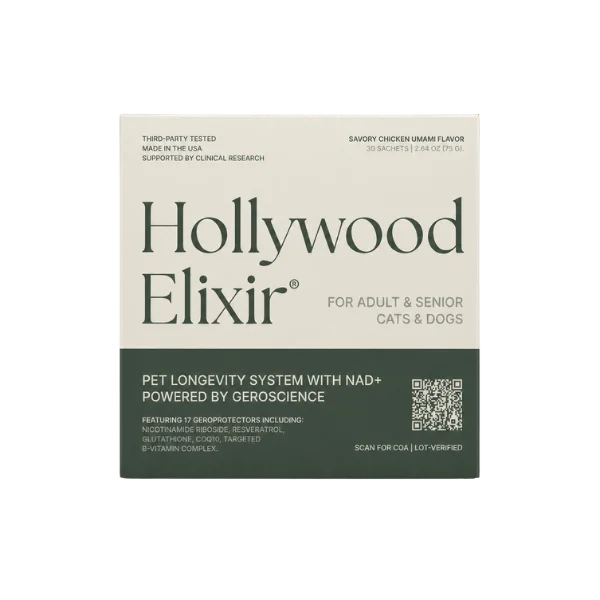
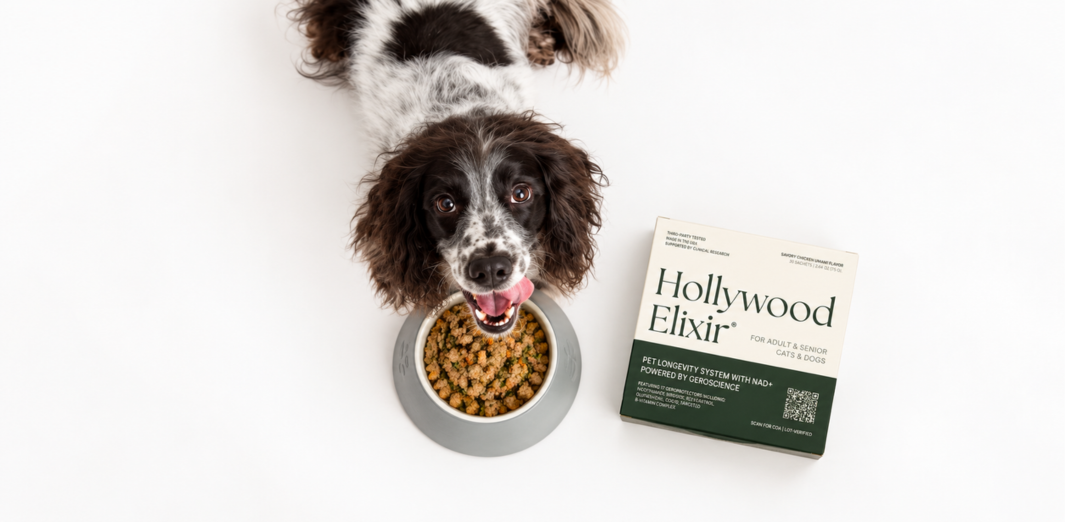
Hollywood Elixir™ supports normal daily comfort and resilience as part of a veterinarian-guided aging plan.

Gabapentin can make a dog noticeably sleepy while also changing how the nervous system “turns down” certain pain signals. That combination is why it’s often prescribed when pain seems nerve-driven (burning, shooting, touch-sensitive) or when a stressful event—like a vet visit—needs extra headroom for calmer handling. It is not an anti-inflammatory, and it does not fix the underlying cause of pain; it changes how strongly the brain and spinal cord respond to incoming signals (Unknown, 2015).

For many owners, the first question is practical: “Is gabapentin safe for dogs, and what will my dog look like on it?” The most common early changes are sedation, wobbliness, and a dog who seems less reactive to touch or movement (Unknown, 2015). Those effects can be helpful when they reduce distress and allow rest, but they can also be disruptive if a dog struggles on stairs or seems “not themselves.”

This page focuses on two main uses where gabapentin tends to fit best: neuropathic pain in dogs and anxiety-adjacent sedation for predictable triggers. It also explains why gabapentin dosage dogs can’t be “one-size-fits-all,” what to notice over days and weeks, and when to call the prescribing veterinarian—especially if side effects feel stronger than expected or if other medications are involved.

  • Gabapentin for dogs is most useful as a nerve-signal modulator that often causes sedation, helping best with neuropathic pain and predictable stress triggers.
  • It is not a classic painkiller and does not reduce inflammation; it changes how strongly pain messages are processed in the spinal cord and brain [E3].
  • Owners commonly notice sleepiness, “drunk walking,” and a calmer response to handling; these are among the typical gabapentin side effects dogs show early on [E1].
  • Response is dose-sensitive: the same prescription can feel mild in one dog and heavy in another, especially with other sedating medications or different body size and metabolism [E12].
  • Gabapentin for dog anxiety is often used for situational events (car rides, storms, vet visits) and may be combined with other tools; evidence in dogs supports a role for storm phobia in some cases [E7].
  • Do not stop it abruptly without veterinary guidance; tapering plans are individualized to avoid rebound discomfort or agitation.
  • Best outcomes usually come from a multimodal plan: pain control plus environment changes (ramps, traction, rest), and sometimes physical therapy or weight management for smoother daily function.

What Gabapentin Is in Plain Owner Language

Gabapentin is a prescription medication that looks chemically similar to GABA, a calming messenger in the nervous system, but it doesn’t simply “add GABA.” Instead, it mainly changes how nerve cells handle incoming signals, which can lower the volume on certain pain pathways and also cause sedation. That’s why it can feel like a pain medication and a calming medication at the same time, depending on the dog and the situation.

At home, gabapentin often shows up as a dog who rests more, startles less, or tolerates gentle handling better. Some dogs seem a little “spacey,” especially after the first few doses, and that can be normal if they are still eating, able to stand, and responsive. The goal is not to make a dog limp or disconnected; it’s to create enough comfort and calm for smoother movement and better bounce-back after activity.

Visualization of mitochondria illustrating cellular support pathways for gabapentin for dog pain.

When Veterinarians Commonly Prescribe It

Veterinarians most often reach for gabapentin for dog pain when the pain seems nerve-related or when pain control needs an add-on that works differently than anti-inflammatories. It may be used after certain surgeries, during back or neck pain episodes, or alongside other medications as part of multimodal pain management (Aghighi, 2012). It can also be used for situational anxiety when sedation and reduced reactivity help a dog cope with a predictable trigger (Costa, 2023).

A common household pattern is a dog who can’t settle, pants, or snaps when a sore area is touched—then becomes more comfortable and less volatile once the medication is on board. For pre-visit anxiety, the “win” often looks like easier loading into the car, fewer frantic behaviors in the lobby, and safer handling for everyone. If the only effect is heavy sleep with no functional comfort, that’s useful information to share with the prescribing clinic.

Genetic imagery reflecting cellular wellness supported by is gabapentin safe for dogs.

Pain Modulation Versus Inflammation Control

Gabapentin is best thought of as a pain signal modulator, not an inflammation blocker. In many painful conditions, there is the “source” (like a joint, disc, or surgical site) and the “wiring” (nerves that become extra reactive and amplify messages). Gabapentin targets that wiring side by reducing certain excitatory inputs in the nervous system, which is why it is discussed most often in neuropathic pain frameworks (Dworkin, 2013).

This distinction changes what owners should expect. A dog with arthritis may still need an anti-inflammatory plan discussed on joint-health-for-dogs pages, while gabapentin may be added when the dog shows touch sensitivity, sudden yelps, or pain that seems out of proportion to movement. When the nervous system calms down, daily routines—sleeping through the night, getting up without panic, tolerating harnessing—often become more consistent, even if the underlying condition still needs attention.

Protein fold visualization tied to cellular support mechanisms in is gabapentin safe for dogs.

What Owners Usually Notice in the First Days

The most common early effect is sedation: a dog who naps more, moves less, and seems less reactive. Mild wobbliness can happen because the brain is processing balance and movement a little more slowly, especially right after a dose. Some dogs also show a softer response to handling—less flinching when picked up or less guarding when a sore area is approached—which can be a sign that pain signaling is being dampened.

In a typical home day, this may look like choosing the dog bed over pacing, or taking a shorter walk without the “tight” body posture seen before. Appetite can be unchanged, slightly lower, or occasionally higher if stress drops. If sedation is so strong that the dog cannot navigate normal flooring, misses meals, or seems confused, that is beyond the “expected sleepy” range and should be reported promptly.

Dog portrait symbolizing calm and wellness supported by gabapentin for dog pain.

Common Side Effects and What They Mean
When people search gabapentin side effects dogs, they are usually describing sleepiness, clumsiness, or a “drunk” gait. Those are among the typical adverse effects reported across evidence summaries for gabapentin-class drugs, along with dizziness-like behavior. In dogs, the line between “helpfully calmer” and “too sedated” depends on the dog’s baseline energy, the reason it was prescribed, and what else is being given at the same time.

Owners can do a simple home check: the dog should be able to stand, walk to water, and respond to voice and touch in a normal, recognizable way. A little extra sleep can be acceptable if the dog is safe and comfortable, but heavy sedation can increase fall risk on stairs and slippery floors. If a dog seems suddenly anxious, vocal, or unusually restless instead of sleepy, that “paradoxical” reaction also matters and should be shared with the veterinarian.

“Gabapentin doesn’t erase the source of pain; it softens the signal.”

Red Flags That Should Trigger a Vet Call

Most dogs experience manageable sedation, but some signs should not be watched-and-waited. Concerning reactions include repeated vomiting, collapse, extreme weakness, or a dog who cannot be roused enough to stand and drink. Because gabapentin can add to the sedating effects of other medications, unexpected “too quiet” behavior is especially important to report when a dog is also taking other calming or pain medications.

“What not to do” matters here: do not give an extra dose because the dog still seems uncomfortable, do not combine with leftover sedatives from a previous visit, and do not let a wobbly dog attempt stairs unsupervised. Keep the dog on non-slip surfaces, block access to furniture if jumping is risky, and call the prescribing clinic if the dog’s breathing seems abnormal or if sedation prevents normal eating and drinking. Safety at home is part of the treatment plan.

Dog headshot symbolizing resilience and calm energy supported by gabapentin side effects dogs.

Why Dose Sensitivity Varies so Much

Gabapentin dosage dogs can feel surprisingly individualized. Two dogs with the same weight can respond differently because of age, body composition, kidney function, and how quickly the drug is absorbed and cleared. Breed differences in drug handling have been documented in pharmacokinetic work in dogs, which helps explain why one dog may look mildly sleepy while another looks heavily sedated on a similar plan (Kukanich, 2011).

Owners can support safer dosing conversations by describing the dog’s real-world response rather than guessing what the dose “should” do. Note whether the dog can rise smoothly, whether the back legs cross or slip, and whether the dog seems calmer without being disconnected. If the dog has chronic kidney disease, is very senior, or is on multiple medications, mention that up front—those details change the margin for side effects and the clinic may adjust timing or monitoring.

Dog portrait from the side highlighting a thoughtful gaze supported by is gabapentin safe for dogs.

Wobbliness and “Drunk Walking” Explained

The “drunk walking” owners describe is usually a coordination effect from sedation and altered nerve signaling, not a sign that the medication is damaging the spine. Gabapentin can make the brain less responsive to incoming signals, and that can temporarily affect balance and paw placement. This is especially noticeable in dogs already dealing with back pain, weakness, or post-surgical recovery, where the nervous system is already under strain (Aghighi, 2012).

At home, treat wobbliness like a fall-risk problem. Use rugs or yoga mats for traction, carry small dogs on stairs, and use a harness or sling for larger dogs if the rear end drifts. If wobbliness is getting worse with each dose, or if the dog’s paws start knuckling or dragging when that was not present before, contact the veterinarian—those changes may reflect the underlying condition rather than the medication alone.

Visual ingredient map showing formulation transparency connected to gabapentin for dog anxiety.

Interactions and Combination Therapy Considerations

Gabapentin is often used as one piece of a broader plan, not a stand-alone solution. It may be paired with an NSAID for inflammation-driven pain, or with other analgesics after surgery, because each medication targets a different part of the pain experience. The tradeoff is that sedation can stack when gabapentin is combined with other calming or pain medications, which is why clinics often ask owners to report the dog’s “functional level” at home.

A practical routine is to keep a written medication list on the fridge, including supplements and any “as needed” anxiety meds. Bring that list to every appointment, especially if gabapentin for dog anxiety is being used alongside other situational tools. If the dog seems unusually quiet, stares into space, or struggles to coordinate eating and drinking, that’s a sign the combined sedating load may be too high for that dog’s current margin.

Why Stopping Abruptly Can Backfire

Gabapentin changes how the nervous system processes signals, so stopping suddenly can sometimes lead to a rebound effect—more restlessness, more sensitivity, or a return of pain behaviors that had quieted down. This is one reason veterinarians often recommend a taper rather than an abrupt stop, especially if the dog has been taking it consistently for a while. The goal is a smoother transition that preserves comfort and avoids a sudden drop in headroom.

Owners often stop a medication when a dog looks “too sleepy,” but the safer move is to call and describe what is happening. Share when sedation peaks after dosing, whether the dog can toilet normally, and whether appetite is affected. If a taper is advised, follow the clinic’s schedule exactly and keep the environment calm and predictable during the change—extra excitement and extra activity can make the nervous system feel more volatile during transitions.

“Helpful sedation still allows safe walking, eating, and recognition.”

Clinical image tied to evidence-based wellness positioning for gabapentin for dog pain.

When Gabapentin Helps Most and When It Doesn’t

Gabapentin tends to help most when pain has a nerve component: sudden yelps, touch sensitivity, pain that radiates, or discomfort that persists even when inflammation is being addressed. It can also help when anxiety and pain feed each other, making a dog tense and reactive. Evidence-based neuropathic pain recommendations in human medicine place gabapentinoids as common first-line options, with sedation as a key limiting factor, which aligns with how veterinarians often use the class in dogs (Dworkin, 2013).

It may help less when the main problem is mechanical—like severe joint instability—or when inflammation is the dominant driver and no anti-inflammatory plan is in place. A unique misconception is that gabapentin is “just a stronger version of an NSAID.” It is not; it may make a dog look better by changing signal processing while the underlying problem still needs diagnosis, imaging, rehab, or a different medication strategy.

Ingredient still life illustrating clean formulation principles for gabapentin for dog pain.

What Vets Often Add Alongside Medication

Because gabapentin does not correct the root cause, veterinarians often pair it with non-drug steps that reduce flare-ups and protect mobility. For back pain, that may mean strict rest for a period, controlled leash walks, and a plan for gradual return to activity. For chronic pain, it often includes weight management, physical therapy, and home adjustments—topics that overlap with mobility and chronic-inflammation-in-dogs discussions.

At home, these additions are where owners can make the biggest day-to-day difference. Use ramps, block jumping, and add traction where the dog turns quickly (kitchen corners, hallway runners). Keep walks short and consistent rather than “weekend warrior” bursts. When medication and environment work together, dogs often show a more consistent gait and better bounce-back after normal activity, even if the condition is long-term.

Pet parent holding supplement, symbolizing trust and routine via gabapentin for dog anxiety.

Case Vignette: the Dog Who Couldn’t Settle at Night

A 9-year-old mixed-breed starts pacing at night, licking at the flank, and yelping when lifted onto the couch. The veterinarian suspects a neuropathic pain component and prescribes gabapentin as an add-on while evaluating the back and hips. Over the next two evenings, the dog sleeps longer stretches and tolerates a gentle harness without snapping, but looks wobbly on the hardwood.

In this kind of scenario, the “success” is not just sleepiness—it is safer handling and fewer pain behaviors while the underlying cause is being worked up. The wobbliness is managed with rugs, blocked stairs, and supervised potty breaks. The owner reports timing (wobble peaks about two hours after dosing) and function (still eating, still eager to go outside), which helps the clinic fine-tune the plan without guessing.

Owner Checklist for the First Week on Gabapentin

A short, specific checklist helps separate expected adjustment from a problem. Watch for: (1) ability to stand and walk to water without falling, (2) changes in stair safety or jumping attempts, (3) appetite and willingness to take treats, (4) new vocalizing, agitation, or confusion, and (5) whether touch sensitivity or guarding improves. These observations are more useful than a single label like “sleepy,” because they show function.

Keep the environment predictable during the first few days. Use a leash for backyard steps, add traction mats, and avoid rough play that could mask pain while coordination is reduced. If gabapentin for dog anxiety is the goal, also note whether the dog can recover after a trigger (car ride, visitors) or remains wound up for hours. That recovery window is a key household signal of whether the plan is creating enough headroom.

What to Track over Days and Weeks

Tracking turns vague impressions into actionable information. Useful markers include: time to settle after dosing, quality of sleep overnight, willingness to be touched near the painful area, ability to rise from lying down, number of slips on smooth floors, and interest in normal activities like sniffing on walks. For anxiety-adjacent use, track the intensity of the trigger response and how quickly the dog returns to baseline.

Use a simple notes app with timestamps rather than trying to remember. Include “good” data too—like a day with fewer yelps or a calmer nail trim—because that helps the veterinarian judge benefit versus side effects. If the dog is also being managed for arthritis or chronic inflammation, tracking mobility and comfort alongside medication timing helps reveal whether gabapentin is adding value or simply adding sedation.

Visual comparison highlighting no fillers advantage aligned with gabapentin dosage dogs.

Vet Visit Prep: Questions That Improve the Plan

Owners get better answers when they bring specific observations and questions. Helpful items include: “What pain signs suggest neuropathic pain in my dog?”, “Which behaviors mean the dose is too sedating versus appropriately calming?”, “How should other meds be timed around gabapentin?”, and “What is the plan if we see wobbliness on stairs?” If gabapentin for dog anxiety is being used, ask how to pair it with handling techniques and clinic flow for safer visits (Costa, 2023).

Also bring the exact product and formulation details, especially if a compounded liquid is used. Different formulations can contain flavorings or sweeteners that are not ideal for every dog, and the clinic may prefer a specific option for safety and consistency (Thomazini, 2024). A short video of the dog walking at home—on carpet and on slick flooring—often communicates coordination changes better than words.

Hollywood Elixir in protective wrap, emphasizing quality behind gabapentin for dog anxiety.

Situational Anxiety: Where Sedation Helps and Where It Doesn’t

Gabapentin for dog anxiety is usually most appropriate for predictable, time-limited events where reduced reactivity makes handling safer—storms, travel, grooming, or veterinary visits. A controlled crossover trial in dogs found that a single dose reduced signs of storm phobia in some dogs, supporting a role for situational use rather than a “personality change” medication (Bleuer-Elsner, 2021). It is still not a cure for fear; it can create a calmer window so training and management are possible.

At home, the goal is a dog who can eat, respond, and recover—not a dog who is shut down. Pair medication with practical steps: a quiet interior room, white noise, a well-fitted harness, and predictable routines. If the dog becomes more disoriented, more vocal, or more reactive, report that pattern; some dogs do not respond as expected, and the veterinarian may adjust the plan or choose a different approach.

Putting It Together in a Multimodal Comfort Plan

The most realistic way to think about gabapentin is as one tool that can make comfort and behavior more consistent by lowering the nervous system’s amplification of signals. Evidence summaries across gabapentin-class drugs emphasize modest benefit for neuropathic pain with sedation as a common limiting factor, which matches what many owners observe: it can help, but it is rarely the whole answer. That’s why veterinarians often combine it with anti-inflammatory strategies, rehab, and home modifications.

If the dog’s day-to-day life is improving—better sleep, fewer pain behaviors, safer handling—while side effects stay within a safe margin, that is useful progress. If sedation is the only noticeable change, the plan may need refinement. Keep the focus on function: safe walking, normal eating and drinking, and a dog who can engage with the household. Those are the outcomes that matter most when deciding whether to continue, adjust, or rethink the approach with the prescribing veterinarian.

“Track function, not just sleepiness, to guide the next adjustment.”

Educational content only. This material is not a substitute for veterinary advice. Always consult your veterinarian about your dog’s specific needs. These statements have not been evaluated by the Food and Drug Administration. Products mentioned are not intended to diagnose, treat, cure, or prevent any disease.

Glossary

  • Neuropathic pain - Pain driven by irritated or overactive nerves, often described as shooting, burning, or touch-sensitive.
  • Pain modulation - Changing how strongly pain signals are processed, rather than removing the original cause.
  • Sedation - A medication effect that increases sleepiness and reduces alertness.
  • Ataxia - Wobbly, uncoordinated movement that can look like “drunk walking.”
  • Multimodal pain management - Using multiple strategies (medications plus rehab and home changes) to address pain from different angles.
  • Situational anxiety - Fear or stress tied to a predictable event like storms, travel, grooming, or vet visits.
  • Taper - A veterinarian-guided step-down schedule to stop a medication gradually.
  • Compounded medication - A custom-made formulation (often liquid) prepared by a pharmacy when standard forms don’t fit a patient.

Related Reading

References

Unknown. SUMMARY OF EVIDENCE. 2015. https://www.ncbi.nlm.nih.gov/books/n/rc0637/CH5

Dworkin. Interventional management of neuropathic pain: NeuPSIG recommendations.. Springer. 2013. https://link.springer.com/article/10.1007/s11096-022-01528-y

Costa. Gabapentin, melatonin, and acepromazine combination prior to hospital visits decreased stress scores in aggressive and anxious dogs in a prospective clinical trial.. PubMed. 2023. https://pubmed.ncbi.nlm.nih.gov/37495226/

Aghighi. Assessment of the effects of adjunctive gabapentin on postoperative pain after intervertebral disc surgery in dogs.. PubMed. 2012. https://pubmed.ncbi.nlm.nih.gov/22882632/

Bleuer-Elsner. Effects of a single oral dose of gabapentin on storm phobia in dogs: A double-blind, placebo-controlled crossover trial.. PubMed. 2021. https://pubmed.ncbi.nlm.nih.gov/33993491/

Kukanich. Pharmacokinetics of oral gabapentin in greyhound dogs.. PubMed Central. 2011. https://pmc.ncbi.nlm.nih.gov/articles/PMC2891228/

Thomazini. Impact of concerning excipients on animal safety: insights for veterinary pharmacotherapy and regulatory considerations.. PubMed Central. 2024. https://pmc.ncbi.nlm.nih.gov/articles/PMC11087455/

FAQ

What is gabapentin used for in dogs most often?

Veterinarians most often use gabapentin for dog pain when the pain has a nerve component, and as an add-on when a single medication isn’t enough. It’s also used for situational stress when mild-to-moderate sedation helps a dog cope with a predictable event.

At home, this can look like better rest, less guarding when touched, and easier handling for car rides or appointments. It is usually part of a broader plan rather than a stand-alone fix.

How does gabapentin work if it isn’t an anti-inflammatory?

Gabapentin mainly changes how strongly certain nerve signals are transmitted and perceived, which can lower the “volume” of pain messages. That’s why it’s often discussed in neuropathic pain approaches rather than inflammation control.

In practical terms, a dog may still need an anti-inflammatory plan for arthritis or injury, while gabapentin can be added when pain seems touch-sensitive, shooting, or hard to settle. The goal is smoother comfort, not curing the cause.

Is gabapentin safe for dogs when prescribed by a vet?

For many dogs, gabapentin is well tolerated when it’s prescribed and monitored appropriately. The most common issues owners notice are sleepiness and wobbliness, which are typical gabapentin-class effects.

Safety depends on the individual dog and what else is being given. Share kidney disease history, senior status, and all other medications with the prescribing clinic, and report any sedation that prevents normal walking, eating, or drinking.

What are the most common gabapentin side effects dogs show?

The most common gabapentin side effects dogs show are sedation (sleepiness) and coordination changes like wobbliness. Some dogs seem calmer and less reactive; others may look “spacey” for a few hours after dosing.

Mild sleepiness can be expected, but a dog should still be responsive and able to move safely. If the dog cannot stand well, repeatedly falls, or seems unusually confused, contact the prescribing veterinarian promptly.

How quickly does gabapentin start working in dogs?

Many owners notice sedation within hours of a dose, while comfort changes can be subtler and may take a few doses to judge. The timing can vary by dog and by formulation, which is one reason clinics ask for specific “after dosing” observations.

Track when wobbliness peaks, whether sleep improves overnight, and whether the dog tolerates handling better. Those details help the veterinarian decide whether the medication is providing useful headroom or mostly causing side effects.

Why does my dog seem wobbly or drunk on gabapentin?

Wobbliness usually comes from sedation and slowed coordination, not from the medication “damaging” the spine. Dogs with existing back pain or weakness may show it more clearly because their balance is already challenged.

Manage it like a fall-risk issue: add traction rugs, block stairs, and supervise potty breaks. If wobbliness worsens over time or new knuckling/dragging appears, contact the veterinarian to rule out progression of the underlying problem.

Can gabapentin be used for dog anxiety or fear?

Gabapentin for dog anxiety is typically used for predictable, time-limited triggers where sedation and reduced reactivity can help. A controlled crossover trial in dogs found reduced storm phobia signs in some dogs after a single dose(Bleuer-Elsner, 2021).

It does not erase fear learning on its own. Pair it with management (quiet space, noise masking, predictable routines) and discuss behavior support with the veterinarian if anxiety is frequent or escalating.

Does gabapentin replace NSAIDs or other pain medications?

Gabapentin does not replace anti-inflammatory medications because it does not target inflammation. It changes how pain signals are processed, so it’s often used as an add-on in multimodal pain management rather than a substitute.

If a dog’s pain is mainly inflammatory (like many arthritis flares), an NSAID plan may still be central. If pain seems nerve-driven or touch-sensitive, gabapentin may be the missing piece—your veterinarian decides based on exam findings and risk factors.

What should owners avoid doing when a dog is on gabapentin?

Avoid “stacking” sedatives at home without veterinary direction, giving extra doses because a dog still seems uncomfortable, or letting a wobbly dog navigate stairs unsupervised. Also avoid intense play that could mask pain while coordination is reduced.

Instead, focus on safety: traction on floors, blocked jumping, and calm routines. If sedation feels excessive or the dog seems unusually agitated, call the prescribing clinic rather than adjusting the plan independently.

Do dogs need to taper off gabapentin?

Many dogs are tapered off gabapentin rather than stopped abruptly, especially after consistent use. Because it affects nervous system signaling, a sudden stop can sometimes lead to rebound discomfort or restlessness.

Only the prescribing veterinarian can decide the safest schedule for that dog’s condition and medication mix. If sedation is the concern, report timing and function; the clinic may adjust dose timing or taper rather than stopping suddenly.

What is a typical gabapentin dosage dogs are prescribed?

Gabapentin dosage dogs receive varies widely based on the condition being treated, the dog’s size and age, kidney health, and what other medications are involved. Because response is dose-sensitive, veterinarians often start with a plan tailored to the individual and adjust based on home observations.

Rather than comparing doses online, focus on reporting what the dog can and cannot do safely after dosing (walking, stairs, eating, settling). That functional feedback is what helps the clinic fine-tune the prescription.

Why can the same dose affect dogs so differently?

Dogs vary in how they absorb and clear gabapentin, and breed-related differences in drug handling have been described in canine pharmacokinetic work(Kukanich, 2011). Age, kidney function, and concurrent sedating medications can also shift how strong the effects feel.

This is why two dogs can look completely different on similar prescriptions. Share your dog’s day-to-day function and any medical history that affects medication choices so the veterinarian can adjust with a safer margin.

Can gabapentin be used long-term for chronic pain?

Some dogs take gabapentin long-term as part of chronic pain management, especially when nerve sensitivity is a major feature. The key is ongoing monitoring for sedation, mobility safety, and whether the medication is still adding meaningful comfort.

Long-term plans usually work best when paired with non-drug supports like weight management, traction, ramps, and rehab exercises. If the dog’s activity shrinks mainly because of sleepiness, that’s a sign the plan may need adjustment.

Is gabapentin okay for senior dogs or dogs with kidney issues?

Senior dogs and dogs with kidney disease can be more sensitive to sedating medications, including gabapentin. That doesn’t automatically mean it can’t be used, but it does mean the prescribing veterinarian may choose a more cautious plan and closer follow-up.

Owners should report any change in drinking, urination, appetite, or ability to rise and walk safely. If sedation prevents normal daily function, the clinic needs to know quickly so the plan can be adjusted.

Can gabapentin be combined with trazodone or other calming meds?

Gabapentin is sometimes combined with other medications for pre-visit anxiety, but sedation can stack. A prospective trial using gabapentin in combination with melatonin and acepromazine before hospital visits showed reduced stress scores, supporting a role in a veterinarian-designed pre-visit plan(Costa, 2023).

Because combinations vary, owners should never mix leftover meds without instructions. Report how your dog walks, eats, and responds after the combo so the clinic can keep the plan effective and safe.

What if gabapentin seems to make my dog more anxious?

A small number of dogs can seem restless, vocal, or unsettled instead of sleepy. That pattern matters because it changes the risk-benefit balance, especially if gabapentin for dog anxiety was the goal.

Write down when the behavior starts relative to dosing and what it looks like (pacing, panting, whining, startle). Contact the prescribing veterinarian before the next dose so they can adjust timing, dose, or choose a different approach.

How should gabapentin be given with food or treats?

Many dogs take gabapentin well hidden in a small treat or a bite of food, which can reduce stress around dosing. Follow the pharmacy label and your veterinarian’s instructions, since timing can matter for situational anxiety plans.

If a dog refuses food when medicated, don’t force-feed or chase with multiple high-value snacks that upset the stomach. Call the clinic for alternatives, such as different formulations or dosing strategies that fit your dog’s routine.

Are compounded gabapentin liquids always safe for dogs?

Compounded liquids can be appropriate when a dog can’t take capsules, but the ingredients used to flavor or stabilize a compound matter. Reviews of excipients in veterinary pharmacotherapy highlight that some additives can be concerning for certain animals, so formulation choice should be veterinarian- and pharmacy-guided(Thomazini, 2024).

Owners should confirm the concentration, storage instructions, and dosing device. If the liquid smells different, separates oddly, or your dog reacts unexpectedly, contact the pharmacy and the prescribing clinic before continuing.

Does gabapentin help after spinal surgery or disc disease episodes?

Gabapentin is commonly used as an adjunct after certain spinal surgeries or disc disease episodes because nerve irritation can be part of the pain picture. In dogs undergoing intervertebral disc surgery, adjunctive gabapentin has been evaluated for postoperative pain outcomes, supporting its role as an add-on rather than a single solution(Aghighi, 2012).

At home, strict rest and safe footing are just as important as medication. If new weakness, knuckling, or loss of bladder control appears, treat that as urgent and contact the veterinarian immediately.

What signs mean I should call the vet right away?

Call promptly if your dog collapses, cannot be roused enough to stand, has repeated vomiting, or cannot safely walk to water. Also call if breathing seems abnormal or if sedation prevents normal eating and drinking.

For pain cases, urgent contact is also warranted if new neurologic signs appear (knuckling, dragging, sudden weakness), since those may reflect the underlying condition. Bring timing details: when the last dose was given and what changed afterward.

Can supportive products replace gabapentin for dog pain?

Supportive products should not replace prescribed pain medication without veterinary guidance. Gabapentin for dog pain is used to change nerve signal processing, which is a different goal than general wellness support.

If you’re building a broader comfort plan, discuss what’s appropriate for your dog’s diagnosis and medications. Options like Hollywood Elixir™ can be considered as part of a plan that supports normal daily comfort, while the veterinarian manages pain control and safety.