
The 12 Hallmarks of Aging in Dogs, Explained
Read full insightHolistic Health for Dogs
By La Petite Labs Editorial 15 min read
Holistic health for dogs means caring for the whole animal — food, movement, sleep, stress, and environment — instead of chasing one symptom at a time. The simplest definition: it's a philosophy of stewardship, not an alternative to veterinary medicine, and its goal is resilience rather than perfection. Energy, digestion, skin, mood, and mobility are connected, so small daily stressors compound, and the most effective approach is usually doing fewer things better. That means a complete, consistent diet your dog actually thrives on, predictable routines, fewer inflammatory triggers, and products added only when they fit the dog in front of you. A fair question for a science-minded owner is why supplements belong here at all if the diet is already good. The honest answer is that 'adequate' nutrition does not always address the broader strain of stress, environmental exposures, and aging — which is where a thoughtful daily routine can support the body's capacity to adapt without replacing good food or good care.
- Holistic health for dogs is a whole-life approach — food, movement, rest, stress, and environment — aimed at resilience, not perfection.
- 'Holistic' on a food label isn't regulated; prioritize a complete-and-balanced formula and consistent quality over the buzzword (German K, 2025).
- Well-formulated plant-forward diets can maintain stable nutritional markers in dogs, but individual tolerance still decides fit (Linde A, 2024).
- Herbs are real bioactive compounds, not gentle by default; interactions and adverse effects are possible, especially alongside medications.
- Quality control matters because contaminants and recalls are part of the pet-food landscape, so choose brands that publish testing.
- A system-level supplement can complement great care by supporting daily resilience across aging; it does not replace diet or veterinary care.
What Does Holistic Health for Dogs Actually Mean?
Holistic care starts with a simple premise: your dog is not a collection of parts. Energy, digestion, skin, mood, and mobility are intertwined, and small stressors add up over time. A holistic approach pays attention to the whole picture—food quality, daily movement, sleep, emotional steadiness, and the quiet signals that something is “off” before it becomes obvious.
For many families, the goal of holistic health for dogs is not perfection; it’s resilience. That means supporting the body’s ability to adapt—through consistent routines, fewer inflammatory triggers, and thoughtful choices that fit your dog’s age, temperament, and medical history. When you do add holistic supplements for dogs, they work best as part of a broader system, not as a last-minute fix.
Food First: Choosing Holistic Health Dog Food with Clear Priorities

'Holistic health dog food' is not a regulated category, so the word on the bag guarantees nothing — judge the food on fundamentals instead. Look for a complete-and-balanced formula for your dog's life stage, consistent quality control, and ingredients your dog digests well. Nutrient composition can differ meaningfully between adult and senior diets, which can change how a dog feels day to day (German K, 2025).
Plant-forward options are worth considering for some dogs. A well-formulated commercial plant-based diet has maintained stable nutritional and hematological markers in dogs over a year (Linde A, 2024). The deciding factors are not ideology but formulation, digestibility, and whether your individual dog actually thrives on it.
Immune Balance Without Hype: What Daily Choices Actually Support
Immune support is often framed as “boosting,” but the more useful goal is balance. A resilient immune system responds appropriately, then stands down. Diet quality, sleep, stress, and the gut environment all shape that steadiness. Plant ingredients can add phytonutrients that may support immune function and inflammation modulation (Tanprasertsuk J, 2022).
In practice, immune-friendly living looks ordinary: consistent meals, fewer ultra-processed extras, clean water, and enough recovery time after exercise. When holistic supplements for dogs are used, they should be chosen for fit and tolerability, not for grand promises.
Gut Comfort as a Foundation for Mood, Skin, and Energy
The gut is where “holistic” becomes tangible. Appetite, stool quality, gas, and skin can all reflect what’s happening in digestion. A stable routine—same feeding times, gradual transitions, and treats that don’t overwhelm the diet—often does more than frequent product switching. If you change foods, do it slowly enough that you can tell whether the new choice is truly better.
Variety can help, but only when it’s structured. Incorporating a range of plant-based foods can enhance overall nutritional quality when done thoughtfully (Tanprasertsuk J, 2022). For sensitive dogs, “variety” may mean rotating within a narrow set of tolerated ingredients rather than constant novelty.
Skin and Coat: Reading the Signals Without Chasing Quick Fixes

Skin and coat are often the first place owners notice change—and the first place marketing targets. But dryness, itch, and dullness can come from many sources: diet imbalance, environmental irritants, parasites, or stress. A holistic approach starts by ruling out the obvious and reducing triggers before layering on extras.
If you’re choosing holistic supplements for dogs for coat support, prioritize products with clear quality practices and conservative claims. And remember that improvements can lag behind changes; hair growth cycles move on their own timeline, so consistency matters more than intensity.
“Holistic care is less about doing more, and more about doing fewer things, better.”
Mobility and Strength: Supporting Movement Beyond the Joint Conversation
Mobility is not only about joints; it’s also about muscle, weight, and daily movement patterns. The most “holistic” mobility plan is often a calm, regular walking routine paired with a body condition you can maintain. Sudden weekend exertion followed by sedentary weekdays is a common recipe for stiffness, even in younger dogs.
Nutrition plays a supporting role here, especially as dogs age and their needs shift. Because diet composition differs between adult and senior formulas, it’s worth reassessing food choices when your dog’s activity level changes (German K, 2025). Supplements can be additive, but they work best when the baseline—movement and weight—is already steady.
Oral Health as a Whole-body Issue, Not a Cosmetic Detail
Oral health is a quiet driver of whole-body comfort. Bad breath, inflamed gums, and chewing changes can affect appetite and mood long before a dog seems “sick.” A holistic routine includes home dental care your dog can tolerate, plus professional cleanings when your veterinarian recommends them. It’s not glamorous, but it’s one of the most reliable ways to reduce chronic stress on the body.
Be cautious with trendy chews and powders that promise sweeping results. If a product is swallowed daily, it belongs in the same risk category as food—meaning you should care about sourcing, contaminants, and consistency. Recalls due to chemical contaminants are part of the broader pet food landscape (Rumbeiha W, 2011).
Sleep and Recovery: the Overlooked Cornerstone of Daily Vitality
Sleep is an underrated health metric. Dogs who don’t rest well often show it as irritability, clinginess, or digestive sensitivity. Holistic care looks for the friction points: late-night noise, inconsistent schedules, too much evening stimulation, or pain that makes it hard to settle. Sometimes the most effective “supplement” is a quieter household rhythm.
If you’re considering calming herbs, treat them like real pharmacology, not like aromatherapy. Herbal preparations can vary in how they’re absorbed and metabolized in dogs, and safety depends on the whole context (Byard RW, 2021). When in doubt, ask your vet and start conservatively.
Quality, Recalls, and Trust: Choosing Products with Better Guardrails
Quality is part of holistic thinking. It’s not only what you feed, but how reliably it’s made. Pet food recalls have included serious categories of risk, and contaminants can enter the supply chain in multiple ways (Rumbeiha W, 2011). That doesn’t mean you should panic; it means you should choose brands that publish testing standards and respond transparently when problems occur.
At home, store food in a cool, dry place, keep lids sealed, and avoid buying more than you can use while it’s fresh. These small habits support holistic health for dogs in a way that’s practical, not performative.
How to Evaluate Holistic Supplements Without Getting Swept Away
When you compare holistic supplements for dogs, treat 'proprietary blend' as a yellow flag — you should be able to find the ingredient list, intended use, and basic quality practices without detective work. Look for clear serving guidance by weight range, a lot number, and a way to reach the company for testing information. Products that lean on dramatic promises are often compensating for thin transparency.
Also ask what the supplement is actually trying to support. Single-ingredient products have their place, but many dogs do better with system-level support that respects how metabolism, stress, and recovery interact — which is where a well-designed formula complements good food and good habits, especially as a dog's needs shift with age.
“A label can be persuasive; a stable, thriving dog is more convincing.”
DVM Voice: Clinical Vignette of a Common Pattern in Senior Dog Aging
Case provided by JoAnna Pendergrass, DVM
Rex, a 7-year-old Labrador Retriever, was brought in after his owner noticed he was slower to rise, hesitant on stairs, and less able to play as before. Examination showed stiffness and reduced hip mobility; radiographs confirmed degenerative joint changes.
His care required weight management, veterinary-guided pain control, nutritional support, and rehabilitation — a comprehensive plan, but one started only after visible decline appeared.
Clinical takeaway: Rex’s case reflects the value of proactive aging support: maintaining lean body condition, monitoring mobility early, and supporting cellular resilience, antioxidant defense, and healthy inflammatory balance before decline becomes obvious.
Single-case vignette. Not generalizable. Veterinary oversight is essential for pain, stiffness, or suspected joint disease.
Herbs, Botanicals, and the Safety Questions Worth Asking First
Herbs can be meaningful tools, but they are not automatically gentle. Dogs metabolize compounds differently than people, and the same plant can behave differently depending on extraction method, dose, and the dog’s underlying health. Some herbal preparations can cause adverse effects, and interactions with prescription medications are a real concern (Byard RW, 2021).
If your dog is on anti-inflammatories, seizure medications, heart drugs, or has liver or kidney disease, bring your vet into the decision early. A holistic plan is still a plan—one that values caution, monitoring, and the humility to stop something that doesn’t agree with your dog.
Detox Talk, Reframed: Supporting the Body’s Everyday Filters
“Detox” is one of the most misunderstood words in pet wellness. The body already has detoxification systems—primarily the liver, kidneys, gut, and skin—and the practical question is whether your dog’s daily inputs make those systems work harder than they need to. That’s less about dramatic cleanses and more about steady, low-drama choices: consistent feeding, fewer questionable treats, and avoiding unnecessary exposures.
Food quality matters here. Pet food recalls have occurred due to chemical contaminants, and the sources can be varied, from ingredients to processing (Rumbeiha W, 2011). Choosing reputable manufacturers, rotating proteins thoughtfully, and storing food correctly are unglamorous steps that genuinely support holistic health for dogs.
Aging with Grace: Subtle Shifts That Deserve Earlier Attention
Aging is not a diagnosis, but it changes the baseline. Many dogs become less forgiving of dietary swings, missed walks, or long stretches of stress. Senior formulations often adjust nutrient levels to better support older dogs (German K, 2025). That doesn’t mean every older dog needs “senior” food, but it does mean the label alone isn’t enough—you’re looking for how your dog is actually doing.
In a holistic framework, aging support is about preserving capacity: appetite, curiosity, comfortable movement, and recovery after exertion. This is also where system-level support can make sense even when the diet is carefully chosen—because the goal isn’t to replace nutrients, but to support the broader network that uses them.
Stress, Routine, and the Nervous System’s Quiet Influence
Stress is not only emotional; it’s physiological. A dog who is under-stimulated, over-stimulated, or chronically uncertain can show it through digestion, skin, sleep, and reactivity. Holistic care treats the nervous system as part of health, not a separate “behavior” category. Predictable routines, decompression time, and appropriate enrichment can be as consequential as any supplement.
If you’re adding holistic supplements for dogs, consider whether the dog’s environment is working with you. Supplements can support resilience, but they can’t outpace a lifestyle that keeps the body on alert. The most effective plans usually pair gentle support with quieter days.
Tracking What Matters: Simple Signals That Keep You Honest
A holistic routine should be trackable. Choose two or three signals you can observe without guesswork—stool quality, itch frequency, willingness to play, ease of getting up, or how quickly your dog settles after activity. Take brief notes for two weeks before changing anything, then adjust one variable at a time. This protects you from false confidence and from blaming the wrong thing when a dog has a bad week.
This approach also keeps expectations realistic. Many supportive changes are subtle: steadier energy, fewer “off” days, a calmer baseline. Holistic health for dogs is often about fewer spikes and crashes, not dramatic transformations.
When to Involve Your Veterinarian and What to Bring Along
When should you call the vet? Any sudden change—vomiting, diarrhea lasting more than a day, collapse, breathing changes, refusal to eat, or signs of pain—deserves medical attention. Holistic care is not an alternative to diagnostics; it’s the context that makes prevention and recovery more likely. If you’re using herbs, be especially cautious: herbal preparations can interact with conventional medications and lead to unexpected side effects (Byard RW, 2021).
A good holistic plan makes your vet visits more productive. Bring your food label, supplement list, and a short timeline of changes. It’s a calmer, more credible way to advocate for your dog.
Why a System-level Product Still Makes Sense for Careful Owners
If you're science-minded, you may wonder why a product belongs in this conversation when a careful diet and lifestyle already cover the basics. The honest answer: meeting nutrient requirements is not the same as supporting the system that allocates energy, repairs everyday wear, and adapts to stress, especially across aging. Plant ingredients can contribute phytonutrients that may support immune function and inflammation balance (Tanprasertsuk J, 2022), but no single nutrient covers the whole picture.
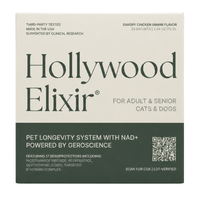
This is where a multi-pathway daily routine earns its place. Hollywood Elixir is a food-mixed daily formula built around cellular-energy and antioxidant support for adult and senior dogs, with every active's milligrams printed on the label and a lot-level COA you can look up — so it's easy to introduce slowly, pause cleanly, and discuss with your veterinarian. It doesn't replace good food; it's the steady, system-level layer that supports resilience when daily life isn't perfect. Start with the routine you can explain.
A Calm Closing Perspective on Building Enduring Canine Resilience
Holistic health is, in the end, a relationship with time. You choose inputs that are easier on the body, you watch for patterns, and you keep the plan flexible as your dog changes. The best routines are quiet enough to sustain: good food, daily movement, emotional steadiness, and support that respects both biology and individuality.
If you want a single takeaway, make it this: reduce avoidable stressors, then add targeted support where your dog shows need. That’s the heart of holistic health for dogs—less noise, more resilience, over time.
“The best routines are quiet enough to sustain, even on busy weeks.”
Educational content only. This material is not a substitute for veterinary advice. Always consult your veterinarian about your dog’s specific needs. These statements have not been evaluated by the Food and Drug Administration. Products mentioned are not intended to diagnose, treat, cure, or prevent any disease.
Glossary
- Whole-body approach: Considering diet, behavior, environment, and medical history together rather than in isolation.
- Complete and balanced: A diet formulated to meet established nutrient requirements for a specific life stage.
- Life stage nutrition: Adjusting food choices for puppy, adult, and senior needs as the body changes over time.
- Phytonutrients: Naturally occurring plant compounds that may support normal immune and inflammation balance.
- Elimination trial: A structured diet approach used to identify food sensitivities by limiting ingredients temporarily.
- Body condition score: A hands-on assessment of fat coverage and shape used to guide healthy weight management.
- Enrichment: Activities that meet a dog’s mental and sensory needs, supporting calmer behavior and better rest.
- Supplement stacking: Using multiple products at once, which can complicate safety and make results hard to interpret.
- Quality control: Manufacturing practices (testing, traceability, lot codes) that reduce contamination and inconsistency risk.
Related Reading
Aging & Senior Dog Guidance
• Dog Age Calculator
• Dog Dementia
• Lethargy in Dogs
• My Dog Won't Eat
• Dog Pacing At Night
• Dog Licking Paws
• Can Dogs Dehydrate
Healthy Aging Support
• NAD+ for Dogs
• NMN for Dogs
• Antioxidants Supplements for Dogs
• Best Senior Dog Supplements & Vitamins
• Rapamycin for Dogs
References
Linde A. Domestic dogs maintain clinical, nutritional, and hematological health outcomes when fed a commercial plant-based diet for a year. PubMed. 2024. https://pubmed.ncbi.nlm.nih.gov/38625934/
Tanprasertsuk J. Roles of plant-based ingredients and phytonutrients in canine nutrition and health. PubMed. 2022. https://pubmed.ncbi.nlm.nih.gov/34495560/
Byard RW. The potential side effects of herbal preparations in domestic animals. PubMed. 2021. https://pubmed.ncbi.nlm.nih.gov/34417949/
Rumbeiha W. A review of class I and class II pet food recalls involving chemical contaminants from 1996 to 2008. PubMed Central. 2011. https://pmc.ncbi.nlm.nih.gov/articles/PMC3614097/
German K. Exploratory analysis of nutrient composition of adult and senior dog diets. PubMed Central. 2025. https://pmc.ncbi.nlm.nih.gov/articles/PMC12757753/
FAQ
What does holistic health for dogs actually mean day to day?
It means looking at patterns, not isolated symptoms: food quality, digestion, sleep, movement, stress, and the home environment. The goal is steadier resilience over time, not a dramatic “fix.”
A practical approach is to change one variable at a time and track a few signals (stool, itch, energy, recovery).
Why do owners focus on holistic health for dogs now?
Many owners are trying to reduce “background strain” on the body—processed extras, inconsistent routines, and stress that shows up as skin, stomach, or energy issues. Holistic thinking also helps people notice early changes and respond before problems escalate. It’s less about rejecting conventional care and more about building a steadier baseline between vet visits.
Is holistic health for dogs compatible with my veterinarian’s plan?
Yes—when it’s approached as supportive care, not a replacement for diagnostics or prescribed treatment. The most useful holistic plans are transparent: you share foods, treats, and supplements so your vet can spot conflicts and monitor progress. Bring a short timeline of changes and a few measurable observations (appetite, stool, sleep, mobility).
How quickly can holistic health for dogs show visible changes?
Some changes can appear within days (stool consistency, appetite steadiness), while others take longer (skin and coat, body composition, mobility confidence). The timeline depends on what you change and how long the issue has been present. A good rule is to track two or three signals for 3–6 weeks before judging a supportive routine.
What should I look for in holistic health dog food labels?
Start with “complete and balanced” for your dog’s life stage, then look for manufacturer transparency: lot codes, customer service access, and clear feeding guidance. “Holistic” is often marketing language, so the fundamentals matter more than the vibe. If you’re changing foods, transition slowly and keep treats consistent so you can interpret results.
Are plant-forward diets part of holistic health for dogs?
They can be, if the diet is well-formulated and your dog does well on it. One study found dogs maintained stable health markers on a commercial plant-based diet over a year(Linde A, 2024). The key is formulation quality and monitoring, not ideology. If you explore this route, work with your veterinarian and watch body condition, stool, and energy.
Do holistic supplements for dogs replace a balanced diet?
No. A balanced diet is the foundation; supplements are best viewed as targeted support for specific needs or life stages. If a product implies it can compensate for poor food, that’s a sign to be cautious. Where supplements can make sense is supporting the broader systems that allocate energy and recovery—especially as dogs age and become less flexible.
Are herbs always safe in holistic health for dogs?
No. Herbs are bioactive, and dogs can respond unpredictably depending on the extract, the dog’s health status, and other medications. Adverse effects and drug interactions are documented concerns with herbal preparations in animals. If your dog takes prescription medications or has liver, kidney, or seizure conditions, involve your vet before adding herbs.
What side effects should I watch for with new supplements?
The most common early signals are digestive: softer stool, gas, reduced appetite, or vomiting. You may also see restlessness or sleep changes if a product is stimulating. Stop the new item and contact your veterinarian if symptoms are persistent, severe, or paired with lethargy. Introduce one new product at a time so you can interpret what’s happening.
Can supplements interact with my dog’s prescription medications?
Yes. Interactions are a particular concern with herbal products, which can alter how drugs are absorbed or metabolized, sometimes leading to unexpected side effects. This is especially important for seizure medications, heart drugs, pain medications, and endocrine therapies. Share a complete list of supplements and treats with your veterinarian, and avoid stacking multiple new products at once.
How does age change a holistic plan for my dog?
As dogs age, they often become less tolerant of abrupt diet changes, inconsistent exercise, or long periods of stress. Diets also differ between adult and senior formulations, which can influence daily vitality and body condition. A senior-friendly holistic plan emphasizes steadier routines, comfortable movement, and support for recovery.
Does breed or size affect holistic supplement choices?
It can. Size influences calorie needs and how quickly a dog may show changes in stool or appetite when something new is introduced. Breed tendencies—like sensitive skin, anxious temperaments, or orthopedic wear—can also shape what “support” means for your individual dog. Rather than chasing breed-specific marketing, focus on your dog’s actual patterns and your veterinarian’s input.
Is holistic health for dogs the same approach for cats?
The philosophy overlaps—whole-body support, stress reduction, and careful product selection—but cats and dogs have important dietary and metabolic differences. What’s appropriate for a dog may be unsuitable for a cat, especially with herbs and essential oils. If you share a household, avoid assuming one supplement fits both species, and consult your veterinarian for cat-specific guidance.
What quality signals matter most when buying dog supplements?
Look for clear labeling, a lot number, realistic claims, and a company that will answer questions about testing and sourcing. Avoid products that hide behind vague blends or imply they can replace veterinary care. Because quality issues can exist across the broader pet food ecosystem, transparency is a meaningful trust signal.
How should I introduce holistic supplements for dogs safely?
Introduce one new item at a time, ideally with food, and keep everything else stable for a couple of weeks. Watch stool, appetite, sleep, and itch patterns. If your dog has chronic disease or takes medications, check with your veterinarian first. This slow approach makes it easier to identify what’s helping versus what’s merely coincidental.
Can holistic health for dogs support immune balance gently?
Yes, when you think in terms of balance rather than “boosting.” Consistent sleep, stress reduction, and a diet your dog digests well are the quiet foundations. Plant ingredients may contribute phytonutrients that support immune and inflammation balance. If you add supplements, choose products with conservative claims and clear quality practices.
What does research say about plant-based dog diets?
Research suggests a well-formulated commercial plant-based diet can maintain stable clinical and blood markers in dogs over a year. That doesn’t mean every dog will thrive on every formula, but it supports the idea that formulation quality is the deciding factor. If you’re curious, involve your veterinarian and monitor body condition and stool quality during transitions.
When should I stop holistic products and call my vet?
Stop and call your veterinarian for persistent vomiting or diarrhea, collapse, breathing changes, swelling, hives, marked lethargy, or signs of pain. If your dog is on medications, be especially cautious with herbs because interactions can occur. Bring the product label and a timeline of symptoms so your vet can assess the situation quickly.
How do I choose between food changes and supplements first?
Start with the biggest levers: a complete and balanced diet, consistent feeding, and fewer high-calorie extras. If your dog is in a new life stage, reassessing the base diet can matter because adult and senior formulas can differ in nutrient composition. Then add supplements to support specific goals or broader resilience, one at a time, while tracking results.
Can holistic health for dogs fit a busy household routine?
Yes, if you keep it simple. The most effective routines are repeatable: consistent meals, daily walks, predictable downtime, and a short list of products you trust. Complexity tends to collapse under real life, and inconsistency is hard on sensitive dogs. Choose changes that reduce friction—like pre-measured servings and a single, steady supplement rather than frequent experimentation.
What’s a simple decision framework for holistic health for dogs?
Ask three questions: Is the baseline solid (complete diet, routine, movement)? Is the goal observable (stool, itch, energy, recovery)? And is the change low-risk and easy to sustain? If you can’t measure it or maintain it, it’s unlikely to help. Then make one change at a time and reassess after a few weeks.
Discover LPL-01: How This Fits Into a Larger Canine Longevity System
Aging in dogs is not driven by a single pathway. It’s the result of interacting biological systems—energy metabolism, oxidative stress, immune signaling, and structural integrity—changing over time.
This article explores one piece of that puzzle. If you want to understand how these pieces connect—and what actually moves the needle—you need to zoom out.
Start with the underlying science:
- Canine Geroscience Framework →
A structured view of how aging progresses across cellular energy, inflammation, and resilience systems. - Senior Biological Defense Coverage (BDC) Modeling →
A systems-level map of which biological pathways decline first, and how layered interventions can support them. - 2026 Market Research: Best Dog Longevity Supplements →
A 2026 industry report and review of leading senior-dog and cellular-aging formulas. - LPL-01 Standard →
The formulation system that translates these models into real-world supplementation—covering multiple pathways in a coordinated way.
Essential Summary
Why is holistic health for dogs important?
Holistic health for dogs is the art of supporting the whole animal—food quality, movement, stress, sleep, and safe supplementation—so the body stays resilient over time. It favors steady routines and careful observation over dramatic claims, and it works best when choices are tailored to your dog’s age, sensitivities, and veterinary guidance.
Hollywood Elixir is designed for system-level support—helping the body maintain vitality across aging rather than chasing a single symptom. It fits naturally alongside thoughtful food choices, daily movement, and a calm routine, offering a consistent way to support the broader metabolic network that underpins resilience.
Hollywood Elixir®
Starting at $89/mo
Hollywood Elixir is amazing! She put back on 5 lbs to a healthy weight, her eyes are shiny, her coat is beautiful!
— Jessie
We go on runs. Lately he's been keeping up with no problem!
— Cami
Considering holistic health for dogs?
If you're searching to understand holistic health for dogs
If you’re building a thoughtful routine, start with the basics you can keep: a complete-and-balanced diet, consistent feeding times, daily movement, and enough calm rest. Then choose one supportive addition that aligns with your dog’s age and patterns, rather than stacking products. This is where holistic health for dogs becomes practical: fewer variables, clearer signals, and steadier weeks. Hollywood Elixir fits that philosophy by offering system-level support that complements good food and good habits—especially as your dog’s needs shift over time.
Learn about how our DVMs think about dog aging
Dr. JoAnna Pendergrass DVM
Hollywood Elixir®
Starting at $89/mo
Explore your dog’s changing needs over time
Related Reading
Most people arrive at holistic health for dogs for the same reason: they want more good years, and fewer uneasy ones. Not the kind of “wellness” that turns every meal into a referendum, but the kind that makes a dog feel steady—comfortable in their skin, predictable in digestion, willing to move, able to rest.