Liver Health for Dogs

Track Digestive Clues, Reduce Toxin Load, and Support Long-term Vitality

Essential Summary

Why is dog liver function support important?

The liver has deep workload overhead, so early problems can look like mild nausea or picky eating. The most reliable approach is symptom tracking, diet consistency, and toxin avoidance first, then veterinarian-guided choices about dog liver function support and supplements that fit the dog’s diagnosis.

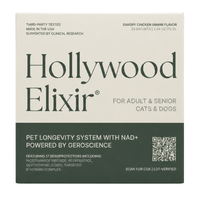
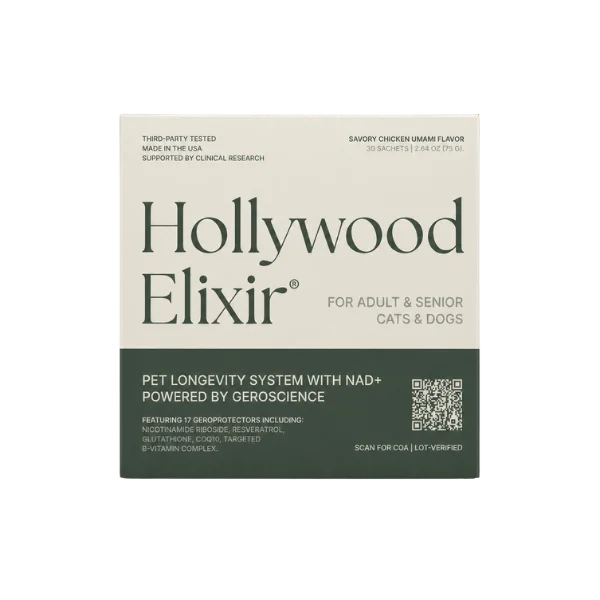
For owners building a daily plan, Hollywood Elixir™ can be part of a routine that supports normal cellular renewal rate and overall organ cooperation, alongside a veterinarian-guided diet and monitoring strategy. It is designed to support whole-dog wellness rather than acting as a targeted “detox” fix.

A dog that suddenly eats less, vomits after a rich treat, or seems unusually tired may be showing early clues of liver involvement. The most helpful response is not a “detox,” but symptom-first triage: document what is changing, reduce avoidable strain (diet swings, toxin exposure, supplement stacking), and get the right tests to confirm the cause. The liver has deep overhead, so meaningful inflammation can develop while a dog still looks mostly normal, which is why patterns over days matter more than a single off meal.

This page focuses on practical dog liver function support for two common clinical lanes owners encounter: chronic hepatitis (including copper-associated patterns) and bile duct inflammation that disrupts bile flow. Both can show up as vague digestive signs, shifting stool color, or persistent lab abnormalities, and both benefit from a plan that is measurable. That means tracking appetite, nausea cues, stool and urine color, weight trend, and walk energy—then bringing that record to the veterinarian to guide next steps. Supplements can be part of the conversation, but only after the basics are stable enough to judge what is actually helping, and only with “supports normal function” expectations rather than cure promises.

By La Petite Labs Editorial, ~15 min read

Featured Product:

  • Dog liver function support is most useful when it starts with what owners see—appetite shifts, nausea, pale stools—and then confirms the cause with veterinary testing.
  • The liver handles bile flow, nutrient processing, and exposure handling; early dysfunction can look vague because the organ has substantial overhead.
  • Two common clinical focus areas are chronic hepatitis (including copper-associated patterns) and bile duct inflammation; each has different next steps.
  • Track outcome cues at home: appetite, vomiting timing (especially after fatty treats), stool and urine color, weight trend, and walk energy.
  • Diet consistency and weight planning often do more for day-to-day comfort than “detox” products; copper strategy should be diagnosis-driven.
  • Canine liver health supplements may help support normal function, but stacking multiple products can create side effects and confusion.
  • Seek urgent care for jaundice, repeated vomiting with weakness, collapse, bleeding signs, black stools, or a suddenly swollen abdomen.

The First Clues Owners Notice When the Liver Is Struggling

When a dog’s appetite drops, stools turn pale, or the belly seems tender, the liver is often part of the story. The liver filters blood from the gut, packages bile for fat digestion, and helps keep blood sugar and clotting factors within a safe range. When that workload becomes uneven, early signs can look vague—sleepier walks, picky eating, or mild vomiting—long before obvious jaundice appears. Because the liver has a lot of overhead, meaningful disease can develop while a dog still looks “mostly fine.”

At home, the most useful first step is to treat small changes as data rather than drama. Note whether appetite changes are sudden or gradual, whether vomiting follows fatty treats, and whether stools are consistently lighter than usual. Keep a simple log for 3–5 days, including water intake and energy on walks. That documentation helps a veterinarian decide whether this is routine monitoring or a faster triage situation.

Cellular powerhouse illustration symbolizing metabolic support via dog liver function support.

Common Symptoms That Can Point Toward Liver Involvement

Owners often notice “off” behavior first: less interest in food, lip-smacking nausea, or a dog that seems mentally dull. Those signs can come from many places—stomach upset, pancreatitis, endocrine disease, infection, or medication effects—so liver concerns should be framed as a differential, not a conclusion. Still, the liver’s role in bile flow and detoxification means that inflammation or impaired bile movement can ripple into digestion and comfort. In more serious cases, acute liver failure can present with rapid decline and requires urgent care (Lester, 2016).

An owner checklist can keep the next steps grounded: check gum color for yellow tint, look for dark “tea” urine, confirm whether stools are pale or greasy, and note any new bruising or pinpoint red spots. Also list recent changes—new flea/tick products, supplements, chews, or access to compost. These details help the clinic separate a mild, self-limited upset from a pattern that needs same-day testing.

Genetic structure image symbolizing long-term wellness supported by liver support supplements for dogs.

Two Main Conditions to Keep in Focus

Two primary clinical focus areas matter most for practical liver function support: chronic hepatitis (including copper-associated disease) and cholangitis/cholangiohepatitis, where bile ducts and liver tissue are inflamed. Cholangitis patterns in dogs are described in case series and can involve bacterial components, biliary obstruction, or mixed inflammation (Harrison, 2018). Copper-associated hepatitis involves abnormal copper accumulation that can injure liver cells over time (Poblanno Silva, 2023). Both conditions can start quietly, then show up as persistently elevated liver enzymes or recurring digestive signs.

Secondary context matters, but should not distract: benign enzyme elevations can occur with stress, endocrine disease, or certain medications, and imaging findings can be incidental. The practical goal is to avoid guessing. If a dog has repeated abnormal labs, recurring nausea, or weight loss, owners can ask the veterinarian what problem list is being prioritized—bile flow, inflammation, copper, or something outside the liver that is “spilling over” into liver tests.

Molecular design image tied to antioxidant pathways supported by dog liver function support.

The Detox Myth: What Liver Support Really Means

A common misconception is that any “detox” product can flush the liver back to normal. The liver does not work like a clogged filter; it is living tissue that adapts, regenerates, and sometimes scars. When inflammation is present, the priority is identifying the driver—copper accumulation, infection, immune-mediated patterns, or obstruction—then choosing nutrition and medications that keep the workload gentler. In copper-associated hepatitis, dietary management and careful nutrient choices are central parts of the plan (Poblanno Silva, 2023).

In daily life, “detox thinking” can lead to risky shortcuts: abrupt fasting, extreme low-protein diets, or stacking multiple herbal products at once. A safer approach is consistency—stable meals, measured treats, and a single change at a time so the dog’s response is readable. If supplements are used, they should be discussed with the veterinarian alongside current medications, because interactions and overlapping ingredients are common.

Pug close-up emphasizing comfort and connection supported by liver support supplements for dogs.

What to Track at Home so Trends Become Clear
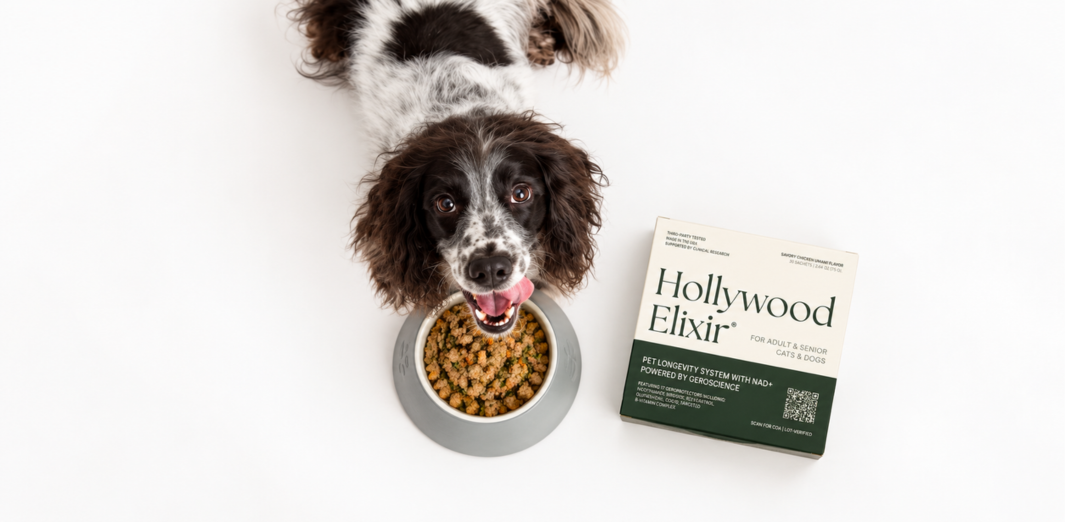
The “what to track” rubric should match how liver issues actually show up between visits. Useful markers include: appetite consistency, nausea signs (lip-licking, grass eating), stool color and grease, urine color, body weight every 1–2 weeks, and energy on a familiar walk. Add any episodes of vomiting after fatty foods, because bile flow and fat digestion are tightly linked. Lab trends matter too, but home tracking helps interpret whether a number change matches the dog’s comfort and function.

Owners can make this easy by using a single note on a phone: date, meal eaten (all/half/none), stool description, and one sentence on mood. Bring photos of stools or gum color if changes are intermittent. This kind of documentation improves the vet handoff and helps decide whether diet adjustments, imaging, or a deeper workup is the next best step.

Hollywood Elixir™ is amazing and makes my 13 y/o young again!

— Jessie

We go on runs. Lately he's been keeping up with no problem!

— Cami

“Treat small changes as data, not drama, and patterns become visible.”

Diet Levers That Matter Most for Liver Function Support

Diet is often the most powerful lever for dog liver function support because it shapes bile demand, nutrient processing, and body weight. In copper-associated disease, copper intake and bioavailability become especially relevant, and copper-restricted diets have been associated with lower risk of copper accumulation compared with copper-replete diets (Center, 2026). Protein is not automatically the enemy; the right amount and quality are individualized, especially if the dog is losing muscle. The goal is a more balanced workload, not a punitive restriction.

At home, the most common diet mistake is frequent “topping” with organ meats or high-copper foods while also using a therapeutic diet. Keep treats simple and consistent, and measure them. If appetite is variable, ask the veterinarian whether smaller, more frequent meals are appropriate and whether fat content should be adjusted. Any diet change should be gradual unless the clinic directs otherwise.

Elegant dog portrait reflecting alertness and natural vitality supported by canine liver health supplements.

Weight, Muscle, and the Liver’s Daily Workload

Weight and muscle condition change the liver’s day-to-day demands. Excess body fat can be associated with inflammation and altered bile composition, while poor muscle mass can make recovery from illness harder and can complicate medication choices. For dogs with chronic liver concerns, the aim is a body condition that supports stamina without pushing rapid weight loss. Slow, planned changes protect appetite and help keep stools and energy more predictable.

A practical routine is to score body condition monthly and take a top-down photo in the same spot. Pair that with a weekly weigh-in if a scale is available. If the dog is losing weight unintentionally, that is not a “good sign” even if the belly looks less round; it can signal poor digestion, nausea, or a deeper inflammatory process that needs veterinary attention.

Canine profile image reflecting strength and steadiness supported by dog liver function support.

Toxins, Medications, and Supplement Stacking Risks

Medication and toxin exposure are underappreciated parts of canine liver health supplements conversations. Many owners add multiple products when liver enzymes rise, but the liver is also where many drugs are processed, and the combination can become messy. N-acetylcysteine (NAC) is a clinically used antioxidant precursor that helps replenish glutathione and is used as an adjunct in certain toxicities and liver injuries (Muhammed Ershad, 2024). It can cause gastrointestinal upset and has clinically relevant interactions, so it should be veterinarian-guided rather than casually stacked (Muhammed Ershad, 2024).

Household prevention is often more effective than adding another bottle: lock up xylitol products, keep compost and moldy foods inaccessible, and store medications where a curious dog cannot reach them. If a dog gets into something questionable, do not “wait to see” if vomiting starts—call a veterinarian or poison hotline promptly, because timing can change options.

Ingredient showcase image explaining core components and support from canine liver health supplements.

A Realistic Scenario: Mild Signs That Deserve Documentation

A case vignette helps show how liver concerns often unfold: a 9-year-old Labrador becomes pickier at dinner, then vomits after a rich chew and seems tired on the usual loop. The owner notices stools look lighter for a week, but the dog still wags and plays, so the change feels easy to dismiss. At the visit, the veterinarian finds elevated liver enzymes and recommends targeted testing and diet changes rather than a “detox cleanse.” That sequence—small signs, then objective labs—is common.

The takeaway is not to panic, but to tighten observation and reduce variables. Stop new treats, keep meals consistent, and write down the timeline of appetite, vomiting, and stool changes. If the dog is on long-term medications, bring the full list, including supplements and flavored preventives. This makes it easier to decide whether the next step is ultrasound, bile acids testing, or monitoring with a clearer baseline.

Choosing Canine Liver Health Supplements Without Guesswork

When owners ask about canine liver health supplements, it helps to separate “supporting normal function” from treating a diagnosis. One ingredient with dog-specific research is silybin (a component of milk thistle). In a study of dogs receiving silybin supplementation, investigators evaluated safety and liver-related laboratory indices alongside digestibility measures (Gogulski, 2021). That kind of evidence supports the idea that some supplements can be part of a broader plan, especially when diet and monitoring are already in place.

Owners can use a simple quality screen before adding anything: choose products with clear labeling, avoid proprietary blends that hide amounts, and prefer brands that provide testing information. Introduce only one new supplement at a time and track stool quality and appetite for two weeks. If vomiting or diarrhea appears, stop the new item and contact the clinic; “pushing through” side effects is not a good trade for liver support supplements for dogs.

“The liver is living tissue, not a clogged filter to be flushed.”

Clinical branding image reflecting trust and validation behind liver support supplements for dogs.

Where NAC Fits and Why It Is Not a Default Add-on

NAC is sometimes discussed as a general antioxidant, but its most defensible role is as a clinician-directed tool when oxidative stress and glutathione depletion are concerns. Reviews across humans and domesticated animals describe NAC as a cysteine donor that helps replenish intracellular glutathione and may influence inflammatory signaling (Tieu, 2023). That does not make it a universal daily add-on for every dog with a mildly high ALT. The right question is whether the dog’s specific pattern suggests benefit and whether it fits safely with other therapies.

At home, the “stack thoughtfully” rule prevents confusion. If a dog is starting a prescription hepatic diet, do not add three new supplements in the same week. Give the plan time to show whether appetite, stools, and energy become less uneven. If a supplement is added later, document the start date and any changes in nausea or stool color so the veterinarian can interpret cause and effect.

Shop Now
Supplement box with ingredient spread showing care behind canine liver health supplements.

How to Prepare for a Vet Visit and Better Answers

Vet visit prep is most helpful when it is specific. Bring a timeline of appetite, vomiting, stool color, and any weight change, plus photos if changes come and go. Ask: Which liver values are abnormal, and are they trending? Do findings suggest bile flow trouble versus liver-cell injury? Is copper a concern for this breed or pattern? In suspected copper-associated hepatitis, nutritional management and targeted interventions are often discussed as part of the plan (Poblanno Silva, 2023).

Also ask what monitoring cadence makes sense: recheck labs in weeks versus months, and whether ultrasound or bile acids testing is recommended. If supplements are being considered, bring the bottles or screenshots of labels. This prevents ingredient overlap and helps the veterinarian guide dog liver function support in a way that matches the dog’s actual diagnosis and risk.

Shop Now
Woman holding Hollywood Elixir box with her dog, showing daily dog liver function support routine.

When Liver Signs Are Urgent Versus Watchful

An urgency ladder keeps owners from missing the window for help. Same-day veterinary care is warranted for yellow gums or eyes, repeated vomiting with weakness, collapse, black/tarry stools, significant abdominal swelling, or any sign of bleeding tendency. Acute liver failure cases can deteriorate quickly and may involve clotting problems and neurologic changes, so rapid assessment matters (Lester, 2016). Milder signs—slightly reduced appetite, occasional nausea, or a single pale stool—still deserve a call, but may be scheduled based on the dog’s overall stability.

Owners can prepare for urgent visits by avoiding food and supplements unless instructed, bringing a list of exposures, and noting the last normal day. If toxin exposure is possible, save packaging or take photos. Quick, accurate information helps the clinic choose supportive care and diagnostics without losing time to guesswork.

Shop Now

What Not to Do When Liver Enzymes Are High

“What not to do” is often the difference between a clean workup and a confusing one. Do not start a high-dose, multi-ingredient detox regimen when liver enzymes are elevated; it can muddy interpretation and add gastrointestinal side effects. Do not switch diets every few days chasing the perfect stool, and do not assume that a normal appetite means the liver is fine. Finally, do not stop prescribed medications without veterinary guidance, because the original condition may be contributing to the liver pattern.

Instead, simplify: one consistent diet, measured treats, and a short list of supplements that the veterinarian has reviewed. If a dog is already on liver support supplements for dogs, keep the label and dosing schedule consistent so the clinic can evaluate whether the plan is contributing to comfort and stable labs. Clarity is a form of care.

Copper-aware Nutrition for Dogs with Chronic Hepatitis

Copper deserves special attention because it changes what “support” means. In some dogs, copper accumulates in the liver and contributes to chronic hepatitis, and management may include copper-aware nutrition and careful treat choices. Newer evidence suggests dogs fed copper-restricted diets have a lower risk for liver copper accumulation than those fed copper-replete diets (Center, 2026). This does not mean every dog needs low copper; it means copper strategy should be diagnosis-driven, not trend-driven.

Owners can help by avoiding high-copper “health foods” unless the veterinarian approves, especially liver treats and certain shellfish-based toppers. If a dog is on a hepatic diet, ask whether the treat list should be copper-aware too. Consistency over weeks matters more than a single perfect day, because copper and inflammation are long-game issues.

Benchmark graphic emphasizing formulation depth and rigor behind canine liver health supplements.

Bile Flow Problems: Why Fatty Treats Can Trigger Symptoms

Bile duct inflammation and impaired bile flow can make digestion feel uncomfortable and can change stool color and texture. In dogs, cholangitis and cholangiohepatitis have been described with varied histologic patterns, and the clinical picture can include vomiting, lethargy, and abdominal discomfort (Harrison, 2018). Because bile is central to fat digestion, some dogs do better with a diet plan that keeps fat exposure predictable rather than swinging between lean meals and rich treats.

At home, watch for a pattern: nausea after fatty chews, intermittent pale stools, or a dog that seems hungry but walks away from the bowl. Those are useful outcome cues to document for the vet. If the veterinarian recommends imaging, bring the log so the ultrasound findings can be interpreted alongside real-world symptoms rather than in isolation.

Shop Now
Open package showing attention to detail consistent with canine liver health supplements standards.

A Decision Framework for Dog Liver Function Support

A practical decision framework for dog liver function support is: confirm the pattern, reduce avoidable load, then add targeted support. “Confirm” means repeating labs when appropriate and pairing numbers with symptoms. “Reduce load” means stable diet, weight plan, and toxin avoidance. Only then does it make sense to discuss canine liver health supplements as part of a daily plan, because the dog’s baseline is clearer and the response is easier to interpret.

Owners often want a single best product, but the liver responds to the whole environment—food, medications, and consistency. If a supplement is chosen, track appetite, stool quality, and energy for 4–6 weeks and schedule a recheck if the veterinarian recommends it. The goal is a gentler routine that supports normal function while the medical team addresses the underlying driver.

Shop Now

Longevity Habits That Keep the Liver’s Workload Gentler

Longevity is less about chasing “detox” and more about protecting renewal rate—how well the body keeps up with daily wear. The liver contributes by managing bile, nutrients, and exposure handling, but it works in partnership with the gut, pancreas, and immune system. When owners focus on predictable meals, safe storage of toxins, and vet-guided monitoring, the dog’s comfort often becomes less uneven and the plan becomes easier to sustain. Supplements can fit here as supportive tools, not as shortcuts.

A steady plan looks simple: keep a short symptom log, avoid sudden diet swings, and bring clear questions to rechecks. If the dog is stable, ask what “success” means—better appetite, fewer nausea episodes, or lab trends that match how the dog feels. That alignment between home observations and clinic data is what makes liver support supplements for dogs a thoughtful addition rather than a hopeful guess.

“Consistency makes both symptoms and lab trends easier to interpret.”

Educational content only. This material is not a substitute for veterinary advice. Always consult your veterinarian about your dog’s specific needs. These statements have not been evaluated by the Food and Drug Administration. Products mentioned are not intended to diagnose, treat, cure, or prevent any disease.

Glossary

  • ALT (alanine aminotransferase) - A blood enzyme that can rise with liver-cell injury; it is a clue, not a diagnosis.
  • ALP (alkaline phosphatase) - A blood enzyme that can rise with bile duct irritation, steroid exposure, or other conditions.
  • Bile - A fluid made by the liver and delivered through bile ducts to help digest fats and carry waste products.
  • Bilirubin - A pigment processed by the liver; elevations can contribute to yellow gums/eyes and dark urine.
  • Cholangitis - Inflammation of the bile ducts that can affect digestion and cause vomiting or abdominal discomfort.
  • Cholangiohepatitis - Inflammation involving both bile ducts and liver tissue.
  • Copper-associated hepatitis - A chronic hepatitis pattern where copper accumulates in the liver and contributes to injury.
  • Glutathione - A key intracellular antioxidant; depletion is one reason NAC may be used under veterinary guidance.
  • Hepatic diet - A veterinary-formulated diet designed to support liver workload, often with controlled copper and adjusted nutrients.
  • Silybin - A milk thistle-derived compound used in some canine liver health supplements for supportive purposes.

Related Reading

References

Poblanno Silva. Nutritional management of a dog with hepatic enzymopathy suspected to be secondary to copper-associated hepatitis: a case report.. PubMed Central. 2023. https://pmc.ncbi.nlm.nih.gov/articles/PMC10749294/

Gogulski. Effects of silybin supplementation on nutrient digestibility, hematological parameters, liver function indices, and liver-specific mi-RNA concentration in dogs.. PubMed Central. 2021. https://pmc.ncbi.nlm.nih.gov/articles/PMC8235871/

Muhammed Ershad. N-Acetylcysteine. 2024. https://www.ncbi.nlm.nih.gov/sites/books/NBK537183

Tieu. N-Acetylcysteine and Its Immunomodulatory Properties in Humans and Domesticated Animals.. PubMed Central. 2023. https://pmc.ncbi.nlm.nih.gov/articles/PMC10604897/

Harrison. Cholangitis and Cholangiohepatitis in Dogs: A Descriptive Study of 54 Cases Based on Histopathologic Diagnosis (2004-2014).. PubMed Central. 2018. https://pmc.ncbi.nlm.nih.gov/articles/PMC5787197/

Lester. Retrospective evaluation of acute liver failure in dogs (1995-2012): 49 cases.. PubMed. 2016. https://pubmed.ncbi.nlm.nih.gov/27147282/

Center. Lower risk for liver copper accumulation in dogs fed copper-restricted diets versus those fed copper-replete diets.. PubMed. 2026. https://pubmed.ncbi.nlm.nih.gov/41275602/

FAQ

What does the liver do for a dog daily?

A dog’s liver helps package bile for fat digestion, processes nutrients absorbed from the gut, and helps handle everyday exposures from food and the environment. It also contributes to normal blood sugar balance and production of proteins involved in clotting.

Because it has substantial overhead, a dog can look fairly normal while early problems develop. That is why appetite, stool color, and energy trends are meaningful to document between veterinary visits.

Which early signs can point to liver trouble?

Early signs are often nonspecific: reduced appetite, intermittent vomiting, lip-licking nausea, or fatigue on normal walks. Some dogs develop lighter or greasy stools when bile flow is affected, or darker urine if bilirubin rises.

A single off day is not proof of liver disease, but a pattern over a week is worth a call. Bring a short timeline so the veterinarian can match symptoms to lab changes and decide what testing is most useful.

When should a dog with possible liver issues go urgently?

Seek same-day veterinary care for yellow gums or eyes, repeated vomiting with weakness, collapse, black/tarry stools, significant belly swelling, or any bleeding tendency. These can signal serious liver dysfunction or complications that need rapid assessment(Lester, 2016).

If toxin exposure is possible, do not wait for symptoms to “declare themselves.” Quick action can change what supportive options are available, even before a full diagnosis is confirmed.

Are elevated liver enzymes always a liver disease diagnosis?

No. Liver enzymes can rise from many causes, including endocrine disease, gastrointestinal inflammation, medication effects, or transient stress. Enzymes are best treated as a clue that needs context, not as a stand-alone verdict.

A veterinarian may recommend repeat labs, bile acids testing, or ultrasound depending on the pattern and the dog’s symptoms. Owners help most by documenting appetite, vomiting timing, stool color, and any weight change.

What is copper-associated hepatitis in dogs, in plain terms?

Copper-associated hepatitis is a chronic inflammatory liver condition where copper accumulates abnormally in liver tissue and contributes to injury over time. It may be suspected based on breed risk, lab patterns, and imaging, but confirmation often involves specialized testing.

Management is typically long-term and can include copper-aware nutrition and careful treat choices. The goal is a gentler workload and clearer monitoring, not a quick “cleanse.”

Do all dogs with liver concerns need a low-copper diet?

Not all dogs. Copper strategy should be diagnosis-driven, because copper restriction is most relevant when copper accumulation is suspected or confirmed. Evidence suggests dogs fed copper-restricted diets have lower risk for liver copper accumulation than those fed copper-replete diets(Center, 2026).

For dogs without copper issues, unnecessary restriction can complicate nutrition. A veterinarian can help choose a diet that supports normal liver function while still meeting the dog’s overall needs.

What should owners track at home for liver function support?

Track outcome cues that connect directly to bile flow and comfort: appetite consistency, nausea signs, vomiting timing (especially after fatty treats), stool color/grease, urine color, and body weight every 1–2 weeks.

Add one sentence on daily energy during a familiar walk. This creates a clean baseline so a veterinarian can interpret whether diet changes or dog liver function support strategies are actually making life less uneven.

What are common mistakes owners make with liver supplements?

The most common mistake is stacking multiple products at once when liver enzymes rise. That can trigger diarrhea or vomiting and makes it hard to tell what helped versus what irritated the gut.

Another mistake is frequent diet switching to chase perfect stools. A better plan is one consistent diet, measured treats, and a single supplement change at a time—then document appetite and stool quality for two weeks.

How do milk thistle compounds relate to canine liver health supplements?

Silybin (from milk thistle) is commonly used in canine liver health supplements. In dogs, silybin supplementation has been studied with attention to safety, digestibility, and liver-related laboratory indices(Gogulski, 2021).

That evidence supports its role as a supportive tool, not a stand-alone solution. It fits best when the dog’s diet, treat pattern, and medication list are already stable enough to judge response.

What is NAC, and why do vets sometimes use it?

N-acetylcysteine (NAC) is a cysteine donor that helps replenish glutathione, an important antioxidant inside cells(Tieu, 2023). Veterinarians may use it as an adjunct in certain toxicities or liver injuries where oxidative stress is a concern.

NAC is not automatically appropriate for every dog with mildly elevated enzymes. It should be veterinarian-guided because side effects and interactions are possible, and the best use depends on the dog’s specific clinical picture.

Can NAC interact with medications or cause side effects?

Yes. NAC can cause gastrointestinal upset when given orally, and it has clinically relevant interactions related to its antioxidant/reducing properties(Muhammed Ershad, 2024). That is why it should not be added casually on top of other supplements and prescriptions.

If a veterinarian recommends NAC, ask what signs to watch for at home (vomiting, diarrhea, appetite drop) and whether any lab timing needs adjustment. Keep the rest of the routine stable so effects are easier to interpret.

How long does it take to see changes after diet adjustments?

Some dogs show appetite and stool changes within 1–2 weeks after a consistent diet shift, especially if rich treats were a trigger. Lab trends often take longer and depend on the underlying cause and the monitoring plan.

The most useful approach is to track outcome cues weekly and follow the veterinarian’s recheck schedule. If vomiting, jaundice, or rapid weight loss appears, the timeline changes and reassessment should be sooner.

Is a homemade diet safer for dogs with liver concerns?

Homemade diets can be appropriate, but “homemade” is not automatically safer. For liver-related problems, nutrient balance and trace minerals matter, and unbalanced recipes can unintentionally create new issues.

If a homemade plan is desired, it should be formulated with a veterinarian or veterinary nutritionist and matched to the dog’s diagnosis (for example, whether copper restriction is needed). Consistency and measurable portions are key.

What should be brought to the vet for a liver workup?

Bring a short symptom timeline (appetite, vomiting, stool/urine color, weight trend), plus photos if changes are intermittent. Bring every medication and supplement label, including flavored preventives and chews.

Ask targeted questions: are findings more consistent with bile flow trouble or liver-cell injury, and what is the next best test? This preparation makes dog liver function support decisions more precise and less guess-based.

How can Hollywood Elixir™ fit into a liver support plan?

A supplement fits best after the basics are stable: consistent diet, measured treats, and a clear medication list. In that context, Hollywood Elixir™ can be part of a daily routine that supports normal cellular renewal rate and whole-dog wellness.

It should not be used as a substitute for diagnostics when symptoms are progressing. Owners get the most value by tracking appetite, stools, and energy so the veterinarian can judge whether the overall plan is becoming gentler and more balanced.

Can Hollywood Elixir™ be used alongside prescription hepatic diets?

Often, supplements can be used alongside prescription diets, but the decision should be veterinarian-guided. The key is avoiding ingredient overlap and keeping the plan readable—one change at a time, with clear start dates.

If approved, Hollywood Elixir™ can be part of a routine that supports normal organ cooperation while the diet addresses the liver’s day-to-day workload. Document stool quality and appetite during the first two weeks.

Are liver support supplements for dogs safe for long-term use?

Safety depends on the ingredient, dose, the dog’s diagnosis, and what else is being given. Even “natural” products can cause gastrointestinal upset or interact with medications, especially when multiple supplements are stacked.

Choose products with transparent labeling and discuss them with a veterinarian, particularly if the dog has chronic hepatitis or bile duct disease. Long-term plans should include periodic rechecks so support choices match current needs.

Do puppies or seniors need different liver support strategies?

Yes. Puppies need nutrition that supports growth, so restrictive diets or aggressive supplement stacking can be risky. Seniors may have multiple conditions and medications, which increases the importance of interaction checks and slow, readable changes.

For both life stages, the safest foundation is consistency: stable meals, measured treats, and careful toxin avoidance. Then dog liver function support can be tailored based on symptoms, lab trends, and the veterinarian’s priorities.

Are some breeds more prone to copper-related liver problems?

Some breeds are considered higher risk for copper accumulation patterns, but breed alone is not a diagnosis. The decision to pursue copper-focused testing depends on the dog’s lab trends, imaging, and clinical signs.

Owners can help by sharing breed, family history if known, and a detailed diet/treat list. If copper is suspected, ask whether a copper-aware diet strategy is appropriate and how progress will be monitored over time.

Is liver support for dogs the same as for cats?

No. Cats and dogs differ in common liver conditions, nutrition sensitivities, and medication handling. A supplement or diet approach that fits a dog may not be appropriate for a cat, and vice versa.

For dogs, the most practical approach is symptom-first: document appetite, stools, and energy, then confirm the cause with veterinary testing. That keeps canine-specific liver support decisions grounded in the dog’s actual pattern.

How should a supplement be started to keep results readable?

Start one new product at a time, ideally when the diet and treat routine are stable. Keep a simple log for two weeks: appetite (all/half/none), stool quality and color, and any vomiting or nausea signs.

If the veterinarian agrees a whole-dog wellness product fits the plan, Hollywood Elixir™ can be introduced with the same “one change” rule. Stop and contact the clinic if vomiting, diarrhea, or appetite drop appears.

5K+ Happy Pet Parents

Excellent 4.8

Liver Health for Dogs | Why Thousands of Pup Parents Trust Hollywood Elixir™

"He seems more happy overall. I've also noticed he has more energy which makes our walks and playtime so much more fun."

Olga & Jordan

"He's got way more energy now! We go on runs pretty often; he use to get tired halfway through, but lately, he's been keeping up without any problem."

Cami & Clifford

"I want her to live forever. She hasn't had an ear infection since!"

Madison & Azula

"It helps with her calmness, her immune system. I really like the clean ingredients. Highly recommend La Petite Labs!"

Maple & Cassidy

"He seems more happy overall. I've also noticed he has more energy which makes our walks and playtime so much more fun."

Olga & Jordan

"He's got way more energy now! We go on runs pretty often; he use to get tired halfway through, but lately, he's been keeping up without any problem."

Cami & Clifford

"I want her to live forever. She hasn't had an ear infection since!"

Madison & Azula

"It helps with her calmness, her immune system. I really like the clean ingredients. Highly recommend La Petite Labs!"

Maple & Cassidy

"He seems more happy overall. I've also noticed he has more energy which makes our walks and playtime so much more fun."

Olga & Jordan

"He's got way more energy now! We go on runs pretty often; he use to get tired halfway through, but lately, he's been keeping up without any problem."

Cami & Clifford

"I want her to live forever. She hasn't had an ear infection since!"

Madison & Azula

"It helps with her calmness, her immune system. I really like the clean ingredients. Highly recommend La Petite Labs!"

Maple & Cassidy

"He seems more happy overall. I've also noticed he has more energy which makes our walks and playtime so much more fun."

Olga & Jordan

"He's got way more energy now! We go on runs pretty often; he use to get tired halfway through, but lately, he's been keeping up without any problem."

Cami & Clifford

"I want her to live forever. She hasn't had an ear infection since!"

Madison & Azula

"It helps with her calmness, her immune system. I really like the clean ingredients. Highly recommend La Petite Labs!"

Maple & Cassidy

SHOP NOW