Vitamin E for Dogs

Spot Oxidative Stress Signs and Use Vitamin E to Protect Tissues

Essential Summary

Why is vitamin E for dogs important?

Vitamin E supports dogs by helping protect cell membranes from oxidative wear and supporting normal immune function over time. Many diets provide baseline amounts, but age, lifestyle, and individual health can change what “enough” feels like. The safest approach is consistent, measured use and a plan that considers total intake from all sources.

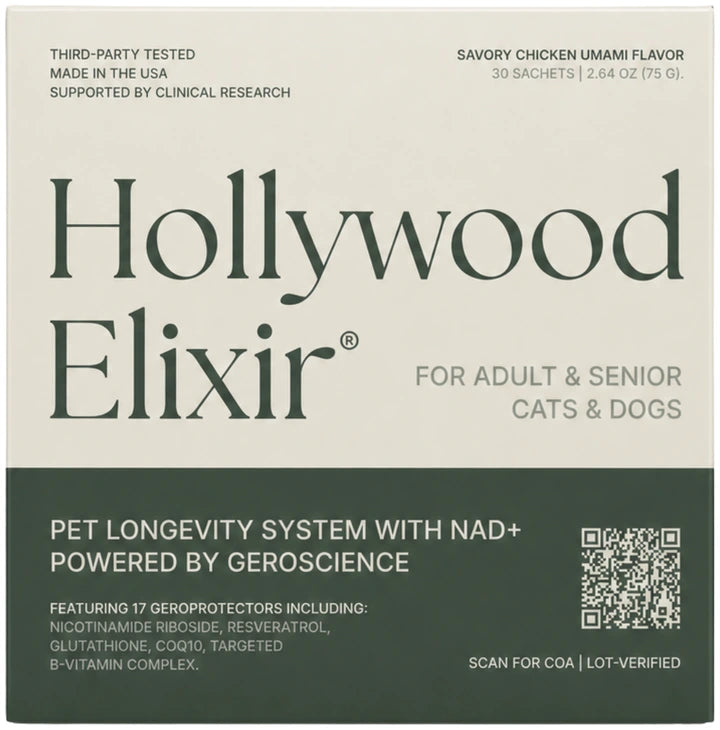
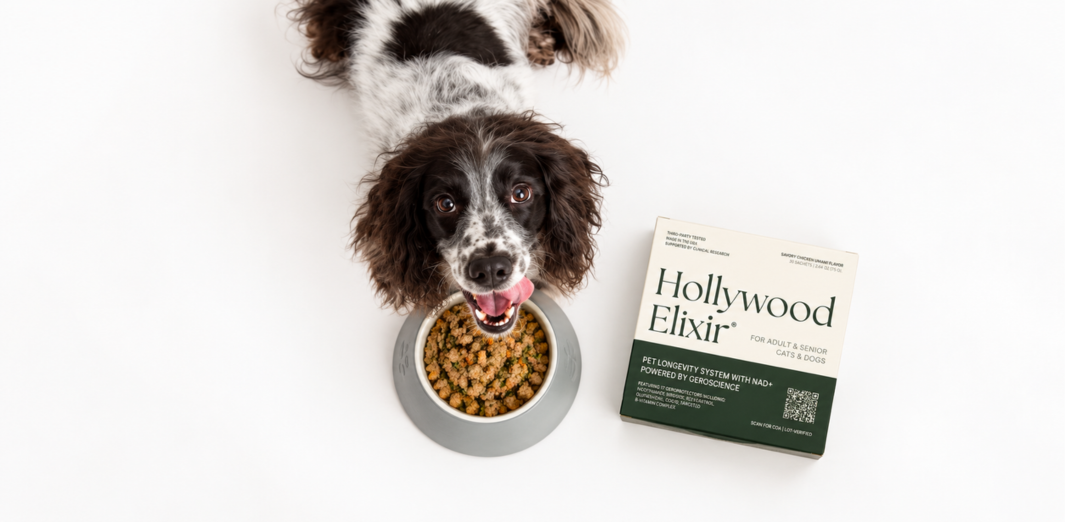
Hollywood Elixir™ is designed for owners who want more than a single-nutrient fix: it supports the broader metabolic network that shapes resilience with age, including the body’s ability to manage oxidative stress and maintain steady energy. It fits alongside thoughtful nutrition choices, whether or not you use a standalone vitamin e supplement for dogs.

Vitamin e for dogs sits in a category of nutrients that rarely feel dramatic, yet often matter in the long run. It’s an antioxidant that helps protect cell membranes from oxidative damage and supports overall health and immune function. For many dogs on a complete diet, baseline needs are covered. Still, real life is messier than a label: picky appetites, home-prepared meals, storage time, and individual digestion can all shift what your dog actually absorbs.

This is where owners start comparing vitamin e supplements for dogs—capsules, oils, and blends—trying to find something that feels both safe and worthwhile. The most grounded approach is to think in totals: what comes from food, what comes from treats, and what comes from any supplement you add. Because excessive vitamin E can lead to adverse effects, restraint and clarity are part of responsible care.

And here’s the commercial truth that still respects scientific honesty: even when diet meets vitamin targets, aging remains a system problem. Oxidative stress, recovery capacity, and metabolic steadiness are shaped by networks, not single ingredients. That’s why a product like Hollywood Elixir™ can stay relevant for science-minded owners—it’s positioned as system-level support for healthy aging, not as a replacement for a standalone vitamin e supplement for dogs.

By La Petite Labs Editorial, ~15 min read

Featured Product:

  • Vitamin E for dogs is a quiet antioxidant ally that helps protect cell membranes over time.
  • Because it’s fat-soluble, vitamin E rewards consistency and restraint more than high dosing.
  • Many complete diets cover baseline needs, but real-life factors can shift practical intake.
  • Mobility discussions often include vitamin E, with controlled research exploring supportive roles (Gordon CL, 2023).
  • Supplement form matters: oils, capsules, and blends differ in carriers, tolerance, and ease.
  • Quality signals include clear labeling, sensible serving sizes, and manufacturing transparency.
  • System-level aging support can stay relevant even when diet meets vitamin targets.

Vitamin E’s Quiet Role in Keeping Dogs Resilient over Time

Vitamin E for dogs is best understood as quiet protection: it helps defend cell membranes from everyday oxidative wear, especially in tissues that work hard—skin, muscles, and the immune system (Xiong Z, 2023). Because it’s fat-soluble, it’s stored and used differently than many water-soluble vitamins, which is why “more” isn’t automatically “better.” For many dogs, a complete diet covers baseline needs, but individual factors—age, fat absorption, activity level, and certain health plans—can shift what “enough” looks like.

Owners usually start looking for a vitamin e supplement for dogs when they notice changes that feel subtle but persistent: coat dullness, slower recovery after play, or a sense that their dog is simply aging faster than expected. The goal isn’t to chase a single nutrient; it’s to support the broader network that keeps resilience intact over time (see: Best Senior Dog Supplements for Longevity).

Mitochondria artwork highlighting longevity science connected to vitamin e dosage for dogs.

What Vitamin E for Dogs Actually Does Inside the Body

Vitamin E is a family of compounds, with alpha-tocopherol commonly discussed in canine nutrition. Its core job is antioxidant defense—helping limit oxidative stress that can accumulate from normal metabolism, exercise, and inflammation (Mohammad A, 2021). In dogs, that matters because oxidative stress is not a single event; it’s a background condition that can quietly shape comfort, skin quality, and immune steadiness over time.

This is why vitamin E often appears in “healthy aging” conversations (related: Anti-aging Supplements for Dogs). It’s not a miracle ingredient; it’s part of the maintenance crew. When owners choose a vitamin e supplement for dogs, the best outcomes usually come from pairing it with fundamentals—appropriate calories, adequate protein, and a fat profile that agrees with the dog.

Close-up DNA helix tied to cellular integrity and support from best vitamin e for dogs.

Diet First: When Food Covers Needs and When It Doesn’t

Diet is the first place to look. Many complete commercial foods are formulated to provide adequate vitamin E, and for a healthy dog eating a consistent, balanced diet, extra supplementation may be unnecessary. The complication is that “balanced” on paper doesn’t always match real life: picky eating, home-prepared diets, storage conditions, and fat digestion can all change the practical intake.

If you’re already feeding a high-quality diet and still considering vitamin e supplements for dogs, it helps to define your goal. Are you addressing a veterinarian-identified need, or are you supporting resilience as your dog ages? The second goal is legitimate—but it’s better served by a broader, system-supportive plan than by escalating a single vitamin (see: The Best Antioxidant Supplements for Dogs).

Molecular ribbon graphic highlighting formulation science reflected in vitamin e dosage for dogs.

Mobility and Aging: a Measured Look at Vitamin E Support

Mobility is one of the most emotionally charged reasons owners explore antioxidants. In dogs with osteoarthritis, vitamin E has been studied as part of supplementation strategies, including controlled research designs that help reduce bias (Gordon CL, 2023). The takeaway is measured: vitamin E may play a supportive role for some dogs, but it’s not a substitute for weight management, appropriate exercise, or veterinarian-directed pain control.

If your dog is stiff after rest or slower on stairs, treat vitamin E as one piece of a larger comfort plan. The best plans are boring in the right way: consistent, trackable, and adjusted based on your dog’s response rather than a label promise.

Dog portrait capturing warmth and companionship supported through vitamin e oil for dogs.

Skin and Coat: What Vitamin E Can Support, and What It Can’t
Skin and coat are where owners most easily “see” nutrition. Vitamin E contributes to protecting cell membranes from oxidative damage, which can matter for skin barrier integrity and the look of the coat. That said, itchiness, dandruff, and recurrent ear issues are often driven by allergies, parasites, or infections—problems that won’t resolve just because a supplement was added.

If you’re considering vitamin e oil for dogs for coat shine, keep expectations modest and prioritize diagnosis when symptoms are persistent. A supplement can support the background health of skin, but it shouldn’t delay a veterinary workup when there’s redness, odor, hair loss, or chronic licking.

Hollywood Elixir™ is amazing and makes my 13 y/o young again!

— Jessie

We go on runs. Lately he's been keeping up with no problem!

— Cami

“The best supplement decisions feel quiet: measured, consistent, and easy to keep true.”

Immune Steadiness: Vitamin E as Part of the Background Defense

Immune support is often described in vague terms, but vitamin E’s role is fairly grounded: adequate levels are associated with maintaining overall health and normal immune function. In practice, that doesn’t mean fewer infections on command. It means the body has one more resource available for the routine work of defense and repair.

If your dog is frequently unwell, the priority is identifying the cause—dental disease, endocrine issues, chronic inflammation, or environmental triggers. Vitamin E may be part of a supportive plan, but it should sit behind diagnosis, not in front of it.

Dog portrait tied to trust and long-term care supported by vitamin e dosage for dogs.

Safety Basics: Fat-soluble Vitamins Reward Restraint and Clarity

Safety is where vitamin E deserves the most respect. It’s widely viewed as having high safety in dogs when used appropriately, but “appropriately” includes dose, duration, and the rest of the dog’s health picture (Barbeau-Grégoire M, 2022). Because it’s fat-soluble, long-term over-supplementation is a more realistic concern than with many water-soluble vitamins.

Excessive vitamin E can lead to adverse effects, so it’s wise to avoid combining multiple products that each contain vitamin E unless your veterinarian has mapped the total intake. If your dog is on medications, has a history of bleeding issues, or is scheduled for surgery, ask before adding or increasing a supplement.

Profile dog image reflecting natural poise supported by best vitamin e supplement for dogs.

Practical Dosing: Building a Plan Around Total Daily Intake

Owners often want a precise vitamin e dosage for dogs, but responsible guidance is usually individualized rather than universal. The most helpful step is to calculate total vitamin E exposure: diet, treats, fish oil products, multivitamins, and any targeted antioxidant blends. Then decide, with your veterinarian, whether you’re correcting a shortfall or simply adding a margin of support.

If a supplement is recommended, introduce it gradually and keep everything else stable for a couple of weeks so you can interpret changes. Research also suggests dosing can influence blood parameters, reinforcing that “more” is not a strategy—precision is (Mohammad A, 2021).

Ingredient overview graphic showing what's inside and how vitamin e supplement for dogs supports dogs.

Life Stage and Size: Tailoring Vitamin E Choices to the Dog

Not all dogs need the same approach. Puppies typically do best with nutrition coming from a complete growth diet rather than piecemeal supplementation. Seniors, on the other hand, may benefit from a more intentional antioxidant strategy because oxidative stress can rise with age and chronic inflammation (Barbeau-Grégoire M, 2022). Large breeds with long lifespans in slow motion may feel the difference in recovery and comfort sooner than small dogs.

If you’re using vitamin e capsules for dogs, make sure the capsule size and carrier oil agree with your dog’s digestion. For tiny dogs, accuracy can be harder; for giant breeds, owners sometimes overcorrect. In both cases, a vet-guided plan keeps the intent clean.

How to Choose the Best Vitamin E for Dogs with Confidence

If you’re comparing the best vitamin e for dogs, start with form and transparency. Labels should clearly state the form (often d-alpha-tocopherol or mixed tocopherols) and the amount per serving, along with other ingredients that affect absorption. Because vitamin E is fat-soluble, pairing it with food can matter more than the brand name. Quality also shows up in what’s not included: unnecessary flavors, vague “proprietary blends,” or unclear sourcing.

A practical mindset: choose supplements that fit your dog’s routine and your veterinarian’s comfort level, then judge by consistency—steady use, stable stools, and a dog who seems comfortable in their own skin. For owners who want broader aging support beyond a single vitamin, a system-level formula can be a more coherent choice than stacking multiple bottles.

“With fat-soluble vitamins, the discipline is not in adding—its in not stacking.”

Scientific attire image highlighting formulation rigor associated with vitamin e for dogs.

Vitamin E Capsules for Dogs: Convenience, Carriers, and Tolerance

Vitamin e capsules for dogs can be convenient, but they’re not automatically safer or more precise than other formats. Capsules often contain oils (like soybean or sunflower oil) as carriers, which can be helpful for absorption but may not suit every dog’s digestion. If your dog has a sensitive stomach, introducing any new fat-based supplement slowly is a reasonable, vet-aligned approach.

If you’re tempted to puncture capsules and squeeze them onto food, keep the total daily amount consistent and avoid mixing multiple vitamin E products at once. Since excessive vitamin E can lead to adverse effects, restraint is part of responsible supplementation (Xiong Z, 2023).

Shop Now
Hollywood Elixir surrounded by ingredients, showing antioxidant diversity in vitamin e dosage for dogs.

Vitamin E Oil for Dogs: Oral Versus Topical Use Considerations

Vitamin e oil for dogs is popular because it feels “natural,” but topical and oral use are not interchangeable. Topically, oils can make a coat look shinier, yet they can also trap debris or irritate some skin types—especially if there’s an underlying allergy or infection. Orally, oils are simply a delivery method for vitamin E, and the same caution applies: fat-soluble vitamins accumulate, so dosing discipline matters (Jobe MT, 2025).

If you’re using oil on skin, avoid broken skin and prevent licking when possible. If you’re using it as a vitamin e supplement for dogs, treat it like any supplement: measure carefully, use with food, and coordinate with your veterinarian when other supplements or medications are involved.

Shop Now
Lifestyle image showing supplement use in real homes supported by vitamin e capsules for dogs.

Vitamin E Dosage for Dogs: Why Totals Matter More Than Hype

The most common reason owners ask about vitamin e dosage for dogs is the fear of doing harm while trying to do good. That’s a healthy instinct. Vitamin E is generally considered to have a wide safety margin in dogs, but “generally safe” still depends on the individual dog, the rest of the diet, and what else is being given (Barbeau-Grégoire M, 2022).

Rather than chasing a universal number, ask a better question: what is the total daily intake from food plus all supplements? Bring labels to your vet, especially if your dog is on a therapeutic diet, has fat-malabsorption concerns, or takes medications that affect clotting. Excessive vitamin E can cause adverse effects, so dosing should be deliberate, not casual (Xiong Z, 2023).

Shop Now

Antioxidant Support and Comfort: Where Vitamin E May Fit

Vitamin E’s reputation comes from its antioxidant role: it helps protect cells from oxidative damage, particularly within fatty cell membranes (Hamedi-Kalajahi F, 2021). In real life, that can translate into supporting normal immune function, skin integrity, and recovery capacity—especially as dogs age and their “buffer” against stress narrows.

It’s also why vitamin E shows up in discussions about mobility and comfort. Research in dogs with osteoarthritis has evaluated vitamin E supplementation in controlled settings, suggesting potential clinical benefits in that specific context (Gordon CL, 2023). The key is to keep expectations realistic: supplements support the terrain; they don’t rewrite the map.

Vitamin E and Lipids: Why Context and Monitoring Can Matter

Vitamin E doesn’t operate in isolation. Its effects can intersect with dietary fats, other antioxidants, and the body’s lipid transport systems. Studies in dogs have observed that vitamin E supplementation may influence blood lipid parameters, including apolipoproteins involved in lipid metabolism (Hamedi-Kalajahi F, 2021). That doesn’t mean vitamin E is “bad” for lipids; it means the body responds, and dose and context matter.

This is one reason it’s wise to avoid layering multiple vitamin e supplements for dogs without a plan. If your dog has a history of pancreatitis, hyperlipidemia, or is on a specialized diet, treat any fat-soluble supplement as something to review with your veterinarian rather than something to casually add.

Benchmark graphic emphasizing formulation depth and rigor behind best vitamin e supplement for dogs.

Best Vitamin E Supplement for Dogs: Quality Signals Worth Noticing

When owners ask for the best vitamin e supplement for dogs, they’re often really asking for confidence: a product that’s consistent, well-labeled, and unlikely to complicate an already thoughtful routine. Look for clear units per serving, a short ingredient list, and manufacturing practices that suggest repeatability. If a brand can’t explain what’s in the bottle, it’s not a good partner for long-term use (Barroso, 2024).

Also consider whether you’re trying to solve a narrow problem (a confirmed deficiency) or support a broader goal (healthy aging). For the second, a system-level approach can make more sense than “more vitamin E,” because oxidative stress and aging are network problems, not single-nutrient problems.

Shop Now
Unboxed supplement reflecting refined experience and trust in vitamin e dosage for dogs.

When to Pause and Ask Your Veterinarian Before Supplementing

Signs that warrant a veterinary conversation before adding vitamin E include unexplained bruising, planned surgery, chronic gastrointestinal issues, or a medication list that includes anticoagulants. Because excessive vitamin E can contribute to adverse effects, it’s not a supplement to “freestyle,” especially in dogs with complex histories.

If your dog is older, the decision is still often favorable—just more individualized. Bring your dog’s food label, treat habits, and every supplement bottle to the appointment. The goal is not to avoid support; it’s to make sure the support is coherent.

Shop Now

A Calm, Coherent Plan for Vitamin E in Daily Life

A thoughtful approach to vitamin e for dogs balances two truths: vitamin E is a meaningful antioxidant that supports membrane integrity and immune health, and it’s also a fat-soluble nutrient that deserves respect in dosing. If you’re choosing supplementation, choose it for the long game—consistency, clarity, and a plan that fits your dog’s whole life, not just a single symptom.

That’s also where broader formulas earn their place. Even when diet meets baseline vitamin needs, aging still asks more of the body’s metabolic network. Supporting that network—rather than chasing one nutrient at a time—is often the most practical way to stay steady across the years.

“Healthy aging is rarely a single nutrient story; it’s a network that needs steady support.”

Educational content only. This material is not a substitute for veterinary advice. Always consult your veterinarian about your dog’s specific needs. These statements have not been evaluated by the Food and Drug Administration. Products mentioned are not intended to diagnose, treat, cure, or prevent any disease.

Glossary

  • Alpha-tocopherol: A common form of vitamin E used in foods and supplements for dogs.
  • Tocopherols: A family of vitamin E compounds; products may contain one or several forms.
  • Antioxidant: A substance that helps limit oxidative damage caused by reactive molecules.
  • Oxidative stress: An imbalance where oxidative wear outpaces the body’s protective capacity.
  • Fat-soluble vitamin: A vitamin stored in body tissues and transported with fats; includes vitamin E.
  • Cell membrane: The protective outer layer of cells; vitamin E helps protect it from oxidative wear.
  • Carrier oil: The oil used to deliver vitamin E in capsules or liquids (e.g., sunflower oil).
  • Apolipoproteins: Proteins that help transport fats in the blood; sometimes measured in lipid panels.
  • Supplement stacking: Using multiple products with overlapping ingredients, raising total intake.

Related Reading

References

Hussaini H. Efficacy and Safety of Vitamin E in Adults With Metabolic Dysfunction-Associated Steatohepatitis: A Systematic Review and Meta-Analysis of Randomized Controlled Trials.. PubMed. 2025. https://pubmed.ncbi.nlm.nih.gov/40895855/

Gordon CL. A blinded, placebo-controlled study on the clinical effects of vitamin E supplementation in dogs with osteoarthritis.. PubMed. 2023. https://pubmed.ncbi.nlm.nih.gov/37522795/

Mohammad A. Systematic review and meta-analyses of vitamin E (alpha-tocopherol) supplementation and blood lipid parameters in patients with diabetes mellitus.. PubMed. 2021. https://pubmed.ncbi.nlm.nih.gov/34186370/

Hamedi-Kalajahi F. A systematic review and meta-analysis on the impact of oral vitamin E supplementation on apolipoproteins A1 and B100.. PubMed. 2021. https://pubmed.ncbi.nlm.nih.gov/34857183/

Xiong Z. Vitamin E and Multiple Health Outcomes: An Umbrella Review of Meta-Analyses.. PubMed. 2023. https://pubmed.ncbi.nlm.nih.gov/37571239/

Barbeau-Grégoire M. A 2022 Systematic Review and Meta-Analysis of Enriched Therapeutic Diets and Nutraceuticals in Canine and Feline Osteoarthritis.. PubMed. 2022. https://pubmed.ncbi.nlm.nih.gov/36142319/

Barroso. Vitamins, Minerals and Phytonutrients as Modulators of Canine Immune Function: A Literature Review. 2024. https://www.mdpi.com/2306-7381/11/12/655

Jobe MT. Systematic Review and Meta-Analysis of Quality Claims Associated with Fresh Pet Food: Evaluating Scientific Evidence for Additives, Ingredient Quality, and Effects of Processing in Pet Nutrition.. PubMed Central. 2025. https://pmc.ncbi.nlm.nih.gov/articles/PMC12784728/

FAQ

What is vitamin E for dogs, in plain terms?

Vitamin E for dogs refers to a fat-soluble antioxidant nutrient that helps protect cells—especially their membranes—from everyday oxidative wear. It’s part of the background maintenance that supports normal immune function and tissue resilience over time.

If you’re thinking beyond single nutrients, a system-level approach can be easier to sustain than stacking bottles; Hollywood Elixir™ is built to support that broader aging network.

Why do owners add vitamin E to a dog’s routine?

Most owners consider it when they want steadier skin and coat quality, immune support, or a little more resilience as their dog ages. Vitamin E’s core value is antioxidant protection that helps defend cell membranes from oxidative damage(Hamedi-Kalajahi F, 2021).

If your goal is long-term support rather than a quick fix, it can help to pair any vitamin choice with a broader plan;Hollywood Elixir™is designed to support healthy aging at the system level.

How does vitamin E work inside a dog’s body?

Vitamin E (often discussed as alpha-tocopherol) functions as an antioxidant, helping limit oxidative stress that can build up through normal metabolism and inflammation(Mohammad A, 2021). It’s especially relevant in fatty tissues and cell membranes, where oxidative damage can be more disruptive.

Because aging is a network issue, many owners prefer support that goes beyond one nutrient;Hollywood Elixir™fits that broader, whole-system intent.

Is vitamin E safe for dogs to take daily?

For many dogs, vitamin E is considered to have a high safety margin when used appropriately, but it’s still fat-soluble and can accumulate over time. Daily use is most sensible when the dose is measured, the total intake from all sources is known, and your dog’s health history is considered.

If you want daily support with a broader aging focus rather than single-vitamin escalation, Hollywood Elixir™ is formulated for consistent, system-level support.

What are possible side effects of too much vitamin E?

Excessive vitamin E can lead to adverse effects, which is why it’s best not to stack multiple products that each contain it. In day-to-day terms, the risks rise when owners combine a multivitamin, fish oil blends, and separate vitamin E without tracking totals.

If you’re aiming for steady support without guesswork, a single, coherent daily formula can be simpler; Hollywood Elixir™ supports healthy aging without relying on high-dose vitamin E alone.

When should I avoid vitamin E supplements for dogs?

Avoid adding vitamin E without veterinary input if your dog has unexplained bruising, a bleeding disorder history, upcoming surgery, or a complex medication list. Since excessive vitamin E can cause adverse effects, caution is part of good care—not overthinking.

If your goal is gentle, broad support that still respects medical complexity, discuss options like Hollywood Elixir™ with your veterinarian.

What is a sensible vitamin E dosage for dogs?

A sensible vitamin e dosage for dogs is individualized and should be set with your veterinarian, because the right amount depends on diet, body size, health status, and what else is being supplemented. Research suggests dosing can influence blood parameters, which is a reminder that precision matters.

If you prefer a broader aging strategy rather than chasing a single number, Hollywood Elixir™ can complement a vet-guided plan.

Can vitamin E interact with medications or other supplements?

It can. The main practical concern is cumulative effects when vitamin E is combined with other fat-soluble supplements or products that influence clotting. Because over-supplementation can lead to adverse effects, it’s wise to review the full list—food, treats, oils, and pills—with your veterinarian.

For owners who want fewer moving parts in the routine, Hollywood Elixir™ offers system-level support without turning the cabinet into a chemistry set.

Is vitamin E for dogs different for puppies and seniors?

Yes, mainly in how often supplementation is truly needed. Puppies usually do best with a complete growth diet, while seniors may benefit from more intentional antioxidant support as oxidative stress can rise with age. The decision should still be based on the whole diet and health history, not age alone.

If you’re supporting an older dog’s long arc—energy, comfort, and resilience—Hollywood Elixir™ is designed with that broader aging picture in mind.

Do small and large breeds need different vitamin E approaches?

They can, mostly because dosing accuracy and tolerance differ. Small dogs are easier to over-supplement if products aren’t easy to measure, while large dogs sometimes end up with inconsistent intake because owners “eyeball” servings. Since vitamin E is fat-soluble, consistency and careful totals matter more than size-based assumptions(Jobe MT, 2025).

If you want a steady daily routine that supports healthy aging across sizes,Hollywood Elixir™can be part of a simplified plan.

Can cats use the same vitamin E products as dogs?

Not automatically. Cats and dogs differ in nutritional requirements and in how they tolerate certain carriers, flavors, and added ingredients. Even when the nutrient sounds identical, the product design may not be. Because vitamin E is fat-soluble, species-appropriate dosing and formulation matter(Jobe MT, 2025).

If you’re shopping for a dog-specific aging routine,Hollywood Elixir™is positioned for canine support rather than cross-species improvisation.

How long until you notice results from vitamin E supplements?

Timelines vary. Coat and skin changes, when they happen, tend to be gradual because hair growth cycles are slow. Mobility or comfort changes can be subtle and are often confounded by activity, weight, and season. In osteoarthritis contexts, vitamin E has been studied as a supportive nutrient, but it’s not an instant switch.

For owners who prefer consistent, whole-system support while they watch for small changes, Hollywood Elixir™ fits a long-horizon approach.

What should I look for in the best vitamin E supplement?

For the best vitamin e supplement for dogs, look for clear labeling of the form and amount per serving, minimal unnecessary additives, and manufacturing transparency. Third-party testing or strong quality documentation is a meaningful signal, especially in a category where labels can be vague(Barroso, 2024).

If you’d rather invest in broader aging support than a single nutrient,Hollywood Elixir™is designed for system-level consistency.

Are vitamin E capsules for dogs better than liquid oil?

Neither is universally better. Capsules can be convenient and reduce mess, while oils can be easier to mix into food and adjust in small increments. The deciding factors are tolerance, accurate measuring, and the carrier ingredients. Since vitamin E is fat-soluble, the delivery format should support consistent dosing, not encourage casual pouring.

If you want a daily routine that’s less about formats and more about whole-dog aging support, Hollywood Elixir™ can simplify the bigger picture.

Can I use vitamin E oil for dogs on skin?

Sometimes, but cautiously. Topical oils can make a coat look shinier, yet they can also irritate sensitive skin or encourage licking, which adds extra calories and can upset digestion. If there’s redness, odor, or hair loss, topical vitamin E shouldn’t replace diagnosis. Vitamin E’s core role is antioxidant protection, but skin issues often have other drivers.

For owners focused on internal, system-level aging support instead of spot treatments, Hollywood Elixir™ offers a broader daily foundation.

Does vitamin E help dogs with joint comfort and mobility?

It may be supportive for some dogs, particularly in the context of oxidative stress and aging. Vitamin E supplementation has been evaluated in dogs with osteoarthritis, including blinded, placebo-controlled research designs that strengthen reliability. Still, mobility outcomes depend heavily on weight, conditioning, and veterinarian-directed pain strategies.

If your goal is to support comfort as part of a broader aging plan, Hollywood Elixir™ can complement a thoughtful routine.

Can vitamin E change bloodwork or lipid markers in dogs?

It can influence certain blood parameters. Studies in dogs suggest vitamin E supplementation may affect blood lipid-related markers, including apolipoproteins involved in lipid metabolism. That’s not automatically negative, but it’s a reason to avoid high-dose experimentation—especially in dogs with pancreatitis history or known hyperlipidemia.

If you want aging support that doesn’t hinge on pushing one nutrient upward, Hollywood Elixir™ is positioned as system support rather than single-vitamin escalation.

What’s a simple decision framework for vitamin E supplementation?

Start with three questions: Is the diet complete and consistent? Is there a veterinarian-identified reason to add vitamin E? And what is the total intake from all products? Vitamin E supports membrane protection and immune health, but excessive amounts can cause adverse effects, so totals matter.

If your aim is long-term resilience rather than correcting a single number, Hollywood Elixir™ offers a broader way to support the aging network.

When should I call my vet about vitamin E for dogs?

Call your vet if your dog has chronic GI signs, is on anticoagulant-type medications, has unexplained bruising, or is scheduled for surgery. Also call if you’re combining multiple supplements, since excessive vitamin E can lead to adverse effects and the total intake can creep up quietly.

If you want a daily routine that supports healthy aging without supplement stacking, ask whether Hollywood Elixir™ fits your dog’s overall plan.

Is a multivitamin enough, or do dogs need extra vitamin E?

Sometimes a multivitamin is enough, and sometimes it’s unnecessary if the diet is already complete. The more important issue is coherence: multiple overlapping products can unintentionally raise fat-soluble vitamin totals. Since vitamin E should be approached with caution at excessive amounts, it’s worth reviewing labels with your veterinarian.

If you’d rather focus on system-level aging support than vitamin-by-vitamin coverage, Hollywood Elixir™ can be a cleaner, simpler foundation.

5K+ Happy Pet Parents

Excellent 4.8

Vitamin E for Dogs | Why Thousands of Pup Parents Trust Hollywood Elixir™

"He seems more happy overall. I've also noticed he has more energy which makes our walks and playtime so much more fun."

Olga & Jordan

"He's got way more energy now! We go on runs pretty often; he use to get tired halfway through, but lately, he's been keeping up without any problem."

Cami & Clifford

"I want her to live forever. She hasn't had an ear infection since!"

Madison & Azula

"It helps with her calmness, her immune system. I really like the clean ingredients. Highly recommend La Petite Labs!"

Maple & Cassidy

"He seems more happy overall. I've also noticed he has more energy which makes our walks and playtime so much more fun."

Olga & Jordan

"He's got way more energy now! We go on runs pretty often; he use to get tired halfway through, but lately, he's been keeping up without any problem."

Cami & Clifford

"I want her to live forever. She hasn't had an ear infection since!"

Madison & Azula

"It helps with her calmness, her immune system. I really like the clean ingredients. Highly recommend La Petite Labs!"

Maple & Cassidy

"He seems more happy overall. I've also noticed he has more energy which makes our walks and playtime so much more fun."

Olga & Jordan

"He's got way more energy now! We go on runs pretty often; he use to get tired halfway through, but lately, he's been keeping up without any problem."

Cami & Clifford

"I want her to live forever. She hasn't had an ear infection since!"

Madison & Azula

"It helps with her calmness, her immune system. I really like the clean ingredients. Highly recommend La Petite Labs!"

Maple & Cassidy

"He seems more happy overall. I've also noticed he has more energy which makes our walks and playtime so much more fun."

Olga & Jordan

"He's got way more energy now! We go on runs pretty often; he use to get tired halfway through, but lately, he's been keeping up without any problem."

Cami & Clifford

"I want her to live forever. She hasn't had an ear infection since!"

Madison & Azula

"It helps with her calmness, her immune system. I really like the clean ingredients. Highly recommend La Petite Labs!"

Maple & Cassidy

SHOP NOW