Librela for Dogs: What It Targets, What Owners Can Expect, and What to Monitor

Learn How NGF Pain Signaling Affects Joints and Daily Mobility

Essential Summary

Why Is Librela Monitoring And Expectations Important?

Librela targets NGF-driven pain signaling in canine osteoarthritis, which can make daily comfort and mobility more reliable. The safest way to judge response is to track specific at-home change signals for 4–6 weeks and report new or abrupt problems quickly.

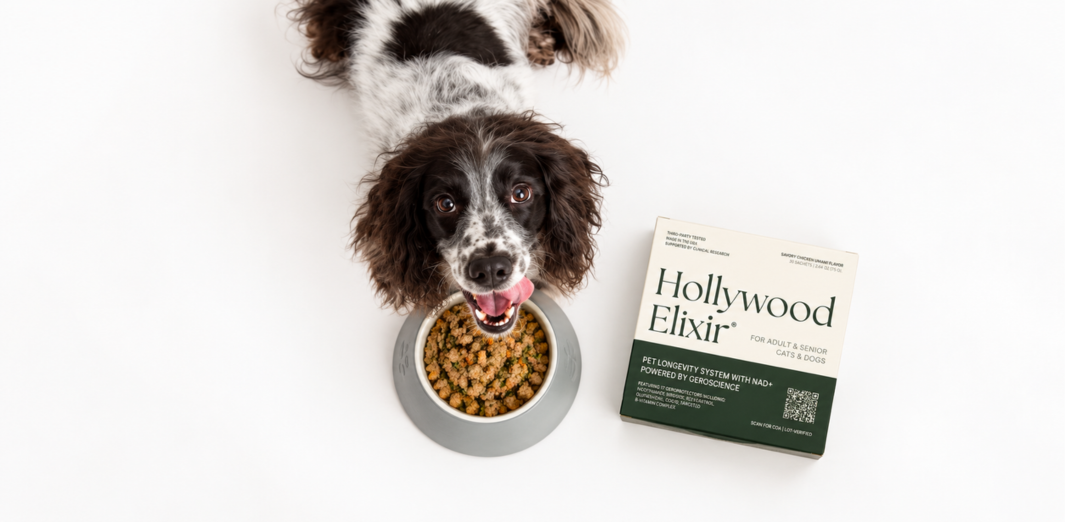
Hollywood Elixir™ is designed to support normal aging-related comfort and mobility as part of a veterinarian-guided plan.

Librela for Dogs: What It Targets, What Owners Can Expect, and What to Monitor is about one practical question: how to tell whether an anti-NGF injection is helping a dog with osteoarthritis pain, and what changes should trigger a call to the clinic. Librela (bedinvetmab for dogs) targets nerve growth factor, a pain messenger that can make arthritic joints feel “too loud” during normal movement. By narrowing in on that pathway, some dogs experience more reliable comfort and easier day-to-day mobility.

Owners usually do not need a deep immunology lesson; they need a clear baseline and a plan for the first 4–6 weeks. This page lays out what NGF does, how Librela works in dogs, what improvement tends to look like in a kitchen-and-backyard life, and how to track change signals without accidentally encouraging overactivity. It also covers why pain relief is not the same as joint repair, and why monitoring matters even when a dog seems better. Safety conversations online can feel intense, so this guide keeps the focus on actionable observation: what to watch, what to write down, and how to hand off useful information to a veterinarian.

  • Librela for Dogs: What It Targets, What Owners Can Expect, and What to Monitor focuses on NGF-driven osteoarthritis pain and how to track real-life mobility changes safely.
  • Bedinvetmab for dogs is a canine monoclonal antibody that binds nerve growth factor, aiming to quiet pain signaling rather than broadly suppress inflammation.
  • Owners often see changes in transitions—rising, turning, stairs—before they see longer walks.
  • Expect evaluation over the first 4–6 weeks; day-to-day variability can hide a trend.
  • Pain relief is not the same as joint repair; joint protection and conditioning still matter.
  • Track a small set of markers (stand time, stair pauses, post-walk stiffness) and keep videos to support clear vet follow-up.
  • Monitor for new or abrupt problems (new limp, weakness, vomiting/diarrhea) and contact the clinic with a timeline if they appear.

What Librela Is and What It Targets

Librela is the brand name for bedinvetmab for dogs, a canine-specific monoclonal antibody used for osteoarthritis pain management (Corral, 2021). Unlike daily pills, this is an injectable biologic designed to bind a single target involved in pain signaling, rather than broadly changing inflammation pathways (Wang, 2025). That narrow target is why many owners hear it described as anti-NGF therapy dogs can receive on a spaced schedule. It is still pain control, not a cure, and it fits into a bigger plan that can include weight, exercise choices, and other medications.

At home, the first goal is noticing whether comfort becomes more reliable: easier rising, fewer pauses on stairs, and more willingness to walk. Because the dose is given at the clinic, owners can focus on observation rather than remembering a daily medication. A simple baseline video of a dog standing up, walking away, and turning can make later changes easier to see. Tracking starts before the first injection, so improvements are not confused with a “good day.”

Mitochondria illustration showing cellular energy support linked to anti-NGF therapy dogs.

Why NGF Matters in Osteoarthritis Pain

Osteoarthritis pain is not only “wear and tear.” As joints become irritated, nerves in and around the joint become more sensitive, and the body releases nerve growth factor (NGF), which helps amplify pain signals (Wang, 2025). NGF can make normal movement feel threatening, so a dog protects the joint by shifting weight, shortening stride, or avoiding certain motions. Over time, that protective pattern can reduce muscle durability and lower the ceiling for activity, even when the joint damage itself has not suddenly changed.

In a household, NGF-driven pain sensitivity often looks like “hesitation” more than crying: slower sit-to-stand, reluctance to jump into the car, or choosing rugs over slick floors. Owners may also notice a dog that warms up after a few minutes, then stiffens again after rest. These patterns are useful to write down because they help a veterinarian separate joint pain from neurologic weakness or simple deconditioning. Small daily choices—like adding traction runners—can reduce flare-ups while pain control is being evaluated.

Close-up DNA helix tied to cellular integrity and support from librela side effects dogs.

Librela How It Works in Dogs

Librela how it works dogs can be summarized in one line: bedinvetmab binds NGF so it cannot activate pain-sensing pathways as strongly (Wang, 2025). When NGF is “soaked up,” the nerve endings around arthritic joints tend to send fewer alarm signals during normal movement. This is different from NSAIDs, which mainly reduce inflammatory chemicals; anti-NGF therapy dogs receive is aimed at the pain messenger itself. Because it is a monoclonal antibody, it is built to be long-acting and is typically given on a repeating schedule set by the clinic.

Owners often notice the change in ordinary transitions: getting up after a nap, turning tightly in the kitchen, or stepping off a curb. A helpful routine is to pick two “test moments” each day—such as the first morning rise and the first evening walk—and rate them the same way each time. If a dog suddenly does more because it feels better, that extra activity can still trigger soreness later. The goal is comfort with slack, not a burst of overdoing it.

Bioactive protein structure illustrating synergy in wellness supported by librela how it works dogs.

What Owners Can Expect in the First Month

Clinical studies of bedinvetmab for dogs with osteoarthritis found improvements in owner- and veterinarian-assessed pain and function compared with placebo (Michels, 2023). Response is not identical for every dog, because osteoarthritis pain has multiple inputs: joint inflammation, nerve sensitivity, muscle loss, and sometimes concurrent spine disease. Many owners are told to judge response across the first 4–6 weeks, because day-to-day variability can hide a real trend. If a dog responds, the benefit is expected to be maintained with ongoing dosing intervals determined by the veterinarian.

A practical way to set expectations is to watch for “more reliable” function rather than a puppy-like reset. Walk length may increase, but the more meaningful change is fewer stalls, fewer slips, and less post-walk stiffness. Owners can plan calmer weeks early on: consistent leash walks, fewer fetch sprints, and controlled stairs. If a dog has a great day, it helps to keep the next day normal instead of celebrating with a long hike that could confuse the picture.

Dog portrait capturing warmth and companionship supported through librela side effects dogs.

What Librela Does Not Do for Joints

A common misconception is that if pain improves, the arthritis must be “getting fixed.” Librela targets pain signaling; it does not rebuild cartilage or reverse joint shape changes, so it is not considered disease-modifying. Pain relief can still be valuable because it allows better movement, which supports muscle rebound capacity and joint stability. But the underlying joint still benefits from weight management, appropriate exercise, and sometimes physical therapy—especially in dogs with long-standing stiffness.

At home, this means a dog that feels better still needs guardrails. Owners may need to keep ramps, traction, and controlled play even when the dog looks “normal.” It also means flare-ups can still happen after a slippery fall or a weekend of unusual activity. Comfort is a pillar, but longevity is broader: dental health, heart and kidney monitoring, and maintaining lean muscle all matter alongside pain management dogs may need as they age.

“Better comfort should lead to safer movement, not sudden overactivity.”

Simple Home Monitoring for Early Change Signals

Monitoring is part of responsible use, because the goal is not only less pain but safer movement. When pain signals drop, some dogs will test their joints more, which can reveal weakness or poor joint stability that was previously hidden by self-limiting behavior. Owners should think in terms of change signals: what is different from the dog’s baseline, and is that change consistent across days. This is also where cross-links matter—mobility pages, chronic inflammation in dogs, and NSAID discussions can help owners understand the full plan without assuming one tool does everything.

OWNER CHECKLIST: Watch for (1) smoother rising from slick floors, (2) willingness to climb a single step, (3) shorter “warm-up” time on walks, (4) less licking at a specific joint, and (5) fewer nighttime position changes. Check these at the same times each day for two weeks. If improvement appears, keep activity increases small and planned. If any item worsens sharply, note the date and what happened the day before, then contact the clinic.

Weimaraner image reflecting strength and companionship supported by anti-NGF therapy dogs.

A Practical What-to-track Rubric

WHAT TO TRACK over the first 4–6 weeks works best as a simple rubric rather than a vague impression. Useful markers include: (1) time to stand from lying, (2) number of stair pauses, (3) walking distance before slowing, (4) symmetry of weight-bearing when standing, (5) post-walk stiffness later that day, and (6) interest in play without slipping. These markers connect directly to osteoarthritis pain and function, which is what bedinvetmab for dogs is intended to address (Michels, 2023).

A phone note can hold daily scores from 0–3 for each marker, plus one short video weekly. Owners should also track “context”: weather changes, nail length, and unusual activity, because these can change gait even when pain control is working. If a dog improves but then plateaus, the notes help the veterinarian decide whether the issue is joint pain, muscle weakness, or a different pain source such as the spine. This makes follow-up visits more efficient and less stressful.

Side-profile dog portrait highlighting focus and alertness supported by bedinvetmab for dogs.

Understanding Librela Side Effects in Dogs

Librela side effects dogs discussions should separate mild, short-lived issues from adverse events that need prompt veterinary input. Post-approval pharmacovigilance and focused reviews describe musculoskeletal adverse events being reported, along with other categories of events, which is why monitoring matters even when a dog seems comfortable (Monteiro, 2025). Some concerns in the broader conversation include whether a subset of dogs could experience rapidly progressive osteoarthritis-like patterns, a topic being actively debated and investigated (Mobasheri, 2025). These reports do not mean every dog is at risk, but they support careful case selection and follow-up.

At home, the most actionable approach is to watch for “new and different” problems: a sudden limp in a new leg, reluctance to bear weight, marked weakness, or a sharp drop in willingness to move. Also note appetite, drinking, vomiting/diarrhea, and skin changes, because owners are often the first to see patterns. If anything feels abrupt or severe, the safest step is to pause assumptions and call the clinic with a timeline. Bringing videos of the gait change can be more useful than describing it.

Product breakdown image highlighting 16 actives and benefits supported by librela side effects dogs.

A Realistic Case Vignette from a Typical Home

CASE VIGNETTE: A 10-year-old Labrador with known hip osteoarthritis starts bedinvetmab for dogs and, by week three, is eager to follow family members room-to-room. The owner then notices a new, intermittent front-leg limp after a weekend of extra running. The veterinarian uses the timeline and videos to separate “more activity on a sore shoulder” from a medication-related concern, and adjusts the plan to protect joints while keeping comfort more reliable.

This kind of scenario is common because pain relief can raise a dog’s activity ceiling before muscles and tendons have rebuilt durability. Owners can prevent confusion by increasing exercise in small steps and keeping play controlled early on. If a new limp appears, note whether it is worse after rest, after activity, or on certain surfaces. That pattern helps the clinic decide whether to examine a different joint, check nails and paw pads, or consider imaging. The goal is not to “push through,” but to keep movement safe.

Who Is a Good Candidate for Bedinvetmab

Candidate selection is about matching the tool to the dog’s whole health picture. Bedinvetmab is studied for osteoarthritis-associated pain, so the first step is confirming that arthritis is truly the main driver of the mobility problem (Corral, 2021). Dogs with multiple pain sources—like severe lumbosacral disease, cruciate instability, or neurologic weakness—may still need a broader plan. Age alone does not decide candidacy; function, comorbidities, and the household’s ability to monitor change signals matter just as much.

Owners can help by arriving with specifics: which leg seems worse, what surfaces trigger slipping, and whether the dog struggles more in the morning or after exercise. It also helps to list current medications and supplements, including “as needed” pain pills, because combination plans are common. If the dog has had recent falls, mention them; a fall can create a new injury that looks like arthritis worsening. Clear history reduces trial-and-error and supports safer decisions.

“Track change signals, not just good days and bad days.”

Lab coat visual symbolizing disciplined formulation supporting bedinvetmab for dogs.

When a Different Workup Should Come First

Some dogs are not ideal candidates until other issues are addressed. If a dog has an unstable joint (for example, a suspected cruciate tear), masking pain without stabilizing the problem can invite more damage from higher activity. If a dog has unexplained weight loss, fever, or sudden severe lameness, those are red flags for conditions that need diagnosis before focusing on osteoarthritis pain control. This is also why a baseline exam matters: it sets expectations and creates a reference point for later changes.

Household routines can support safer use: keep nails trimmed for traction, use ramps for cars and beds, and block slippery stairs. If a dog is overweight, even small weight changes can reduce joint load and make any pain plan work better. Owners should also plan for follow-up, not just the first injection—set a reminder to update the clinic with a short progress note and a video. Monitoring is not pessimism; it is how comfort and safety stay aligned.

Hollywood Elixir in food tableau emphasizing purity aligned with anti-NGF therapy dogs.

Combining Librela with Other Pain Tools

Combination therapy is common in osteoarthritis, but it should be veterinarian-guided. Some dogs use bedinvetmab alongside other pain tools, such as NSAIDs, gabapentin, or joint-focused rehab, depending on the dog’s risks and the pain pattern. The key idea is that different tools target different parts of the pain experience: inflammation, nerve sensitivity, muscle support, and movement habits. Studies and reviews describe bedinvetmab as a targeted anti-NGF therapy dogs receive by injection, which is why it is often discussed as an NSAID alternative for certain cases.

Owners should not add or subtract pain medications on their own when a dog seems better or worse. Instead, write down what changed and call the clinic, because sudden stacking of pain tools can blur side-effect signals. If a dog is already on an NSAID like Rimadyl, the veterinarian may want specific timing notes about appetite, stool quality, and energy. The household’s job is consistent observation; the clinic’s job is safe coordination. That division keeps decisions clearer.

Lifestyle image showing supplement use in real homes supported by librela side effects dogs.

Interactions, Timing, and What Not to Do

Drug interaction questions often come up because owners want a “complete” plan quickly. Monoclonal antibodies like bedinvetmab are proteins that bind a target, and they are handled by the body differently than many oral drugs, which is part of why they are described as long-acting biologics. Even so, real-world safety understanding comes from both trials and ongoing reporting, and that is why veterinarians ask about every medication, supplement, and recent vaccine. The goal is not to create fear, but to reduce avoidable variables.

WHAT NOT TO DO: (1) Do not “test” the medication by letting a dog sprint or jump more than usual. (2) Do not stop prescribed NSAIDs abruptly without veterinary guidance. (3) Do not assume a new limp is just aging; treat it as a data point that needs a timeline. (4) Do not change multiple things at once—new supplement, new exercise, new flooring—during the first month, because it muddies cause and effect. Simple, controlled routines protect the evaluation period.

Long-term Expectations for Comfort and Mobility

Long-term expectations should be framed as management, not a finish line. Osteoarthritis is progressive for many dogs, but pain control can keep daily life more stable and preserve activity habits that support muscle and joint durability. Over months, owners may see that the dog still has “weather days” or needs more warm-up time, even with a helpful medication. Pharmacovigilance reporting exists because long-term use across many dogs can reveal patterns that smaller studies cannot capture (Monteiro, 2025).

At home, the most useful long-term habit is a monthly mobility check-in: re-film the same short walking route, note body weight, and record any new avoidance behaviors. If the dog is doing well, the plan is still to protect joints—ramps, traction, and controlled play remain relevant. If the dog is slowly declining, the notes help the veterinarian decide whether to add rehab, adjust exercise, or investigate a new problem. Comfort supports quality of life, but it works best when paired with consistent conditioning.

When Better Comfort Can Still Hide Problems

Some owners worry that better pain control could “hide” a serious problem. That concern is understandable, and it is one reason veterinarians emphasize rechecks and clear monitoring. A sudden change—like a new knuckling paw, repeated falling, or a painful abdomen—should never be attributed to osteoarthritis or to Librela without an exam. Reports and commentaries about musculoskeletal adverse events highlight the need to take new or rapidly changing signs seriously rather than waiting for the next scheduled visit (Farrell, 2025).

Owners can reduce risk by keeping the environment predictable: block access to steep stairs, avoid slippery dog-park chases, and use a harness for controlled walks. If the dog seems “too good,” that is a cue to protect the joints, not to remove all limits. A calendar note to check paws, nails, and skin weekly can also catch small issues that change gait. The goal is a safer, more reliable daily rhythm, not maximum activity.

Visual breakdown contrasting competitors and quality standards in librela how it works dogs.

How to Prepare for a Focused Vet Recheck

VET VISIT PREP works best when it is specific to Librela how it works dogs and to the dog’s baseline. Bring a list of the top three “problem moments” (for example: first morning rise, getting into the car, turning on hardwood). Also bring the tracking rubric scores and at least two short videos taken on different days. This helps the veterinarian judge whether the response matches osteoarthritis pain relief or whether another condition is contributing. If side effects are suspected, a clear timeline matters more than guesses.

Questions to bring: (1) “Which joint(s) are the main pain source on exam?” (2) “What change signals should trigger a call before the next dose?” (3) “If a new limp appears, what is the safest first step at home?” (4) “How should exercise change during the first month?” These questions keep the visit focused on decisions the household can carry out. They also help align expectations: comfort may improve, but joint protection still matters.

Open box with Hollywood Elixir inside, reinforcing anti-NGF therapy dogs premium cues.

Making Sense of Online Safety Discussions

When owners read online discussions about librela side effects dogs, it helps to separate three categories: expected variability in arthritis, unrelated new injuries, and possible medication-associated adverse events. Osteoarthritis naturally has good and bad days, and a dog that moves more can strain a different joint. At the same time, pharmacovigilance and expert debate exist for a reason, including discussion around rapidly progressive osteoarthritis concerns in some reports (Mobasheri, 2025). The practical takeaway is not panic; it is disciplined observation and timely veterinary contact when changes are abrupt.

Owners can create clarity by using “one change at a time” during the first two doses: keep diet steady, keep exercise consistent, and avoid adding multiple new supplements. If a dog develops vomiting, diarrhea, marked lethargy, or a sudden mobility drop, call the clinic the same day and share the timeline. If the dog simply has a stiff morning after a longer walk, note it and return to the baseline routine. The goal is to keep signals readable.

Where Librela Fits in a Bigger Aging Plan

Librela for Dogs: What It Targets, What Owners Can Expect, and What to Monitor fits best as a monitoring-centered conversation: what pain pathway is being targeted, what “better” looks like at home, and what changes should prompt a call. Bedinvetmab for dogs is supported by controlled clinical studies for osteoarthritis pain, but real-world use still depends on careful selection and follow-up (Corral, 2021). Owners do not need to memorize immunology; they need a clear baseline, a tracking plan, and a shared definition of success with the veterinarian.

A good next step is to connect this page to the rest of the mobility plan: review chronic inflammation in dogs, read about safe activity building, and understand where NSAIDs like Rimadyl may still fit. Comfort can create slack for better movement habits, but it does not replace joint protection or conditioning. When the household tracks change signals and communicates them clearly, the veterinarian can adjust the plan with less guesswork. That is what makes outcomes more reliable over time.

“Pain control is a pillar; joint protection still carries the load.”

Educational content only. This material is not a substitute for veterinary advice. Always consult your veterinarian about your dog’s specific needs. These statements have not been evaluated by the Food and Drug Administration. Products mentioned are not intended to diagnose, treat, cure, or prevent any disease.

Glossary

  • Bedinvetmab - A canine-specific monoclonal antibody used to manage osteoarthritis-associated pain.
  • Librela - Brand name for bedinvetmab for dogs.
  • Monoclonal Antibody - A lab-made protein designed to bind one specific target in the body.
  • Nerve Growth Factor (NGF) - A signaling molecule that can amplify pain sensitivity around irritated tissues.
  • Anti-NGF Therapy - Treatment that targets NGF to reduce pain signaling; in dogs this includes bedinvetmab.
  • Osteoarthritis (OA) - A chronic joint condition involving cartilage wear, inflammation, and pain with movement.
  • Pain Signaling - The nerve messages that carry “hurt” information from a joint to the brain.
  • Change Signals - Observable differences from baseline (rising, stairs, gait) used to judge response and safety.
  • Pharmacovigilance - Ongoing safety monitoring using reports collected after a drug is in broad use.

Related Reading

References

Corral. A prospective, randomized, blinded, placebo-controlled multisite clinical study of bedinvetmab, a canine monoclonal antibody targeting nerve growth factor, in dogs with osteoarthritis.. PubMed. 2021. https://pubmed.ncbi.nlm.nih.gov/34565678/

Michels. A prospective, randomized, double-blind, placebo-controlled multisite, parallel-group field study in dogs with osteoarthritis conducted in the United States of America evaluating bedinvetmab, a canine anti-nerve growth factor monoclonal antibody.. PubMed. 2023. https://pubmed.ncbi.nlm.nih.gov/37541934/

Farrell. Musculoskeletal adverse events in dogs receiving bedinvetmab (Librela). 2025. https://www.frontiersin.org/journals/veterinary-science/articles/10.3389/fvets.2025.1581490/full

Mobasheri. Rapidly progressive osteoarthritis (RPOA) in companion animals treated with bedinvetmab (Librela™): an expected pathophysiological phenomenon or a cause for concern?. 2025. https://www.frontiersin.org/journals/veterinary-science/articles/10.3389/fvets.2025.1640217/full

Monteiro. Global pharmacovigilance reporting of the first monoclonal antibody for canine osteoarthritis: a case study with bedinvetmab (Librela™).. PubMed Central. 2025. https://pmc.ncbi.nlm.nih.gov/articles/PMC12061024/

Wang. Current Review of Monoclonal Antibody Therapeutics in Small Animal Medicine.. PubMed Central. 2025. https://pmc.ncbi.nlm.nih.gov/articles/PMC11852019/

FAQ

What is Librela used for in dogs?

Librela is used to manage osteoarthritis-associated pain in dogs. It contains bedinvetmab for dogs, a canine monoclonal antibody that targets nerve growth factor (NGF), a key pain messenger around arthritic joints.

At home, the goal is not a “new dog overnight,” but more reliable comfort: easier rising, fewer stair pauses, and less hesitation on walks. Tracking a few repeatable moments each day helps show whether the change is consistent.

How does Librela work in dogs, simply?

Librela how it works dogs can be explained as “blocking a pain messenger.” Bedinvetmab binds NGF so it cannot activate pain-sensing nerves as strongly, which may reduce the alarm signals triggered by normal joint movement.

Owners often notice the difference in transitions: standing up, turning in tight spaces, or stepping off curbs. A weekly video of the same short route can make subtle improvements easier to see than memory alone.

What does NGF have to do with arthritis pain?

Nerve growth factor (NGF) helps amplify pain signals from irritated tissues, including arthritic joints. When NGF levels and nerve sensitivity rise, movement that used to feel normal can feel threatening, so dogs shorten stride or avoid certain motions.

In a home, NGF-driven pain often looks like hesitation rather than crying: slower sit-to-stand, reluctance to jump into the car, or choosing rugs over slick floors. Those patterns are useful to write down for the vet.

How soon should owners expect results after an injection?

Response timing varies, so most clinics recommend judging trends across the first 4–6 weeks rather than day-by-day. In field studies, bedinvetmab for dogs showed improvements in osteoarthritis pain measures compared with placebo, but not every dog responds the same way(Michels, 2023).

A practical approach is to pick two daily “test moments” (first morning rise and first evening walk) and rate them consistently. Avoid celebrating early good days with extra running, which can trigger soreness and confuse the timeline.

How long does Librela last between doses?

Librela is a long-acting monoclonal antibody therapy given by injection on a repeating schedule set by the veterinarian. Reviews of monoclonal antibody therapeutics in small animals describe these drugs as designed for extended activity compared with many daily oral medications.

Owners can support good decisions by noting when comfort seems to fade before the next visit, if it happens. A short note like “stair pauses returned in week four” is more useful than “seems worse again.”

Is Librela an NSAID or steroid?

No. Librela is not an NSAID and not a steroid. It is bedinvetmab for dogs, a targeted anti-NGF monoclonal antibody that focuses on a pain signaling pathway rather than broadly changing inflammatory chemicals.

That difference matters at home because expectations differ: some dogs may still have “weather days,” and joint protection (ramps, traction, controlled play) remains important even when pain looks better. Medication type does not replace safe movement habits.

Does Librela cure arthritis or rebuild cartilage?

No. Librela targets pain signaling; it does not rebuild cartilage or reverse joint shape changes. Anti-NGF therapy dogs receive is considered pain management, which can make daily life more stable, but it is not a joint “repair” treatment.

Owners often need to keep ramps and traction even when a dog looks improved. Better comfort can raise activity quickly, so gradual exercise increases and muscle conditioning help protect joints over time.

What side effects should owners watch for at home?

Librela side effects dogs discussions commonly focus on new or worsening mobility problems, but owners should also watch for appetite changes, vomiting/diarrhea, marked lethargy, or skin changes. Post-approval pharmacovigilance reporting exists because real-world use can reveal patterns that require attention(Monteiro, 2025).

The most important rule is “new and different.” A sudden new limp, reluctance to bear weight, or weakness should be logged with a timeline and shared with the clinic promptly, ideally with a short video.

Can Librela make arthritis worsen quickly in some dogs?

There is active discussion about reports of rapidly progressive osteoarthritis-like patterns in some dogs treated with bedinvetmab (Librela). A review focused on RPOA concerns describes why this topic is being debated and investigated, rather than treated as settled fact(Mobasheri, 2025).

For owners, the practical step is monitoring: if a dog develops a sudden, severe mobility drop or a new, intense limp, contact the veterinarian quickly. Waiting for the next scheduled dose can delay needed evaluation.

What should be tracked during the first 4–6 weeks?

Tracking works best when it is concrete. Useful markers include time to stand, number of stair pauses, walking distance before slowing, post-walk stiffness later that day, and whether the dog shifts weight off one leg. These map closely to osteoarthritis pain and function outcomes used in studies of bedinvetmab for dogs.

Add one short weekly video on the same surface and route. Consistency matters more than perfection, because it makes trends easier for the clinic to interpret.

Can Librela be used with Rimadyl or other NSAIDs?

Some dogs use bedinvetmab alongside NSAIDs or other pain tools, but the decision should be veterinarian-guided. These medications work through different pathways, and the safest plan depends on the dog’s health history and current signs.

Owners should not add, stop, or “double up” pain medications based on a single good or bad day. Instead, record what changed (appetite, stool, energy, mobility) and call the clinic so side-effect signals stay readable.

What if my dog seems better and overdoes it?

This is a common early challenge. When pain signals drop, a dog may test a higher activity ceiling before muscles and tendons have rebuilt durability. That can lead to a new limp or next-day stiffness that looks like the medication “stopped working,” when it may be simple overuse.

The safest response is a brief return to baseline activity, traction support on slick floors, and a note about the trigger (long play session, stairs, jumping). If lameness is sudden, severe, or persists, contact the veterinarian with a timeline and video.

Which dogs are good candidates for Librela?

Good candidates are dogs where osteoarthritis pain is confirmed or strongly suspected as the main driver of mobility problems. In controlled studies, bedinvetmab for dogs was evaluated specifically for osteoarthritis-associated pain, so diagnosis matters.

Owners can help by describing the exact “problem moments” (morning rise, car entry, stairs) and bringing videos. Dogs with multiple pain sources may still benefit from a broader plan that includes rehab, weight management, and home safety changes.

Which dogs may need extra caution or different workup?

Dogs with sudden severe lameness, fever, unexplained weight loss, or suspected unstable joints (like a cruciate injury) often need diagnosis first. Masking pain without addressing instability can invite more damage if the dog becomes more active.

Owners should share any recent falls, changes in coordination, or new neurologic signs (knuckling, dragging toes). Those details help the veterinarian decide whether imaging, orthopedic tests, or neurologic evaluation should happen before focusing on osteoarthritis pain control.

Is Librela safe for senior dogs?

Many dogs receiving osteoarthritis pain management are seniors, but “senior” is not a diagnosis by itself. Safety decisions depend on the dog’s full health picture and the clinic’s monitoring plan. Real-world pharmacovigilance reporting helps clinicians watch for patterns across large numbers of dogs over time.

Owners can support safer use by tracking appetite, stool quality, energy, and mobility change signals, not just “pain.” Senior dogs also benefit from home safety: traction, ramps, and controlled stairs reduce injury risk when comfort improves.

Does breed size change what owners should monitor?

Yes, because daily tasks differ. Large dogs often show osteoarthritis as difficulty rising, stair hesitation, and trouble getting into vehicles. Small dogs may show it as reluctance to jump onto furniture, “bunny hopping,” or avoiding tight turns on slick floors.

Owners should pick tracking markers that match the dog’s real life: car entry for big dogs, couch access for small dogs, and turning on kitchen floors for both. The best monitoring plan is the one that can be repeated consistently.

Can cats take Librela, or is it dog-only?

Librela (bedinvetmab) is for dogs. Cats have a different anti-NGF monoclonal antibody (frunevetmab) with separate research and dosing considerations, so information is not interchangeable.

If a household has both cats and dogs, medications should be stored and discussed separately with the veterinarian. Similar-sounding drug classes can lead to dangerous mix-ups when owners assume “anti-NGF” means the same product for every pet.

What questions should owners ask the vet before starting?

For Librela for Dogs: What It Targets, What Owners Can Expect, and What to Monitor, the best questions are practical: Which joints are most painful on exam, what change signals should trigger a call, and how should exercise change during the first month.

Also ask how success will be judged at home (videos, stair counts, stand time) and when follow-up should happen. Bringing a short baseline video and a list of current medications makes the visit more efficient and reduces guesswork.

When should owners call the vet urgently after Librela?

Call promptly for sudden inability to bear weight, marked weakness, repeated falling, severe lethargy, or persistent vomiting/diarrhea. Reviews focusing on musculoskeletal adverse events emphasize taking new or rapidly changing mobility signs seriously rather than waiting(Farrell, 2025).

When calling, share a timeline: when the injection occurred, when the sign started, and what changed the day before (extra play, stairs, slip). A short video of the gait change often helps the clinic triage next steps.

How does this fit with weight loss and rehab plans?

Pain control can create slack for better movement habits, but it works best alongside joint protection and conditioning. Weight loss reduces joint load, and rehab builds muscle durability and stability, which can raise a dog’s rebound capacity after activity.

Owners can coordinate by keeping exercise increases small and planned, especially early on. If a dog feels better and moves more, rehab exercises may need adjustment to keep form safe and prevent overuse injuries.

Can supplements replace Librela or other pain medications?

Supplements should not be treated as replacements for veterinary pain management. Osteoarthritis pain can limit mobility and quality of life, and medications like bedinvetmab for dogs target specific pain pathways that supplements do not replicate.

Some owners add supportive products as part of a broader plan. For example, Hollywood Elixir™ is positioned to support normal aging-related comfort and mobility, but medication decisions should stay veterinarian-guided.