
Signs of a Happy Dog

Identify Contentment Cues, Then Rule Out Stress, Fear, or Hidden Discomfort

Essential Summary

Why are signs of a happy dog important?

Happiness in dogs is usually a pattern, not a single moment: relaxed body language, responsive play, healthy curiosity, and restorative sleep. Zoomies can be joyful when brief and easy to settle from. If behavior shifts persist, consider stress, pain, or routine changes. Supporting comfort and resilience helps good days stay accessible, especially as dogs age.

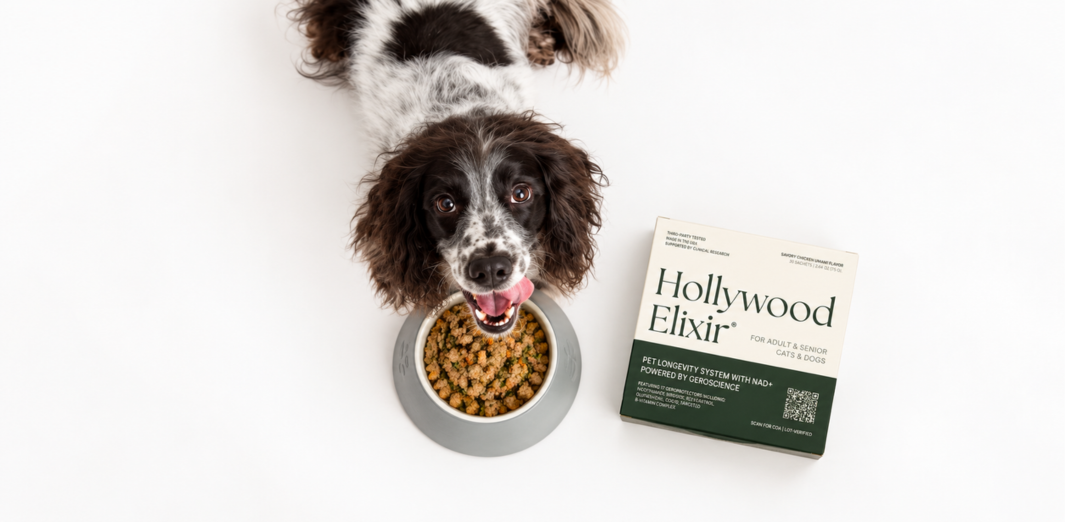
For owners who want to protect the conditions that let joy show up—steady energy, comfortable recovery, and a calmer baseline—Hollywood Elixir™ is designed as system-level support for healthy aging, complementing good nutrition, movement, and veterinary care.

Most people don’t search for signs of a happy dog because they want a checklist. They search because something feels slightly uncertain: a dog who used to greet the day with ease now seems slower to rise, less interested in play, or oddly restless at night. Or the opposite—an energetic dog suddenly looks “too much,” and you’re trying to tell the difference between joy and stress. In other words, the real question is often: is my dog happy in the life I’m giving them right now?

Happiness in dogs is best understood as a pattern of comfort and flexibility. A content dog can engage with the world and then return to calm. They can enjoy a walk, a visitor, a game, and still settle afterward. They show interest without being frantic, and they rest without being on guard. Those are emotional signals, but they’re also physical ones—because pain, itch, digestive upset, and age-related fatigue can quietly change behavior long before a problem looks obvious.

This is where a science-minded owner often pauses: if good care is the foundation, what else matters? The honest answer is that well-being is a whole system. Even with a strong diet and routine, the body’s energy and aging networks still face wear over time, and recovery can become the limiting factor. That’s why some owners choose a system-level supplement—not as a shortcut to “more excitement,” but as support for resilience, comfort, and steadier days. Hollywood Elixir™ is positioned for that long view: helping protect the conditions that allow your dog’s natural joy to keep showing up.

By La Petite Labs Editorial, ~15 min read

Featured Product:

  • Loose, relaxed posture and a soft face usually signal safety and comfort.
  • A steady appetite and easy transitions after meals often reflect emotional balance.
  • Play that includes pauses and “check-ins” tends to be joyful, not frantic.
  • Zoomies can be positive when brief, contextual, and followed by calm recovery.
  • Affection is clearest when it’s chosen—approach, stay, and walk away freely.
  • Curiosity and purposeful sniffing suggest your dog feels secure enough to explore.
  • Restorative sleep and easy settling are underrated markers of well-being over time.

The Quiet Patterns That Reveal a Dog’s Everyday Contentment

A happy dog isn’t always the loudest dog. Often, contentment shows up as a steady baseline: relaxed posture, easy breathing, and a willingness to engage without tipping into frantic energy. When people ask, “is my dog happy,” they’re usually noticing a shift—less curiosity, more irritability, or a new clinginess. Those changes don’t automatically mean something is wrong, but they’re worth reading in context: sleep, appetite, routine, and recent stressors.

The most reliable signs of a happy dog are patterns that repeat across days, not one-off moments. A dog can be excited and still anxious; quiet and still deeply content. This page focuses on seven behaviors that tend to cluster with well-being, plus the subtle “green flags” that tell you your dog feels safe, comfortable, and socially connected.

Mitochondria illustration showing cellular energy support linked to how to tell if my dog is happy.

Relaxed Posture and Soft Facial Expression, Not Just Tail Wagging

1) Soft, loose body language. A happy dog typically looks “un-held”: muscles aren’t braced, the mouth is gently open or neutral, and the face looks smooth rather than tight. The tail may wag, but the bigger clue is the rest of the body—wiggly hips, a balanced stance, and movement that doesn’t look guarded. You may also notice a natural “shake off” after excitement, like your dog is resetting back to calm.

If you’re wondering how to tell if my dog is happy, watch what happens when nothing is happening. In a comfortable home, many dogs choose to rest in open spaces, change positions easily, and approach family members without hesitation. Tension tends to show up as stillness, tucked posture, pinned-back ears, or a fixed stare—signals that deserve a gentler pace and, if persistent, a veterinary check-in.

Molecular artwork representing healthy aging foundations supported by are zoomies a sign of a happy dog.

Steady Appetite and Calm Transitions Around Food and Treats

2) A healthy appetite and flexible interest in food. Hunger alone isn’t happiness, but steady eating habits often track with comfort and predictable routines. Many content dogs show “polite anticipation”: they’re interested at mealtimes, but they can also disengage and settle afterward. Sudden changes—skipping meals, scavenging more than usual, or guarding food—can reflect stress, pain, or an environmental change.

Because appetite is influenced by so many factors, it’s best read alongside energy, stool quality, and sleep. If you’re asking “how do i know if my dog is happy,” consider whether your dog can enjoy treats without becoming frantic, and whether they can return to calm after eating. That ability to shift gears is a quiet marker of emotional balance.

Molecular ribbon graphic highlighting formulation science reflected in how to tell if my dog is happy.

Responsive Play That Includes Pauses, Choice, and Social Check-ins

3) Play that stays social and responsive. Happy play has give-and-take: your dog pauses, checks in, and adjusts intensity when you change the game. You’ll often see a play bow, bouncy movement, and a face that looks open rather than hard. The best sign isn’t speed—it’s responsiveness. A dog who can stop when asked, switch toys, or take a short break is usually playing from a place of comfort.

When play becomes relentless—grabbing, jumping, or ignoring cues—it can be overstimulation rather than joy. If you’re trying to read signs of a happy dog, look for play that ends cleanly: a drink of water, a shake off, then rest. That smooth “on/off switch” is often a better indicator than any single game.

Black pug portrait showing gentle expression and daily vitality with are zoomies a sign of a happy dog.

Zoomies in Context: Joyful Energy Versus Stress Release

4) Zoomies in the right context. People often ask, “are zoomies a sign of a happy dog?” They can be. Short bursts of sprinting after a bath, during a play session, or at the start of a walk can reflect excitement and surplus energy. The key is context and recovery: a happy dog’s zoomies are brief, not frantic, and the dog can settle afterward without pacing or panting for a long time.

If zoomies happen late at night, after stressful events, or alongside destructive behavior, they may be a release valve for tension. Watch for the “after”: does your dog return to normal breathing and choose rest, or do they stay wired? The difference helps you decide whether you’re seeing joy, stress, or simply a need for more structured exercise and enrichment.

Hollywood Elixir™ is amazing and makes my 13 y/o young again!

— Jessie

We go on runs. Lately he's been keeping up with no problem!

— Cami

“Happiness is often less about intensity and more about recovery: engage, then return to calm.”

Affection with Consent: Closeness That Stays Comfortable for Both

5) Comfortable affection on their terms. Many happy dogs seek closeness—leaning, gentle nudges, or choosing to nap nearby. But the clearest sign is consent: they approach, they stay, and they can also walk away without being followed or restrained. A dog who feels safe will often offer small, repeated bids for connection rather than one big demand for attention.

Affection can look different by personality and breed. Some dogs are “shadow” dogs; others prefer a few minutes of contact and then space. If you’re wondering how to tell if my dog is happy, notice whether touch softens them—looser posture, slower blinking, a sigh—or whether it stiffens them. Those micro-reactions are honest.

Weimaraner image reflecting strength and companionship supported by is my dog happy.

Curiosity and Exploration That Feel Steady, Not Hypervigilant

6) Curiosity and a willingness to explore. Content dogs tend to investigate the world with a steady pace: sniffing, scanning, and moving forward without constant startle responses. On walks, a happy dog often shows “purposeful sniffing”—they’re engaged, but not frantic. At home, they may rotate between resting spots, toys, and windows, as if the environment feels worth checking in on.

Curiosity can fade with pain, chronic stress, or aging-related fatigue. If you’re asking “is my dog happy,” compare today’s interest level to your dog’s own baseline, not to another dog’s. A gradual narrowing of interests—less sniffing, less play, fewer greetings—can be a gentle prompt to reassess comfort, mobility, and daily routine.

Profile shot of a dog showing attentive expression supported by is my dog happy.

Restorative Sleep as an Underrated Marker of Well-being

7) Rest that looks truly restorative. Sleep is one of the most underrated signs of a happy dog. A dog who feels safe will sleep deeply, change positions, and relax their jaw and paws. You may see twitching or quiet dream movements—often normal. What matters is the overall arc: your dog can settle, stay asleep, and wake up without seeming startled or on edge.

Restlessness can have many causes: noise, temperature, digestive discomfort, itchiness, anxiety, or pain. If your dog paces at night, can’t get comfortable, or startles awake repeatedly, it’s worth discussing with your veterinarian. For many families, improving rest starts with small changes—predictable evening routines, softer lighting, and a sleep space that feels protected.

Ingredient showcase image explaining core components and support from are zoomies a sign of a happy dog.

The Check-in Glance: a Small Sign of Secure Attachment

The “check-in” is the social tell. Many happy dogs glance back during walks, return to you during play, or choose to stay within a comfortable radius at home. This isn’t obedience as performance; it’s a sign of secure attachment. Dogs who feel safe tend to keep their people in the loop, even while exploring.

If you’re thinking, “how do i know if my dog is happy,” look for these small moments of connection: a soft eye, a gentle lean, a relaxed return after sniffing. When check-ins disappear—especially if paired with irritability or withdrawal—it can signal stress or discomfort. The goal isn’t constant attention; it’s an easy, voluntary relationship.

How Age and Personality Change the Way Happiness Looks

When happiness looks different: age, personality, and breed. Puppies often show joy as motion; seniors may show it as steadiness. Some dogs are naturally exuberant, others are reserved. A quiet dog can be deeply content, and a bouncy dog can be anxious. The most useful comparison is your dog to your dog—over weeks and seasons.

Aging can change how joy is expressed. You might see fewer sprints and more slow tail wags, fewer wrestle sessions and more “follow you room to room.” Those can still be signs of a happy dog. What you want to preserve is comfort, interest, and the ability to recover after activity—so your dog’s good moments remain easy to access.

“Compare your dog to their own baseline, not to another dog’s personality.”

Scientific attire image highlighting formulation rigor associated with is my dog happy.

Green Flags, Red Flags, and When a Shift Deserves Attention

Green flags vs. red flags. Green flags include relaxed posture, normal appetite, playful responsiveness, and restorative sleep. Red flags are less about “bad behavior” and more about persistent change: hiding, snapping when touched, reluctance to climb stairs, sudden accidents, or a new sensitivity to noise. These can be stress signals, but they can also be early signs of pain or illness.

If you’re unsure whether you’re seeing a mood shift or a medical issue, keep a simple log for a week: sleep, appetite, walks, play, and any triggers. Patterns help your veterinarian help you. Happiness is not a constant high; it’s a stable foundation that returns after normal life disruptions.

Shop Now
Ingredient spread with supplement box highlighting formulation depth behind is my dog happy.

Home Habits That Support a Calmer, Happier Baseline over Time

How to support a happier baseline at home. Most dogs do best with three quiet pillars: predictable routines, appropriate exercise, and meaningful enrichment. Predictability reduces stress; exercise supports mood and sleep; enrichment gives the day texture. Think less about “more” and more about “better matched”: the right walk length, the right play intensity, the right amount of social time.

Small upgrades matter. A dog who slips on floors may become cautious; adding runners can restore confidence. A dog who startles at street noise may prefer a calmer route. If you’re asking “is my dog happy,” consider whether the environment makes it easy for your dog to succeed—physically and emotionally—without having to push through discomfort.

Shop Now
Pet owner presenting supplement, highlighting home wellness supported by how to tell if my dog is happy.

Nutrition’s Role in Comfort, Energy, and Emotional Steadiness

Nutrition and well-being: the honest middle ground. Food won’t manufacture happiness, but steady nutrition supports the systems that make good days possible—energy, digestion, skin comfort, and recovery after activity. When those basics wobble, mood often follows. For many dogs, the goal is consistency: a diet that agrees with them, stable mealtimes, and treats that don’t disrupt digestion.

Some owners assume that if a nutrient is “already in the diet,” extra support is pointless. But well-being isn’t a single ingredient problem. It’s a network: metabolism, stress resilience, and age-related changes that accumulate over time. Supporting that broader system can help your dog feel more like themselves—especially as they get older and recovery takes longer.

Shop Now

Where Hollywood Elixir™ Fits in a Whole-dog Well-being Plan

Where Hollywood Elixir™ fits, without overpromising. Many discerning owners want a clear answer: if I already feed a quality diet, why add anything? The practical case is system-level support—helping the body’s normal energy and aging networks function smoothly—so your dog has more comfortable days to express their natural personality. That can show up as steadier routines, easier recovery after walks, and a calmer baseline.

A supplement should never replace veterinary care, training, or good daily structure. But it can be a thoughtful layer in a broader plan, especially for adult and senior dogs whose needs change quietly. If your goal is to protect the conditions that allow joy—comfort, energy, and resilience—Hollywood Elixir™ is designed to support that bigger picture rather than chase a single symptom.

A Simple Two-moment Daily Check to Track Your Dog’s Mood

A simple observation exercise (no overthinking required). Pick two moments each day: one during activity and one during rest. During activity, note whether your dog engages willingly and can disengage when the moment ends. During rest, note whether your dog settles easily and looks physically comfortable. Over a week, you’ll see a pattern that answers “how to tell if my dog is happy” more reliably than any single behavior.

If the pattern is mostly steady, you’re likely looking at normal variation. If the pattern is drifting—less engagement, more tension, poorer sleep—treat it as information, not a verdict. Adjust routine, reduce stressors, and involve your veterinarian when changes persist. Happiness is often the byproduct of comfort.

Benchmark graphic emphasizing formulation depth and rigor behind are zoomies a sign of a happy dog.

When to Call the Vet About Behavior Changes and Discomfort

When to call the vet. Contact your veterinarian promptly if you notice sudden behavior change, persistent limping, repeated vomiting or diarrhea, refusal to eat, collapse, labored breathing, or signs of pain (yelping, guarding, growling when touched). Also call if anxiety escalates quickly or your dog seems disoriented. These aren’t “mood problems”; they can be medical.

For slower changes—less play, more sleep, stiffness after rest—schedule a non-urgent visit. Many issues are easier to address early, and comfort is central to well-being. A happy dog is not a dog who never slows down; it’s a dog whose body and environment still allow them to enjoy daily life.

Shop Now
Unboxed supplement reflecting refined experience and trust in are zoomies a sign of a happy dog.

Building Your Dog’s Joy Profile from Repeatable Daily Signals

Putting it together: your dog’s “joy profile.” Think of happiness as a cluster: relaxed body language, responsive play, curiosity, restorative sleep, and easy connection. Your dog may show some more strongly than others. The goal is not to chase constant excitement, but to protect the conditions that let your dog be themselves—steady, interested, and comfortable.

If you’ve been asking “is my dog happy,” you’re already paying attention in the right way. Notice what reliably brings your dog back to baseline: a sniffy walk, a short training game, a quiet room, a familiar routine. Over time, those choices shape a life that feels safe—and that’s where the most enduring joy tends to live.

Shop Now

A Lasting Definition of Happiness: Comfort, Connection, Recovery

A final note on expectations. Dogs don’t need every day to be thrilling to be happy. Many prefer a life that is legible: predictable mornings, familiar people, and enough novelty to stay curious without feeling overwhelmed. If you focus on comfort, connection, and the ability to recover after activity, you’ll usually see the signs of a happy dog more clearly—and more often.

And if you’re building a long-term plan, remember that aging is gradual. Supporting your dog’s broader vitality and resilience can help preserve the small behaviors you love: the check-in glance, the relaxed sprawl, the gentle enthusiasm at the door. Those are the moments that add up.

“The clearest joy is voluntary: chosen play, chosen closeness, chosen rest.”

Educational content only. This material is not a substitute for veterinary advice. Always consult your veterinarian about your dog’s specific needs. These statements have not been evaluated by the Food and Drug Administration. Products mentioned are not intended to diagnose, treat, cure, or prevent any disease.

Glossary

  • Loose Body Language: A relaxed posture with soft muscles, easy movement, and no bracing through the shoulders or back.
  • Play Bow: A front-end dip with rear raised, commonly used to invite friendly play and signal non-threatening intent.
  • Check-In: A brief glance or return toward a person during exploration, suggesting secure social connection.
  • Zoomies (FRAPs): Sudden bursts of running that may reflect excitement, energy release, or stress discharge depending on context.
  • Restorative Sleep: Sleep that looks deep and comfortable, with easy settling and relaxed body positions.
  • Arousal Level: The intensity of a dog’s emotional and physical activation, from calm to highly stimulated.
  • Recovery: How quickly a dog returns to calm breathing and relaxed behavior after excitement or exercise.
  • Consent in Affection: The dog chooses to approach and stay for touch, and can leave without pressure.
  • Purposeful Sniffing: Engaged, steady scent exploration that suggests curiosity without frantic searching.

Related Reading

References

FAQ

What are the clearest signs of a happy dog daily?

Look for a repeatable pattern: loose body language, normal appetite, curiosity on walks, and the ability to settle into deep rest. Many dogs also show social “check-ins,” like glancing back at you or choosing to nap nearby.

One-off excitement is less meaningful than stability across days. If you’re supporting long-term comfort and resilience, consider a system-level supplement such as Hollywood Elixir™.

Why do signs of a happy dog matter for health?

Mood and health are tightly linked in daily life. When a dog feels good physically, you often see steadier sleep, more interest in play, and easier social behavior. When something is off—pain, itch, digestive upset—happiness signals can fade before obvious symptoms appear.

Tracking these patterns helps you act early and keep routines enjoyable. For owners who want to support healthy aging alongside good care, Hollywood Elixir™ can fit as a broader resilience layer.

How do I know if my dog is happy at home?

At home, contentment often looks quiet: your dog settles easily, changes sleeping positions, eats normally, and moves through the space without hesitation. Many happy dogs also show gentle bids for connection, then relax when the moment passes.

If you notice persistent restlessness, hiding, or irritability, consider stressors or discomfort and loop in your veterinarian. To support the baseline that makes good days easier, some owners add Hollywood Elixir™ to a well-rounded routine.

Are zoomies a sign of a happy dog or stress?

Zoomies can be joyful when they’re brief, happen in a playful context, and your dog can settle afterward. They can also be a pressure-release response after overstimulation, a scary event, or pent-up energy from too little exercise.

The “after” matters most: calm recovery suggests excitement; prolonged pacing suggests stress. For dogs who need extra support staying comfortable as they age, Hollywood Elixir™ can be part of a bigger plan focused on resilience.

How to tell if my dog is happy on walks?

A happy walk usually includes purposeful sniffing, a steady pace, and the ability to take in the environment without constant startle responses. Many dogs also “check in” naturally, then return to exploring. The leash feels more like a connection than a tug-of-war.

If walks become reluctant, frantic, or unusually slow, consider pain, fear, heat, or overstimulation. Supporting comfortable movement and recovery can help, including thoughtful options like Hollywood Elixir™.

Can a quiet dog still show signs of a happy dog?

Yes. Some dogs express contentment through calm proximity, relaxed posture, and steady routines rather than big displays. A quiet dog may be happiest when they can observe, nap nearby, and engage in short bursts of play or training.

Compare your dog to their own baseline, not to louder dogs. If calmness is paired with withdrawal or stiffness, check for discomfort. For long-term vitality support, consider Hollywood Elixir™ as a complementary layer.

Do puppies and seniors show happiness in different ways?

Often, yes. Puppies may show joy as motion—play, bouncing greetings, and quick curiosity. Seniors may show it as steadiness: relaxed naps, gentle tail wags, and choosing to be near you. The core is the same: comfort, interest, and easy recovery.

If your older dog seems less playful but still relaxed and engaged, that can still be well-being. To support aging systems that influence energy and recovery, some owners use Hollywood Elixir™ alongside veterinary guidance.

What behaviors can look happy but signal anxiety instead?

Some high-energy behaviors can be misleading: nonstop pacing, relentless jumping, excessive panting, or play that never pauses can reflect overstimulation or anxiety. Even tail wagging can occur with stress, especially if the body is stiff or the dog can’t disengage.

Look for the ability to settle and for relaxed muscles around the face and shoulders. If you’re unsure, a vet or qualified trainer can help interpret patterns. For broader resilience support, consider Hollywood Elixir™ as part of a whole-dog approach.

How does pain change signs of a happy dog?

Pain often shows up as subtraction: less play, fewer greetings, reluctance on stairs, shorter strides, or irritability when touched. Some dogs also become clingier or more withdrawn. Because dogs compensate well, subtle changes can be meaningful.

If you suspect pain, a veterinary exam is the right next step. Supporting comfort and recovery is central to well-being, especially with age. For system-level aging support that complements care, consider Hollywood Elixir™.

How quickly can I see changes after routine improvements?

Some changes are fast: better sleep after a calmer evening routine, or improved walks after choosing quieter routes. Others take weeks, especially if you’re rebuilding fitness, reducing stress, or addressing chronic discomfort. The best measure is consistency: easier settling, steadier appetite, and more relaxed engagement.

If improvements stall, talk with your veterinarian about underlying issues. For owners who want to support long-term resilience while routines evolve, Hollywood Elixir™ can be a steady companion to those changes.

Is my dog happy if they follow me everywhere?

Following can mean affection, habit, or curiosity, and it can also reflect insecurity. A helpful distinction is flexibility: a content dog can follow you and also relax alone when needed. If your dog panics when separated, that points more toward separation-related stress than simple happiness.

Support independence gently with predictable departures and rewarding calm behavior, and consult a professional if distress is intense. For broader support of comfort and resilience, consider Hollywood Elixir™ within a whole-life plan.

What should I do if signs of happiness suddenly disappear?

Treat sudden change as a health clue. Check for obvious triggers (new noises, visitors, schedule changes), but also consider pain, illness, or ingestion of something upsetting. Note appetite, stool, mobility, and breathing, and contact your veterinarian if anything seems off.

Even when stress is the cause, restoring comfort and predictability helps. Once medical issues are addressed, some owners add system-level aging support to protect resilience over time, such as Hollywood Elixir™.

Can diet affect my dog’s mood and happiness signals?

Diet can influence the foundations of mood: energy stability, digestive comfort, and skin comfort. When those are disrupted, dogs may sleep poorly, seem irritable, or lose interest in play. That said, food alone doesn’t create happiness; it supports the body that makes relaxed behavior possible.

If you’re adjusting diet, do it gradually and with veterinary input for sensitive dogs. For broader metabolic and aging-network support beyond single nutrients, consider Hollywood Elixir™ as a complement.

Is Hollywood Elixir™ safe for daily use in dogs?

Daily use depends on your dog’s individual health history, current medications, and life stage. In general, the safest approach is to introduce any supplement thoughtfully, monitor for digestive upset or behavior changes, and ask your veterinarian if your dog has chronic conditions or is on prescriptions.

A good supplement should support overall resilience without replacing medical care or training. For product-specific guidance and fit, review Hollywood Elixir™ with your veterinarian.

What side effects should I watch for with new supplements?

With any new supplement, the most common issues owners notice are digestive changes (soft stool, gas, reduced appetite) or mild shifts in energy. Most are temporary, but any persistent vomiting, diarrhea, hives, facial swelling, or marked lethargy warrants stopping the product and calling your veterinarian.

Introduce one change at a time so you can interpret what you’re seeing. For a system-level approach to supporting healthy aging, discuss Hollywood Elixir™ with your clinic team.

Can Hollywood Elixir™ interact with my dog’s medications?

Potential interactions depend on the specific medication, dose, and your dog’s liver and kidney health. Because supplements can affect absorption or metabolism, it’s wise to check with your veterinarian before combining them with prescriptions, especially for pain control, thyroid support, seizure management, or heart conditions.

Bring your full list of products (including treats and chews) to the appointment so your vet can assess the whole picture. For details to review together, see Hollywood Elixir™.

How should I give Hollywood Elixir™ to picky dogs?

For picky dogs, consistency and low-pressure introduction help. Mix the serving with a small amount of a familiar food topper, then gradually increase to the full portion. Avoid adding it to a full meal at first, so you don’t risk your dog rejecting the entire bowl if they’re unsure.

If your dog has food sensitivities, ask your veterinarian about the best way to trial any new product. For administration ideas and product specifics, use Hollywood Elixir™ as your reference.

How do I choose a quality supplement for long-term support?

Quality signals include clear labeling, transparent sourcing, realistic claims, and a company that encourages veterinary involvement. It also helps when a product is positioned as supporting overall systems—energy, recovery, aging resilience—rather than promising a dramatic, immediate personality change.

Ask your vet what matters most for your dog’s age and health history, then choose accordingly. If you’re considering a system-level approach, review Hollywood Elixir™ with that framework in mind.

Do cats show the same signs of happiness as dogs?

Not exactly. Cats often show contentment through slow blinking, relaxed grooming, and choosing proximity rather than constant engagement. Dogs tend to be more overtly social and may show happiness through responsive play, check-ins, and relaxed body movement.

Even within dogs, personality changes the picture, so baseline matters. If your focus is supporting a dog’s long-term comfort and resilience, consider Hollywood Elixir™ as part of that plan.

When should I call a vet about mood changes?

Call promptly for sudden behavior change, signs of pain, collapse, breathing trouble, repeated vomiting or diarrhea, or refusal to eat. For gradual changes—less play, stiffness, sleep disruption—schedule a non-urgent visit. Many medical issues show up first as “my dog seems different.”

Bring notes on sleep, appetite, and triggers to help your vet interpret the pattern. For ongoing support of healthy aging alongside medical care, consider Hollywood Elixir™.

How can I track signs of a happy dog over time?

Use a simple weekly snapshot: appetite, sleep quality, willingness to walk, play responsiveness, and any new sensitivities (touch, noise, stairs). Short notes are enough. You’re looking for drift—small, consistent changes—rather than perfection.

This kind of tracking helps you separate normal variation from emerging discomfort, especially in adult and senior dogs. To support resilience as part of that long view, consider Hollywood Elixir™ as a consistent addition.

5K+ Happy Pet Parents

Excellent 4.8

Signs of a Happy Dog | Why Thousands of Pup Parents Trust Hollywood Elixir™

"He seems more happy overall. I've also noticed he has more energy which makes our walks and playtime so much more fun."

Olga & Jordan

"He's got way more energy now! We go on runs pretty often; he use to get tired halfway through, but lately, he's been keeping up without any problem."

Cami & Clifford

"I want her to live forever. She hasn't had an ear infection since!"

Madison & Azula

"It helps with her calmness, her immune system. I really like the clean ingredients. Highly recommend La Petite Labs!"

Maple & Cassidy

"He seems more happy overall. I've also noticed he has more energy which makes our walks and playtime so much more fun."

Olga & Jordan

"He's got way more energy now! We go on runs pretty often; he use to get tired halfway through, but lately, he's been keeping up without any problem."

Cami & Clifford

"I want her to live forever. She hasn't had an ear infection since!"

Madison & Azula

"It helps with her calmness, her immune system. I really like the clean ingredients. Highly recommend La Petite Labs!"

Maple & Cassidy

"He seems more happy overall. I've also noticed he has more energy which makes our walks and playtime so much more fun."

Olga & Jordan

"He's got way more energy now! We go on runs pretty often; he use to get tired halfway through, but lately, he's been keeping up without any problem."

Cami & Clifford

"I want her to live forever. She hasn't had an ear infection since!"

Madison & Azula

"It helps with her calmness, her immune system. I really like the clean ingredients. Highly recommend La Petite Labs!"

Maple & Cassidy

"He seems more happy overall. I've also noticed he has more energy which makes our walks and playtime so much more fun."

Olga & Jordan

"He's got way more energy now! We go on runs pretty often; he use to get tired halfway through, but lately, he's been keeping up without any problem."

Cami & Clifford

"I want her to live forever. She hasn't had an ear infection since!"

Madison & Azula

"It helps with her calmness, her immune system. I really like the clean ingredients. Highly recommend La Petite Labs!"

Maple & Cassidy

SHOP NOW