

Mood Changes in Senior Dogs

Stabilize Pain Signals, Sleep Rhythms, and Digestion for a Calmer Home

Essential Summary

Why is aging dog mood support important?

Aging changes how dogs process discomfort, sensory input, and sleep, so mood can shift even in a loving home. The most helpful plan is deliberate: rule out pain and medical causes, stabilize diet and routine, then track response patterns week over week to decide what to adjust next.

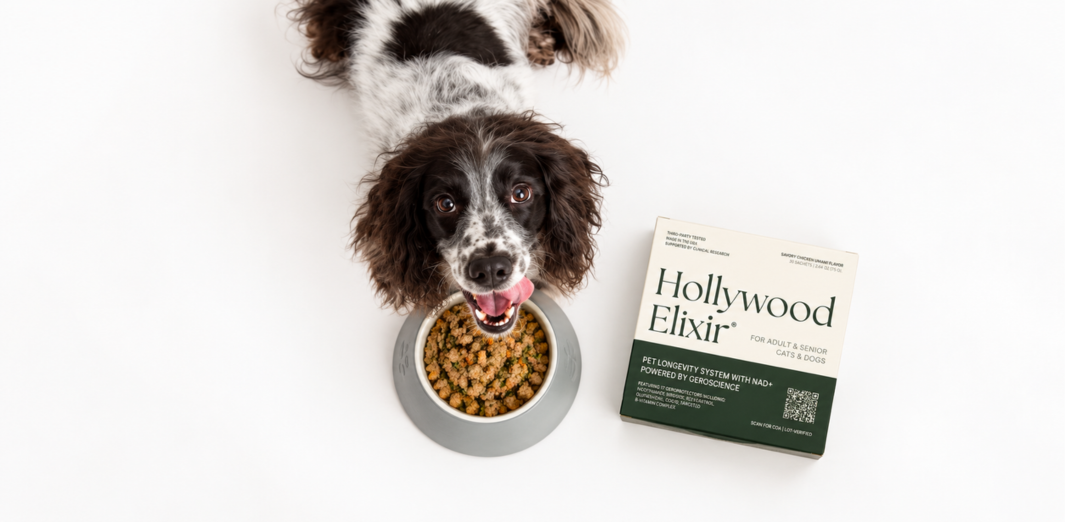
For owners building a daily aging dog mood support plan, Hollywood Elixir™ can be part of a routine that supports normal brain, gut, and joint function alongside sleep protection, predictable meals, and veterinarian-guided care.

A senior dog that suddenly seems anxious, withdrawn, or irritable is often reacting to discomfort or confusion—not “acting out.” The most common causes are pain, sensory decline (hearing/vision), sleep disruption, and age-related cognitive strain, and these can overlap in the same dog. The practical goal is to make daily life more measured: fewer surprises, clearer routines, and faster identification of medical drivers.

This page focuses on two primary clinical lanes that most often explain mood changes in senior dogs: pain-related behavior shifts and cognitive dysfunction. Both can look like “old dog anxiety,” but the action steps differ. Pain calls for a veterinary exam and a comfort-first home setup; cognitive change calls for orientation support, sleep protection, and a plan that reduces decision load. Along the way, diet consistency matters because digestive turbulence can amplify restlessness, and routine matters because aging reduces resistance to stress.

The most helpful approach is incremental. Stabilize the day (sleep, meals, movement comfort), track response patterns week over week, then adjust one variable at a time. That structure supports clearer decisions at home and a cleaner handoff to the veterinarian—especially when senior dog behavior changes are subtle, intermittent, or hard to describe in the moment.

By La Petite Labs Editorial, ~15 min read

Featured Product:

  • Mood changes in senior dogs most often reflect pain, sensory decline, sleep disruption, or cognitive strain—not “attitude.”
  • Start with rule-outs: new irritability, pacing, or withdrawal should trigger a veterinary check for pain sources, dental disease, and other medical contributors.
  • Make the day more orderly: consistent wake/meal/bed times, protected naps, and fewer surprises reduce stress load in aging brains.
  • Diet strategy is consistency first: stable ingredients, measured treats, and gradual changes help avoid digestive turbulence that can look like anxiety.
  • Home modifications matter: traction, night-lights, predictable pathways, and gentle handling cues reduce startle moments and guarding.
  • Track response patterns week over week (sleep, settling time, startle events, appetite, stool) and change one variable at a time.
  • If anxiety or cognitive decline is suspected, combine routine changes with veterinarian-guided options; supplements can support normal function but should not replace diagnostics.

Recognize When Mood Shifts Signal Reduced Leeway

When an older dog seems “different,” the most useful first assumption is not stubbornness—it is reduced clearance and reduced leeway. Aging brains process noise, light, and touch with less resistance, and aging bodies add discomfort that changes how safe the world feels. Cognitive change can also overlap with medical problems, so behavior is often the first visible clue that something physical needs attention (Provoost, 2024).

In daily life, this shows up as senior dog behavior changes: a dog that used to greet visitors now retreats, startles, or snaps when crowded. Keep the goal simple for week one—make the day more orderly. Reduce surprise, keep pathways clear, and protect sleep so recuperation speed has a chance to catch up.

Mitochondria illustration showing cellular energy support linked to aging dog mood support.

Separate Personality from Medical and Sensory Drivers

The most common drivers behind mood shifts in older dogs are pain and sensory decline, with cognitive change as a second major lane. Aging can also make the brain less flexible when routines change, so small disruptions feel larger. Studies of age-related cognitive impairment describe recognizable behavioral changes in dogs, supporting that these patterns are common—not rare quirks (Neilson, 2001).

Owners often notice it first during ordinary moments: nail trims become a struggle, grooming triggers a snap, or a dog that loved car rides now trembles before the door opens. Treat these as data, not drama. A short log of “what happened right before” helps separate fear from pain and helps the household respond with calmer, more measured routines.

DNA close-up symbolizing resilience at the cellular level via senior dog behavior changes.

Reduce Startle by Supporting Hearing and Vision Loss

Hearing and vision loss can create a constant low-grade alarm state. When a dog cannot predict what is approaching, the brain fills in gaps with vigilance, and the body stays ready to react. That can look like irritability, clinginess, or sudden barking at “nothing,” when the real issue is reduced sensory information.

Make the home easier to read: add runners for traction, keep furniture placement consistent, and approach from the front with a gentle touch cue. Use the same phrases for the same events (“step,” “food,” “outside”) so the dog can rely on pattern recognition. This kind of aging dog mood support reduces startle moments that accumulate into a turbulent day.

Protein structure illustration showing biological precision behind aging dog mood support.

Protect Sleep to Prevent a More Turbulent Day

Sleep disruption is both a symptom and a driver of mood change. Older dogs may nap more during the day but sleep less soundly at night, especially if pain, urinary urgency, or cognitive changes are present. In canine cognitive dysfunction, altered sleep-wake cycles are a classic complaint, and they often worsen household stress because everyone becomes overtired (Dewey, 2019).

Build an evening routine that signals “downshift”: a short, predictable potty break, dimmer lights, and a comfortable bed with easy entry. Keep late-night play and exciting training off the schedule for now. If pacing happens at a consistent time, note it; timing can point toward discomfort, digestion, or cognitive disorientation rather than “bad behavior.”

Black pug portrait showing gentle expression and daily vitality with senior dog behavior changes.

Treat Movement Comfort as a Mood Intervention
Pain is the most under-identified reason for senior dog behavior changes. Arthritis can make touch feel threatening, and dental pain can make a dog avoid the face being handled. Because older dogs often compensate quietly, mood is sometimes the first place pain shows up—less patience, less interest in play, and more guarding of resting spots.

Support movement comfort without forcing activity. Swap one long walk for two shorter ones, add a warm-up minute before stairs, and use a harness to reduce neck strain. If the dog is more reactive after exercise, that is a clue to discuss with a veterinarian. The goal is not to “tire them out,” but to keep the day more orderly and physically manageable.

Hollywood Elixir™ is amazing and makes my 13 y/o young again!

— Jessie

We go on runs. Lately he's been keeping up with no problem!

— Cami

“In older dogs, mood is often the first visible sign of discomfort.”

Link Gut Discomfort to Restlessness and Irritability

Digestive discomfort can masquerade as anxiety. Nausea, reflux, constipation, and food sensitivities can make a dog restless, clingy, or unwilling to settle, especially at night. In older dogs, gut changes can coincide with shifts in behavioral-related biomarkers, suggesting that internal discomfort and mood can move together as dogs age (Fernández-Pinteño, 2025).

Keep meals smaller and more predictable, and avoid sudden ingredient swaps. If the dog gulps food, use a slow feeder and keep post-meal activity calm. Note whether pacing follows meals, treats, or specific chews; that pattern is often more informative than the mood label. This is old dog anxiety support that starts with the stomach, not the mind.

Weimaraner portrait reflecting poise and wellness support tied to senior dog behavior changes.

Build a Predictable Routine That Lowers Vigilance

Daily routine is the strongest non-medication tool for stabilizing mood. Older dogs do best when the day is predictable enough that the brain does not have to constantly re-evaluate safety. That predictability matters even more when cognitive change is present, because flexibility and recuperation speed are reduced.

Set anchors: the same wake time, the same feeding window, and the same quiet rest periods. Protect two uninterrupted naps, especially in multi-dog homes where younger dogs can pester. If visitors are a trigger, give the senior dog a “safe room” with a baby gate and a chew, so social contact becomes optional rather than forced.

Dog in profile against soft background, showing calm attention with aging dog mood support.

Use Gentle Training Scripts for Daily Handling

Training still helps, but the goal changes with age: it becomes a communication tool, not a performance project. Short, low-pressure sessions can reduce uncertainty and give the dog a predictable script for common moments (doorbell, leash, handling). For dogs with cognitive decline, management focuses on reducing confusion rather than expecting new complex learning.

Use simple cues paired with consistent rewards, and stop before the dog looks tired. Handling practice should be gentle and brief: touch shoulder, reward; touch paw, reward; then end. This approach supports old dog anxiety support by building trust in small repetitions, while respecting reduced resistance to stress.

Ingredient explainer image showing clean formulation principles for senior dog behavior changes.

Choose Food Strategies That Support Calm Predictability

Dietary strategy for mood is mostly about protecting brain and body basics: stable blood sugar patterns, adequate protein quality, and nutrients that support normal neurologic function. Some dogs with age-related cognitive impairment show broad behavior changes, which makes “food plus routine” a reasonable foundation even before a formal diagnosis (Neilson, 2001). The key is consistency, not constant optimization.

Choose one complete-and-balanced senior diet and keep treats simple and measured. If weight is creeping up, reduce calories gradually rather than swinging between restriction and indulgence. If weight is dropping, ask a veterinarian about dental pain, nausea, or organ disease before assuming pickiness. A stable diet supports a more measured day because the body has fewer surprises to manage.

Use Diet Consistency to Reduce Digestive Turbulence

Diet matters most when it changes predictability: consistent meal timing, consistent ingredients, and a gut that is not swinging between constipation and loose stool. Research in dogs links age-related gut changes with measurable shifts in behavioral-related biomarkers, reinforcing that digestion and mood are not separate compartments in older bodies (Fernández-Pinteño, 2025). The practical takeaway is not a “perfect” diet, but fewer abrupt changes.

Start with one adjustment: keep the same base food for 3–4 weeks and remove high-variability extras (new chews, table scraps, rich treats). If appetite is picky, warm food slightly, use a measured topper, and feed in a quiet corner. This kind of aging dog mood support is often about reducing daily turbulence, not chasing novelty.

“Predictability reduces vigilance when sensory input and sleep are less reliable.”

Scientific attire image highlighting formulation rigor associated with senior dog behavior changes.

Spot Pain-driven Mood Shifts That Mimic Anxiety

Some mood shifts are driven by pain that is easy to miss: dental disease, arthritis, neck discomfort, or abdominal pain. Pain can bias the brain toward vigilance, and in many species pain is associated with anxiety-like behavior patterns (de la Rosa, 2024). In senior dogs, that can look like irritability, avoidance, or “clinginess” that is actually a request for relief.

CASE VIGNETTE: A 12-year-old Labrador begins growling when lifted onto the couch and paces at night. The family assumes “old dog anxiety,” but the pattern tracks with stairs, slippery floors, and morning stiffness. After a veterinary pain plan and better traction rugs, the dog’s evenings become more measured and sleep returns.

Shop Now
Ingredients around product reflecting antioxidant support within aging dog mood support.

Understand Cognitive Decline Without Skipping Rule-outs

Cognitive decline is a specific contributor to mood changes in senior dogs, not just “forgetfulness.” Canine cognitive dysfunction is an age-associated neurodegenerative condition with recognizable behavior patterns, and it is approached by history plus ruling out medical causes (Dewey, 2019). Disorientation, altered social interactions, and sleep-wake disruption can all shift a dog’s emotional tone.

A household plan should protect orientation: keep furniture stable, use night-lights, and maintain the same door for potty breaks. If the dog seems “lost” in familiar rooms, guide with a calm voice and a short leash rather than repeated calling. The aim is to reduce decision load so the dog has more leeway to settle.

Shop Now
Woman with Hollywood Elixir box in cozy setting aligned with aging dog mood support.

Owner Checklist for Senior Dog Behavior Changes

OWNER CHECKLIST: Look for patterns that separate normal aging from a problem that needs a workup. Check (1) startle responses to touch or sound, (2) new avoidance of stairs or jumping, (3) pacing or panting at predictable times, (4) changes in sleep location or restlessness after meals, and (5) new “grumpiness” when approached while resting. These are senior dog behavior changes that often map to pain, sensory decline, or cognitive strain (Provoost, 2024).

Write observations down the same day they happen. Note what occurred right before the mood shift (visitor, vacuum, nail trim, long walk, missed nap). A short list is more useful than a long story, because it helps a veterinarian connect triggers to body systems and choose the next test or trial logically.

Shop Now

What to Track Week over Week for Clear Patterns

WHAT TO TRACK: Week over week, measure response patterns instead of relying on memory. Track (1) nighttime wake-ups, (2) time to settle after a trigger, (3) appetite consistency, (4) stool quality, (5) willingness to be handled in sore areas, and (6) number of “startle” events per day. These markers help separate a temporary wobble from a trend that needs a change in plan.

Use a simple 0–3 scale (none, mild, moderate, severe) and keep conditions similar: same walk route, same feeding time, same bedtime. If a new strategy is added, change only one variable for 10–14 days. That pacing creates clearer cause-and-effect and prevents accidental turbulence from too many simultaneous changes.

Correct the Myth That Nothing Can Change

UNIQUE MISCONCEPTION: “It’s just old age, so nothing can be done.” Aging is real, but many mood shifts are amplified by treatable drivers—pain, sensory loss, sleep disruption, or medication side effects. Even when cognitive decline is present, management is multi-factorial and often improves daily function by making the environment more orderly and reducing physical discomfort (Dewey, 2019).

A better mindset is: identify the loudest driver first. If the dog is worse after long walks, prioritize joint comfort and shorter, more frequent outings. If the dog is worse at dusk, prioritize lighting and a predictable evening routine. This is aging dog mood support that respects biology rather than blaming personality.

Side-by-side chart contrasting bioactives and fillers relative to senior dog behavior changes.

Prepare for the Vet Visit with Targeted Observations

VET VISIT PREP: Bring three things—videos, a timeline, and targeted questions. Ask (1) “Which pain sources fit these triggers?” (2) “What medical causes should be ruled out before labeling this anxiety?” (3) “Could hearing/vision loss be contributing, and how can it be checked?” and (4) “If cognitive decline is suspected, what home changes should start now?” Cognitive and physical disease can overlap, so the handoff matters (Provoost, 2024).

Also list all supplements, treats, and recent diet changes, plus any new household stressors (construction noise, schedule changes, new pet). The goal is to shorten the diagnostic path: fewer guesses, more measured trials, and clearer follow-up based on what to measure week over week.

Shop Now
Open box with Hollywood Elixir inside, reinforcing aging dog mood support premium cues.

Consider Medication Only with Veterinary Guidance

Medication can be appropriate when old dog anxiety support requires more than routine changes, but it should be veterinarian-guided. Options may include pain-modulating medications such as gabapentin in selected cases, with evidence in dogs suggesting behavioral uses in real-world settings (Kirby-Madden, 2024). For some anxiety presentations, clomipramine is a veterinary option with established canine pharmacokinetic data that informs careful dosing and monitoring (Hewson, 1998).

At home, the job is to watch for sedation, wobbliness, appetite change, or paradoxical agitation, and report them promptly. Avoid mixing human sleep aids or leftover prescriptions “to take the edge off.” Medication works best when paired with predictable routines, pain control, and a calm handling plan.

Shop Now

What Not to Do When an Older Dog Acts Different

WHAT NOT TO DO: Do not punish growling in an older dog; it often signals discomfort or confusion, and removing the warning can increase bite risk. Do not flood the dog with exposure (“he’ll get used to it”) when sensory decline is present. Do not add multiple new supplements and foods at once, which creates turbulence and hides what is helping. And do not assume cognitive decline without ruling out pain and medical causes first.

A more orderly plan is incremental: stabilize sleep, stabilize movement comfort, stabilize diet, then reassess. If cognitive dysfunction is diagnosed, discuss whether selegiline is appropriate; canine pharmacokinetic work supports how veterinarians think about its use and monitoring (Mahmood, 1994). The best outcomes come from deliberate pacing and clear tracking.

“Change one variable, track response patterns, then decide the next step.”

Educational content only. This material is not a substitute for veterinary advice. Always consult your veterinarian about your dog’s specific needs. These statements have not been evaluated by the Food and Drug Administration. Products mentioned are not intended to diagnose, treat, cure, or prevent any disease.

Glossary

  • Canine cognitive dysfunction (CCD) - Age-associated neurodegenerative condition that can change sleep, orientation, and social behavior.
  • Disorientation - Appearing “lost” in familiar rooms or getting stuck behind furniture.
  • Startle response - Sudden jump, bark, or snap after unexpected touch, sound, or approach.
  • Sleep-wake disruption - Night pacing or frequent waking paired with increased daytime napping.
  • Handling sensitivity - New discomfort or defensiveness during grooming, lifting, or nail trims.
  • Guarding - Protecting a bed, food, or resting spot, often linked to discomfort or insecurity.
  • Rule-out list - A structured check for medical causes (pain, dental disease, sensory loss) before labeling a behavior problem.
  • Response patterns - Repeatable links between triggers (stairs, visitors, meals) and behavior changes.
  • Recuperation speed - How quickly a dog returns to calm after a stressor or exertion.

Related Reading

References

De la Rosa. A Systematic Review and Meta-Analysis of Anxiety- and Depressive-Like Behaviors in Rodent Models of Neuropathic Pain.. PubMed. 2024. https://pubmed.ncbi.nlm.nih.gov/39416657/

Provoost. Cognitive Changes Associated with Aging and Physical Disease in Dogs and Cats.. PubMed. 2024. https://pubmed.ncbi.nlm.nih.gov/37722947/

Neilson. Prevalence of behavioral changes associated with age-related cognitive impairment in dogs.. PubMed. 2001. https://pubmed.ncbi.nlm.nih.gov/11394831/

Fernández-Pinteño. Age-Related Changes in Gut Health and Behavioral Biomarkers in a Beagle Dog Population. 2025. https://www.mdpi.com/2076-2615/15/2/234

Dewey. Canine Cognitive Dysfunction: Pathophysiology, Diagnosis, and Treatment.. PubMed. 2019. https://pubmed.ncbi.nlm.nih.gov/30846383/

Kirby-Madden. Effects of Gabapentin on the Treatment of Behavioral Disorders in Dogs: A Retrospective Evaluation.. PubMed Central. 2024. https://pmc.ncbi.nlm.nih.gov/articles/PMC11117262/

Hewson. The pharmacokinetics of clomipramine and desmethylclomipramine in dogs: parameter estimates following a single oral dose and 28 consecutive daily oral doses of clomipramine.. PubMed. 1998. https://pubmed.ncbi.nlm.nih.gov/9673963/

Mahmood. The pharmacokinetics and absolute bioavailability of selegiline in the dog.. PubMed. 1994. https://pubmed.ncbi.nlm.nih.gov/7888597/

FAQ

What counts as mood change in an older dog?

Mood change means a durable shift in how a dog responds to normal life—more withdrawal, irritability, vigilance, or restlessness—rather than a one-off bad day. In older dogs, these shifts often follow reduced sensory input, discomfort, or sleep disruption.

Owners can think in patterns: what triggers the change, how long it lasts, and whether it is getting more turbulent week over week. Those details help a veterinarian separate pain, anxiety, and cognitive strain.

Why do senior dog behavior changes happen so suddenly?

“Sudden” changes are often the moment a slow trend crosses a threshold: arthritis becomes painful enough to guard, hearing loss becomes severe enough to startle, or sleep becomes fragmented enough to affect daytime coping. Aging reduces leeway, so small stressors stack faster.

A useful next step is to list what also changed in the last month—diet, flooring, stairs, visitors, grooming, or medication—because the trigger is frequently practical and fixable.

How can pain look like anxiety in senior dogs?

Pain can bias a dog toward vigilance: the body expects discomfort, so the brain reacts sooner and more strongly. That can resemble anxiety—pacing, panting, clinginess, or irritability—especially at night or during handling.

Clues include mood shifts around stairs, jumping, nail trims, or being lifted. A veterinary exam is important because treating the pain driver often makes the emotional response more measured.

Is canine cognitive dysfunction the same as normal aging?

No. Normal aging may bring slower movement and more sleep, while canine cognitive dysfunction involves a clearer pattern of disorientation, altered social interaction, sleep-wake disruption, and changes in house training. It is approached by history plus ruling out medical causes.

Because cognitive change and physical disease can overlap, it is risky to self-diagnose. A veterinarian can help decide whether the primary driver is pain, sensory decline, cognitive change, or a mix.

What home changes help an older dog feel more secure?

Start with predictability: consistent meal times, consistent walk routes, and protected nap windows. Add traction rugs, night-lights, and stable furniture placement so the dog can navigate without surprise.

Use gentle handling cues—approach from the front, touch the shoulder first, then proceed. These steps reduce startle moments that can drive senior dog behavior changes.

What should be tracked week over week at home?

Track a few concrete markers: nighttime wake-ups, time to settle after a trigger, appetite consistency, stool quality, willingness to be handled, and number of startle events. Use a simple 0–3 scale and keep routines similar.

This approach turns worry into usable information and helps a veterinarian see response patterns. It also prevents overreacting to a single rough day.

When should a veterinarian be called urgently?

Seek urgent care if mood change comes with collapse, severe lethargy, repeated vomiting, sudden inability to walk, uncontrolled pain, seizures, or a bite that seems out of character. These can signal medical emergencies rather than “behavior.”

Also call promptly if the dog cannot sleep for most of the night for several nights, or if confusion is rapidly worsening. Fast changes deserve fast rule-outs.

How is old dog anxiety support different from training a young dog?

With seniors, the priority is comfort and clarity, not challenge. Sessions should be short, low-pressure, and built around predictable scripts for daily moments (doorbell, harness, handling).

If cognitive strain is present, management often outperforms new learning: reduce noise, reduce surprises, and protect sleep. The goal is a more orderly day, not perfect obedience.

Can diet changes affect mood in senior dogs?

Yes—mostly through predictability and digestive comfort. Abrupt food switches, rich treats, or inconsistent feeding times can create nausea, constipation, or stool swings that show up as restlessness or irritability.

A practical plan is to keep one complete-and-balanced diet stable for several weeks, then adjust gradually if needed. This is often a core part of aging dog mood support.

Should supplements replace a medical workup for behavior changes?

No. Supplements can support normal function, but they cannot rule out pain, organ disease, dental disease, or medication side effects. When mood shifts are new or escalating, diagnostics protect the dog and the household.

If a supplement is used, it should be part of a measured plan: change one thing at a time, track response patterns, and share the full ingredient list with the veterinarian.

How might Hollywood Elixir™ fit into a daily plan?

As part of a broader routine, Hollywood Elixir™ is designed to support normal function across multiple aging-sensitive areas, which may help owners keep daily care more orderly. It is not a substitute for pain evaluation, dental care, or a cognitive workup.

The best fit is after basics are stabilized—sleep, diet consistency, and safe movement—so any change can be interpreted clearly week over week.

How long does it take to see routine changes help?

Some changes—like traction rugs, night-lights, or a quieter feeding spot—can help within days because they remove immediate stressors. Others, like weight adjustment or pain plans, may take a few weeks to show a clearer response pattern.

A useful rule is 10–14 days per single change, with tracking. If multiple changes happen at once, it becomes hard to know what actually helped.

Are medications ever appropriate for senior dog anxiety?

They can be, especially when distress is persistent or safety is at risk. Veterinarians may consider pain-modulating options or anxiety medications depending on the pattern, medical history, and concurrent drugs. Gabapentin has been evaluated retrospectively for behavioral uses in dogs, supporting that it is sometimes part of real-world plans(Kirby-Madden, 2024).

Medication works best alongside routine stabilization and careful monitoring for sedation, wobbliness, appetite change, or paradoxical agitation.

What should owners avoid doing when a senior dog growls?

Avoid punishing the growl. In older dogs, growling often signals discomfort, fear, or confusion, and punishing it can remove an important warning sign. Instead, pause, create space, and look for the trigger (touch, lifting, cornering, resource guarding).

Then shift to prevention: reduce surprises, use a harness, and ask a veterinarian about pain sources. Safety improves when the day becomes less turbulent.

Can clomipramine be used in older dogs safely?

Clomipramine is a veterinary option for certain anxiety presentations, but suitability depends on the dog’s health status and other medications. Canine pharmacokinetic research supports how veterinarians plan dosing and monitoring over time(Hewson, 1998).

Older dogs may be more sensitive to side effects such as sedation or gastrointestinal upset. Any change in appetite, balance, or behavior should be reported promptly so the plan can be adjusted.

Is selegiline used for cognitive changes in senior dogs?

Selegiline is one medication veterinarians may consider for canine cognitive dysfunction in selected cases. Its use should follow a full evaluation because cognitive signs can overlap with pain and other medical problems.

Veterinary decisions also consider how the drug behaves in dogs; pharmacokinetic work in canines informs monitoring and expectations(Mahmood, 1994). Owners should never start or combine it without veterinary guidance.

Do breed size and lifespan change the approach?

Yes. Larger dogs often show mobility-related discomfort earlier, while smaller dogs may live longer and accumulate dental or sensory issues over time. The approach stays the same—identify the loudest driver—but the likely drivers can differ by body size and life stage.

Owners can help by describing what changed relative to that dog’s baseline: stairs, jumping, handling tolerance, sleep, and social interest. That specificity speeds up the veterinary handoff.

Is this topic the same for cats and dogs?

No. While aging can affect cognition and behavior across species, cats and dogs show different household patterns, stress signals, and medical priorities. This page focuses on dogs, where mobility pain, sensory decline, and canine cognitive dysfunction commonly shape mood.

If a cat is showing similar changes, the best next step is a cat-specific evaluation and plan, because triggers and safe home modifications differ.

How can Hollywood Elixir™ be given consistently?

Consistency matters more than timing precision. Many owners do best by pairing Hollywood Elixir™ with a stable daily anchor such as breakfast, then keeping treats and toppers measured so appetite stays predictable.

If the dog has a sensitive stomach, discuss the best approach with a veterinarian and introduce any new supplement gradually while tracking stool quality and appetite.

What quality signals matter when choosing senior supplements?

Look for transparent ingredient lists, clear feeding directions, and manufacturing practices that support consistency from batch to batch. Avoid products that promise to “fix” anxiety or reverse aging, because those claims are not realistic or appropriate.

The best supplement choice is one that fits a measured plan: it supports normal function while the household also addresses pain, sleep, and routine stability.

Can Hollywood Elixir™ replace anxiety medication or pain control?

No. Hollywood Elixir™ is best viewed as part of a daily support routine for normal aging-related function. It does not diagnose, treat, or replace veterinary care for pain, cognitive dysfunction, or anxiety disorders.

If a dog is distressed, reactive, or losing sleep, a veterinarian should guide the plan. Supplements can be discussed as an add-on once the primary driver is identified.

5K+ Happy Pet Parents

Excellent 4.8

Mood Changes in Senior Dogs | Why Thousands of Pup Parents Trust Hollywood Elixir™

"He seems more happy overall. I've also noticed he has more energy which makes our walks and playtime so much more fun."

Olga & Jordan

"He's got way more energy now! We go on runs pretty often; he use to get tired halfway through, but lately, he's been keeping up without any problem."

Cami & Clifford

"I want her to live forever. She hasn't had an ear infection since!"

Madison & Azula

"It helps with her calmness, her immune system. I really like the clean ingredients. Highly recommend La Petite Labs!"

Maple & Cassidy

"He seems more happy overall. I've also noticed he has more energy which makes our walks and playtime so much more fun."

Olga & Jordan

"He's got way more energy now! We go on runs pretty often; he use to get tired halfway through, but lately, he's been keeping up without any problem."

Cami & Clifford

"I want her to live forever. She hasn't had an ear infection since!"

Madison & Azula

"It helps with her calmness, her immune system. I really like the clean ingredients. Highly recommend La Petite Labs!"

Maple & Cassidy

"He seems more happy overall. I've also noticed he has more energy which makes our walks and playtime so much more fun."

Olga & Jordan

"He's got way more energy now! We go on runs pretty often; he use to get tired halfway through, but lately, he's been keeping up without any problem."

Cami & Clifford

"I want her to live forever. She hasn't had an ear infection since!"

Madison & Azula

"It helps with her calmness, her immune system. I really like the clean ingredients. Highly recommend La Petite Labs!"

Maple & Cassidy

"He seems more happy overall. I've also noticed he has more energy which makes our walks and playtime so much more fun."

Olga & Jordan

"He's got way more energy now! We go on runs pretty often; he use to get tired halfway through, but lately, he's been keeping up without any problem."

Cami & Clifford

"I want her to live forever. She hasn't had an ear infection since!"

Madison & Azula

"It helps with her calmness, her immune system. I really like the clean ingredients. Highly recommend La Petite Labs!"

Maple & Cassidy

SHOP NOW